Showing: Jun · Unsplash / Unsplash
Rwanda · Africa & Middle East
Best time to visit Kigali
June
Jun scores highest overall — reliable weather and strong local atmosphere. Set your priorities below to personalise this result.
What matters most to you?
All 12 months — click any to expand
Jun
Unsplash / Unsplash
Peak dry season begins — the best gorilla trekking conditions of the year.
26°C
High
15°C
Low
28mm
Rain
7.8h
Sun/day
What you gain
- ↑June opens the main dry season (June–September) — the optimal window for gorilla and chimpanzee trekking. The Volcanoes National Park trails are firm, the mountain weather clear, and the gorilla families range in predictable patterns that trackers know well. Visibility through the bamboo and Hagenia forest is excellent, and the misty volcanic peaks are a dramatic backdrop.
- ↑Akagera National Park on the eastern border (2.5 hours from Kigali) is at its best in dry season: the savanna grasses are shorter, wildlife concentrates around the lakes and rivers, and lion sightings — reintroduced after local extinction — are at their highest probability. Akagera delivers Rwanda's Big Five experience.
- ↑FESPAD Pan-African Dance Festival (August) preparations begin — Kigali's cultural calendar activates with workshops and performances.
What you sacrifice
- ↓June begins peak season pricing: gorilla permit prices are fixed at $1,500 regardless of season, but lodge rates at Bisate, Singita Kwitonda, and Wilderness Bisate surge to $1,500–3,000+ per person per night in the dry season. Budget Rwanda travel in peak season requires significant compromise.
- ↓International visitor numbers are at their highest — gorilla trekking permits sell out weeks in advance during June–September. Book permits through the Rwanda Development Board at least 6–8 weeks ahead, or through reputable operators such as Wilderness Safaris or Nomad Africa.
Jun scores highest overall — reliable weather and strong local atmosphere. Set your priorities below to personalise this result.
Jun
Peak dry season begins — the best gorilla trekking conditions of the year.
26°C
High
28mm
Rain
7.8h
Sun
- ↑June opens the main dry season (June–September) — the optimal window for gorilla and chimpanzee trekking. The Volcanoes National Park trails are firm, the mountain weather clear, and the gorilla families range in predictable patterns that trackers know well. Visibility through the bamboo and Hagenia forest is excellent, and the misty volcanic peaks are a dramatic backdrop.
- ↑Akagera National Park on the eastern border (2.5 hours from Kigali) is at its best in dry season: the savanna grasses are shorter, wildlife concentrates around the lakes and rivers, and lion sightings — reintroduced after local extinction — are at their highest probability. Akagera delivers Rwanda's Big Five experience.
- ↑FESPAD Pan-African Dance Festival (August) preparations begin — Kigali's cultural calendar activates with workshops and performances.
- ↓June begins peak season pricing: gorilla permit prices are fixed at $1,500 regardless of season, but lodge rates at Bisate, Singita Kwitonda, and Wilderness Bisate surge to $1,500–3,000+ per person per night in the dry season. Budget Rwanda travel in peak season requires significant compromise.
- ↓International visitor numbers are at their highest — gorilla trekking permits sell out weeks in advance during June–September. Book permits through the Rwanda Development Board at least 6–8 weeks ahead, or through reputable operators such as Wilderness Safaris or Nomad Africa.
Top travel windows
★ BestJune
Best overall
Highest combined score
26°C
High
28mm
Rain
7.8h
Sun
April
Best for value
Lowest prices & fees
25°C
High
156mm
Rain
5h
Sun
April
Fewest crowds
Quietest month
25°C
High
156mm
Rain
5h
Sun
Breakdown by priority
Best for weather
June
26°C high · 28mm rain · 7.8hrs sun/day
Best for budget
April
Accommodation prices are at annual lows. Gorilla permits remain at their fixed $1,500 price, but lodge packages and combination packages through tour operators can be assembled at significant discounts.
Fewest crowds
April
April marks Rwanda's official genocide commemoration month (Kwibuka), a period of profound national reflection centred on April 7 — the anniversary of the 1994 genocide. The Kigali Genocide Memorial (Gisozi) holds particular meaning during this period. For travellers who approach Rwanda with genuine curiosity about its history and transformation, April is when that dimension of the country is most visible and accessible.
Where to stay in Kigali
All neighbourhoods →Nyarugenge (Downtown Kigali)
Kigali's spotless commercial heart — where Africa's cleanest city is most visible.
10/10
Central
7/10
Walk
8/10
Transit
Kimihurura & Kiyovu
The embassy quarter — Kigali's best restaurants, rooftop bars, and expat social scene.
7/10
Central
7/10
Walk
6/10
Transit
Also exploring
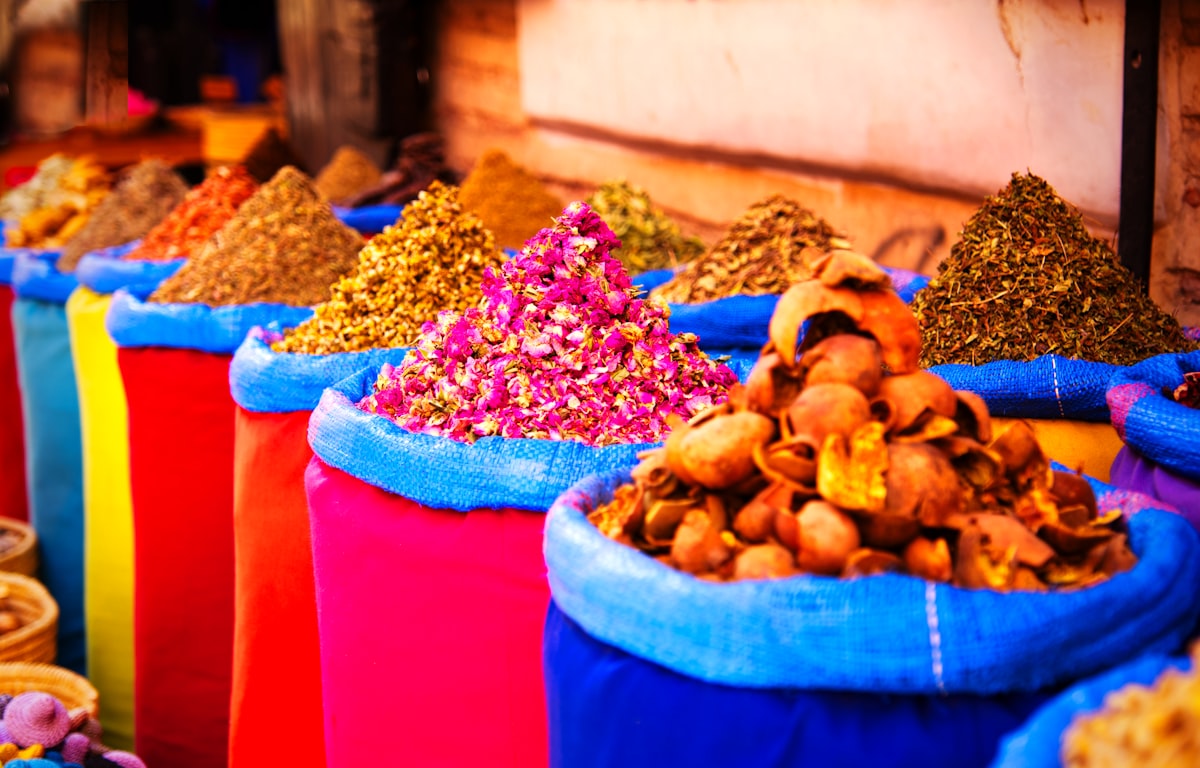
Marrakech
Morocco
A city of medieval medina markets, orange groves, and Atlas Mountain views where summer heat is genuinely dangerous and spring timing is everything.
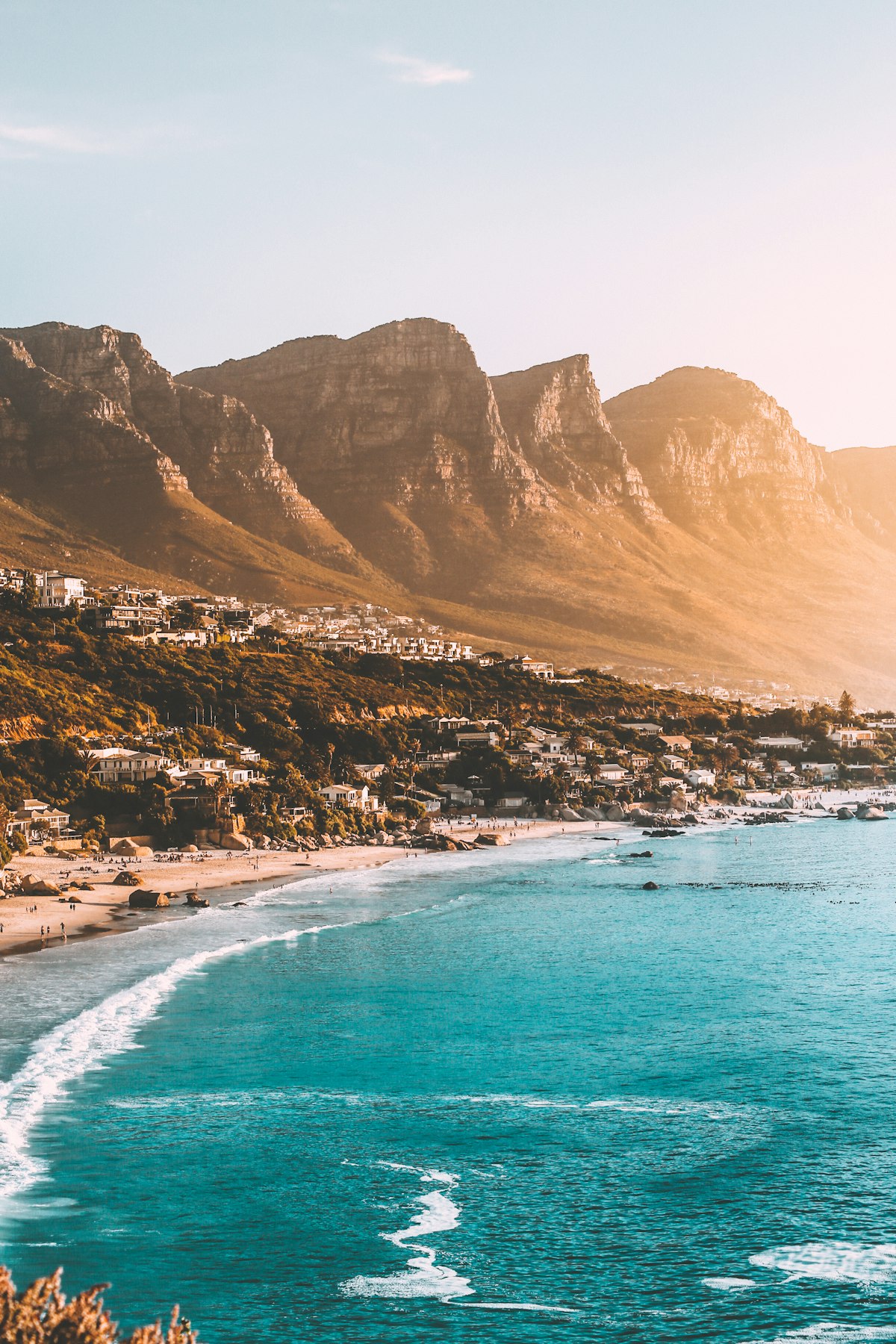
Cape Town
South Africa
Africa's most dramatic city — where timing means choosing between the dry, sunny austral summer (November–March) for beaches and hiking, and the cooler winter months when southern right whales arrive in False Bay and the wildflowers transform the West Coast.
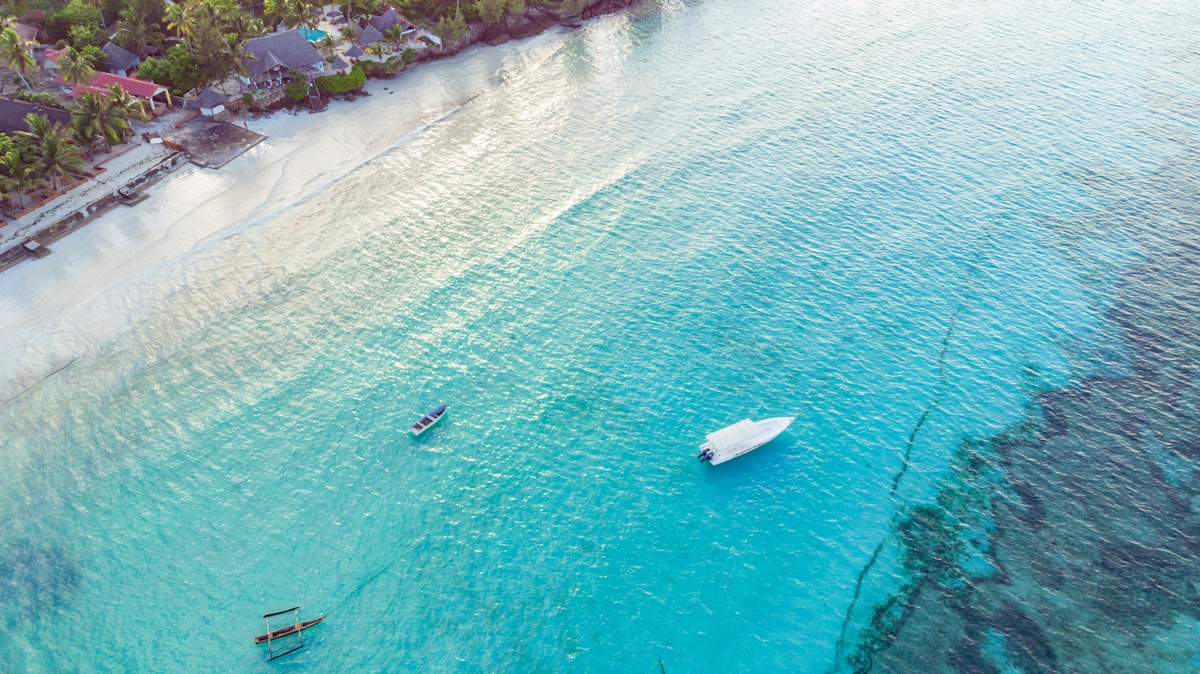
Zanzibar
Tanzania
A UNESCO-listed Swahili trading city, world-class kite surfing, whale shark encounters, and Indian Ocean beaches — Tanzania's island extension is one of Africa's most compelling destinations, shaped by two distinct rainy seasons that divide the year sharply into when to go and when not to.
Worth knowing
June scores highest overall. August is the most crowded month — avoid if you can. See crowd-free ranking →
Month by month breakdown
January#5▾
Gains
- ↑January falls within Rwanda's short dry season (December–January), offering some of the year's better trekking conditions: the Volcanoes National Park trails are drier than the rainy season months, and the mountain gorilla families are more predictable in their ranging patterns. Permit availability is better than the June–September peak.
- ↑Kigali itself is at its most pleasant: the highland altitude keeps temperatures around 26°C despite being near the equator, and the dry air makes the city's hillside geography easy to explore on foot. The Kigali Genocide Memorial is accessible and uncrowded.
- ↑Nyungwe Forest National Park chimpanzee trekking operates reliably in January — the canopy walk (one of Africa's longest suspension bridges through forest) and tea estate surroundings are vivid and accessible.
Sacrifices
- ↓January is not peak dry season. The trails in Volcanoes National Park are passable but can still be muddy from December rains. Gorilla trekking involves genuine physical effort: treks range from 2–8 hours through steep bamboo forest and volcanic terrain regardless of conditions.
- ↓International visitor numbers are moderate — permit availability is reasonably good, but the $1,500 USD gorilla permit price is fixed year-round regardless of season or demand.
February#7▾
Gains
- ↑February marks the transition into the long rainy season, but the rains are not yet consistent: clear mornings followed by afternoon showers are common. Morning gorilla treks (which always begin at 7am from Kinigi headquarters) often avoid the worst of the rain, making trekking feasible for the persistent.
- ↑Accommodation prices at lodges near Volcanoes National Park — including Bisate Lodge and One&Only Gorilla's Nest — begin to ease slightly compared to peak season. February is a cost-effective window for luxury Rwanda experiences.
Sacrifices
- ↓The long rainy season (February–May) transforms the Volcanoes National Park trails from challenging to genuinely difficult. Rain gear is essential, boots will be mud-caked within minutes, and the steep volcanic flanks become treacherous. The gorilla trek experience is authentic but physically demanding in a different way than the dry season.
- ↓Chimpanzee trekking in Nyungwe becomes harder as the forest floor turns to mud and chimps range more unpredictably. The canopy walk can close during heavy rain events.
March#11▾
Gains
- ↑March is genuinely the low season for Rwanda tourism, and the value is real: luxury lodges like Singita Kwitonda and Bisate Lodge discount heavily. A gorilla trekking experience that costs $3,000+ per person in dry season can be assembled for half that price with lodge and permit combined.
- ↑Despite the rain, gorilla families are reliably tracked year-round — Rwanda Gorilla Conservation has habituated families for over three decades, and trackers locate the groups every single morning. The rain actually concentrates gorillas in bamboo feeding zones, making some encounters more accessible than in dry season ranging.
Sacrifices
- ↓March is typically Rwanda's rainiest month. The combination of 138mm of rainfall distributed across frequent heavy showers with the volcanic mountain terrain makes for genuinely challenging trekking: knees, boots, and energy reserves are all tested. Hire the recommended porters — they are essential, not optional.
- ↓Kigali itself is affected: the city's notoriously clean streets (plastic bags have been banned since 2008, litter fines enforced) handle the rain well, but outdoor restaurant and rooftop bar culture is curtailed by afternoon downpours.
April#10▾
Gains
- ↑April marks Rwanda's official genocide commemoration month (Kwibuka), a period of profound national reflection centred on April 7 — the anniversary of the 1994 genocide. The Kigali Genocide Memorial (Gisozi) holds particular meaning during this period. For travellers who approach Rwanda with genuine curiosity about its history and transformation, April is when that dimension of the country is most visible and accessible.
- ↑Accommodation prices are at annual lows. Gorilla permits remain at their fixed $1,500 price, but lodge packages and combination packages through tour operators can be assembled at significant discounts.
Sacrifices
- ↓April is not appropriate for visitors whose focus is purely leisure tourism. The commemoration period involves public mourning, and some venues and events pause during the first weeks of April. Understanding the context of Rwanda's history is essential for any respectful visit, but especially so in April.
- ↓Weather conditions remain difficult: 156mm of rain with the heaviest daily falls of the long rainy season. Gorilla trekking is possible but muddy, and some Nyungwe chimpanzee trails may be temporarily closed after particularly heavy events.
May#8▾
Gains
- ↑The Kigali International Marathon (typically late May) fills the city's streets and hotel inventory with an international running community. The course winds through Kigali's extraordinary hilly geography — the city is built on seven hills — and the festive atmosphere in a city known for civic pride and cleanliness is genuinely excellent. Registration opens months in advance.
- ↑May sees the long rainy season easing toward the June dry season. By mid-to-late May, the trails in Volcanoes National Park are beginning to recover, and gorilla trekking conditions improve significantly compared to March and April.
Sacrifices
- ↓Early May retains the tail of the rainy season — the first two weeks remain wet and unpredictable. Planning a gorilla trek for the first week of May carries a higher weather risk than the second half of the month.
- ↓Marathon week (late May) drives hotel prices in Kigali significantly above their usual low-season levels. Book accommodation 6–8 weeks ahead if visiting that week.
June#1▾
Gains
- ↑June opens the main dry season (June–September) — the optimal window for gorilla and chimpanzee trekking. The Volcanoes National Park trails are firm, the mountain weather clear, and the gorilla families range in predictable patterns that trackers know well. Visibility through the bamboo and Hagenia forest is excellent, and the misty volcanic peaks are a dramatic backdrop.
- ↑Akagera National Park on the eastern border (2.5 hours from Kigali) is at its best in dry season: the savanna grasses are shorter, wildlife concentrates around the lakes and rivers, and lion sightings — reintroduced after local extinction — are at their highest probability. Akagera delivers Rwanda's Big Five experience.
- ↑FESPAD Pan-African Dance Festival (August) preparations begin — Kigali's cultural calendar activates with workshops and performances.
Sacrifices
- ↓June begins peak season pricing: gorilla permit prices are fixed at $1,500 regardless of season, but lodge rates at Bisate, Singita Kwitonda, and Wilderness Bisate surge to $1,500–3,000+ per person per night in the dry season. Budget Rwanda travel in peak season requires significant compromise.
- ↓International visitor numbers are at their highest — gorilla trekking permits sell out weeks in advance during June–September. Book permits through the Rwanda Development Board at least 6–8 weeks ahead, or through reputable operators such as Wilderness Safaris or Nomad Africa.
July#4▾
Gains
- ↑July is Rwanda's driest month: just 18mm of rainfall, clear mountain skies, and the best visibility of the Virunga volcano range from Volcanoes National Park. The five volcanoes — Karisimbi, Bisoke, Muhabura, Gahinga, and Sabyinyo — are often cloud-free in the mornings, providing extraordinary hiking backdrops.
- ↑Golden monkey encounters in the bamboo zone below the gorilla habitat are a wonderful complement to the gorilla trek — more physically accessible, equally unique to the Virunga massif, and far less publicised. July conditions make both achievable in the same 2-day visit.
- ↑Kigali's Kimihurura and Kiyovu neighbourhoods — home to the city's best restaurants and rooftop bars — are at their most vibrant: the cool, clear evenings (14°C at night) make outdoor dining pleasant in a way the rainy season cannot match.
Sacrifices
- ↓Peak pricing across all categories: lodge rates are at their annual maximum. The country's conservation levy, permit fee, and lodge costs can combine to over $5,000 per person for a 3-night gorilla itinerary before flights.
- ↓Permits sell out: popular habituated gorilla families like the Susa and Hirwa groups are booked months in advance through July. Less-visited families are perfectly good encounters — the difference is access logistics rather than quality — but advance planning is non-negotiable.
August#2▾
Gains
- ↑Kwita Izina — Rwanda's gorilla naming ceremony — takes place in September but preparations and associated events fill August. The ceremony, in which newly born gorillas from all habituated families are named at a public event near Kinigi, has grown into Rwanda's most internationally covered annual event and a powerful symbol of the country's conservation success. The mountain gorilla population has grown from 620 individuals in 2010 to over 1,000 today.
- ↑FESPAD Pan-African Dance Festival brings performers from across the continent to Kigali in August — a festival of extraordinary cultural breadth that rarely receives the international attention it deserves. Events take place across multiple venues in the Kimihurura arts district.
- ↑Weather conditions in August match July's excellence — clear skies, cool nights, and reliable dry conditions for all outdoor activities.
Sacrifices
- ↓August is peak season combined with event season — Kwita Izina preparations and FESPAD drive accommodation demand in Kigali higher than any other month. Hotels in Kiyovu and Kimihurura fill completely during event weeks.
- ↓Gorilla permits are the hardest to obtain in August: book 3–4 months in advance for August travel, or accept that a reputable operator's package may be the only route to permit access.
September#3▾
Gains
- ↑Kwita Izina (gorilla naming ceremony) typically falls in late September and is the centrepiece of Rwanda's conservation calendar. The public ceremony near Kinigi welcomes international guests, conservation leaders, and celebrities — tickets are free and distributed through the Rwanda Development Board. The experience of watching newly named infant gorillas acknowledged in the ceremony is genuinely moving.
- ↑September is the transitional month before the short rainy season (October–November): the first half retains dry-season quality while September's later weeks see occasional showers that presage the rains. Gorilla trekking is still excellent but the peak-season window is clearly closing.
- ↑Lodge prices begin to ease slightly from August peaks — booking September travel rather than August can yield 10–15% savings at some properties.
Sacrifices
- ↓The short rainy season can arrive early in some years, with late September bringing the first consistent rains to Volcanoes National Park. Plan for weather flexibility in the final week of September.
- ↓Kwita Izina week drives Kigali accommodation demand sharply: book early. The international delegation and media presence mean Kigali's better hotels fill for the event period.
October#9▾
Gains
- ↑October marks the short rainy season (October–November) — a significantly shorter and lighter rain pattern than the long rainy season. Gorilla trekking is reliably available with the right gear, and the post-dry-season vegetation creates a dramatically green Volcanoes National Park landscape.
- ↑Lodge prices drop 25–40% from peak season levels. October is a genuine value window: the permit cost is fixed at $1,500 but the lodge, flights, and operator costs come down meaningfully.
Sacrifices
- ↓October rains arrive predictably and affect the Volcanoes National Park trails: waterproof boots and gaiters are not optional. Afternoon rains are common, though morning treks often remain clear.
- ↓Akagera National Park wildlife viewing declines slightly as rains return: the savanna greens and animals disperse from the lake corridors. Lion tracking is less reliable than in dry season.
November#12▾
Gains
- ↑November's rains are real but moderate compared to the long rainy season: the short rainy season totals roughly half the long season's rainfall. For visitors whose primary interest is Kigali itself — the Genocide Memorial, the street food scene at Kimironko Market, the craft shops of the Caplaki cooperative — November is a perfectly fine month.
- ↑November delivers the year's best lodge and operator discounts: properties approaching year-end target occupancy and offer package deals unavailable in peak months.
Sacrifices
- ↓The Volcanoes National Park access road requires a 4WD vehicle in November — heavy rain turns sections to deep mud. Self-drive visitors should confirm road conditions with lodge operators before departing Kigali.
- ↓Nyungwe chimpanzee trekking success rates decline in November: chimps range widely in the rainy season and encounter rates drop compared to dry season.
December#6▾
Gains
- ↑December marks the beginning of the short dry season (December–January), when gorilla trekking conditions improve rapidly. The first weeks can still have residual November rain, but by mid-December the Volcanoes National Park trails are clearing and the mountain views returning. A late-December Rwanda trip combines improving gorilla conditions with a genuinely unusual festive season context.
- ↑Kigali is a striking city to spend Christmas in: the Rwandan diaspora returns home, the city's restaurants and rooftop bars fill with a young, internationally mobile crowd, and the contrast between the country's recent history and its present energy is at its most visible.
- ↑Akagera National Park is accessible and increasingly productive as December's drier conditions begin to concentrate wildlife around the lakes. The park's Big Five — lion, leopard, elephant, buffalo, and both black and white rhino — are trackable for experienced guides.
Sacrifices
- ↓Early December can retain November's rain — the transition to the short dry season is not precise. Book lodges with flexible cancellation policies for early December travel.
- ↓Christmas and New Year periods drive international flight prices to Kigali significantly higher. The combination of transcontinental flight costs and the fixed $1,500 gorilla permit makes Rwanda one of the more expensive destinations globally to visit in December.
How this is calculated
Climate data
Open Meteo ERA5
30-year normals (1991–2020). Temperature, rainfall, sunshine, humidity.
Price & crowd
Tourism research
Seasonal pricing from tourism authority data. Directional — compares months within a destination only.
Personalisation
Weighted scoring
Your priorities change the weights. Budget-first users get different results than weather-first users.
Share this result
June is the best time to visit Kigali
Travel timing updates
New destinations and timing guides, when they land.
No spam. Unsubscribe anytime.