
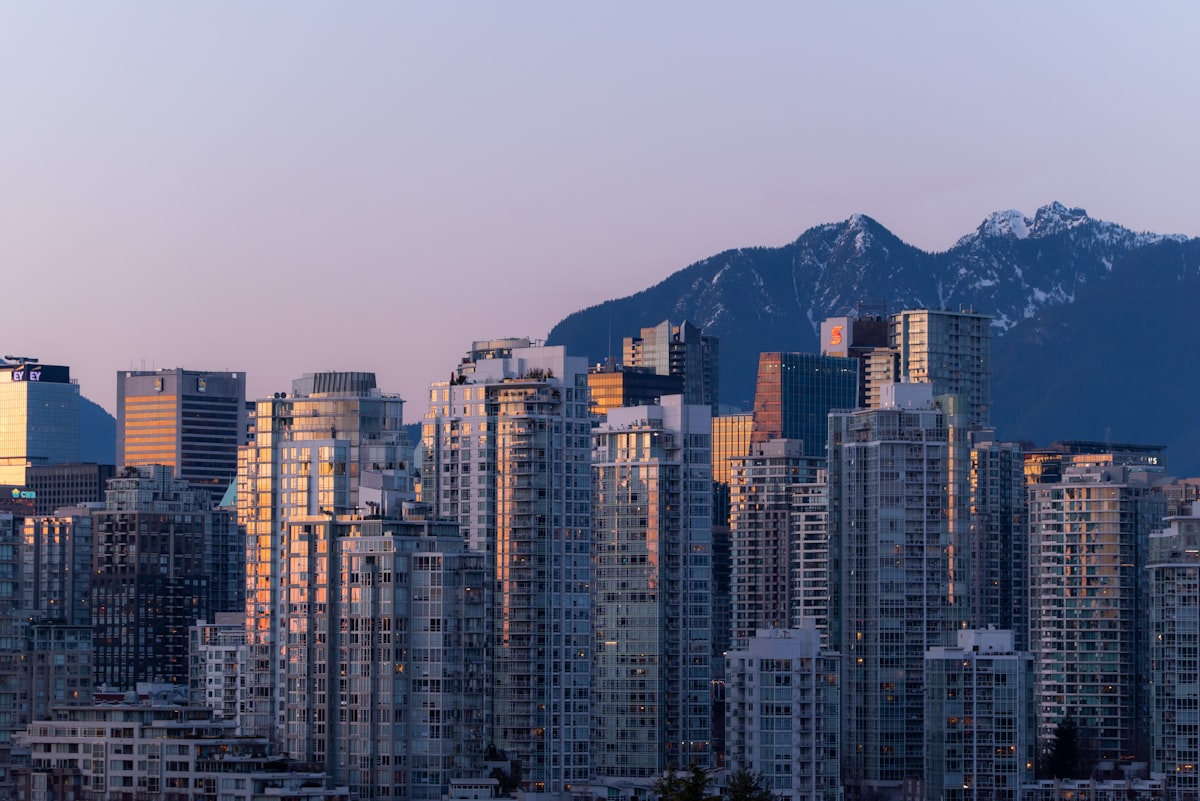
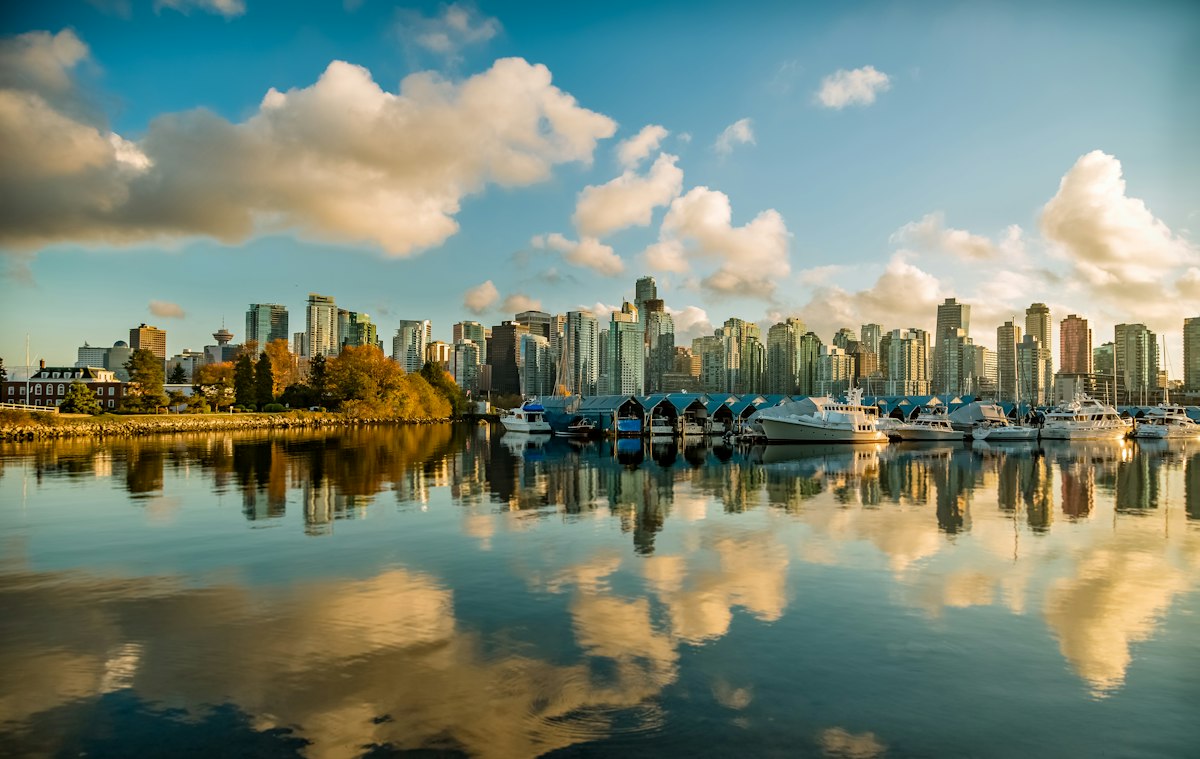
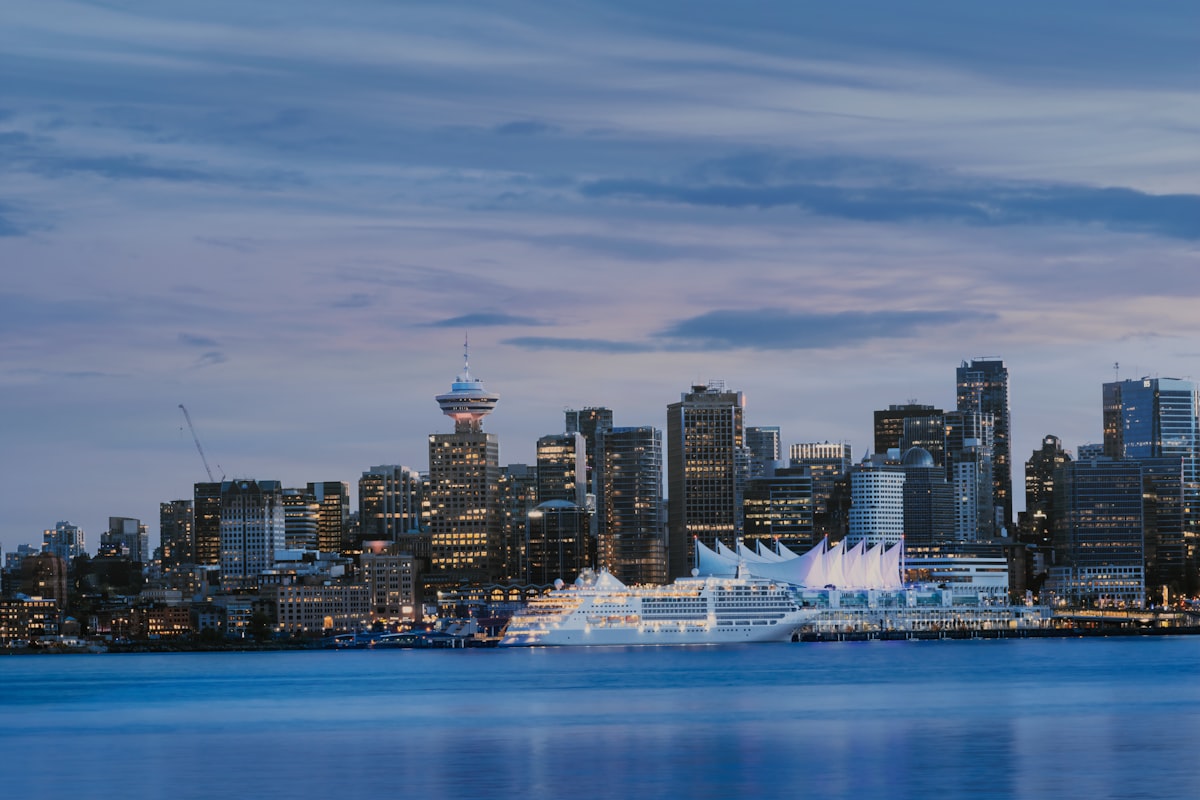
Showing: Sep · Unsplash / Unsplash
Canada · North America
Best time to visit Vancouver
September
Sep scores highest overall — reliable weather and strong local atmosphere. Set your priorities below to personalise this result.
What matters most to you?
All 12 months — click any to expand
Sep
Unsplash / Unsplash
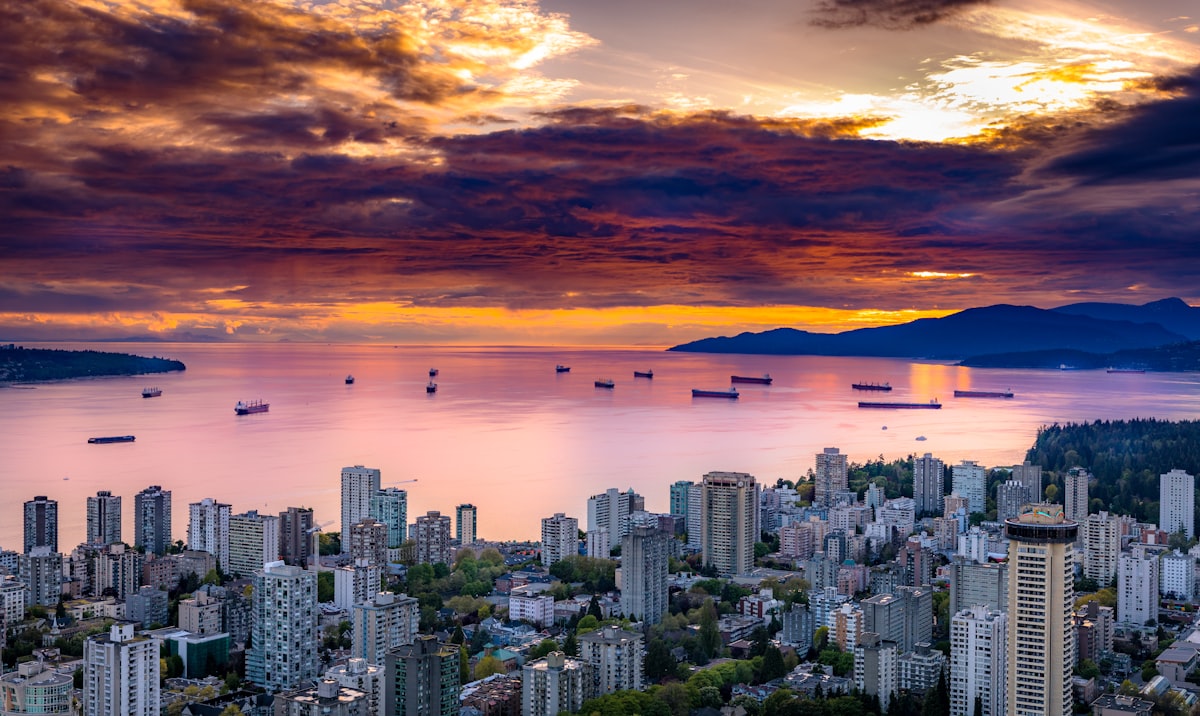
September is the locals' month — VIFF begins, crowds thin, and the city reclaims itself.
19.2°C
High
11.1°C
Low
68mm
Rain
7.5h
Sun/day
What you gain
- ↑The Vancouver International Film Festival (VIFF, mid-September to early October) is one of the largest film festivals in North America — 300+ films from 70+ countries, multiple theatres across the city, and an industry section that brings filmmakers and distributors to Vancouver in volume. General public tickets are inexpensive (CAD $16 per screening), and the programming is consistently excellent. The festival transforms the cultural energy of the city in a way that the summer tourist economy does not.
- ↑September's 19°C average and 7.5 sunshine hours deliver summer-quality weather at post-summer prices — hotel rates drop 25–35% from August peaks in the weeks after Labour Day. The outdoor infrastructure (hiking, kayaking, cycling) remains fully operational; the North Shore trails are at their most beautiful as the mountain ash and vine maple begin turning colour in late September.
- ↑The post-Labour Day departure of summer tourism gives the city an energy that locals genuinely prefer to peak summer — restaurants become easier to access (still excellent, no more 6-week reservations), the seawall is runnable without crowd navigation, and the cultural season (symphony, theatre, galleries) begins its new program year.
What you sacrifice
- ↓September rainfall increases from August's 38mm to 68mm as the Pacific weather patterns begin reasserting themselves. The transition can be abrupt — week-long sunny spells in September give way to Atlantic fronts that deliver 2–3 consecutive grey days as the month progresses.
- ↓VIFF creates localized demand in the Granville Street cinema corridor and downtown — accommodation prices during the peak festival weekend are higher than surrounding weeks, and popular screenings sell out.
Sep scores highest overall — reliable weather and strong local atmosphere. Set your priorities below to personalise this result.
Sep
September is the locals' month — VIFF begins, crowds thin, and the city reclaims itself.
19.2°C
High
68mm
Rain
7.5h
Sun
- ↑The Vancouver International Film Festival (VIFF, mid-September to early October) is one of the largest film festivals in North America — 300+ films from 70+ countries, multiple theatres across the city, and an industry section that brings filmmakers and distributors to Vancouver in volume. General public tickets are inexpensive (CAD $16 per screening), and the programming is consistently excellent. The festival transforms the cultural energy of the city in a way that the summer tourist economy does not.
- ↑September's 19°C average and 7.5 sunshine hours deliver summer-quality weather at post-summer prices — hotel rates drop 25–35% from August peaks in the weeks after Labour Day. The outdoor infrastructure (hiking, kayaking, cycling) remains fully operational; the North Shore trails are at their most beautiful as the mountain ash and vine maple begin turning colour in late September.
- ↑The post-Labour Day departure of summer tourism gives the city an energy that locals genuinely prefer to peak summer — restaurants become easier to access (still excellent, no more 6-week reservations), the seawall is runnable without crowd navigation, and the cultural season (symphony, theatre, galleries) begins its new program year.
- ↓September rainfall increases from August's 38mm to 68mm as the Pacific weather patterns begin reasserting themselves. The transition can be abrupt — week-long sunny spells in September give way to Atlantic fronts that deliver 2–3 consecutive grey days as the month progresses.
- ↓VIFF creates localized demand in the Granville Street cinema corridor and downtown — accommodation prices during the peak festival weekend are higher than surrounding weeks, and popular screenings sell out.
Top travel windows
★ BestSeptember
Best overall
Highest combined score
19.2°C
High
68mm
Rain
7.5h
Sun
February
Best for value
Lowest prices & fees
8.4°C
High
126mm
Rain
3h
Sun
February
Fewest crowds
Quietest month
8.4°C
High
126mm
Rain
3h
Sun
Breakdown by priority
Best for weather
July
23.4°C high · 32mm rain · 9.9hrs sun/day
Best for budget
February
The Chinese New Year timing in February also triggers excellent restaurant week pricing — many of Vancouver's best Cantonese and Hong Kong-style restaurants in the West End and Downtown run Lunar New Year menus at accessible price points.
Fewest crowds
February
Lunar New Year celebrations in Richmond (the most Chinese-Canadian city in North America outside of Toronto) are extraordinary in scale — the Richmond Night Market and the parade and fireworks in the Richmond city centre represent one of the most authentic Chinese New Year experiences in North America outside China and Taiwan itself. The surrounding restaurant infrastructure on Alexandra Road and in Aberdeen Centre mall is exceptional; Richmond's dim sum is considered the best in North America by most Chinese-Canadian food writers.
Worst time to visit
November
November is statistically Vancouver's second-rainiest month (177mm) and has only 2.5 sunshine hours daily — effectively indistinguishable from a permanently overcast sky. The Pacific fronts arrive in succession with limited breaks, and the combination of short days (sunset by 4:30pm) and continuous rain makes outdoor exploration genuinely miserable without the ski season alternative.
Where to stay in Vancouver
All neighbourhoods →Commercial Drive
The most multicultural kilometre in Canada — Italian espresso, Latin grocers, the LGBTQ+ community, and the city's most local neighbourhood.
6/10
Central
9/10
Walk
8/10
Transit
Gastown
Vancouver's oldest district — cobblestone streets, the steam clock, and the city's best cocktail bars.
9/10
Central
9/10
Walk
8/10
Transit
Also exploring
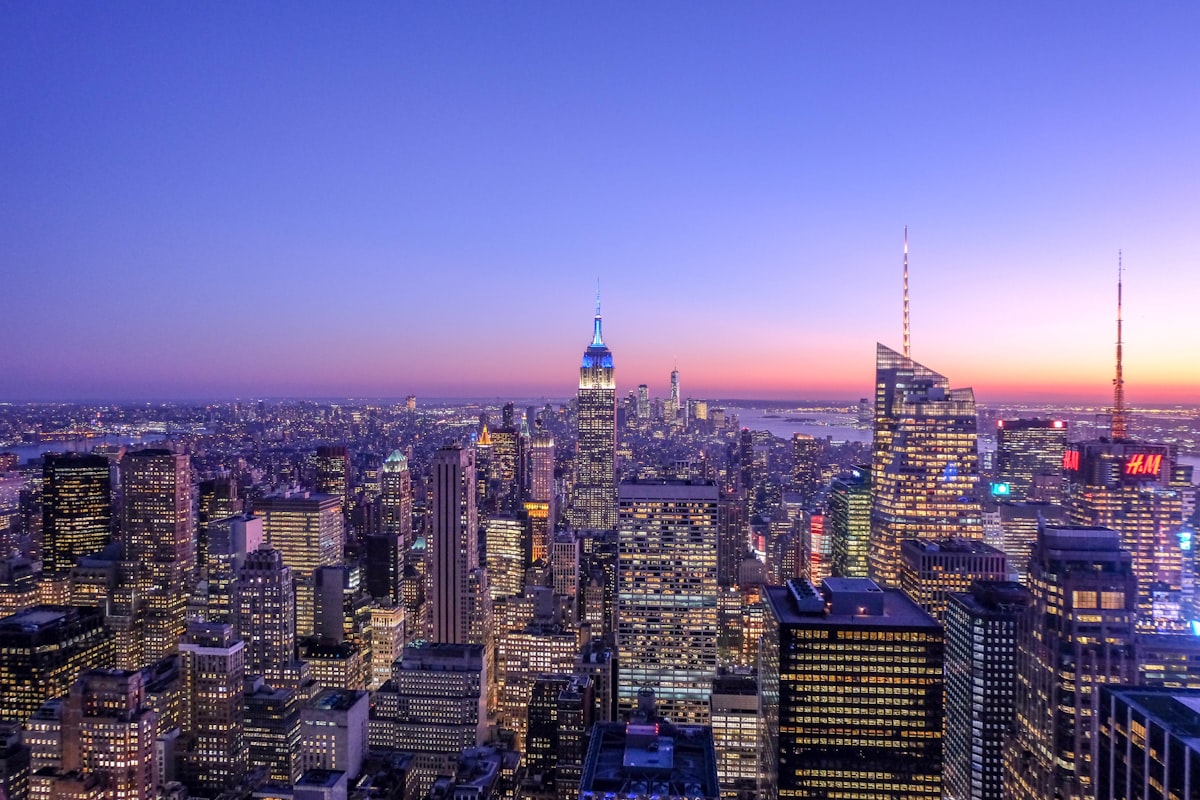
New York
USA
A city that never fully quiets — but its personality shifts dramatically by season, from sweltering humid summers to crisp autumn perfection to blizzard-prone winters.
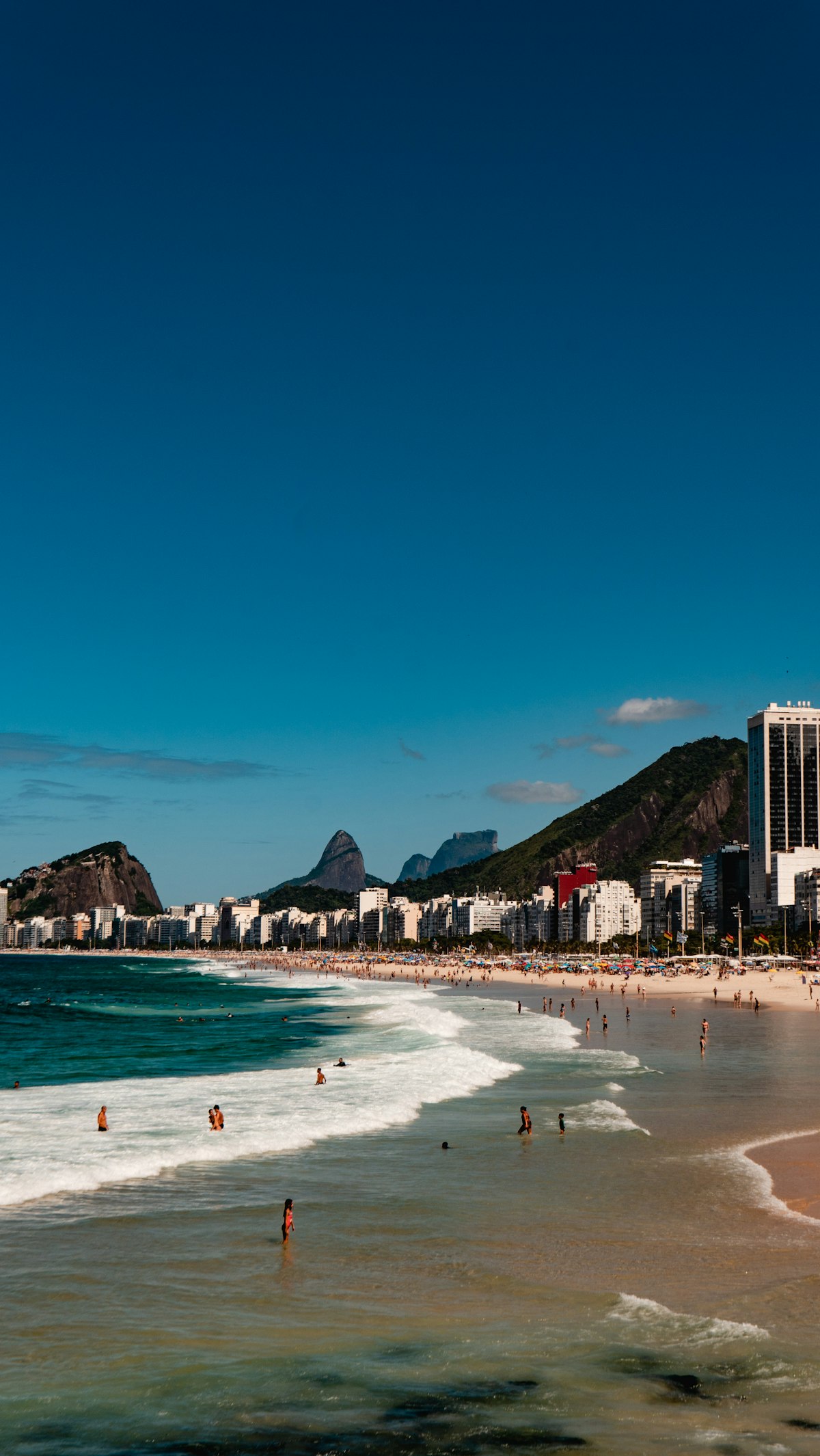
Rio de Janeiro
Brazil
A Southern Hemisphere city where summer (December–March) brings Carnival and 264mm of rain simultaneously, and the real sweet spot is the dry Southern winter — June to September — when most travellers don't think to come.
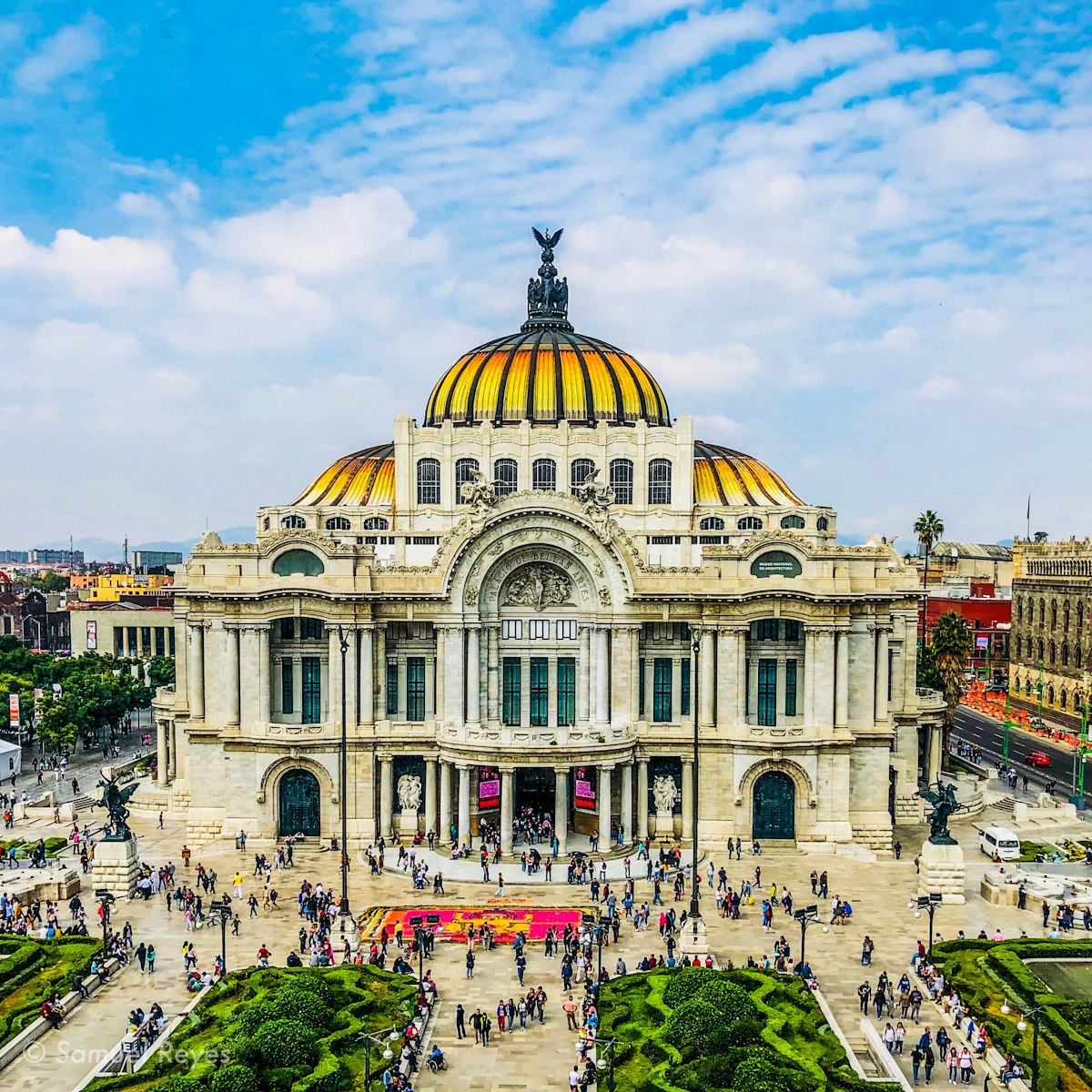
Mexico City
Mexico
A highland metropolis at 2,240 metres where the altitude tempers the heat to perpetual spring in the dry months, Día de Muertos transforms Mixquic and Azcapotzalco into one of the world's great ceremonies, and the October–April dry season gives the clearest conditions for exploring what is genuinely one of the planet's finest food, museum, and architecture cities.
Worth knowing
September scores highest overall. August is the most crowded month — avoid if you can. See crowd-free ranking →
Month by month breakdown
January#11▾
Gains
- ↑Whistler Blackcomb, a 2-hour drive north, is one of the largest ski resorts in North America — 8,171 acres of skiable terrain across two mountains, with January snow reliability among the highest on the continent. A Vancouver base with daily ski shuttle buses (around CAD $85 round trip) makes the combination viable without the Whistler accommodation premium. Whistler Village is a well-functioning resort town with a food scene significantly above average for ski destinations.
- ↑Vancouver hotel prices in January are at their lowest of the year — downtown properties that cost CAD $350 in July operate at $150–180. The city's restaurants, museums (Museum of Vancouver, Vancouver Art Gallery, the extraordinary Museum of Anthropology at UBC with its First Nations collection), and indoor cultural infrastructure are fully operational and uncrowded.
- ↑The dramatic winter storms that bring rain to Vancouver proper often deliver fresh snow to the North Shore mountains (Grouse Mountain, Mount Seymour) — ski and snowshoe access within 30 minutes of downtown is a uniquely Vancouver experience that operates reliably in January.
Sacrifices
- ↓January's 154mm of rainfall falls on approximately 18–20 days — persistent grey drizzle rather than dramatic storms. The overcast conditions and minimal sunshine (2 hours daily average) make Vancouver feel genuinely oppressive in January for visitors who haven't spent a Pacific Northwest winter before. The city's substantial outdoor recreational culture essentially retreats indoors.
- ↓January daylight is short — sunrise at 8:15am, sunset at 4:30pm — which severely compresses the window for outdoor activities and creates a psychological weight to the month that locals call the "Vancouver Grey."
February#8▾
Gains
- ↑Lunar New Year celebrations in Richmond (the most Chinese-Canadian city in North America outside of Toronto) are extraordinary in scale — the Richmond Night Market and the parade and fireworks in the Richmond city centre represent one of the most authentic Chinese New Year experiences in North America outside China and Taiwan itself. The surrounding restaurant infrastructure on Alexandra Road and in Aberdeen Centre mall is exceptional; Richmond's dim sum is considered the best in North America by most Chinese-Canadian food writers.
- ↑February is statistically Whistler's best powder month — the snowpack is at its deepest and the mountain operations are at full capacity, with peak-season lift queues but peak-season conditions. The shoulder pricing of a Vancouver hotel base versus a Whistler Village hotel makes the commute genuinely economical.
- ↑The Chinese New Year timing in February also triggers excellent restaurant week pricing — many of Vancouver's best Cantonese and Hong Kong-style restaurants in the West End and Downtown run Lunar New Year menus at accessible price points.
Sacrifices
- ↓February is marginally better than January in weather terms (126mm vs 154mm, 3 vs 2 sunshine hours) but still firmly within the Pacific Northwest winter. The improvement is real but incremental — visitors sensitive to grey weather will not find February meaningfully more hospitable than January.
- ↓Valentine's Day weekend (mid-February) causes a spike in romantic getaway bookings that pushes downtown hotel prices to unusual heights for a winter month — the exception to February's general value pricing.
March#9▾
Gains
- ↑Vancouver's cherry blossom season begins in late February and peaks in late March to early April — the city has over 50,000 cherry trees across parks and residential streets, and the Vancouver Cherry Blossom Festival (March–April) coordinates events, maps, and walks around the most concentrated displays. Queen Elizabeth Park, Sunset Beach, and the UBC campus are all excellent. Unlike Tokyo, the Vancouver blossom is genuinely uncrowded — locals treat it as a pleasure rather than an Instagram event.
- ↑March sunshine (4.3 hours daily) is a significant improvement over January and February, and the psychological shift as the city emerges from winter is palpable. The Stanley Park Seawall — the most spectacular urban waterfront path in North America — becomes reliably walkable and runnable by mid-March, and the Lions Gate Bridge cycling route opens with the warmer days.
- ↑Hotel prices in March remain at near-winter lows. Downtown Vancouver properties comfortable at CAD $180–220 — a 40–45% discount on peak summer rates — with all the city's food and cultural infrastructure fully operational.
Sacrifices
- ↓March rainfall (114mm) remains firmly in the Pacific Northwest wet season. Spring cherry blossoms can be knocked off trees by late-season storms, and the blossom window is shorter and less predictable than Tokyo's. Planning flexibility remains necessary.
- ↓The mountains lose reliable powder conditions by mid-to-late March — spring skiing (wet, heavy snow) is possible but the exceptional Whistler powder experience is statistically less likely than in January and February.
April#5▾
Gains
- ↑April is the peak of the cherry blossom festival — the concentration of blooms on streets like The Crescent in Shaughnessy, around Queen Elizabeth Park, and along the West End streets near English Bay creates a spectacle that locals have been photographing for generations. The city parks department maintains a bloom map that tracks the daily advance of the blossom across the city's different microclimates.
- ↑Sunshine hours more than double from February (6.1 vs 3.0), and the temperature reaches 14°C — warm enough for outdoor café culture to begin and for the Stanley Park seawall to fill with cyclists and inline skaters. The harbour kayaking season opens, and Granville Island Market operates at full spring energy with local farms contributing the first spring produce.
- ↑The Vancouver International Film Festival runs through September, but April brings spring theatre season — the Arts Club Theatre and Vancouver Playhouse programming is at its spring climax, and the Vogue Theatre and other music venues resume full indoor concert schedules.
Sacrifices
- ↓April rainfall (84mm) is still meaningful — week-long dry spells are achievable but not reliable, and the cherry blossom window can be compressed by a late storm. The blossom and rain combination creates a Japanese mono no aware effect that is either beautiful or inconvenient depending on temperament.
- ↓Tourism from Asian visitors specifically for cherry blossoms has grown significantly in the past decade — Vancouver's reputation as a sakura city now attracts Japanese, Chinese, and Korean visitors in volume during peak blossom weekends, driving accommodation prices up around those specific days.
May#2▾
Gains
- ↑May is when Vancouver's outdoor character fully emerges — the combination of 18°C days, 8 sunshine hours, and meaningfully lower rainfall (65mm, half of January's volume) means the seawall, Stanley Park forest trails, and English Bay beach are genuinely in use by the city's population. The summer sports culture (beach volleyball at Kitsilano Beach, kayaking in Indian Arm, hiking to the Garibaldi Lake trail system) all begins in May.
- ↑Granville Island Public Market is at full spring capacity in May — the fresh produce is at its most varied, the buskers are out, and the waterfront around the market has the energy that defines the Vancouver experience at its best. The Artisan Sake Maker on Granville Island and the many small food producers in the market buildings make a morning there one of the best food experiences in Canada.
- ↑Victoria Day long weekend (third Monday of May) brings the first major outdoor gathering season to the city — the fireworks on the Fraser River and the general long-weekend energy mark the psychological start of summer in Vancouver months before the calendar catches up.
Sacrifices
- ↓May remains transitional — good weeks alternate with grey, rainy periods, and the transition is not fully reliable until June. Outdoor plans should maintain indoor alternatives.
- ↓Tourism is rising from spring lows, and the accommodation prices reflect it — May rates are 15–20% above April. The summer premium has not fully kicked in, but the off-season deals are increasingly in the rear-view mirror.
June#3▾
Gains
- ↑June delivers the beginning of Vancouver's famous summer — low humidity, 21°C average highs, 9.1 daily sunshine hours, and the long Pacific Northwest evenings (sunset approaching 9:15pm by late June). The North Shore hiking trails (Grouse Grind, Lynn Canyon, Cypress Mountain hiking) open in full, the sailing races in English Bay begin, and the beach volleyball culture at Kitsilano and English Bay reaches its first seasonal peak.
- ↑Pride Month culminates in Vancouver Pride (usually first weekend of August, but June events begin) — the West End neighbourhood, which is historically the LGBTQ+ heartbeat of the city, has a particular energy in June. The Davie Street strip from Burrard to Denman is the social centre, and the surrounding restaurants and bars are some of the city's most characterful.
- ↑June prices are meaningfully below peak (July–August) while delivering comparable weather. The first two weeks of June in particular represent excellent value — close to May pricing but with high summer conditions.
Sacrifices
- ↓June still sees occasional rainy spells — the 45mm of rainfall is not evenly distributed, and week-long grey periods can occur in early June before the Pacific High fully establishes. This is rarer than in spring but remains a real possibility.
- ↓Hotel prices have risen noticeably from spring — downtown Vancouver properties are now CAD $260–320 for a comfortable mid-range room, and the most sought-after Yaletown and Coal Harbour properties command premium rates.
July#4▾
Gains
- ↑July is the month Vancouver was designed for — 23°C average highs, 10 daily sunshine hours, virtually no rain (32mm, barely 2–3 light showers all month), and the mountain backdrop illuminated in sharp summer clarity that the city's other nine months cannot reliably deliver. The combination of hiking in the morning, Kitsilano Beach in the afternoon, and the Granville entertainment district in the evening is genuinely exceptional. On clear days, the Coast Mountains are visible from every elevated point in the city with a crispness that feels almost theatrical.
- ↑Canada Day (July 1) celebrations at Canada Place are spectacular — fireworks over Burrard Inlet, live music, and the collective summer exuberance of a city that waits patiently through winter for this specific moment. The celebrations are free to attend and reflect the city's multicultural identity in a way that is genuinely moving.
- ↑Sea kayaking in Indian Arm (a fjord accessible from Deep Cove, 30 minutes from downtown), whale watching in the Gulf Islands, and cycling the Seawall from Stanley Park to Kitsilano all reach their most accessible state in July. This is the outdoor city at its unreserved best.
Sacrifices
- ↓July is Vancouver's most expensive month — downtown hotel rates routinely reach CAD $400–500 for mid-range properties, and the most desirable boutique hotels in Yaletown and Coal Harbour command CAD $600+. The combination of summer tourist demand, convention business, and domestic Canadian travel creates year-round peak conditions simultaneously.
- ↓The city's outdoor spaces reflect the crowd pressure: Stanley Park's popular trails (Prospect Point, Beaver Lake) are crowded by mid-morning on summer weekends, and Kitsilano Beach parking is effectively impossible without arriving before 9am. The seawall becomes genuinely congested on summer afternoons.
- ↓Air Canada and WestJet summer fares from Eastern Canada and the US reach annual highs, adding to the total cost of the trip.
August#6▾
Gains
- ↑Vancouver Pride (first weekend of August) is one of Canada's largest — the parade route through the West End draws 650,000+ spectators, and the surrounding week of events encompasses the entire city. The post-parade Sunset Beach party is enormous; the Davie Street festival village operates for the full week. Vancouver's LGBTQ+ community and the city's general culture of inclusion make Pride one of the most welcoming large-scale events in North America.
- ↑The Honda Celebration of Light (usually late July to early August — three consecutive Saturdays) is the world's largest offshore fireworks competition, with pyrotechnics teams from three different countries competing over English Bay. The bay is surrounded by 400,000+ spectators on each night, and the display quality is genuinely elite. Free to attend from English Bay beach, Vanier Park, or the Kitsilano pool waterfront.
- ↑The Vancouver International Film Festival preparation begins in August, and the summer concert season is at its fullest — the Orpheum Theatre, PNE amphitheatre, and Malkin Bowl in Stanley Park all operate full summer programs.
Sacrifices
- ↓August is definitively Vancouver's peak tourism month, and prices reach their annual maximum. The combination of domestic summer travel, US visitors, and international summer tourism keeps every accommodation category at ceiling pricing. Last-minute August bookings in central Vancouver are both expensive and difficult to find.
- ↓Celebration of Light nights cause significant transportation disruption — the downtown core and West End are effectively gridlocked before and after each fireworks display, and Translink suspends normal operations for special event service. Planning arrival and departure around the displays is essential for those staying in affected neighbourhoods.
- ↓The wildfire smoke that affects British Columbia in late summer can periodically reduce Vancouver's air quality significantly — in bad wildfire years (increasingly common), the mountain views disappear behind a grey-orange haze and outdoor activity recommendations from health authorities are issued.
September#1▾
Gains
- ↑The Vancouver International Film Festival (VIFF, mid-September to early October) is one of the largest film festivals in North America — 300+ films from 70+ countries, multiple theatres across the city, and an industry section that brings filmmakers and distributors to Vancouver in volume. General public tickets are inexpensive (CAD $16 per screening), and the programming is consistently excellent. The festival transforms the cultural energy of the city in a way that the summer tourist economy does not.
- ↑September's 19°C average and 7.5 sunshine hours deliver summer-quality weather at post-summer prices — hotel rates drop 25–35% from August peaks in the weeks after Labour Day. The outdoor infrastructure (hiking, kayaking, cycling) remains fully operational; the North Shore trails are at their most beautiful as the mountain ash and vine maple begin turning colour in late September.
- ↑The post-Labour Day departure of summer tourism gives the city an energy that locals genuinely prefer to peak summer — restaurants become easier to access (still excellent, no more 6-week reservations), the seawall is runnable without crowd navigation, and the cultural season (symphony, theatre, galleries) begins its new program year.
Sacrifices
- ↓September rainfall increases from August's 38mm to 68mm as the Pacific weather patterns begin reasserting themselves. The transition can be abrupt — week-long sunny spells in September give way to Atlantic fronts that deliver 2–3 consecutive grey days as the month progresses.
- ↓VIFF creates localized demand in the Granville Street cinema corridor and downtown — accommodation prices during the peak festival weekend are higher than surrounding weeks, and popular screenings sell out.
October#7▾
Gains
- ↑October autumn colour in Vancouver is genuinely spectacular — the North Shore mountains turn rust, amber, and gold as the deciduous species (vine maple, bigleaf maple, cottonwood) change simultaneously, and the contrast against the green of the coastal Douglas fir is striking. Lynn Canyon and Capilano River trails in North Vancouver offer the best colour walks close to the city; the Squamish-Whistler corridor is excellent for those with a car.
- ↑VIFF concludes in early October, extending the cultural energy of September into the month. Theatre and symphony seasons are in full swing — the VSO (Vancouver Symphony Orchestra) at the Orpheum is consistently excellent, and the Bard on the Beach Shakespeare Festival wraps its season in late September-October.
- ↑October pricing is comparable to April — 30–40% below July peaks — and the city's restaurant culture is fully available without summer reservation pressure. The October Pacific Salmon runs in the Lower Fraser River attract both wildlife (bald eagles, black bears in accessible numbers in the Squamish and Pemberton valleys) and fishing enthusiasts.
Sacrifices
- ↓October rain (112mm) marks a full return to Pacific Northwest winter conditions. The months of sunshine that characterize summer Vancouver feel very distant by late October, and the psychological adjustment to persistent grey is real. Visitors who haven't experienced the Pacific Northwest autumn should set expectations carefully.
- ↓The North Shore mountains can deliver snow to higher elevations by late October, which closes the summer hiking trails (Garibaldi Lake access trail, for instance) before the ski season infrastructure is open — a brief window where neither summer nor winter recreation is available.
November#12▾
Gains
- ↑November is when Whistler's ski season opens — typically mid-November for upper mountain, full resort by late November in good snow years. The Whistler Blackcomb opening is a genuine event for the Pacific Northwest ski community, and early-season passes and accommodation deals (including lift-and-stay packages) make late November one of the most economical ski trips in western Canada.
- ↑Hotel prices in Vancouver city reach their annual floor in November — properties that cost CAD $350 in July are available for $130–160, and Airbnbs in popular neighbourhoods are consistently available with zero advance notice. The restaurant scene is fully operational and accessible.
- ↑The winter holiday season prep begins in late November — the Vancouver Christmas Market at Jack Poole Plaza (resembling a German Weihnachtsmarkt with mulled wine and crafts) opens before December, and the Lights of Hope display at St. Paul's Hospital is the city's most generous community tradition.
Sacrifices
- ↓November is statistically Vancouver's second-rainiest month (177mm) and has only 2.5 sunshine hours daily — effectively indistinguishable from a permanently overcast sky. The Pacific fronts arrive in succession with limited breaks, and the combination of short days (sunset by 4:30pm) and continuous rain makes outdoor exploration genuinely miserable without the ski season alternative.
- ↓The North Shore mountain hiking trails are closed or hazardous due to early snowfall, and the seawall loses its recreational character in sustained rain. Vancouver in November without a Whistler ski strategy is a difficult proposition.
December#10▾
Gains
- ↑December is peak Whistler season — the full resort is open, the snowpack is building toward January and February maximum, and the village Christmas atmosphere (carol singers on Village Stroll, outdoor skating rink, the Whistler Village Market) is genuinely excellent. The 2-hour drive from Vancouver makes a 2-night Whistler stay an easy addition to a Vancouver base trip.
- ↑The Vancouver Christmas Market at Jack Poole Plaza (early November through late December) imports the German Christmas market format with impressive fidelity — over 80 vendor huts selling European craft and food, mulled wine, and roasted chestnuts in a waterfront setting with the North Shore mountains as a backdrop. It's the best Christmas market in Canada.
- ↑Christmas week and New Year's Eve in Vancouver are celebrated with Granville Island events, New Year's Eve fireworks at Canada Place, and the general warmth of a multicultural city that celebrates the season collectively. The First Night celebration on December 31 is family-friendly, arts-focused, and free.
Sacrifices
- ↓December weather is indistinguishable from November in terms of rainfall (161mm) and sunshine (2 hours daily). The city is grey and wet, and the mountain views are entirely absent on the typical December day. The saving grace is that December's cultural calendar provides indoor alternatives that November lacks.
- ↓Christmas and New Year's travel periods drive airfares to their winter maximum — December 22–January 2 flights to Vancouver from most origins are priced at summer-comparable levels even though the destination delivers winter conditions.
How this is calculated
Climate data
Open Meteo ERA5
30-year normals (1991–2020). Temperature, rainfall, sunshine, humidity.
Price & crowd
Tourism research
Seasonal pricing from tourism authority data. Directional — compares months within a destination only.
Personalisation
Weighted scoring
Your priorities change the weights. Budget-first users get different results than weather-first users.
Share this result
September is the best time to visit Vancouver
Travel timing updates
New destinations and timing guides, when they land.
No spam. Unsubscribe anytime.