
Showing: Oct · Unsplash / Unsplash
Morocco · Africa & Middle East
Best time to visit Fez
October
Oct scores highest overall — reliable weather and good value. Set your priorities below to personalise this result.
What matters most to you?
All 12 months — click any to expand
Oct
Unsplash / Unsplash
The autumn sweet spot — ideal temperatures, reasonable prices, and the medina in full swing.
26.4°C
High
13.5°C
Low
38mm
Rain
7.9h
Sun/day
What you gain
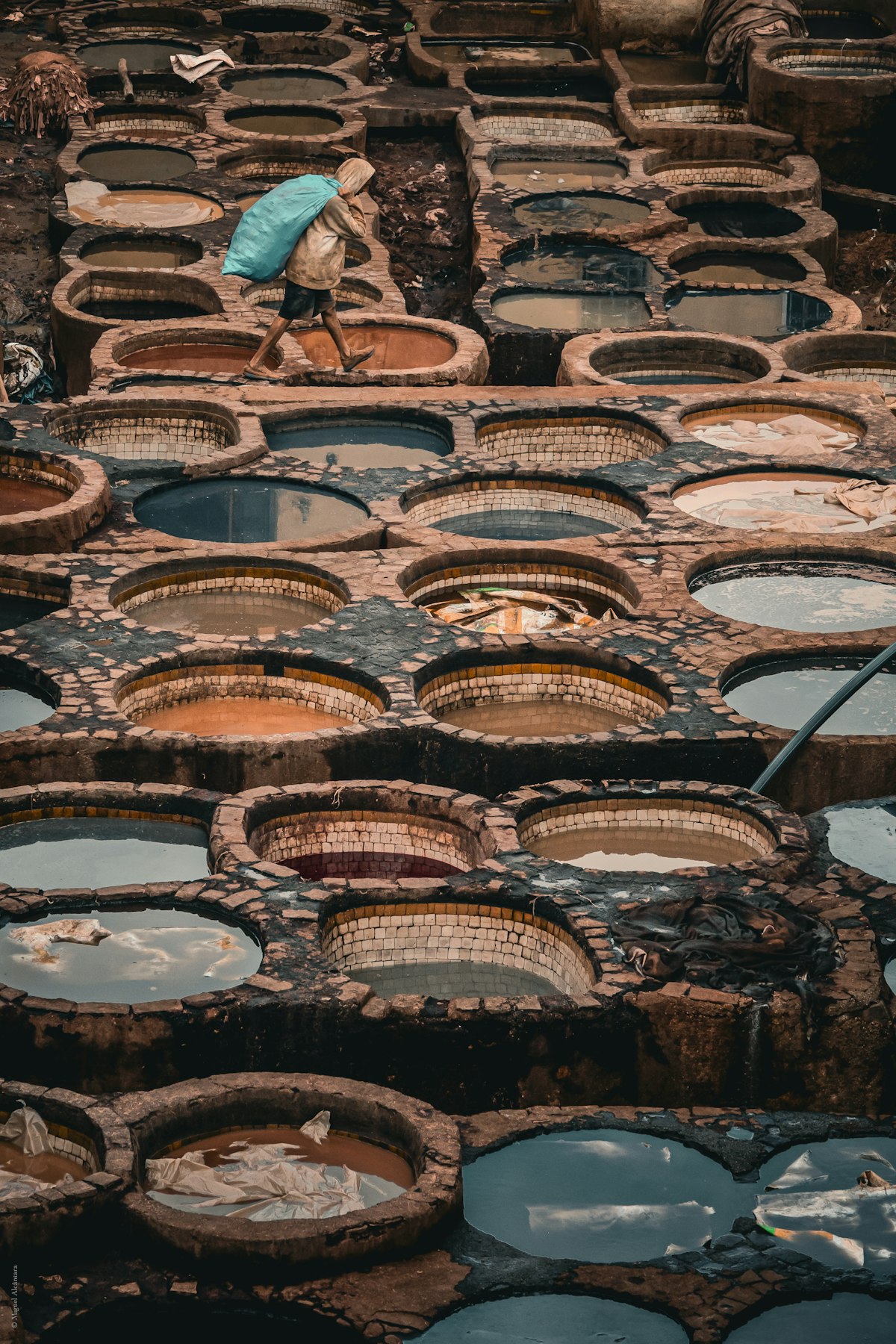
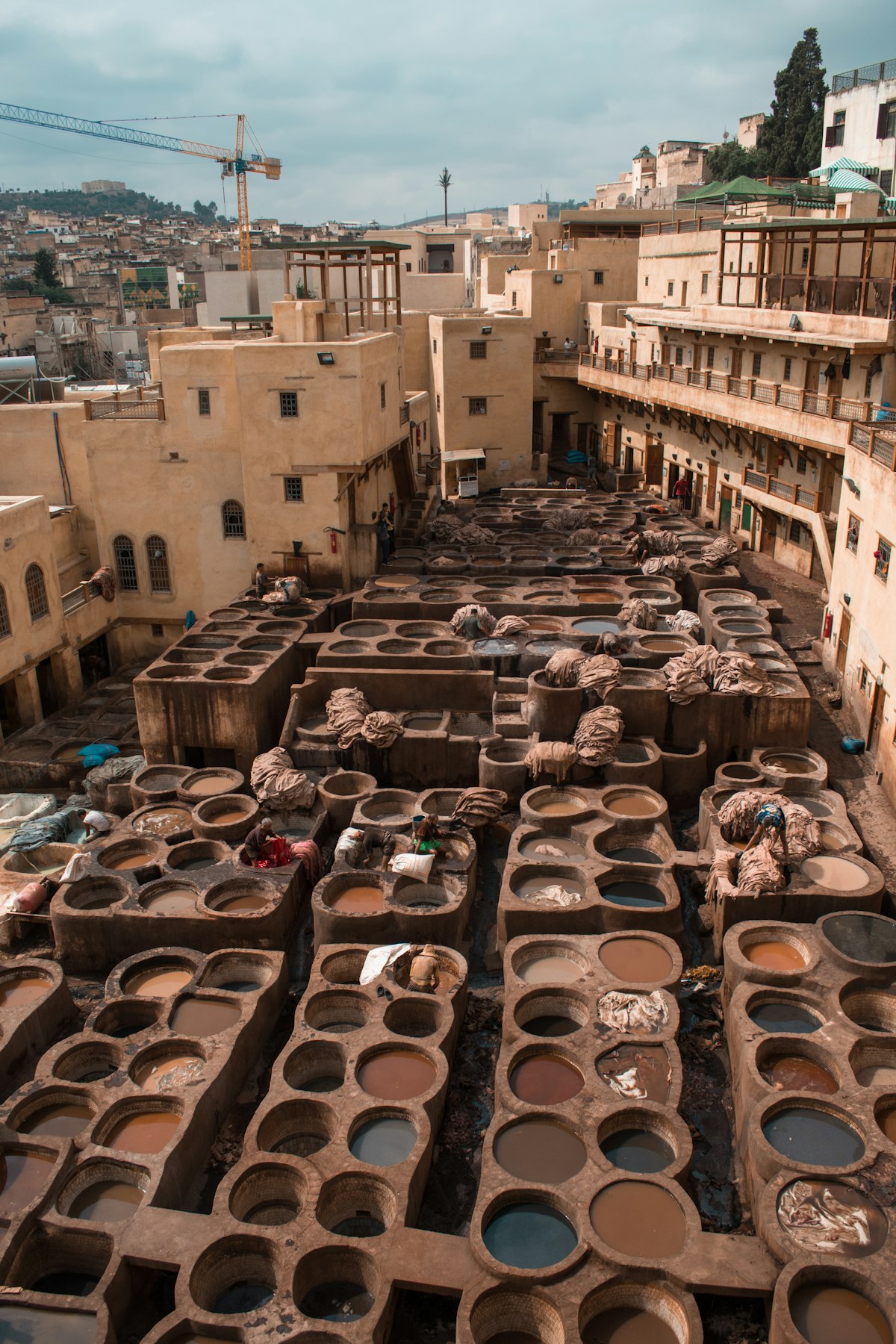
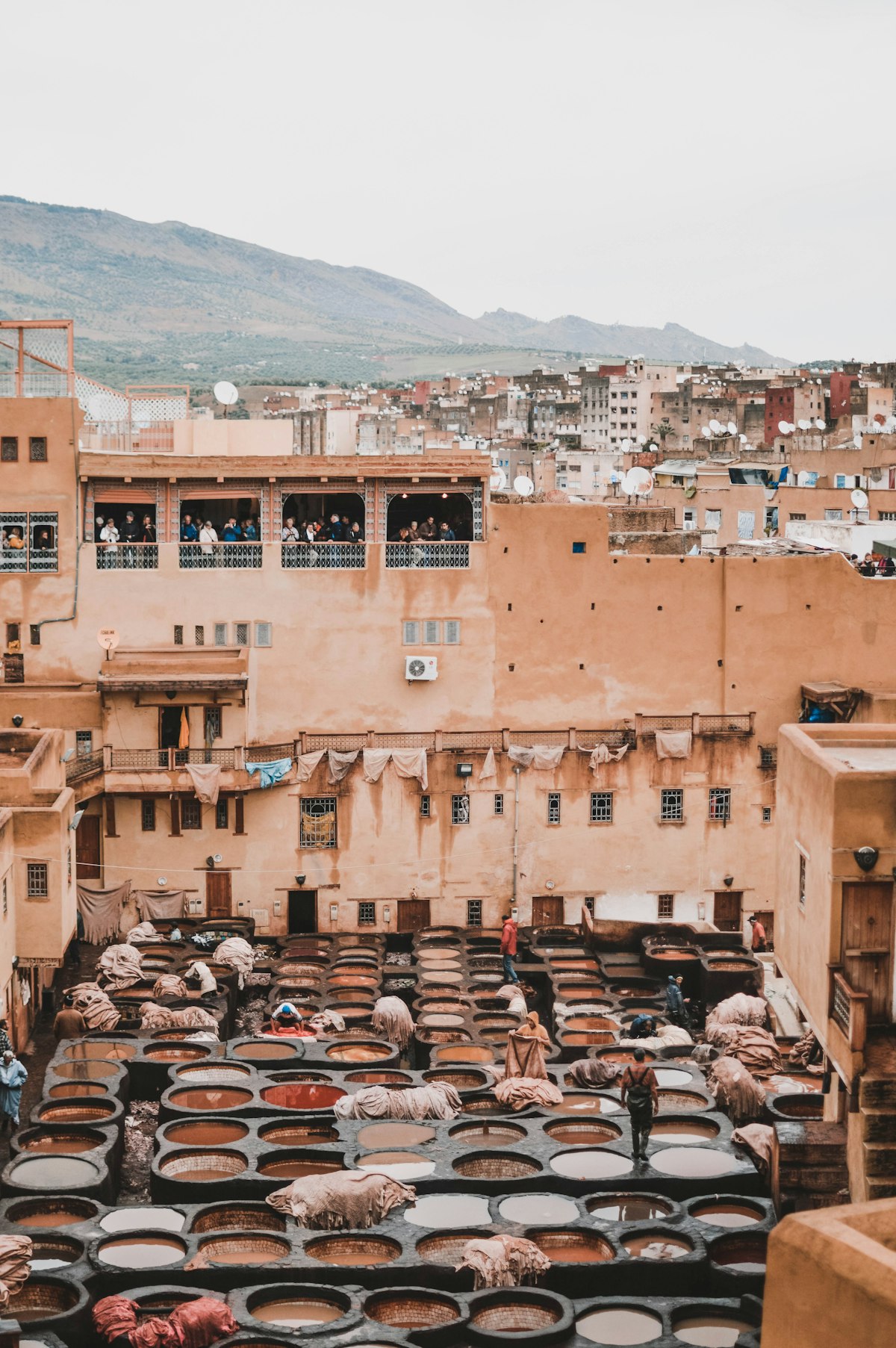
- ↑October is the second-best month (after April) for Fez: 26.4°C allows sustained medina exploration throughout the day without heat management concerns. The Chouara tannery is fully active — the leather-making process using pigeon dung, quicklime, and natural dyes in the stone vats is best observed from the surrounding balconies of the leather shops, and October's cooler air makes the experience significantly more tolerable.
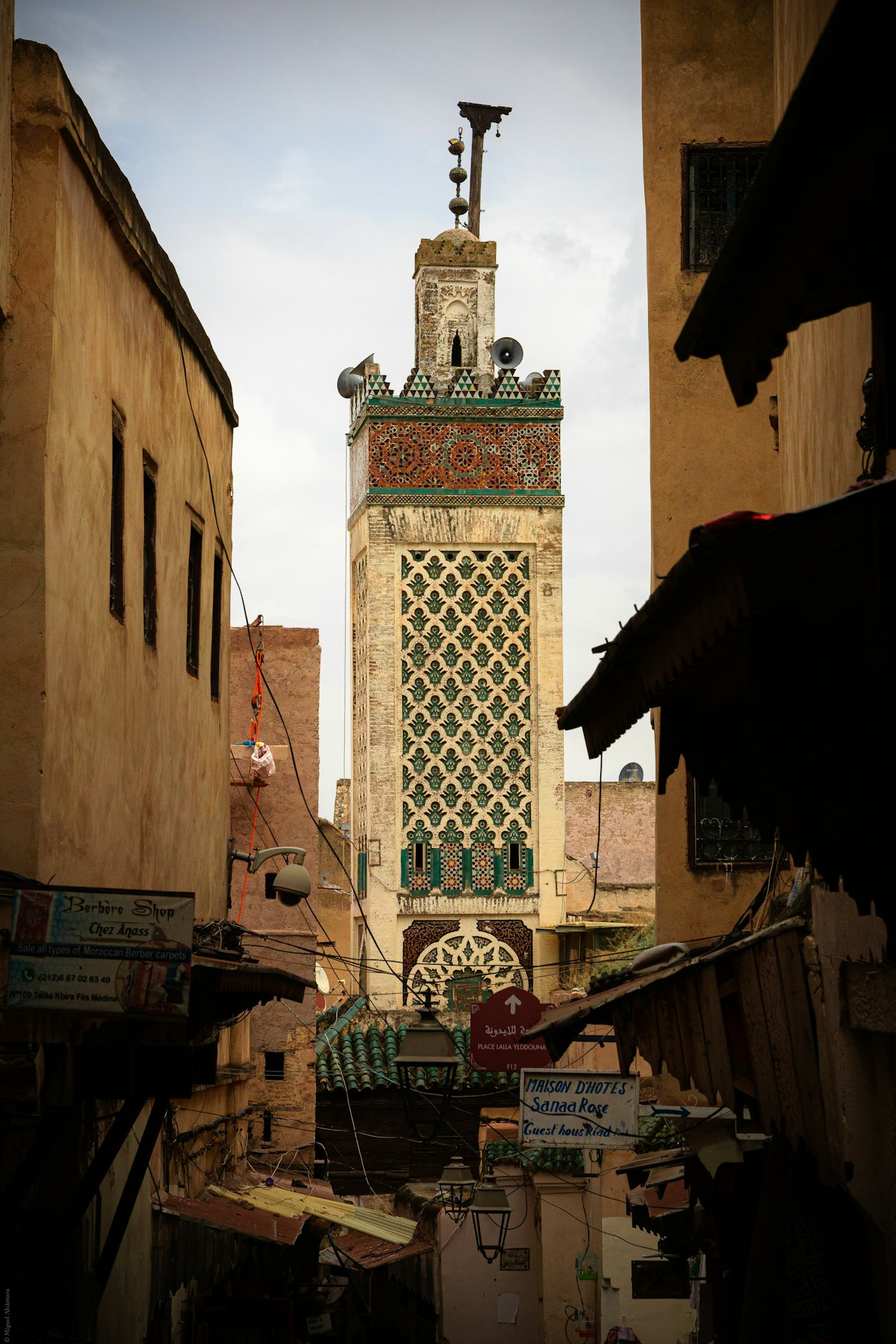
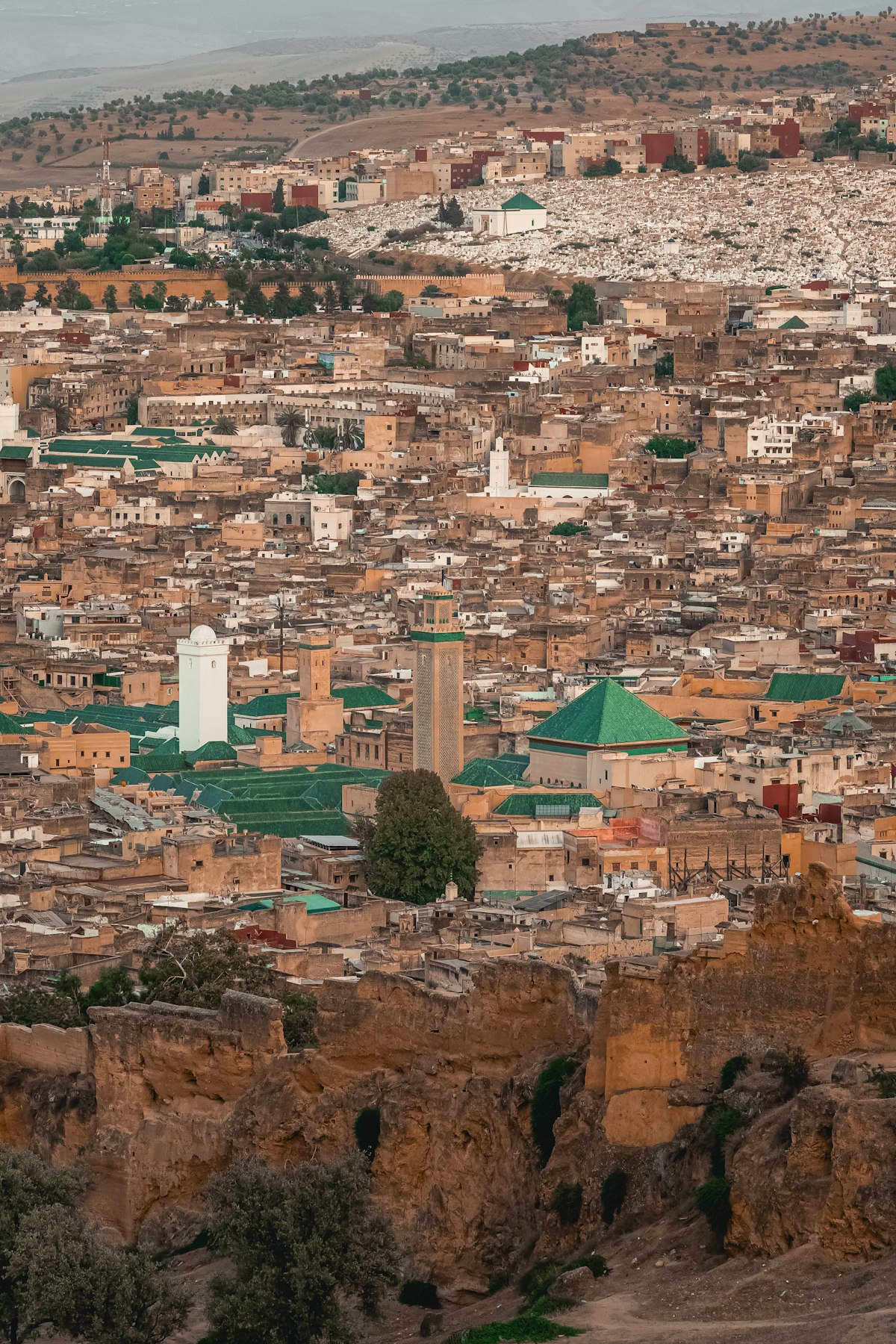
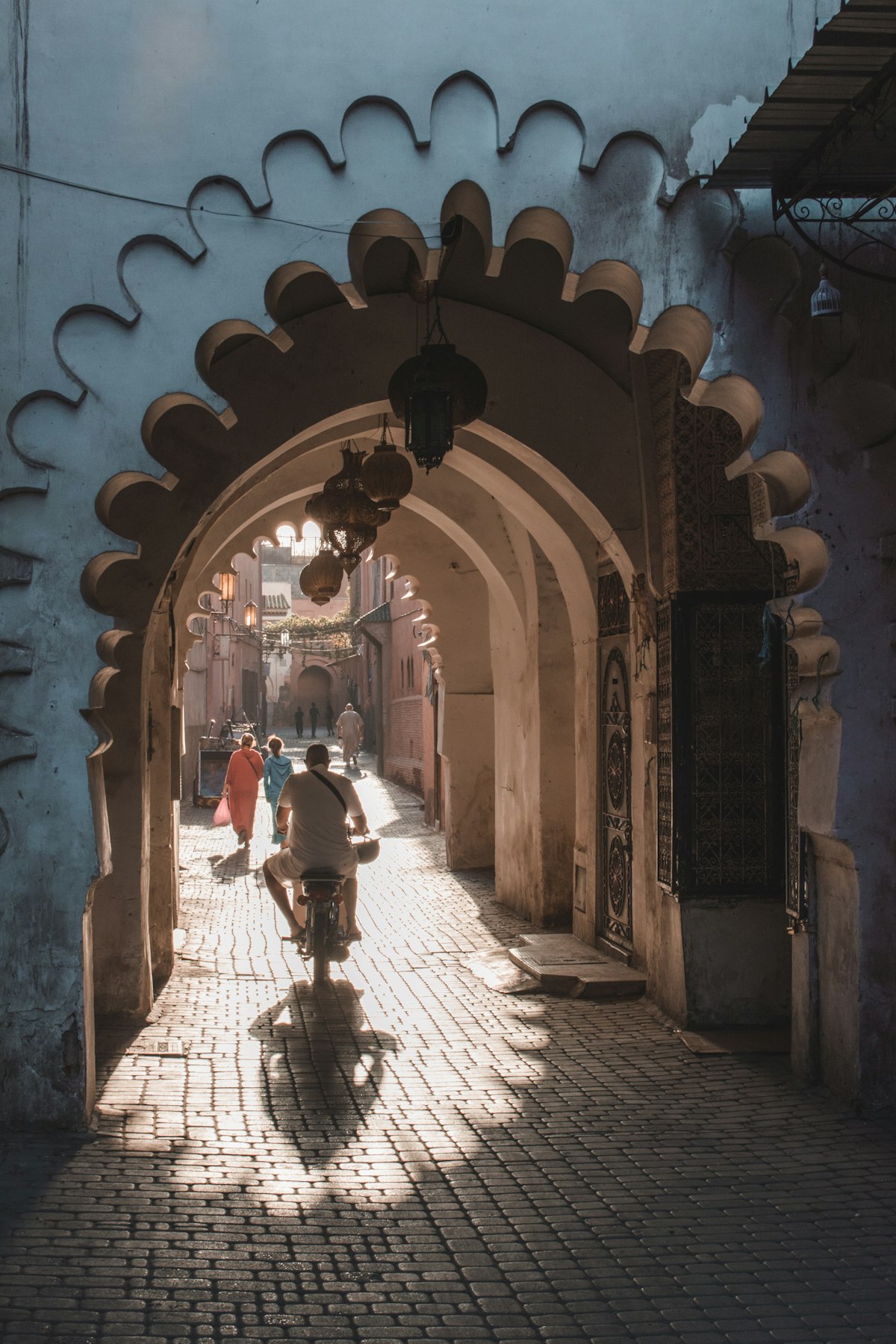
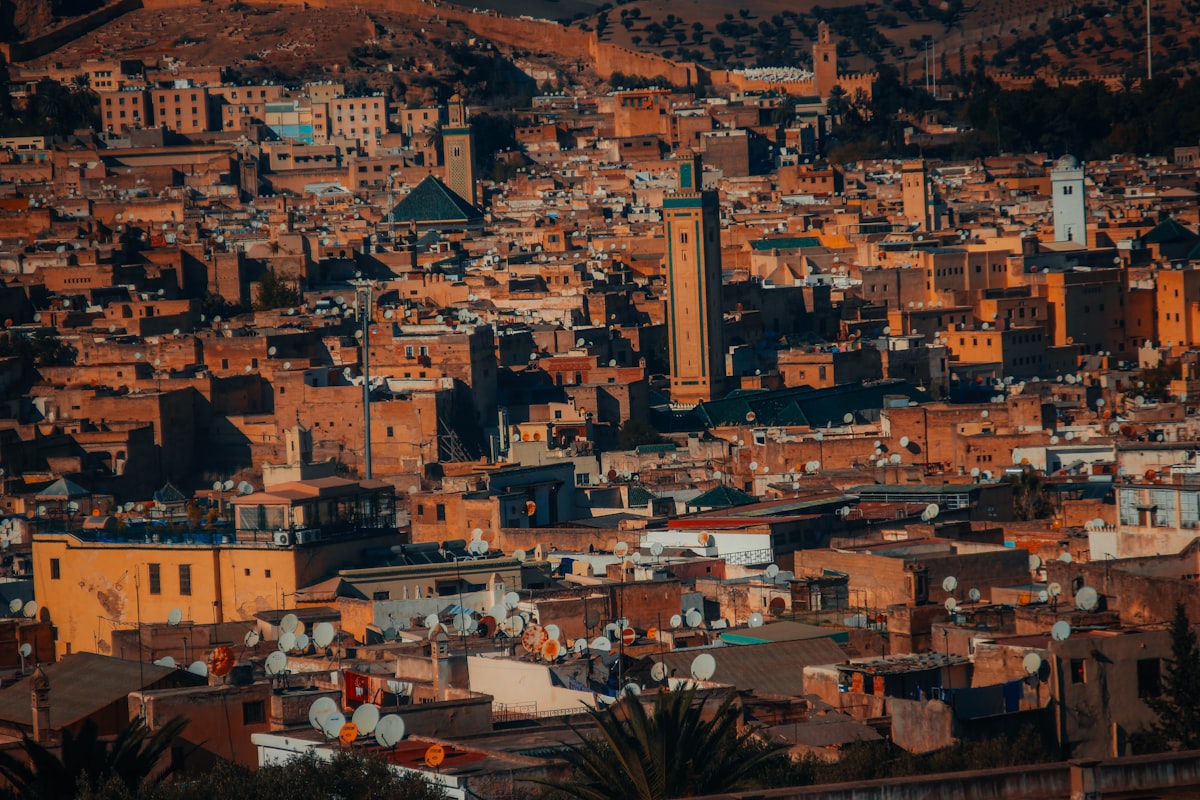
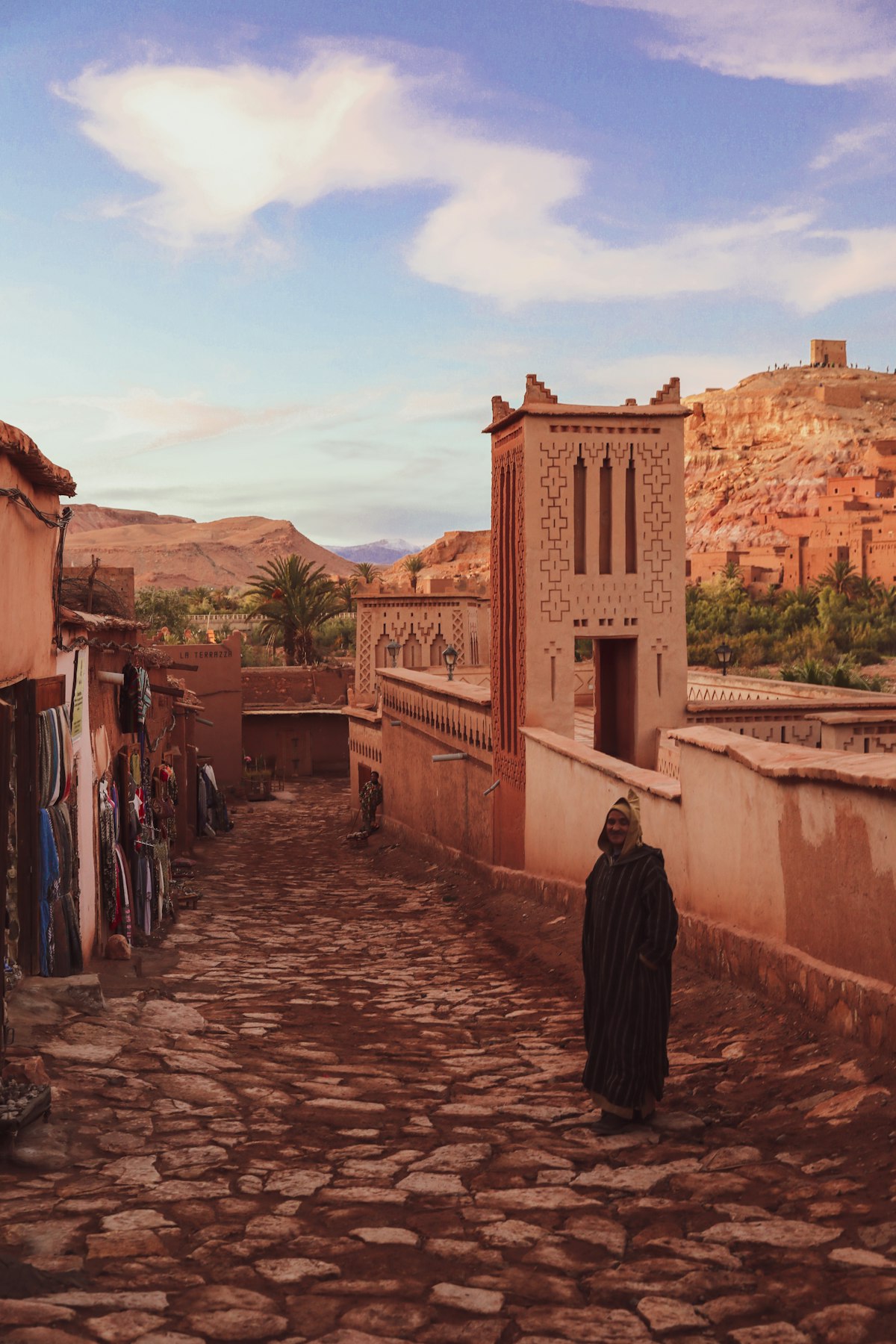
- ↑The autumn light on the earthen medina is extraordinary: the late afternoon sun on the clay facades of the alleyways leading from Bab Bou Jeloud to the Madrasa Bou Inania produces the warm ochre-amber tones that define Fez photography at its best.
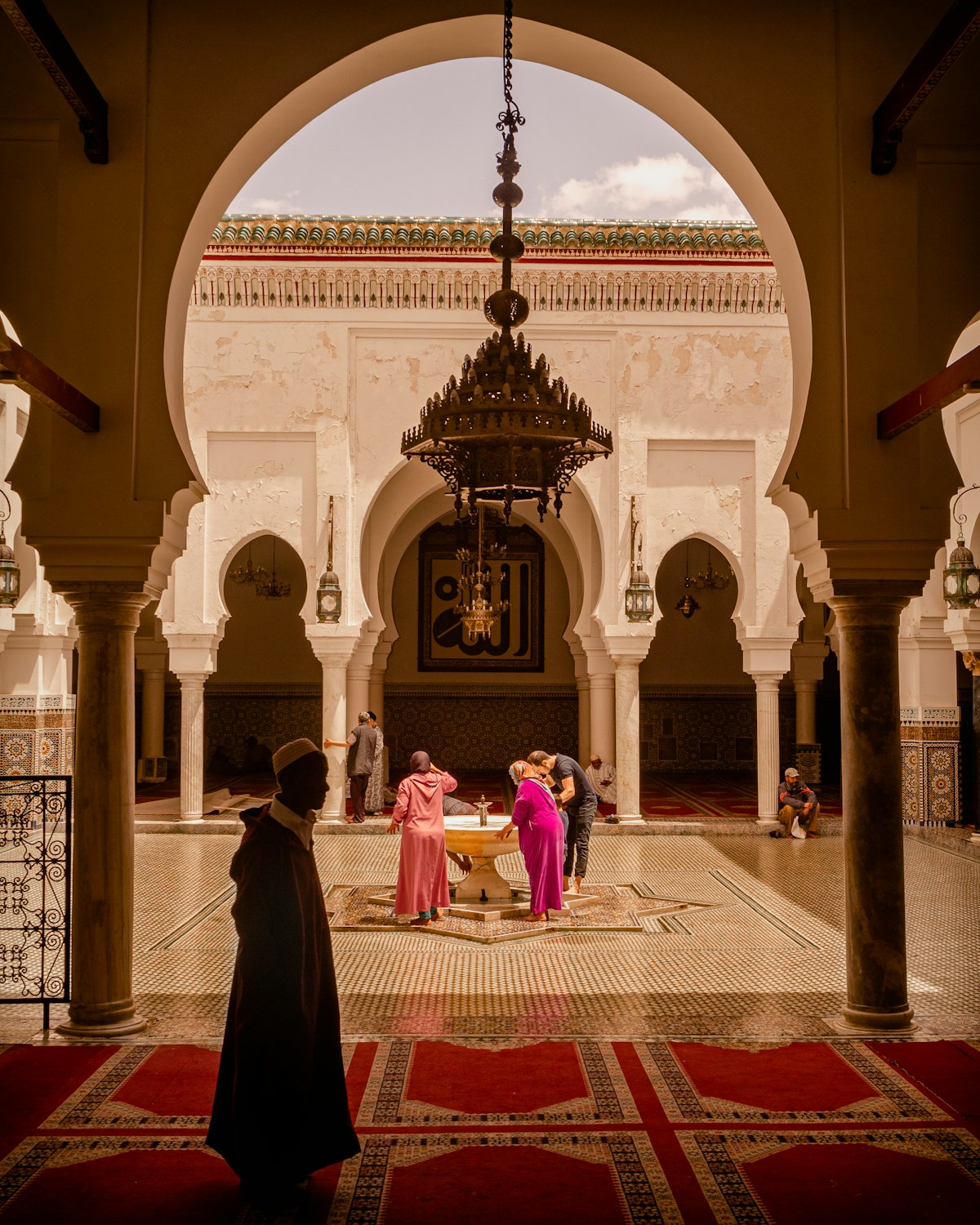
- ↑The medina's commercial and educational life is fully operational: students at the Al-Qarawiyyin (which accepts visitors in the prayer hall), craftspeople at the copper souk (Seffarine Square), woodworkers in the Nejjarine area, and leather tanners at Chouara are all visible in full authentic activity.
What you sacrifice
- ↓Rain begins returning: 38mm across the month, mostly in brief early morning or evening showers. The medina streets can become slippery after rain — the ancient cobblestones are polished smooth by centuries of foot traffic.
- ↓October draws international visitors in numbers approaching the April-May peak: the best riads require booking 4–6 weeks ahead, and the most popular sites (Chouara tannery overlook, Madrasa Bou Inania) have groups at peak morning times.
Oct scores highest overall — reliable weather and good value. Set your priorities below to personalise this result.
Oct
The autumn sweet spot — ideal temperatures, reasonable prices, and the medina in full swing.
26.4°C
High
38mm
Rain
7.9h
Sun
- ↑October is the second-best month (after April) for Fez: 26.4°C allows sustained medina exploration throughout the day without heat management concerns. The Chouara tannery is fully active — the leather-making process using pigeon dung, quicklime, and natural dyes in the stone vats is best observed from the surrounding balconies of the leather shops, and October's cooler air makes the experience significantly more tolerable.
- ↑The autumn light on the earthen medina is extraordinary: the late afternoon sun on the clay facades of the alleyways leading from Bab Bou Jeloud to the Madrasa Bou Inania produces the warm ochre-amber tones that define Fez photography at its best.
- ↑The medina's commercial and educational life is fully operational: students at the Al-Qarawiyyin (which accepts visitors in the prayer hall), craftspeople at the copper souk (Seffarine Square), woodworkers in the Nejjarine area, and leather tanners at Chouara are all visible in full authentic activity.
- ↓Rain begins returning: 38mm across the month, mostly in brief early morning or evening showers. The medina streets can become slippery after rain — the ancient cobblestones are polished smooth by centuries of foot traffic.
- ↓October draws international visitors in numbers approaching the April-May peak: the best riads require booking 4–6 weeks ahead, and the most popular sites (Chouara tannery overlook, Madrasa Bou Inania) have groups at peak morning times.
Top travel windows
★ BestOctober
Best overall
Highest combined score
26.4°C
High
38mm
Rain
7.9h
Sun
February
Best for value
Lowest prices & fees
15.8°C
High
60mm
Rain
6.8h
Sun
February
Fewest crowds
Quietest month
15.8°C
High
60mm
Rain
6.8h
Sun
Breakdown by priority
Best for weather
October
26.4°C high · 38mm rain · 7.9hrs sun/day
Best for budget
February
February temperatures begin lifting: 15.8°C highs allow for sustained medina walking without the January chill, and afternoon light on the earthen facades of Fez el-Bali produces the warm ochre tones that make Fez photographs so distinctive.
Fewest crowds
February
February temperatures begin lifting: 15.8°C highs allow for sustained medina walking without the January chill, and afternoon light on the earthen facades of Fez el-Bali produces the warm ochre tones that make Fez photographs so distinctive.
Worst time to visit
August
37.2°C highs are identical to July in their effect: the medina is genuinely dangerous for sustained daytime walking without proper hydration, acclimatisation, and shade strategy. The Chouara tannery in August heat is an olfactory experience of extreme intensity.
Where to stay in Fez
All neighbourhoods →Ville Nouvelle
The French colonial grid — restaurants, patisseries, and the most liveable base outside the medina walls.
6/10
Central
9/10
Walk
7/10
Transit
Fez el-Jdid & Mellah
The Jewish quarter and Royal Palace gates — a second historic city within the city, almost unvisited.
7/10
Central
8/10
Walk
5/10
Transit
Also exploring
Marrakech
Morocco
A city of medieval medina markets, orange groves, and Atlas Mountain views where summer heat is genuinely dangerous and spring timing is everything.
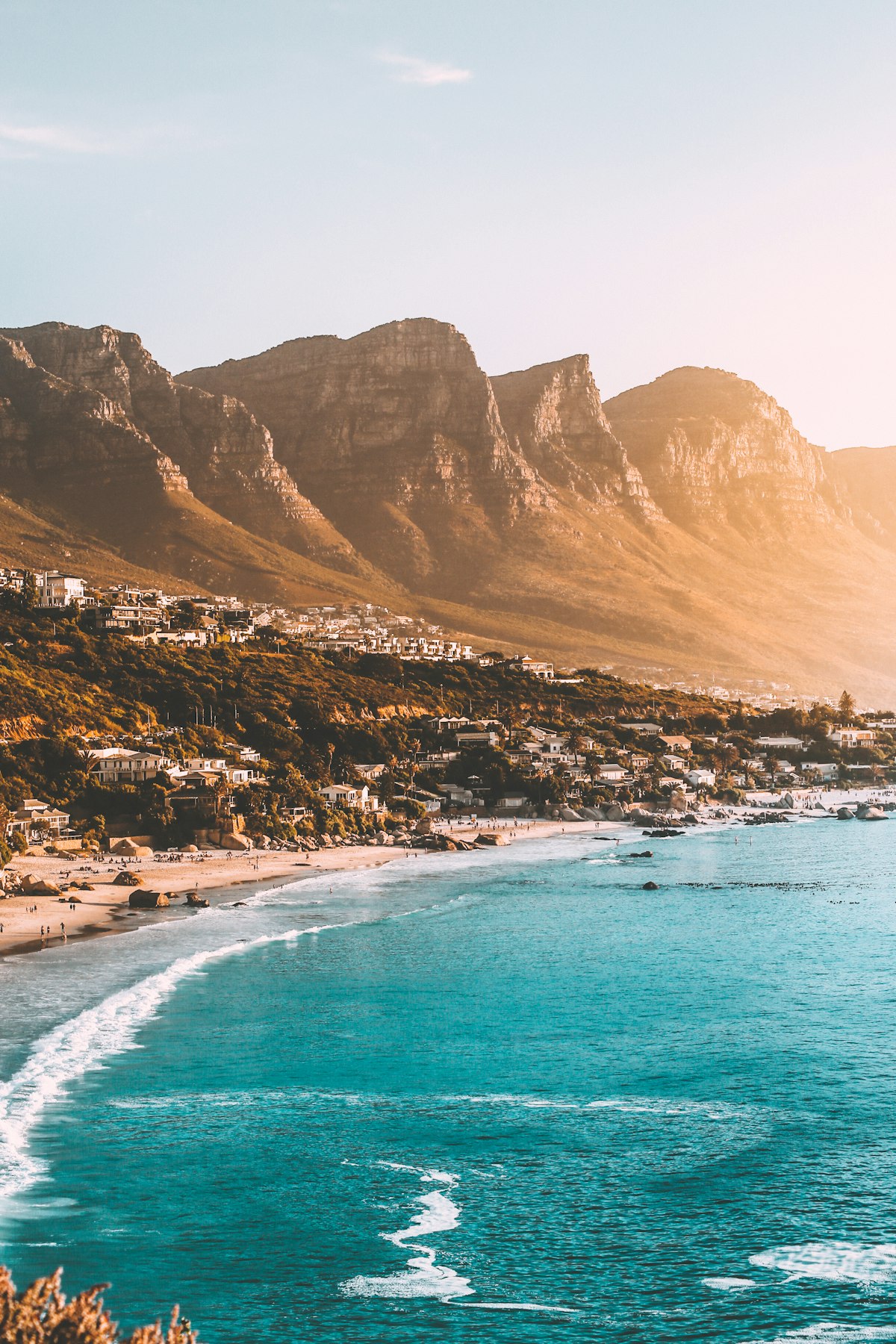
Cape Town
South Africa
Africa's most dramatic city — where timing means choosing between the dry, sunny austral summer (November–March) for beaches and hiking, and the cooler winter months when southern right whales arrive in False Bay and the wildflowers transform the West Coast.
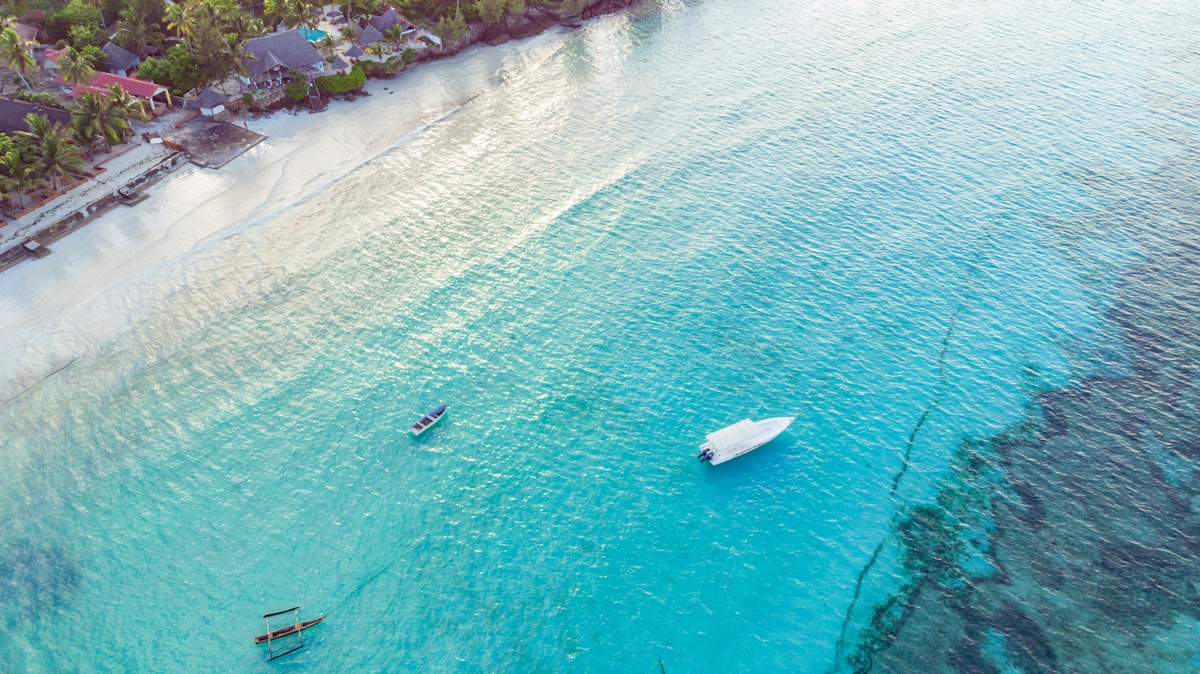
Zanzibar
Tanzania
A UNESCO-listed Swahili trading city, world-class kite surfing, whale shark encounters, and Indian Ocean beaches — Tanzania's island extension is one of Africa's most compelling destinations, shaped by two distinct rainy seasons that divide the year sharply into when to go and when not to.
Worth knowing
October scores highest overall. May is the most crowded month — avoid if you can. See crowd-free ranking →
Month by month breakdown
January#8▾
Gains
- ↑January is the most local month in Fez: the international tourist volume falls to its minimum, and the 156,000 people who live within the medina walls carry on their medieval-pattern daily life without the summer crowds. Donkeys carrying goods through the Derb El Mitter alleyways, the Al-Attarine souk fulling with morning traders, and the 14th-century Madrasa Bou Inania busy with students — all of it visible without the summer filter of guided tour groups.
- ↑Riad prices are at their annual minimum: the finest riads in the Ziyat and Adoha neighbourhoods of Fez el-Bali are available at rates 40–50% below spring season. The intimacy of a traditional Moroccan courtyard house with a central fountain and orange tree, booked essentially to yourself, is difficult to replicate in April.
- ↑Cold winters produce occasional snow on the surrounding mountains visible from the medina terraces — the 14th-century skyline of minarets and earthen rooftops against winter snowfall is a genuinely rare and extraordinary sight.
Sacrifices
- ↓January temperatures (13.8°C highs, 4.2°C lows) require real winter clothing: medina walking through narrow shaded alleyways in damp cold demands warm layers. The famous rooftop terraces and outdoor café culture are not viable.
- ↓Some rainfall (68mm) falls across the month, and the uneven medina streets can be slippery in wet conditions. The medina has no storm drainage — heavy rain creates temporary rivers down the alleyways.
February#5▾
Gains
- ↑February temperatures begin lifting: 15.8°C highs allow for sustained medina walking without the January chill, and afternoon light on the earthen facades of Fez el-Bali produces the warm ochre tones that make Fez photographs so distinctive.
- ↑The villages around Fez — particularly Bhalil (cave houses) and the Sefrou Valley — have almond blossom in February: a day trip from the medina into flowering orchards with the Atlas foothills behind them is entirely feasible.
- ↑Ramadan preparations begin in the medina's food shops and bakeries: if February is the final weeks before Ramadan (calendar dependent), the medina is especially animated with markets and preparation. Msemen (Moroccan flatbread) and chebakia (sesame honey pastry) shops are fully stocked.
Sacrifices
- ↓Rainfall remains significant: 60mm across 12–14 days. The medina streets, already narrow and irregular, become challenging in persistent rain. Waterproof shoes are genuinely important.
- ↓The cultural programming is minimal: the Fes Festival of World Sacred Music is months away, and the medina in February is primarily for those who appreciate the authentic urban life rather than curated cultural events.
March#6▾
Gains
- ↑March hits the temperature sweet spot for navigating the 9,400 streets of Fez el-Bali: 19.5°C is warm enough to walk without a heavy coat but cool enough to explore the tannery quarter and Al-Qarawiyyin University area without heat stress. The Chouara tannery is most pleasant to visit when temperatures are moderate.
- ↑Rain is still present but sunshine hours are increasing sharply: the afternoon light on the medina's clay-and-cedar architecture is warm and photographically compelling. The terrace view from the Borj Nord (northern fortification) over the medina is stunning in March's clear spring air.
- ↑If Ramadan falls in March (calendar-dependent), the evening iftar meal creates one of the most extraordinary food experiences Morocco offers: the medina at sunset during Ramadan — harira soup, chebakia, dates, and the collective breaking of fast — is open to all visitors who wish to participate respectfully.
Sacrifices
- ↓March has the highest rainfall of any spring month (61mm) and weather can be changeable: warm sunny mornings occasionally give way to afternoon rain without much warning. The medina's maze of streets offers some shelter, but a light rain jacket is essential.
- ↓If Ramadan falls in March, some daytime services are reduced: restaurants open only in the evening, some artisans work shorter hours, and navigating the medina for lunch requires adjustment.
April#3▾
Gains
- ↑April is the consensus best month for Fez: 23.1°C highs, 8.5 sunshine hours, and only 47mm of rain across the month. The medina alleyways are warm but not hot — the 9,400 streets that are exhausting in August are pleasurable to walk for hours in April. The Chouara tannery is active, the dyers' quarter is colourful, and the leather-workers' stalls in the souks surrounding the Al-Attarine souk are fully operational.
- ↑The rose season begins in the valleys south of Fez: day trips to Bhalil (the cave house village) and Sefrou (the cherry blossom capital of Morocco, annual festival in June) are in full spring bloom. The contrast between the ancient urban density of Fez el-Bali and the agricultural landscape 15km outside the walls is one of Morocco's most striking.
- ↑The Nejjarine Fountain and Museum of Wooden Arts and Crafts, the Madrasa Bou Inania, and the Dar Batha Museum (housed in an Andalusian-style palace) are all comfortable to visit in April without the July-August heat that turns the unshaded courtyard museums into ordeals.
Sacrifices
- ↓April is when Fez starts appearing on the international tourist radar: the medina is busier than March, riad prices are higher, and the guides who congregate near the Bab Bou Jeloud blue gate (the main medina entrance) are more persistent.
- ↓Easter weekend in particular can be busy with European visitors — a long weekend in April is one of the most popular departure windows for Morocco from France, Spain, and the UK.
May#4▾
Gains
- ↑May sits at the boundary of ideal and warm: 27.8°C is hot for sustained midday medina walking, but mornings (before 10am) and evenings (after 5pm) are outstanding — the golden hour light on Fez el-Bali's thousand-year roofscape is at its richest in May.
- ↑The Fes Festival of World Sacred Music begins in late May or early June: one of Morocco's greatest cultural events, it draws sufi music, gospel, Gregorian chant, and sacred traditions from across the world to outdoor venues in the medina and the historic royal gardens. The concerts in the Bab Makina palace square under stars are genuinely world-class.
- ↑Sefrou's cherry blossom festival is in late May: the small city 30km south of Fez is one of Morocco's most charming day trips, and the cherry orchards in full fruit are spectacular on the surrounding hillsides.
Sacrifices
- ↓Heat building: 27.8°C highs mean the Chouara tannery visit (notoriously pungent in heat) is best done early morning when temperatures are below 20°C. Guides will tell you the best time is 10am — ignore them and go at 8am.
- ↓The approach of the Sacred Music Festival means accommodation prices in May's final week rise to festival-week levels — book ahead or target early May before festival pricing applies.
June#2▾
Gains
- ↑The Fes Festival of World Sacred Music (typically the first two weeks of June) is one of North Africa's defining cultural events: 10 days of concerts in venues across the medina including the Bab Makina palace esplanade, the Andalusian gardens of the Musée Dar Batha, and the rooftop terrace of the Palais Faraj. The 2024 lineup included artists from Mali, Iran, Spain, Senegal, and India — the programming is genuinely world-class and most concerts are free or inexpensive.
- ↑Early mornings in June (6–9am) are superb: 20°C, the medina just beginning to stir, the bread ovens firing, and the first calls to prayer echoing between the minarets of the Al-Qarawiyyin mosque (founded 859 AD, the world's oldest operating university). The walk from Bab Bou Jeloud through the medina to the Chouara tannery at 7am is one of the finest urban experiences in Africa.
- ↑Very low humidity (48%) makes the heat more tolerable than the absolute numbers suggest: 33°C in Fez in June feels more comfortable than 28°C in Marrakech in August because the air is dry.
Sacrifices
- ↓33.5°C is genuinely hot for extended medina walking: midday in the unshaded parts of the Al-Qarawiyyin and Nejjarine squares is uncomfortable, and the pace of exploration must slow down significantly between noon and 4pm.
- ↓Festival accommodation books out very quickly: the quality riads in Fez el-Bali require booking 3–4 months ahead for the festival week, and even ordinary weeks in June are busier than spring as the cultural calendar draws visitors.
July#11▾
Gains
- ↑The only practical gain of July is price: riad accommodation drops significantly from the June festival levels, and the medina is essentially left to locals who know how to live in it. Budget travellers who confine activity to early mornings and evenings can experience Fez at very low cost.
- ↑The pre-dawn and dawn period in July is extraordinary: the medina temperature at 5am is 20–22°C, the light is extraordinary, and the 2,700 minarets of the old city are silhouetted against the brightening sky before sunrise. Serious photographers who can manage the scheduling are rewarded.
- ↑Evenings from 8pm onward cool to manageable levels: the rooftop restaurants and the terrace of the Riad Laaroussa and similar establishments become pleasant, and the medina night markets and bakeries operate until midnight in summer.
Sacrifices
- ↓37.8°C average highs in July are brutal for medina walking: the narrow walled streets trap heat, stone surfaces radiate it, and the traditional dress of medina residents (djellaba, headscarf) is actually more adapted to the conditions than Western summer clothing. Heat stroke risk is real for visitors who underestimate it.
- ↓Many medina artisans reduce their working hours in July heat: the dyers' quarter and some leatherwork ateliers close from noon until 4pm, and the overall atmosphere of the medina is of a city managing rather than thriving.
- ↓International visitors are minimal and those who do come are often disappointed: the heat constrains every activity, and the experience of Fez in July is unavoidably diminished compared to April or October.
August#12▾
Gains
- ↑Budget prices remain from July: riads in Fez el-Bali are at their annual low, and negotiation is possible on longer stays. For Moroccan Arabic students or researchers who have specific academic or documentary reasons to be in Fez, the accommodation value is unmatched.
- ↑The Moussem of Moulay Idriss II (preparation begins in August, celebration in September) creates an anticipatory energy in the medina: pilgrims arrive progressively, the zawiya (shrine) of the city's founder is especially active with worshippers, and the traditional Moroccan religious culture is visible in its most concentrated form.
- ↑The August evening market culture in the Ville Nouvelle (French colonial district) around Place de la Résistance is genuinely lively: it's where Fez residents go to escape the medina heat, and the outdoor cafés and ice cream shops are busy until midnight.
Sacrifices
- ↓37.2°C highs are identical to July in their effect: the medina is genuinely dangerous for sustained daytime walking without proper hydration, acclimatisation, and shade strategy. The Chouara tannery in August heat is an olfactory experience of extreme intensity.
- ↓August is the absolute worst month for experiencing what makes Fez unique: the craftspeople working reduced hours, the medina largely empty of the commercial and educational life that defines it, and the atmosphere of endurance rather than vibrancy.
September#7▾
Gains
- ↑The Moussem of Moulay Idriss II (the annual Islamic celebration honouring the founder of Fez, typically September) is the medina's most important religious event: fantasia (tbourida) equestrian performances on the Agdal gardens, Gnawa music processions, religious scholars gathering at the Al-Qarawiyyin, and pilgrims visiting the magnificent shrine of Moulay Idriss II in the heart of the medina. This is a living religious tradition, not a tourist spectacle.
- ↑September temperatures (32.8°C) are still warm but the evening cooldown is dramatic: nights drop to 18.2°C, creating a comfortable rhythm of early morning exploration, afternoon rest, and active evening. The gap between July's sustained heat and October's ideal conditions is at its narrowest in September.
- ↑Post-Ramadan energy (if Ramadan fell earlier in the year) restores the full medina economy: the souks are fully stocked, the craftspeople are back at full hours, and the tannery workers at Chouara are producing peak-season volumes of leather.
Sacrifices
- ↓32.8°C midday highs still require a heat strategy: 10am–4pm in the most exposed parts of the medina (the Al-Qarawiyyin university square, the Nejjarine fountain area) is uncomfortable without shade breaks.
- ↓The Moussem draws large Moroccan crowds — accommodation in Fez fills quickly in the week of the celebration, and riad prices spike. Book several months ahead if targeting the Moussem specifically.
October#1▾
Gains
- ↑October is the second-best month (after April) for Fez: 26.4°C allows sustained medina exploration throughout the day without heat management concerns. The Chouara tannery is fully active — the leather-making process using pigeon dung, quicklime, and natural dyes in the stone vats is best observed from the surrounding balconies of the leather shops, and October's cooler air makes the experience significantly more tolerable.
- ↑The autumn light on the earthen medina is extraordinary: the late afternoon sun on the clay facades of the alleyways leading from Bab Bou Jeloud to the Madrasa Bou Inania produces the warm ochre-amber tones that define Fez photography at its best.
- ↑The medina's commercial and educational life is fully operational: students at the Al-Qarawiyyin (which accepts visitors in the prayer hall), craftspeople at the copper souk (Seffarine Square), woodworkers in the Nejjarine area, and leather tanners at Chouara are all visible in full authentic activity.
Sacrifices
- ↓Rain begins returning: 38mm across the month, mostly in brief early morning or evening showers. The medina streets can become slippery after rain — the ancient cobblestones are polished smooth by centuries of foot traffic.
- ↓October draws international visitors in numbers approaching the April-May peak: the best riads require booking 4–6 weeks ahead, and the most popular sites (Chouara tannery overlook, Madrasa Bou Inania) have groups at peak morning times.
November#9▾
Gains
- ↑November is deeply underrated: 19.8°C is ideal for medina walking, rain is mostly brief, and the tourist volume drops significantly from October. The riads are quiet, the souk sellers are not overwhelmed, and the pace of the medina returns to something approaching its genuine daily rhythm.
- ↑The crafts souks are at their most authentic in November: the hammered copper lamps of the Seffarine souq, the hand-knotted carpets of the Rabat-school weavers, and the ceramic tile work of the potters' quarter outside Bab Chems are all best browsed without the April-May pressure of guided tour groups competing for space.
- ↑Riad accommodation drops from October's moderate pricing: some of the finest traditional houses in Fez el-Bali — Riad Fes, Dar Bensouda, Riad Laaroussa — are bookable at genuine value compared to their spring pricing.
Sacrifices
- ↓November rain (57mm) is the most significant since March: the medina's lack of formal drainage means heavy rain events create real access difficulties in some of the lower-lying alleyways around the tannery quarter.
- ↓Shorter days reduce the golden-hour light window: sunset in November is before 6pm, and the medina's most atmospheric light comes only in the brief afternoon window before dusk.
December#10▾
Gains
- ↑December in Fez is a genuinely compelling experience for those prepared for cool weather: the medina in winter has a raw, unlayered quality that summer and spring visitors never see. The hammams (public baths) are central to medina life in December — visiting the Hammam Sidi Azouz in Fez el-Bali is a legitimate local institution at 7 dirhams (65 US cents), and December is when you share it entirely with residents.
- ↑Christmas and New Year have essentially no presence in this Muslim city: Fez continues its normal daily rhythm unchanged, making it one of the very few destinations in the Northern Hemisphere where the Christmas-New Year tourist premium simply doesn't exist. A December riad booking in Fez costs a fraction of equivalent accommodation in Marrakech, which has been heavily marketed to Western tourists.
- ↑The Madrasa Bou Inania in December is extraordinary: the 14th-century theological college with its carved cedar wood and zellige tilework is best appreciated when rain and cold drive away the tour groups, and you can sit in the courtyard beside the water basin in relative quiet.
Sacrifices
- ↓15.2°C highs and 5.4°C lows require proper winter clothing: the medina has no central heating and the beautiful riads with their central courtyards are cold at night without good fires or efficient heating. Check the heating situation before booking.
- ↓Rainfall (72mm across the month) is the second highest of the year, and December rain in the medina alleyways is challenging. The earthen walls absorb moisture and the ancient drainage struggles under sustained rain — a rainy December day in Fez el-Bali tests patience.
How this is calculated
Climate data
Open Meteo ERA5
30-year normals (1991–2020). Temperature, rainfall, sunshine, humidity.
Price & crowd
Tourism research
Seasonal pricing from tourism authority data. Directional — compares months within a destination only.
Personalisation
Weighted scoring
Your priorities change the weights. Budget-first users get different results than weather-first users.
Share this result
October is the best time to visit Fez
Travel timing updates
New destinations and timing guides, when they land.
No spam. Unsubscribe anytime.