Showing: Feb · Unsplash / Unsplash
Cuba · Americas
Best time to visit Havana
February
Feb scores highest overall — reliable weather and good value. Set your priorities below to personalise this result.
What matters most to you?
All 12 months — click any to expand
Feb
Unsplash / Unsplash
The driest month of the year: 46mm, 8 sunshine hours, and warm Caribbean air without the heat.
27°C
High
19°C
Low
46mm
Rain
8h
Sun/day
What you gain
- ↑February is statistically Havana's driest month — only 46mm — making it the most reliable for outdoor photography and all-day sightseeing.
- ↑8 hours of sunshine per day and 27°C highs with low humidity (75%) — the single best weather month in the calendar.
- ↑The Havana International Jazz Festival (typically February) draws world-class musicians to venues across the city, including the Jazz Café and Teatro Mella.
What you sacrifice
- ↓High season crowds persist from January — popular casas particulares and boutique hotels in Old Havana require advance booking.
- ↓Prices remain at moderate-season levels; the budget window of the wet season is still months away.
- ↓Internet access is limited to Nauta Wi-Fi hotspots and hotel lobbies; connectivity frustrations are a constant regardless of month.
Feb scores highest overall — reliable weather and good value. Set your priorities below to personalise this result.
Feb
The driest month of the year: 46mm, 8 sunshine hours, and warm Caribbean air without the heat.
27°C
High
46mm
Rain
8h
Sun
- ↑February is statistically Havana's driest month — only 46mm — making it the most reliable for outdoor photography and all-day sightseeing.
- ↑8 hours of sunshine per day and 27°C highs with low humidity (75%) — the single best weather month in the calendar.
- ↑The Havana International Jazz Festival (typically February) draws world-class musicians to venues across the city, including the Jazz Café and Teatro Mella.
- ↓High season crowds persist from January — popular casas particulares and boutique hotels in Old Havana require advance booking.
- ↓Prices remain at moderate-season levels; the budget window of the wet season is still months away.
- ↓Internet access is limited to Nauta Wi-Fi hotspots and hotel lobbies; connectivity frustrations are a constant regardless of month.
Top travel windows
★ BestFebruary
Best overall
Highest combined score
27°C
High
46mm
Rain
8h
Sun
September
Best for value
Lowest prices & fees
31°C
High
150mm
Rain
7h
Sun
September
Fewest crowds
Quietest month
31°C
High
150mm
Rain
7h
Sun
Breakdown by priority
Best for weather
March
28°C high · 46mm rain · 8.5hrs sun/day
Best for budget
September
Absolute lowest prices of the year for flights, casas particulares, and paladares — the trade-off for weather risk is steep discounts across the board.
Fewest crowds
September
Havana with almost no international tourists: the Malecón, Callejón de Hamel, and neighbourhood streets feel entirely Cuban.
Worst time to visit
September, October, August
150mm of rainfall and 85% humidity — September is statistically one of the wettest months and rain is sustained rather than short and sharp.
Also exploring
New York
USA
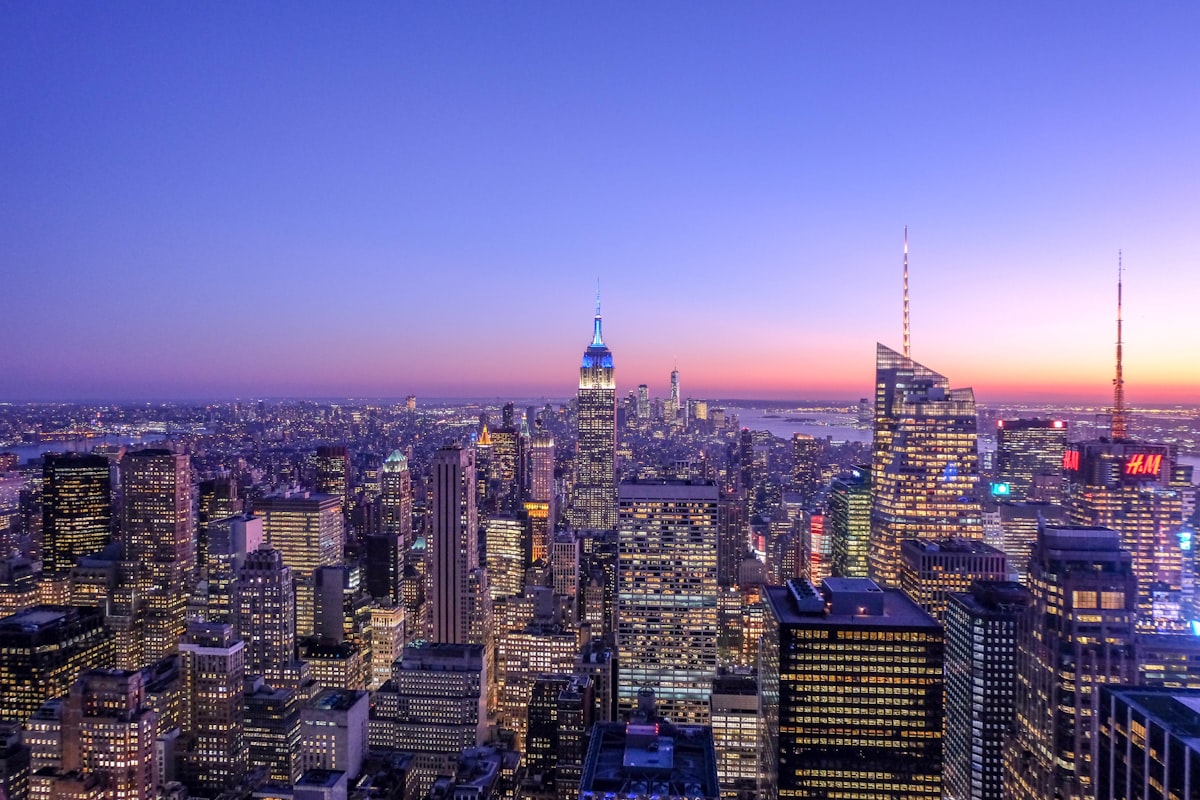
A city that never fully quiets — but its personality shifts dramatically by season, from sweltering humid summers to crisp autumn perfection to blizzard-prone winters.
Rio de Janeiro
Brazil
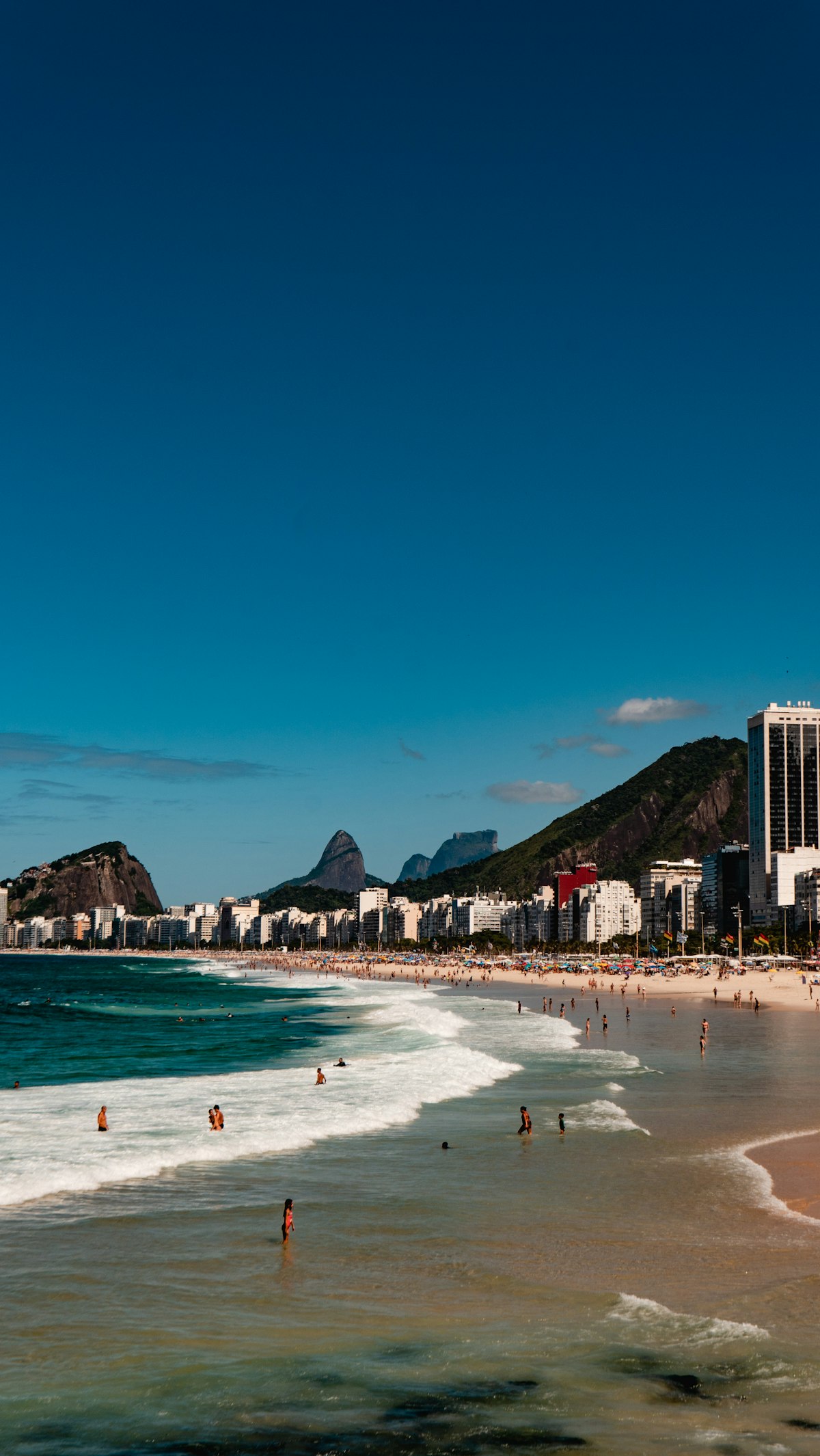
A Southern Hemisphere city where summer (December–March) brings Carnival and 264mm of rain simultaneously, and the real sweet spot is the dry Southern winter — June to September — when most travellers don't think to come.
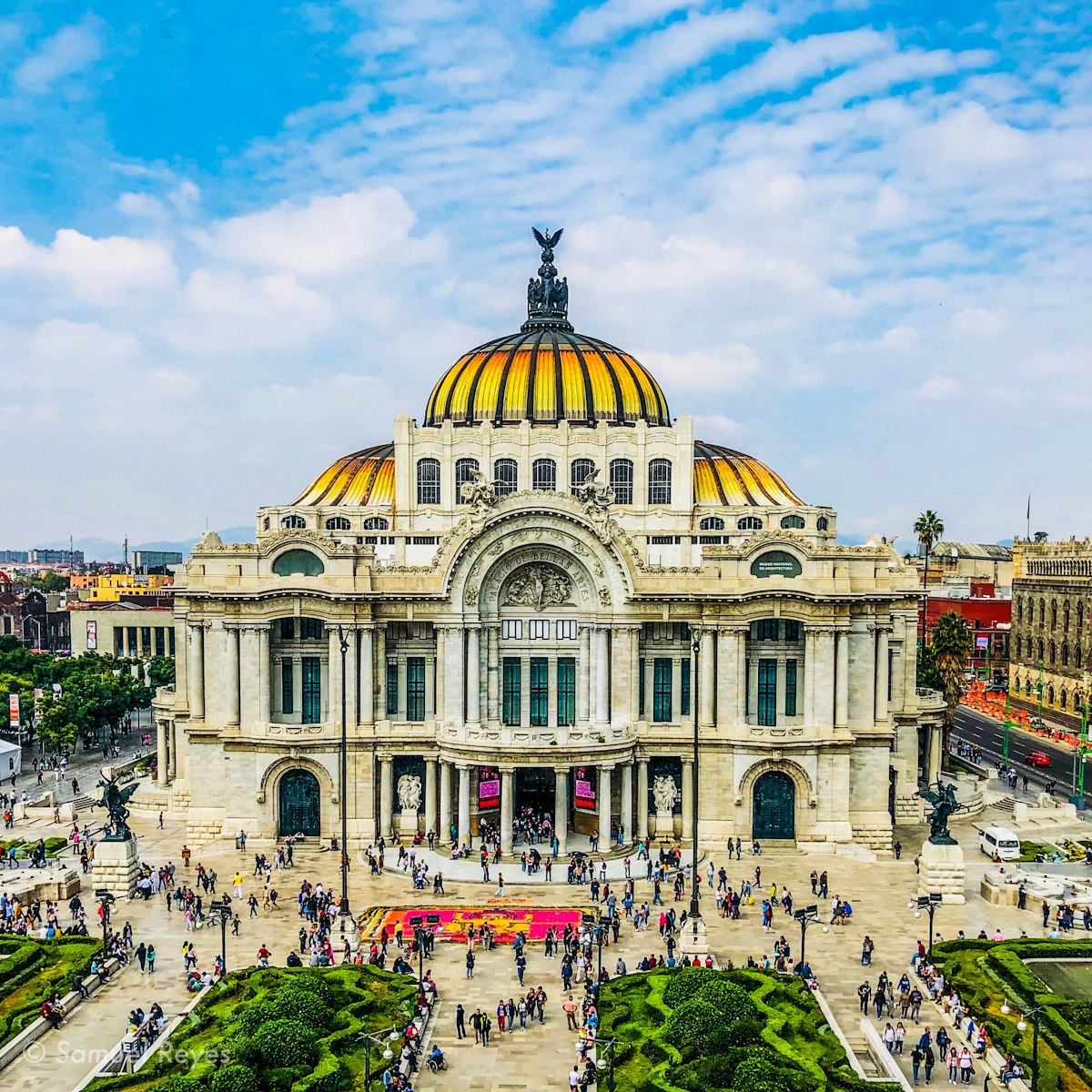
Mexico City
Mexico
A highland metropolis at 2,240 metres where the altitude tempers the heat to perpetual spring in the dry months, Día de Muertos transforms Mixquic and Azcapotzalco into one of the world's great ceremonies, and the October–April dry season gives the clearest conditions for exploring what is genuinely one of the planet's finest food, museum, and architecture cities.
Worth knowing
February scores highest overall. December is the most crowded month — avoid if you can. See crowd-free ranking →
Month by month breakdown
January#4▾
Gains
- ↑Only 71mm of rain spread across the month — outdoor sightseeing in Old Havana, the Malecón, and Plaza de la Revolución is reliably feasible.
- ↑Comfortable 26°C highs with cool 18°C evenings — the most pleasant temperatures of the year for walking the cobblestone streets of La Habana Vieja.
- ↑Classic car tours and paladares are fully operational; January is the heart of the tourist season and infrastructure is at its most attentive.
Sacrifices
- ↓High season demand means accommodation (casas particulares and hotels) books up fast — prices are 20–30% above the wet-season floor.
- ↓Popular plazas such as Plaza de la Catedral and Plaza Vieja are at their most crowded, especially on cruise-ship days.
- ↓No major festivals this month; cultural programming is quieter than December or July.
February#1▾
Gains
- ↑February is statistically Havana's driest month — only 46mm — making it the most reliable for outdoor photography and all-day sightseeing.
- ↑8 hours of sunshine per day and 27°C highs with low humidity (75%) — the single best weather month in the calendar.
- ↑The Havana International Jazz Festival (typically February) draws world-class musicians to venues across the city, including the Jazz Café and Teatro Mella.
Sacrifices
- ↓High season crowds persist from January — popular casas particulares and boutique hotels in Old Havana require advance booking.
- ↓Prices remain at moderate-season levels; the budget window of the wet season is still months away.
- ↓Internet access is limited to Nauta Wi-Fi hotspots and hotel lobbies; connectivity frustrations are a constant regardless of month.
March#2▾
Gains
- ↑28°C highs, 8.5 sunshine hours, 74% humidity, and only 46mm of rain — the best weather scores of any month combined with moderate crowds.
- ↑International tourists thin out after February half-term, meaning Old Havana's palaces, the Museo Nacional de Bellas Artes, and El Floridita bar are all manageable.
- ↑Prices drop to affordable from the high-season peak — casas particulares in Vedado and Centro offer genuinely good value at this time of year.
Sacrifices
- ↓No headline festivals; March sits between the Jazz Festival and Carnaval, so cultural programming is relatively low-key.
- ↓Temperatures are climbing — 28°C is pleasant now, but by midday sightseeing in full sun requires pacing.
- ↓Power outages (apagones) remain a reality in Havana year-round; March is no exception — carry a power bank.
April#6▾
Gains
- ↑29°C and 8.5 sunshine hours with only 57mm of rain — still firmly in the dry season and reliably suitable for all outdoor activities.
- ↑Moderate crowd levels mean popular sites like the Capitolio Nacional and Castillo de la Real Fuerza are accessible without the January crush.
- ↑Affordable prices across casas particulares and paladares as the peak tourist season eases off.
Sacrifices
- ↓Humidity is beginning to climb (76%) and temperatures are ticking toward the summer heat — midday is starting to feel sticky.
- ↓The rainy season is approaching; May's 119mm is only a month away, and late April can see the first significant showers.
- ↓Few major events this month; atmosphere is pleasant but culturally quieter than July or December.
May#8▾
Gains
- ↑Prices drop sharply as the wet season begins — casas particulares and mid-range hotels available at their lowest rates of the year.
- ↑Low tourist volumes mean Havana's streets, bars, and music venues feel far more local; the contrast with January is striking.
- ↑119mm of rain sounds significant, but showers are typically short and sharp — mornings and evenings are often completely clear.
Sacrifices
- ↓Humidity jumps to 82% and the heat rises to 30°C — the combination makes outdoor activity exhausting without shade and water.
- ↓Afternoon downpours can disrupt classic-car tours, walking itineraries, and outdoor dining.
- ↓No major events; May is one of Havana's quieter cultural months.
June#9▾
Gains
- ↑Budget travel window is fully open — flights and accommodation at their lowest rates, with casas particulares negotiable on longer stays.
- ↑Low tourist volumes mean the city operates for Cubans: La Bodeguita del Medio, the Malecón, and the Fábrica de Arte Cubano feel genuinely local.
- ↑Despite 160mm of rain, 8 hours of sunshine are still recorded — the pattern is heavy showers followed by sunshine, not solid grey days.
Sacrifices
- ↓Hurricane season officially opens June 1 — while early-season storms are less common, travel insurance covering disruption is essential.
- ↓84% humidity and 31°C highs make any significant outdoor activity physically demanding.
- ↓Heavy rain can flood sections of Centro Habana and Centro streets; some walking routes become impractical after sustained downpours.
July#3▾
Gains
- ↑Carnaval de La Habana (late July–early August) is Cuba's most spectacular street festival: elaborate costumes, live conga bands, and the entire Malecón transformed into a parade route for weeks.
- ↑July has the most sunshine hours of any month (9.0) despite being in the middle of the wet season — mornings and evenings are often brilliant.
- ↑Affordable prices versus the dry season and a city buzzing with Carnaval energy is a combination that few other destinations in the Caribbean can match.
Sacrifices
- ↓125mm of rain and 83% humidity means rain gear and flexible scheduling are non-negotiable.
- ↓Carnaval crowds are Cuban-heavy and genuine — but accommodation in central Havana books up earlier than you'd expect for July.
- ↓32°C highs with high humidity make midday sightseeing genuinely uncomfortable; plan the temples and museums for early morning.
August#12▾
Gains
- ↑Budget prices at their floor — accommodation and flights are cheapest of the dry-season shoulder.
- ↑The tail of Carnaval de La Habana extends into early August, giving a final chance to catch the festival atmosphere.
- ↑Low tourist volumes mean Old Havana's museums and galleries — the Museo de la Revolución, the Museo del Ron — are quiet and unhurried.
Sacrifices
- ↓133mm of rain and 84% humidity with 32°C highs — the most oppressive combination of the year for outdoor comfort.
- ↓Peak hurricane risk: August sits at the heart of the Atlantic hurricane season and Cuba is directly in the main storm track.
- ↓Post-Carnaval Havana can feel deflated; the city's energy is lower than any other month before September.
September#10▾
Gains
- ↑Absolute lowest prices of the year for flights, casas particulares, and paladares — the trade-off for weather risk is steep discounts across the board.
- ↑Havana with almost no international tourists: the Malecón, Callejón de Hamel, and neighbourhood streets feel entirely Cuban.
- ↑For travellers who need flexible schedules and can ride out rain days, the savings versus January are substantial.
Sacrifices
- ↓150mm of rainfall and 85% humidity — September is statistically one of the wettest months and rain is sustained rather than short and sharp.
- ↓Peak hurricane probability: Cuba has been struck by or significantly impacted by major hurricanes in September multiple times; flight cancellations and infrastructure disruption are genuine risks.
- ↓Very little cultural programming, almost no other tourists, and a city that feels more closed than open — this is survival mode Havana, not holiday Havana.
October#11▾
Gains
- ↑Lowest prices of the year across the board — October is the one month when Havana becomes genuinely cheap by Caribbean standards.
- ↑The tourist footprint is virtually zero; anyone who makes it to Havana in October experiences a city that exists entirely for its own residents.
- ↑Temperatures are beginning to ease from the summer peak (29°C vs 32°C in August) — small comfort, but the heat is slightly less oppressive.
Sacrifices
- ↓173mm is the highest monthly rainfall in Havana's calendar — sustained heavy rain, street flooding, and disrupted transport are likely.
- ↓Peak hurricane strike risk: October has historically produced the most damaging storms to hit Cuba, including Hurricane Irma (2017) and others.
- ↓Almost no open cultural events, very few operational tourist services, and a city in low-energy mode — not a travel experience most visitors will enjoy.
November#5▾
Gains
- ↑A dramatic improvement on September and October: 79mm vs 173mm, and the hurricane season winds down — the city re-opens and tourist services normalise.
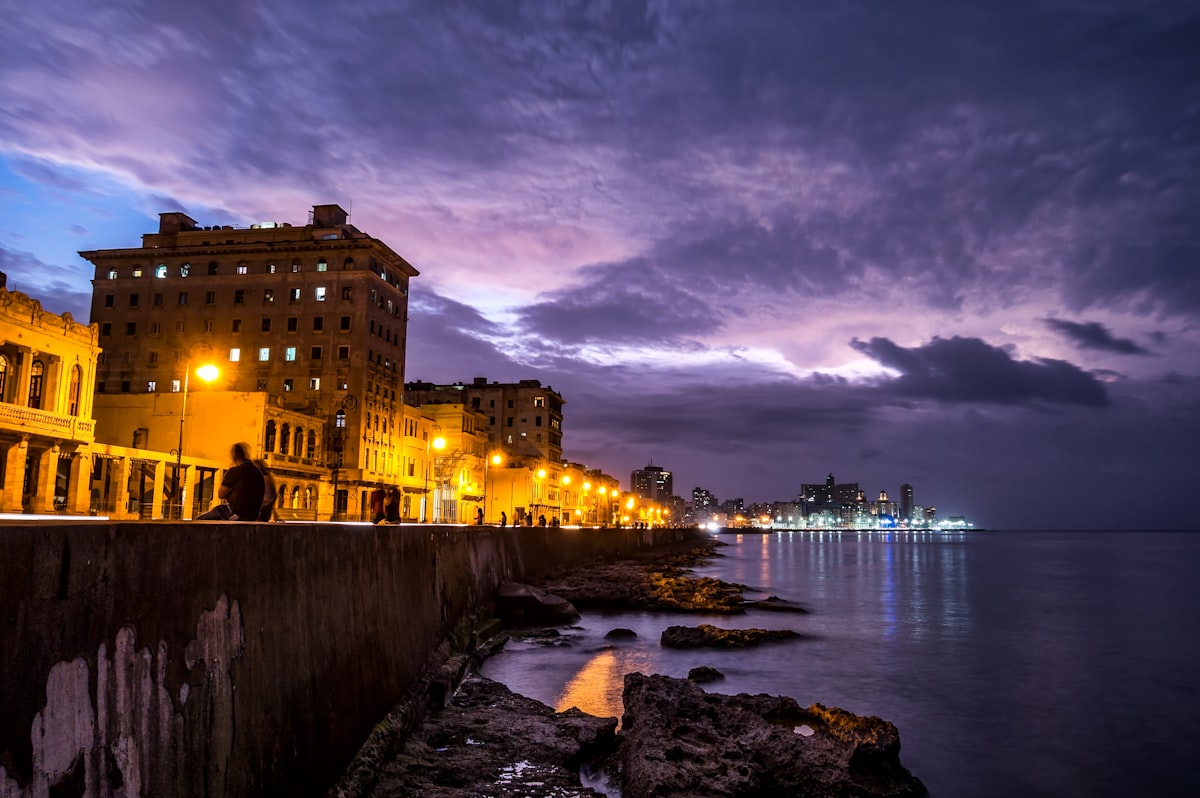
- ↑27°C and 21°C evenings make this the most comfortable month for walking Old Havana's cobblestones and sitting on the Malecón at dusk.
- ↑Moderate crowd levels and moderate prices — the sweet spot between the budget chaos of the wet season and the premium rates of December and January.
Sacrifices
- ↓82% humidity and 79mm of rain still means occasional downpours — the dry season is re-establishing, not fully established.
- ↓The Festival Internacional de Jazz de La Habana (usually December–January) hasn't started yet; cultural programming in November is quieter.
- ↓Tourist infrastructure is recovering from the low season — some casas particulares and paladares that closed in October are still reopening.
December#7▾
Gains
- ↑The Festival Internacional de Jazz de La Habana (mid-December) brings Cuba's and Latin America's finest jazz musicians to venues citywide — a genuine world-class event.
- ↑26°C, 79% humidity, and only 58mm of rain — the dry season is in full effect and evening temperatures are the most pleasant of the year.
- ↑Christmas in Havana has a unique character: the city is decorated, paladares put on special menus, and the Malecón fills with families and music on Christmas Eve.
Sacrifices
- ↓Premium high-season pricing: December is the most expensive month in Havana, with casas particulares and hotels commanding their highest rates.
- ↓High tourist volumes returning from January levels — the Old Havana plazas and popular paladares are fully booked without advance planning.
- ↓The combination of the Jazz Festival and Christmas/New Year demand means flights from the US and Europe fill early and cost significantly more.
How this is calculated
Climate data
Open Meteo ERA5
30-year normals (1991–2020). Temperature, rainfall, sunshine, humidity.
Price & crowd
Tourism research
Seasonal pricing from tourism authority data. Directional — compares months within a destination only.
Personalisation
Weighted scoring
Your priorities change the weights. Budget-first users get different results than weather-first users.
Share this result
February is the best time to visit Havana
Travel timing updates
New destinations and timing guides, when they land.
No spam. Unsubscribe anytime.