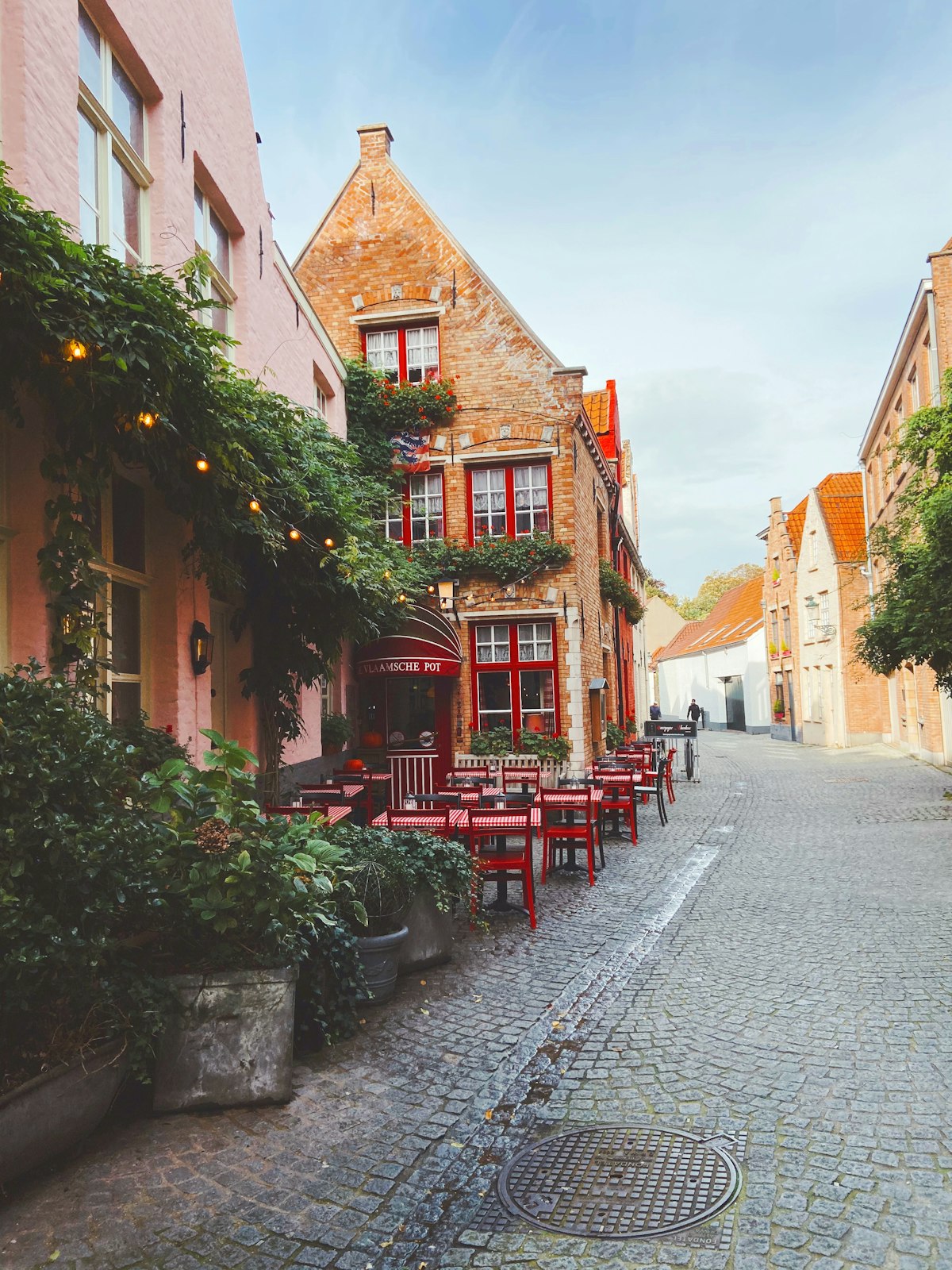
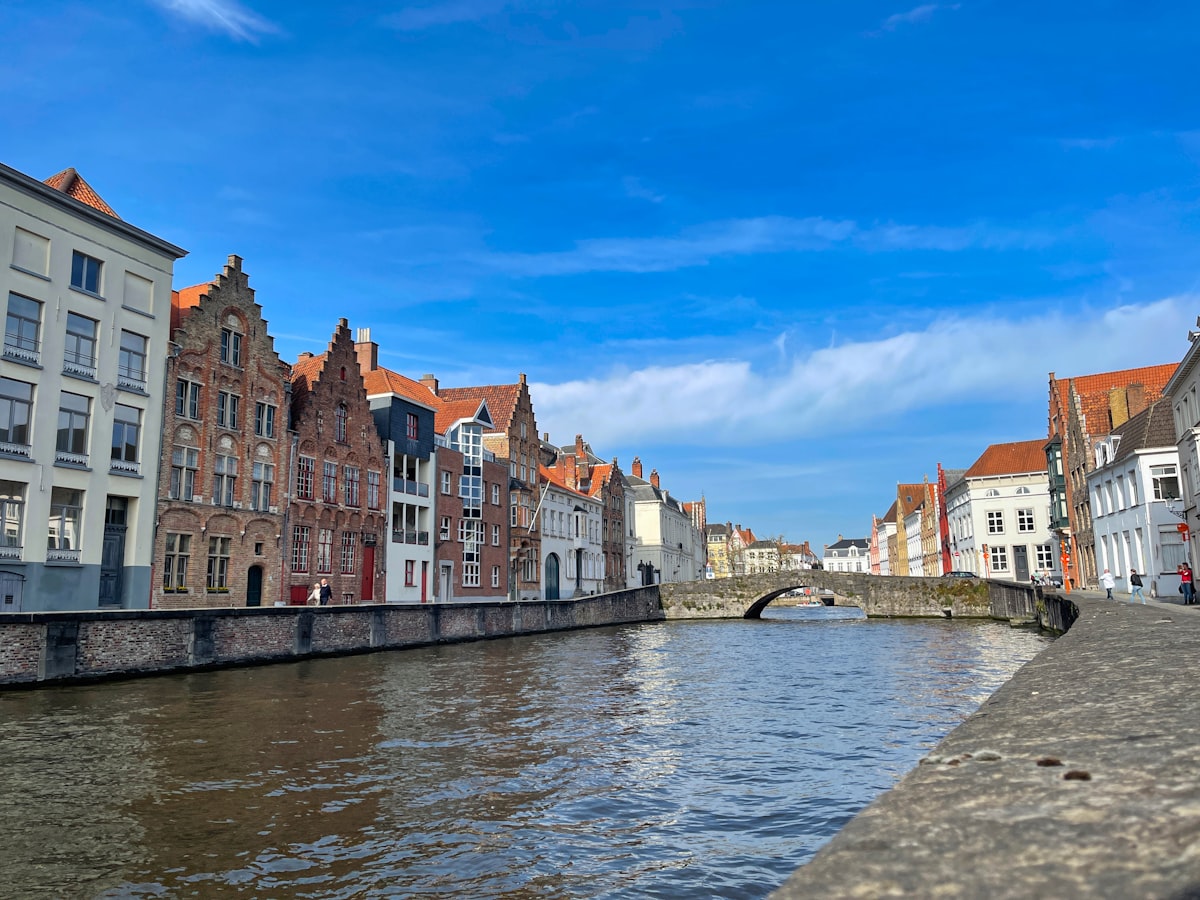
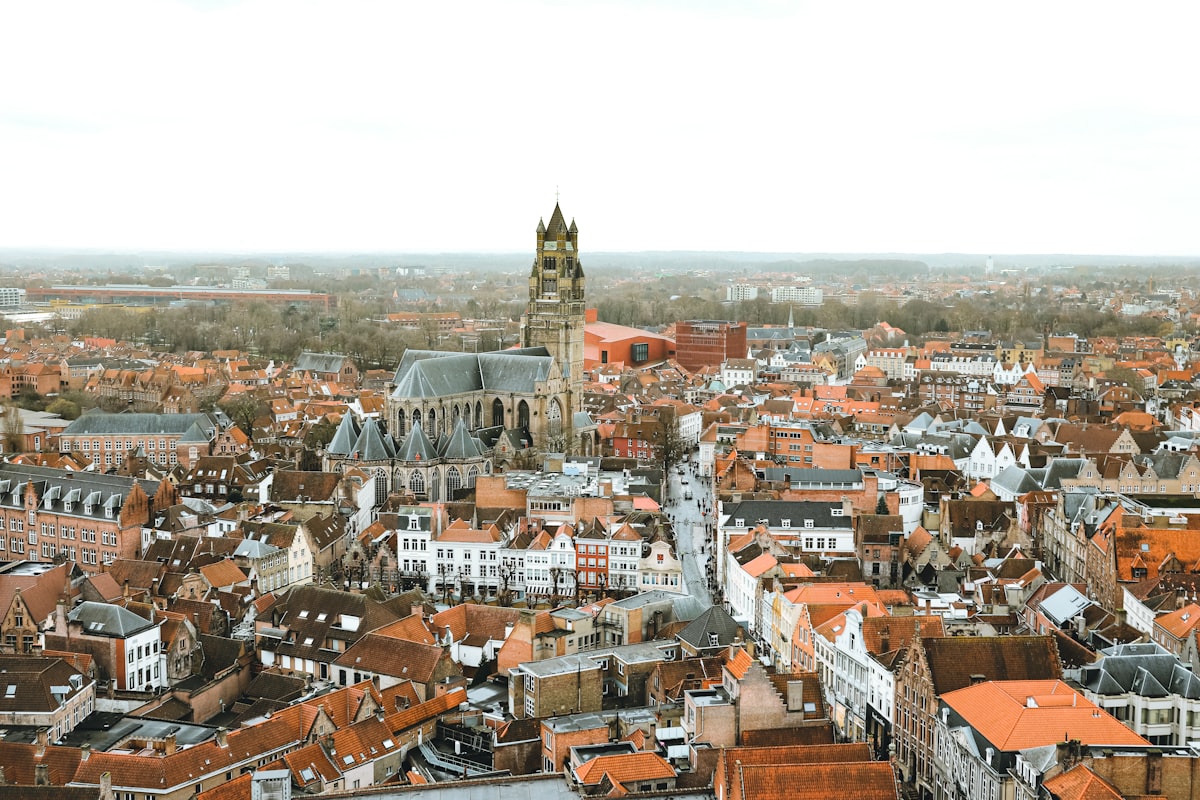
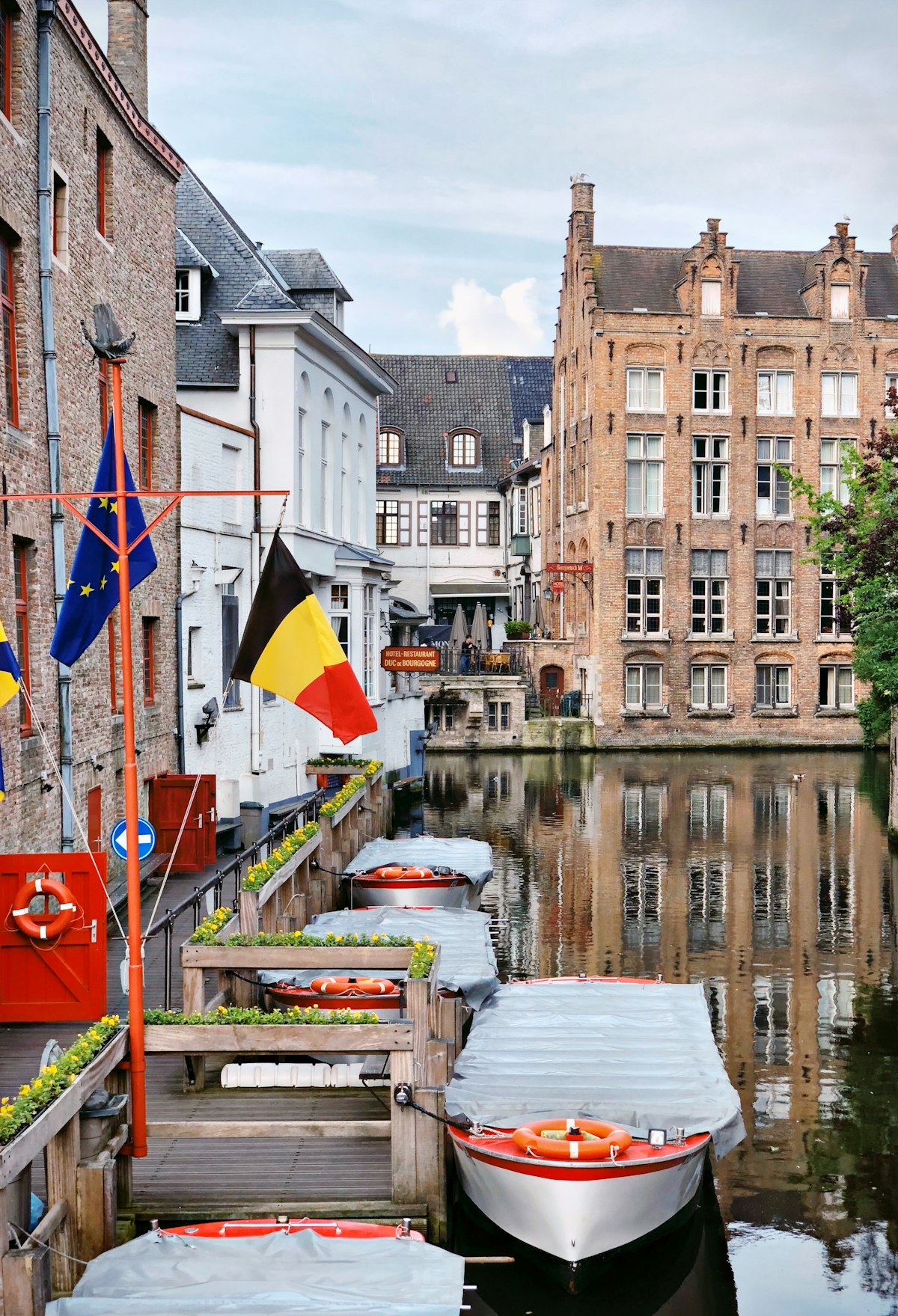
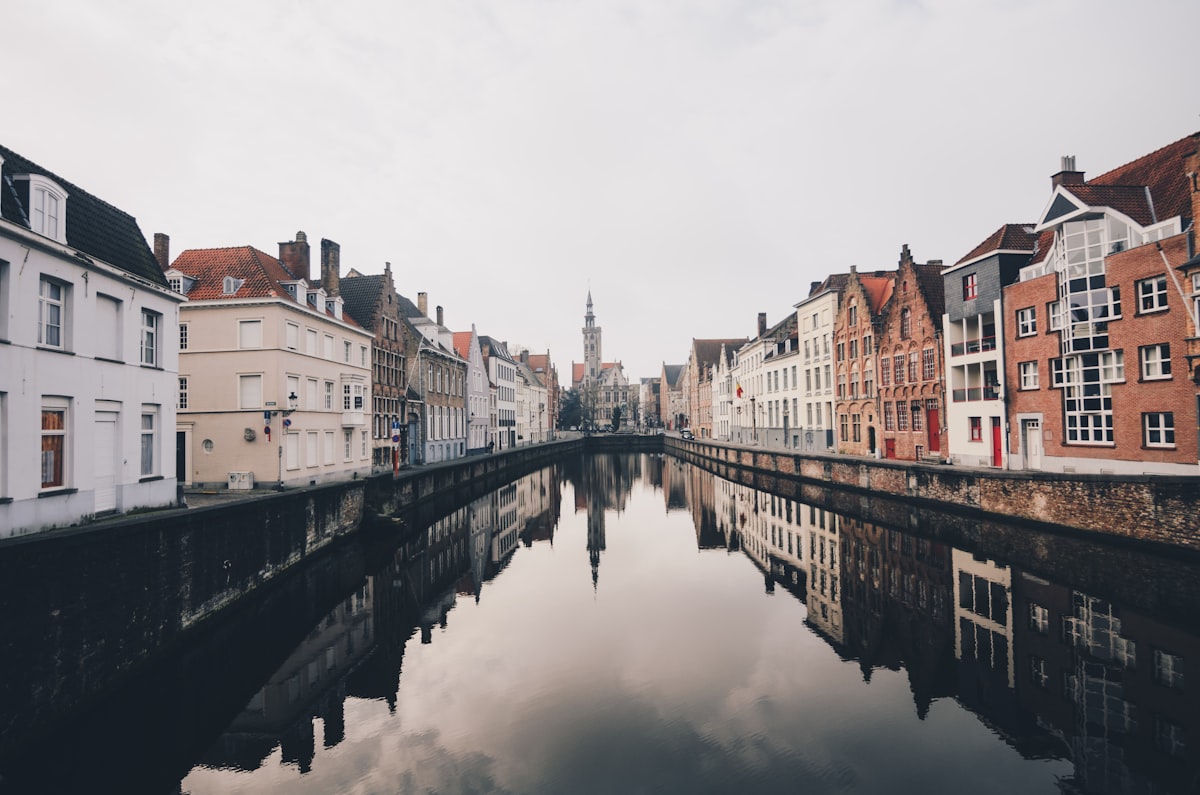
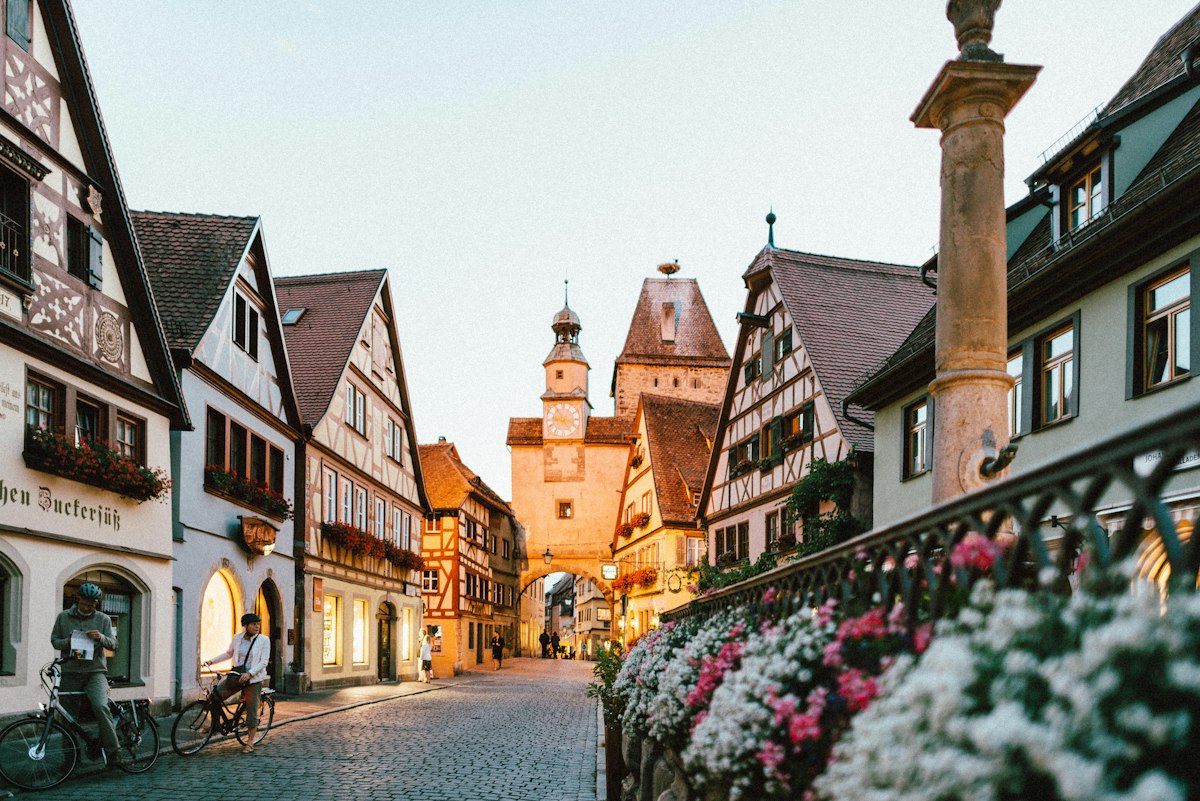
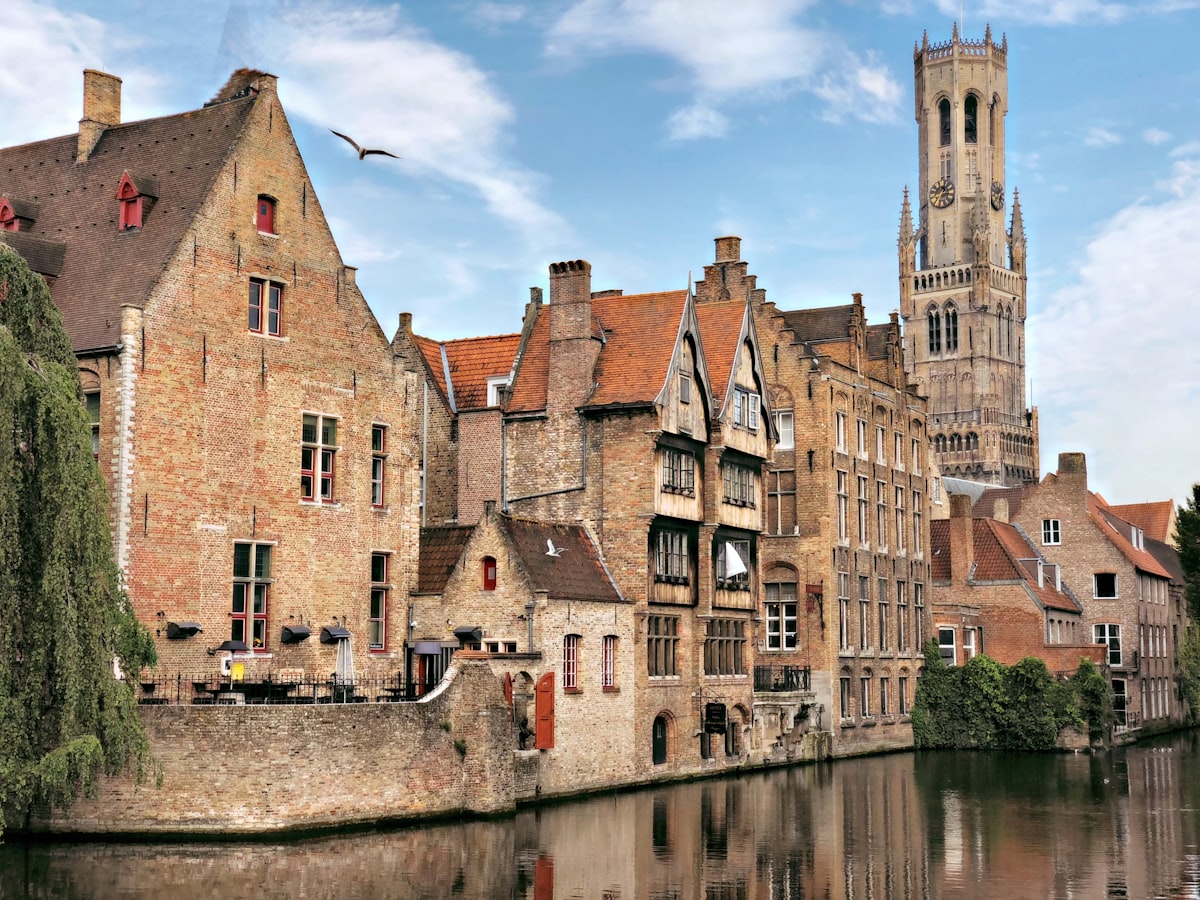
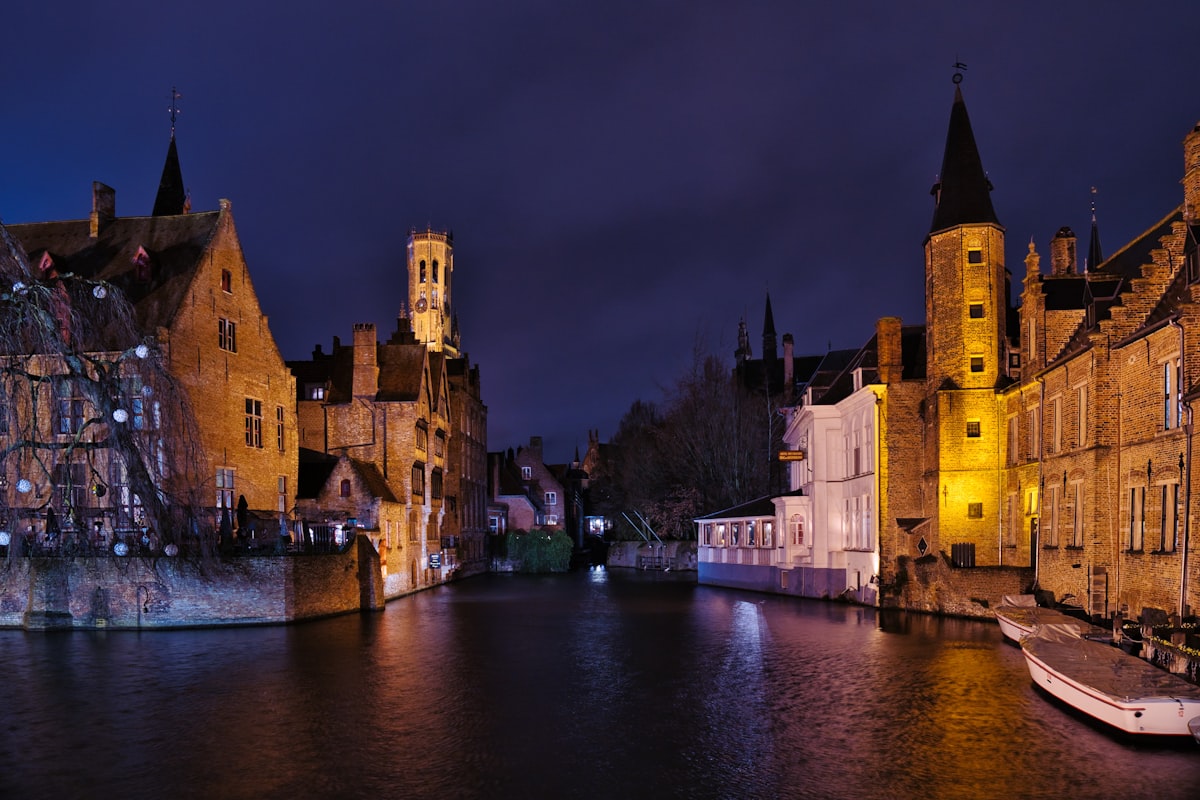
Bruges · Unsplash / Unsplash
Belgium · Europe
Best time to visit Bruges
May
May scores highest overall — reliable weather and strong local atmosphere. Set your priorities below to personalise this result.
What matters most to you?
All 12 months — click any to expand
May
Unsplash / Unsplash
The Procession of the Holy Blood transforms the city — and the weather is perfect for it.
17.8°C
High
9.1°C
Low
61mm
Rain
6.6h
Sun/day
What you gain
- ↑The Procession of the Holy Blood on Ascension Day (May, date varies) is UNESCO heritage: 1,500 participants in medieval costume carry the relic of Christ's blood through the streets in a genuinely moving and spectacular event. Thousands attend, but it feels like a living tradition rather than a performance.
- ↑May is the best overall balance of the year: 17.8°C, 6.6 sunshine hours, manageable crowds, and prices that haven't yet reached summer levels. The canal walks, the Minnewater lake, and the ramparts are all at their most beautiful.
- ↑The Gruuthuse Museum (next to the Church of Our Lady) has been restored and is superb: the collection of Flemish decorative arts and sculpture is world-class. In spring you can explore it without the summer queues.
What you sacrifice
- ↓The Procession weekend itself draws large crowds: accommodation must be booked months ahead and prices spike significantly for those specific days.
- ↓Rain levels are slightly higher than April — May is the beginning of the shoulder-season rainfall increase, though showers remain brief and the overall conditions are excellent.
May scores highest overall — reliable weather and strong local atmosphere. Set your priorities below to personalise this result.
May
The Procession of the Holy Blood transforms the city — and the weather is perfect for it.
17.8°C
High
61mm
Rain
6.6h
Sun
- ↑The Procession of the Holy Blood on Ascension Day (May, date varies) is UNESCO heritage: 1,500 participants in medieval costume carry the relic of Christ's blood through the streets in a genuinely moving and spectacular event. Thousands attend, but it feels like a living tradition rather than a performance.
- ↑May is the best overall balance of the year: 17.8°C, 6.6 sunshine hours, manageable crowds, and prices that haven't yet reached summer levels. The canal walks, the Minnewater lake, and the ramparts are all at their most beautiful.
- ↑The Gruuthuse Museum (next to the Church of Our Lady) has been restored and is superb: the collection of Flemish decorative arts and sculpture is world-class. In spring you can explore it without the summer queues.
- ↓The Procession weekend itself draws large crowds: accommodation must be booked months ahead and prices spike significantly for those specific days.
- ↓Rain levels are slightly higher than April — May is the beginning of the shoulder-season rainfall increase, though showers remain brief and the overall conditions are excellent.
Top travel windows
★ BestMay
Best overall
Highest combined score
17.8°C
High
61mm
Rain
6.6h
Sun
February
Best for value
Lowest prices & fees
6.5°C
High
55mm
Rain
2.7h
Sun
November
Fewest crowds
Quietest month
9.4°C
High
68mm
Rain
2.7h
Sun
Breakdown by priority
Best for weather
May
17.8°C high · 61mm rain · 6.6hrs sun/day
Best for budget
February
The Bruges Beer Festival (first weekend of February) at the Concertgebouw brings 400+ Belgian beers and the brewers who make them — a world-class event that draws knowledgeable crowds rather than stag parties, and accommodation remains inexpensive.
Fewest crowds
November
November (before the Christmas market fully opens) is genuinely quiet and cheap: you can stay in central canal-view hotels for rates that feel almost impossible compared to summer. The city at this price and this atmosphere is hard to beat.
Where to stay in Bruges
All neighbourhoods →'t Zand & Bargeplein
The local commercial square west of the centre — market days, concert hall, and authentic Belgian café life.
8/10
Central
9/10
Walk
9/10
Transit
Historic Centre (Markt & Burg)
The medieval heart — the Belfry, Gothic civic buildings, and Flanders's most photographed squares.
10/10
Central
10/10
Walk
8/10
Transit
Also exploring
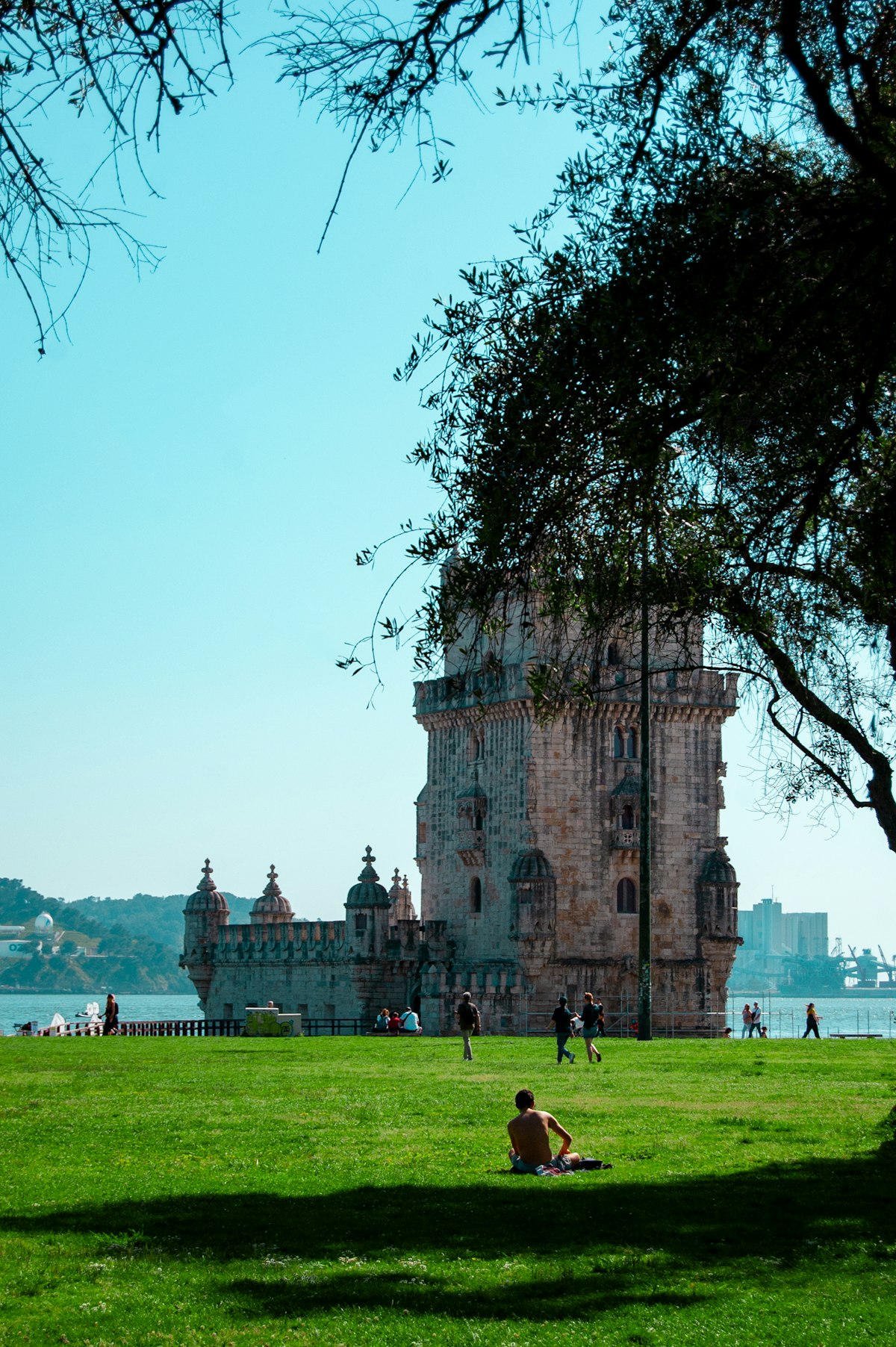
Lisbon
Portugal
A sun-drenched Atlantic capital where tram lines weave through hilltop neighbourhoods and prices stay genuinely affordable by Western European standards.
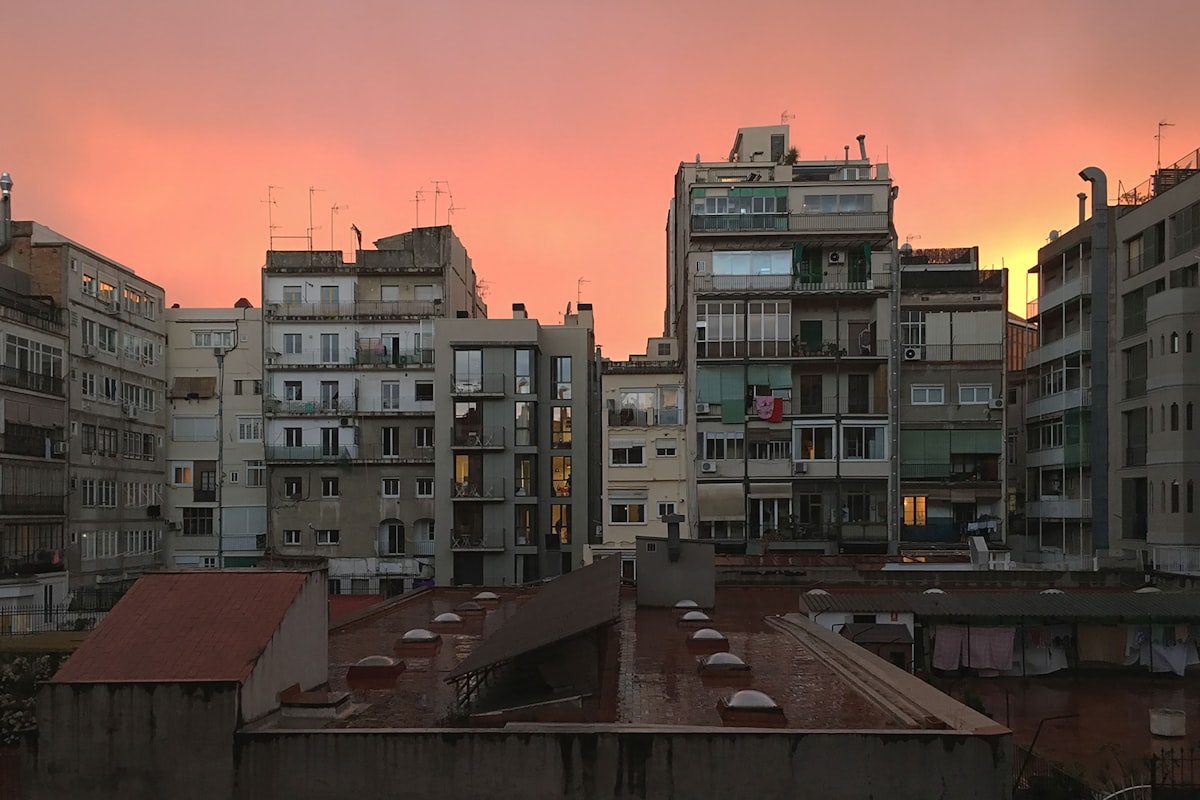
Barcelona
Spain
A Mediterranean city that runs on architecture, food markets, and beach culture — with a tourism problem that makes timing absolutely critical.
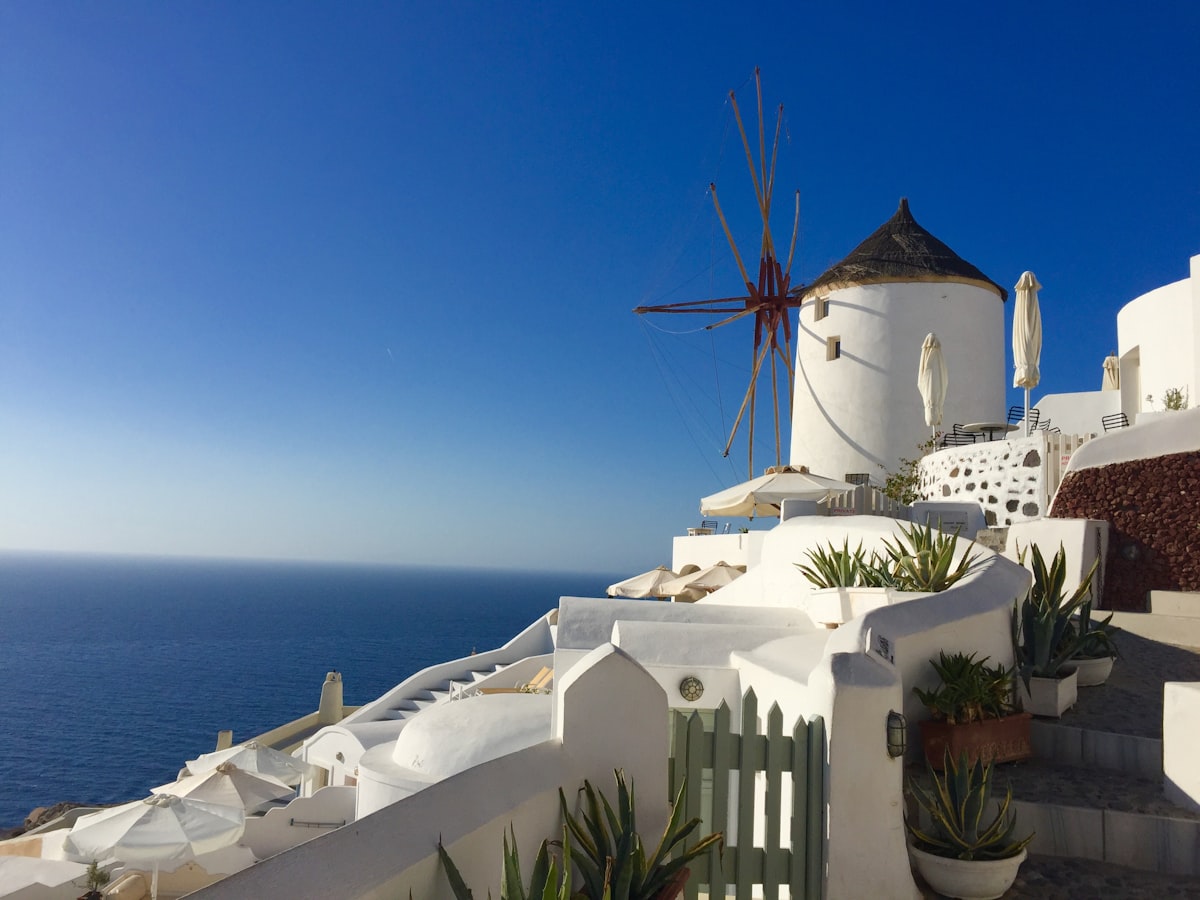
Santorini
Greece
The caldera sunsets and white-washed cliffside villages are real — but so is a tourism infrastructure that was never designed for 3 million annual visitors.
Worth knowing
May scores highest overall. July is the most crowded month — avoid if you can. See crowd-free ranking →
Month by month breakdown
January#10▾
Gains
- ↑Accommodation prices at their annual floor — central hotels 40–50% below summer rates, and the canal-view rooms that sell out in July are freely available. The medieval streets have a stark, unphotographed beauty in winter light that no other month offers.
- ↑The Groeninge Museum and Memling Museum are peaceful: you can stand alone in front of Hans Memling's Hospital altarpieces and spend as long as you need. In July these rooms are standing-room only.
- ↑Beer culture at its most immersive: the specialist beer bars — Café Vlissinghe (established 1515), 't Brugs Beertje, and De Garre — are filled with locals rather than tourists, and staff have time to guide you through Westmalle, Westvleteren, and seasonal winter ales.
Sacrifices
- ↓January is Bruges's coldest and darkest month: average highs of 5.8°C with under 2 hours of sunshine per day. The outdoor canal boat tours run a reduced schedule or suspend entirely in hard frost.
- ↓Rain and overcast skies are the default: the famous canal reflections often appear under grey light rather than the golden tones of the travel brochures. Pack for damp cold, not crisp cold.
February#8▾
Gains
- ↑The Bruges Beer Festival (first weekend of February) at the Concertgebouw brings 400+ Belgian beers and the brewers who make them — a world-class event that draws knowledgeable crowds rather than stag parties, and accommodation remains inexpensive.
- ↑Chocolate shop windows change for Valentine's season: the praline displays at The Chocolate Line on Simon Stevinplein and Dumon Chocolatier on Eiermarkt are genuinely impressive. Bruges has more artisan chocolate shops per square kilometre than anywhere in Belgium.
- ↑Marginally more sunshine than January — daylight increasing noticeably. Frost can bring a rare clear morning with ice crystals on the canal edges, producing extraordinary light.
Sacrifices
- ↓Still firmly winter: 6.5°C highs, damp and overcast as the norm. The city is not built for outdoor dining or lingering in squares at this temperature.
- ↓Limited evening animation — most tourist-facing bars and restaurants close early on weekdays, and the city becomes genuinely very quiet after 9pm outside the specialist beer bars.
March#7▾
Gains
- ↑Daylight hours increase dramatically from 11 to nearly 13 hours through March — the canal light in the late afternoon becomes genuinely golden. The difference between a February and a March afternoon in Bruges is striking.
- ↑Still very affordable: hotel prices haven't moved from winter levels, the museums are quiet, and restaurant reservations are unnecessary. This is the last month of true off-season pricing.
- ↑Canal boat tours resume proper schedules and the open boats feel appropriate — cool but pleasant with a jacket. The first barges of spring on the Langerei canal are a genuine seasonal pleasure.
Sacrifices
- ↓Weather remains variable: March can deliver four seasons in a week, with wet grey spells interrupting warming trends. Rain falls on about 14 days of the month.
- ↓Some seasonal businesses (outdoor terraces, some boat operators) haven't opened for the season yet — the city isn't fully animated until April.
April#2▾
Gains
- ↑April is the window before the summer day-tripper crush: temperatures reach 14°C, the canal water reflections are at their most vivid in fresh spring light, and the Beguinage (Begijnhof) is ringed with white daffodils and later tulips — one of the most beautiful sights in Belgium.
- ↑Easter weekend (if it falls in April) brings Belgian chocolate culture to full expression: the chocolate shops of Steenstraat run Easter-themed window displays, and the city is animated without being overwhelming.
- ↑Outdoor terraces open fully: the canal-side cafés along Dijver and Groenerei are comfortable in a light jacket, and you can drink Trappist beer in the open air without the summer queues.
Sacrifices
- ↓Easter weekend specifically can be very busy with Belgian domestic tourists — book accommodation early if your dates overlap with the long weekend.
- ↓Rain is still present: April averages 53mm across about 13 days. Spring showers are usually short, but they come without much warning.
May#1▾
Gains
- ↑The Procession of the Holy Blood on Ascension Day (May, date varies) is UNESCO heritage: 1,500 participants in medieval costume carry the relic of Christ's blood through the streets in a genuinely moving and spectacular event. Thousands attend, but it feels like a living tradition rather than a performance.
- ↑May is the best overall balance of the year: 17.8°C, 6.6 sunshine hours, manageable crowds, and prices that haven't yet reached summer levels. The canal walks, the Minnewater lake, and the ramparts are all at their most beautiful.
- ↑The Gruuthuse Museum (next to the Church of Our Lady) has been restored and is superb: the collection of Flemish decorative arts and sculpture is world-class. In spring you can explore it without the summer queues.
Sacrifices
- ↓The Procession weekend itself draws large crowds: accommodation must be booked months ahead and prices spike significantly for those specific days.
- ↓Rain levels are slightly higher than April — May is the beginning of the shoulder-season rainfall increase, though showers remain brief and the overall conditions are excellent.
June#9▾
Gains
- ↑June has the best weather-to-crowd ratio of the summer months: 20.7°C, 7.3 sunshine hours, and the long Belgian evenings (daylight until 10pm) make evening canal walks magical. The Markt belfry is illuminated after dark.
- ↑Outdoor dining on the Burg square and the canal-side restaurants is at full stretch — the terraces are pleasant without the suffocating crowds of July and August.
- ↑The Triennial contemporary art installations (every 3 years: 2024, 2027) transform the city when they occur — large-scale sculptures and installations throughout the canals and public spaces that are completely unlike anything else in Belgium.
Sacrifices
- ↓Day-trippers from Brussels (1hr), Ghent (30min), and Eurostar connections from London (2hr15min total) begin arriving in serious numbers on weekends — the Markt square can feel genuinely overcrowded on Saturday afternoons.
- ↓Hotel prices have risen 20–30% from spring shoulder levels, and the best canal-view rooms require advance booking.
July#11▾
Gains
- ↑Warmest month of the year at 22.5°C — genuinely pleasant for boat trips on the canals, which run at full capacity from 10am to 6pm.
- ↑The summer concert programme at the Concertgebouw and outdoor events in the parks add cultural programming that winter lacks.
- ↑Long daylight hours (sunset past 9:30pm) allow for evening exploration after the day-trippers return to Brussels and Amsterdam — the city genuinely quietens after 7pm.
Sacrifices
- ↓July is Bruges's most overcrowded month. The Markt square, the Rozenhoedkaai viewpoint, and the canal boat queue attract thousands of day-trippers simultaneously — the city receives more visitors per capita than almost any comparable historic centre in Europe, and July is the peak of it.
- ↓Accommodation at peak prices; the best hotels require booking 3–6 months in advance. Restaurants in the tourist centre are almost entirely priced for visitors rather than locals.
- ↓The authentic character of the city — the beer bars, the quiet canal reflections, the unhurried pace — is genuinely diminished by the volume of visitors. The films in Bruges made the city famous, but July is the month least like the film.
August#12▾
Gains
- ↑Weather identical to July — warm, mostly dry, with long evenings. The canal light in August evenings is genuinely beautiful when the crowds thin after 7pm.
- ↑The Cactus Festival at Minnewaterpark (early August) is a well-regarded indie and world music event in a beautiful setting beside the Minnewater lake — genuinely worth attending if the dates align.
- ↑August is when Bruges locals take their own holidays — the residential streets around Sint-Anna and Langestraat are noticeably emptier, giving them an authentic quiet that the tourist core never has.
Sacrifices
- ↓Crowds unchanged from July: the coach parks remain full, the canal boat queues stretch long, and the queue for De Halve Maan Brewery tours can exceed 45 minutes. The city's infrastructure is at maximum strain.
- ↓Accommodation prices remain at annual peaks. The rain that does fall (77mm) often comes in brief intense bursts that disrupt outdoor plans suddenly.
September#5▾
Gains
- ↑September is the most underrated month in Bruges: temperatures at 19°C are ideal for walking the 80km of canals, the day-tripper numbers drop sharply after the European school holidays end, and the autumn light on the water is extraordinarily photogenic.
- ↑The city's beer culture is at its most enjoyable: the seasonal autumn ales appear on the Café Vlissinghe and 't Brugs Beertje chalkboards, and you can actually get a table without waiting.
- ↑Accommodation prices fall 25–35% from August peaks while weather remains very good — this is the value window of the year.
Sacrifices
- ↓Sunshine hours dropping from the July peak: overcast days become more frequent in the second half of September, and the evenings turn cool noticeably from mid-month.
- ↓Some outdoor terrace restaurants begin reducing hours or closing their terraces from mid-September — the outdoor dining season that peaked in July is winding down.
October#3▾
Gains
- ↑October is the local favourite: the trees along the Coupure and Langerei canals turn amber and gold, the light is extraordinary in the late afternoon, and the city belongs almost entirely to Belgians and a small number of international visitors who know the secret.
- ↑Beer season is at its peak: De Dolle Brouwers releases its Stille Nacht winter ale, De Halve Maan releases Brugse Zot winter edition, and the specialist bars are fully stocked. A guided beer walk through the city in October is an entirely different experience from July.
- ↑Museum visits are unhurried: the Jan van Eyck collection in the Groeninge (including the Virgin and Child with Canon van der Paele), the Memling altarpieces in the Sint-Janshospitaal, and the Bosch works at the Groeninge all have time and space around them.
Sacrifices
- ↓Weather becomes genuinely autumnal: 14.8°C highs, with overcast days the norm and occasional rain. Not unpleasant, but a warm layer and rain jacket are essential throughout.
- ↓Sunshine hours drop to 4.1 per day — the famous golden canal light exists, but you may need to wait for it between grey periods.
November#4▾
Gains
- ↑The Bruges Christmas Market opens in late November on the Markt and Simon Stevinplein: ice rink, artisan stalls selling Flemish crafts and Belgian waffles, and the belfry lit against the winter sky. It's widely considered the finest Christmas market in Belgium, significantly more atmospheric than Brussels or Ghent.
- ↑November (before the Christmas market fully opens) is genuinely quiet and cheap: you can stay in central canal-view hotels for rates that feel almost impossible compared to summer. The city at this price and this atmosphere is hard to beat.
- ↑Indoor pleasures are the focus — and Bruges excels at them: the Groeninge, the Memling, the Sint-Janshospitaal, and the chocolate shops are all at their least crowded.
Sacrifices
- ↓Dark and cold: under 3 hours of sunshine per day and temperatures barely above freezing at night. This is not a city to visit for outdoor experience in November.
- ↓Pre-Christmas market period (early-to-mid November) is the deadest stretch of the year — few events, many restaurants on reduced hours, and a sense of the city waiting for its seasonal reinvention.
December#6▾
Gains
- ↑The Christmas Market on the Markt and Simon Stevinplein is Belgium's finest and arguably Northern Europe's most atmospheric: the Gothic belfry, the medieval guildhouses, the canal reflections of the lights, and the smell of glühwein and stroopwafels combine into something genuinely magical. The ice rink on the Markt is open daily.
- ↑If frost or light snow falls (it happens in about 30% of Decembers), the effect on the medieval canal city is beyond description — the cobblestones iced, the canals frozen at the edges, and the Christmas lights reflecting in both. This is what the postcards promise and December occasionally delivers.
- ↑The entire city economy leans into the Christmas season: chocolatiers produce their most elaborate seasonal work, the beer bars are warm and full, and there is a festive animation that the city doesn't achieve at any other time of year.
Sacrifices
- ↓December is the most expensive month after July: hotel prices spike for the Christmas market weeks, and the best canal-view rooms require booking months ahead. Weekend rates in mid-December approach the July premium.
- ↓Weather is cold and dark — less than 2 hours of sunshine per day on average, and temperatures near freezing at night. The Christmas market is most enjoyable in a thermal layer, good boots, and the knowledge that you can retreat to a warm beer bar.
- ↓The city is crowded on December weekends — Belgian domestic visitors, Dutch families, and British day-trippers from the Eurostar all converge simultaneously. The queue for canal boat tours (the boats are covered and heated in December) can exceed 30 minutes on Saturdays.
How this is calculated
Climate data
Open Meteo ERA5
30-year normals (1991–2020). Temperature, rainfall, sunshine, humidity.
Price & crowd
Tourism research
Seasonal pricing from tourism authority data. Directional — compares months within a destination only.
Personalisation
Weighted scoring
Your priorities change the weights. Budget-first users get different results than weather-first users.
Share this result
May is the best time to visit Bruges
Travel timing updates
New destinations and timing guides, when they land.
No spam. Unsubscribe anytime.