Showing: Jun · Unsplash / Unsplash
Indonesia · Asia Pacific
Best time to visit Lombok
June
Jun scores highest overall — reliable weather and strong local atmosphere. Set your priorities below to personalise this result.
What matters most to you?
All 12 months — click any to expand
Jun
Unsplash / Unsplash
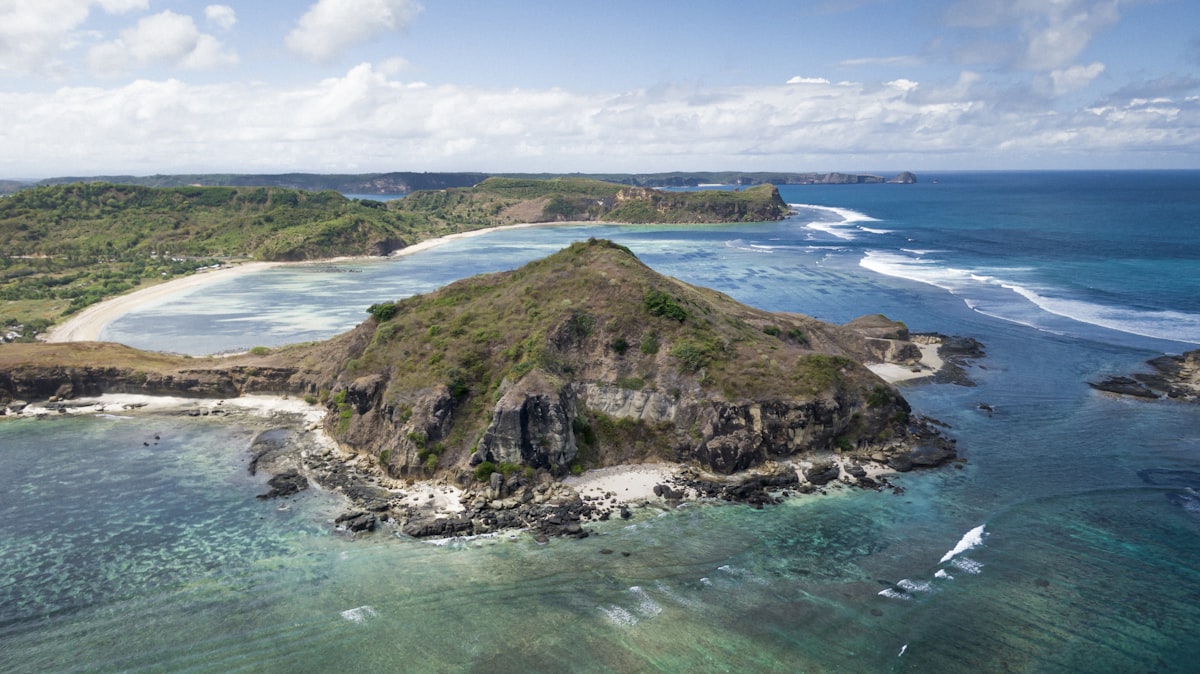
Peak dry season perfection — Rinjani, Gilis, and south coast all at their best before crowds arrive.
30.8°C
High
22.9°C
Low
29mm
Rain
9.1h
Sun/day
What you gain
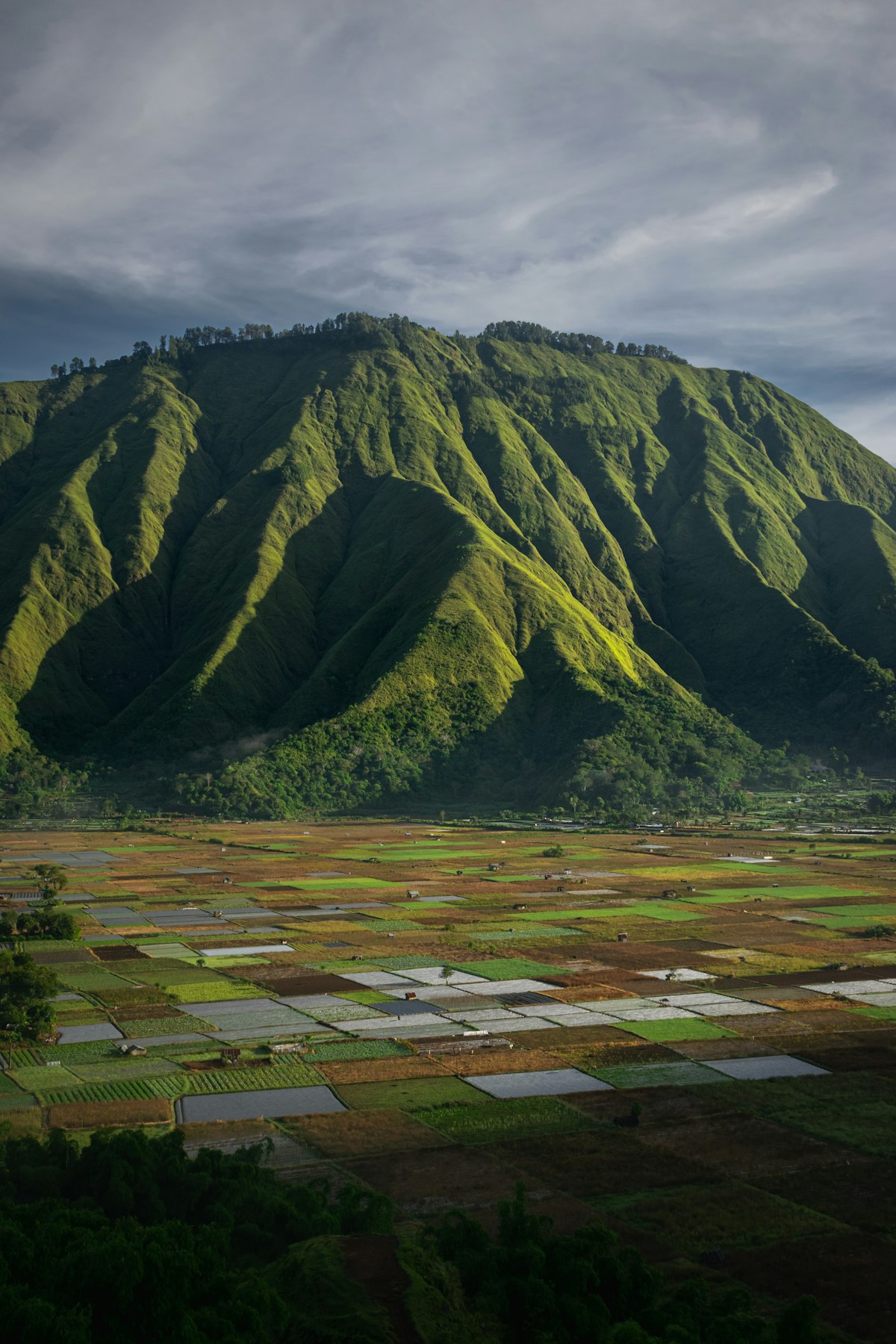
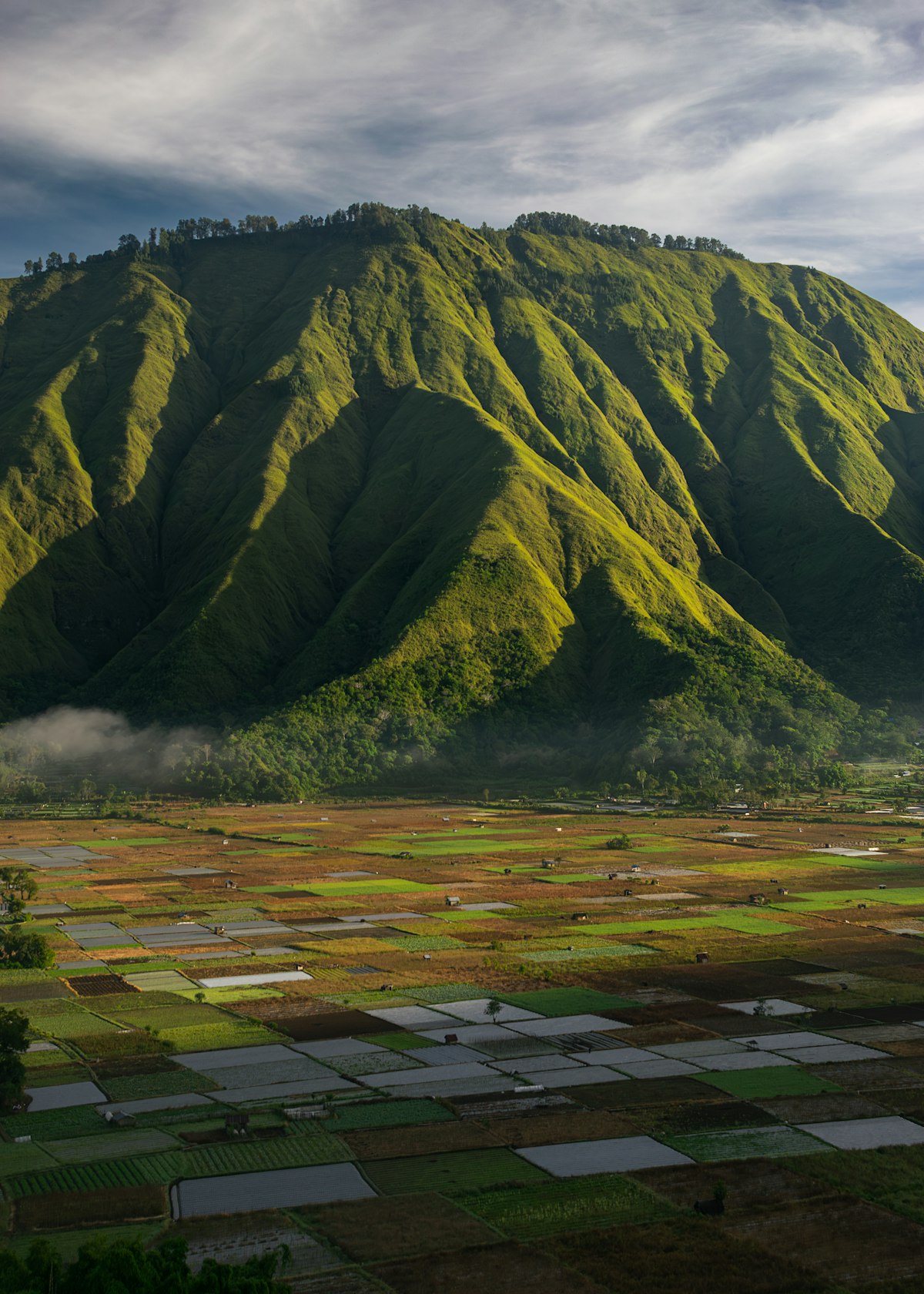
- ↑June is the finest weather Lombok produces: 9.1 sunshine hours, 29mm of rain, and lower humidity than May. The Rinjani crater lake is accessible from the crater rim by a steep descent — camping beside the hot springs at Segara Anak Lake (2,000m altitude, with Rinjani's perfect cone reflected in the water) is one of the most spectacular campsites in Indonesia.
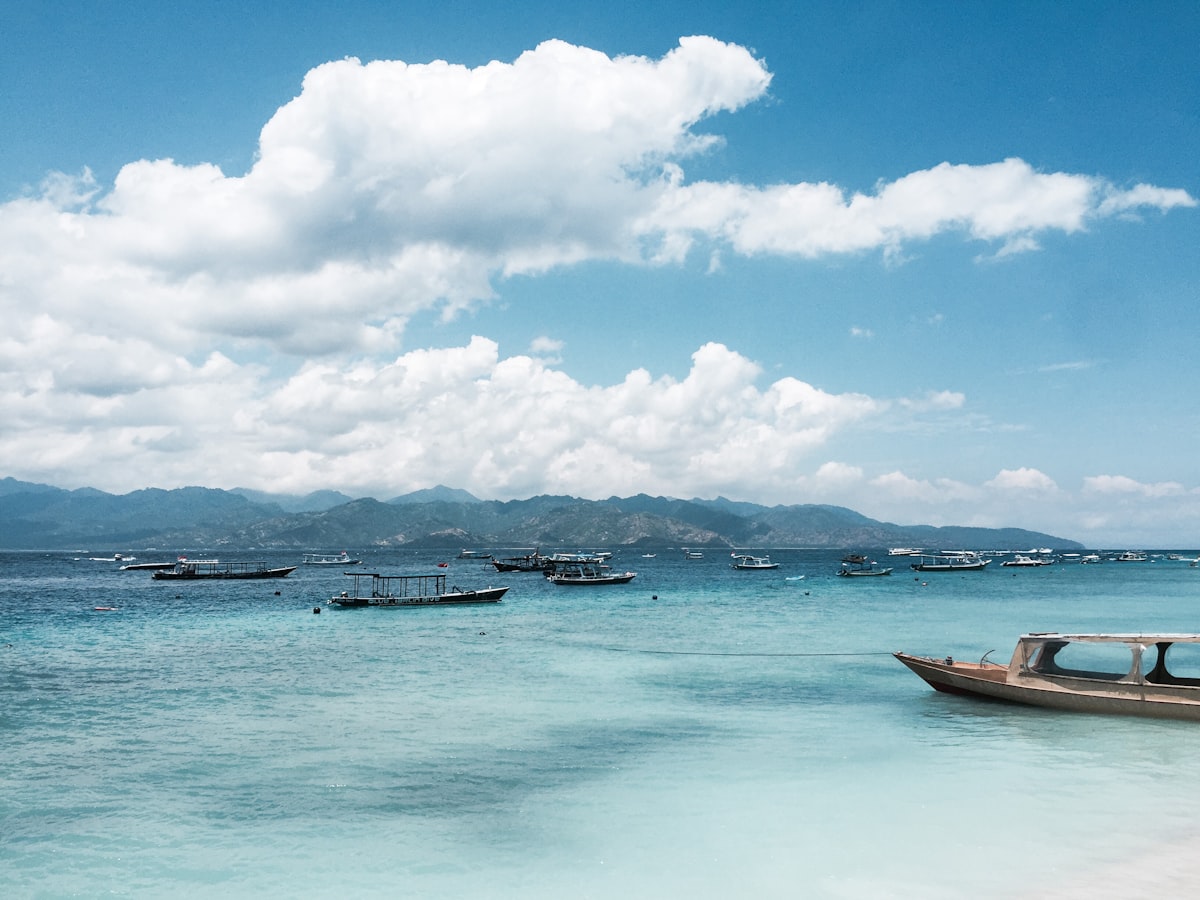
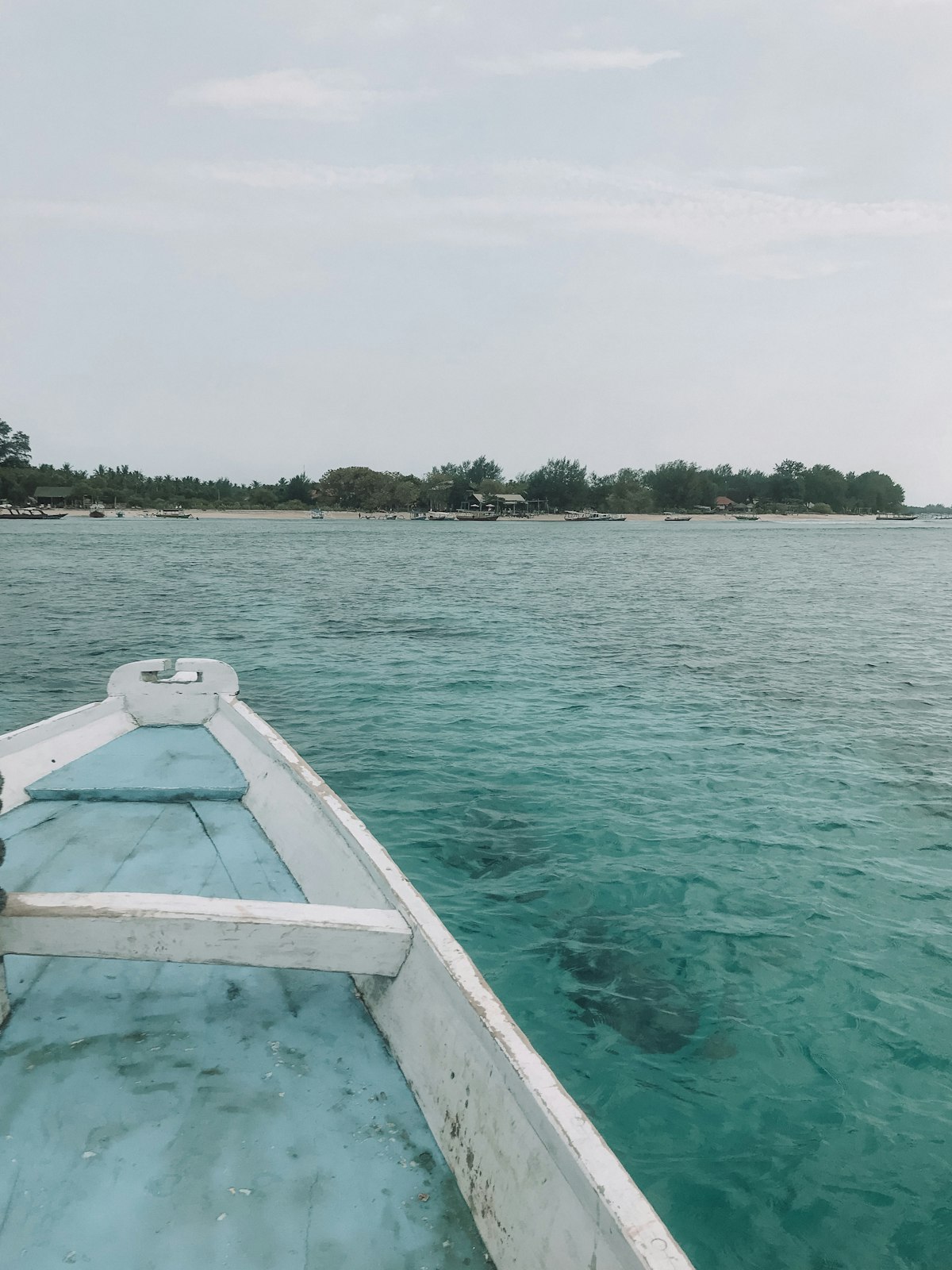
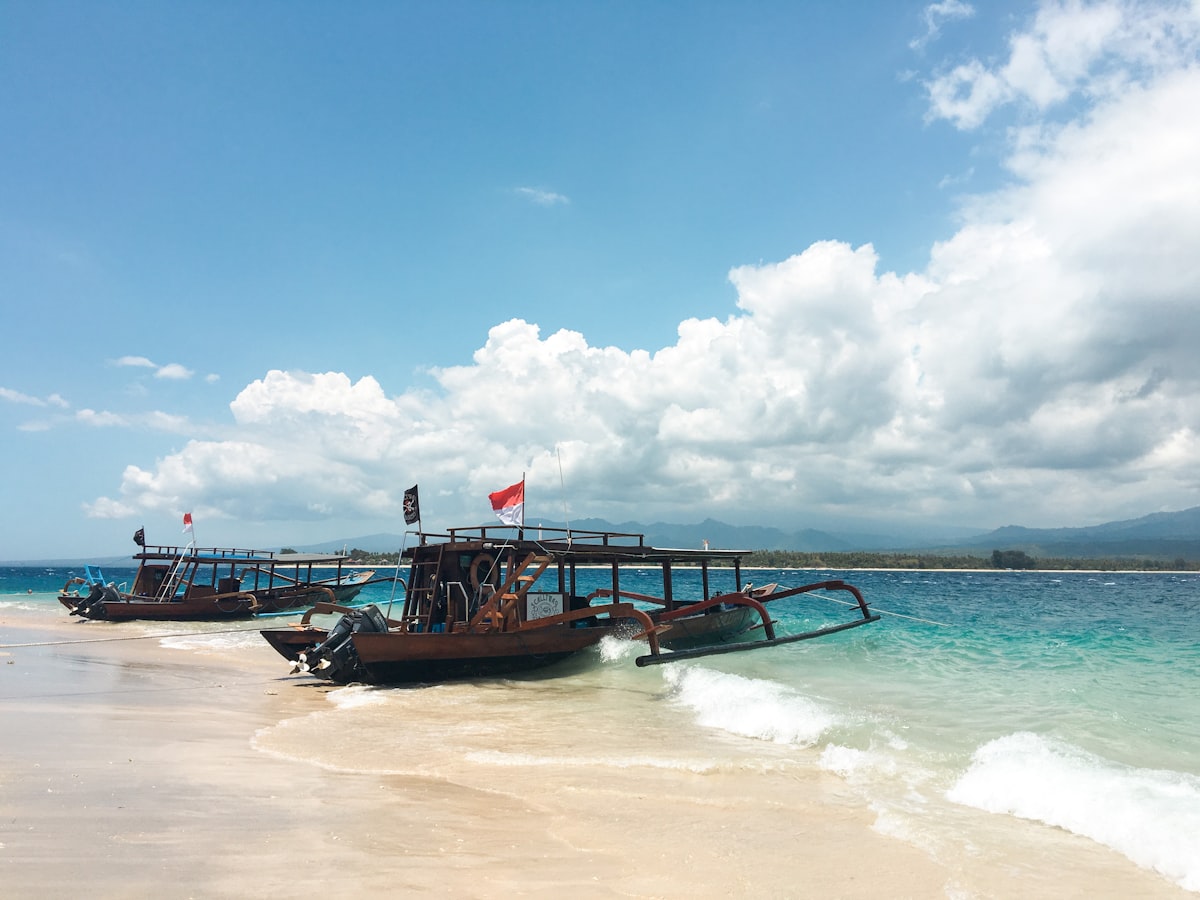
- ↑The Gili Islands in June offer snorkelling and diving conditions that rival the Maldives at a fraction of the cost: flat water, extraordinary visibility, and turtle encounters on almost every dive. The no-motorised-vehicle policy on all three Gilis means the only sounds are birdsong, cicadas, and the call to prayer from the mosque on Gili Meno.
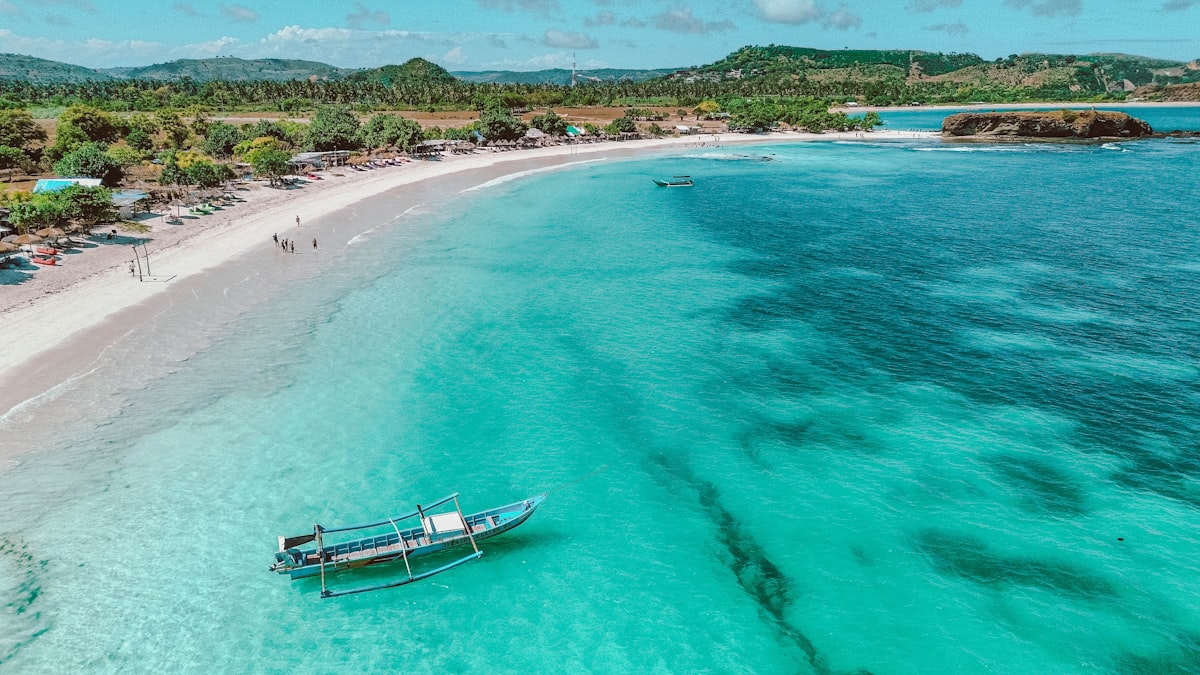
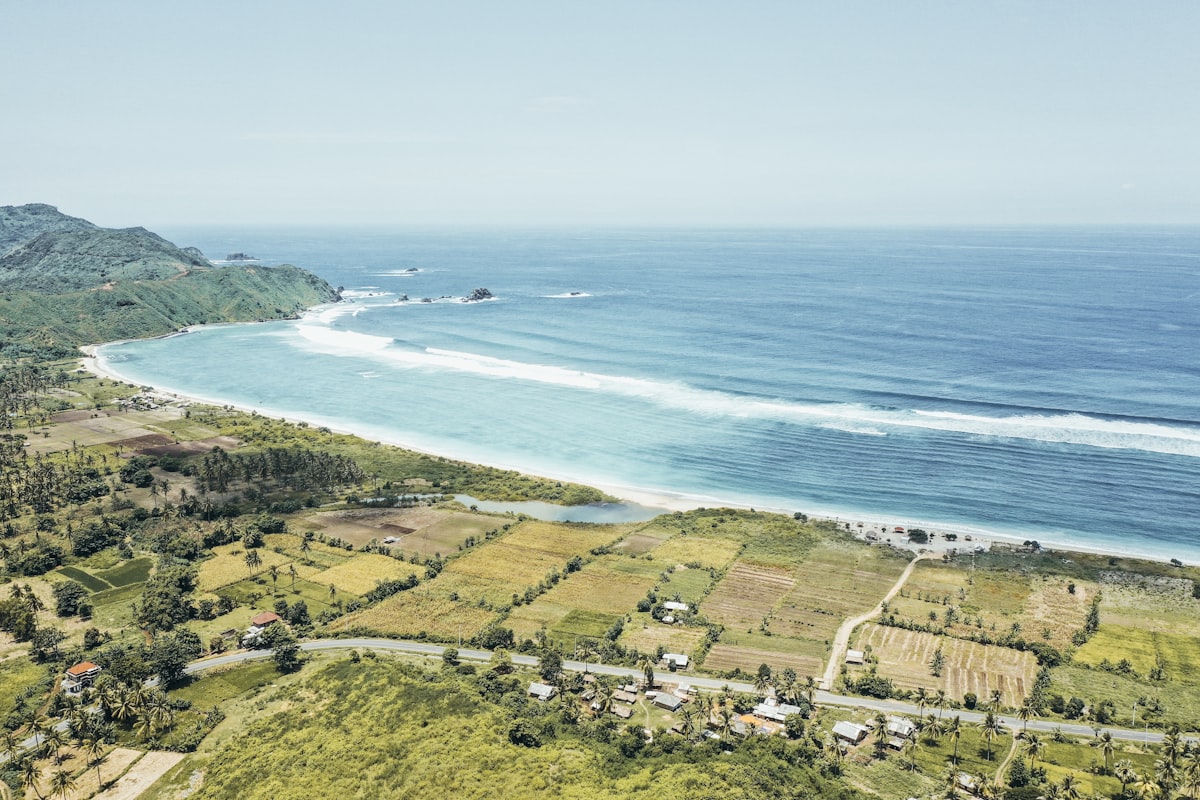
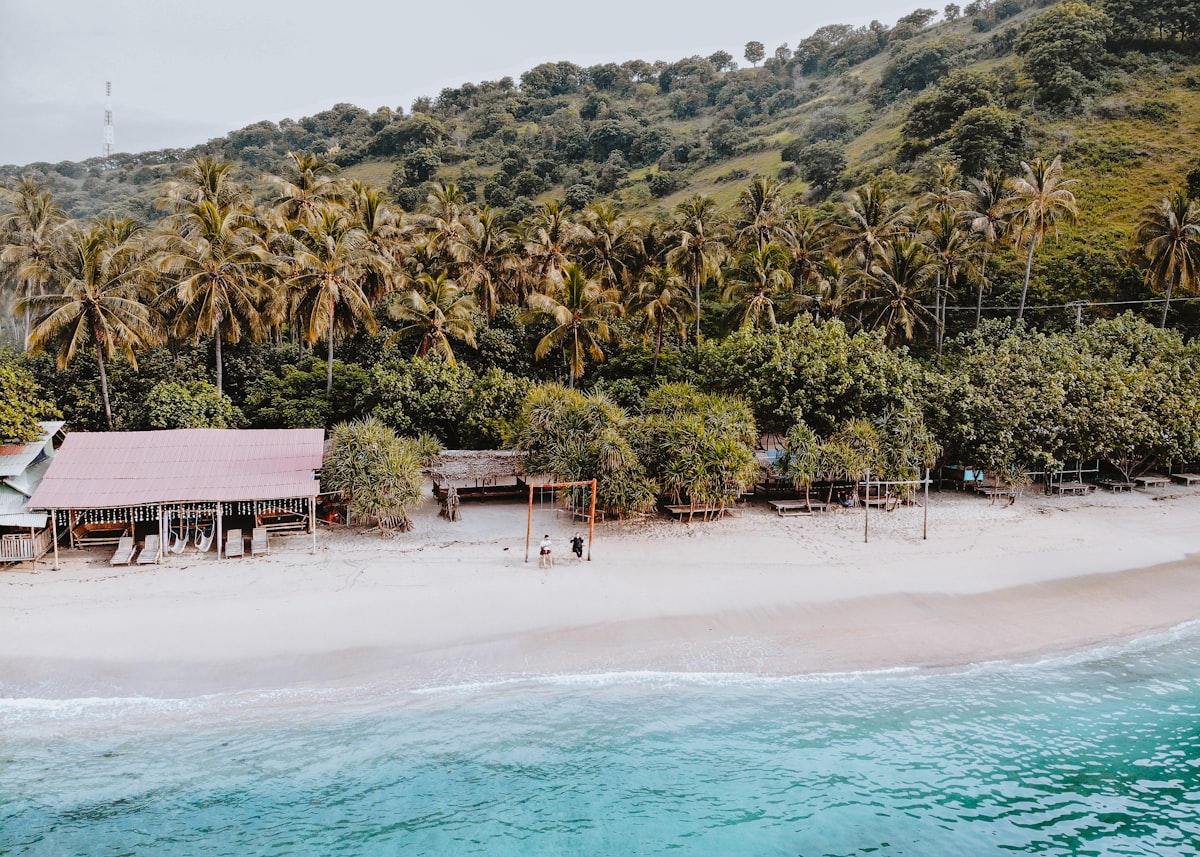
- ↑Lombok's south coast beaches (Selong Belanak, Mawun, Tampah) are at their cleanest and least visited before the July school holiday surge — white sand bays with almost no infrastructure development, reachable by motorbike on improving road surfaces.
What you sacrifice
- ↓June is when Lombok begins appearing on more travel itineraries: accommodation on Gili T and in Kuta Lombok requires advance booking, and prices have moved from the affordable May levels to moderate.
- ↓The Rinjani National Park has tightened group size rules and requires permits booked through registered operators — last-minute arrangements are becoming harder to secure for popular dates.
Jun scores highest overall — reliable weather and strong local atmosphere. Set your priorities below to personalise this result.
Jun
Peak dry season perfection — Rinjani, Gilis, and south coast all at their best before crowds arrive.
30.8°C
High
29mm
Rain
9.1h
Sun
- ↑June is the finest weather Lombok produces: 9.1 sunshine hours, 29mm of rain, and lower humidity than May. The Rinjani crater lake is accessible from the crater rim by a steep descent — camping beside the hot springs at Segara Anak Lake (2,000m altitude, with Rinjani's perfect cone reflected in the water) is one of the most spectacular campsites in Indonesia.
- ↑The Gili Islands in June offer snorkelling and diving conditions that rival the Maldives at a fraction of the cost: flat water, extraordinary visibility, and turtle encounters on almost every dive. The no-motorised-vehicle policy on all three Gilis means the only sounds are birdsong, cicadas, and the call to prayer from the mosque on Gili Meno.
- ↑Lombok's south coast beaches (Selong Belanak, Mawun, Tampah) are at their cleanest and least visited before the July school holiday surge — white sand bays with almost no infrastructure development, reachable by motorbike on improving road surfaces.
- ↓June is when Lombok begins appearing on more travel itineraries: accommodation on Gili T and in Kuta Lombok requires advance booking, and prices have moved from the affordable May levels to moderate.
- ↓The Rinjani National Park has tightened group size rules and requires permits booked through registered operators — last-minute arrangements are becoming harder to secure for popular dates.
Top travel windows
★ BestJune
Best overall
Highest combined score
30.8°C
High
29mm
Rain
9.1h
Sun
November
Best for value
Lowest prices & fees
31.2°C
High
142mm
Rain
6.5h
Sun
November
Fewest crowds
Quietest month
31.2°C
High
142mm
Rain
6.5h
Sun
Breakdown by priority
Best for weather
June
30.8°C high · 29mm rain · 9.1hrs sun/day
Best for budget
November
November is the deepest value month on Lombok: accommodation prices on the Gilis and in Kuta Lombok are at their annual floor, and the restaurants and dive shops are desperate for business. A committed traveller can stay on Gili Air for prices that are genuinely remarkable.
Fewest crowds
November
November is the deepest value month on Lombok: accommodation prices on the Gilis and in Kuta Lombok are at their annual floor, and the restaurants and dive shops are desperate for business. A committed traveller can stay on Gili Air for prices that are genuinely remarkable.
Worst time to visit
February, January, December
Rain remains very heavy: 260mm across the month with frequent sustained downpours. Rinjani is still fully closed. Gili boat crossings remain unreliable.
Where to stay in Lombok
All neighbourhoods →Gili Trawangan
The largest and liveliest Gili — car-free coral island with world-class diving and a beach party scene.
6/10
Central
8/10
Walk
3/10
Transit
Senggigi
The original resort strip on the west coast — sunset views of Bali's Agung, convenient and uncrowded.
5/10
Central
6/10
Walk
4/10
Transit
Also exploring
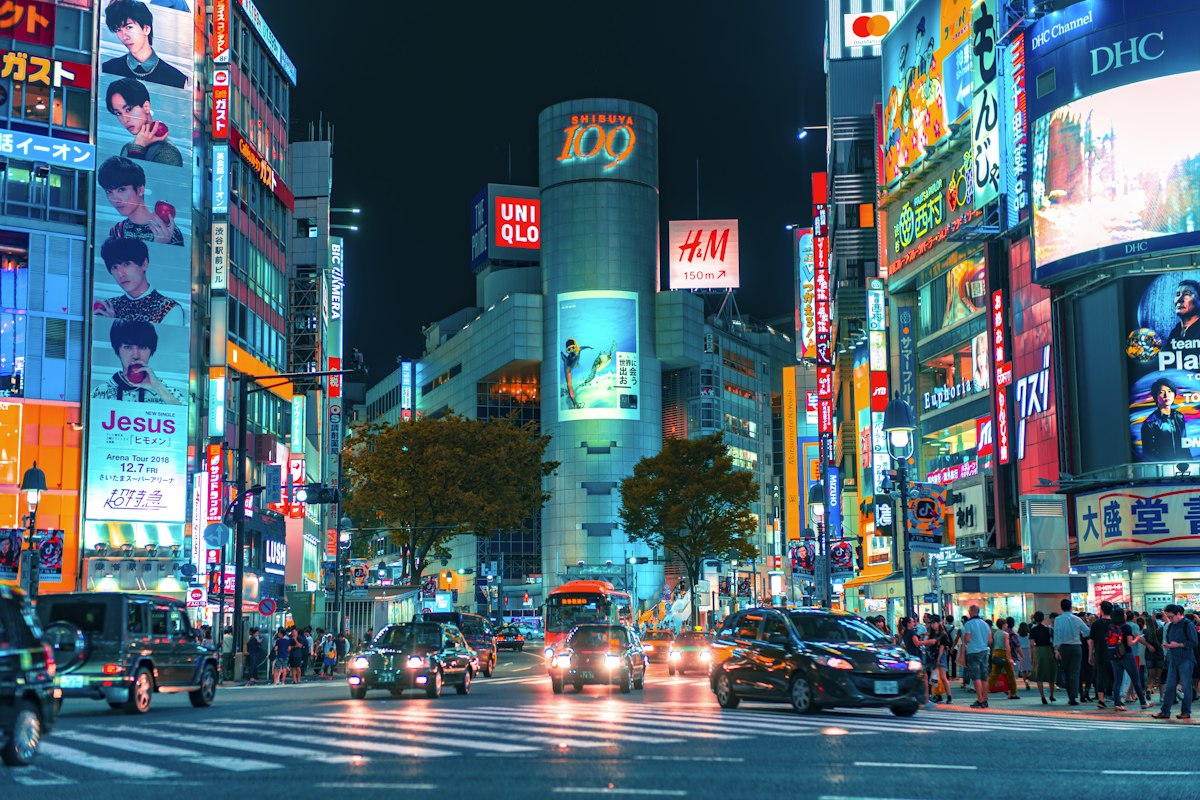
Tokyo
Japan
A city of dramatic seasonal contrasts — cherry blossom crowds, oppressive summer humidity, and golden autumn foliage — where the wrong timing can make or break the trip.
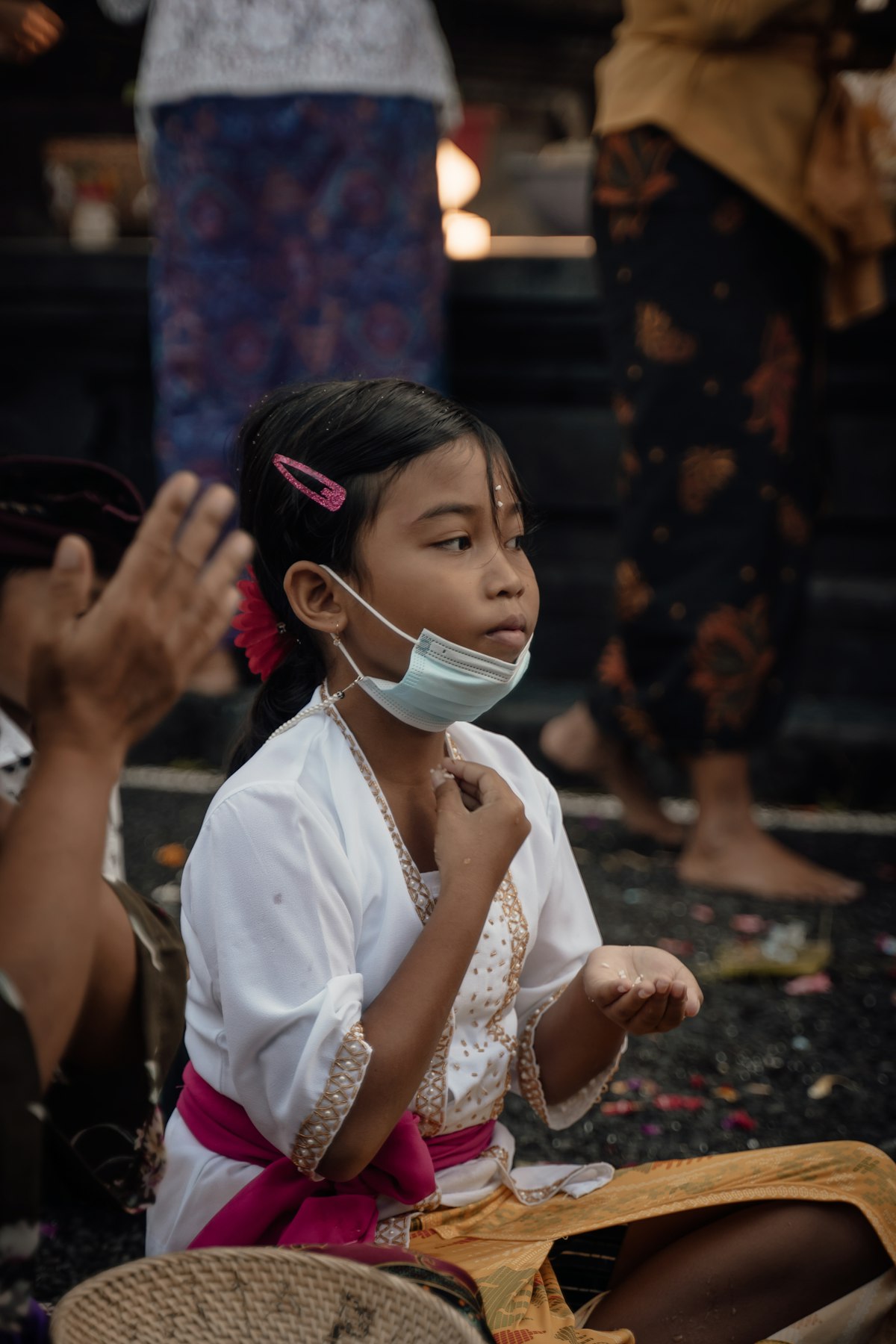
Bali
Indonesia
A Hindu island of rice terraces, temple ceremonies, and surf breaks where the monsoon makes timing genuinely binary — the difference between dry and wet season is not subtle.
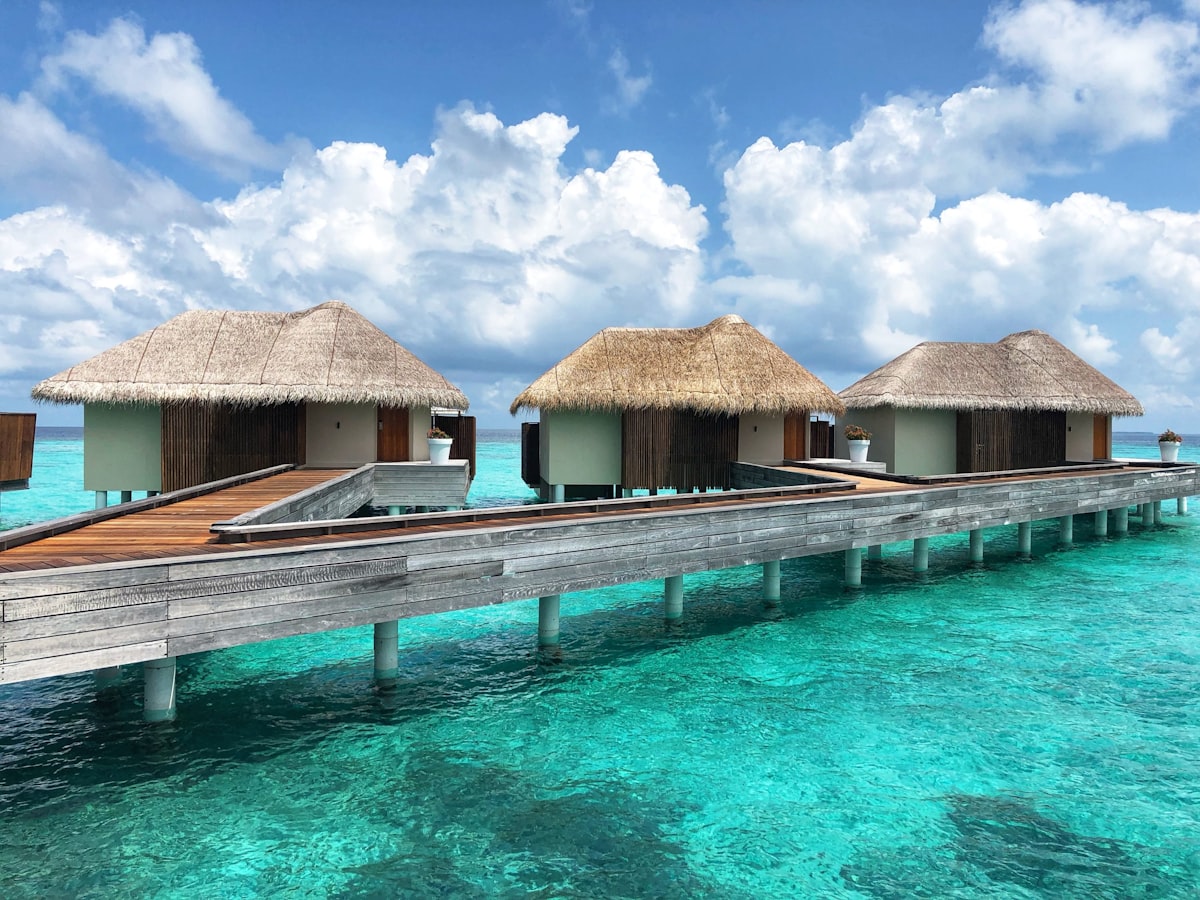
Maldives
Maldives
A destination defined almost entirely by its monsoon calendar — the difference between the NE dry season (November–April) and SW wet season (May–October) is not subtle and shapes every aspect of the experience.
Worth knowing
June scores highest overall. July is the most crowded month — avoid if you can. See crowd-free ranking →
Month by month breakdown
January#11▾
Gains
- ↑Accommodation prices on Gili Trawangan and in Senggigi are at their absolute floor — beachfront bungalows available at prices that feel implausible for a tropical island. Lombok rewards the weather-tolerant visitor with extraordinary value.
- ↑The wet season transforms Lombok's interior into something extraordinary: rice paddies around Tetebatu and Sembalun filled to their edges, waterfalls at Sindang Gila and Tiu Kelep at maximum flow, and the island's rural landscapes at their most lush.
- ↑Gili Air and Gili Meno are almost entirely deserted by international visitors: the snorkelling (when seas allow) produces genuinely uncrowded turtle encounters at the Gili Air turtle sanctuary.
Sacrifices
- ↓285mm of rain across January makes reliable outdoor planning essentially impossible. The Rinjani trekking route is closed by park authorities — the crater rim trail becomes dangerous in wet conditions, and the national park office enforces the closure strictly.
- ↓Gili crossing fast boats from Bali can be cancelled on short notice in rough seas. The Bangsal public boat to the Gilis is cheap but exposed to swell. Seasickness is common and crossings are unpredictable.
- ↓South coast surf spots (Kuta Lombok, Selong Belanak) lose their quality in the monsoon swell — the consistent offshore winds that shape the dry season waves are absent.
February#10▾
Gains
- ↑The Bau Nyale festival (February or March, tied to the Sasak lunar calendar) is the most important cultural event on the island: tens of thousands of Sasak people gather at Seger Beach near Kuta Lombok before dawn to catch nyale sea worms, which appear once a year. The ceremony connects to the legend of Princess Mandalika and is one of Indonesia's most extraordinary indigenous cultural spectacles.
- ↑Rinjani's crater lake (Segara Anak) is filling with monsoon rain — a process that makes the eventual dry season approach all the more spectacular. For those comfortable with the rain, the lower slopes offer hiking without the crowds.
- ↑Budget accommodation on the Gilis is at its cheapest: Gili Trawangan's mid-range bungalows are available for prices that make it one of the cheapest tropical island stays in Southeast Asia.
Sacrifices
- ↓Rain remains very heavy: 260mm across the month with frequent sustained downpours. Rinjani is still fully closed. Gili boat crossings remain unreliable.
- ↓The Bau Nyale festival itself draws very large crowds to the south coast — Kuta Lombok accommodation is fully booked for the festival weekend and prices spike significantly.
March#9▾
Gains
- ↑March sits at the turning point: rainfall is dropping and by mid-month the pattern begins shifting. South coast waves (Kuta Lombok, Mawi) start improving as the monsoon swell begins modulating into cleaner offshore conditions.
- ↑Gili crossings become more reliable by late March — the fast boat from Padang Bai (Bali) resumes more consistent scheduling, and Gili Meno and Gili Air offer genuinely uncrowded snorkelling at this time of year.
- ↑Budget prices remain from the wet season: Rinjani lodge operators and Gili bungalows are happy to negotiate in March, and the island belongs to you in a way it never does in July-August.
Sacrifices
- ↓Rinjani National Park remains closed or severely restricted for most of March — check current conditions with the Rinjani Trek Centre in Senaru before planning any summit attempt.
- ↓Rain still arrives in significant afternoon bursts: 195mm across the month means outdoor plans require flexibility and good waterproofs.
April#5▾
Gains
- ↑April marks the opening of the Rinjani trekking season: the 3-day/2-night circuit to the crater rim (2,900m) and descent to the crater lake (Segara Anak at 2,000m) is legally accessible and the trail is drying. Starting the season early means smaller groups and more flexibility in choosing a guide and porter service from Senaru or Sembalun.
- ↑The Gili Islands shift character entirely: with rainfall dropping to 92mm and seas calming, the snorkelling on the Gili Air turtle site and the Gili Trawangan western reef is superb. The bioluminescent plankton in the shallows at night at Gili Meno is best experienced when the waters are calm — April begins the optimal window.
- ↑South coast surf at Kuta Lombok, Selong Belanak, and the remote Mawi break is at its most consistent for intermediates — the dry season offshore winds create glassy conditions and the crowds from Bali haven't arrived yet.
Sacrifices
- ↓Still some rain in early April — the transition isn't always clean, and April can produce wet spells that delay trekking plans. Having flexibility in your Rinjani start date is important.
- ↓International visitor numbers are building: the Gilis in April still feel quiet but are noticeably busier than March.
May#2▾
Gains
- ↑May is when Lombok reveals its full potential: 8.5 sunshine hours, low humidity (76%), and barely any rain (48mm). The Rinjani summit trail is open, clear, and uncrowded compared to the July-August peak. Sunrise from the crater rim at 2,900m — looking out over Bali's Gunung Agung and the Java sea — is one of the great experiences of Southeast Asia.
- ↑Gili Trawangan diving is outstanding: visibility in the water reaches 20–25m on good days, the hawksbill turtle population around the Gili Air sanctuary is easily encountered, and the Gili T dive operators (Blue Marlin, Manta Dive) offer competitive prices before the peak season markup.
- ↑Kuta Lombok south coast is at its surf peak for intermediates: consistent 1–2m sets on Selong Belanak, the possibility of more serious waves at Mawi for experienced surfers, and the entire bay to yourself compared to the Bali crowds.
Sacrifices
- ↓May is not as fully quiet as the months before it — visitor numbers have picked up, and the Gili Trawangan party scene begins operating at higher capacity from this month onward.
- ↓Temperatures on the Rinjani summit trail are cold at night (below 5°C at the crater rim camp) — proper sleeping equipment and layers are essential, and operators who provide inadequate gear are common. Vet your trek operator carefully.
June#1▾
Gains
- ↑June is the finest weather Lombok produces: 9.1 sunshine hours, 29mm of rain, and lower humidity than May. The Rinjani crater lake is accessible from the crater rim by a steep descent — camping beside the hot springs at Segara Anak Lake (2,000m altitude, with Rinjani's perfect cone reflected in the water) is one of the most spectacular campsites in Indonesia.
- ↑The Gili Islands in June offer snorkelling and diving conditions that rival the Maldives at a fraction of the cost: flat water, extraordinary visibility, and turtle encounters on almost every dive. The no-motorised-vehicle policy on all three Gilis means the only sounds are birdsong, cicadas, and the call to prayer from the mosque on Gili Meno.
- ↑Lombok's south coast beaches (Selong Belanak, Mawun, Tampah) are at their cleanest and least visited before the July school holiday surge — white sand bays with almost no infrastructure development, reachable by motorbike on improving road surfaces.
Sacrifices
- ↓June is when Lombok begins appearing on more travel itineraries: accommodation on Gili T and in Kuta Lombok requires advance booking, and prices have moved from the affordable May levels to moderate.
- ↓The Rinjani National Park has tightened group size rules and requires permits booked through registered operators — last-minute arrangements are becoming harder to secure for popular dates.
July#6▾
Gains
- ↑The driest and sunniest month: 14mm of rain and 9.5 sunshine hours make July the most reliably perfect weather on the island. Every outdoor activity — Rinjani trekking, Gili snorkelling, south coast surfing — is weather-guaranteed.
- ↑The Gilis at their most animated: Gili Trawangan's beach bars and swing bars are full, the dive boats are out at dawn, and the social energy that makes the island so compelling is at its peak.
- ↑The trade winds create ideal wind conditions for kite surfing off the south coast bays and clean, consistent surf across the Kuta Lombok break system.
Sacrifices
- ↓July is the most expensive month by a significant margin: Gili T beachfront bungalows are priced at multiples of the wet season rate, Rinjani trek operators charge peak prices, and the better south coast accommodation (Jeeva Klui, Katamaran) requires booking months ahead.
- ↓Rinjani trails can feel crowded by Lombok standards: the crater rim path has queues of trekking groups in peak season, and the campsites require permit bookings well in advance through the Rinjani Trek Centre.
- ↓Gili Trawangan's party reputation peaks in July — the beach party culture on the south end of the island is not for everyone, and those seeking the peaceful car-free simplicity should consider Gili Air or Gili Meno instead.
August#7▾
Gains
- ↑August averages just 9mm of rain — virtually none. Sunshine at 9.4 hours and humidity at 70% (the lowest of the year) make it the most physically comfortable month for hiking. The Rinjani summit attempt is most pleasant in August: the crater rim path is bone-dry, the sunrise views are clearest, and the descent to Segara Anak lake is straightforward.
- ↑Snorkelling and diving visibility in the Gilis peaks in August: the water clarity is at its maximum, hawksbill turtles are resident on the Gili Air nursery reef, and the underwater topography around Gili T (including the submerged Sivalingam sculpture) is clear.
- ↑Indonesian Independence Day (17 August) is celebrated throughout Lombok with village ceremonies, traditional Sasak games (presean stick fighting, gebogan offering ceremonies), and a community energy that is entirely authentic.
Sacrifices
- ↓Prices are identical to July at their annual peak. Last-minute travel to the Gilis in August is very difficult — boats sell out and bungalows are fully booked.
- ↓The crowds on Gili T reach their seasonal maximum: the population temporarily quintuples with visitors, and the island's limited infrastructure (no cars, horse carts only) strains under the volume.
September#3▾
Gains
- ↑September offers an almost-identical weather proposition to August (18mm rain, 9.0 sunshine hours) but with significantly reduced crowds: the European and Australian school holidays are over, and the Gilis feel noticeably more manageable. This is the best month to enjoy dry season Lombok without paying peak prices or competing for space.
- ↑Rinjani trekking in September is outstanding: the trail is fully open, the weather is reliable, and the crater rim campsites are available without the July-August booking pressure. The crater lake is at its most reflective in the clear September air.
- ↑Prices drop 20–30% from August peaks across the Gilis and south coast: the same beachfront bungalows on Gili Air are available at meaningful discounts, and the dive operators run smaller groups.
Sacrifices
- ↓Rainfall begins very slowly creeping back up from the August minimum — by late September there may be occasional light evening showers that signal the approaching transition.
- ↓Some Gili T infrastructure (bar events, boat excursions) reduces capacity in September as operators adjust to lower volumes after peak season.
October#4▾
Gains
- ↑October is the last month before the wet season reasserts: conditions are still predominantly dry with 66mm of rain (mostly in brief late-afternoon showers) and 8 sunshine hours. The Gilis are at their quietest since May and prices are comfortably below the summer peak.
- ↑The Rinjani trekking season officially runs through October, and this late-season timing means the crater rim campsites can be booked at short notice — a flexibility impossible in July-August. The summit in October is cold and clear.
- ↑South coast surf transitions: as the wet season approaches, swell patterns at Kuta Lombok and Desert Point (southwest coast, world-class left-hander for experts) sometimes produce exceptional conditions for experienced surfers.
Sacrifices
- ↓By late October, the first significant rain events of the approaching wet season begin appearing: multi-hour downpours that interrupt outdoor plans and roughen Gili crossing conditions.
- ↓Rinjani operators begin reducing their season from late October — some close their programmes entirely by November 1. Book early if targeting late October.
November#8▾
Gains
- ↑November is the deepest value month on Lombok: accommodation prices on the Gilis and in Kuta Lombok are at their annual floor, and the restaurants and dive shops are desperate for business. A committed traveller can stay on Gili Air for prices that are genuinely remarkable.
- ↑The interior of Lombok in early wet season is extraordinarily beautiful: rice paddies flooded and reflecting sky, waterfalls at Tiu Kelep and Sindang Gila (near Senaru, on the Rinjani lower slope) roaring with monsoon volume, and the agricultural landscape at its most dramatic.
- ↑Snorkelling on the Gilis remains viable in November on calm days between rain events — the turtle sanctuary at Gili Air is not going anywhere, and the water is still warm (28°C).
Sacrifices
- ↓Rinjani National Park closes from November: attempting the summit or crater rim is dangerous and operators refuse to go. The hiking season has definitively ended.
- ↓Gili crossings become unreliable again: the fast boat from Padang Bai in Bali can be cancelled on short notice, and the public boat from Bangsal is uncomfortable in chop. Build flexibility into any plan involving the Gilis in November.
December#12▾
Gains
- ↑Christmas and New Year week brings a small influx of Bali-overflow tourists to the Gilis: the island feels briefly alive even in the wet season, and the beach bars and restaurants return to something approaching normal operation for those 10 days.
- ↑The wet season prices remain: outside the Christmas week itself, accommodation on the Gilis and in Kuta is at or near the November floor. A post-Christmas stay (27–31 December) delivers wet season pricing with the Christmas-week social energy.
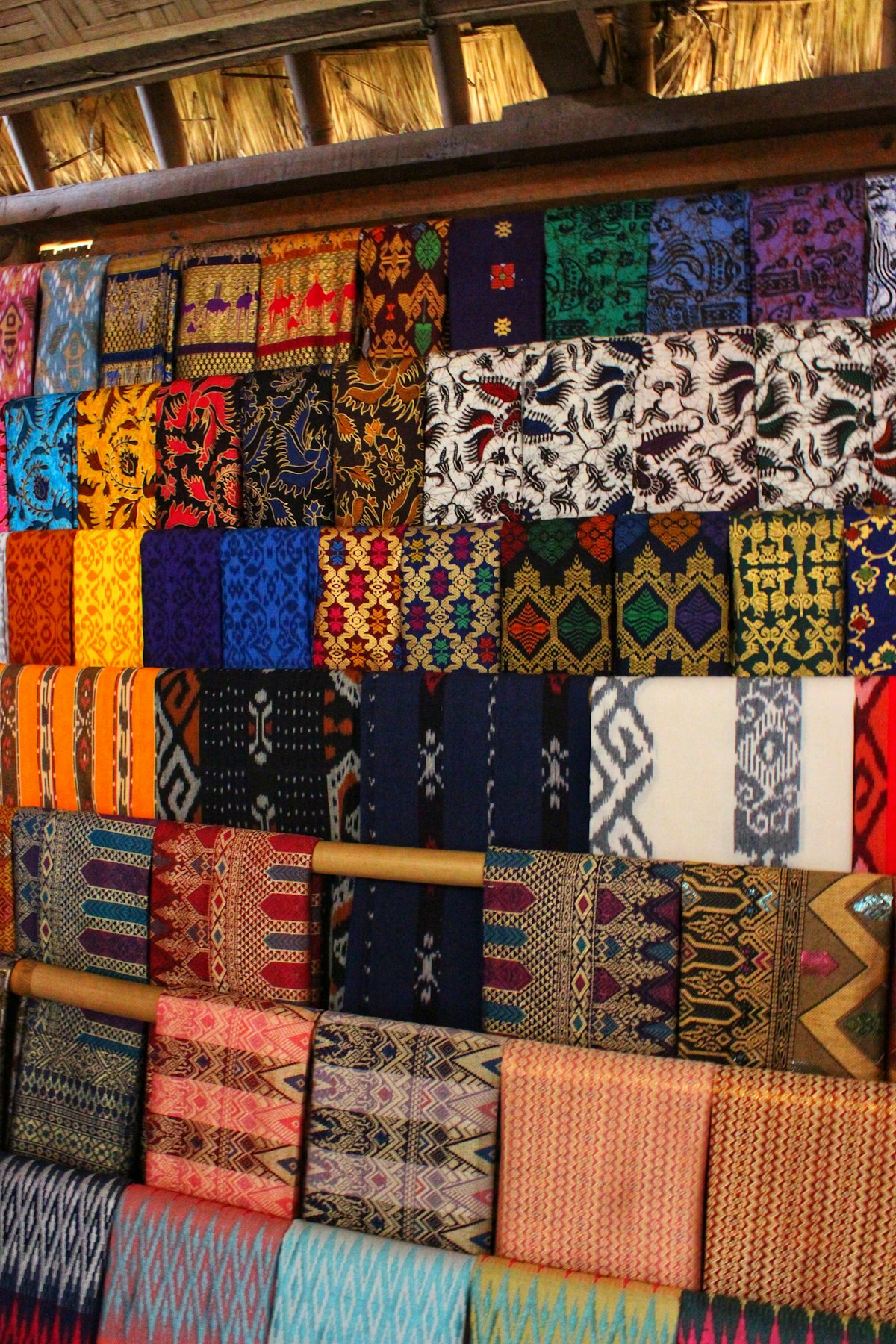
- ↑Lombok's interior cultural life — the Sasak weaving villages of Sukarara and Pringgasela, the pottery village of Banyumulek, the traditional architecture of Sade — is entirely unaffected by monsoon weather and available year-round with minimal tourist competition.
Sacrifices
- ↓238mm of rain in December is the second-heaviest month of the year. Rinjani is firmly closed. Gili crossings are unreliable. The wet season in December is not subtle — plan for it explicitly.
- ↓Christmas week specifically sees accommodation prices spike from their floor despite the poor weather: demand from those escaping northern hemisphere winter creates a brief premium. Book ahead if targeting Christmas on the Gilis.
How this is calculated
Climate data
Open Meteo ERA5
30-year normals (1991–2020). Temperature, rainfall, sunshine, humidity.
Price & crowd
Tourism research
Seasonal pricing from tourism authority data. Directional — compares months within a destination only.
Personalisation
Weighted scoring
Your priorities change the weights. Budget-first users get different results than weather-first users.
Share this result
June is the best time to visit Lombok
Travel timing updates
New destinations and timing guides, when they land.
No spam. Unsubscribe anytime.