Showing: Sep · Unsplash / Unsplash
Croatia · Europe
Best time to visit Split
September
Sep scores highest overall — reliable weather and strong local atmosphere. Set your priorities below to personalise this result.
What matters most to you?
All 12 months — click any to expand
Sep
Unsplash / Unsplash
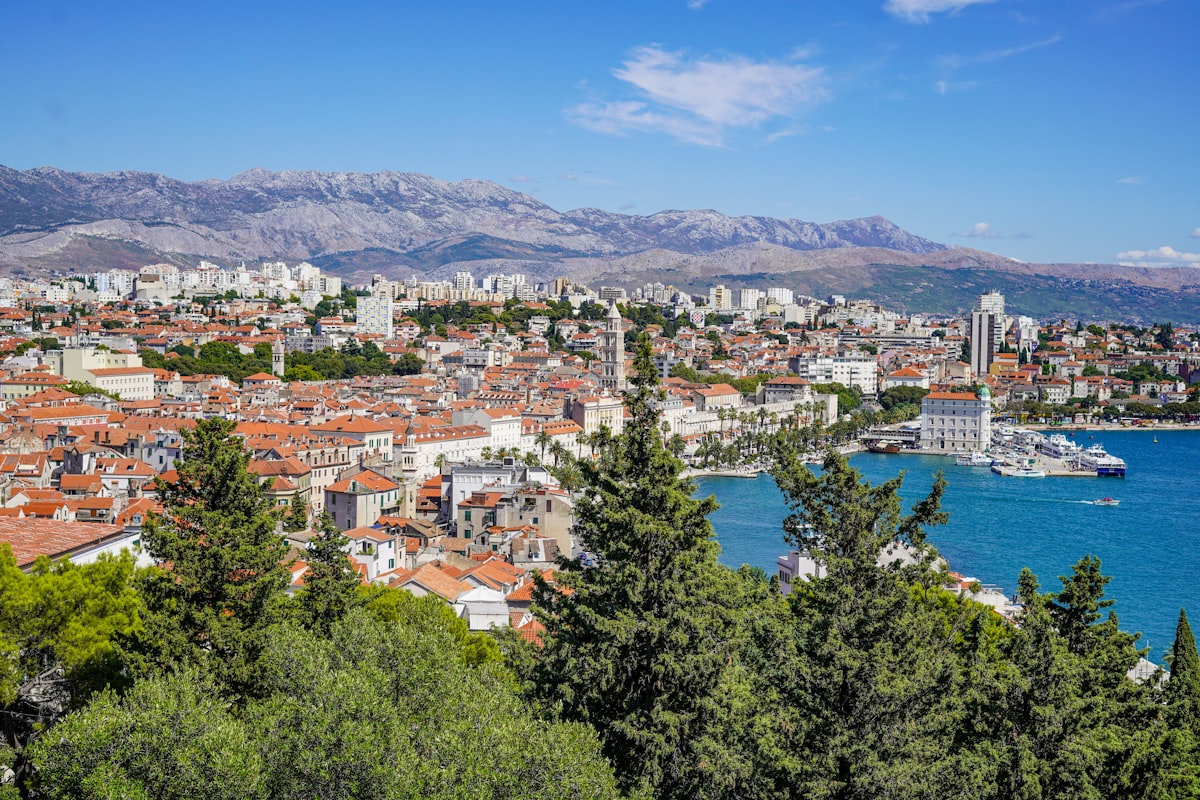
Croatia's best-kept secret: June-quality weather, dramatically lower crowds, moderate prices.
26°C
High
18°C
Low
67mm
Rain
8h
Sun/day
What you gain
- ↑26°C and sea at 25°C — same conditions as June but with a fraction of the crowds
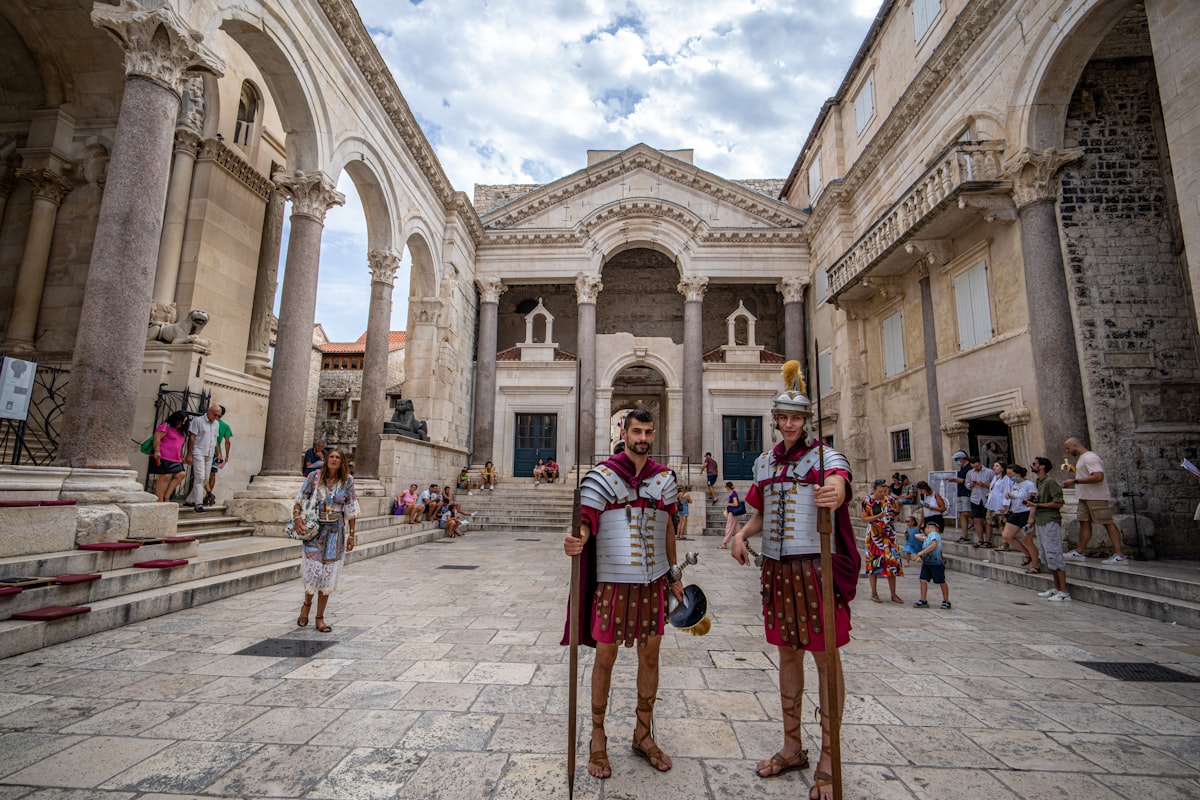
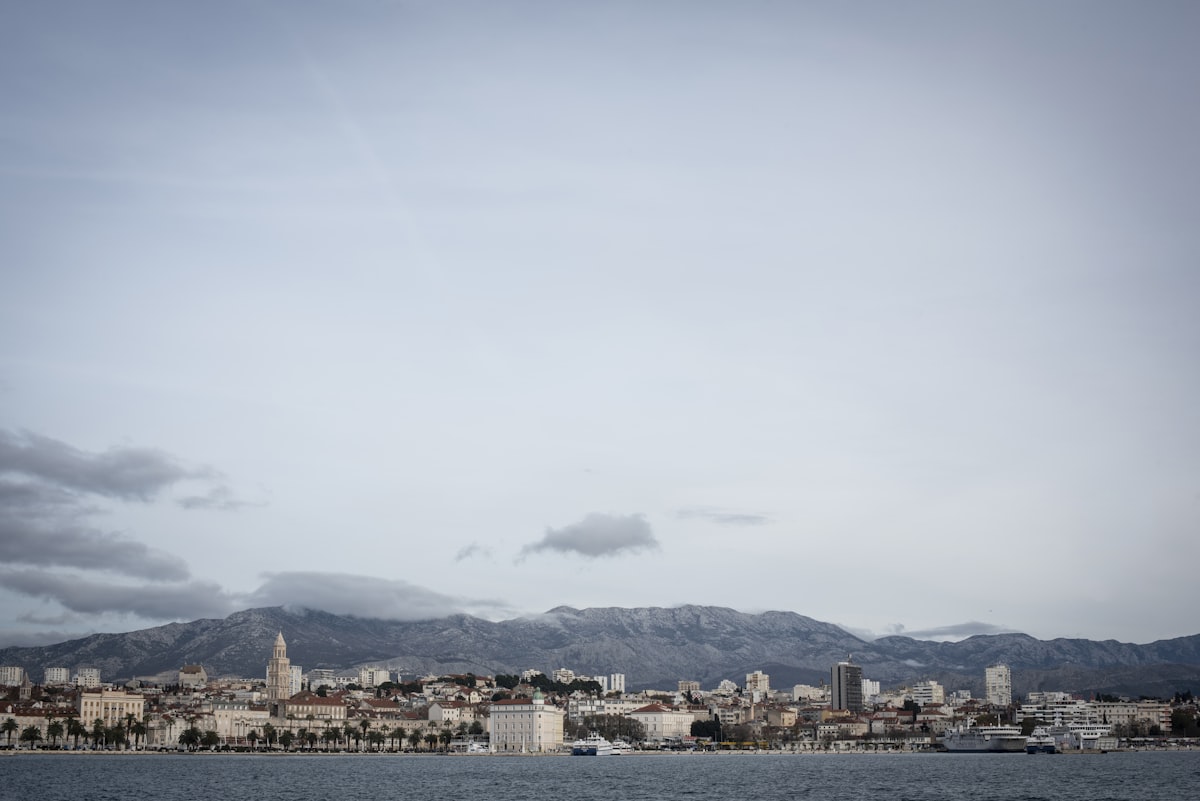
- ↑Diocletian's Palace navigable at all hours without July's overwhelming pressure
- ↑Prices 40–50% below August peak: the sweet spot for value and experience
What you sacrifice
- ↓First autumn rains returning: 67mm — some September afternoons turn wet unexpectedly
- ↓Early September still relatively busy; the significant drop comes in mid-to-late September
- ↓Island ferry frequencies beginning to reduce from summer maximums
Sep scores highest overall — reliable weather and strong local atmosphere. Set your priorities below to personalise this result.
Sep
Croatia's best-kept secret: June-quality weather, dramatically lower crowds, moderate prices.
26°C
High
67mm
Rain
8h
Sun
- ↑26°C and sea at 25°C — same conditions as June but with a fraction of the crowds
- ↑Diocletian's Palace navigable at all hours without July's overwhelming pressure
- ↑Prices 40–50% below August peak: the sweet spot for value and experience
- ↓First autumn rains returning: 67mm — some September afternoons turn wet unexpectedly
- ↓Early September still relatively busy; the significant drop comes in mid-to-late September
- ↓Island ferry frequencies beginning to reduce from summer maximums
Top travel windows
★ BestSeptember
Best overall
Highest combined score
26°C
High
67mm
Rain
8h
Sun
February
Best for value
Lowest prices & fees
11°C
High
78mm
Rain
5h
Sun
March
Fewest crowds
Quietest month
14°C
High
74mm
Rain
5.5h
Sun
Breakdown by priority
Best for weather
September
26°C high · 67mm rain · 8hrs sun/day
Best for budget
February
Budget-best prices: the cheapest month alongside January for accommodation
Fewest crowds
March
Prices still very low: a step above winter rates but far below summer
Worst time to visit
December, January
Only 3.5 sunshine hours daily: the darkest and shortest days of the year
Also exploring
Lisbon
Portugal
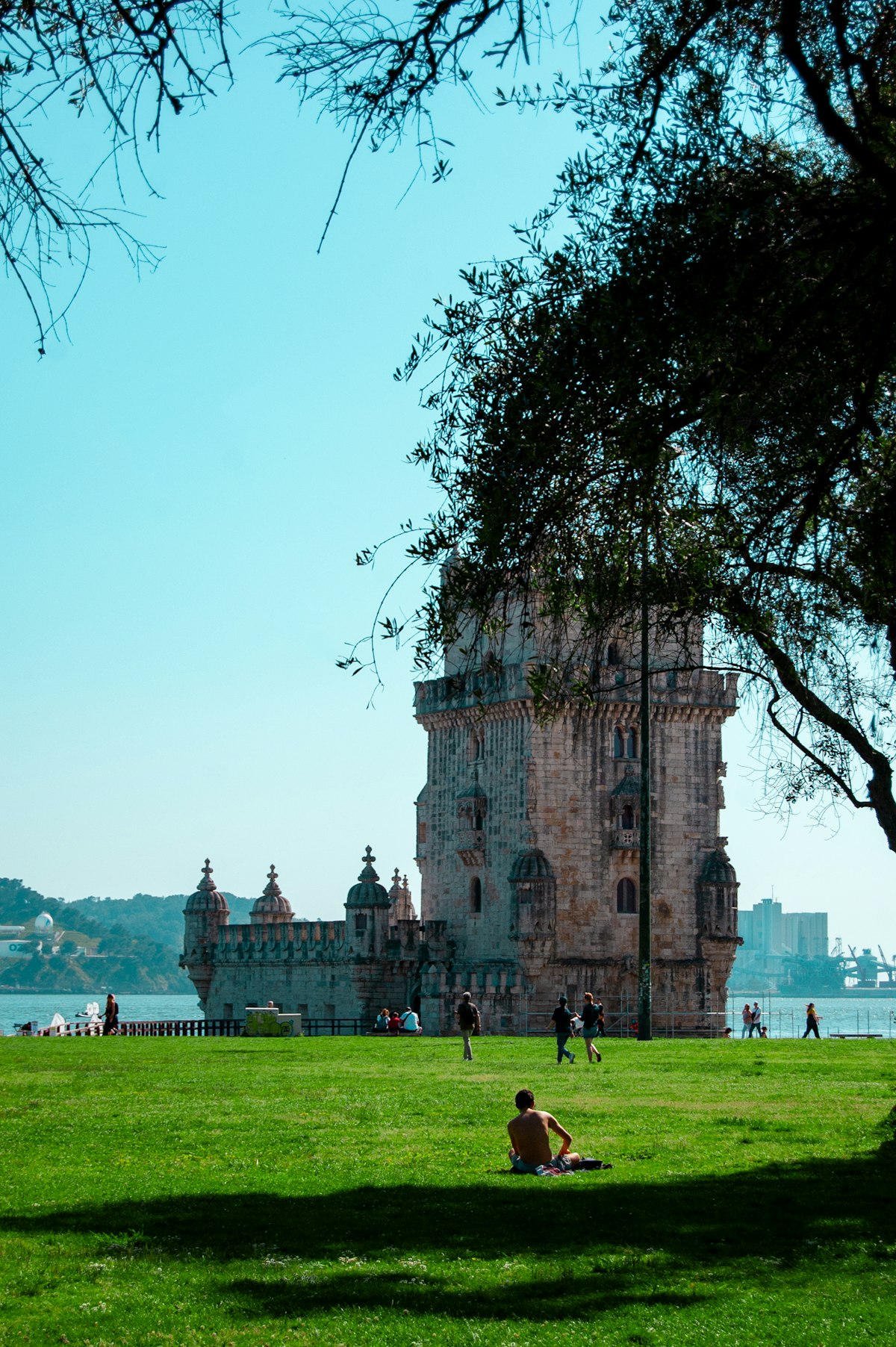
A sun-drenched Atlantic capital where tram lines weave through hilltop neighbourhoods and prices stay genuinely affordable by Western European standards.
Barcelona
Spain
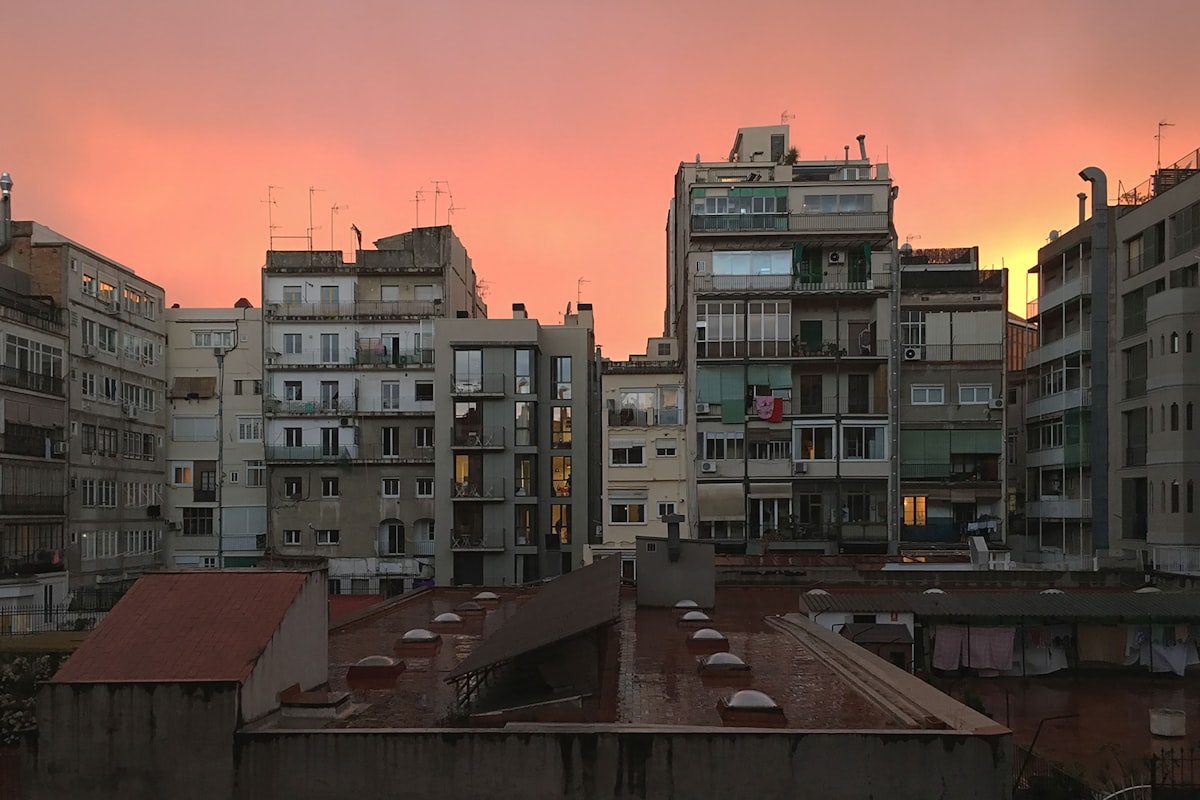
A Mediterranean city that runs on architecture, food markets, and beach culture — with a tourism problem that makes timing absolutely critical.
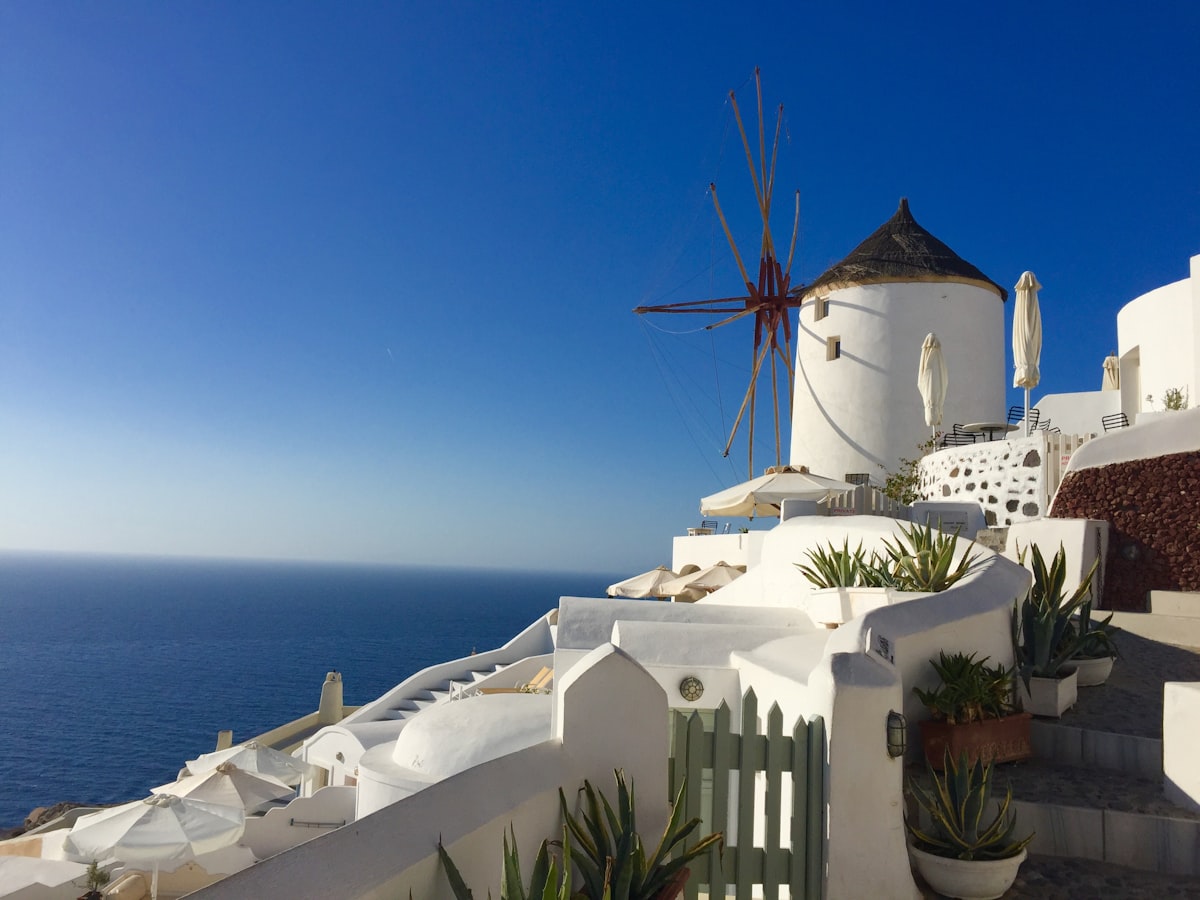
Santorini
Greece
The caldera sunsets and white-washed cliffside villages are real — but so is a tourism infrastructure that was never designed for 3 million annual visitors.
Worth knowing
September scores highest overall. July is the most crowded month — avoid if you can. See crowd-free ranking →
Month by month breakdown
January#12▾
Gains
- ↑Hotels and apartments at their cheapest: 70–80% below peak summer rates
- ↑Diocletian's Palace almost entirely devoid of tourists — extraordinary photography conditions
- ↑A genuinely local experience: the city belongs to Splićani in winter
Sacrifices
- ↓Most restaurants, bars, and tour operators closed or operating very limited hours
- ↓5–10°C and grey: not the sun-drenched Adriatic of the summer postcards
- ↓Very limited evening atmosphere with tourism infrastructure at minimum
February#8▾
Gains
- ↑Budget-best prices: the cheapest month alongside January for accommodation
- ↑5 sunshine hours: slightly more light than January — occasional pleasant afternoons on the Riva
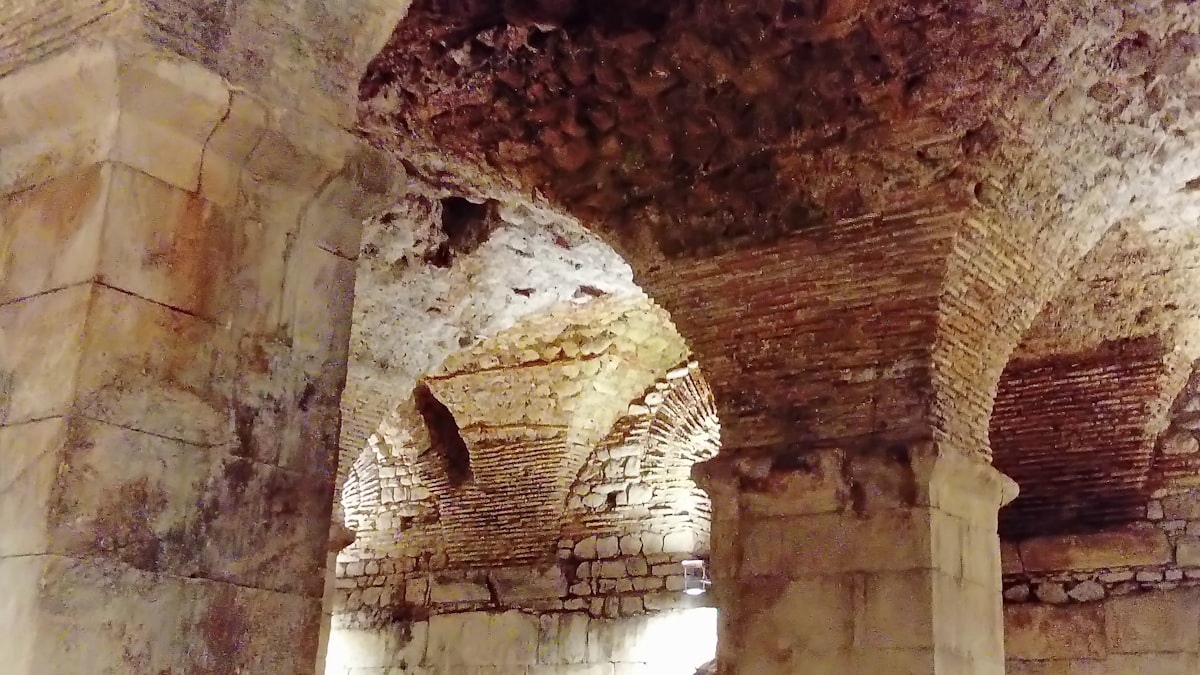
- ↑Diocletian's Palace vaults and Peristyle entirely explorable without a queue
Sacrifices
- ↓Limited dining and bar options: many seasonal restaurants still closed
- ↓11°C max: cool enough to make the Riva and beaches purely scenic rather than usable
- ↓Little happening: Croatia Carnival exists but Split's version is minimal
March#6▾
Gains
- ↑Prices still very low: a step above winter rates but far below summer
- ↑Restaurants and cafés beginning to reopen from mid-March
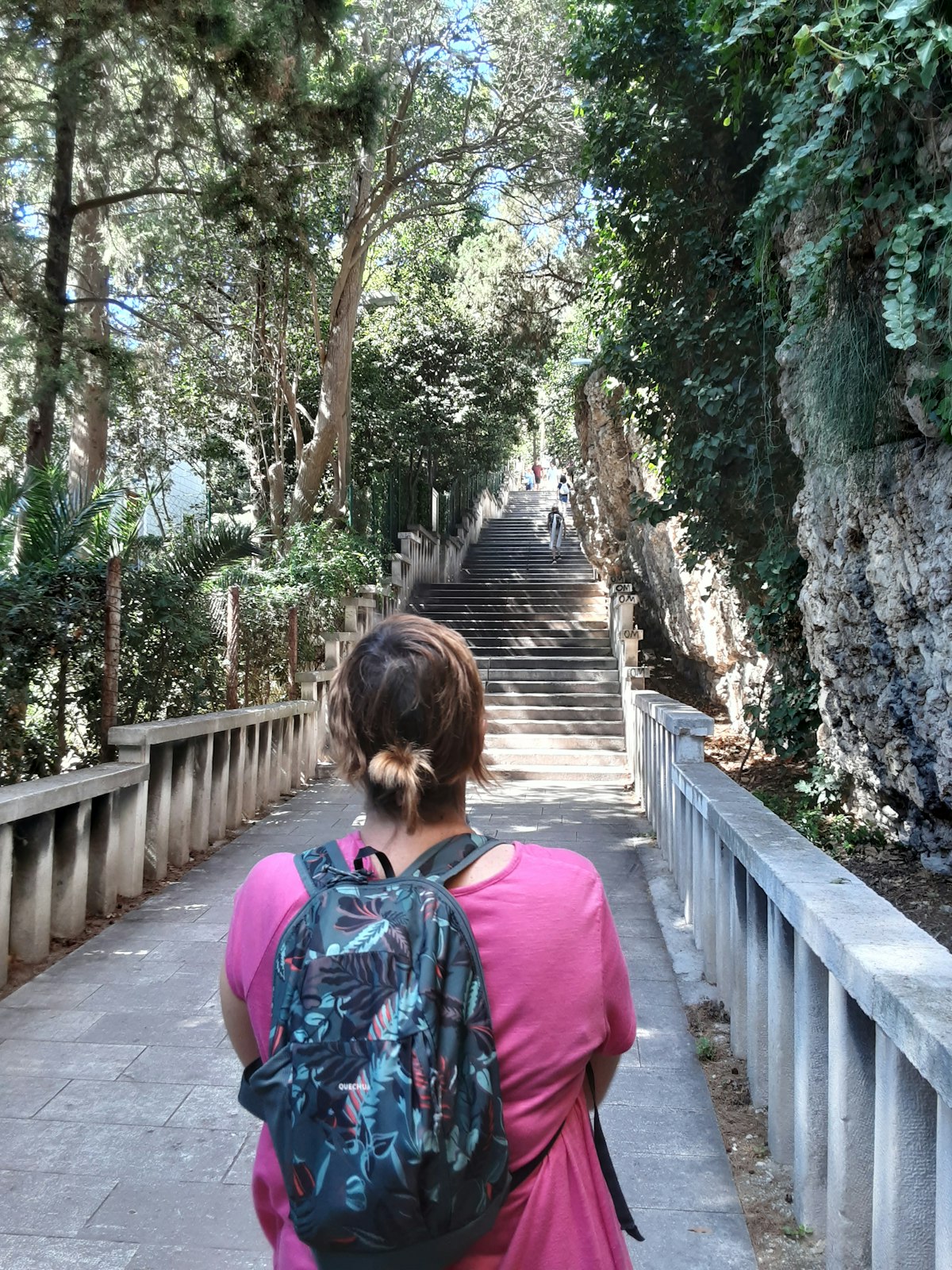
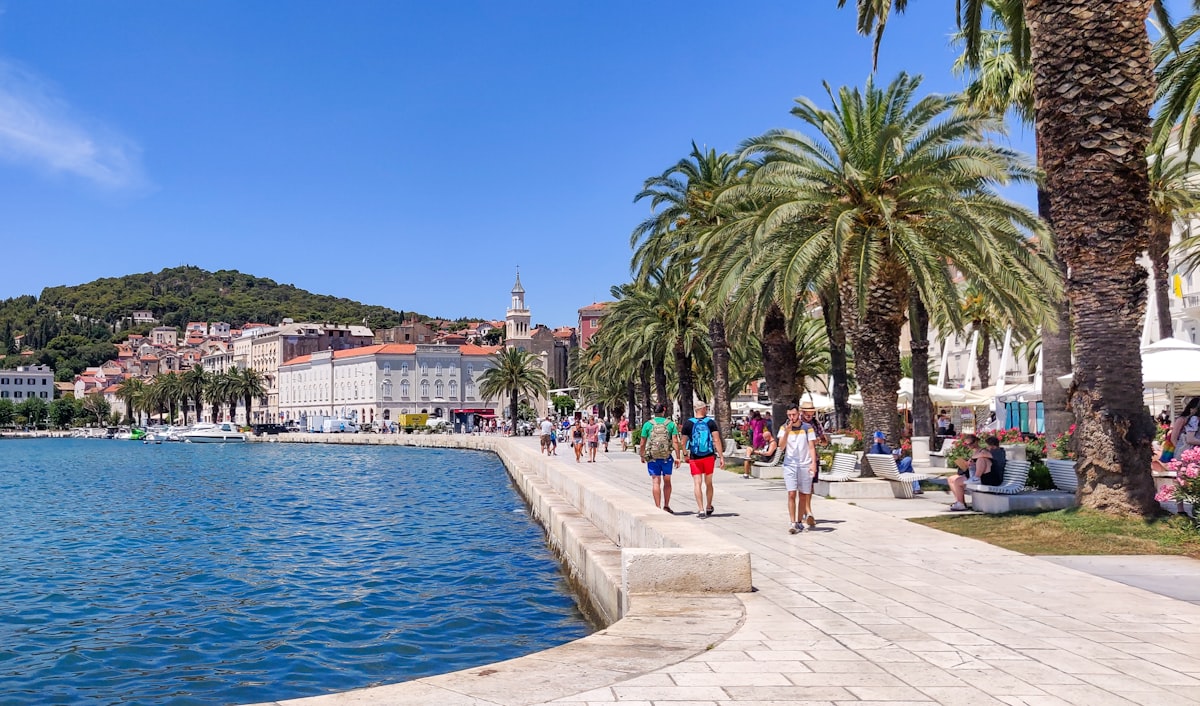
- ↑14°C: pleasant enough for walking the Riva and Marjan Hill without summer heat
Sacrifices
- ↓Tourism infrastructure still patchy — verify specific restaurants and tours are operating
- ↓74mm of rain: Dalmatian March can be wet, especially early in the month
- ↓No beach season yet: the Adriatic is too cold for swimming (14°C sea temperature)
April#4▾
Gains
- ↑18°C: warm enough for the Riva, Diocletian's Palace, and day trips to nearby islands
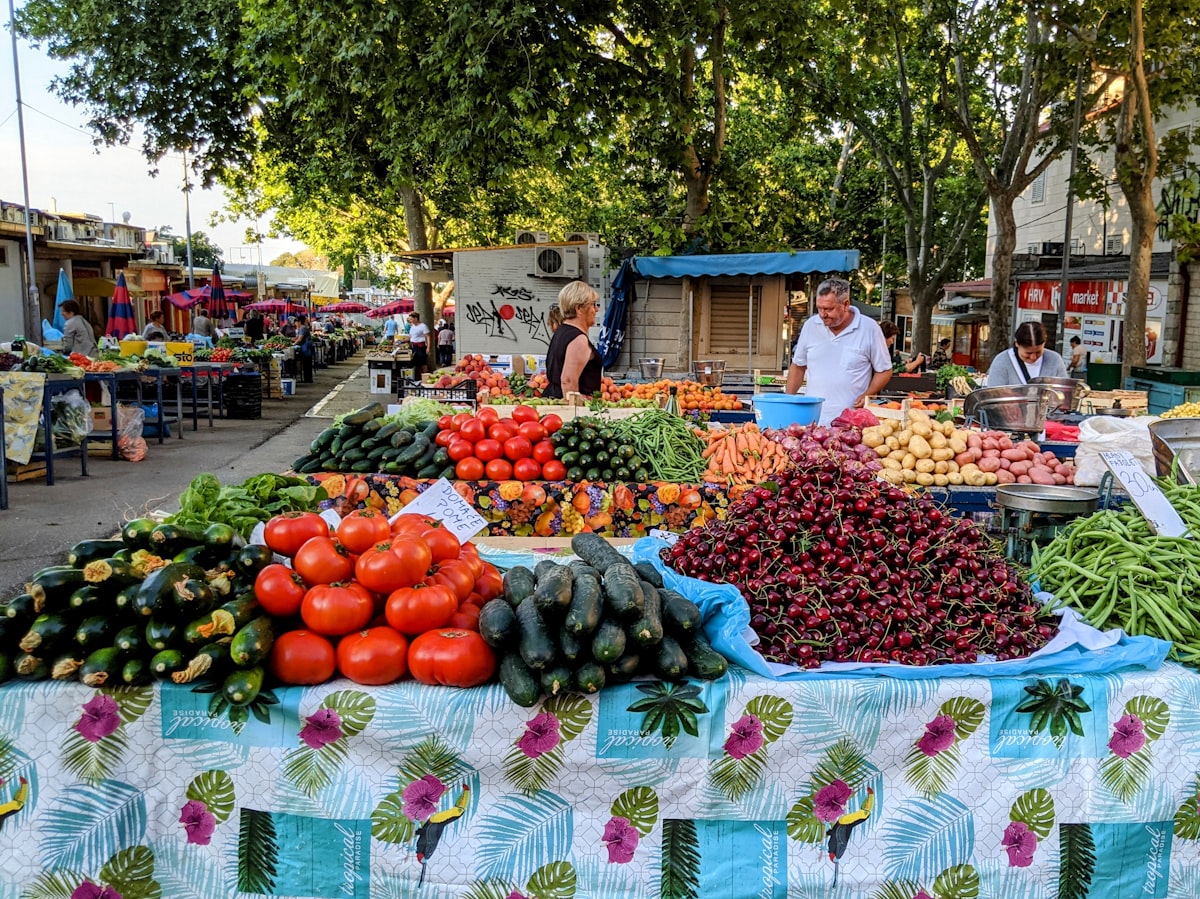
- ↑Green Market (Pazar) at peak spring freshness: tomatoes, cherries, courgettes, local produce
- ↑Most ferries to Brač, Hvar, and Šolta back on schedule
Sacrifices
- ↓67mm: rain still meaningful, particularly early April afternoon showers
- ↓Sea still cool (16°C) — swimming possible for the brave but not comfortable
- ↓Easter weekend can bring a short-term surge in domestic visitors
May#3▾
Gains
- ↑Full season operating: all restaurants, tours, ferries, water sports, and island boats running
- ↑22°C and 9 sunshine hours — ideal for the Riva, Marjan Hill hiking, and ferry day trips
- ↑Sea reaching 20°C from mid-May: viable swimming without July's crushing beach crowds
Sacrifices
- ↓Prices climbing: 30–40% above low season as demand builds
- ↓55mm: lighter than winter but afternoon showers still possible
- ↓Weekend crowds increasing — Friday and Saturday evenings in the Palace can feel busy
June#2▾
Gains
- ↑Split Summer Festival opens: outdoor theatre and music performances inside Diocletian's Palace Peristyle
- ↑27°C with only 34mm rain: the first genuinely dry summer month, sea at 24°C
- ↑Still navigable before July's extreme crowds — mornings in the Palace are manageable
Sacrifices
- ↓Prices spike significantly — accommodation 50–60% above low season
- ↓Crowds building: summer tourist season in full swing, palace lanes increasingly busy
- ↓Book accommodation and Peristyle event tickets well in advance
July#7▾
Gains
- ↑30°C and 11 sun hours: the most guaranteed sun of the year
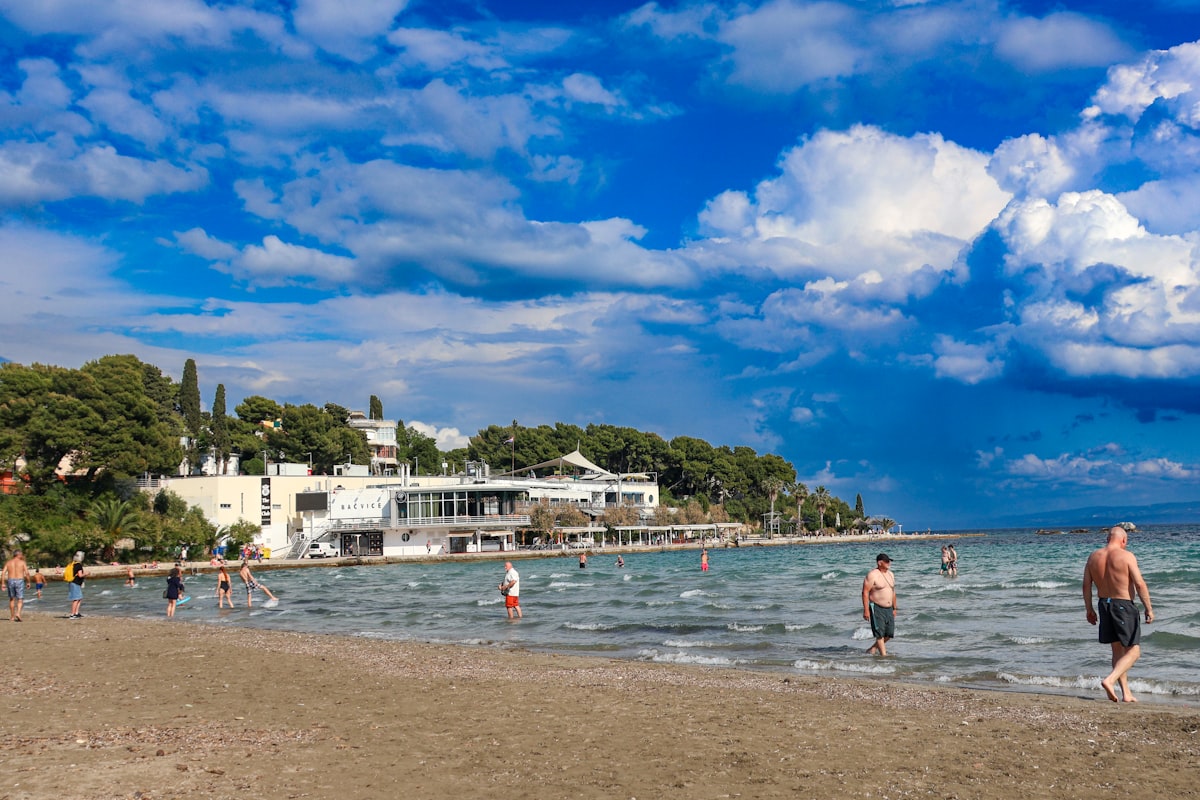
- ↑Sea at 26°C: the best swimming conditions — Bačvice beach and island ferries at peak operation
- ↑Split Summer Festival at full programming in the Peristyle — spectacular setting
Sacrifices
- ↓Extreme crowds in Diocletian's Palace: narrow lanes are genuinely uncomfortable at midday
- ↓Accommodation prices 3–4× what you'd pay in May — budget options fully booked months ahead
- ↓Bačvice beach shoulder-to-shoulder: restaurants and bars require reservations or patience
August#10▾
Gains
- ↑Warmest sea of the year (26°C): Bačvice and the island beaches at their very best
- ↑11 sun hours — virtually guaranteed beach days all month
- ↑All water sports, island ferries, and tour operators running at maximum capacity
Sacrifices
- ↓Peak accommodation prices: the most expensive month of the year alongside July
- ↓Bačvice beach packed — the famous picigin shallows are elbow-to-elbow
- ↓30°C on stone streets inside the Palace: midday in the old town is genuinely uncomfortable
September#1▾
Gains
- ↑26°C and sea at 25°C — same conditions as June but with a fraction of the crowds
- ↑Diocletian's Palace navigable at all hours without July's overwhelming pressure
- ↑Prices 40–50% below August peak: the sweet spot for value and experience
Sacrifices
- ↓First autumn rains returning: 67mm — some September afternoons turn wet unexpectedly
- ↓Early September still relatively busy; the significant drop comes in mid-to-late September
- ↓Island ferry frequencies beginning to reduce from summer maximums
October#5▾
Gains
- ↑Low crowds: the old town returns to a pace that feels genuinely local
- ↑20°C: comfortable for walking, cycling, and cultural visits without summer heat
- ↑Affordable prices: 50–60% below August — excellent value for an off-peak cultural trip
Sacrifices
- ↓95mm: rain increases meaningfully — October afternoons frequently wet
- ↓Sea cooling to 19°C: swimming technically possible but the beach season is largely over
- ↓Some seasonal restaurants and tour operators closing or reducing hours
November#9▾
Gains
- ↑Budget accommodation: lowest prices of the year arriving from late November
- ↑Diocletian's Palace almost entirely to yourself — rare and atmospheric
- ↑Local life resumes: coffee culture on the Riva, markets, and daily rhythms of a real Croatian city
Sacrifices
- ↓105mm: the heaviest rainfall month — persistent grey days with real rain
- ↓Many seasonal restaurants and tour operators closed until spring
- ↓15°C max, damp and grey: not the Split of summer postcards
December#11▾
Gains
- ↑Budget prices: hotels and apartments at minimum rates
- ↑Christmas decorations and a small advent market add atmosphere to the Peristyle and Riva
- ↑Diocletian's Palace in winter: extraordinary stone walls without a single tour group
Sacrifices
- ↓Only 3.5 sunshine hours daily: the darkest and shortest days of the year
- ↓95mm of rain: December is wet with persistent grey skies
- ↓Very limited tourism infrastructure — many restaurants and attractions closed
How this is calculated
Climate data
Open Meteo ERA5
30-year normals (1991–2020). Temperature, rainfall, sunshine, humidity.
Price & crowd
Tourism research
Seasonal pricing from tourism authority data. Directional — compares months within a destination only.
Personalisation
Weighted scoring
Your priorities change the weights. Budget-first users get different results than weather-first users.
Share this result
September is the best time to visit Split
Travel timing updates
New destinations and timing guides, when they land.
No spam. Unsubscribe anytime.