
Showing: Jan · Unsplash / Unsplash
Oman · Middle East
Best time to visit Muscat
January
Jan scores highest overall — reliable weather and strong local atmosphere. Set your priorities below to personalise this result.
What matters most to you?
All 12 months — click any to expand
Jan
Unsplash / Unsplash
Near-perfect 26°C days, Muscat Festival in full swing — Oman at its most inviting.
26.4°C
High
18.2°C
Low
22mm
Rain
8.5h
Sun/day
What you gain
- ↑January delivers Oman's best travel conditions — 26°C average highs with low humidity (55%), 8.5 sunshine hours daily, and cool enough nights (18°C) to make evening outdoor dining comfortable. This is the weather that positions Muscat as one of the most consistently pleasant winter sun destinations in the world for Northern European and North American visitors. The Muscat Festival (typically January–February, spanning the entire month) transforms the city with cultural performances, traditional souqs, fireworks at the Qurum Natural Park, and entertainment from across the Arab world.
- ↑Wadi exploration — one of Oman's signature outdoor experiences — is at its most comfortable in January. Wadi Shab (a 2-hour drive south of Muscat), with its turquoise pools accessible by boat crossing and a 30-minute hike, and Wadi Bani Khalid in the Al Sharqiyah region are both at their most rewarding in winter sun without the heat that makes them uncomfortable in March and April. Wadi exploration typically costs OMR 5–10 per person with a local guide.
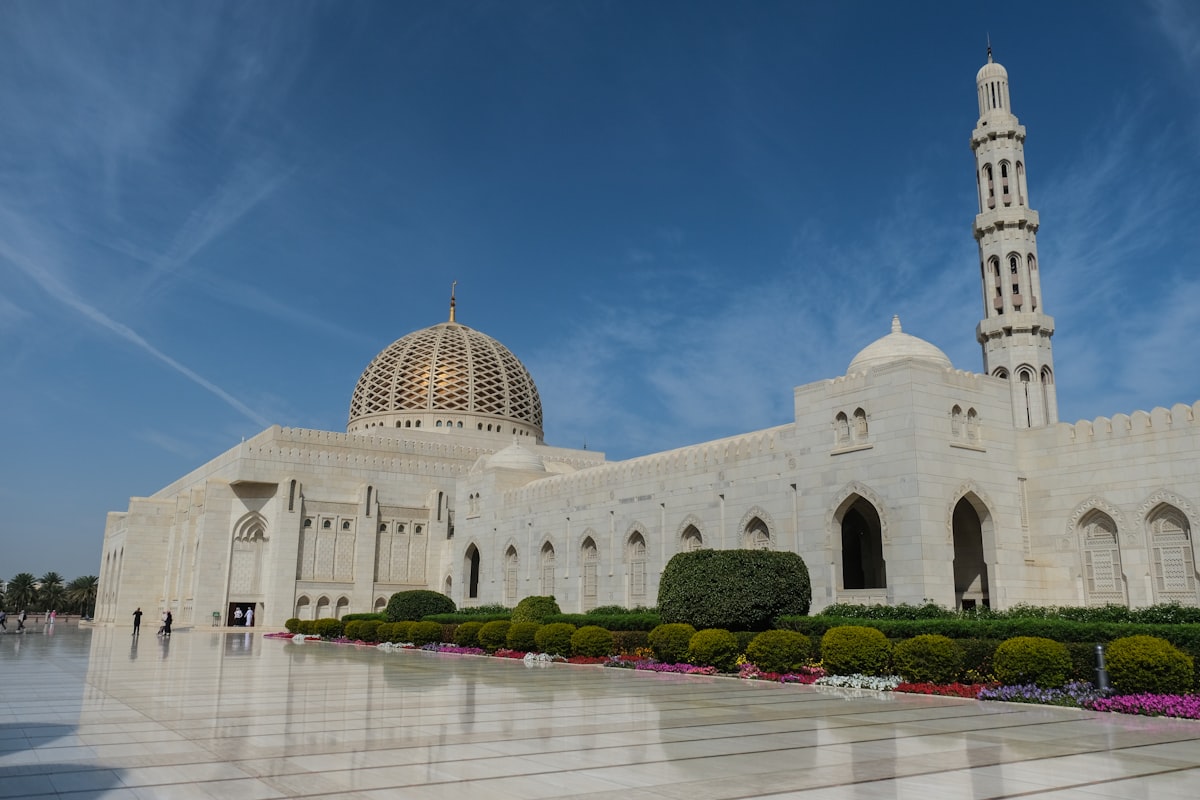
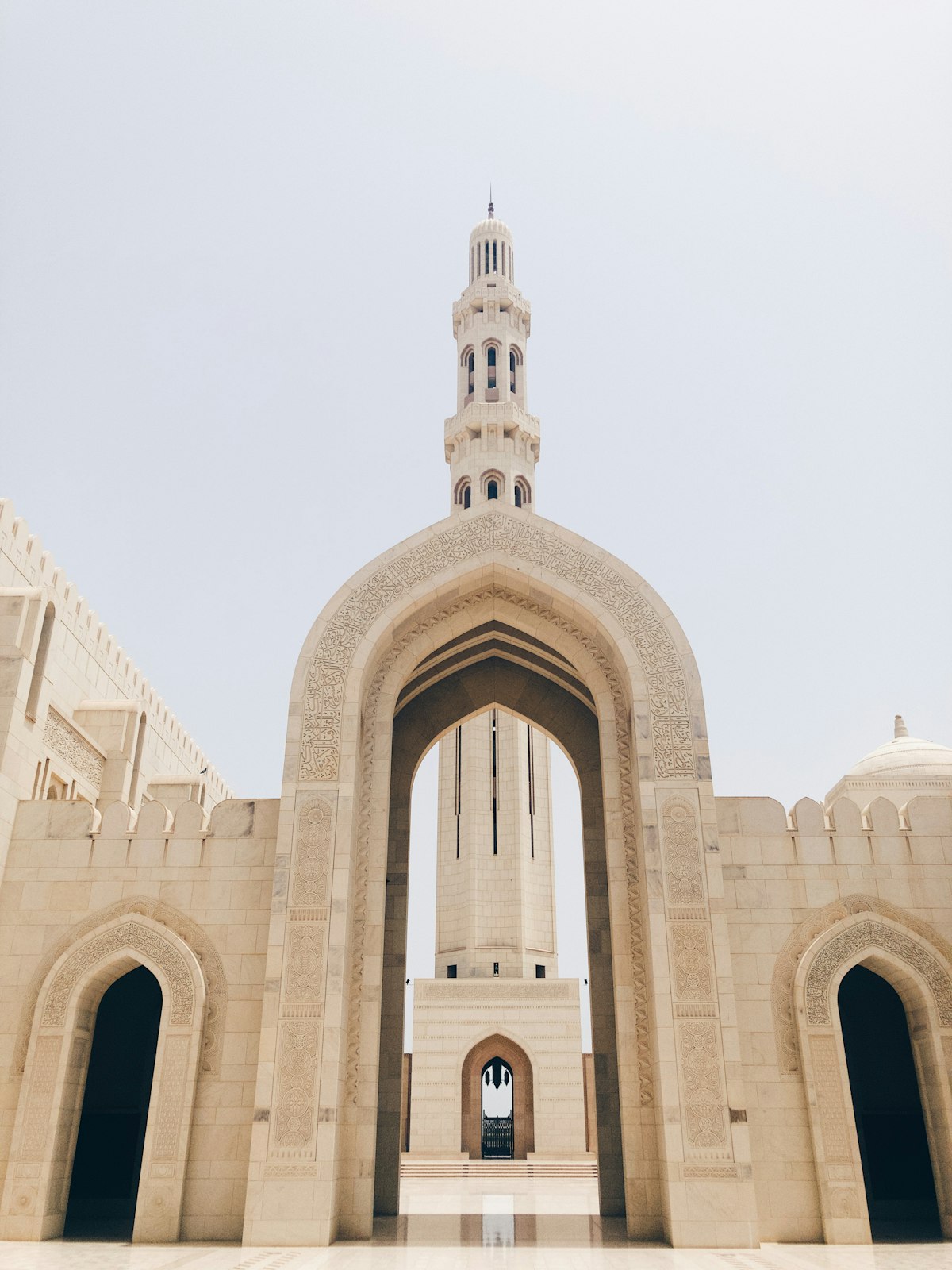
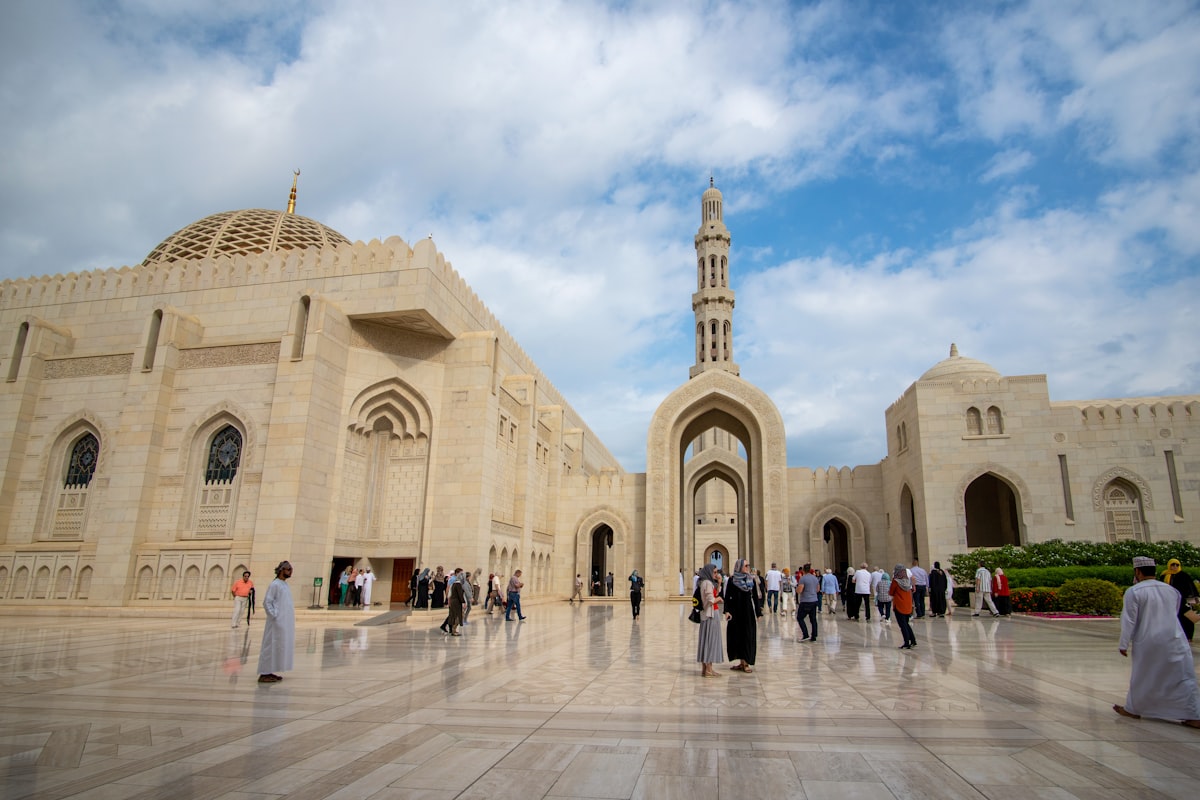
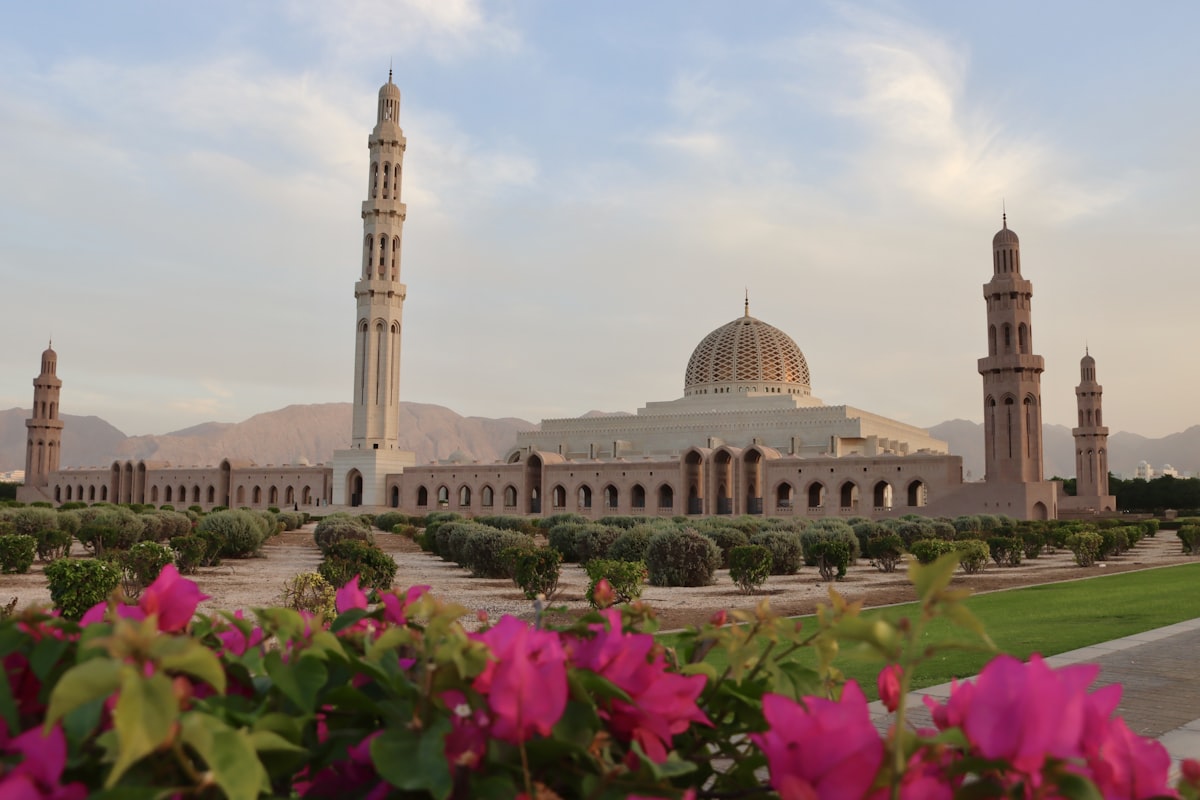
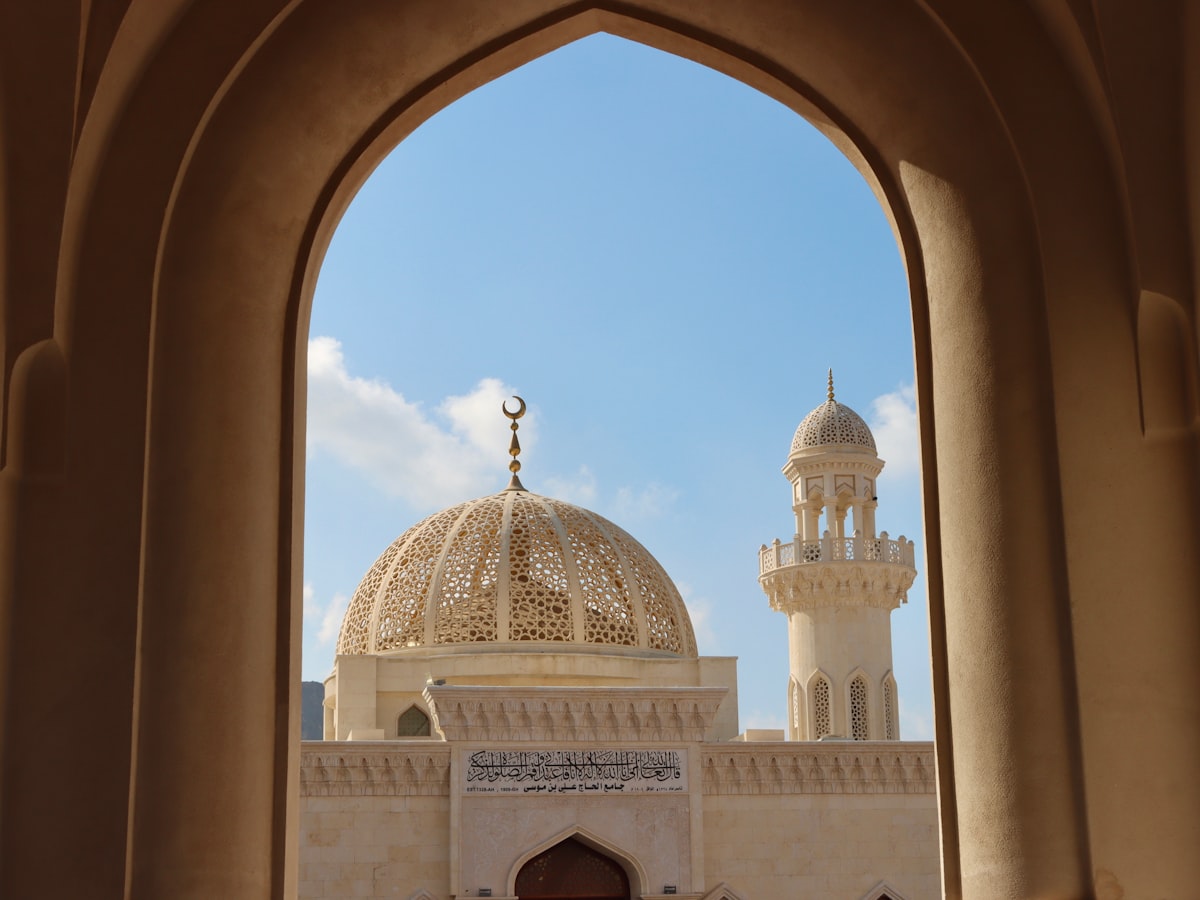
- ↑The Sultan Qaboos Grand Mosque (one of the largest mosques in the world, with a hand-knotted Iranian carpet measuring 70m x 60m — the second largest single-piece carpet in the world) is open to non-Muslim visitors in the mornings (Saturday–Thursday, 8–11am). In January's comfortable temperatures the surrounding gardens and the architecture of the main prayer hall and minaret complex can be appreciated fully. The chandelier in the main prayer hall contains 1.1 million Swarovski crystals.
What you sacrifice
- ↓January peak season pricing is real — 5-star hotels in the Al Qurum and Shatti Al Qurum areas (Shangri-La Muscat, Grand Hyatt, Intercontinental) charge OMR 120–200 per night during the Muscat Festival, compared to OMR 60–90 in summer. Booking 2–3 months in advance is recommended for quality properties.
- ↓The Muscat Festival crowds in Qurum Natural Park on event evenings can be substantial — thousands of Omani families attend, and the surrounding road network manages this imperfectly. Planning Festival visits with transport flexibility is advisable.
Jan scores highest overall — reliable weather and strong local atmosphere. Set your priorities below to personalise this result.
Jan
Near-perfect 26°C days, Muscat Festival in full swing — Oman at its most inviting.
26.4°C
High
22mm
Rain
8.5h
Sun
- ↑January delivers Oman's best travel conditions — 26°C average highs with low humidity (55%), 8.5 sunshine hours daily, and cool enough nights (18°C) to make evening outdoor dining comfortable. This is the weather that positions Muscat as one of the most consistently pleasant winter sun destinations in the world for Northern European and North American visitors. The Muscat Festival (typically January–February, spanning the entire month) transforms the city with cultural performances, traditional souqs, fireworks at the Qurum Natural Park, and entertainment from across the Arab world.
- ↑Wadi exploration — one of Oman's signature outdoor experiences — is at its most comfortable in January. Wadi Shab (a 2-hour drive south of Muscat), with its turquoise pools accessible by boat crossing and a 30-minute hike, and Wadi Bani Khalid in the Al Sharqiyah region are both at their most rewarding in winter sun without the heat that makes them uncomfortable in March and April. Wadi exploration typically costs OMR 5–10 per person with a local guide.
- ↑The Sultan Qaboos Grand Mosque (one of the largest mosques in the world, with a hand-knotted Iranian carpet measuring 70m x 60m — the second largest single-piece carpet in the world) is open to non-Muslim visitors in the mornings (Saturday–Thursday, 8–11am). In January's comfortable temperatures the surrounding gardens and the architecture of the main prayer hall and minaret complex can be appreciated fully. The chandelier in the main prayer hall contains 1.1 million Swarovski crystals.
- ↓January peak season pricing is real — 5-star hotels in the Al Qurum and Shatti Al Qurum areas (Shangri-La Muscat, Grand Hyatt, Intercontinental) charge OMR 120–200 per night during the Muscat Festival, compared to OMR 60–90 in summer. Booking 2–3 months in advance is recommended for quality properties.
- ↓The Muscat Festival crowds in Qurum Natural Park on event evenings can be substantial — thousands of Omani families attend, and the surrounding road network manages this imperfectly. Planning Festival visits with transport flexibility is advisable.
Top travel windows
★ BestJanuary
Best overall
Highest combined score
26.4°C
High
22mm
Rain
8.5h
Sun
July
Best for value
Lowest prices & fees
40.2°C
High
1mm
Rain
9.5h
Sun
July
Fewest crowds
Quietest month
40.2°C
High
1mm
Rain
9.5h
Sun
Breakdown by priority
Best for weather
January
26.4°C high · 22mm rain · 8.5hrs sun/day
Best for budget
July
July hotel prices represent the absolute floor of the Muscat market — 5-star luxury properties charge OMR 45–65 per night, which places world-class luxury hospitality within the budget of travellers who would otherwise never access these properties. The pool facilities, spa infrastructure, and beach clubs of the Shangri-La and Grand Hyatt operate normally for their (very small) summer guest population.
Fewest crowds
July
July hotel prices represent the absolute floor of the Muscat market — 5-star luxury properties charge OMR 45–65 per night, which places world-class luxury hospitality within the budget of travellers who would otherwise never access these properties. The pool facilities, spa infrastructure, and beach clubs of the Shangri-La and Grand Hyatt operate normally for their (very small) summer guest population.
Worst time to visit
July, August, June
July is simply Muscat at its extreme — 40°C daily highs, humidity occasionally spiking when the tail of the Arabian Sea monsoon reaches the coast, and conditions where any unshaded outdoor activity beyond a few minutes is inadvisable. The city is not particularly enjoyable as a sightseeing destination in July.
Where to stay in Muscat
All neighbourhoods →Muttrah
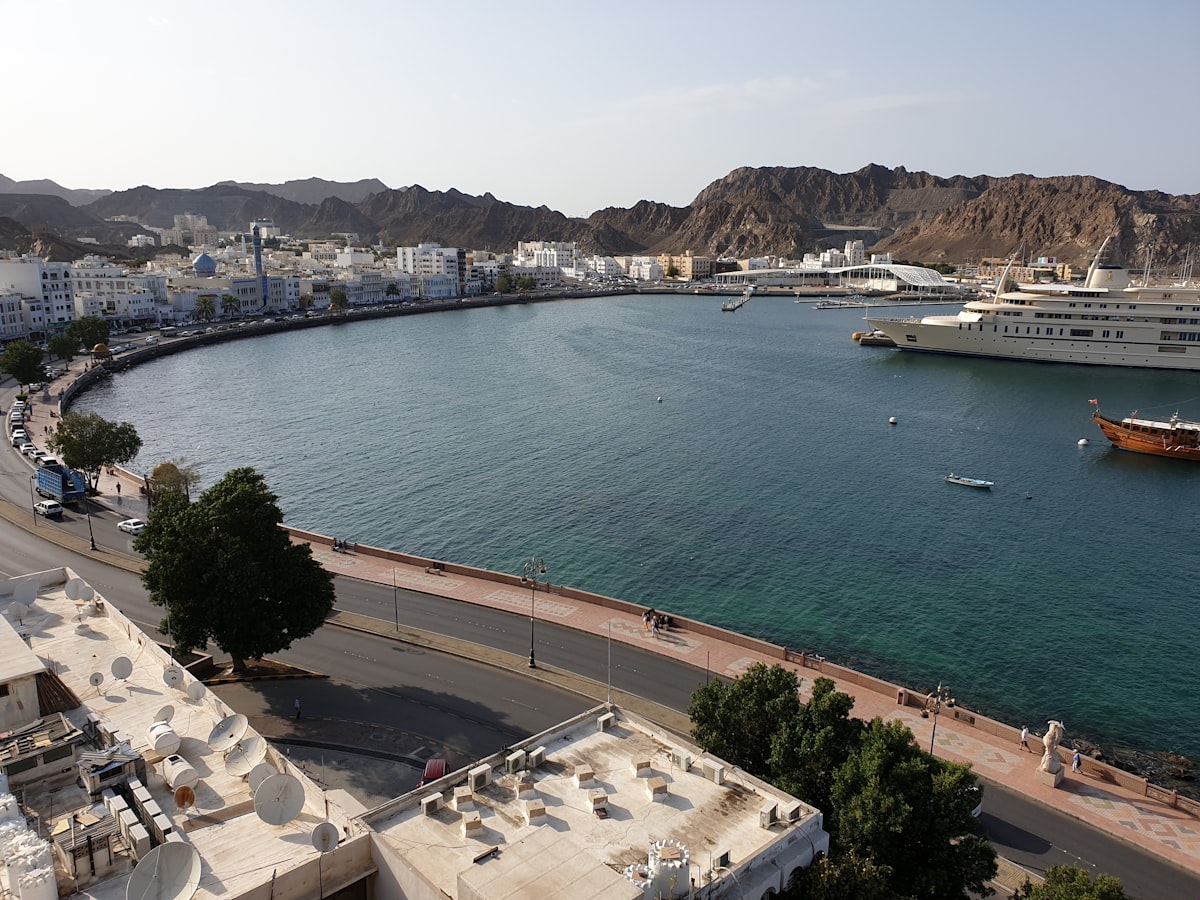
The old port and soul of Muscat — Arabia's most authentic souq, a dhow harbour, and an ancient fort above the waterfront.
8/10
Central
8/10
Walk
7/10
Transit
Old Muscat
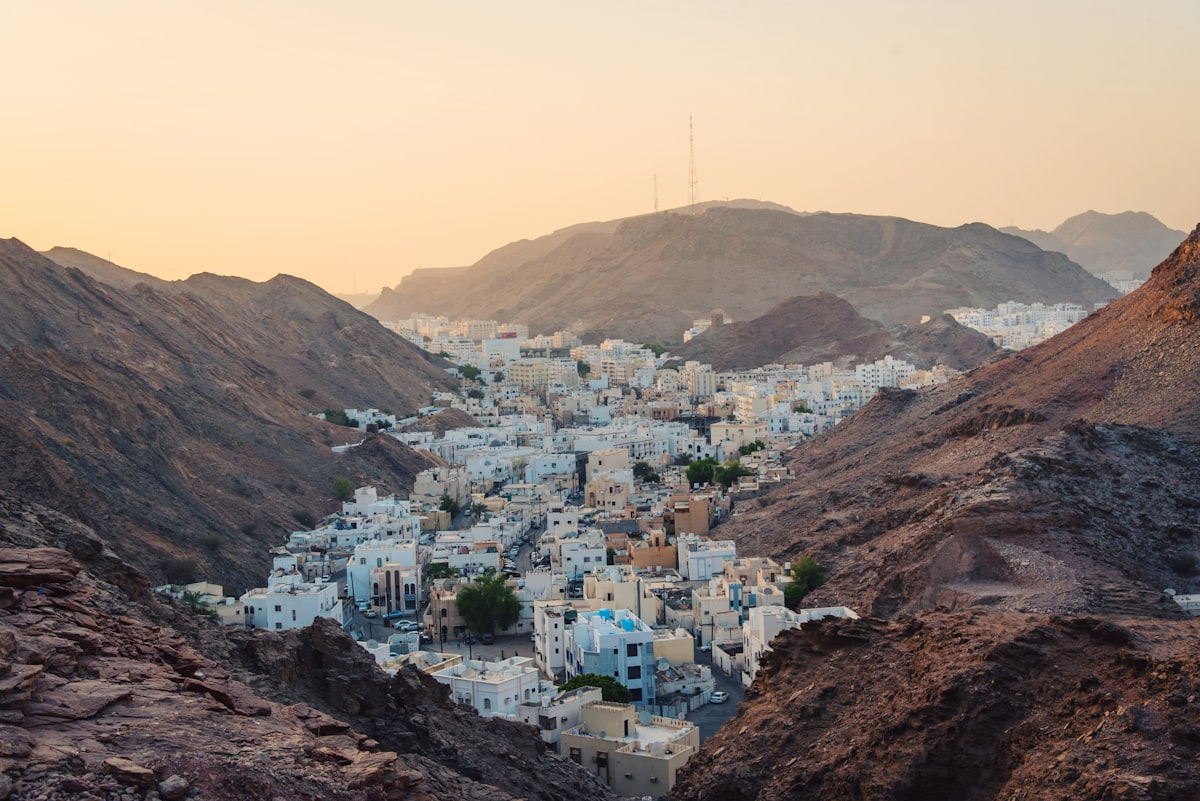
The walled original city — Al Alam Palace, twin Portuguese forts, and the most atmospheric corner of the capital.
7/10
Central
8/10
Walk
5/10
Transit
Also exploring
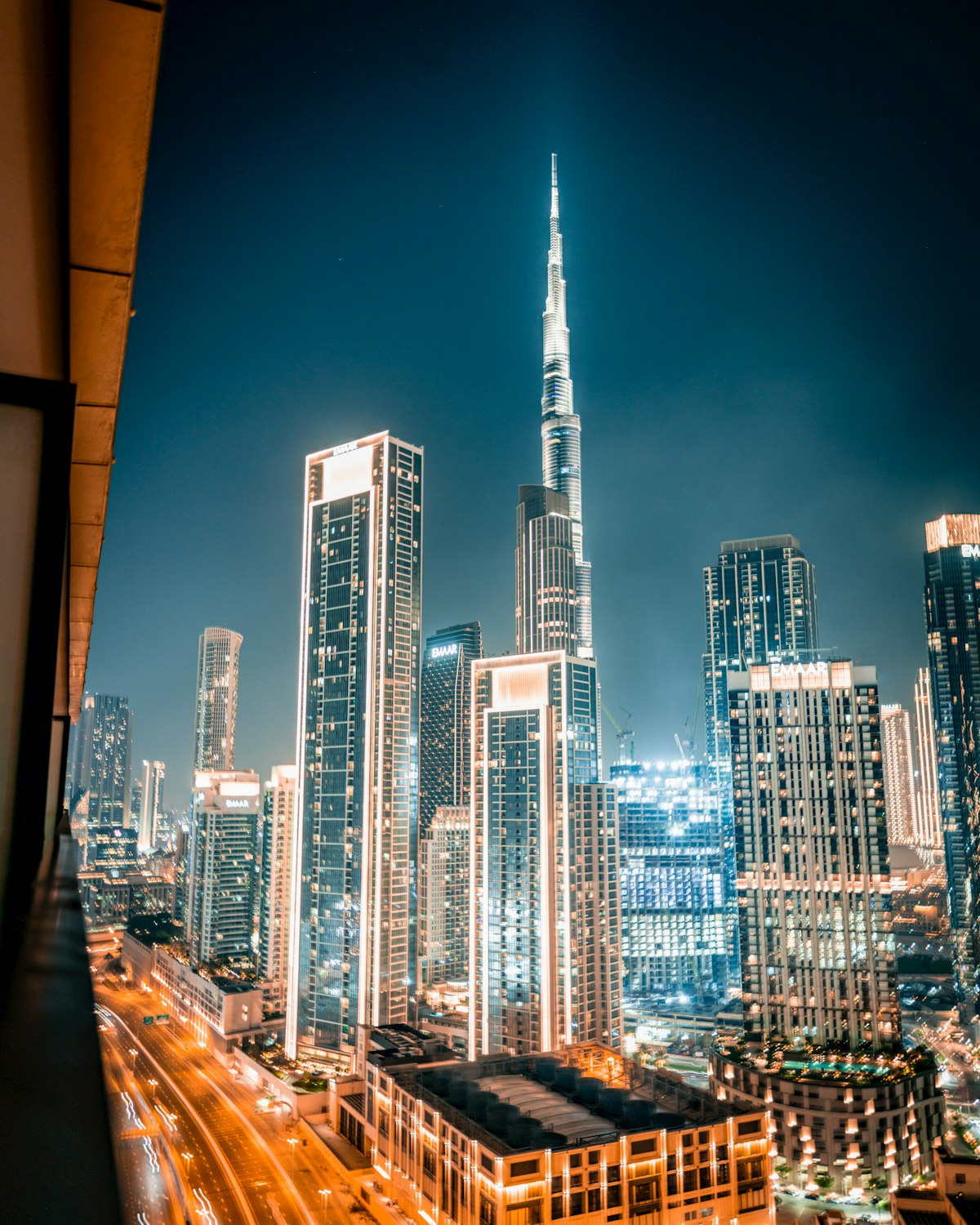
Dubai
United Arab Emirates
A city where timing is everything — the difference between October (perfect beach weather, outdoor dining, world-class events) and July (45°C, functionally unbearable outdoors) is the same destination with opposite verdicts.
Jordan
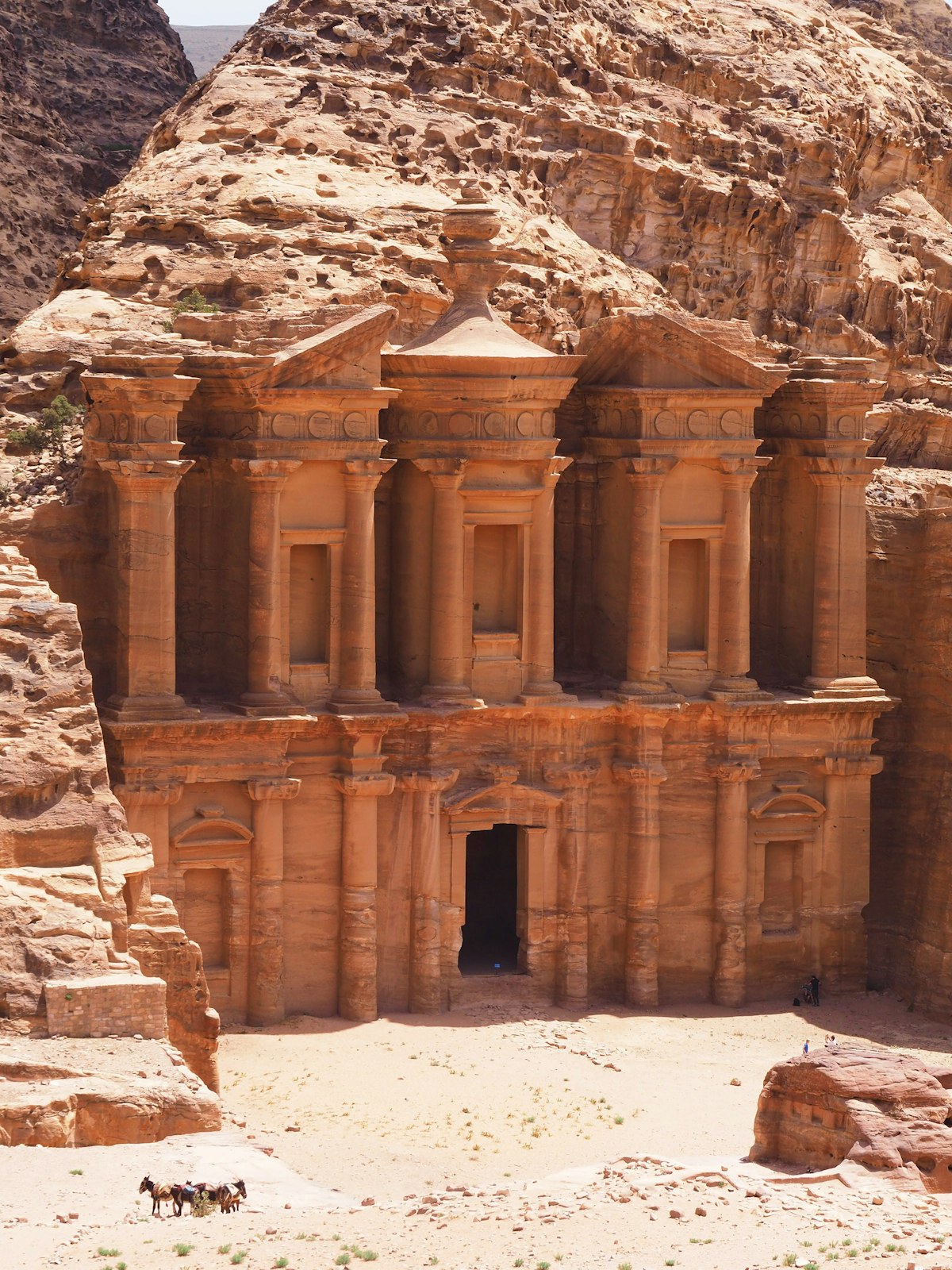
Jordan
A desert kingdom of extraordinary depth — the rose-red city of Petra carved by the Nabataeans, the silence of Wadi Rum's vast sandstone desert, the lowest point on Earth at the Dead Sea, and the Islamic architecture of Amman; Jordan is the Middle East at its most accessible and most magnificent.
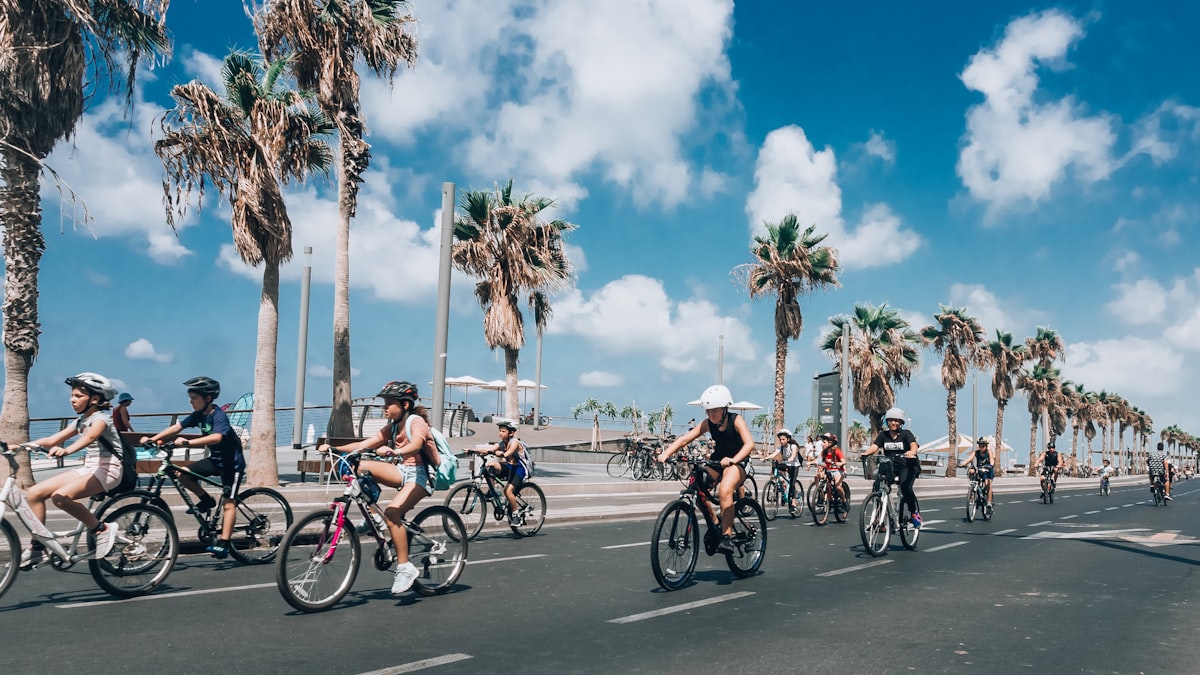
Tel Aviv
Israel
The Middle East's most surprising city — a secular, beach-facing metropolis where UNESCO Bauhaus architecture meets the best hummus of your life, a nightlife scene that doesn't blink until sunrise, and a Levantine food culture that's reshaping how the world thinks about vegetables.
Month by month breakdown
January#1▾
Gains
- ↑January delivers Oman's best travel conditions — 26°C average highs with low humidity (55%), 8.5 sunshine hours daily, and cool enough nights (18°C) to make evening outdoor dining comfortable. This is the weather that positions Muscat as one of the most consistently pleasant winter sun destinations in the world for Northern European and North American visitors. The Muscat Festival (typically January–February, spanning the entire month) transforms the city with cultural performances, traditional souqs, fireworks at the Qurum Natural Park, and entertainment from across the Arab world.
- ↑Wadi exploration — one of Oman's signature outdoor experiences — is at its most comfortable in January. Wadi Shab (a 2-hour drive south of Muscat), with its turquoise pools accessible by boat crossing and a 30-minute hike, and Wadi Bani Khalid in the Al Sharqiyah region are both at their most rewarding in winter sun without the heat that makes them uncomfortable in March and April. Wadi exploration typically costs OMR 5–10 per person with a local guide.
- ↑The Sultan Qaboos Grand Mosque (one of the largest mosques in the world, with a hand-knotted Iranian carpet measuring 70m x 60m — the second largest single-piece carpet in the world) is open to non-Muslim visitors in the mornings (Saturday–Thursday, 8–11am). In January's comfortable temperatures the surrounding gardens and the architecture of the main prayer hall and minaret complex can be appreciated fully. The chandelier in the main prayer hall contains 1.1 million Swarovski crystals.
Sacrifices
- ↓January peak season pricing is real — 5-star hotels in the Al Qurum and Shatti Al Qurum areas (Shangri-La Muscat, Grand Hyatt, Intercontinental) charge OMR 120–200 per night during the Muscat Festival, compared to OMR 60–90 in summer. Booking 2–3 months in advance is recommended for quality properties.
- ↓The Muscat Festival crowds in Qurum Natural Park on event evenings can be substantial — thousands of Omani families attend, and the surrounding road network manages this imperfectly. Planning Festival visits with transport flexibility is advisable.
February#3▾
Gains
- ↑February conditions are virtually identical to January — 28°C, low humidity, brilliant sunshine — and represent the tail end of the Muscat Festival period before visitor volumes begin easing. The combination of comfortable hiking weather and the peak of the tourist season means organised tours to Nizwa Fort (170km southwest), the Wahiba Sands desert, and the Musandam fjords (accessible by 1-hour flight or ferry from Muscat) are well-organised and available daily.
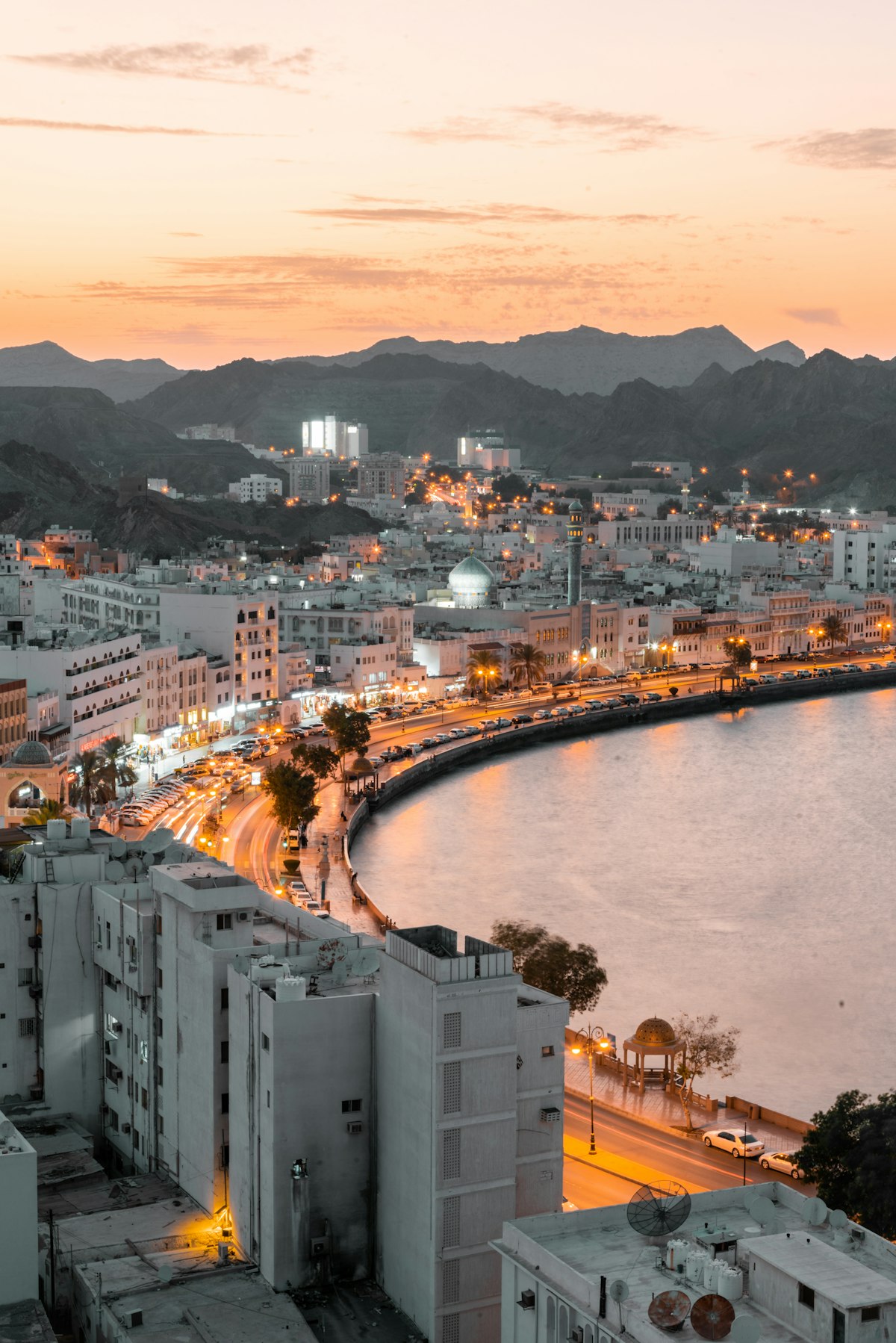
- ↑The Mutrah Corniche (the old harbour waterfront promenade running between the ancient fort and the Mutrah Souq) is best walked in February's mild evenings — the dhow harbour, the incense smoke from the souq, and the illuminated fort walls create an atmosphere that other Gulf cities attempt to replicate without ever quite achieving it. The Mutrah Souq itself, with its frankincense resins (priced OMR 0.5–5 per 100g depending on grade), khanjar daggers, and traditional silverwork, remains one of the genuinely authentic Arabian souq experiences.
- ↑Dolphin watching in the waters off Muscat is excellent in February — pods of spinner and common dolphins follow the dhow tour boats from Mutrah harbour regularly, and the humpback dolphin populations of the northern Oman coast are resident year-round. A 2-hour dolphin watching cruise costs approximately OMR 15–20 per person.
Sacrifices
- ↓February hotel rates match January's peaks as both months form the core of the high season. The combination of peak demand and Oman's still-limited hotel room inventory makes last-minute booking at reasonable rates genuinely difficult.
- ↓The most popular wadi and mountain destinations (Jebel Akhdar, Wadi Shab) become noticeably busier in February as tour groups from Europe and East Asia arrive in volume. The Jebel Akhdar rose farms and the Al Ain viewpoint above the Hajar Mountains are worth visiting but require early morning timing to avoid tour group density.
March#5▾
Gains
- ↑March represents the last month before the Muscat heat becomes a meaningful constraint on daytime outdoor activities. At 31°C average high with modest humidity, outdoor wadi exploration and mountain hiking remain fully viable with appropriate hydration and timing — early morning departures before 9am and afternoon returns after 4pm are sufficient to manage the heat. The Jebel Shams (Oman's Grand Canyon, 237km from Muscat) is best visited in March before April temperatures make the descent uncomfortable.
- ↑Tourism volumes ease in March as the school-holiday peak passes and European winter-escape travel season winds down. Hotel rates drop 15–25% from January-February peaks, and the most popular sites (Sultan Qaboos Grand Mosque, Nizwa Fort) become more accessible. The Mutrah Souq is best explored in March when the frankincense vendors have settled into their post-festival pace.
- ↑March is the beginning of the fishing season for several Omani coastal species, and the fish market at Mutrah (operating from 4–6am for wholesale, 7–10am for retail) is at its most varied and active. Kingfish, barracuda, and hammour (grouper) are the most prized catches — the market is one of the most authentic cultural experiences Muscat offers.
Sacrifices
- ↓The heat in March (31°C) requires genuine adjustment compared to January's 26°C — outdoor midday activities become uncomfortable rather than pleasant, and the strategy of early-morning and late-afternoon exploration that works throughout the cooler months becomes more necessary in March.
- ↓Oman's National Day preparations begin and some accommodation rates in the capital experience localized pricing pressures around national holidays. The exact dates require monitoring.
April#7▾
Gains
- ↑April's rising temperatures (36°C) drive tourist volumes down and hotel prices with them — properties that cost OMR 150 in January are available for OMR 90–110 in April. The city's indoor cultural infrastructure — the Muscat Grand Mall, the National Museum of Oman (Ruwi, opened 2016 with an extraordinary collection of Omani cultural artefacts), and the Sultan Qaboos Grand Mosque — are all air-conditioned and function excellently regardless of outdoor heat.
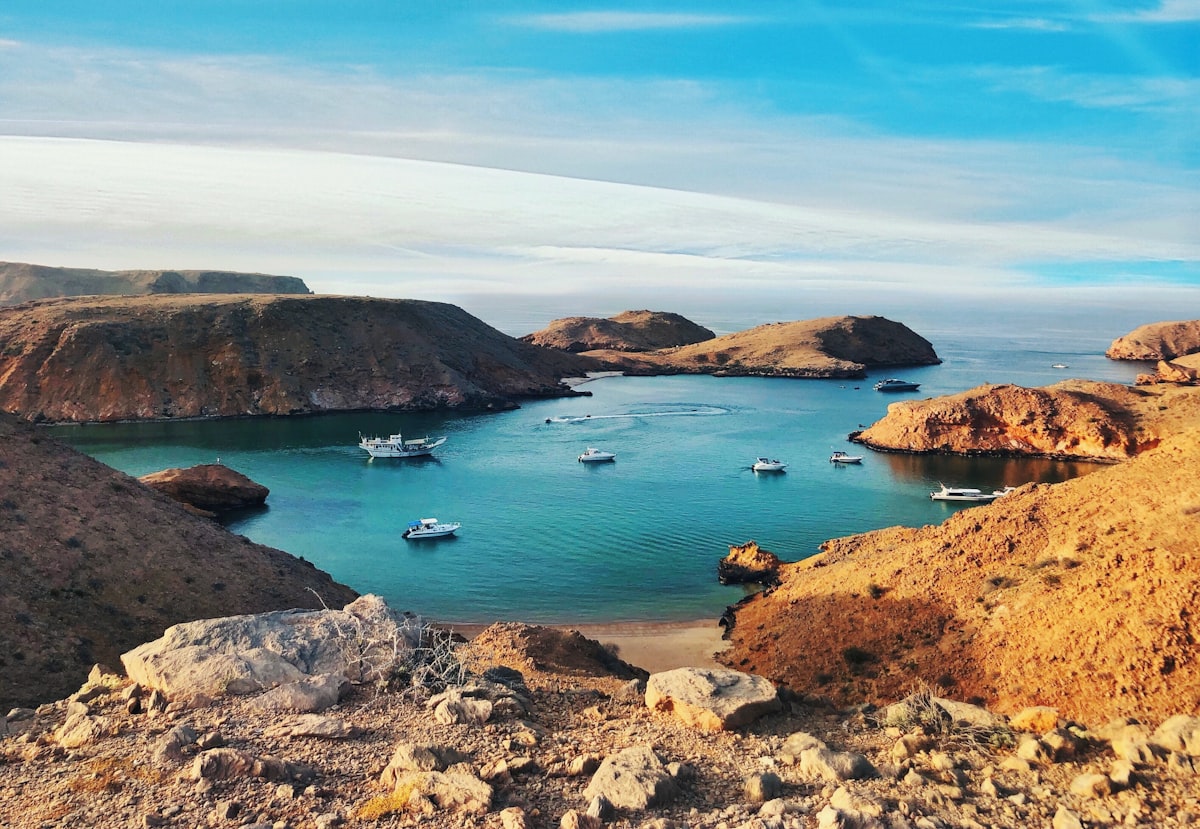
- ↑The Muscat coastline's clear water is excellent for snorkelling and diving in April — visibility is high, and the waters around Fahal Island (accessible by boat from Mutrah harbour) offer reef fish, turtles, and occasional dolphins within 30 minutes of the city. April sea temperatures of 26°C are warm enough for extended snorkelling.
- ↑Ramadan typically falls in or around April in recent years (dates shift annually) — if timing coincides, Muscat during Ramadan has a particular atmosphere that is genuinely memorable: the Iftar (breaking of fast at sunset) at hotel buffets is one of the great communal eating experiences of the Arab world, and the evening city culture from sunset to 2–3am has an energy entirely different from normal tourist expectations.
Sacrifices
- ↓April daytime heat (36°C, occasionally touching 38°C in the Muttrah and Al Qurum interior) makes outdoor activities genuinely difficult. Extended wadi walks, mountain hiking, and desert exploration require extreme early starts (pre-dawn departure) and excellent heat management — not suitable for casual outdoor planners.
- ↓Ramadan (if coinciding) affects restaurant availability during daylight hours — most restaurants in non-tourist areas are closed from sunrise to sunset, though hotels and tourist-facing establishments maintain full service. The social dynamics require cultural sensitivity.
May#9▾
Gains
- ↑May prices are among the year's lowest — the combination of peak heat and the departure of winter tourists means 5-star hotels operate at deep discounts. The Shangri-La Muscat, perched on its private bay with two beaches, operates its indoor pools and restaurants at full capacity during summer. The indoor infrastructure of Muscat's luxury hotels — spa, pool, restaurant, beach for cooler hours — provides a legitimate framework for a visit.
- ↑The Muscat duty-free and retail infrastructure (City Centre Muscat, Oman Avenues Mall) is world-class and operates in full air-conditioning regardless of outside temperature. Omani crafts, frankincense products, Royal Bahla pottery, and khanjar daggers are all available at lower prices in Muscat than anywhere else in the region — a pure shopping trip is economically efficient in May.
- ↑Cooler first and last hours of daylight (6–7am and 6–7pm) allow brief outdoor exposure — the Mutrah Corniche at 6am is genuinely beautiful with dhow crews preparing for the day, and the evening sunset over the Gulf is accessible from Al Qurum Beach as temperatures drop to 30°C.
Sacrifices
- ↓May is genuinely hot — 40°C daytime highs with intense sun create conditions where unshaded outdoor time beyond 15–20 minutes is inadvisable for most visitors. The entire outdoor recreational offering of Oman (wadis, mountain hiking, desert camping) is effectively unavailable without extreme preparation.
- ↓The low tourist volume means some tour operators reduce schedules or cancel departures without minimum group numbers — booking activities requires checking viability in advance, as the infrastructure partially hibernates.
June#12▾
Gains
- ↑June offers the best hotel value of the entire year — 5-star properties in the Al Qurum and Shatti Al Qurum beachfront areas that cost OMR 150–200 in winter are available for OMR 50–75 in June. Visitors whose priority is interior luxury experiences (spa weeks, beach resort relaxation in air-conditioned cabanas, diving excursions in the cooler early morning) can access world-class facilities at a fraction of peak pricing.
- ↑The Salalah Khareef season begins in June, making southern Oman (Salalah, 1,000km south) an entirely different destination that has its own unique appeal — the monsoon transforms the arid Dhofar mountains into green meadows, with waterfalls, mist, and temperatures of 25°C while Muscat bakes at 42°C. A 2-hour Oman Air flight makes the combination viable within a single trip.
- ↑Scuba diving off Muscat in June has excellent visibility and warm water (30°C) — the Daymaniyat Islands Nature Reserve, a 30-minute boat ride from the Muscat coast, is protected and home to green turtles, rays, and reef shark. Early morning dives (6–8am) are comfortable before the heat becomes extreme.
Sacrifices
- ↓June in Muscat is among the hottest conditions experienced in any major city on earth — 42°C average highs with overnight lows that don't drop below 30°C. The city functions entirely around air conditioning; walking between buildings or sitting in a car that's been parked requires acclimatisation that most visitors are not prepared for.
- ↓The tourist infrastructure is at minimal capacity — tour operators, cultural event organisers, and many expatriate-facing businesses reduce hours or close temporarily in June. The city exists primarily for its working population rather than visitors.
July#10▾
Gains
- ↑July hotel prices represent the absolute floor of the Muscat market — 5-star luxury properties charge OMR 45–65 per night, which places world-class luxury hospitality within the budget of travellers who would otherwise never access these properties. The pool facilities, spa infrastructure, and beach clubs of the Shangri-La and Grand Hyatt operate normally for their (very small) summer guest population.
- ↑Muscat airport is one of the great transit hubs of the Middle East, with Gulf Air and Oman Air connections throughout Asia, Africa, and Europe — Muscat in July can be a practical stopover destination for long-haul routes that pass through the Gulf, with the bonus of seeing the city at minimal cost.
- ↑The Salalah Khareef Festival (usually late July through August) makes southern Oman an excellent alternative destination within the same country — the green Dhofar mountains, the frankincense groves at their most productive, and temperatures of 25°C make Salalah one of the world's most underrated summer destinations.
Sacrifices
- ↓July is simply Muscat at its extreme — 40°C daily highs, humidity occasionally spiking when the tail of the Arabian Sea monsoon reaches the coast, and conditions where any unshaded outdoor activity beyond a few minutes is inadvisable. The city is not particularly enjoyable as a sightseeing destination in July.
- ↓Humidity increases in July compared to May and June as the southwest monsoon approaches the Omani coast — 57% average is still modest, but on humid days the heat index in coastal areas can make conditions feel closer to 50°C. This is a meaningful increase over June's relatively dry heat.
August#11▾
Gains
- ↑August represents the single cheapest month to visit Muscat — hotel rates are at their annual minimum, and the combination of summer discounts across restaurants, tour operators, and shopping malls means the overall cost of an Omani holiday in August is 50–60% below winter equivalents. For visitors whose trip is primarily structured around indoor luxury and brief outdoor excursions, August offers excellent return on investment.
- ↑The sea in August, despite the heat, is very warm (31°C) and the underwater visibility from diving is good. The Daymaniyat Islands (protected marine area) and the waters off Bandar Jissah (adjacent to the Shangri-La private bay) offer turtle encounters that are effectively guaranteed in August as green turtles are at peak nesting activity on Oman's beaches.
- ↑Turtle nesting season peaks in August at Ras al Jinz Turtle Reserve (320km southeast of Muscat) — the only place in the world where Arabian green turtles nest, with night tours running year-round but peak activity in July–August. The 4-hour drive from Muscat makes it an overnight trip.
Sacrifices
- ↓August humidity (62% average, peaking at 75–80% on the most uncomfortable days) combined with 38°C temperatures creates a heat index that makes even brief outdoor exposure exhausting. The Gulf Coast humidity is qualitatively different from the dry desert heat of May and June — visitors acclimated to one should not assume they will manage the other equally well.
- ↓The city's expatriate population (roughly 40% of Muscat's workforce) takes significant summer leave in August, reducing the customer base for restaurants and cafés outside the major malls. Some independent restaurants operate reduced menus or hours.
September#8▾
Gains
- ↑September temperatures, while still extreme (38°C), begin their seasonal decline from the July-August peaks. The pace of decline is gradual but real — by late September, comfortable outdoor evenings on the Mutrah Corniche return from around 6pm, and the weekend camping culture among Omani families at wadi sites begins with the first brave early-season expeditions.
- ↑Hotel rates remain at summer lows in September, providing a final month of deeply discounted access to Muscat's luxury hotel infrastructure before October pricing rises. The Chedi Muscat in Madinat Qaboos — arguably the finest hotel in Oman, designed by Jean-Michel Gathy — drops to OMR 80–100 per night in September compared to OMR 200+ in winter.
- ↑Oman's National Day (November 18, the birthday of the late Sultan Qaboos, now continued as a national holiday) is preceded by cultural preparations that begin building in September — public buildings begin displaying the characteristic Omani flag illuminations and tribal decorations that culminate in one of the most atmospheric civic celebrations in the Gulf.
Sacrifices
- ↓September is effectively still summer in terms of outdoor activity restriction — the cooling is real but incremental, and the 11am–5pm period remains genuinely extreme for outdoor activity. The outdoor Oman experience (wadis, desert, mountain hiking) is still not viable at this time of year.
- ↓The city's tourism infrastructure remains on summer footing in September — reduced tour group schedules, limited cultural event programming, and the same indoor-oriented pattern that defines June through August.
October#6▾
Gains
- ↑October marks the return of the outdoor Oman season — 35°C is manageable rather than extreme, and early-morning wadi trips (6–9am) and late-afternoon mountain visits (4–6pm) are fully viable. The Hajar Mountains and the Jebel Akhdar plateau above Nizwa reach comfortable hiking temperatures by mid-October, and the Omani camping culture begins returning to the wadis in earnest. The cooler overnight temperatures (25°C) begin making desert camping in the Wahiba Sands feasible.
- ↑October hotel pricing represents the transition from summer discounts to winter premiums — a good value window where summer-low rates still largely apply but the weather is becoming genuinely usable. Booking October well in advance as this window is increasingly known to experienced Oman visitors.
- ↑The Omani weekend camping culture that is one of the country's most distinctive social rituals begins its season in October — Omani families set up elaborate camps in wadis and beach areas, with fires, Arabic coffee, and a warmth of interaction with foreign visitors that is characteristic of Oman more broadly. The Bimmah Sinkhole (2 hours south of Muscat, a collapsed limestone cavern now filled with turquoise saltwater) is swimmable in October at more comfortable temperatures than winter's sometimes-bracing clear pools.
Sacrifices
- ↓October remains meaningfully hot by most standards — 35°C average highs require sun protection, hydration, and heat-conscious planning. The window for comfortable outdoor activity is still limited to early morning and late afternoon; midday exploration remains ill-advised.
- ↓The tourism season has not fully resumed in October — some tour operators are still running reduced schedules, and the full range of guided experiences available in December through February is not consistently operational.
November#4▾
Gains
- ↑November is the beginning of Oman's prime travel season — temperatures at 31°C average are warm enough for winter sun seekers from Europe while cool enough for full-day outdoor activity without heat management planning. Wadi Shab, the Wahiba Sands desert, and the Jebel Shams canyon are all fully accessible and tours are operating at peak frequency. The National Day celebrations (November 18) provide an additional cultural dimension — military parades, illuminations across the capital, and fireworks at Al Qurum Amphitheatre.
- ↑November is when the Muscat seafood season is most varied — the fish market at Mutrah harbour is supplied by the full range of Gulf species including the prized Omani lobster (shrimp are exported, but local lobster is available at market), and the restaurant infrastructure of the Shatti Al Qurum area is operating at peak capacity with seasonal menus.
- ↑The Musandam Peninsula fjords (a separate Omani exclave on the tip of the Arabian Peninsula, 1-hour flight from Muscat or 6-hour road trip through UAE) are at their most beautiful in November — the dramatic limestone khors (fjords) with their traditional dhow traffic, dolphins, and mountain backdrop are a genuinely extraordinary landscape. November sea conditions make dhow trips calm and comfortable.
Sacrifices
- ↓November prices are rising from summer lows as the high season approaches — 5-star hotel rates move from OMR 75 (October) toward OMR 110–130 (November). The progression from affordable to expensive accelerates through the month as December bookings fill.
- ↓National Day (November 18) causes significant local traffic and event-related accommodation surges around that specific date — planning around the holiday or booking central Muscat accommodation at least 6 weeks in advance is advisable.
December#2▾
Gains
- ↑December delivers nearly identical conditions to January — 28°C, 55% humidity, 8.5 sunshine hours — and represents the beginning of Oman's finest travel window. The Muscat Festival preparations create a festive atmosphere in the capital through December, and the full suite of Omani outdoor experiences (Wahiba Sands overnight camping, Wadi Shab day trips, Jebel Akhdar rose terraces, Musandam fjord dhow cruises) are operating at peak frequency and organisation.
- ↑Christmas and New Year in Muscat is a full international hotel occasion — the 5-star properties (Chedi, Shangri-La, Grand Hyatt) run elaborate Christmas lunch and New Year's Eve gala dinners that are among the best table events in the Gulf. The city's large expatriate Christian community makes December a more festive month in Muscat than in most Muslim-majority destinations.
- ↑The Sultan Qaboos Grand Mosque in December morning light — after the first autumn rains have cleaned the air and the marble is at its most brilliant white — is among the most photographically rewarding visits in the Islamic world. The morning visiting hours (8–11am) before the midday prayer create a window where the mosque can be appreciated in its proper context of devotion rather than pure tourism.
Sacrifices
- ↓Christmas and New Year hotel rates spike significantly in December — New Year's Eve gala dinner packages at 5-star Muscat hotels cost OMR 100–150 per person, and the rooms for the Christmas-New Year week are priced at annual maximums. Book December Muscat well in advance.
- ↓The New Year period brings the highest international visitor volumes of the year — popular sites like the Grand Mosque and Nizwa Fort become meaningfully crowded during the last week of December, and the Mutrah Souq operates under holiday conditions with adjusted pricing for tourist-facing products.
How this is calculated
Climate data
Open Meteo ERA5
30-year normals (1991–2020). Temperature, rainfall, sunshine, humidity.
Price & crowd
Tourism research
Seasonal pricing from tourism authority data. Directional — compares months within a destination only.
Personalisation
Weighted scoring
Your priorities change the weights. Budget-first users get different results than weather-first users.
Share this result
January is the best time to visit Muscat
Travel timing updates
New destinations and timing guides, when they land.
No spam. Unsubscribe anytime.