Hawaii · Unsplash / Unsplash
United States · North America
Best time to visit Hawaii
May
May scores highest overall — reliable weather and good value. Set your priorities below to personalise this result.
What matters most to you?
All 12 months — click any to expand
May
Unsplash / Unsplash
The best month nobody talks about — near-summer weather at shoulder prices with empty beaches.
29°C
High
24°C
Low
24mm
Rain
8.5h
Sun/day
What you gain
- ↑May delivers summer-quality weather — just 24mm of rain, 8.5 sunshine hours daily, and temperatures reaching 29°C — with none of summer's prices or crowds; it is statistically the best month for value-to-conditions ratio across the Hawaiian islands
- ↑Lei Day (May 1) is the Hawaiian cultural celebration of flowers and community — a genuine local event rather than a tourist production, with lei-making competitions, hula performances, and outdoor markets that offer an authentic entry into Hawaiian culture
- ↑Snorkelling conditions on all islands reach their seasonal peak in May: water clarity is excellent, reef fish populations are active, and the calm post-whale-season water makes Molokini Crater (Maui), Hanauma Bay (Oahu), and Kealakekua Bay (Big Island) accessible to all skill levels
What you sacrifice
- ↓Memorial Day weekend (end of May) brings a sharp demand spike — the final days of May see a significant jump in domestic US travel and prices; book accommodation for the Memorial Day long weekend well in advance or accept higher rates
- ↓Some visitor attractions and beach concessions are not yet at full summer hours in early May — a handful of seasonal operations (paddleboard rentals, snorkel tours on certain islands) are still in shoulder-season mode
- ↓May is genuinely post-whale season — anyone specifically visiting for humpback sightings will be disappointed; the whale boats still run but sightings are sporadic rather than reliable
May scores highest overall — reliable weather and good value. Set your priorities below to personalise this result.
May
The best month nobody talks about — near-summer weather at shoulder prices with empty beaches.
29°C
High
24mm
Rain
8.5h
Sun
- ↑May delivers summer-quality weather — just 24mm of rain, 8.5 sunshine hours daily, and temperatures reaching 29°C — with none of summer's prices or crowds; it is statistically the best month for value-to-conditions ratio across the Hawaiian islands
- ↑Lei Day (May 1) is the Hawaiian cultural celebration of flowers and community — a genuine local event rather than a tourist production, with lei-making competitions, hula performances, and outdoor markets that offer an authentic entry into Hawaiian culture
- ↑Snorkelling conditions on all islands reach their seasonal peak in May: water clarity is excellent, reef fish populations are active, and the calm post-whale-season water makes Molokini Crater (Maui), Hanauma Bay (Oahu), and Kealakekua Bay (Big Island) accessible to all skill levels
- ↓Memorial Day weekend (end of May) brings a sharp demand spike — the final days of May see a significant jump in domestic US travel and prices; book accommodation for the Memorial Day long weekend well in advance or accept higher rates
- ↓Some visitor attractions and beach concessions are not yet at full summer hours in early May — a handful of seasonal operations (paddleboard rentals, snorkel tours on certain islands) are still in shoulder-season mode
- ↓May is genuinely post-whale season — anyone specifically visiting for humpback sightings will be disappointed; the whale boats still run but sightings are sporadic rather than reliable
Top travel windows
★ BestMay
Best overall
Highest combined score
29°C
High
24mm
Rain
8.5h
Sun
★ BestMay
Best for value
Lowest prices & fees
29°C
High
24mm
Rain
8.5h
Sun
★ BestMay
Fewest crowds
Quietest month
29°C
High
24mm
Rain
8.5h
Sun
Breakdown by priority
Best for weather
May
29°C high · 24mm rain · 8.5hrs sun/day
Best for budget
May
May delivers summer-quality weather — just 24mm of rain, 8.5 sunshine hours daily, and temperatures reaching 29°C — with none of summer's prices or crowds; it is statistically the best month for value-to-conditions ratio across the Hawaiian islands
Fewest crowds
May
May delivers summer-quality weather — just 24mm of rain, 8.5 sunshine hours daily, and temperatures reaching 29°C — with none of summer's prices or crowds; it is statistically the best month for value-to-conditions ratio across the Hawaiian islands
Where to base yourself in Hawaii
All regions →Oʻahu
Honolulu, Waikiki, Pearl Harbor, and the world's most famous surf — Hawaii's most urban and accessible island.
10/10
Central
7/10
Walk
8/10
Transit
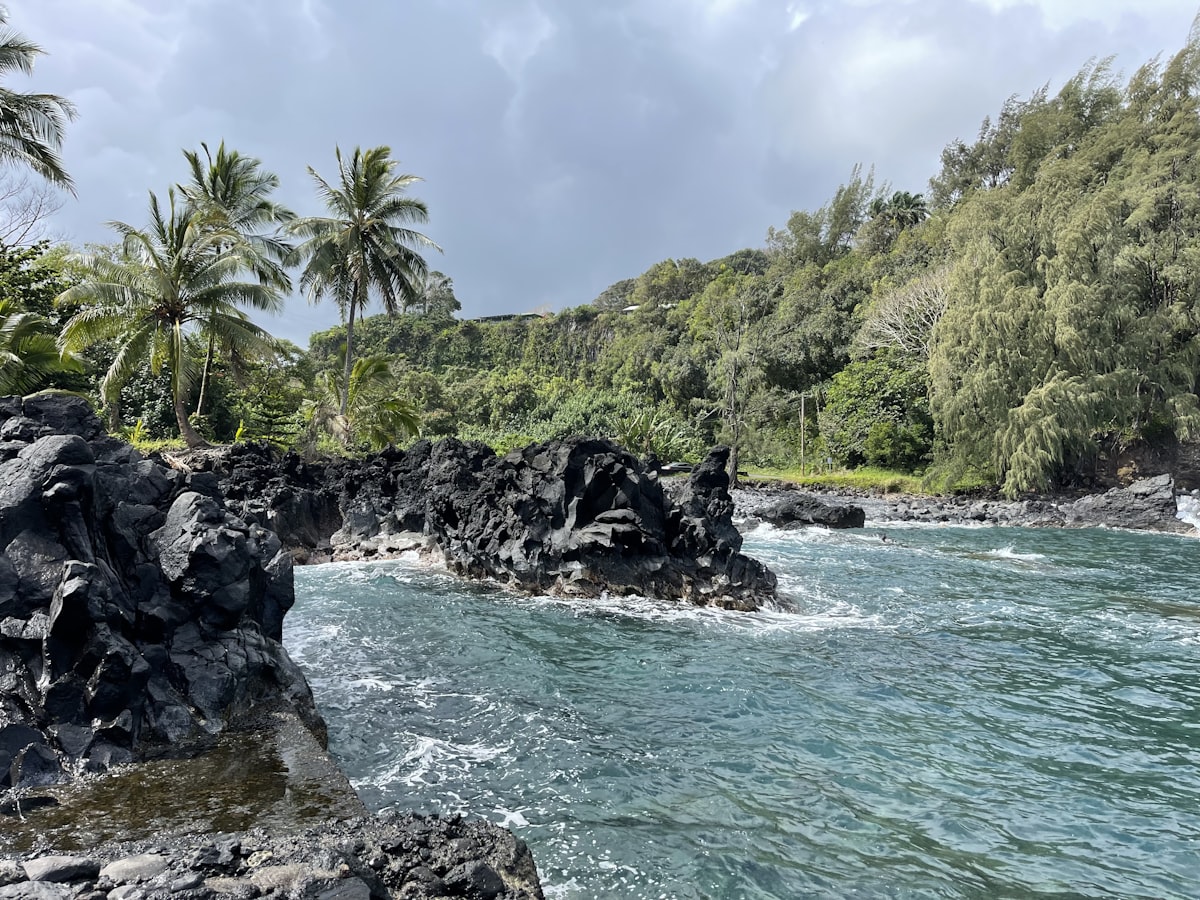
Maui
The Valley Isle — the most complete Hawaii experience: whale watching, Road to Hana, Haleakalā crater, and the best resorts in the state.
9/10
Central
5/10
Walk
5/10
Transit
Also exploring
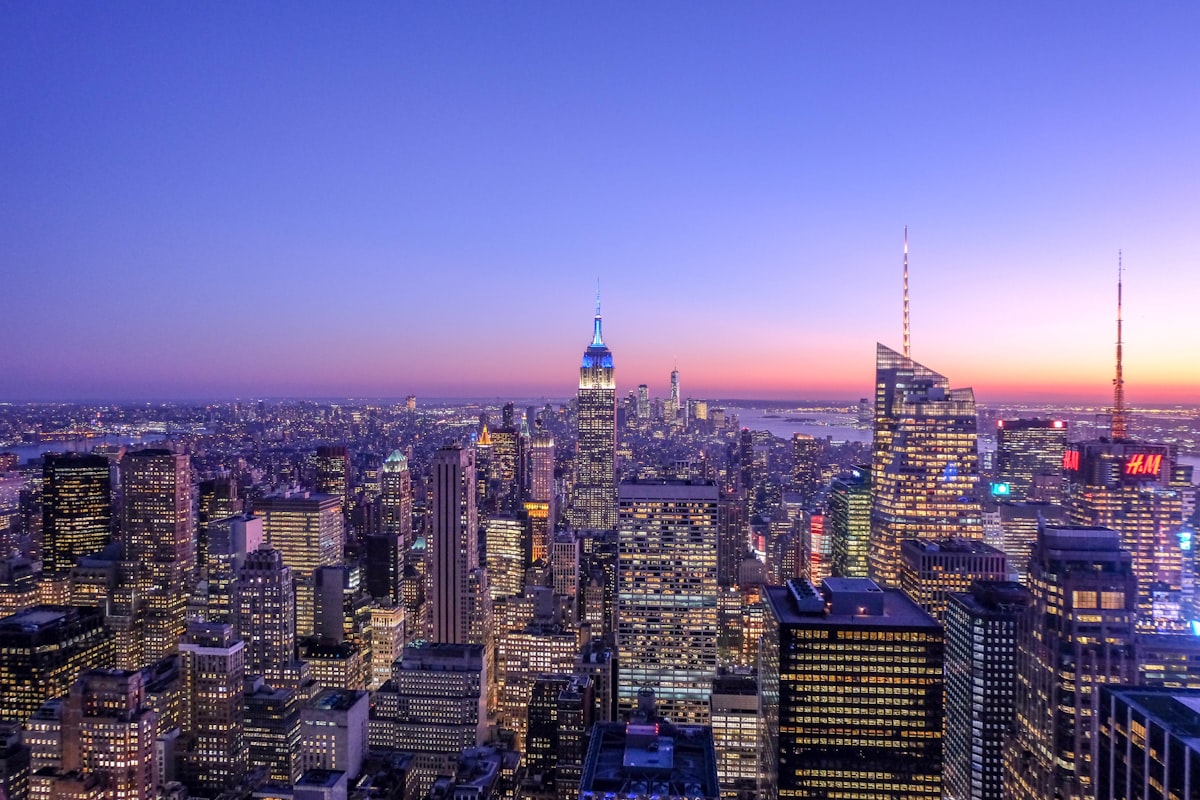
New York
USA
A city that never fully quiets — but its personality shifts dramatically by season, from sweltering humid summers to crisp autumn perfection to blizzard-prone winters.
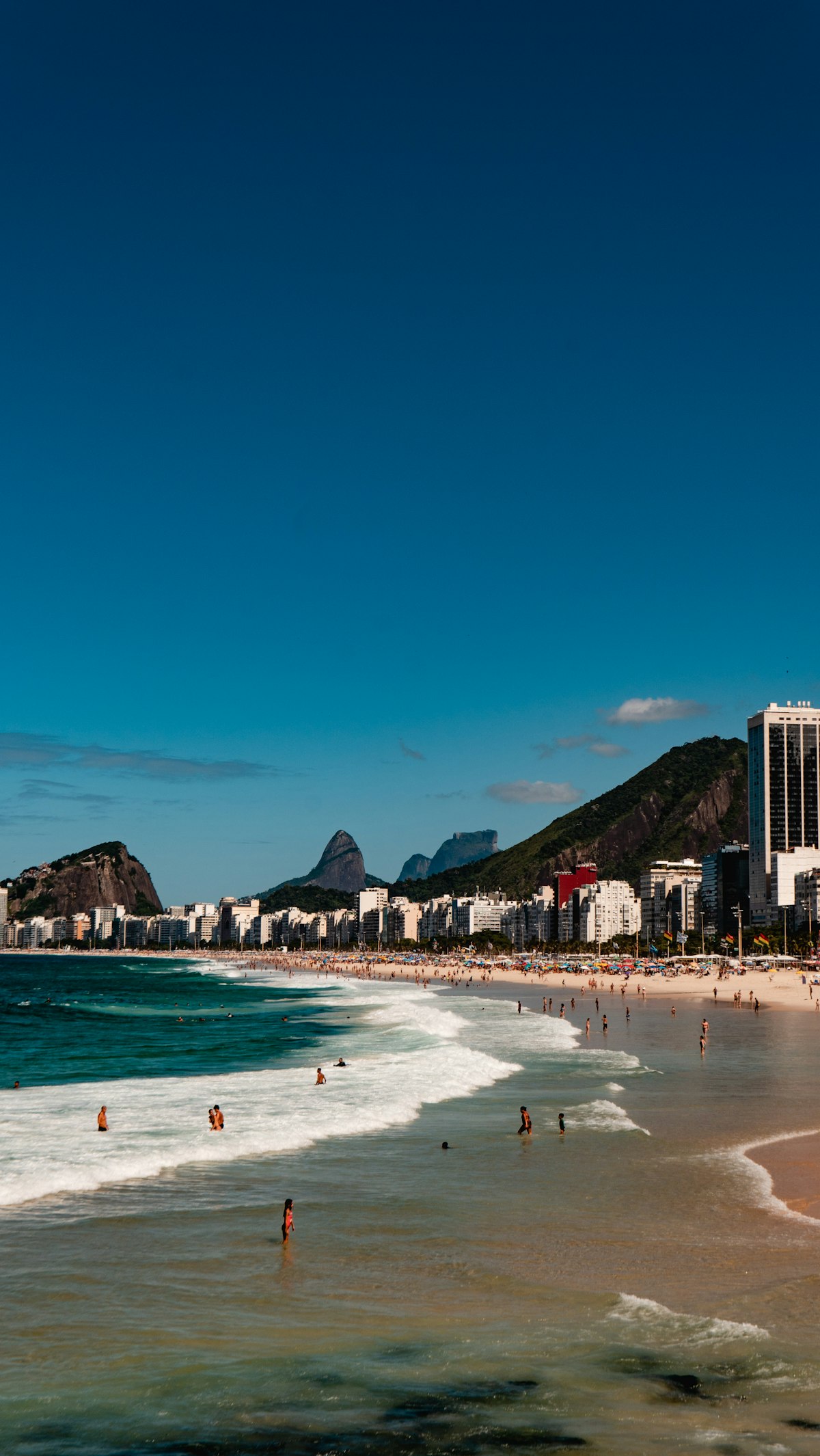
Rio de Janeiro
Brazil
A Southern Hemisphere city where summer (December–March) brings Carnival and 264mm of rain simultaneously, and the real sweet spot is the dry Southern winter — June to September — when most travellers don't think to come.
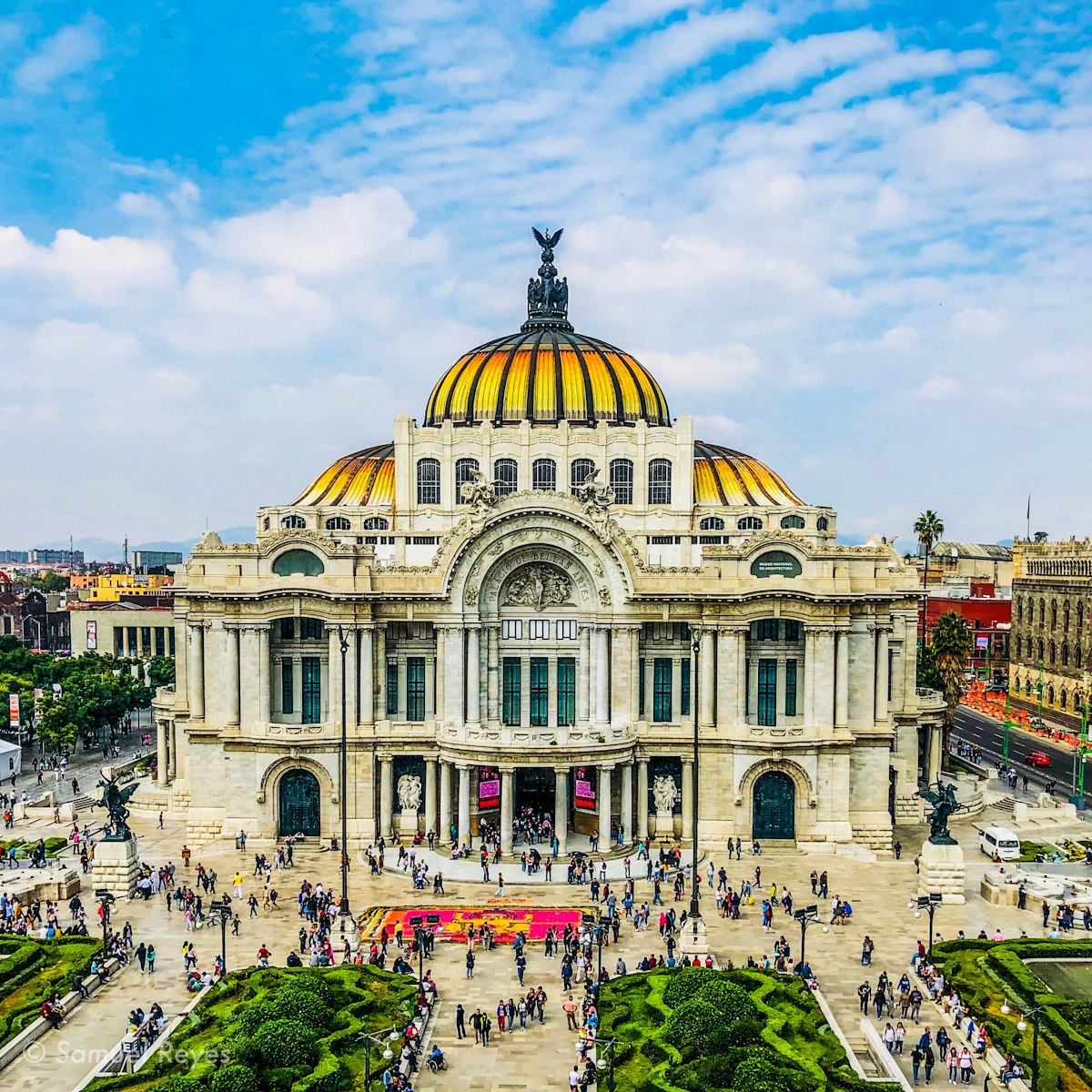
Mexico City
Mexico
A highland metropolis at 2,240 metres where the altitude tempers the heat to perpetual spring in the dry months, Día de Muertos transforms Mixquic and Azcapotzalco into one of the world's great ceremonies, and the October–April dry season gives the clearest conditions for exploring what is genuinely one of the planet's finest food, museum, and architecture cities.
Worth knowing
May scores highest overall. July is the most crowded month — avoid if you can. See crowd-free ranking →
Month by month breakdown
January#10▾
Gains
- ↑Humpback whale season (January through May) is one of the most reliable whale watching experiences on Earth — Hawaii's waters host 10,000+ North Pacific humpbacks annually, and Maui's Auau Channel is the world's primary breeding ground; surface activity including breaches, tail slaps, and spy-hops is extraordinary from December through April
- ↑North Shore Oahu surf is at its peak in January — the famous Banzai Pipeline and Sunset Beach break at heights of 15–25 feet, and while the Eddie Aikau competition requires a 40-foot swell, watching any January swell from the shore is genuinely spectacular
- ↑Post-New Year pricing softens slightly from Christmas peaks — mid-January to late January is the best value window of the winter high season, and hotel availability improves after the holiday rush
Sacrifices
- ↓January is among the rainiest months of the year: 78mm across the islands (predominantly on the north and east-facing windward coasts) means rainy days are common, particularly on Maui's Road to Hana side and Kauai's North Shore
- ↓Post-Christmas demand keeps prices elevated through January — airfares and accommodation remain well above the shoulder season rates of April–May, and quality properties need booking months in advance
- ↓North Shore surf makes the water completely un-swimmable on Oahu's north coast from October to April — surf is spectacular to watch but the safe swimming beaches are on the south shore (Waikiki) or in protected coves
February#8▾
Gains
- ↑February is statistically the peak month for humpback whale activity in Hawaiian waters — cow-and-calf pairs are most frequently sighted, and the male singing (audible underwater at 20–30 metres depth with a snorkel) creates an experience found nowhere else on Earth
- ↑Sunshine hours improve from January — 7.0 hours daily is meaningfully better than the 6.5–6.8 of the surrounding winter months, and extended dry spells are more common; the south and west coasts of Maui and Oahu can deliver run of beautiful beach days
- ↑Valentine's Day drives significant couples travel, but also brings discounts at resorts: many Maui luxury properties offer Feb 14 promotions on extended stays booked in advance, making this a good window for high-end romance travel
Sacrifices
- ↓Humpback whale season means whale-watching boat trips sell out weeks in advance — book a reputable operator (Pacific Whale Foundation, Trilogy) well before arrival or plan on early-morning standby queues
- ↓February remains in the winter wet season: the northern and eastern shores of all islands continue to receive regular rain showers, and Kauai's famed Na Pali Coast viewpoints can be obscured for days at a time in cloud
- ↓Mid-range accommodation is expensive year-round, but February's Valentine's premium can push certain properties and packages to their highest rates of the year outside of Christmas week
March#6▾
Gains
- ↑The winter rains begin to ease in March — rainfall drops to 65mm, sunshine hours climb to 7.5 daily, and the trade wind weather patterns that define Hawaiian summer begin to establish on the drier south and west coasts
- ↑Road to Hana (Maui) is at its most spectacular in the weeks following the winter rains: the 64-mile road winds past 600 waterfalls, and March sees them running at full volume with lush, soaked vegetation at its most vivid green before the dry summer sets in
- ↑Humpback whale season continues through March and into April — this is the final reliable month before the whales begin their migration north, and sightings remain excellent; a March visit captures the season's end with improving beach weather
Sacrifices
- ↓Spring break (mid-March to early April) sends US mainland families to Hawaii in large numbers — Waikiki, Kaanapali beach, and Kona Coast resorts spike in occupancy and price during the school holiday window
- ↓The transition from winter to spring can be unpredictable: some March weeks deliver perfect blue-sky beach days while others see sustained cloudy spells; flexibility in plans is more valuable in March than in July
- ↓North Shore Oahu surf remains significant into March — the famous breaks are still producing large swells and north coast beaches remain unsafe for casual swimming through the month
April#3▾
Gains
- ↑April represents the best value window for weather-to-price ratio in the Hawaiian calendar: rainfall has dropped to just 32mm, sunshine reaches 8.0 hours daily, and mid-April to early June delivers near-perfect beach conditions at rates well below the June–August peak
- ↑North Shore surf season has ended for the year — all beaches across all islands are now safe for swimming, and the dramatic pipeline waves have given way to the calm protected water ideal for snorkelling, paddleboarding, and beginner surfing
- ↑Merrie Monarch Festival (typically April, Hilo on the Big Island) is the most prestigious hula competition in Hawaii — a week-long celebration of Hawaiian culture including chant, dance, and music that is one of the most authentic cultural events in the Pacific
Sacrifices
- ↓Late April sees Easter holiday demand — the week around Easter can push prices toward spring-break levels depending on the calendar; check specific dates and book accommodation in advance for Easter week
- ↓The humpback whale season ends in April as the whales begin their migration to Alaska — late-April visitors may catch the final sightings, but early-April is the last reliable month for whale watching
- ↓Trade winds can be persistent in April — beneficial for keeping temperatures comfortable, but windy days on exposed beaches (particularly the south side of Maui and Kauai) can make beach time less relaxed than a summer calm day
May#1▾
Gains
- ↑May delivers summer-quality weather — just 24mm of rain, 8.5 sunshine hours daily, and temperatures reaching 29°C — with none of summer's prices or crowds; it is statistically the best month for value-to-conditions ratio across the Hawaiian islands
- ↑Lei Day (May 1) is the Hawaiian cultural celebration of flowers and community — a genuine local event rather than a tourist production, with lei-making competitions, hula performances, and outdoor markets that offer an authentic entry into Hawaiian culture
- ↑Snorkelling conditions on all islands reach their seasonal peak in May: water clarity is excellent, reef fish populations are active, and the calm post-whale-season water makes Molokini Crater (Maui), Hanauma Bay (Oahu), and Kealakekua Bay (Big Island) accessible to all skill levels
Sacrifices
- ↓Memorial Day weekend (end of May) brings a sharp demand spike — the final days of May see a significant jump in domestic US travel and prices; book accommodation for the Memorial Day long weekend well in advance or accept higher rates
- ↓Some visitor attractions and beach concessions are not yet at full summer hours in early May — a handful of seasonal operations (paddleboard rentals, snorkel tours on certain islands) are still in shoulder-season mode
- ↓May is genuinely post-whale season — anyone specifically visiting for humpback sightings will be disappointed; the whale boats still run but sightings are sporadic rather than reliable
June#5▾
Gains
- ↑June delivers peak beach conditions: just 12mm of rain across the month, 9 full sunshine hours daily, and 30°C water temperature — every beach on every island is at its most inviting, from Waikiki to Kauai's Poipu to Maui's Kapalua Bay
- ↑North Shore Oahu transforms completely from its winter self — the towering Pipeline waves have flattened to glassy 1-2 foot summer surf ideal for beginners; surf schools at Waikiki and Haleiwa are packed but fully operational, and sunset drinks at the Haleiwa bars are at their most atmospheric
- ↑King Kamehameha Day (June 11) is one of Hawaii's most important public holidays — the floral parade in Honolulu, with elaborate lei-draped horses and traditional canoe pageants, is one of the most visually spectacular events in the Hawaiian calendar and is free to attend
Sacrifices
- ↓Early summer prices are significantly higher than spring: June marks the start of Hawaii's most expensive travel period, and hotels across Maui, Kauai, and Oahu push into premium pricing — budget travellers visiting in June need to book months in advance or accept lower-rated properties
- ↓The summer crowds are building: US school holidays begin in mid-June and the family travel rush arrives fast; popular beaches (Waikiki, Poipu, Ka'anapali) get genuinely packed by late June
- ↓Trade winds, while welcome for cooling, can create choppy conditions on exposed north-facing beaches even in summer; the fully protected south and west coast beaches are the most consistent for calm flat-water days
July#9▾
Gains
- ↑July and August are tied for the best weather of the year: 9 sunshine hours daily, rainfall of just 15mm, and 31°C highs make every single day a beach day across every island — the reliability of July weather is unmatched in the Hawaiian calendar
- ↑4th of July celebrations in Hawaii are spectacular — Waikiki's fireworks over the Pacific, beach barbecues at every park, and a genuinely festive US-meets-tropics atmosphere that is unlike the holiday anywhere on the mainland
- ↑Maui's Kapalua Wine and Food Festival (July) is one of the US's most prestigious culinary events: held at the Ritz-Carlton Kapalua with vineyard dinners and chef demonstrations, it draws food-focused travellers willing to pay for world-class dining in paradise
Sacrifices
- ↓July is the most expensive month in the Hawaiian calendar: airfares from the US mainland and accommodation across all islands are at annual peaks, and a week in Maui or Kauai in peak July can cost double or triple the same trip in May
- ↓The beaches are the most crowded of the year — Waikiki becomes shoulder-to-shoulder at peak hours, popular Maui beaches (Ka'anapali, Wailea) require early arrival for parking, and Hanauma Bay's snorkel reservation system is booked out days in advance
- ↓Even with the finest weather, heat and humidity at 31°C/65% is intense for inland hikes — Haleakalā summit starts at 3,000 metres (cold at dawn, roasting by noon) and the Napali Coast trail requires full summer heat planning with water reserves and early starts
August#11▾
Gains
- ↑August ties July for the best weather Hawaii offers — virtually identical sunshine hours and rainfall, with the hottest ocean water temperatures of the year (around 27°C) making snorkelling and swimming warmer than any other month
- ↑Statehood Day (third Friday in August) is a Hawaii public holiday — many resorts and hotels put on cultural programmes, luaus, and traditional Hawaiian music evenings tied to the anniversary of Hawaii's 1959 US statehood, worth attending if you're there
- ↑Big Island Lava viewing is accessible year-round but August's clearer skies and longer daylight hours make the early-evening lava glow at Hawai'i Volcanoes National Park most dramatic — a lunar landscape unlike anything else in the United States
Sacrifices
- ↓US school summer holidays are at full peak throughout August — family demand is at its highest, resort kids's clubs are full, family-friendly beaches like Poipu (Kauai) and Wailea (Maui) are at maximum capacity, and the general atmosphere is more frenetic than any other month
- ↓Prices remain at their annual peak: identical to July in terms of airfare and accommodation costs, with no meaningful softening until school holidays end in mid-August and early September
- ↓Hurricane season technically runs from June through November for the Central Pacific, and while direct strikes on Hawaii are historically rare, tropical storms can occasionally affect conditions in August — travel insurance is advisable
September#4▾
Gains
- ↑US Labor Day (first Monday in September) marks the end of peak summer travel, and the weeks following see a dramatic drop in both visitor numbers and accommodation pricing — Hawaii in mid-to-late September has near-identical weather to July and August at 30–40% lower rates
- ↑Beaches across all islands feel meaningfully calmer after school returns: Waikiki is walkable again, Hanauma Bay snorkel reservations become easier to obtain, and Maui's most popular beaches offer parking without the dawn-arrival requirement of July
- ↑Ocean conditions remain excellent into September — water temperature peaks in September at approximately 27°C, swell activity is minimal, and snorkelling visibility is at its clearest of the year; this is the finest month for underwater Hawaii
Sacrifices
- ↓Labor Day weekend itself (first weekend of September) still carries peak-season pricing and crowds — the drop-off happens in the week following, not on the holiday weekend itself
- ↓Hurricane season (June–November) peaks in September for the Central Pacific — while strikes on Hawaii are rare, late-season tropical activity can occasionally generate swells that affect north-facing beaches; monitor forecasts
- ↓Some seasonal beach concessions and activity operators begin to reduce hours in late September as the primary summer season winds down; early morning and late afternoon options can narrow at some smaller beach parks
October#2▾
Gains
- ↑Ironman World Championship (mid-October, Kailua-Kona, Big Island) is one of sport's most compelling spectacle events — 2,000 triathletes covering 226km under Kona's heat in a race that has defined the sport since 1978; the lava-field bike course and the finish line on Ali'i Drive are extraordinary to spectate, and the week of events is free to watch
- ↑October delivers very good weather: 8.0 sunshine hours daily, just 42mm of rain, and temperatures of 30°C — statistically better than the winter months and with none of summer's prices; it is arguably the most sensible month for a pure-value Hawaii trip
- ↑The Big Island's Kohala Coast and Kona resorts specifically are at their best in October — Ironman week aside, the remainder of October is the quietest month at these properties, and rates drop to their lowest levels since spring
Sacrifices
- ↓The Ironman race itself (typically the second Saturday of October) causes Kailua-Kona to be completely full for the surrounding week — if you plan to be on the Big Island during Ironman, book accommodation 8–12 months in advance; if not, avoid those specific dates
- ↓The winter rainy season is beginning to re-establish — October sees more rain than September (42mm vs 22mm), predominantly on north and east-facing coasts; while the south and west coasts of all islands remain largely dry, the windward sides become wetter
- ↓North Shore Oahu surf begins returning in October — while the giant winter waves don't arrive until November/December, October sees the first swells of the season and some north-facing Oahu beaches start posting advisory flags
November#7▾
Gains
- ↑Vans Triple Crown of Surfing begins in November at Oahu's North Shore — the six-week competition window from November through December covers Pipeline, Sunset Beach, and Haleiwa, and when big swells arrive the world's best surfers perform on the most photographed waves on Earth; live spectating is free and the North Shore food trucks, shave ice stands, and makeshift spectator parties create an unmissable atmosphere
- ↑The first humpback whales of the season typically arrive in Hawaiian waters from Alaska in late November — early sightings from Maui's coastline begin around Thanksgiving, and booking a whale watch for late November is the earliest opportunity of the season
- ↑Thanksgiving week brings domestic US travel to Hawaii but paradoxically the week immediately before and after Thanksgiving can be among the most reasonably priced of the winter season — the holiday spike is concentrated around the specific weekend rather than the whole month
Sacrifices
- ↓November is the wettest autumn month: 72mm of rainfall predominantly on windward coasts, and overcast periods can last several days; Kauai's North Shore is often the most dramatically affected and can see heavy rain for days at a stretch
- ↓Thanksgiving week (fourth Thursday of November) pushes accommodation prices to near-peak levels across all islands — families and couples treat it as an opportunity for a warm-weather holiday and availability tightens significantly in the days before and after the holiday
- ↓North Shore surf is exciting to watch but creates a hazardous coastline across Oahu's northern shore from November through April; beach swimming on the north coast is essentially impossible during big winter swells
December#12▾
Gains
- ↑Honolulu Marathon (second Sunday in December) is the fifth-largest marathon in the US — over 20,000 runners from 60+ countries, predominantly Japanese participants, race from Aloha Tower through Waikiki at dawn; the race atmosphere and the spectating along Kalakaua Avenue are free and worth attending even for non-runners
- ↑Christmas and New Year in Hawaii deliver a genuinely festive atmosphere — outdoor hula performances, live Hawaiian music at resorts and in shopping centres, and the combination of warm weather with holiday decoration creates a unique version of the season
- ↑North Shore Pipeline reaches its peak season: December swells regularly exceed 20 feet at Ehukai Beach, and the Eddie Aikau surf competition (triggered only when waves exceed 40 feet) has its best chance of running in December and January
Sacrifices
- ↓Christmas week (December 23–January 2) is the single most expensive travel period in Hawaii — airfares can be 2–3x standard rates and quality hotels on all islands are fully booked months in advance; budget accommodation is essentially unavailable at short notice
- ↓December is the wettest month of the year: 92mm of rainfall distributed across predominantly the north and east-facing coasts; the wettest years see sustained rainy spells that can dampen Christmas week plans for those based on windward coasts
- ↓The tourist density at peak Christmas makes popular sites feel overwhelmed — Pearl Harbor's USS Arizona Memorial requires timed tickets booked weeks ahead, Waikiki's beachfront is crowded from sunrise to well after sunset, and restaurant queues at popular spots extend to hours
How this is calculated
Climate data
Open Meteo ERA5
30-year normals (1991–2020). Temperature, rainfall, sunshine, humidity.
Price & crowd
Tourism research
Seasonal pricing from tourism authority data. Directional — compares months within a destination only.
Personalisation
Weighted scoring
Your priorities change the weights. Budget-first users get different results than weather-first users.
Share this result
May is the best time to visit Hawaii
Travel timing updates
New destinations and timing guides, when they land.
No spam. Unsubscribe anytime.