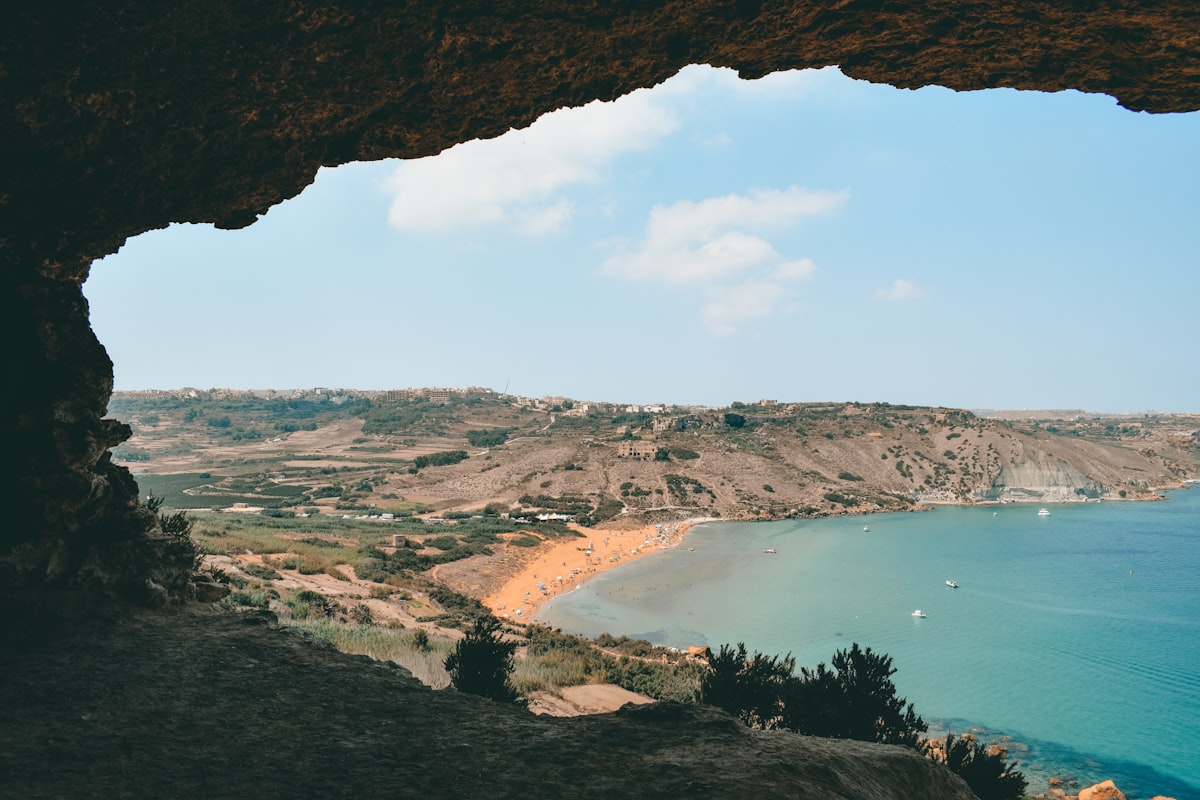
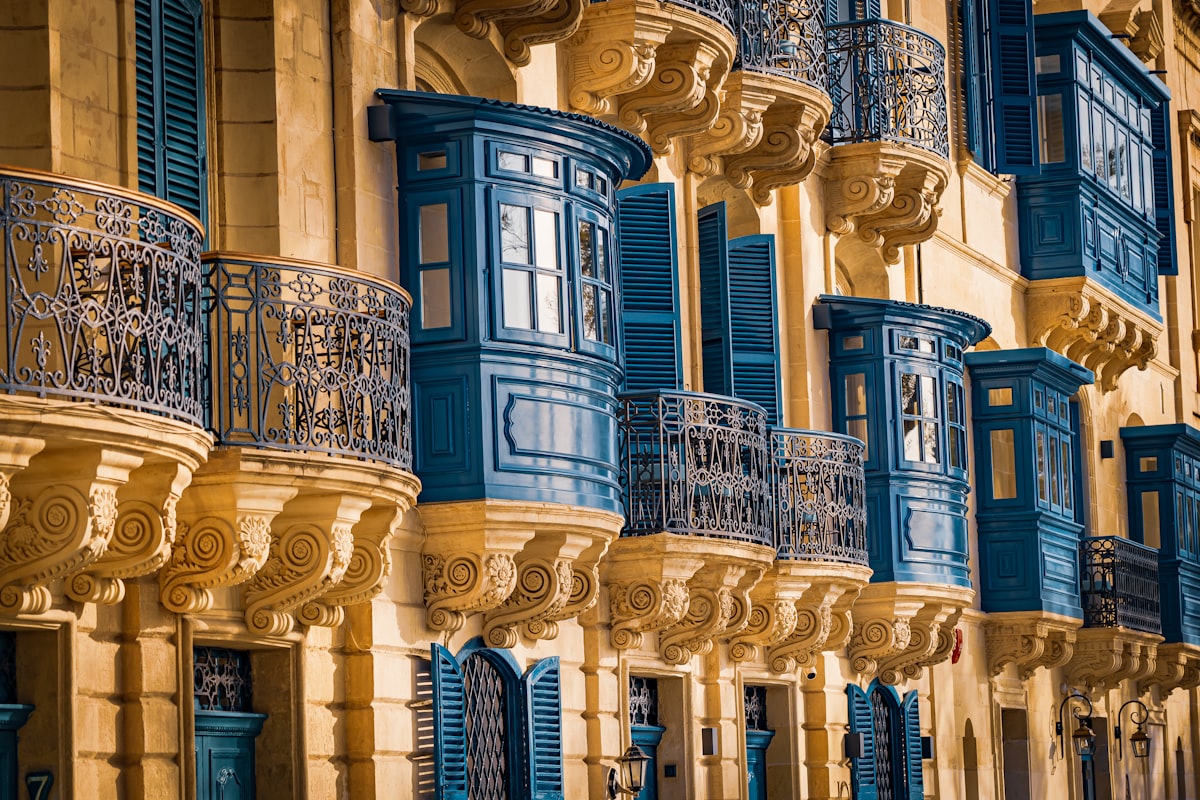
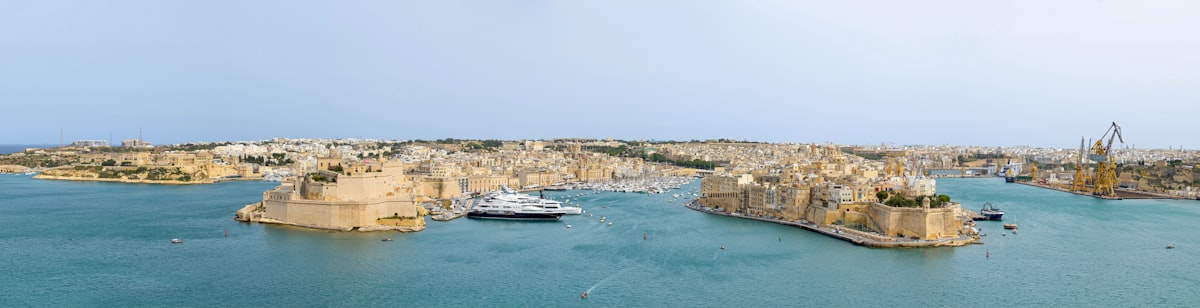
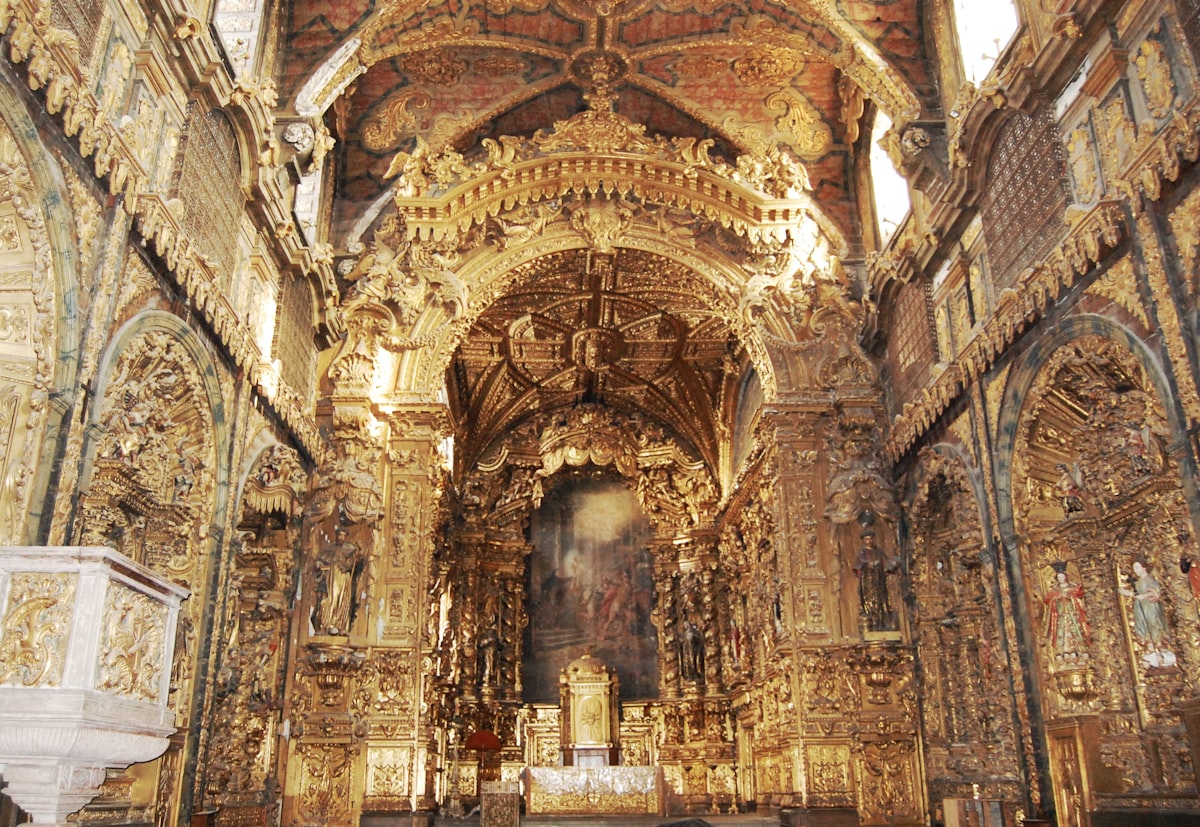

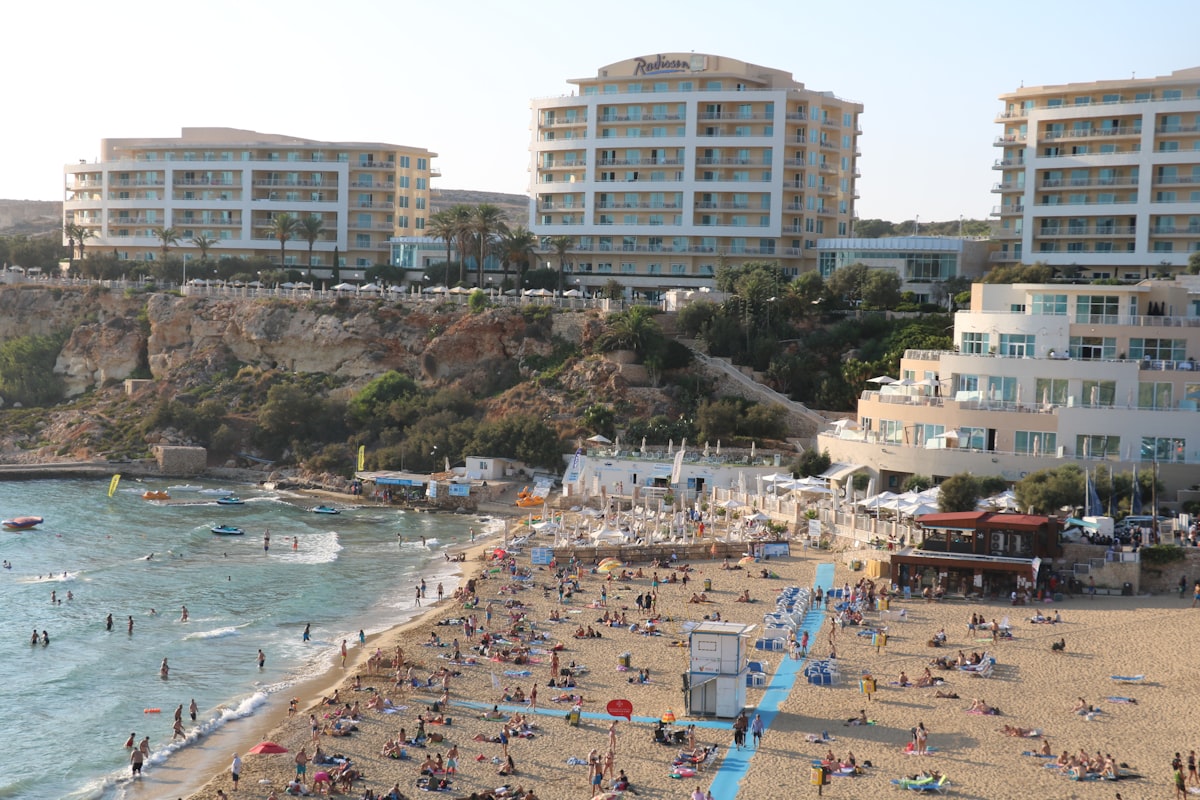
Showing: Sep · Unsplash / Unsplash
Malta · Europe
Best time to visit Valletta
September
Sep scores highest overall — reliable weather and strong local atmosphere. Set your priorities below to personalise this result.
What matters most to you?
All 12 months — click any to expand
Sep
Unsplash / Unsplash
The other golden window: sea still warm, heat easing, prices dropping, crowds manageable again.
29°C
High
22°C
Low
21mm
Rain
8h
Sun/day
What you gain
- ↑Sea at 25°C — the best swimming month if you want warm water without the summer madness
- ↑Temperatures drop from 32°C to 29°C: warm but no longer punishing, and sightseeing in Valletta becomes pleasant again
- ↑Prices fall 25–35% from peak: the value window reopens with essentially the same conditions
What you sacrifice
- ↓Still busy early in the month — the first two weeks of September retain much of August's tourist volume
- ↓First light rainfall returns (21mm), though the month is still very dry overall
- ↓Flight prices remain elevated through most of September from Northern European holiday routes
Sep scores highest overall — reliable weather and strong local atmosphere. Set your priorities below to personalise this result.
Sep
The other golden window: sea still warm, heat easing, prices dropping, crowds manageable again.
29°C
High
21mm
Rain
8h
Sun
- ↑Sea at 25°C — the best swimming month if you want warm water without the summer madness
- ↑Temperatures drop from 32°C to 29°C: warm but no longer punishing, and sightseeing in Valletta becomes pleasant again
- ↑Prices fall 25–35% from peak: the value window reopens with essentially the same conditions
- ↓Still busy early in the month — the first two weeks of September retain much of August's tourist volume
- ↓First light rainfall returns (21mm), though the month is still very dry overall
- ↓Flight prices remain elevated through most of September from Northern European holiday routes
Top travel windows
★ BestSeptember
Best overall
Highest combined score
29°C
High
21mm
Rain
8h
Sun
November
Best for value
Lowest prices & fees
20°C
High
76mm
Rain
5.5h
Sun
November
Fewest crowds
Quietest month
20°C
High
76mm
Rain
5.5h
Sun
Breakdown by priority
Best for weather
September
29°C high · 21mm rain · 8hrs sun/day
Best for budget
November
Budget prices across flights and accommodation — among the cheapest nights in Malta all year
Fewest crowds
November
Budget prices across flights and accommodation — among the cheapest nights in Malta all year
Also exploring
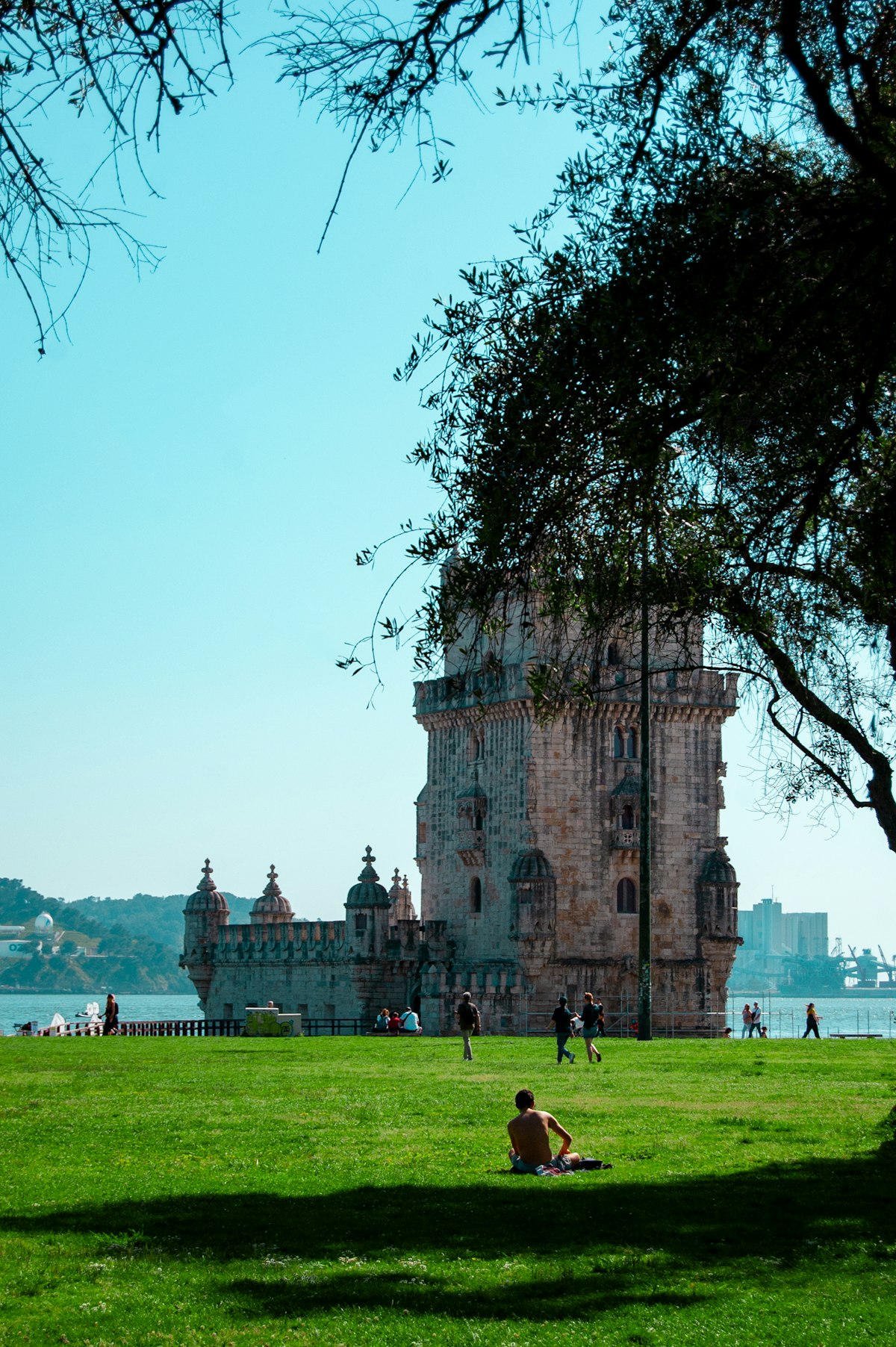
Lisbon
Portugal
A sun-drenched Atlantic capital where tram lines weave through hilltop neighbourhoods and prices stay genuinely affordable by Western European standards.
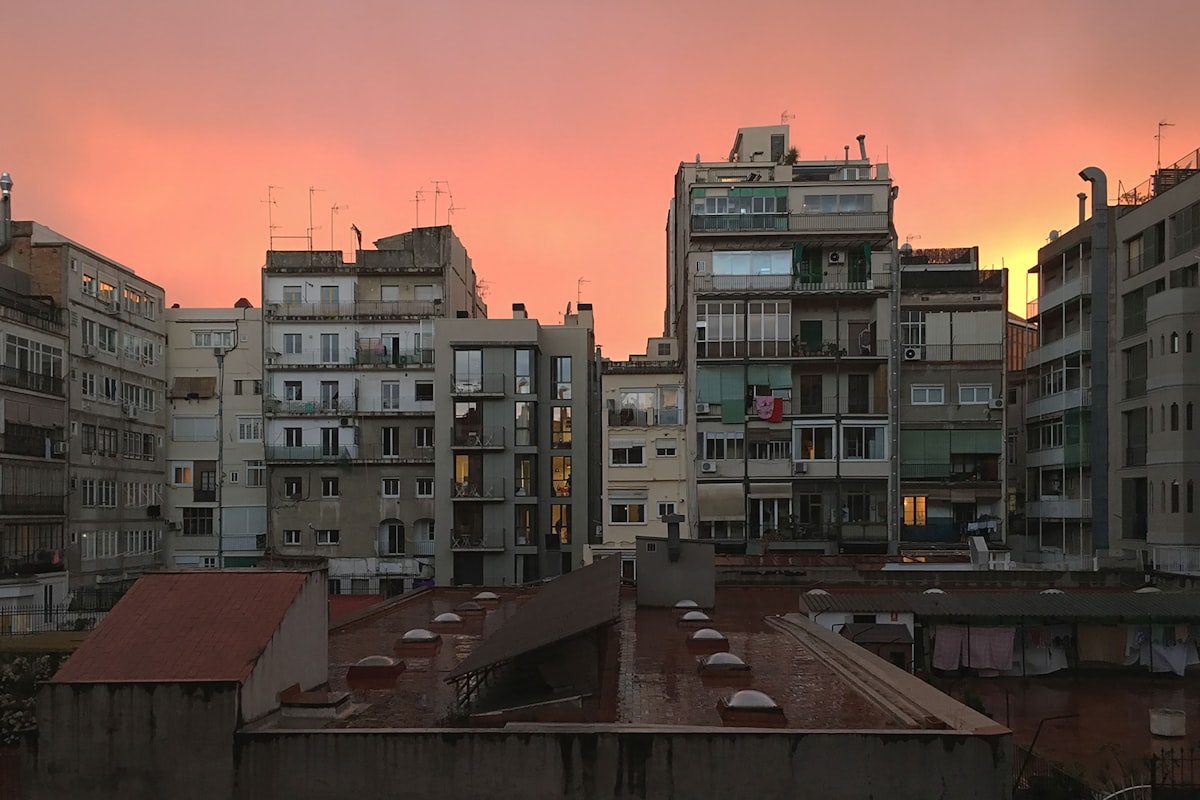
Barcelona
Spain
A Mediterranean city that runs on architecture, food markets, and beach culture — with a tourism problem that makes timing absolutely critical.
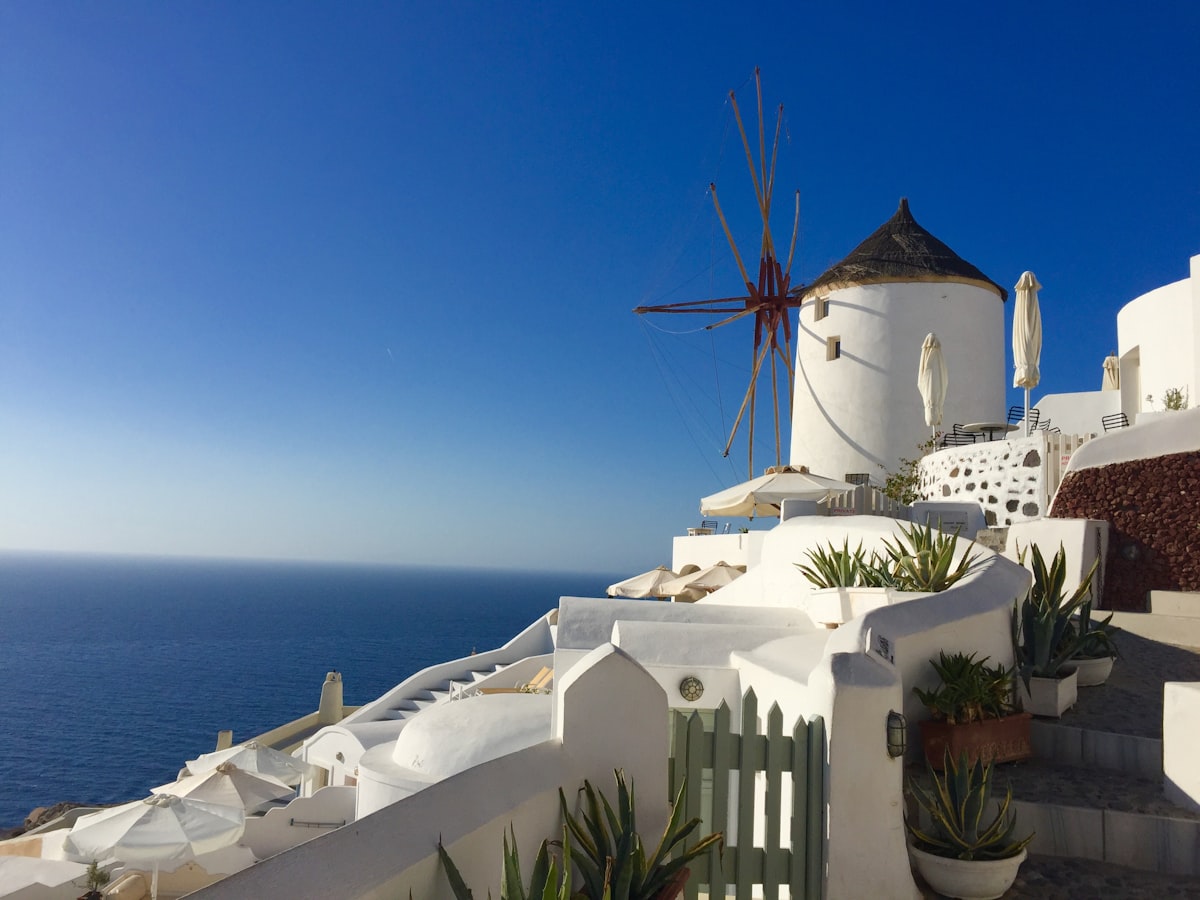
Santorini
Greece
The caldera sunsets and white-washed cliffside villages are real — but so is a tourism infrastructure that was never designed for 3 million annual visitors.
Worth knowing
September scores highest overall. August is the most crowded month — avoid if you can. See crowd-free ranking →
Month by month breakdown
January#10▾
Gains
- ↑Accommodation at its lowest prices of the year — 50–60% below peak summer rates
- ↑St John's Co-Cathedral and the Grand Masters' Palace with virtually no queues
- ↑Genuinely mild days (15°C) — comfortable for walking Valletta's Baroque streets and bastions
Sacrifices
- ↓January is Malta's wettest month (86mm) — rain is a real factor, not a footnote
- ↓Short daylight hours and 5 sunshine hours per day on average — overcast stretches are common
- ↓Sea too cool for swimming; beach culture entirely absent
February#6▾
Gains
- ↑Malta Carnival (February) — traditional floats, grotesque masks, and street dancing in Valletta, one of Europe's oldest carnivals
- ↑Rainfall drops to 63mm and sunshine hours improve — noticeably better than January
- ↑Prices still low: hotels and flights well below spring or summer rates
Sacrifices
- ↓Still cool and occasionally wet — not the month for beach days or outdoor dining every evening
- ↓Carnival weekend itself can spike hotel prices briefly in the capital
- ↓Short days and modest sunshine hours; the light is soft but limited
March#7▾
Gains
- ↑Temperatures reach 17°C with improving sunshine — comfortable for a full day exploring Valletta, Mdina, and the Three Cities
- ↑Rainfall down to 43mm and falling — the rainy season is genuinely ending
- ↑Holy Week processions (if Easter falls in late March) — extraordinarily atmospheric in Rabat, Mosta, and Valletta
Sacrifices
- ↓Easter (when it falls in March) pushes domestic tourism and some accommodation prices up sharply
- ↓Sea still cool for swimming — beach culture not yet relevant
- ↓Fewer daylight hours than April and May; some tourist services still in winter mode
April#3▾
Gains
- ↑Temperatures hit 20°C with 8 hours of sunshine — ideal for exploring without the summer heat
- ↑Only 24mm of rain all month — essentially dry, with reliably good outdoor conditions
- ↑Holy Week processions (when Easter falls in April) are among the most dramatic in the Mediterranean
Sacrifices
- ↓Easter week can push prices and crowds noticeably higher for a brief period
- ↓Sea temperature around 17°C — swimmable for the brave, but not yet comfortable
- ↓Moderate crowd numbers building — Valletta can feel busy on public holidays
May#2▾
Gains
- ↑Sea temperature reaches 22°C — genuinely comfortable for swimming, and Comino's Blue Lagoon not yet overwhelmed
- ↑Only 12mm of rainfall all month: reliably sunny days for sightseeing and beach time
- ↑Still moderate crowd levels — you can visit Valletta's top sights without the summer queues
Sacrifices
- ↓Prices rising from spring lows — hotels and flights 15–20% higher than April
- ↓Building tourist numbers on weekends, especially at popular sites and water taxi stops for Comino
- ↓Book accommodation in advance — May availability shrinks quickly as it's increasingly recognised as the best month
June#5▾
Gains
- ↑Sea at 24°C and 10 hours of sunshine — Comino's Blue Lagoon is spectacular before peak-season overcrowding sets in
- ↑Mnarja folk festival (June 29) at Buskett Gardens — traditional Maltese music, rabbit stew, and local festivity away from the tourist circuit
- ↑Virtually zero rain (5mm all month) — completely reliable outdoor conditions
Sacrifices
- ↓Prices climbing steeply — accommodation 40–50% above spring rates
- ↓Comino day trips require early departure to secure space at the Blue Lagoon before the boats arrive
- ↓Valletta's limestone streets begin to trap the heat — midday sightseeing becomes uncomfortable
July#12▾
Gains
- ↑Essentially zero rain (1mm all month) and 11 hours of sunshine — the most reliably sunny month of the year
- ↑Village festas with fireworks happen almost every weekend — a vivid, genuinely local tradition unique to Malta
- ↑Sea at its warmest (26°C+) — evening swims after dark are a highlight
Sacrifices
- ↓Accommodation at annual peak prices — premium rates with limited availability unless booked months ahead
- ↓Comino's Blue Lagoon is so overcrowded in July it has become a floating car park of boats
- ↓Valletta's stone streets and Baroque facades trap the midday heat — sightseeing between 11am and 4pm is genuinely punishing
August#11▾
Gains
- ↑Feast of Santa Marija (August 15) — a national holiday with village festas across Malta: the island at its most celebratory and locally festive
- ↑Sea still at 26°C+ and 11 hours of sunshine — magnificent if you're based at a pool or beach resort
- ↑The liveliest evenings of the year: outdoor dining, late bars, and a genuine holiday atmosphere
Sacrifices
- ↓Prices match July at the annual premium — accommodation costs double or triple low-season rates
- ↓Tourist volumes at absolute maximum — Valletta, Mdina, and Comino are all genuinely overcrowded
- ↓Heat (32°C) with high humidity makes midday sightseeing uncomfortable; the historic city becomes difficult to enjoy between 11am and 5pm
September#1▾
Gains
- ↑Sea at 25°C — the best swimming month if you want warm water without the summer madness
- ↑Temperatures drop from 32°C to 29°C: warm but no longer punishing, and sightseeing in Valletta becomes pleasant again
- ↑Prices fall 25–35% from peak: the value window reopens with essentially the same conditions
Sacrifices
- ↓Still busy early in the month — the first two weeks of September retain much of August's tourist volume
- ↓First light rainfall returns (21mm), though the month is still very dry overall
- ↓Flight prices remain elevated through most of September from Northern European holiday routes
October#4▾
Gains
- ↑Warm days (25°C) without summer heat — sightseeing in Valletta, Mdina, and Gozo is genuinely comfortable all day
- ↑Sea still around 23°C — swimming remains viable and beaches are quiet
- ↑Prices drop to affordable levels: strong value with conditions still far better than any Northern European autumn
Sacrifices
- ↓Rainfall picks up to 50mm — expect some showery afternoons, particularly later in the month
- ↓Shorter days and earlier sunsets reduce evening golden-hour time
- ↓Some beach facilities beginning to close for the season
November#8▾
Gains
- ↑Budget prices across flights and accommodation — among the cheapest nights in Malta all year
- ↑St John's Co-Cathedral, the Palace Armoury, and the Three Cities with almost no other visitors
- ↑Still 20°C in the afternoon — mild enough for a full day exploring without a heavy coat
Sacrifices
- ↓76mm of rainfall and only 5.5 sunshine hours per day — expect grey and rainy stretches
- ↓Beach and outdoor swimming culture is over for the year
- ↓Quiet evenings and limited nightlife compared to the summer months
December#9▾
Gains
- ↑Budget prices — the lowest accommodation rates of the year, excluding the Christmas week itself
- ↑Valletta and Mdina decorated for Christmas and virtually tourist-free — an unusually atmospheric combination
- ↑Mild temperatures (16°C) compared to Northern Europe — a genuinely warm-weather escape even in December
Sacrifices
- ↓December is Malta's wettest month (90mm) and has the fewest sunshine hours (4 per day) — plan indoor alternatives
- ↓Christmas week spikes prices and sees some domestic tourism, particularly in Mdina and Valletta
- ↓Limited beach or outdoor culture; Malta's main appeal in December is purely cultural and historical
How this is calculated
Climate data
Open Meteo ERA5
30-year normals (1991–2020). Temperature, rainfall, sunshine, humidity.
Price & crowd
Tourism research
Seasonal pricing from tourism authority data. Directional — compares months within a destination only.
Personalisation
Weighted scoring
Your priorities change the weights. Budget-first users get different results than weather-first users.
Share this result
September is the best time to visit Valletta
Travel timing updates
New destinations and timing guides, when they land.
No spam. Unsubscribe anytime.