Showing: Apr · Unsplash / Unsplash
United States · North America
Best time to visit Los Angeles
April
Apr scores highest overall — reliable weather and strong local atmosphere. Set your priorities below to personalise this result.
What matters most to you?
All 12 months — click any to expand
Apr
Unsplash / Unsplash
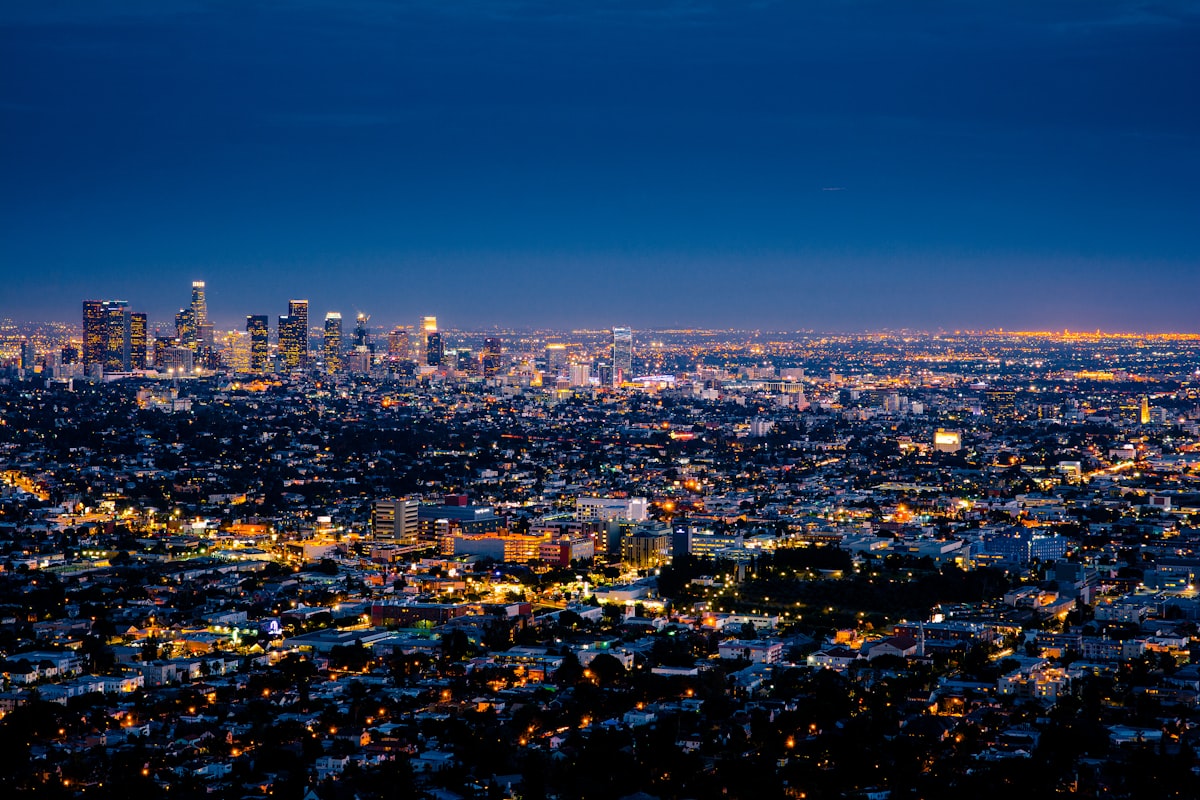
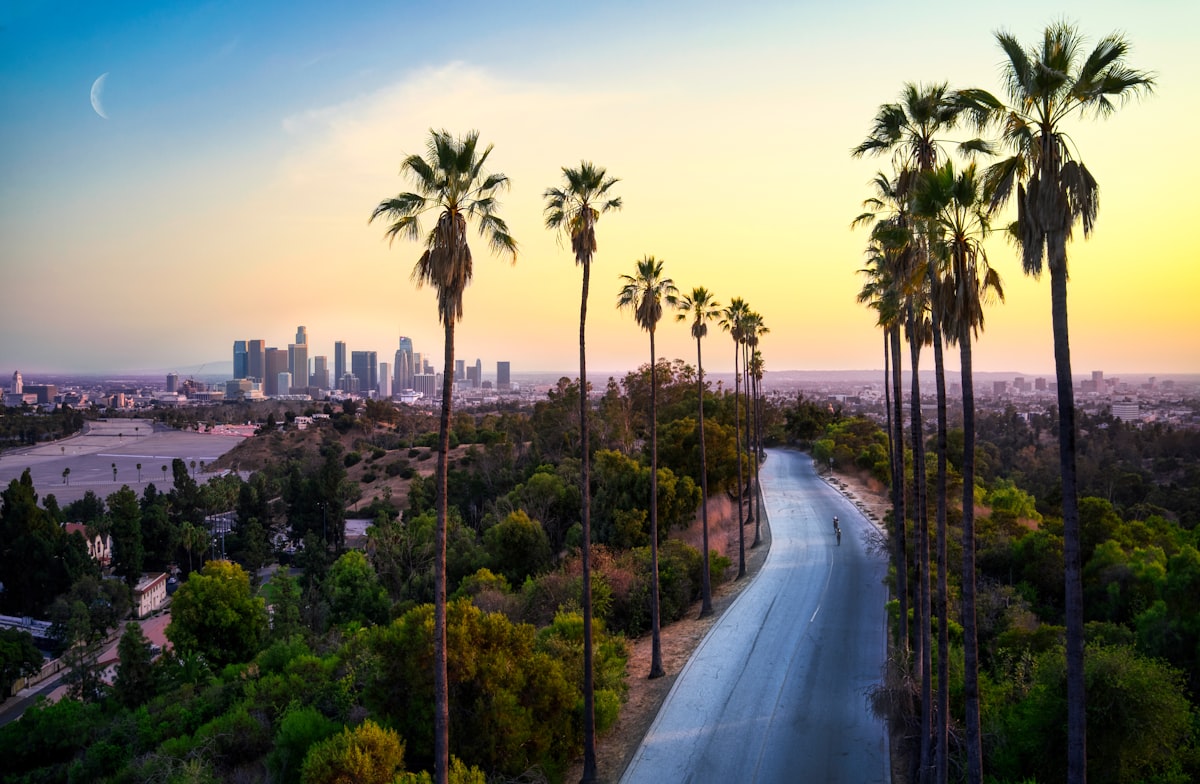
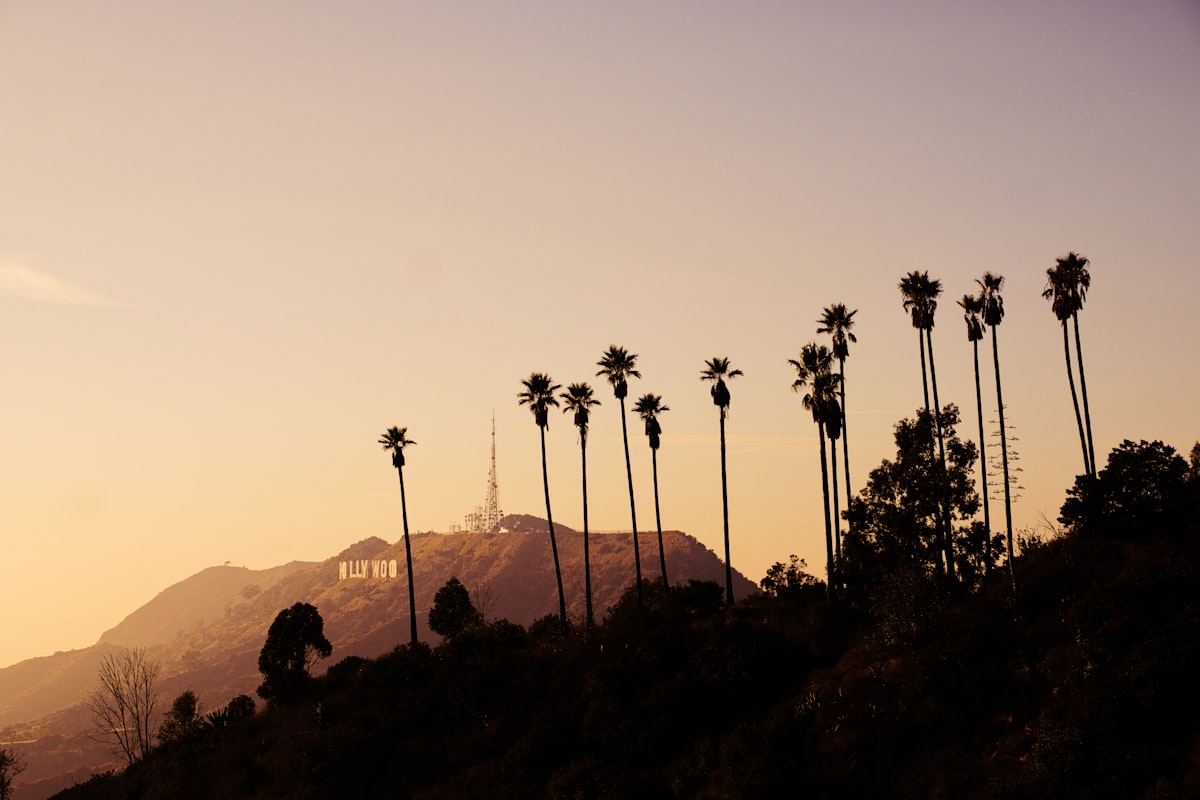
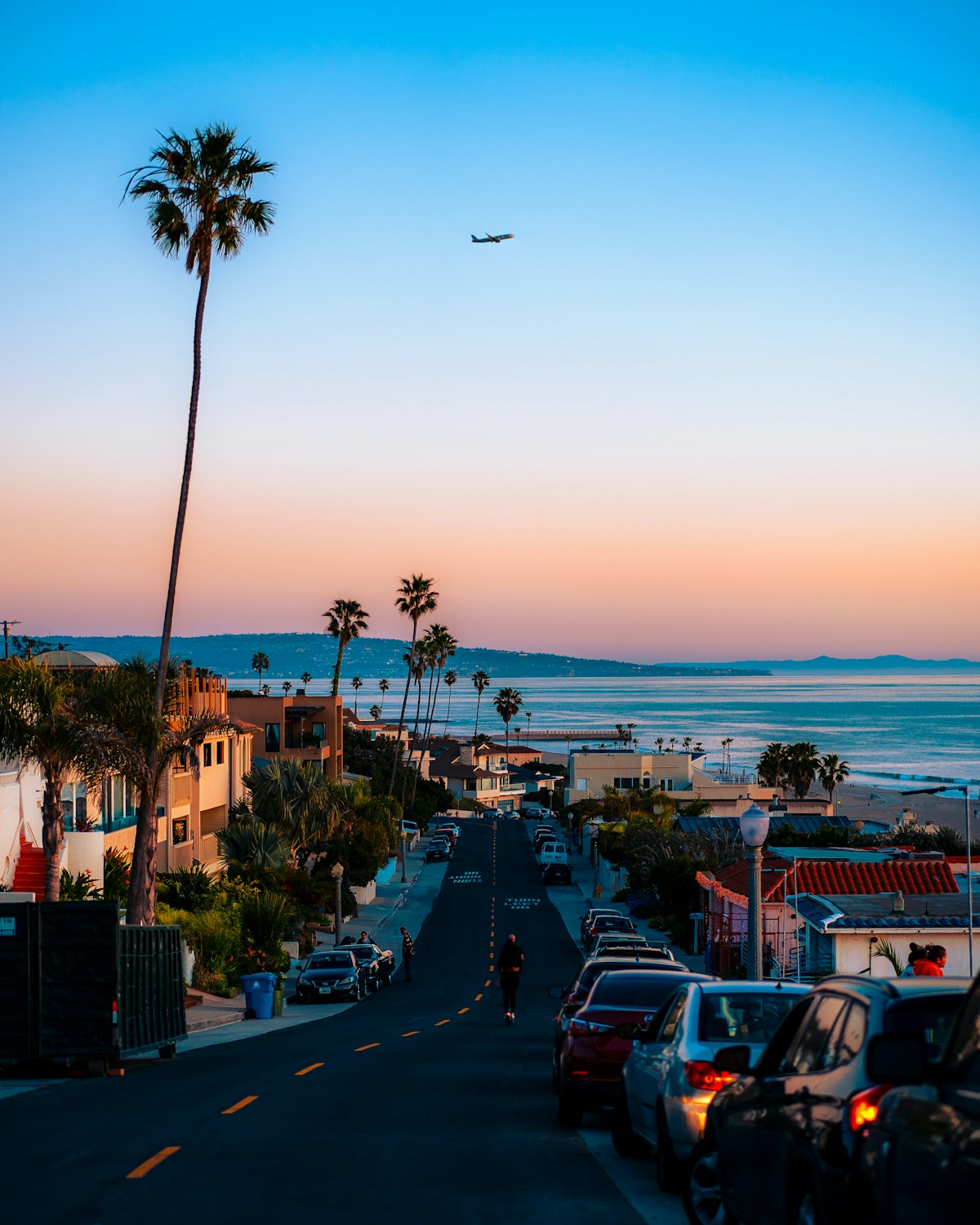
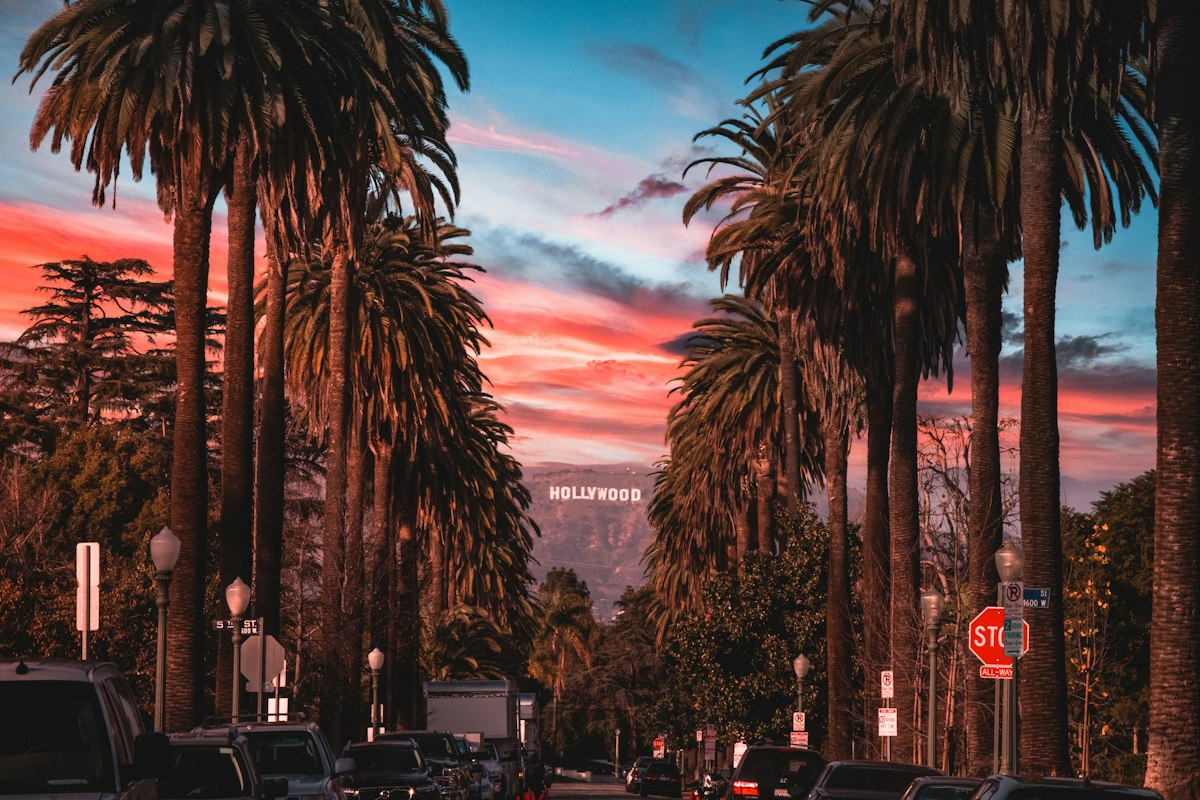
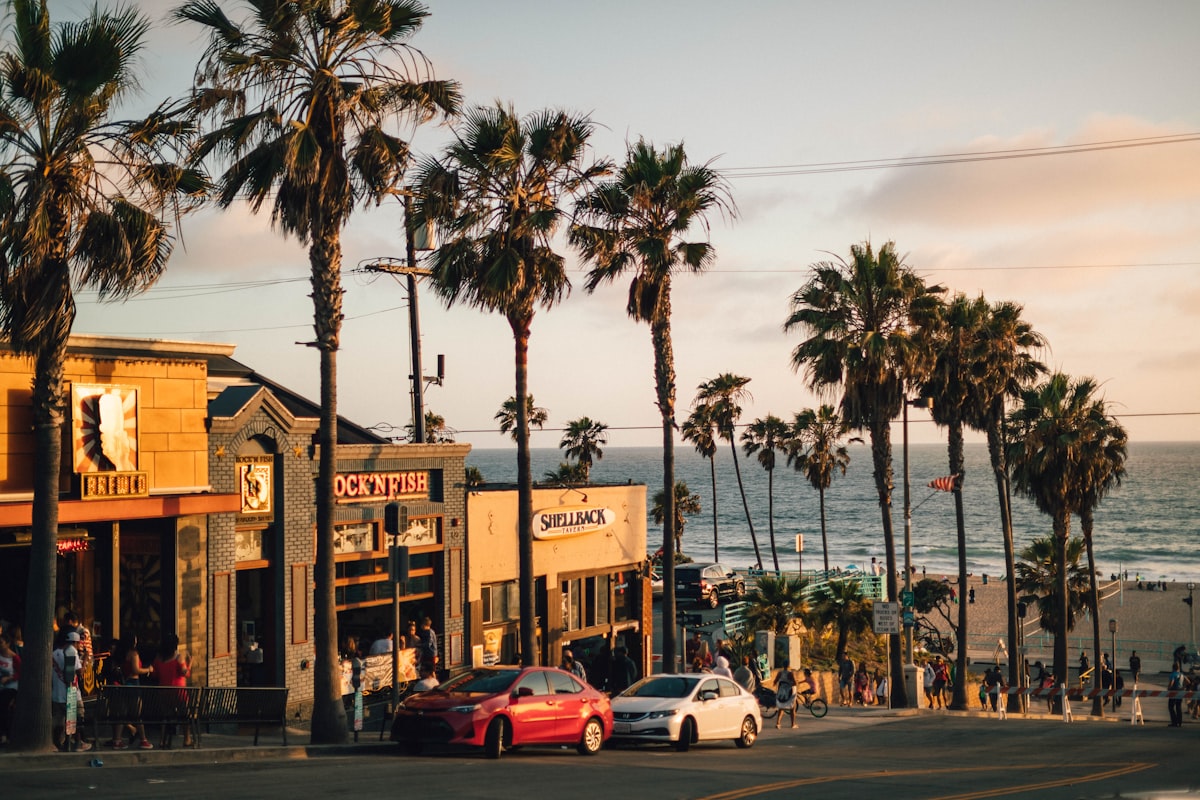
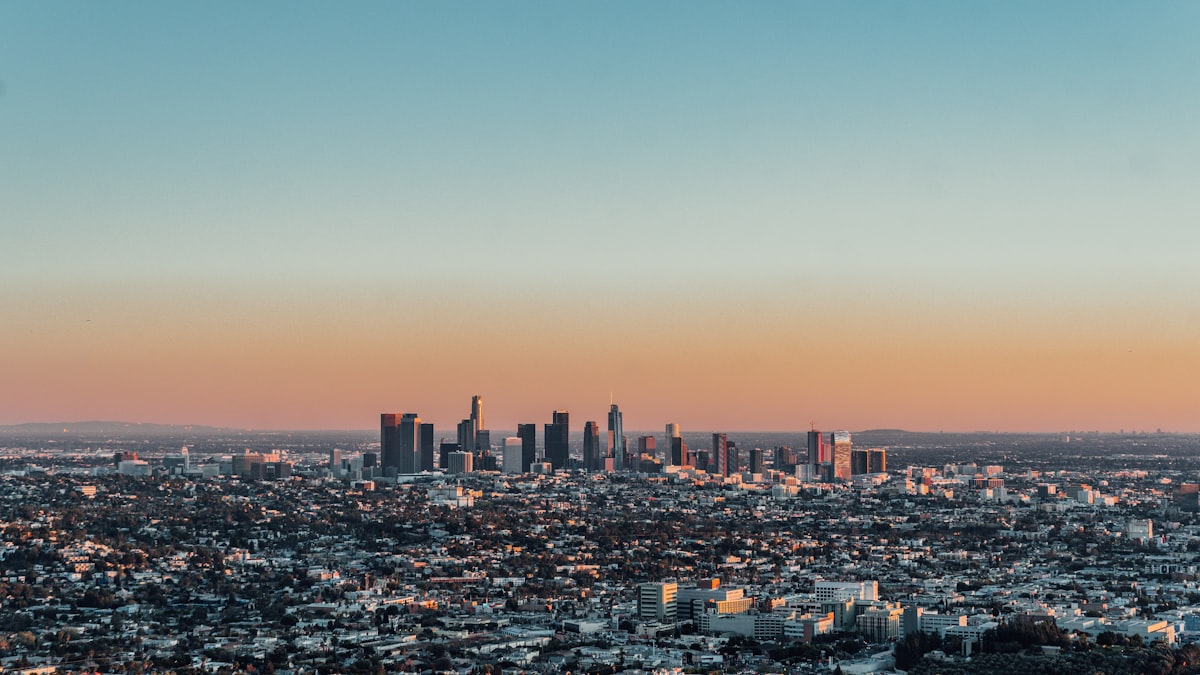
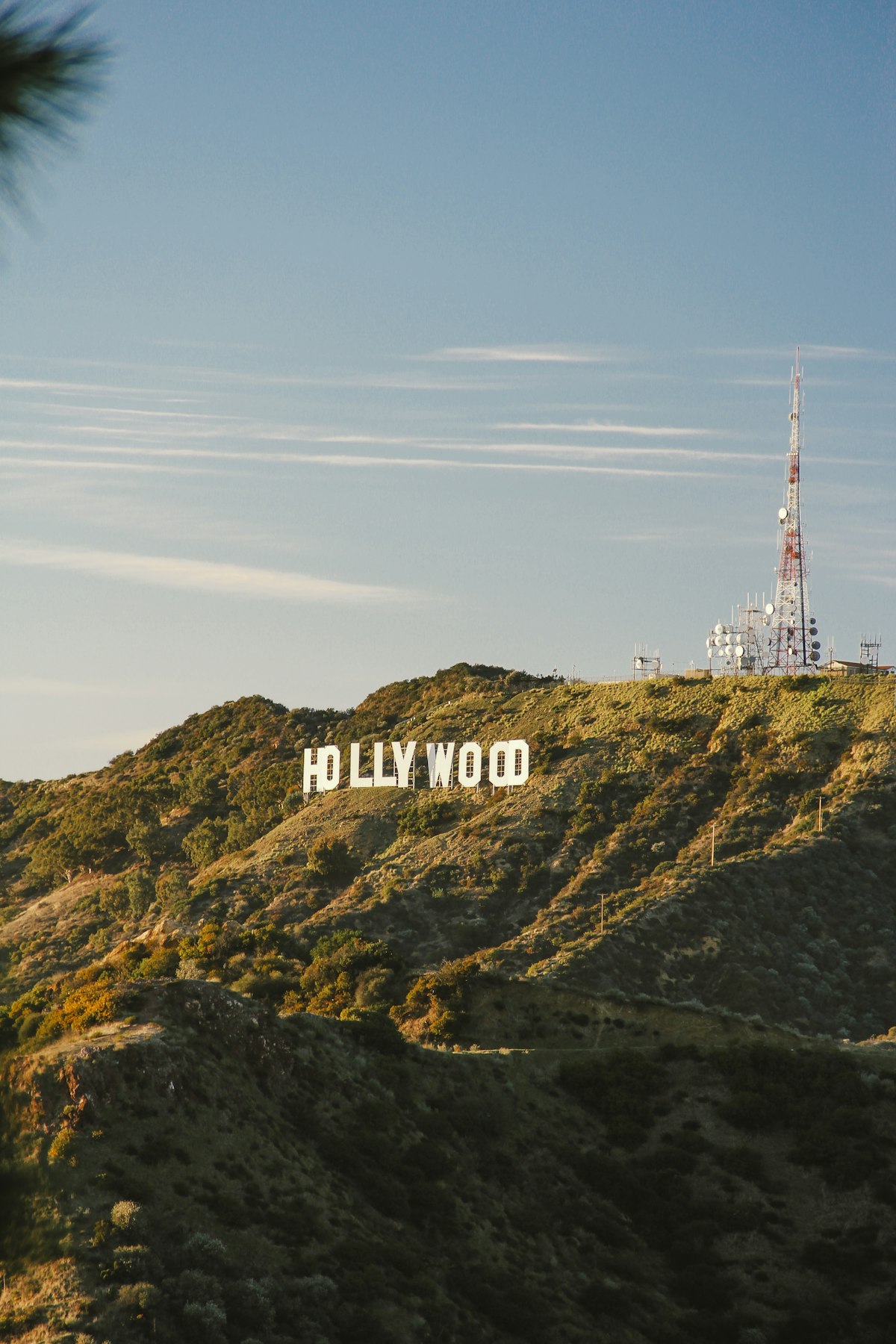
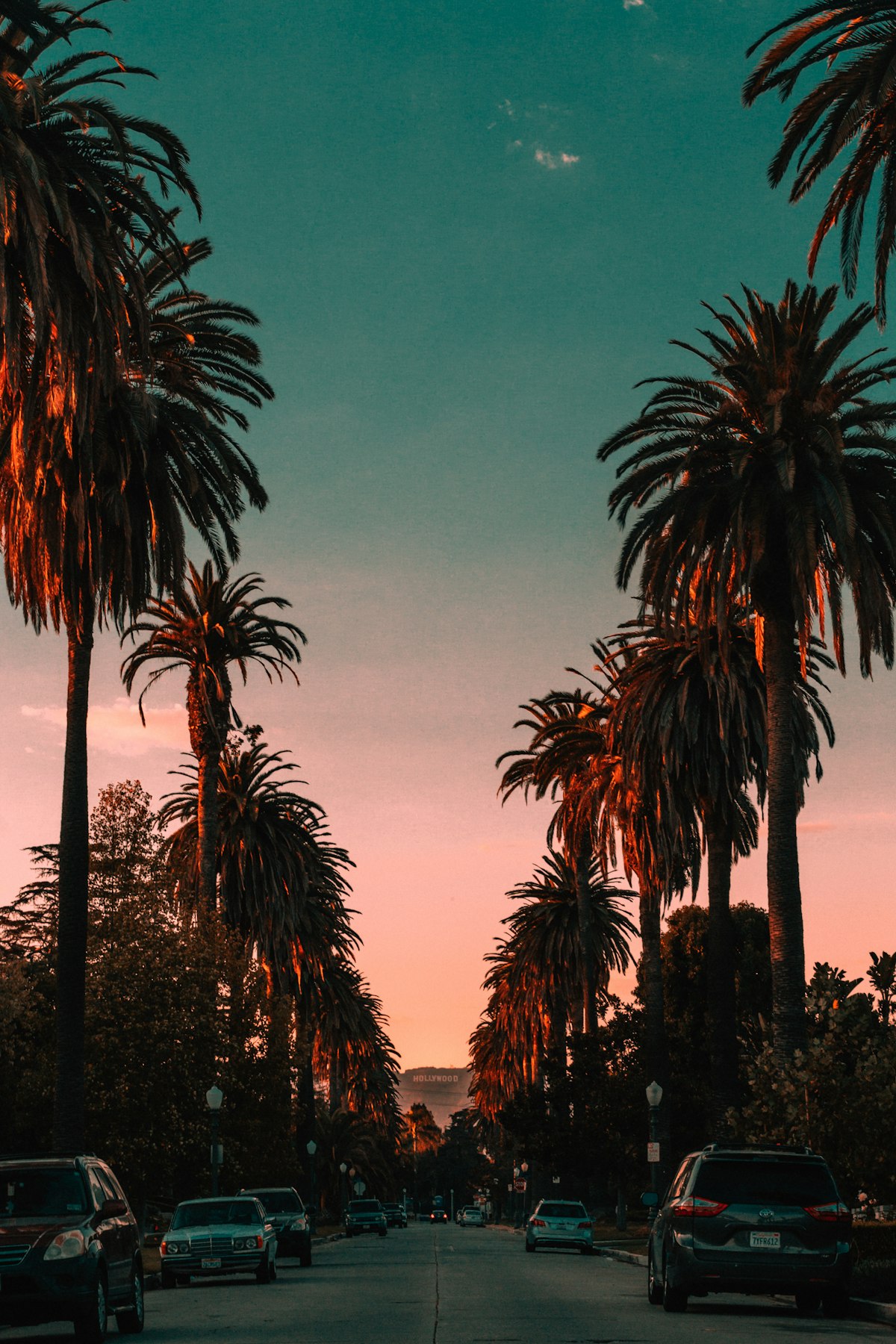
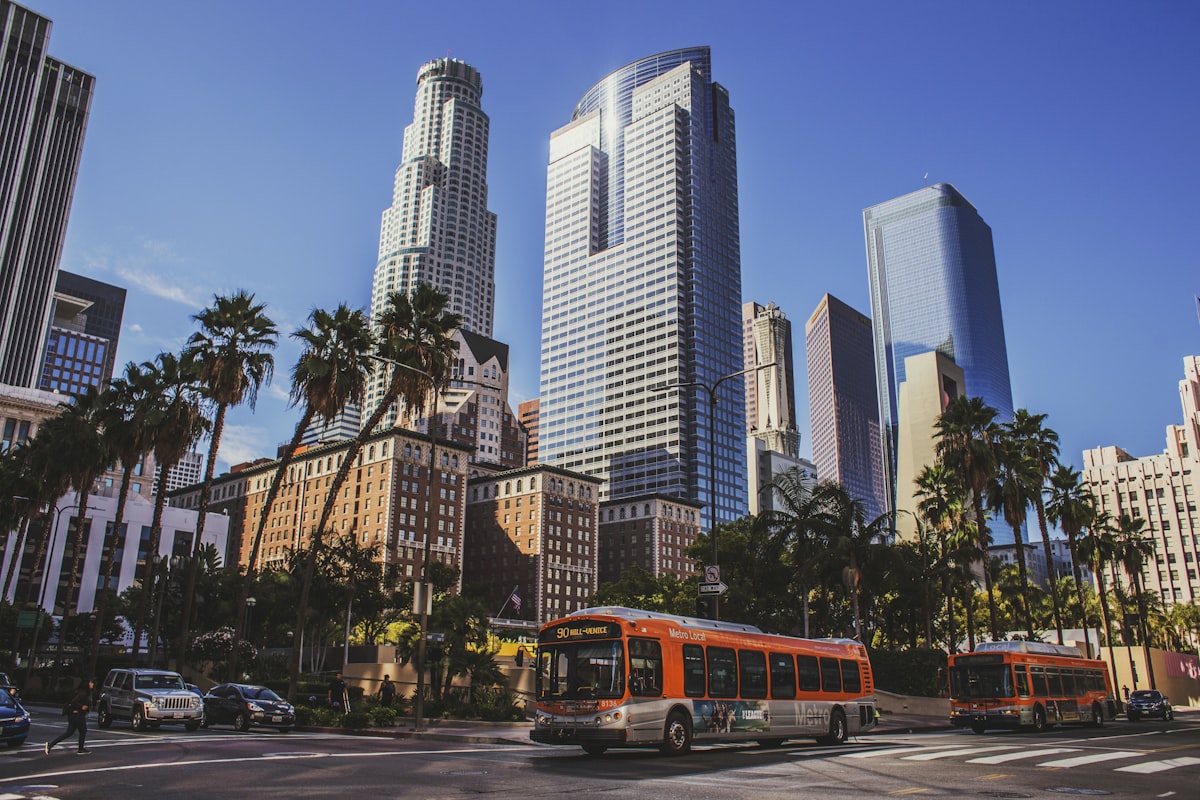
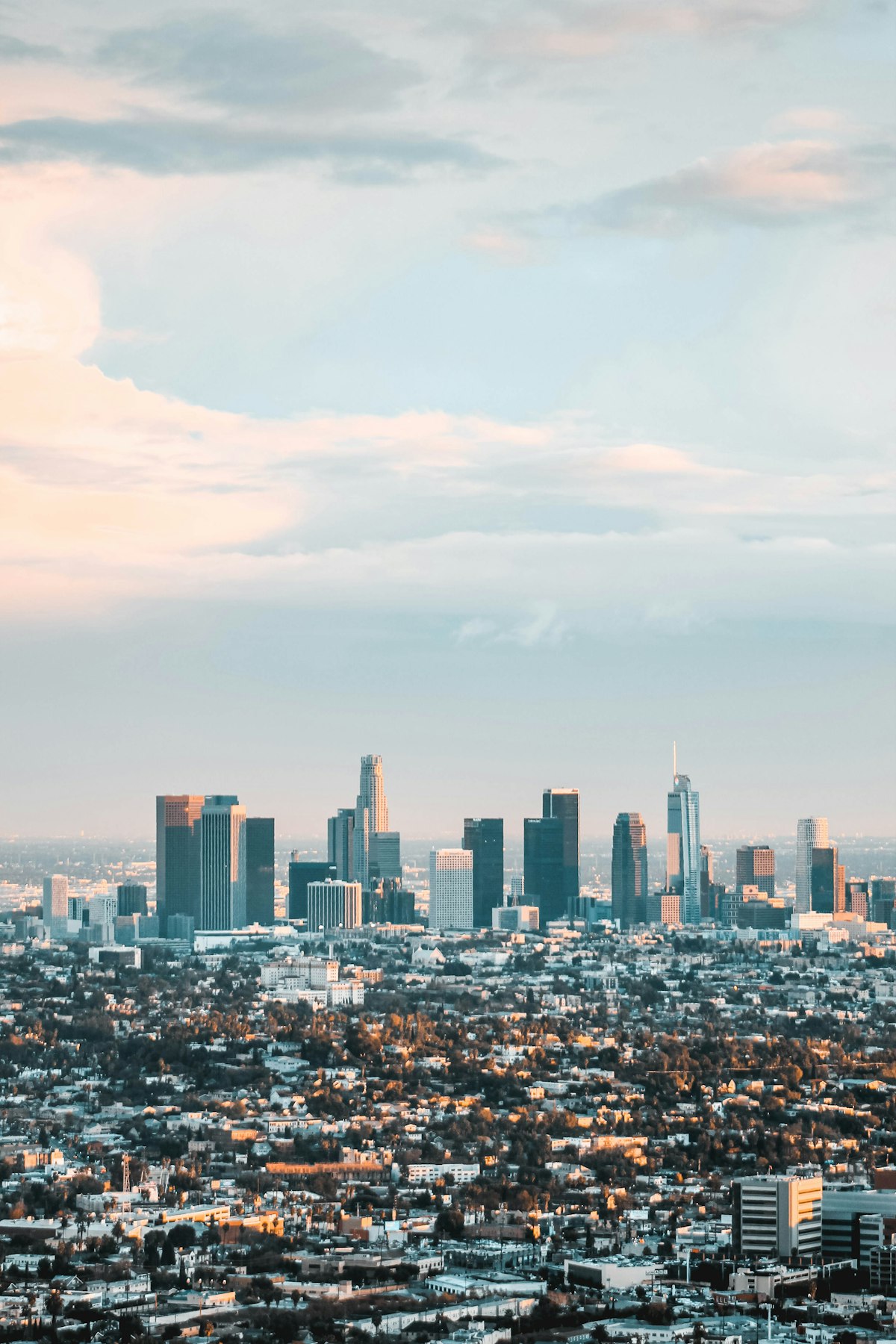
Coachella, perfect weather, and golden afternoon light — the most photographed LA month.
23.2°C
High
12.6°C
Low
20mm
Rain
9.1h
Sun/day
What you gain
- ↑Coachella Valley Music and Arts Festival (two weekends in mid-April, approximately 125,000 attendees per weekend) sends a wave of creative energy through LA before, during, and after the event. Even without attending, the city's pool parties, brand activations, and ancillary events are open and atmospheric. The drive out on I-10 to Indio passes through the windmill fields at Palm Springs — worth the three-hour round trip.
- ↑April delivers the best average weather of the entire year — 23°C highs, near-zero rainfall, 9+ hours of daily sunshine, and a dry clarity that makes every view across the city crisp. Sunsets over the Pacific from the Palisades or Point Dume are extraordinary.
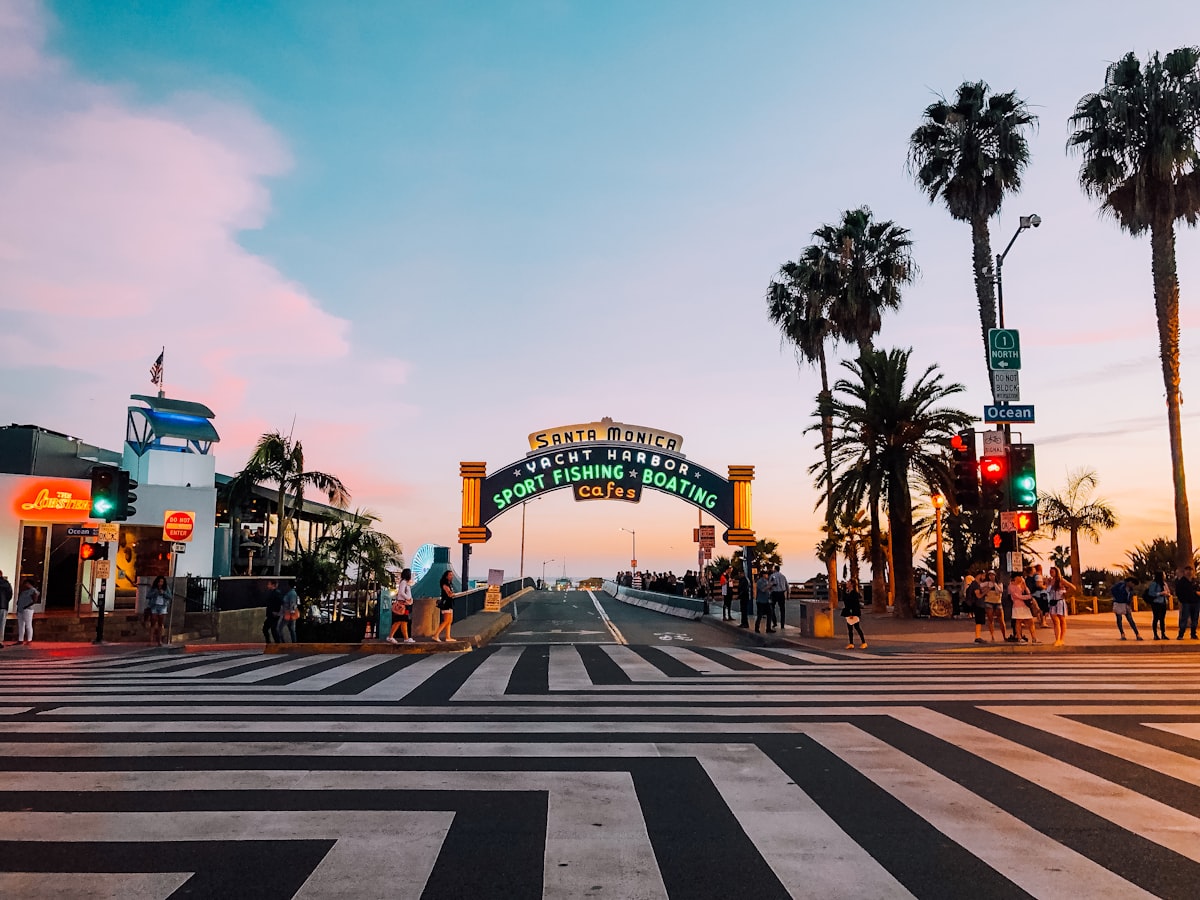
- ↑The Los Angeles Marathon (typically early April) shuts down streets but creates a festival atmosphere across the route from Dodger Stadium to Santa Monica. Spectating from the Santa Monica Pier finish area is excellent and free.
What you sacrifice
- ↓Coachella weekends drive hotel and Airbnb prices up across Greater LA — not just in Palm Springs. West Hollywood and Silver Lake properties can spike 20–30% on Coachella festival weekends. Book accommodation 2–3 months ahead.
- ↓Tourism builds noticeably through April. The Santa Monica Pier, Hollywood Walk of Fame, and Griffith Observatory car parks fill by 10am on weekends. Arrive at popular spots early or use the Dodger Stadium Express and other transit options.
Apr scores highest overall — reliable weather and strong local atmosphere. Set your priorities below to personalise this result.
Apr
Coachella, perfect weather, and golden afternoon light — the most photographed LA month.
23.2°C
High
20mm
Rain
9.1h
Sun
- ↑Coachella Valley Music and Arts Festival (two weekends in mid-April, approximately 125,000 attendees per weekend) sends a wave of creative energy through LA before, during, and after the event. Even without attending, the city's pool parties, brand activations, and ancillary events are open and atmospheric. The drive out on I-10 to Indio passes through the windmill fields at Palm Springs — worth the three-hour round trip.
- ↑April delivers the best average weather of the entire year — 23°C highs, near-zero rainfall, 9+ hours of daily sunshine, and a dry clarity that makes every view across the city crisp. Sunsets over the Pacific from the Palisades or Point Dume are extraordinary.
- ↑The Los Angeles Marathon (typically early April) shuts down streets but creates a festival atmosphere across the route from Dodger Stadium to Santa Monica. Spectating from the Santa Monica Pier finish area is excellent and free.
- ↓Coachella weekends drive hotel and Airbnb prices up across Greater LA — not just in Palm Springs. West Hollywood and Silver Lake properties can spike 20–30% on Coachella festival weekends. Book accommodation 2–3 months ahead.
- ↓Tourism builds noticeably through April. The Santa Monica Pier, Hollywood Walk of Fame, and Griffith Observatory car parks fill by 10am on weekends. Arrive at popular spots early or use the Dodger Stadium Express and other transit options.
Top travel windows
★ BestApril
Best overall
Highest combined score
23.2°C
High
20mm
Rain
9.1h
Sun
January
Best for value
Lowest prices & fees
19.8°C
High
79mm
Rain
7.2h
Sun
January
Fewest crowds
Quietest month
19.8°C
High
79mm
Rain
7.2h
Sun
Breakdown by priority
Best for weather
April
23.2°C high · 20mm rain · 9.1hrs sun/day
Best for budget
January
Hotels across West Hollywood, Santa Monica, and Downtown average 25–35% below summer peak rates, with mid-range properties on the Westside running $180–$240/night instead of $300+. Airbnbs in Silver Lake and Los Feliz drop to their annual lows.
Fewest crowds
January
The Rose Parade in Pasadena on January 1st draws around 700,000 spectators along the 5.5-mile Colorado Boulevard route — a genuinely spectacular free street event that feels nothing like the tourist-trap events of peak summer.
Where to stay in Los Angeles
All neighbourhoods →Downtown LA / Arts District
The resurgent downtown — converted warehouses, MOCA, Grand Central Market, and the skyline.
9/10
Central
8/10
Walk
9/10
Transit
Silver Lake
LA's most creative neighbourhood — indie music, the best coffee in the city, and a genuine local identity.
7/10
Central
7/10
Walk
6/10
Transit
Also exploring
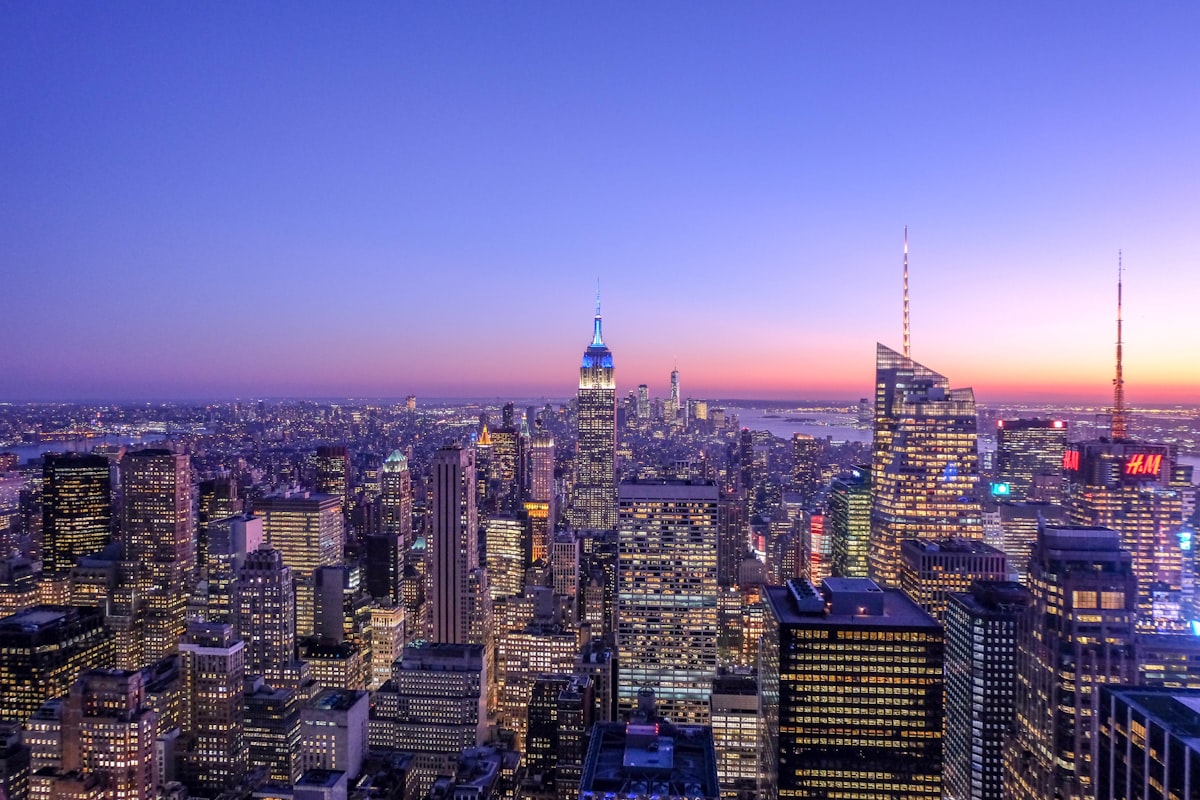
New York
USA
A city that never fully quiets — but its personality shifts dramatically by season, from sweltering humid summers to crisp autumn perfection to blizzard-prone winters.
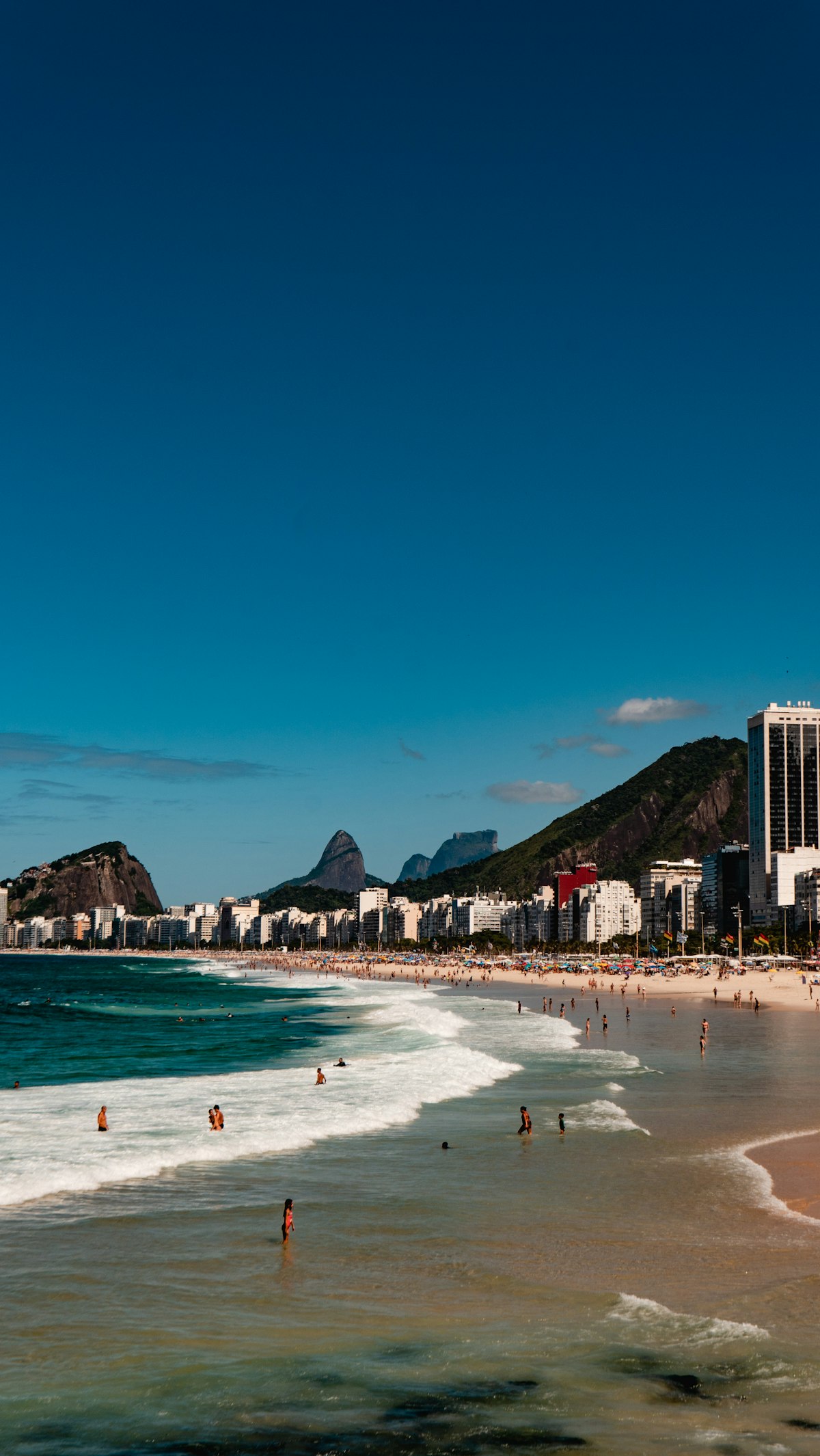
Rio de Janeiro
Brazil
A Southern Hemisphere city where summer (December–March) brings Carnival and 264mm of rain simultaneously, and the real sweet spot is the dry Southern winter — June to September — when most travellers don't think to come.
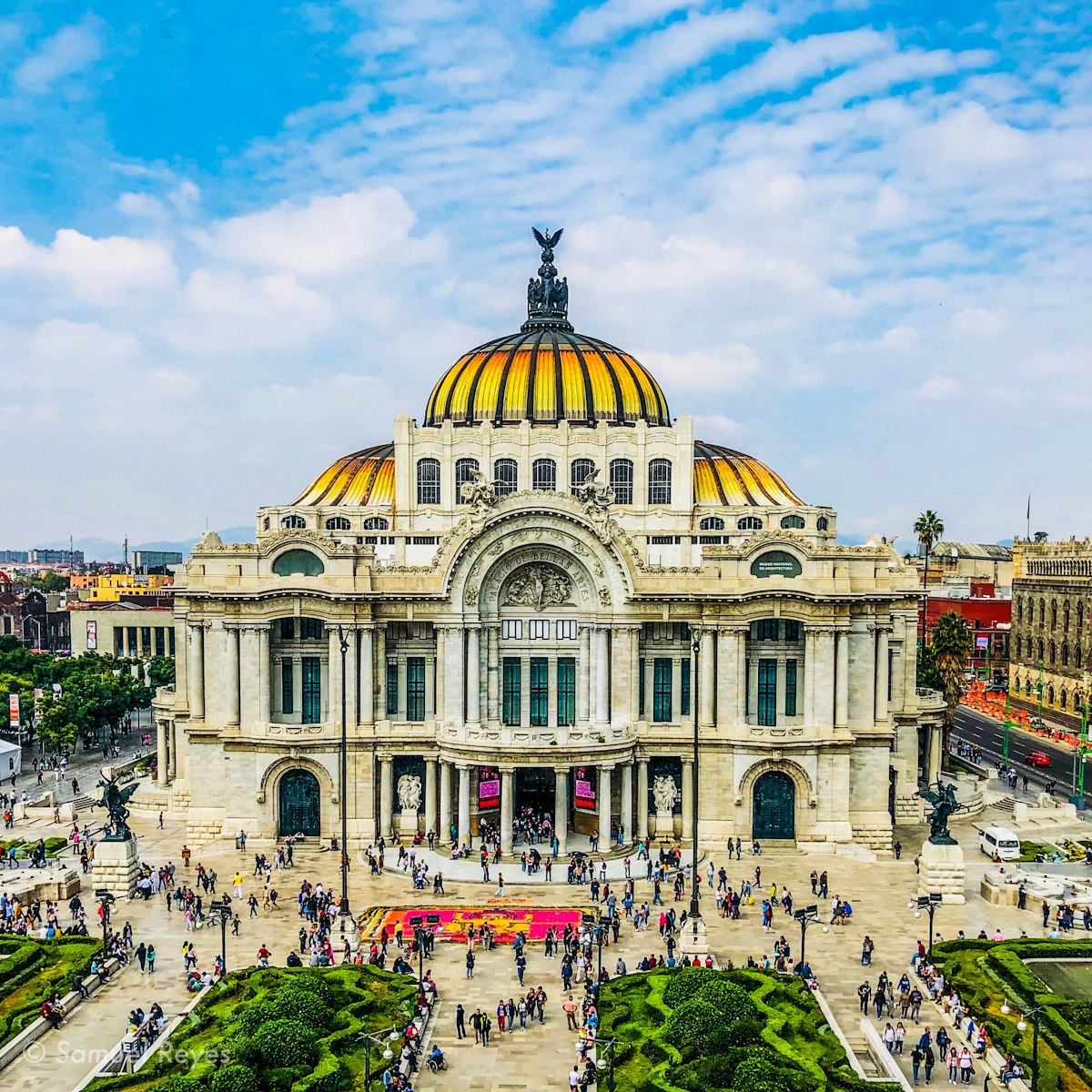
Mexico City
Mexico
A highland metropolis at 2,240 metres where the altitude tempers the heat to perpetual spring in the dry months, Día de Muertos transforms Mixquic and Azcapotzalco into one of the world's great ceremonies, and the October–April dry season gives the clearest conditions for exploring what is genuinely one of the planet's finest food, museum, and architecture cities.
Worth knowing
April scores highest overall. July is the most crowded month — avoid if you can. See crowd-free ranking →
Month by month breakdown
January#6▾
Gains
- ↑Hotels across West Hollywood, Santa Monica, and Downtown average 25–35% below summer peak rates, with mid-range properties on the Westside running $180–$240/night instead of $300+. Airbnbs in Silver Lake and Los Feliz drop to their annual lows.
- ↑The Rose Parade in Pasadena on January 1st draws around 700,000 spectators along the 5.5-mile Colorado Boulevard route — a genuinely spectacular free street event that feels nothing like the tourist-trap events of peak summer.
- ↑Griffith Observatory, the Getty Museum, and LACMA are walkable at a human pace. Griffith Park trails — particularly the West Observatory Trail — are uncrowded, and the views across the basin on a clear January day after rain are the best in the city.
Sacrifices
- ↓January is LA's rainiest month, with periodic multi-day storms that can bring 25–50mm in a single event. The city's road drainage is poor by design — locals joke that Angelenos forget how to drive in rain — and mudslides can close canyon roads after heavy events.
- ↓Beach culture is functionally off the table. Malibu and Venice Beach are walkable but water temperatures drop to 14°C and the boardwalk vendors largely disappear. Rooftop bars like Perch and Mama Shelter stay open but the experience is different without the warmth.
February#7▾
Gains
- ↑The Academy Awards (typically late February) electrifies the Westside. The red carpet at the Dolby Theatre on Hollywood Blvd draws tens of thousands of onlookers; the surrounding bars and restaurants run Oscar-themed events for two weeks beforehand. Even without tickets, the atmosphere is contagious.
- ↑February weather is noticeably more stable than January — the bulk of the rainy season has passed and clear-sky stretches of 7–10 days are common. Temperatures hit 20–22°C on the warmest days, and hiking trails at Runyon Canyon and the Hollywood Hills are at their greenest.
- ↑Restaurant reservation availability is at its annual peak. Providence, n/naka, and Osteria Mozza are all bookable with normal lead times in February; by May–June they require 4–6 weeks advance.
Sacrifices
- ↓Oscar week specifically (the 7–10 days surrounding the ceremony) does drive hotel price spikes in Hollywood and West Hollywood — sometimes 20–30% above the usual February rate. Book early or stay further east in Silver Lake.
- ↓February can still bring storm fronts. While lighter than January, rainfall can disrupt outdoor plans for a day or two, particularly in the beach communities where overcast mornings stretch into the afternoon.
March#3▾
Gains
- ↑March is arguably the best month for outdoor LA. The hills are green from winter rains, wildflowers bloom in the Santa Monica Mountains (Malibu Creek State Park, Point Mugu), and temperatures sit at the ideal 21–23°C range — warm enough for beach walks, cool enough for long hikes. The Antelope Valley California Poppy Reserve, 90 minutes northeast, typically peaks in late March and early April.
- ↑Coachella-adjacent energy begins building by mid-March with festival preparations and a surge of creative events across the city. The art and music programming at spaces like The Broad, Hammer Museum, and various pop-ups picks up noticeably.
- ↑Spring break (typically mid-to-late March) brings domestic visitors, but the sheer scale of LA absorbs them better than smaller cities. Theme parks see queues build, but neighbourhood destinations like the Venice Canals, Abbot Kinney, and the Griffith Park trails remain manageable.
Sacrifices
- ↓Hotels in beachside areas (Santa Monica, Venice, Malibu) start rising toward their moderate-season pricing. Expect $250–$320/night for mid-range Westside properties, up from $180–$220 in January.
- ↓Spring break crowds hit Universal Studios and Disneyland hard — waits of 90–120 minutes for major rides are routine in the third week of March. If theme parks are on the itinerary, go in early March or late April.
April#1▾
Gains
- ↑Coachella Valley Music and Arts Festival (two weekends in mid-April, approximately 125,000 attendees per weekend) sends a wave of creative energy through LA before, during, and after the event. Even without attending, the city's pool parties, brand activations, and ancillary events are open and atmospheric. The drive out on I-10 to Indio passes through the windmill fields at Palm Springs — worth the three-hour round trip.
- ↑April delivers the best average weather of the entire year — 23°C highs, near-zero rainfall, 9+ hours of daily sunshine, and a dry clarity that makes every view across the city crisp. Sunsets over the Pacific from the Palisades or Point Dume are extraordinary.
- ↑The Los Angeles Marathon (typically early April) shuts down streets but creates a festival atmosphere across the route from Dodger Stadium to Santa Monica. Spectating from the Santa Monica Pier finish area is excellent and free.
Sacrifices
- ↓Coachella weekends drive hotel and Airbnb prices up across Greater LA — not just in Palm Springs. West Hollywood and Silver Lake properties can spike 20–30% on Coachella festival weekends. Book accommodation 2–3 months ahead.
- ↓Tourism builds noticeably through April. The Santa Monica Pier, Hollywood Walk of Fame, and Griffith Observatory car parks fill by 10am on weekends. Arrive at popular spots early or use the Dodger Stadium Express and other transit options.
May#9▾
Gains
- ↑Despite the cloud, May temperatures are still comfortable at 22°C with essentially no rainfall. Midweek particularly, the marine layer burns off by noon and afternoons are warm. Beach days work perfectly on clear-sky May days when the light is golden and the crowds are lighter than July–August.
- ↑Memorial Day weekend (last weekend of May) marks the official start of pool season across the city. Hotel pools at places like the Viceroy Santa Monica, The Line, and Ace Hotel Downtown open their summer programming.
- ↑Restaurants and cultural venues are fully operational with moderate tourism levels — easier to book than June–August without the January–February quiet.
Sacrifices
- ↓June Gloom arrives in May. The marine layer — a low fog driven by the cool California Current — rolls in over the coast from around 7pm and typically takes until 11am–1pm to burn off. Beach days frequently start overcast, and some days never fully clear, particularly in Santa Monica and Venice. The further east you go, the more sun you get.
- ↓Prices are solidly at moderate levels. Mid-range hotels in Santa Monica and West Hollywood run $260–$340/night. Summer pricing has effectively started despite the cloud cover.
June#12▾
Gains
- ↑Summer concert season begins at the Hollywood Bowl — the 17,000-seat outdoor amphitheatre runs its most prestigious programming from June through September. Seeing the LA Philharmonic under the stars with the Hollywood Hills as backdrop is a bucket-list experience; tickets range from $1 (terrace bench) to $500 (box seats).
- ↑Pool culture is in full swing. Rooftop pools at The Dream Hotel, 1 Hotel West Hollywood, and Hotel Ziggy are running summer programming. Beach-adjacent accommodation in Malibu and Santa Monica hits peak demand and atmosphere simultaneously.
- ↑Pride Month (Los Angeles Pride in mid-June, approximately 100,000 attendees) takes over West Hollywood with parades, events, and a month-long cultural programme across the city.
Sacrifices
- ↓June Gloom is at its most persistent this month. The coast — Santa Monica, Venice, Manhattan Beach — can sit under cloud until 1pm on the worst days. If you're paying for Westside beach accommodation expecting sunshine from 8am, June will disappoint. Silver Lake and Pasadena, 20 miles east, are reliably sunny by 9am.
- ↓Summer prices are firmly in effect. Mid-range Santa Monica hotels run $320–$450/night; luxury properties like Shutters on the Beach and Hotel Casa Del Mar approach $700–$900. Traffic on the 405 and PCH is at its most congested — drive times can double on Friday afternoons.
July#10▾
Gains
- ↑July is what tourists picture when they think of LA. Zero rainfall, 11+ hours of daily sunshine, warm ocean temperatures around 19–20°C, and the full beach culture in operation. Fourth of July fireworks displays at Dockweiler Beach (the only LA beach that allows them), Marina del Rey, and the Hollywood Bowl are spectacular events.
- ↑Hollywood Bowl programming hits its peak — major artists run summer residencies, the Philharmonic performs its biggest programmes, and picnicking on the lawn with wine before a show is one of LA's great pleasures.
- ↑All outdoor venues are in full operation: Malibu Wines, Descanso Gardens summer concerts, the Griffith Observatory evening programmes. LA's outdoor culture is maximally accessible.
Sacrifices
- ↓July is the most expensive month to visit LA. Beach-adjacent hotels in Santa Monica, Venice, and Malibu run $400–$600/night at mid-tier; luxury properties like the Malibu Beach Inn push $1,200–$1,800. Airbnbs in Venice can reach $500+/night for a basic one-bedroom.
- ↓Crowds are at their annual peak. The Santa Monica Pier is shoulder-to-shoulder on weekends; Griffith Observatory requires timed entry reservations; parking at popular trailheads is full by 8am. Universal Studios waits of 90–150 minutes are routine for major attractions.
- ↓Inland temperatures — Pasadena, San Fernando Valley, Downtown — can hit 35–38°C on heat waves. The coast is cooler (25–27°C) but the crowding trade-off is at its maximum.
August#11▾
Gains
- ↑August matches July's sunshine totals and beach conditions. The ocean is at its warmest (19–20°C), making swimming and surfing at spots like El Porto and Zuma Beach genuinely enjoyable without a wetsuit. Sunset Cruise operators from Marina del Rey run their busiest and most atmospheric schedule.
- ↑The LA County Fair begins at the Pomona Fairplex in late August — 1.3 million annual visitors, carnival rides, agricultural exhibits, and some of the city's most absurd deep-fried food. A genuinely LA experience that most tourists miss.
- ↑Hollywood Bowl summer season continues through August with its most eclectic and heavily-attended programming of the year.
Sacrifices
- ↓Peak pricing persists through August. If anything, the last two weeks of August can be marginally more expensive than July as European visitors arrive in greater numbers before the school year begins.
- ↓Santa Ana wind precursors can occasionally push hot, dry air from the desert toward the coast in August, erasing the coastal temperature advantage and pushing LA-wide temperatures into the 35–40°C range for days at a time.
- ↓The city's traffic is at its annual worst. The 405, 101, and 10 freeways routinely see 3–4 hour commute windows morning and evening. Allow double the Google Maps driving time estimate for any itinerary.
September#4▾
Gains
- ↑September consistently delivers the best weather of the entire year. The June Gloom is completely gone, temperatures hold at 27–28°C, the ocean is still warm from summer, and the dreaded inland heat waves become rarer. Tourism drops noticeably after Labor Day (first Monday of September) as American families return from vacation and school starts.
- ↑The Emmy Awards (typically mid-September) and the fall TV season launch create an industry energy unique to LA. Rooftop dinners and viewings at places like Soho House and the Sunset Tower Hotel have a distinctly Hollywood atmosphere in September.
- ↑Santa Monica State Beach is still fully operational but with 30–40% fewer people than July–August. This is the only month where the beach experience delivers summer conditions at moderate crowd levels.
Sacrifices
- ↓Prices don't immediately drop after Labor Day — they ease gradually through the month. Early September remains near peak pricing; mid-to-late September sees better hotel rates, though still 15–25% above spring.
- ↓Santa Ana wind events — hot, dry desert winds that push temperatures to 35–40°C and elevate wildfire risk — most commonly occur in October, but can arrive in late September. They're forecast well in advance but can disrupt outdoor plans for 2–3 days.
October#2▾
Gains
- ↑October delivers arguably the most balanced conditions in LA: 25°C highs, near-zero rainfall, warm evenings, and beaches that are swimmable but not gridlocked. Griffith Park's chaparral takes on a golden-brown colour in the afternoon light that makes the views across the basin extraordinary.
- ↑Halloween in LA is a legitimate cultural event. West Hollywood's Halloween Carnaval on Santa Monica Boulevard (October 31) draws 500,000 people in elaborate costumes. Knott's Scary Farm, Haunted Hayride in Griffith Park, and Universal Studios Horror Nights all run through October.
- ↑Hotels are running at moderate occupancy and prices reflect it — good mid-range rooms in Silver Lake, Los Feliz, and even Santa Monica are $200–$280/night, the best value-to-weather ratio of the year.
Sacrifices
- ↓Santa Ana winds are most common and most intense in October. These hot, dry, northeast winds can push temperatures to 35–40°C for 2–5 day stretches, eliminate the cool coastal breeze, and create critical wildfire conditions. Wildfires in the hills surrounding LA (Angeles National Forest, Malibu, Thousand Oaks) are a real October risk, not an abstract one.
- ↓Despite better prices than July, this is still a popular month and weekend crowds at Disneyland and Universal Studios remain high. Plan theme park days for midweek if possible.
November#5▾
Gains
- ↑Early to mid-November is one of the most reliably pleasant stretches of LA weather: 21–23°C, very little rainfall, low humidity, and clear skies. The Santa Ana winds have generally passed and the winter rains have not yet arrived. Hiking in the Santa Monica Mountains and Angeles National Forest is at its most comfortable.
- ↑Hotel prices reach their second-lowest annual point (after January). Mid-range Westside properties run $195–$260/night; boutique Silver Lake and Los Feliz hotels drop to $160–$200. Restaurants throughout the city are at their most bookable.
- ↑The city's dining and arts scene shifts into high gear for fall. The AFI Fest (mid-November, free screenings) at the TCL Chinese Theatre brings world cinema premieres to Hollywood Boulevard.
Sacrifices
- ↓Thanksgiving week (late November) spikes prices sharply — the Wednesday before Thanksgiving is one of the busiest travel days in the US and hotel rates across the city jump 40–60% for the holiday weekend itself.
- ↓The first rains of the season can arrive in late November, occasionally as significant multi-day events. After the dry summer, these first storms can cause flash flooding in burn scar areas and traffic chaos citywide.
December#8▾
Gains
- ↑Christmas in LA is a genuinely different experience. The temperature sits at 20°C, and the cognitive dissonance of seeing Christmas lights on palm trees and Santas on surfboards never gets old. The LA Zoo Lights (through December 31), Disneyland's holiday overlay, and Universal Studios Holiday events are all peak-quality productions.
- ↑New Year's Eve in Hollywood and on the Westside has a lower-key energy than New York or Las Vegas but significant atmosphere — rooftop bars citywide run ticketed events and the Hollywood Hills parties are legendary.
- ↑The Rose Bowl (January 1) and its associated events throughout December give Pasadena a festival atmosphere. The Rose Parade route setup in late December is a spectator event in itself.
Sacrifices
- ↓The two weeks around Christmas and New Year drive significant price spikes. Family-friendly hotels near Disneyland and Universal reach peak rates; Westside properties run $300–$420/night. Book early or accept the holiday premium.
- ↓December rainfall concentrates in multi-day storm events separated by clear stretches. On average, expect 3–5 actual rain days in the month but each can bring significant rainfall that disrupts outdoor plans. The first heavy rains also trigger traffic chaos on a scale disproportionate to the actual precipitation.
How this is calculated
Climate data
Open Meteo ERA5
30-year normals (1991–2020). Temperature, rainfall, sunshine, humidity.
Price & crowd
Tourism research
Seasonal pricing from tourism authority data. Directional — compares months within a destination only.
Personalisation
Weighted scoring
Your priorities change the weights. Budget-first users get different results than weather-first users.
Share this result
April is the best time to visit Los Angeles
Travel timing updates
New destinations and timing guides, when they land.
No spam. Unsubscribe anytime.