Showing: Nov · Unsplash / Unsplash
Egypt · Africa & Middle East
Best time to visit Cairo
November
Nov scores highest overall — reliable weather and strong local atmosphere. Set your priorities below to personalise this result.
What matters most to you?
All 12 months — click any to expand
Nov
Unsplash / Unsplash
The single best month — perfect weather, peak culture, and the city at its most alive.
25.3°C
High
14.1°C
Low
4mm
Rain
8.3h
Sun/day
What you gain
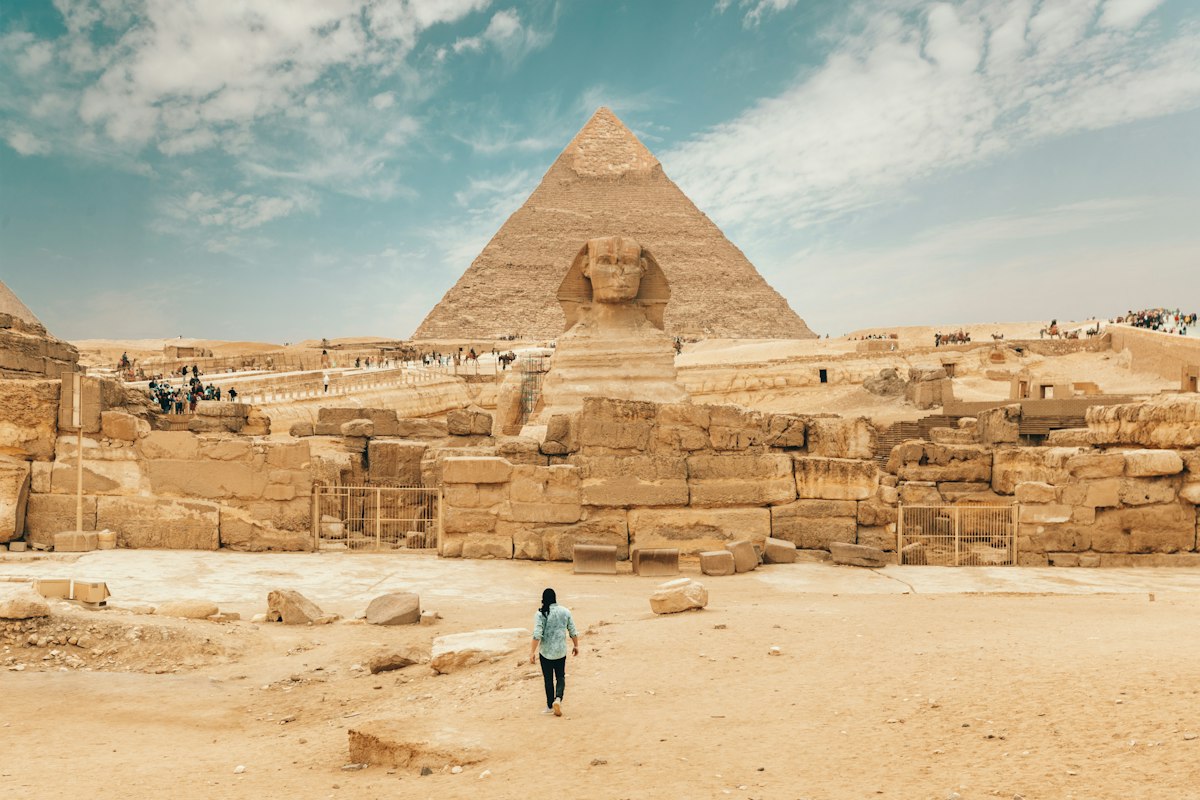
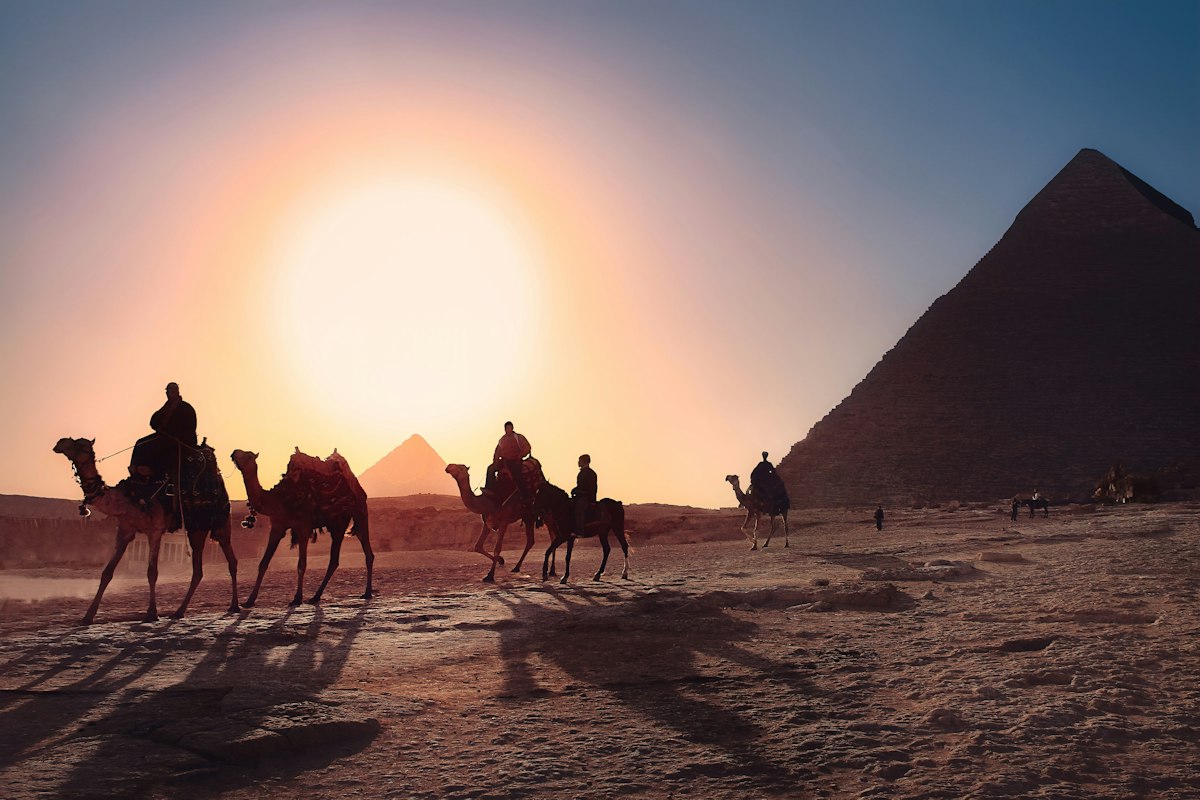
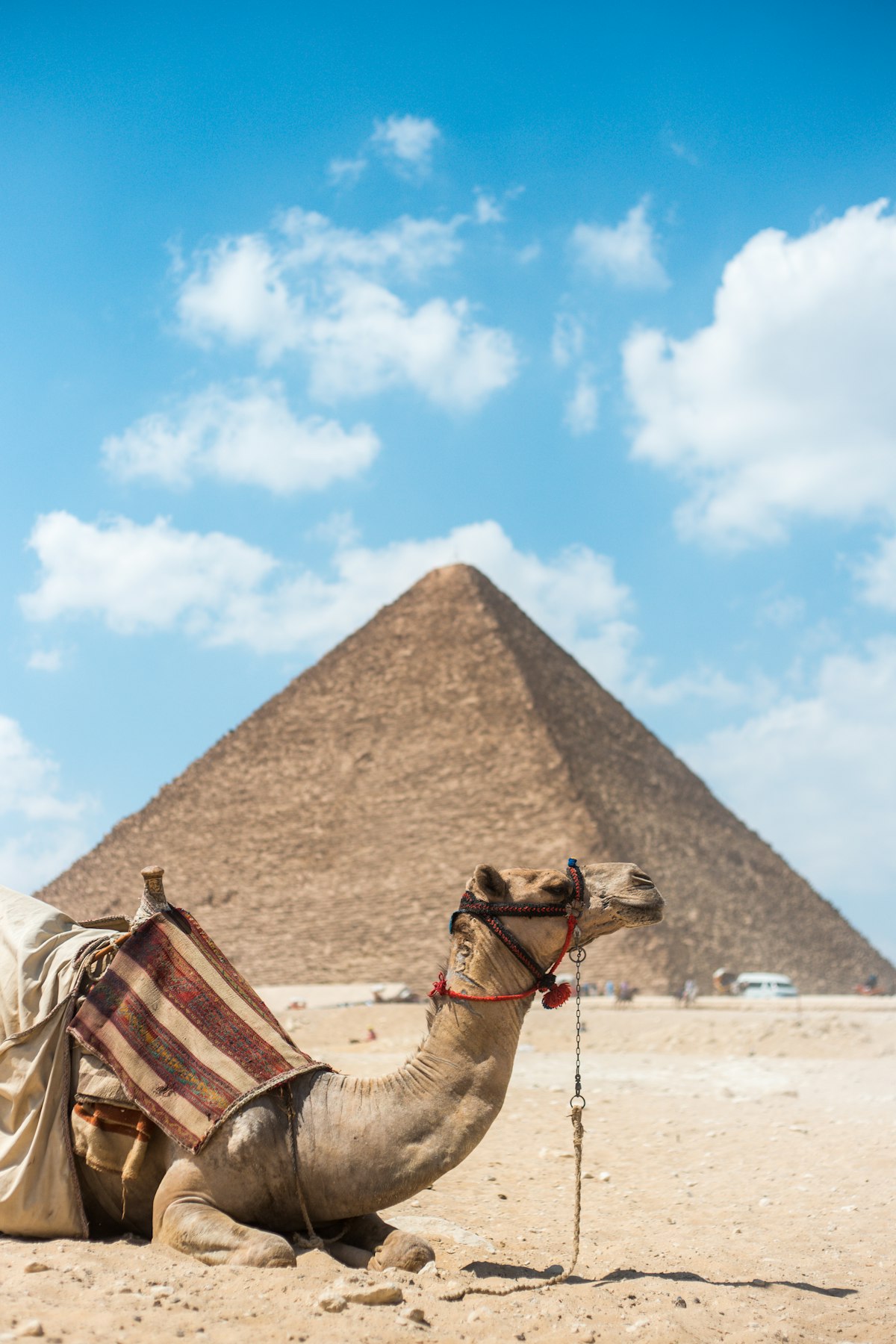
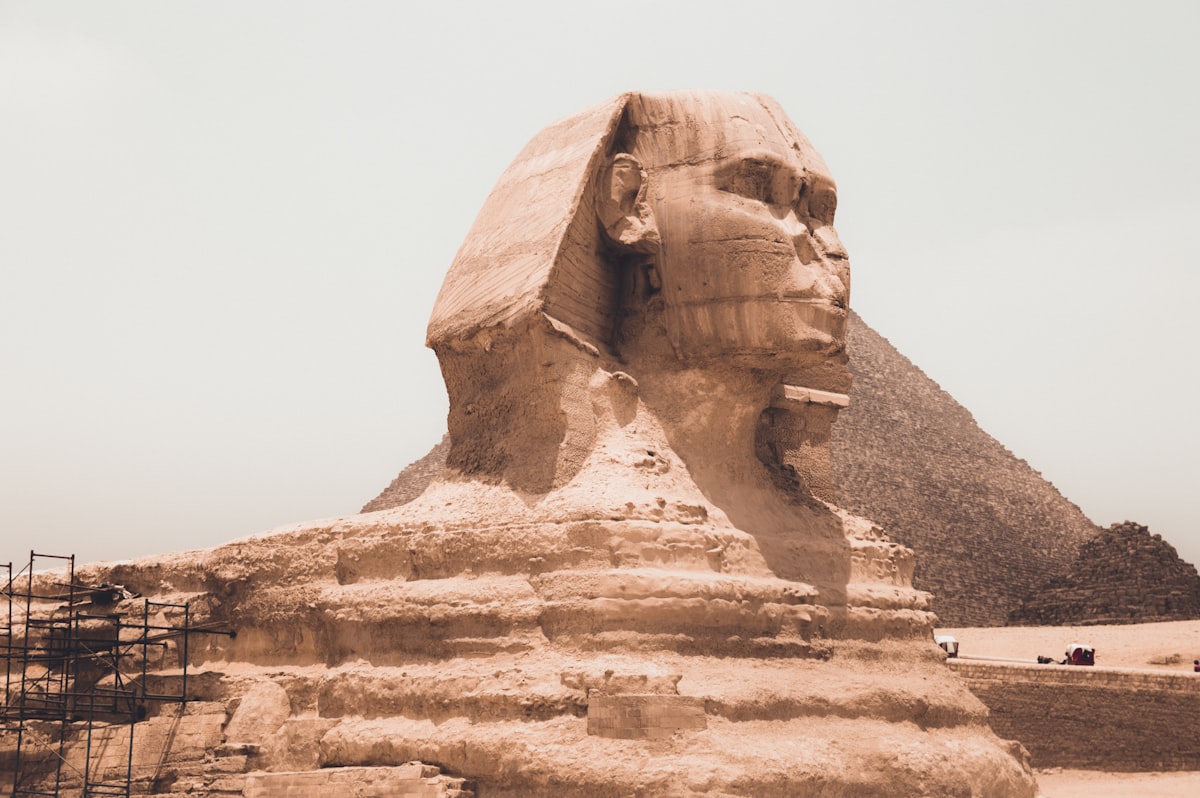
- ↑November is Cairo at its finest. Days of 24–26°C with crystal-clear blue skies, cool comfortable evenings, and essentially zero rainfall create the definitive conditions for sightseeing. The Giza Plateau is beautiful from sunrise to sunset. The light on the Pyramids and Sphinx in the afternoon — warm golden desert light at a low angle — is the photograph that ends up on every Cairo travel feature.
- ↑The Cairo International Film Festival (CIFF, typically late November, established in 1976, one of the most prestigious on the African continent) brings international filmmakers and a vibrant atmosphere to the downtown cinemas around Tahrir Square. Tickets are affordable and queues are long in a way that suggests genuine local enthusiasm.
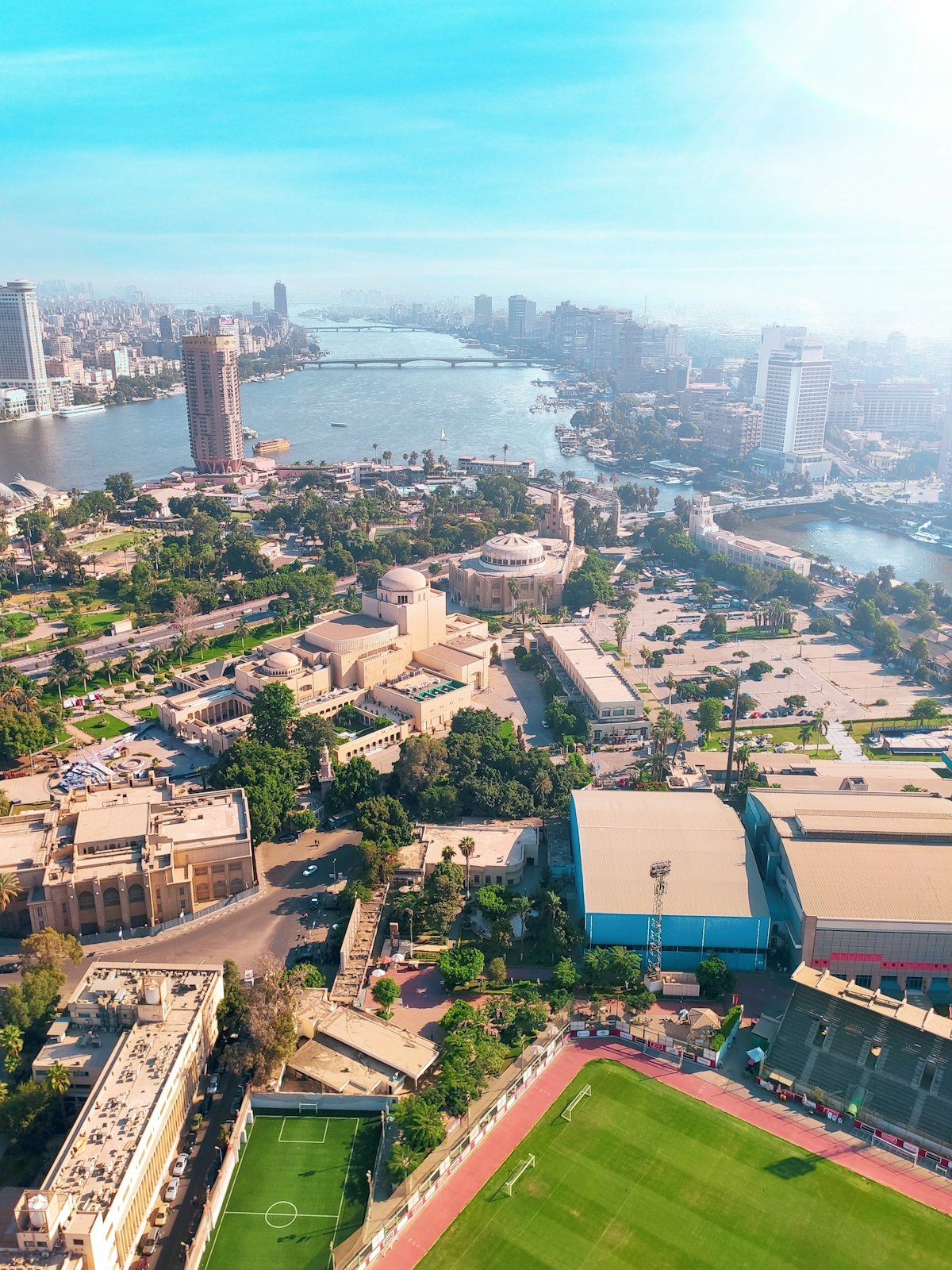
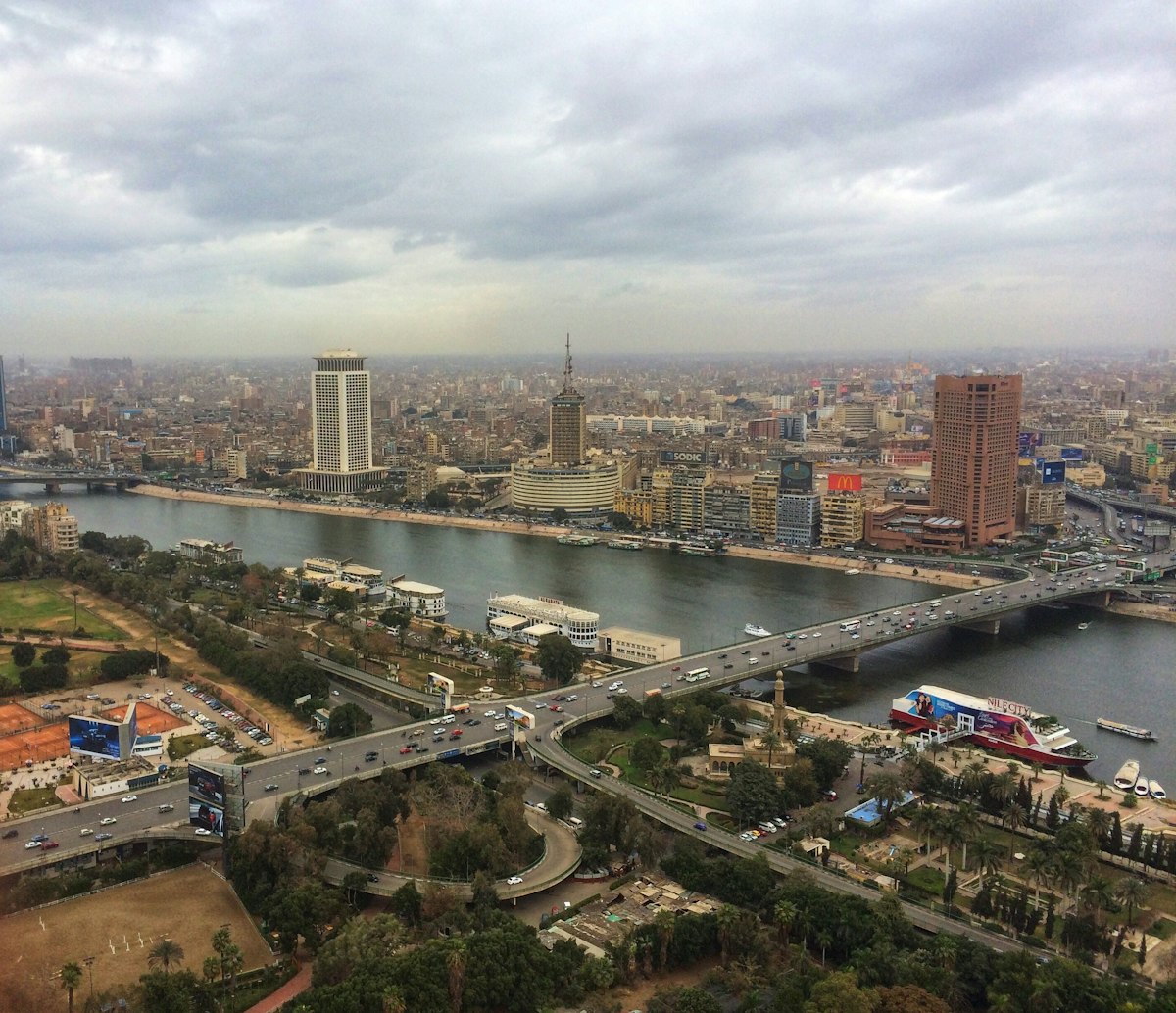
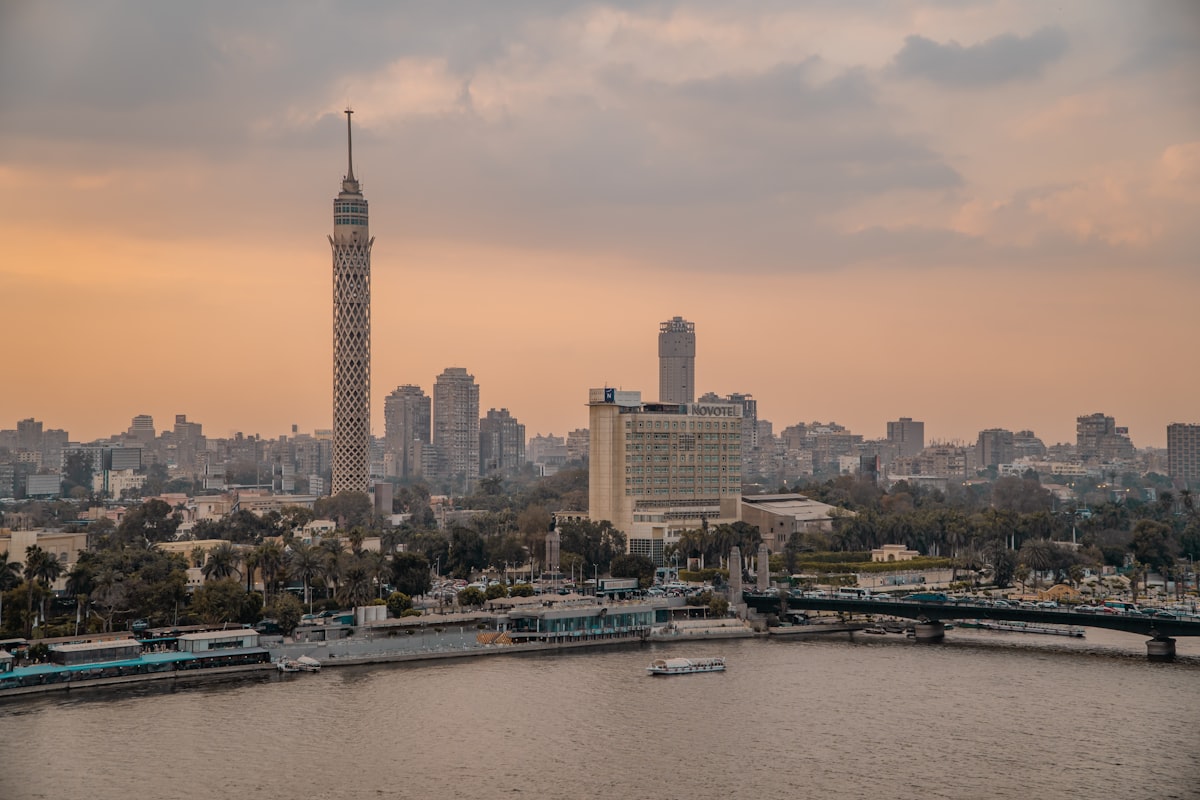
- ↑The city's social calendar is fully operative. Rooftop restaurants on the Zamalek corniche, the terrace at the Nile Ritz-Carlton, and the outdoor tables at Abu el Sid in Zamalek are all operating at peak capacity. Nightlife — Cairo's music-driven café scene — is at its most animated.
What you sacrifice
- ↓Peak season pricing is fully in effect. Top-tier Nile-view hotels (Four Seasons at the First Residence, the Kempinski Nile Hotel) run $350–$600/night. Mid-range boutique properties in Zamalek and Garden City are $150–$250. Book 6–8 weeks ahead or lose the best options.
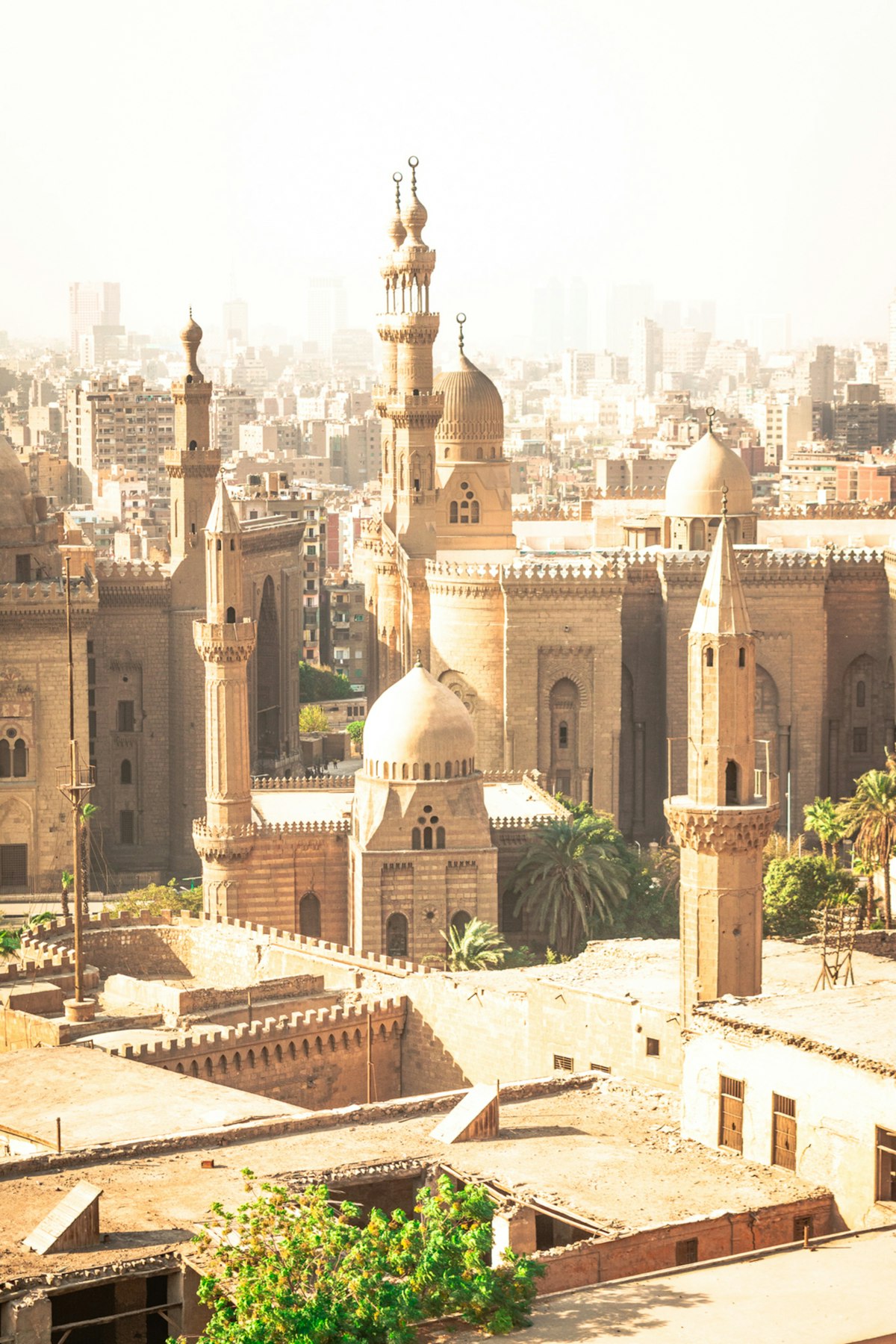
- ↓The most popular sites — the Giza Plateau on a morning tour, Tutankhamun's gallery at the GEM, and the Al-Muizz Street in Islamic Cairo on a Friday afternoon — see their annual peak visitor numbers. Arrive early and plan logistically.
Nov scores highest overall — reliable weather and strong local atmosphere. Set your priorities below to personalise this result.
Nov
The single best month — perfect weather, peak culture, and the city at its most alive.
25.3°C
High
4mm
Rain
8.3h
Sun
- ↑November is Cairo at its finest. Days of 24–26°C with crystal-clear blue skies, cool comfortable evenings, and essentially zero rainfall create the definitive conditions for sightseeing. The Giza Plateau is beautiful from sunrise to sunset. The light on the Pyramids and Sphinx in the afternoon — warm golden desert light at a low angle — is the photograph that ends up on every Cairo travel feature.
- ↑The Cairo International Film Festival (CIFF, typically late November, established in 1976, one of the most prestigious on the African continent) brings international filmmakers and a vibrant atmosphere to the downtown cinemas around Tahrir Square. Tickets are affordable and queues are long in a way that suggests genuine local enthusiasm.
- ↑The city's social calendar is fully operative. Rooftop restaurants on the Zamalek corniche, the terrace at the Nile Ritz-Carlton, and the outdoor tables at Abu el Sid in Zamalek are all operating at peak capacity. Nightlife — Cairo's music-driven café scene — is at its most animated.
- ↓Peak season pricing is fully in effect. Top-tier Nile-view hotels (Four Seasons at the First Residence, the Kempinski Nile Hotel) run $350–$600/night. Mid-range boutique properties in Zamalek and Garden City are $150–$250. Book 6–8 weeks ahead or lose the best options.
- ↓The most popular sites — the Giza Plateau on a morning tour, Tutankhamun's gallery at the GEM, and the Al-Muizz Street in Islamic Cairo on a Friday afternoon — see their annual peak visitor numbers. Arrive early and plan logistically.
Top travel windows
★ BestNovember
Best overall
Highest combined score
25.3°C
High
4mm
Rain
8.3h
Sun
July
Best for value
Lowest prices & fees
38.5°C
High
0mm
Rain
13.3h
Sun
July
Fewest crowds
Quietest month
38.5°C
High
0mm
Rain
13.3h
Sun
Breakdown by priority
Best for weather
November
25.3°C high · 4mm rain · 8.3hrs sun/day
Best for budget
July
July is the cheapest month to see the Pyramids. Budget 4-star hotels near Giza fall to EGP 3,000–5,000/night; guesthouses in Islamic Cairo and downtown can be found for under EGP 1,500. Camel ride operators and souvenir vendors are deeply negotiable when there are essentially no other tourists.
Fewest crowds
July
July is the cheapest month to see the Pyramids. Budget 4-star hotels near Giza fall to EGP 3,000–5,000/night; guesthouses in Islamic Cairo and downtown can be found for under EGP 1,500. Camel ride operators and souvenir vendors are deeply negotiable when there are essentially no other tourists.
Worst time to visit
July, August
July averages 38–39°C with regular peaks of 41–42°C. These are temperatures that require genuine precautions: pre-dawn starts (the Giza site opens at 7am, and July's early sun is relatively bearable before 9am), 4+ litres of water per person per day, and no outdoor exposure between 10am and 5pm. Heat exhaustion can develop within 30 minutes in direct sun at these temperatures.
Where to stay in Cairo
All neighbourhoods →Islamic Cairo (Al-Muizz)
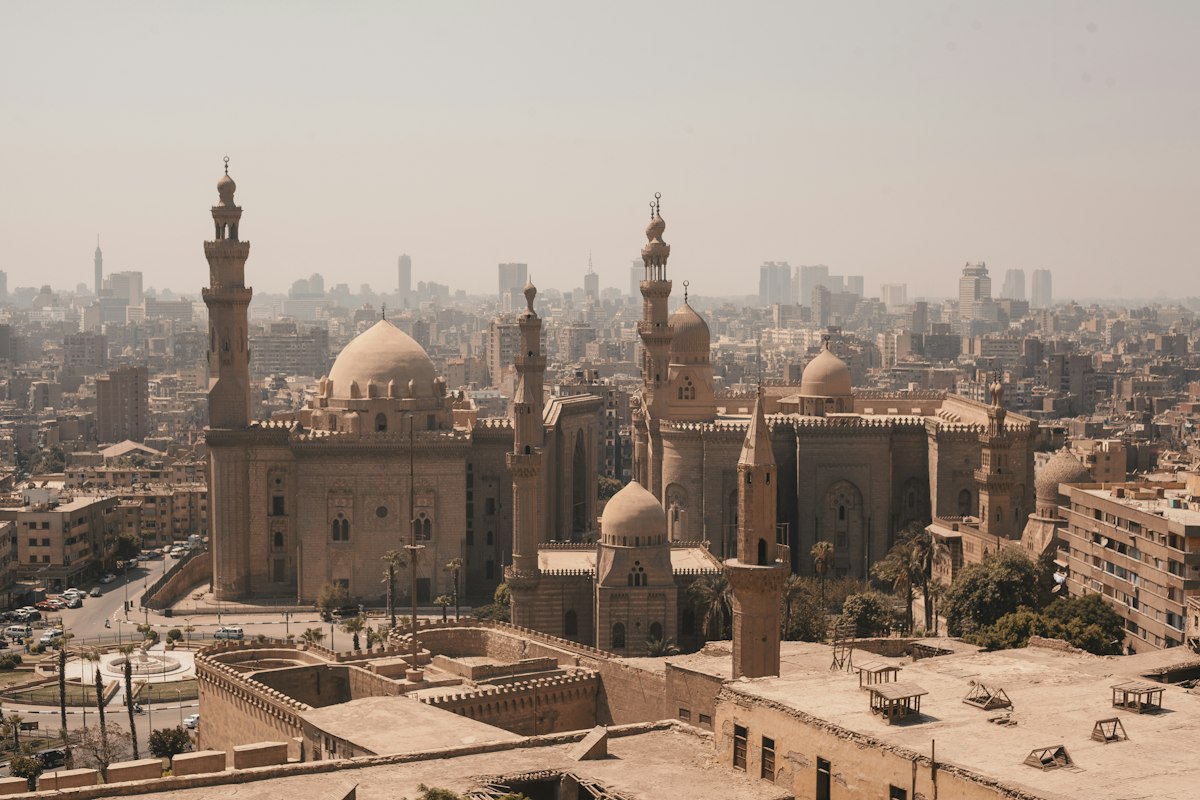
The medieval city — 1,000 years of Islamic architecture and the living fabric of old Cairo.
7/10
Central
9/10
Walk
7/10
Transit
Garden City
Cairo's most elegant neighbourhood — curved colonial-era streets, embassy row, and Nile proximity.
9/10
Central
7/10
Walk
8/10
Transit
Also exploring
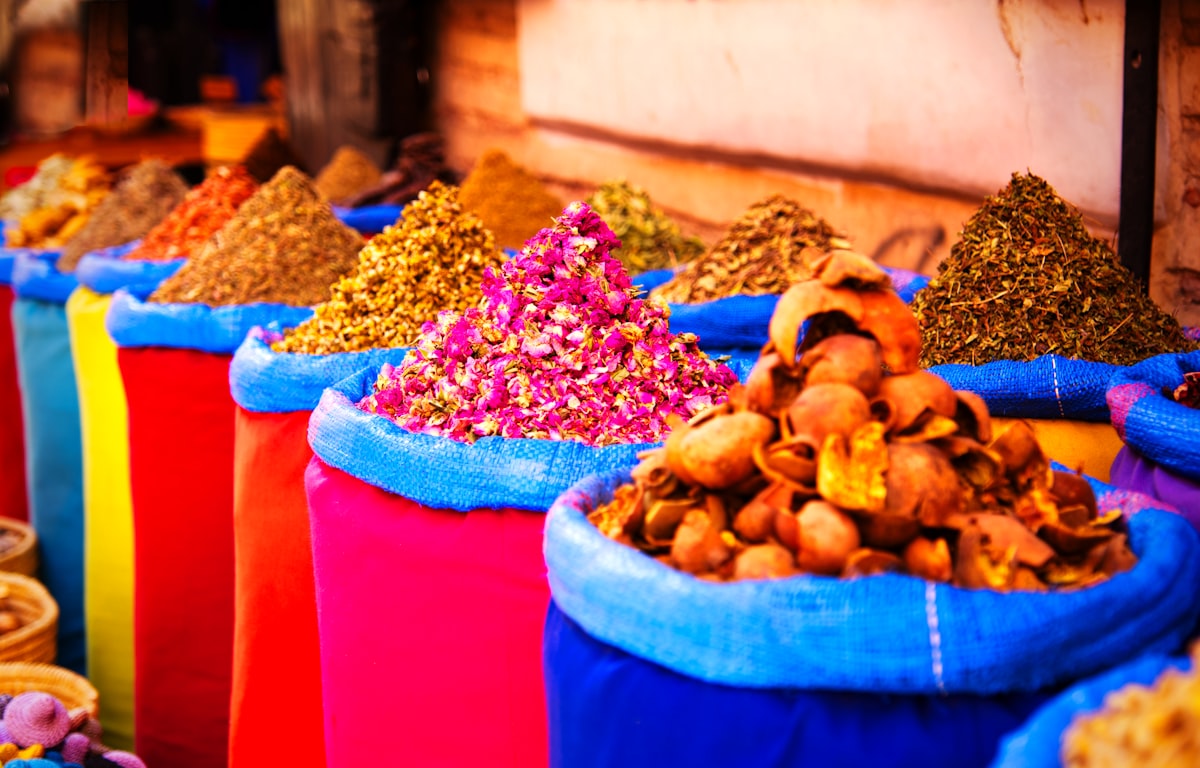
Marrakech
Morocco
A city of medieval medina markets, orange groves, and Atlas Mountain views where summer heat is genuinely dangerous and spring timing is everything.
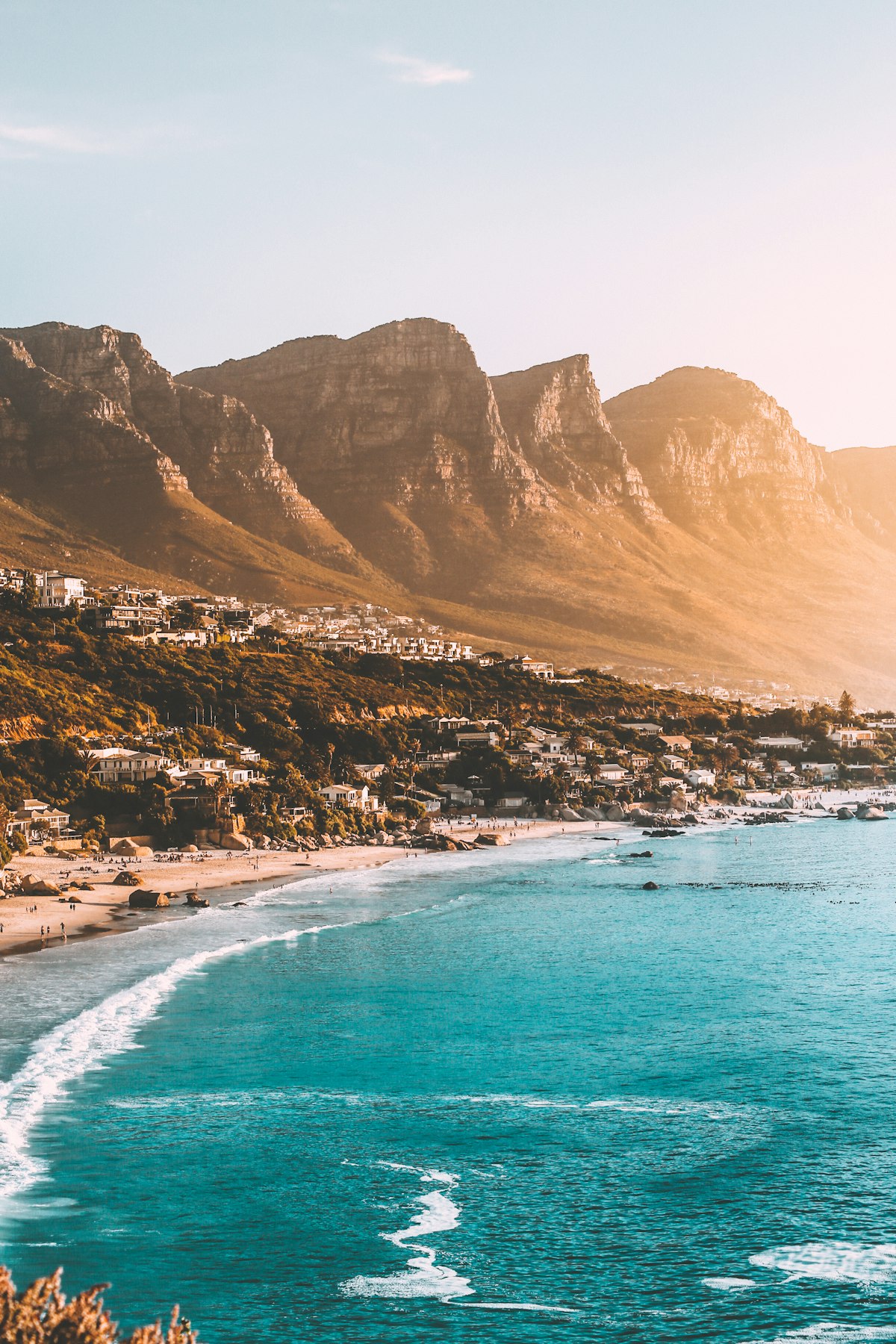
Cape Town
South Africa
Africa's most dramatic city — where timing means choosing between the dry, sunny austral summer (November–March) for beaches and hiking, and the cooler winter months when southern right whales arrive in False Bay and the wildflowers transform the West Coast.
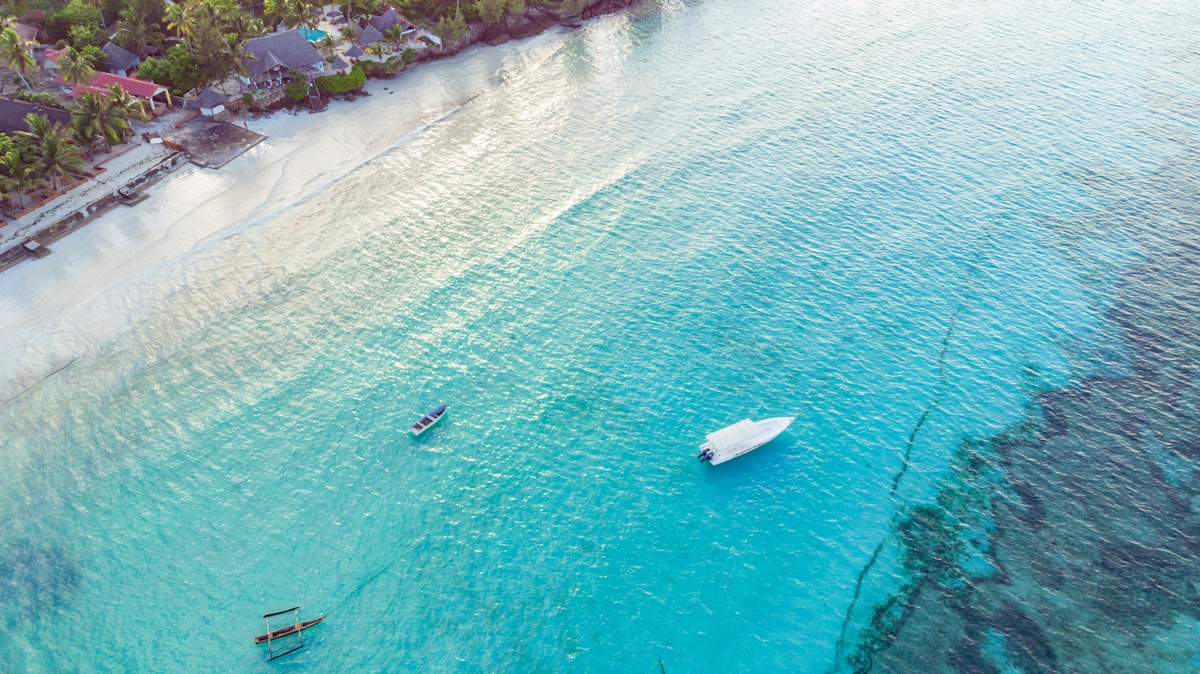
Zanzibar
Tanzania
A UNESCO-listed Swahili trading city, world-class kite surfing, whale shark encounters, and Indian Ocean beaches — Tanzania's island extension is one of Africa's most compelling destinations, shaped by two distinct rainy seasons that divide the year sharply into when to go and when not to.
Month by month breakdown
January#2▾
Gains
- ↑January delivers Cairo's finest sightseeing conditions. At 19°C highs and 9°C overnight, the Giza Plateau is comfortable from 8am until sunset. The light on the Pyramids in the late afternoon is extraordinary — a warm, golden angle that makes the limestone glow. The Sphinx, lit by the low winter sun, photographs better in January than in any other month.
- ↑The Egyptian Museum on Tahrir Square is manageable in January, with international visitor numbers lower than they'll be in spring and autumn. With 170,000 artefacts on display, including Tutankhamun's complete burial collection, a focused 4-hour visit is feasible without peak-season scrum.
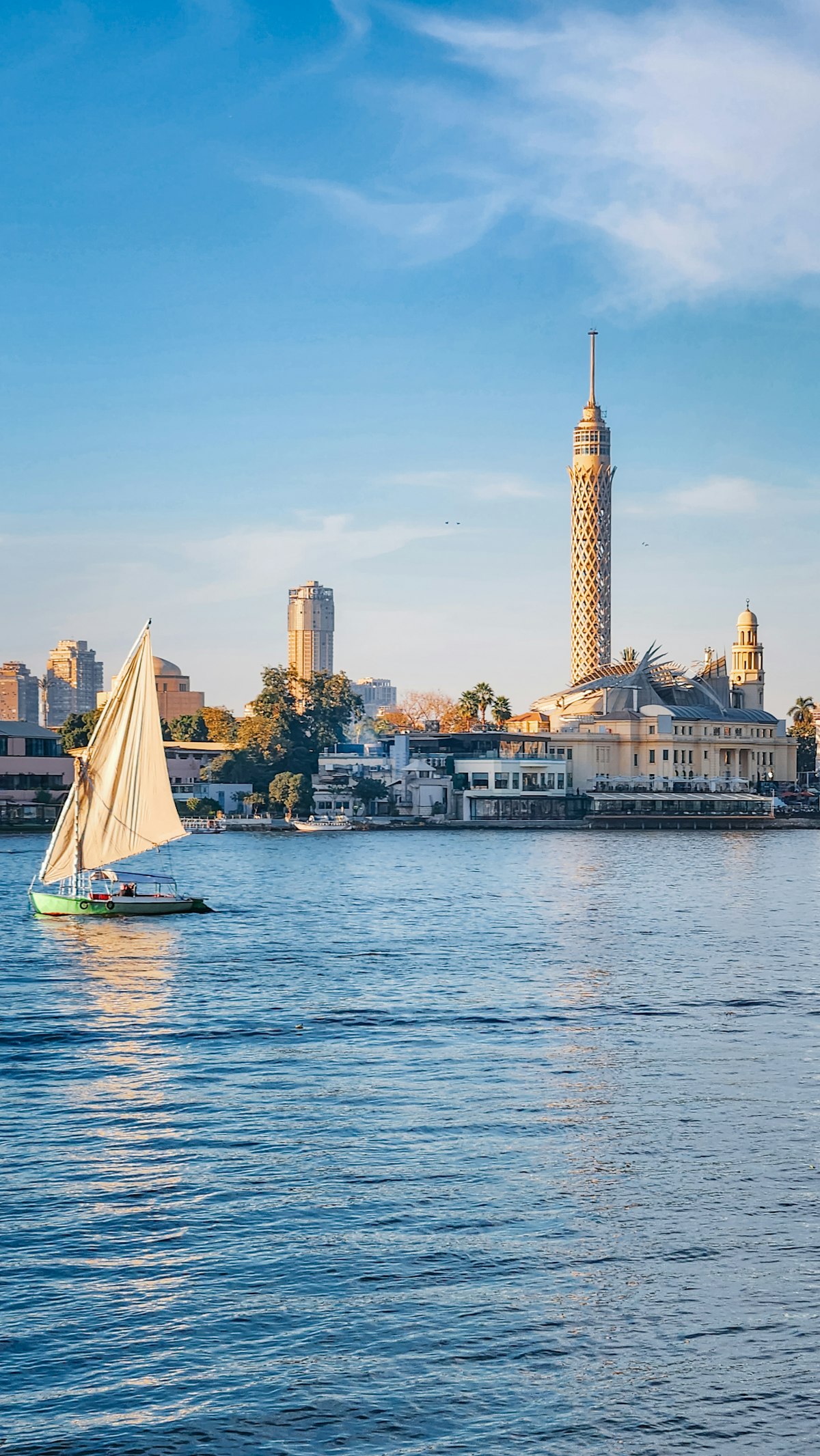
- ↑Felucca sailboats on the Nile are at their most pleasant in January — a 90-minute sunset sail from the embankment near the Four Seasons is one of Cairo's most atmospheric experiences, with the Zamalek island in the background and the evening call to prayer echoing across the water.
Sacrifices
- ↓January is now broadly considered peak season alongside November and October, meaning popular sites require advance booking. The Giza sound-and-light show books out for weekends 2–3 weeks ahead, and well-regarded Egyptology-focused tour companies — like Egypt Tours Portal or On the Go Tours — need 4–6 weeks lead time.
- ↓Nights can be genuinely cold by Cairo standards (9°C). Egyptian buildings are not insulated for cold and many hotels and restaurants are not well-heated, making evenings on outdoor terraces distinctly chilly without a mid-layer.
February#4▾
Gains
- ↑February temperatures edge up to a near-perfect 21°C, with essentially zero rainfall and low humidity. The Giza Plateau, Saqqara necropolis, and the drive south to Dahshur (the Red Pyramid and Bent Pyramid) are all comfortable full-day excursions. Saqqara in February is dramatically under-visited compared to Giza — the Step Pyramid of Djoser can feel almost private on a weekday.
- ↑The Cairo International Book Fair (late January to early February, held at the Egypt International Exhibition Center) is one of the largest book fairs in the world, drawing 3–4 million visitors and a remarkable cross-section of Egyptian society. Not a tourist event — a genuinely local cultural phenomenon worth an afternoon.
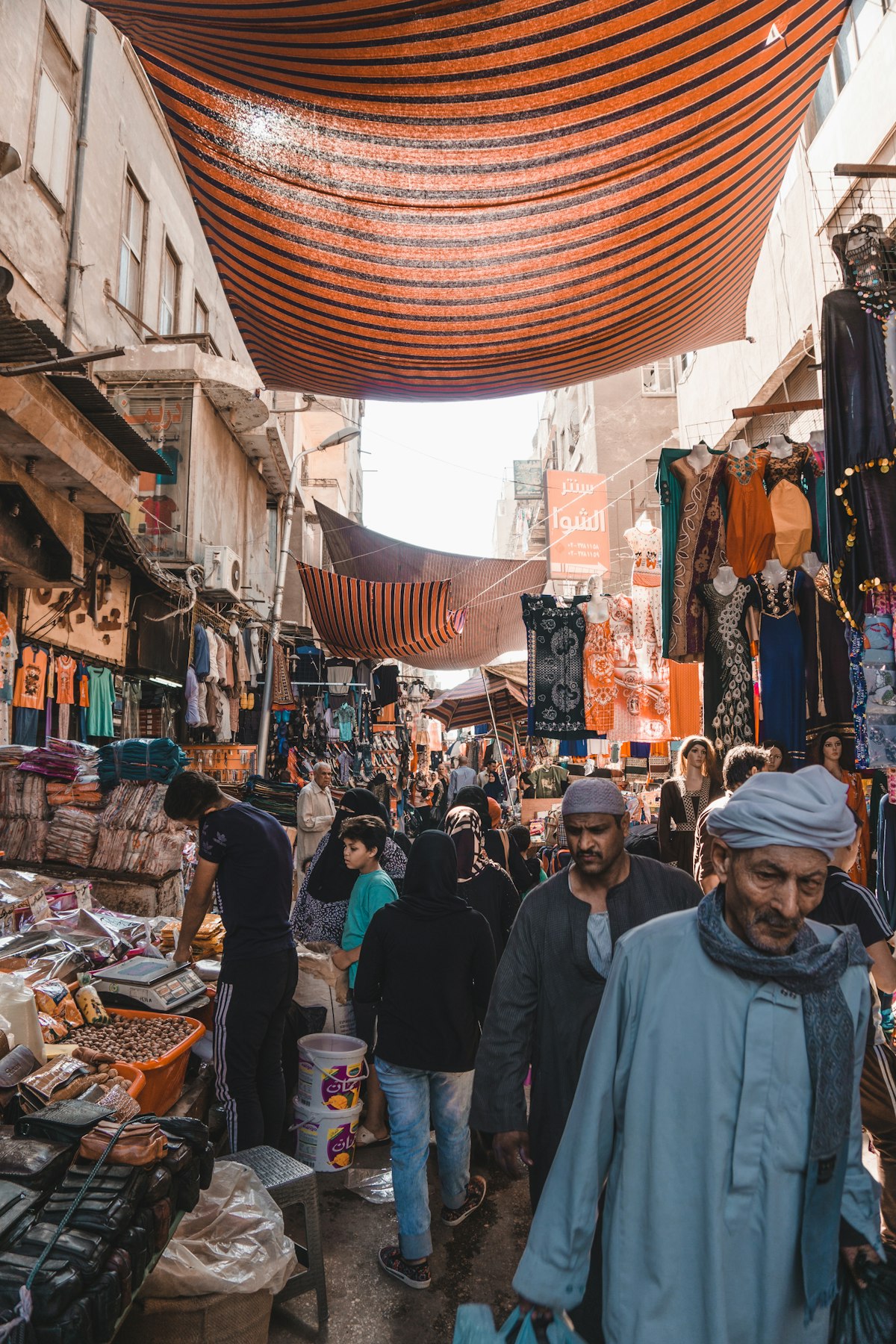
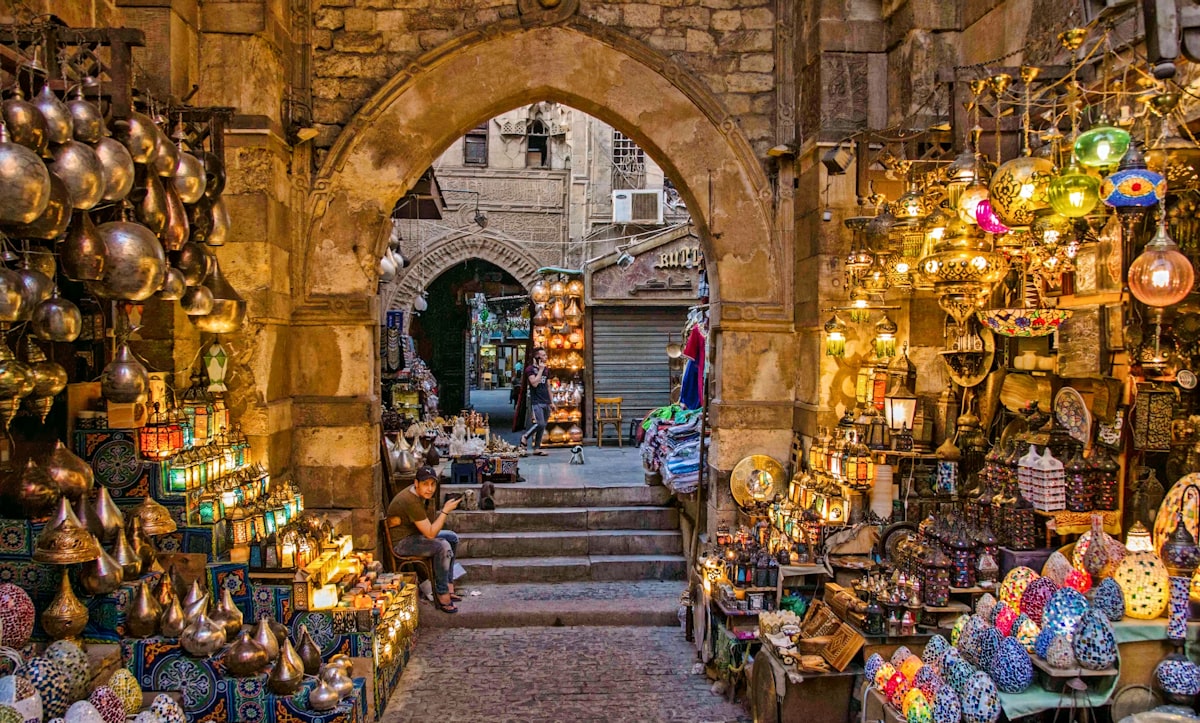
- ↑Khan el-Khalili bazaar is at its most navigable in the cooler months. The historic quarter — particularly Al-Muizz li-Din Allah Al-Fatimi Street — can be walked end-to-end (1km) in the morning light before the vendor pressure intensifies after 10am.
Sacrifices
- ↓February can occasionally see the early onset of Khamsin conditions — the hot sandstorms that characterise March and April in Egypt. These are rare but not impossible, and can arrive with 24 hours of warning, reducing visibility to near zero and coating everything in fine desert dust.
- ↓International tourism is steadily building through February and prices reflect gradual increase from the January lows. Good Nile-view hotels in Zamalek and Garden City run EGP 8,000–14,000/night (approximately $160–$280 at mid-2025 rates).
March#6▾
Gains
- ↑Temperature is ideal in early-to-mid March before the heat accelerates — 22–25°C makes long site visits comfortable. The Giza Plateau, Dahshur, and the medieval mosques of Islamic Cairo are all workable with appropriate clothing. Ramadan scheduling varies by year; if Ramadan falls in March, the city takes on a unique nocturnal atmosphere that is remarkable to witness.
- ↑Spring in Cairo means longer daylight hours (sunset around 6pm by late March) and more time for the light-intensive photography on the plateau. The east-facing Sphinx is best photographed in the morning light of March and April.
- ↑The drive from Cairo to the Fayoum Oasis (90km southwest, about 2 hours) is at its most manageable in March. Wadi El-Rayan and the Wadi El-Hitan (Valley of the Whales, a UNESCO World Heritage site containing 40-million-year-old whale fossils) are surreal desert destinations best visited in spring before the heat becomes brutal.
Sacrifices
- ↓Khamsin sandstorms — hot, dust-laden winds from the Sahara — are most likely between late March and mid-May. A Khamsin can reduce Cairo's visibility from kilometres to metres within an hour, cover every surface in fine orange dust, and make outdoor activities genuinely unpleasant for 1–3 days. They arrive with some forecast warning but are unpredictable in their intensity.
- ↓Tourism peaks for European spring holidays in late March, driving hotel rates to their annual high. Well-located Nile-view properties and boutique hotels in Garden City can be fully booked 6–8 weeks in advance.
April#9▾
Gains
- ↑Early mornings in April (7–10am) are still manageable at the Giza Plateau before temperatures climb past 28°C. The Great Pyramid's interior (the King's Chamber, reached via the Grand Gallery) is a regulated temperature year-round and makes for a welcome respite from the midday heat.
- ↑April is Ramadan's most likely calendar overlap in recent years. The experience of Cairo during Ramadan is extraordinary and unrepeatable: near-deserted streets before iftar, then a city that erupts into life at sunset with street food, family gatherings, and a collective energy unlike anything outside this tradition.
- ↑Prices at many hotels and tourist services drop slightly during Ramadan (when most Egyptian domestic tourism pauses), providing some value for international visitors willing to adapt their schedule to the iftar/suhoor rhythm.
Sacrifices
- ↓Daytime temperatures exceed 30°C by mid-April. The Giza Plateau in the middle of the day — noon to 4pm — is genuinely punishing. An effective strategy requires an early start (7am gate opening), retreating to an air-conditioned café or museum by 11am, then returning after 4pm for the dramatic late afternoon light.
- ↓Khamsin season continues through April and into May. The dust can settle on every camera lens, every piece of clothing, and every meal left uncovered. Pack a dust-proof camera bag and accept that some days may be written off.
May#8▾
Gains
- ↑Tourism drops significantly in May as heat becomes a deterrent. This means Giza can feel genuinely quiet, Khan el-Khalili is navigable, and the Grand Egyptian Museum (which opened its full galleries in 2023, housing over 100,000 artefacts) can be visited without the crush that accompanies the October–March peak.
- ↑Hotel prices fall to their shoulder-season lows. Good Nile-facing rooms in Zamalek and downtown Cairo drop to EGP 5,000–8,000/night. Budget guesthouses near Tahrir Square fall to EGP 1,500–2,500.
- ↑The dry air of May (30% humidity) means that despite the heat, it doesn't feel oppressively humid the way Southeast Asian or Gulf cities do. Early morning and sunset conditions at the Pyramids are still genuinely spectacular.
Sacrifices
- ↓By mid-May, temperatures regularly exceed 34°C during the day, with peaks of 37–38°C. Any outdoor activity between 11am and 5pm is a heat-management exercise. Khamsin season is tapering off but not finished — late May storms are possible.
- ↓The summer tourism drought begins in May. While this means quieter sites, it also means some restaurant and cultural venues reduce their programming and staffing, with some boutique hotels dropping to skeleton service.
June#10▾
Gains
- ↑June delivers Cairo's lowest tourism numbers and consequently lowest prices. Budget travellers who structure their day around the heat — early 6am site visits, a long midday retreat to air-conditioned museums or hotels, and an evening revival — can see Cairo's greatest monuments with virtually no competition.
- ↑The Grand Egyptian Museum in Giza — housing the complete Tutankhamun collection across 7,000sqm of display space — is best visited in a 6-hour indoor session, making June the one month where the museum makes complete sense as a full-day strategy.
Sacrifices
- ↓June temperatures average 37–38°C with peaks approaching 41°C. The heat on the Giza Plateau in the afternoon is not merely uncomfortable — it is dangerous. Heat exhaustion is a genuine risk for visitors not accustomed to desert temperatures, and there is effectively no shade on the plateau outside the ticketed interior spaces.
- ↓Cairo's street food culture and outdoor café scene — its most atmospheric dimension — is largely shuttered in the afternoons. The city retreats indoors between noon and 5pm; evenings are still lively but the summer energy is different from the winter and autumn vibrancy.
July#11▾
Gains
- ↑July is the cheapest month to see the Pyramids. Budget 4-star hotels near Giza fall to EGP 3,000–5,000/night; guesthouses in Islamic Cairo and downtown can be found for under EGP 1,500. Camel ride operators and souvenir vendors are deeply negotiable when there are essentially no other tourists.
- ↑The interior of the Great Pyramid — a constant 20–22°C regardless of external temperatures — is genuinely cool in July. The 87-metre crawl through the Grand Gallery to the King's Chamber is an unforgettable experience at any time of year, and in July it has the additional luxury of being shared with almost no one.
Sacrifices
- ↓July averages 38–39°C with regular peaks of 41–42°C. These are temperatures that require genuine precautions: pre-dawn starts (the Giza site opens at 7am, and July's early sun is relatively bearable before 9am), 4+ litres of water per person per day, and no outdoor exposure between 10am and 5pm. Heat exhaustion can develop within 30 minutes in direct sun at these temperatures.
- ↓Much of Cairo's cultural and culinary infrastructure reduces operations in July. Some restaurants near tourist sites serve breakfast and evening meals only; the Khan el-Khalili bazaar thins dramatically in the afternoon heat; high-end dining spots maintain service but atmosphere is diminished without the winter crowd.
August#12▾
Gains
- ↑August matches July for heat and emptiness. For travellers who can handle extreme temperatures, the authentic Cairo that emerges when tourism disappears is remarkable — local tea houses and ahwas around Khan el-Khalili, the neighbourhood life of Zamalek island, and the Coptic Cairo quarter (including the Ben Ezra Synagogue and the Hanging Church) are accessible without any international visitor pressure.
- ↑Nile cruise bookings from Cairo south to Luxor and Aswan hit their annual lowest prices in August — the river infrastructure remains fully operational and the feluccas and Dahabiyas that run the traditional sailing routes have excess capacity at significantly reduced rates.
Sacrifices
- ↓August temperatures at 38–39°C are identical to July — brutal and requiring a fully disciplined early-morning itinerary. The open desert around the Pyramids provides no natural shade; any visitor planning to walk the Giza Plateau must start at gate opening (7am) and be back in air conditioning by 10am at the latest.
- ↓Some tourist-oriented businesses are in summer skeleton mode. The Grand Egyptian Museum runs reduced programming; several reputable tour operators are operating minimal staffing. Independent exploration is fine, but structured tours require advance planning to confirm availability.
September#7▾
Gains
- ↑Late September (from roughly the 20th onwards) sees temperatures begin to fall toward 32–33°C, making the early morning and late afternoon windows at the Pyramids increasingly manageable. The transformation is not dramatic in September but the direction is clear and the first genuinely pleasant sightseeing days return.
- ↑Tourism remains low in September — hotel prices are at their second-lowest annual levels and the great sites are still quiet relative to the October–April peak. Early movers who arrive in late September get the best of both worlds: improving temperatures and pre-peak quiet.
Sacrifices
- ↓Early September (1st–20th) is effectively still summer. Daily highs of 35–38°C make this a heat-management exercise identical to July and August, with only the evenings beginning to cool meaningfully. Most independent travellers should target the final ten days of September rather than the first.
- ↓September nights are warm (22–23°C) in a way that can make sleep uncomfortable without effective air conditioning. Budget accommodation with unreliable A/C can be genuinely unpleasant.
October#5▾
Gains
- ↑October is the turning point. Temperatures fall to a workable 28–31°C — still warm but manageable across a full day of sightseeing. The Giza Plateau, the Necropolis at Saqqara, and the Memphis open-air museum are all comfortable from 8am to 5pm. This is the month Cairo's cultural infrastructure fires back to full capacity.
- ↑The Cairo International Film Festival (typically November, but preparation and previews spill into October) and a range of autumn cultural events at the Cairo Opera House on Gezira Island bring the city's arts scene back to life. The Opera House — on a Nile island — is one of the more beautiful settings for an evening concert in Africa.
- ↑Khan el-Khalili in October evenings is extraordinary. The bazaar after 7pm — when temperatures have dropped to 22–24°C — becomes a genuinely atmospheric space: perfume merchants, spice shops, silver jewellers, and local tea houses all operating at full capacity.
Sacrifices
- ↓October marks the restart of the peak tourism season and prices rise accordingly. Hotels in Zamalek and Garden City with Nile views return to EGP 10,000–16,000/night. Guided Pyramid tours at reputable companies book out 3–4 weeks ahead.
- ↓Early October (first two weeks) can still see temperatures reaching 33–35°C on warmer days, carrying some residual summer heat. The full comfort of November hasn't arrived — think of early October as transitional rather than peak.
November#1▾
Gains
- ↑November is Cairo at its finest. Days of 24–26°C with crystal-clear blue skies, cool comfortable evenings, and essentially zero rainfall create the definitive conditions for sightseeing. The Giza Plateau is beautiful from sunrise to sunset. The light on the Pyramids and Sphinx in the afternoon — warm golden desert light at a low angle — is the photograph that ends up on every Cairo travel feature.
- ↑The Cairo International Film Festival (CIFF, typically late November, established in 1976, one of the most prestigious on the African continent) brings international filmmakers and a vibrant atmosphere to the downtown cinemas around Tahrir Square. Tickets are affordable and queues are long in a way that suggests genuine local enthusiasm.
- ↑The city's social calendar is fully operative. Rooftop restaurants on the Zamalek corniche, the terrace at the Nile Ritz-Carlton, and the outdoor tables at Abu el Sid in Zamalek are all operating at peak capacity. Nightlife — Cairo's music-driven café scene — is at its most animated.
Sacrifices
- ↓Peak season pricing is fully in effect. Top-tier Nile-view hotels (Four Seasons at the First Residence, the Kempinski Nile Hotel) run $350–$600/night. Mid-range boutique properties in Zamalek and Garden City are $150–$250. Book 6–8 weeks ahead or lose the best options.
- ↓The most popular sites — the Giza Plateau on a morning tour, Tutankhamun's gallery at the GEM, and the Al-Muizz Street in Islamic Cairo on a Friday afternoon — see their annual peak visitor numbers. Arrive early and plan logistically.
December#3▾
Gains
- ↑December conditions mirror November but slightly cooler — 20–21°C highs and 10°C evenings make every sightseeing window comfortable. The low winter sun creates the same beautiful golden light on the Pyramids at 3–5pm. December is arguably the optimal month for photography: lower humidity than November, longer lingering light, and fewer tour groups mid-month after European school terms resume.
- ↑Egypt's Coptic Christian community (around 10–15% of the population, concentrated in Cairo, Minya, and Asyut) celebrates Christmas on January 7th, but the festive build-up through December — particularly around the ancient Coptic Cairo district of Old Cairo (Mari Girgis) — is visible and welcoming to visitors.
- ↑New Year's Eve on the Nile is a major social event. The Zamalek island restaurants and the Nile Corniche promenade fill with Egyptian families and visitors celebrating in a distinctly Egyptian way — family-centred, music-heavy, and lasting past midnight. The fireworks over the Nile bridge at midnight are visible from most Nile-view hotel windows.
Sacrifices
- ↓Christmas week and New Year's Eve drive hotel price spikes across the city. The week between Christmas and New Year is one of the busiest for European visitors in particular — Nile-view hotels at this time can require 8–10 weeks advance booking and command premium rates.
- ↓December nights at 10–11°C require a mid-layer and a light jacket — not extreme, but Egyptian buildings are typically uninsulated and evenings on outdoor terraces can be genuinely cold without appropriate clothing.
How this is calculated
Climate data
Open Meteo ERA5
30-year normals (1991–2020). Temperature, rainfall, sunshine, humidity.
Price & crowd
Tourism research
Seasonal pricing from tourism authority data. Directional — compares months within a destination only.
Personalisation
Weighted scoring
Your priorities change the weights. Budget-first users get different results than weather-first users.
Share this result
November is the best time to visit Cairo
Travel timing updates
New destinations and timing guides, when they land.
No spam. Unsubscribe anytime.