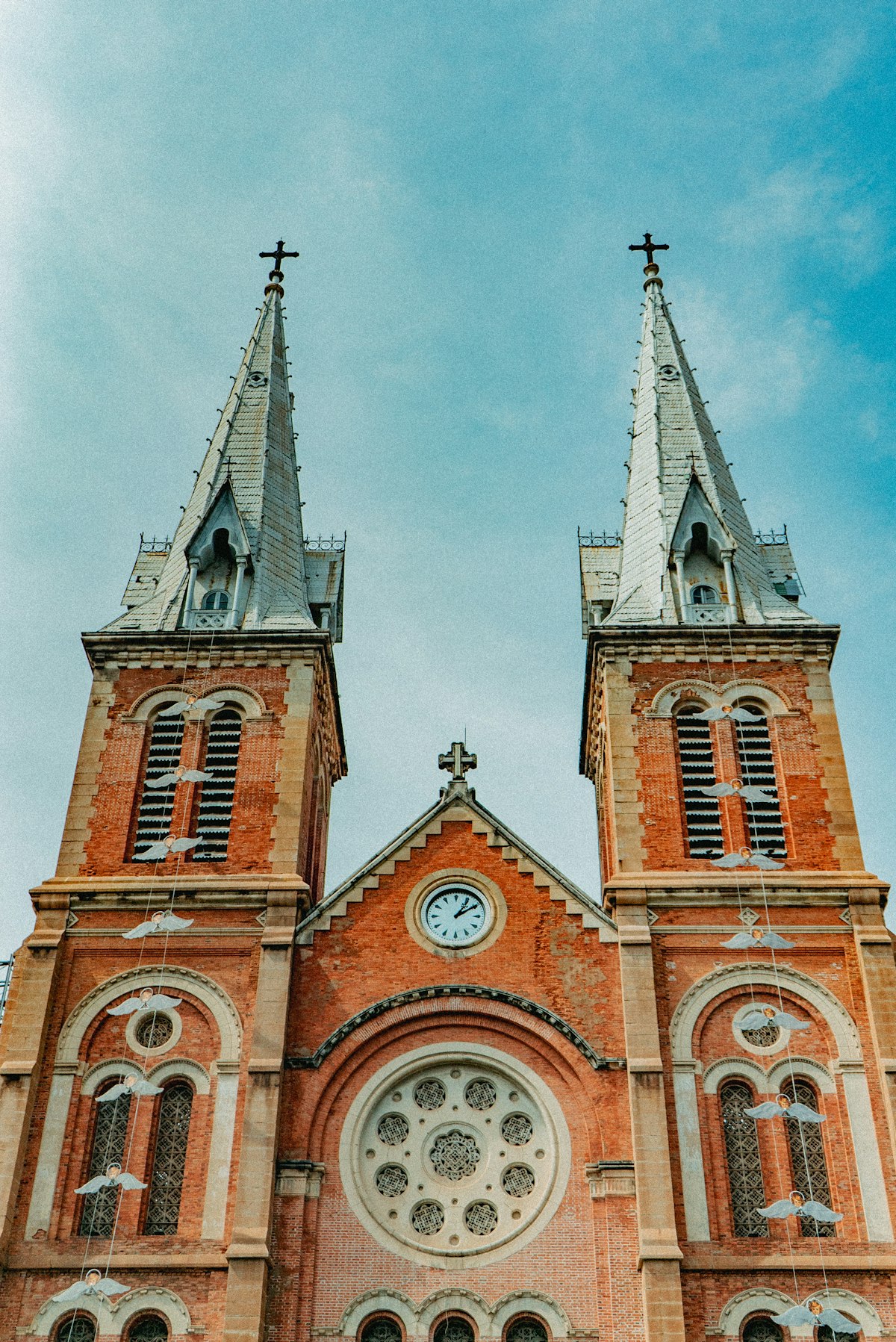
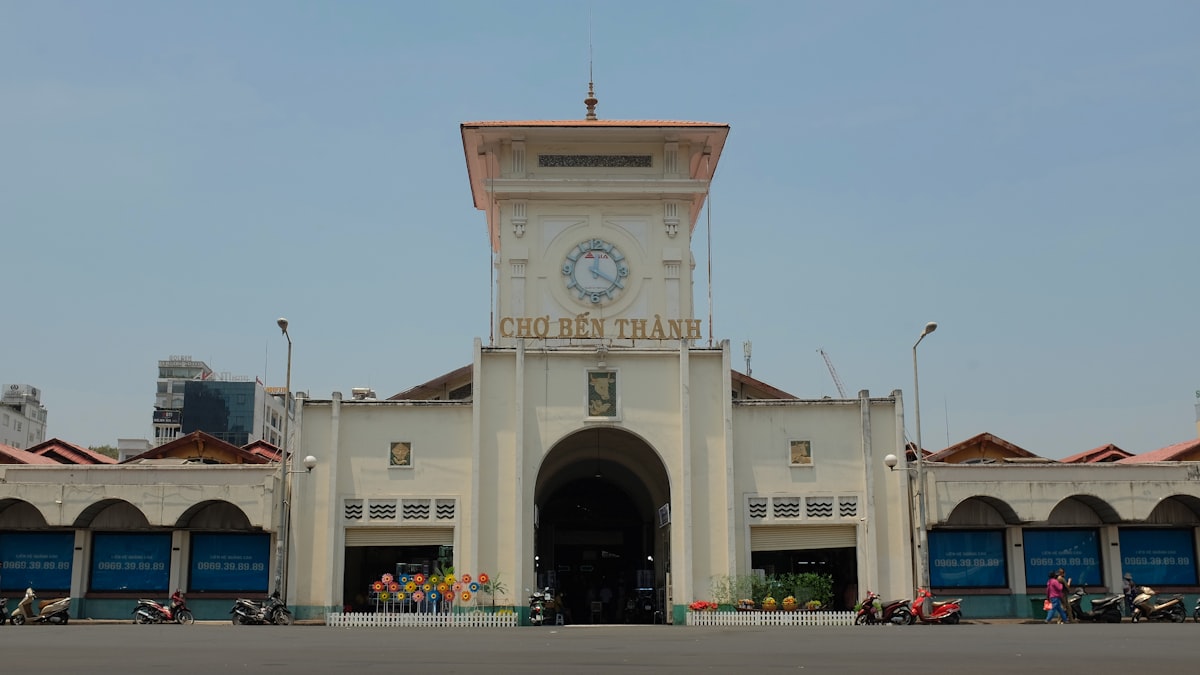
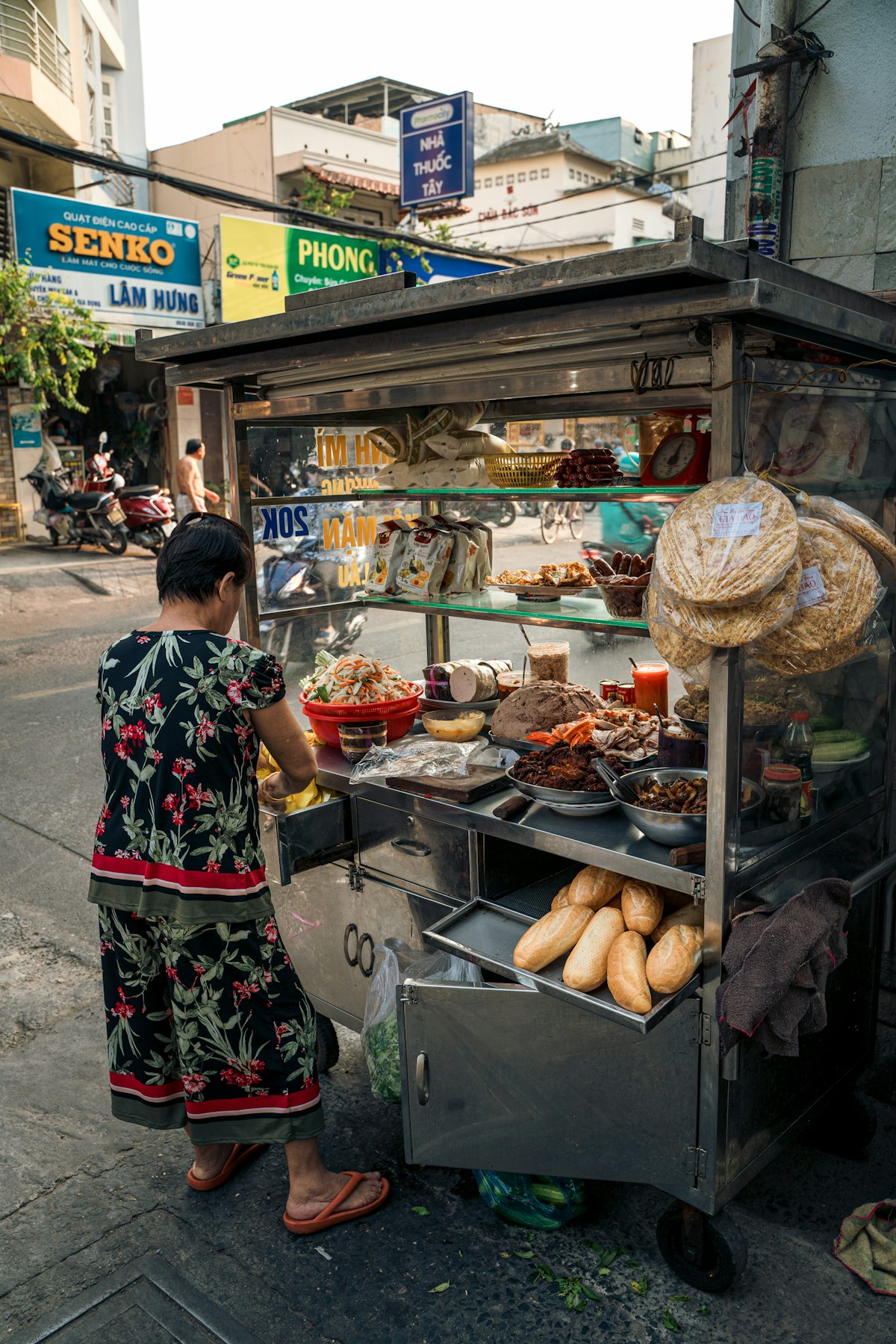
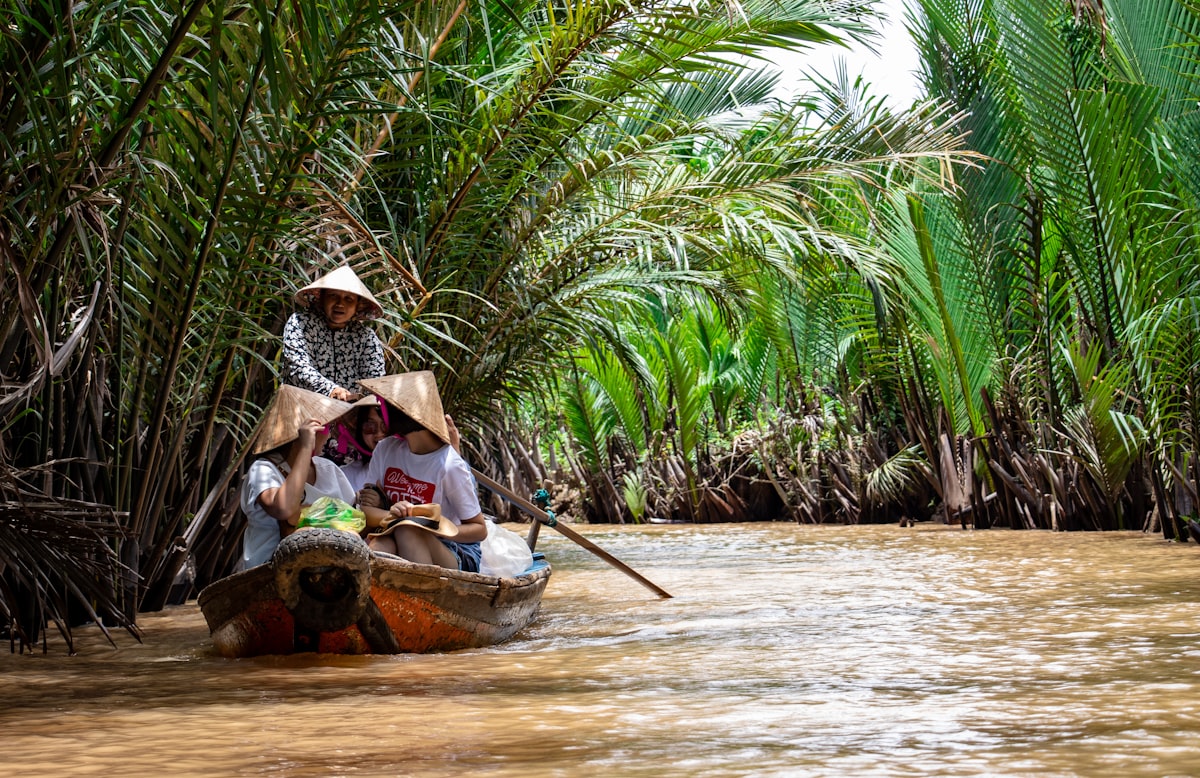
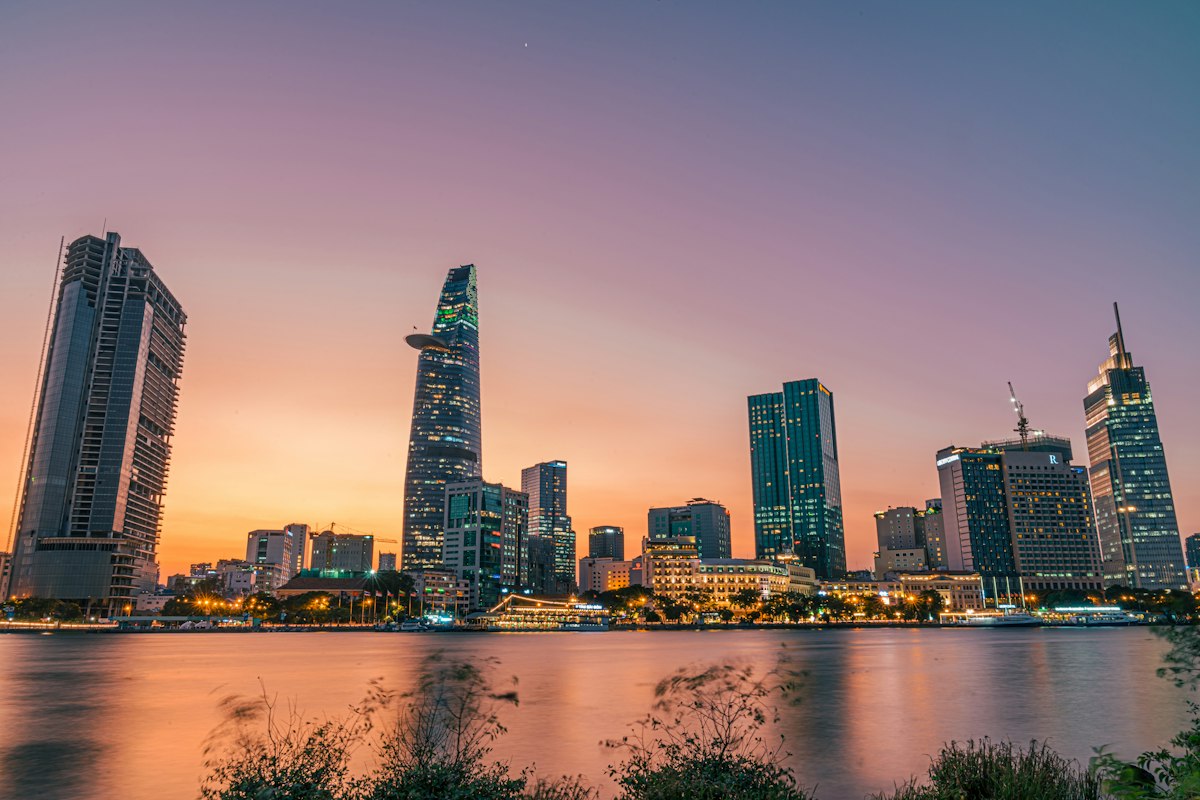
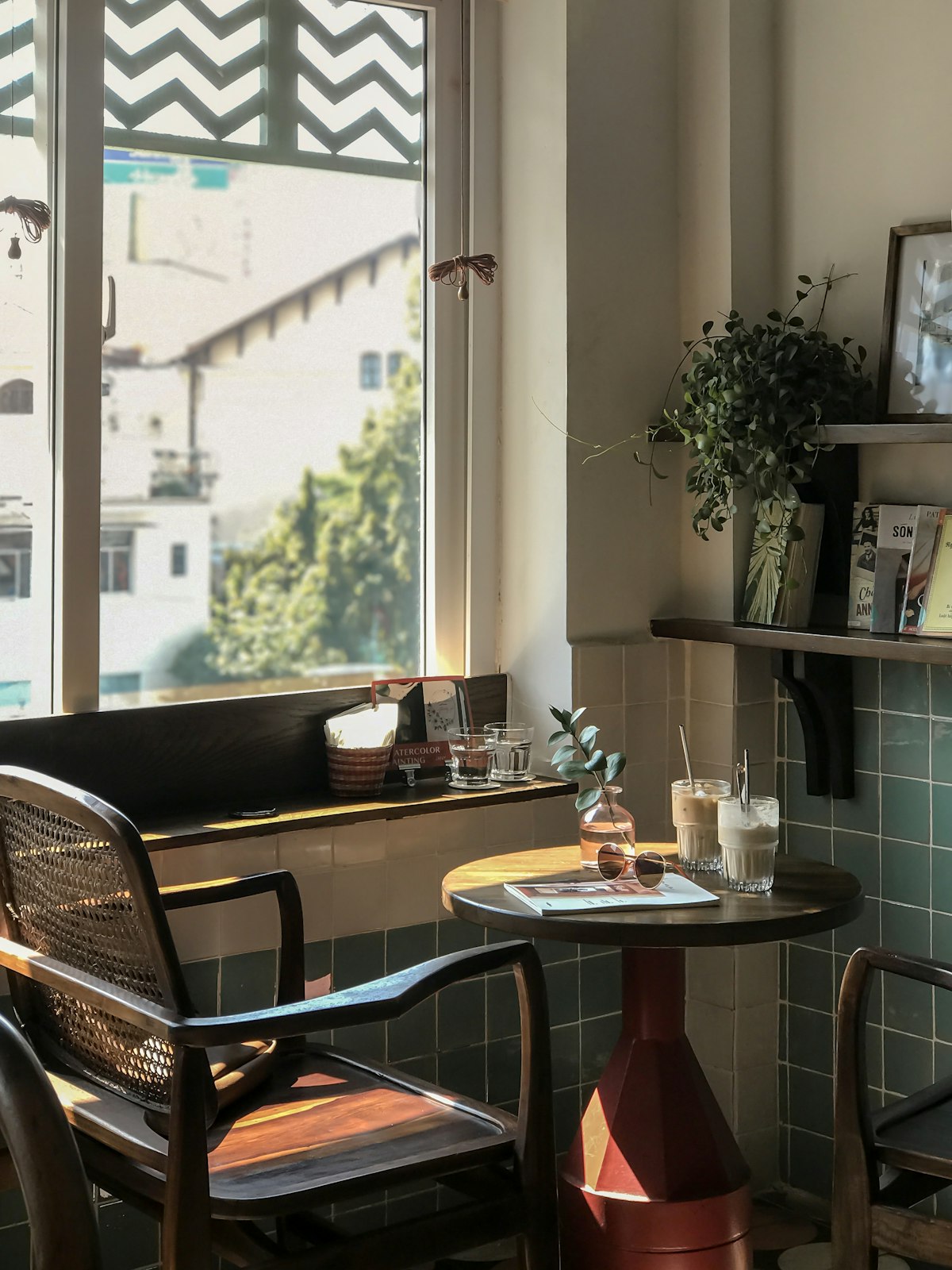
Showing: Feb · Unsplash / Unsplash
Vietnam · Asia Pacific
Best time to visit Ho Chi Minh City
February
Feb scores highest overall — reliable weather and manageable crowds. Set your priorities below to personalise this result.
What matters most to you?
All 12 months — click any to expand
Feb
Unsplash / Unsplash
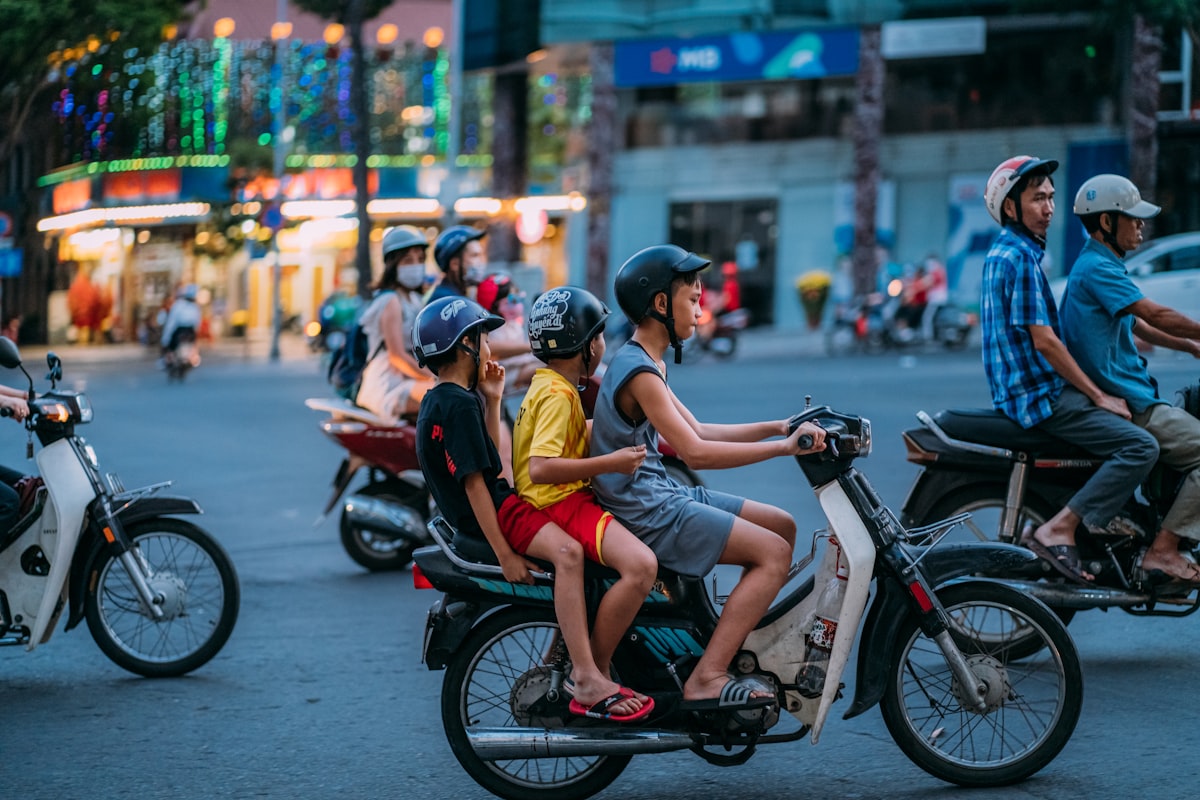
Tết transforms the city — the driest month of the year meets Vietnam's biggest festival.
34°C
High
23°C
Low
5mm
Rain
9h
Sun/day
What you gain
- ↑Tết (Vietnamese Lunar New Year) typically falls in February — the most spectacular festival in Vietnam; flower markets, firecrackers, and the entire city in red and gold
- ↑9 sunshine hours a day and only 5mm of rain: the driest and sunniest month of the year
- ↑The days around Tết itself see locals return to home provinces — the city temporarily quieter, with reduced traffic before celebrations begin
What you sacrifice
- ↓Tết week means many restaurants, shops, and services close for 3–7 days — plan around this or embrace the shutdown
- ↓Hotel prices spike sharply around Tết; book 2–3 months ahead for any decent accommodation
- ↓Tết holiday creates domestic travel surge: bus stations, airports, and markets are chaotic in the week before the new year
Feb scores highest overall — reliable weather and manageable crowds. Set your priorities below to personalise this result.
Feb
Tết transforms the city — the driest month of the year meets Vietnam's biggest festival.
34°C
High
5mm
Rain
9h
Sun
- ↑Tết (Vietnamese Lunar New Year) typically falls in February — the most spectacular festival in Vietnam; flower markets, firecrackers, and the entire city in red and gold
- ↑9 sunshine hours a day and only 5mm of rain: the driest and sunniest month of the year
- ↑The days around Tết itself see locals return to home provinces — the city temporarily quieter, with reduced traffic before celebrations begin
- ↓Tết week means many restaurants, shops, and services close for 3–7 days — plan around this or embrace the shutdown
- ↓Hotel prices spike sharply around Tết; book 2–3 months ahead for any decent accommodation
- ↓Tết holiday creates domestic travel surge: bus stations, airports, and markets are chaotic in the week before the new year
Top travel windows
★ BestFebruary
Best overall
Highest combined score
34°C
High
5mm
Rain
9h
Sun
August
Best for value
Lowest prices & fees
32°C
High
270mm
Rain
4h
Sun
★ BestFebruary
Fewest crowds
Quietest month
34°C
High
5mm
Rain
9h
Sun
Breakdown by priority
Best for weather
February
34°C high · 5mm rain · 9hrs sun/day
Best for budget
August
Still low season pricing — excellent value across accommodation categories
Fewest crowds
February
The days around Tết itself see locals return to home provinces — the city temporarily quieter, with reduced traffic before celebrations begin
Worst time to visit
September
330mm of rain — September is statistically the wettest month; serious flood risk in low-lying areas
Also exploring
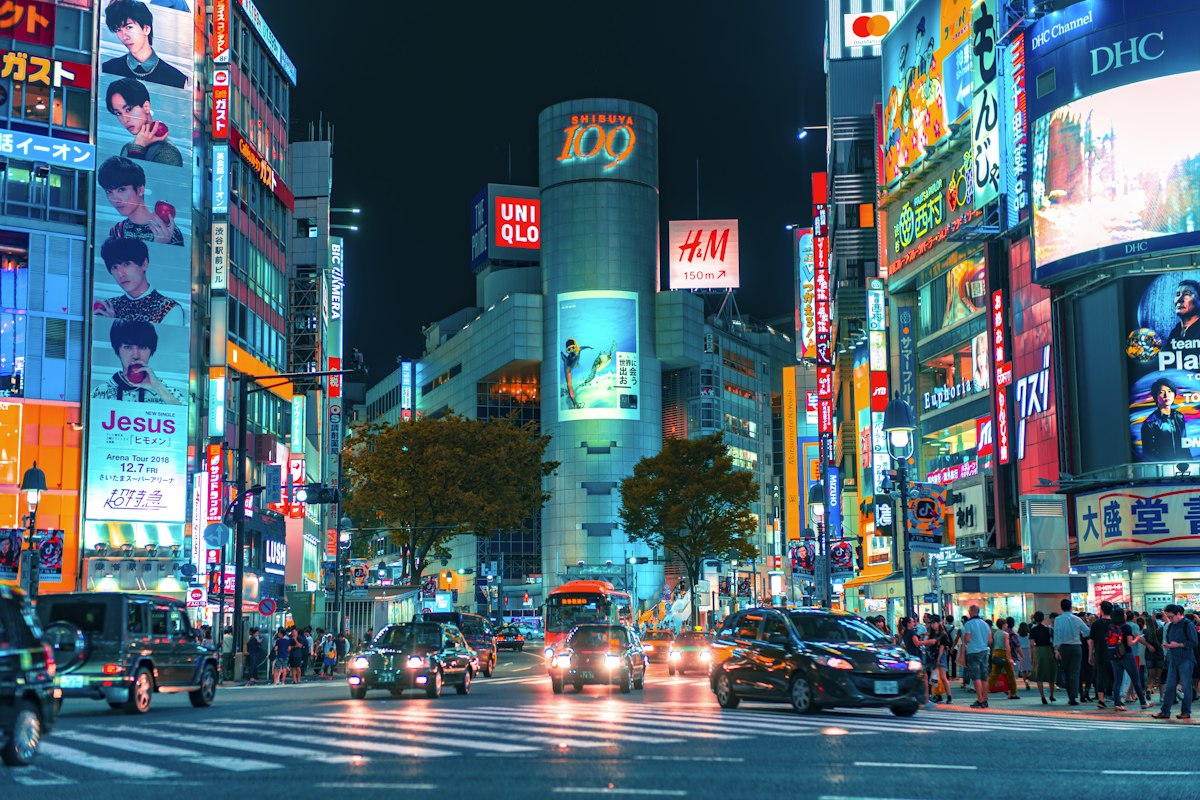
Tokyo
Japan
A city of dramatic seasonal contrasts — cherry blossom crowds, oppressive summer humidity, and golden autumn foliage — where the wrong timing can make or break the trip.
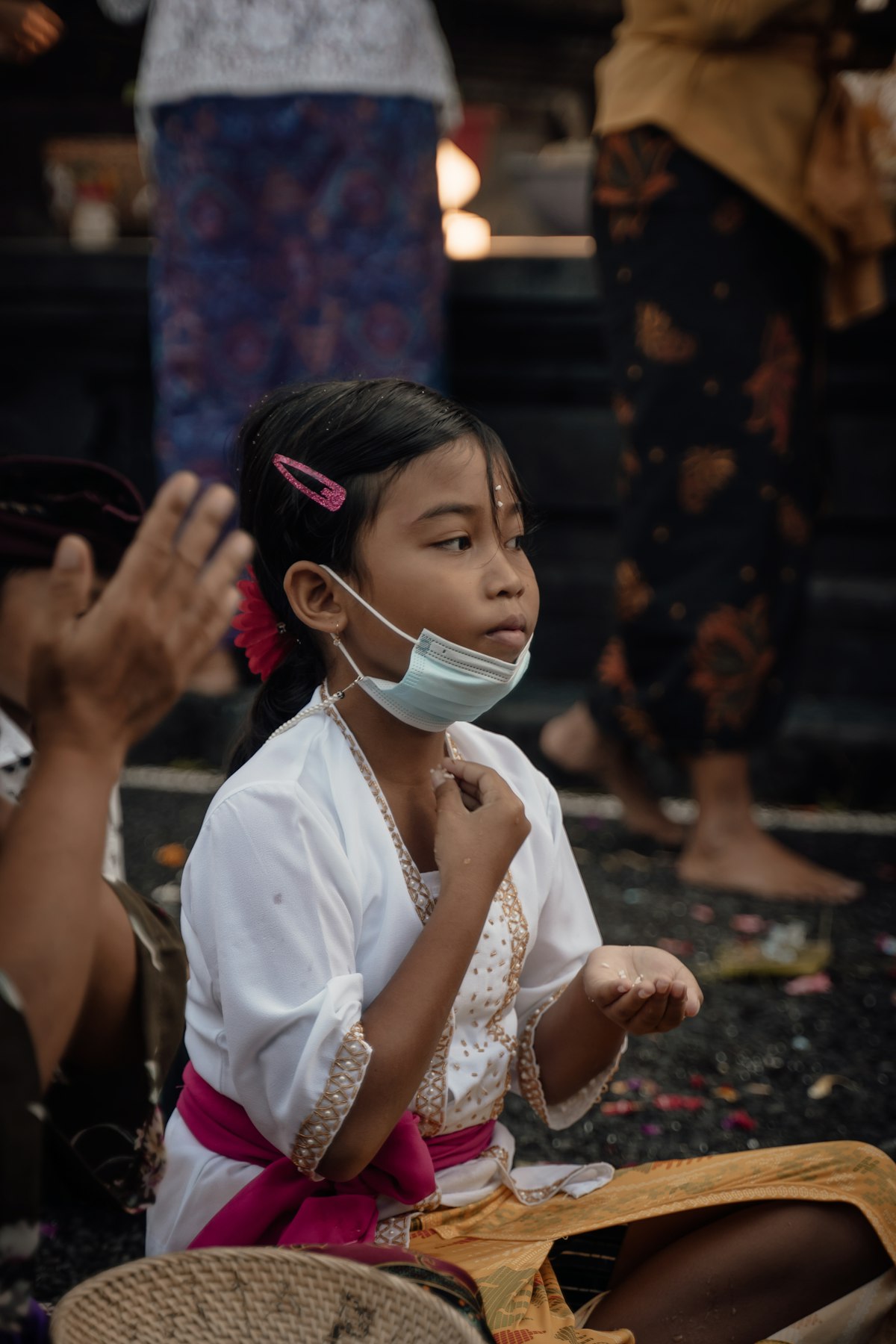
Bali
Indonesia
A Hindu island of rice terraces, temple ceremonies, and surf breaks where the monsoon makes timing genuinely binary — the difference between dry and wet season is not subtle.
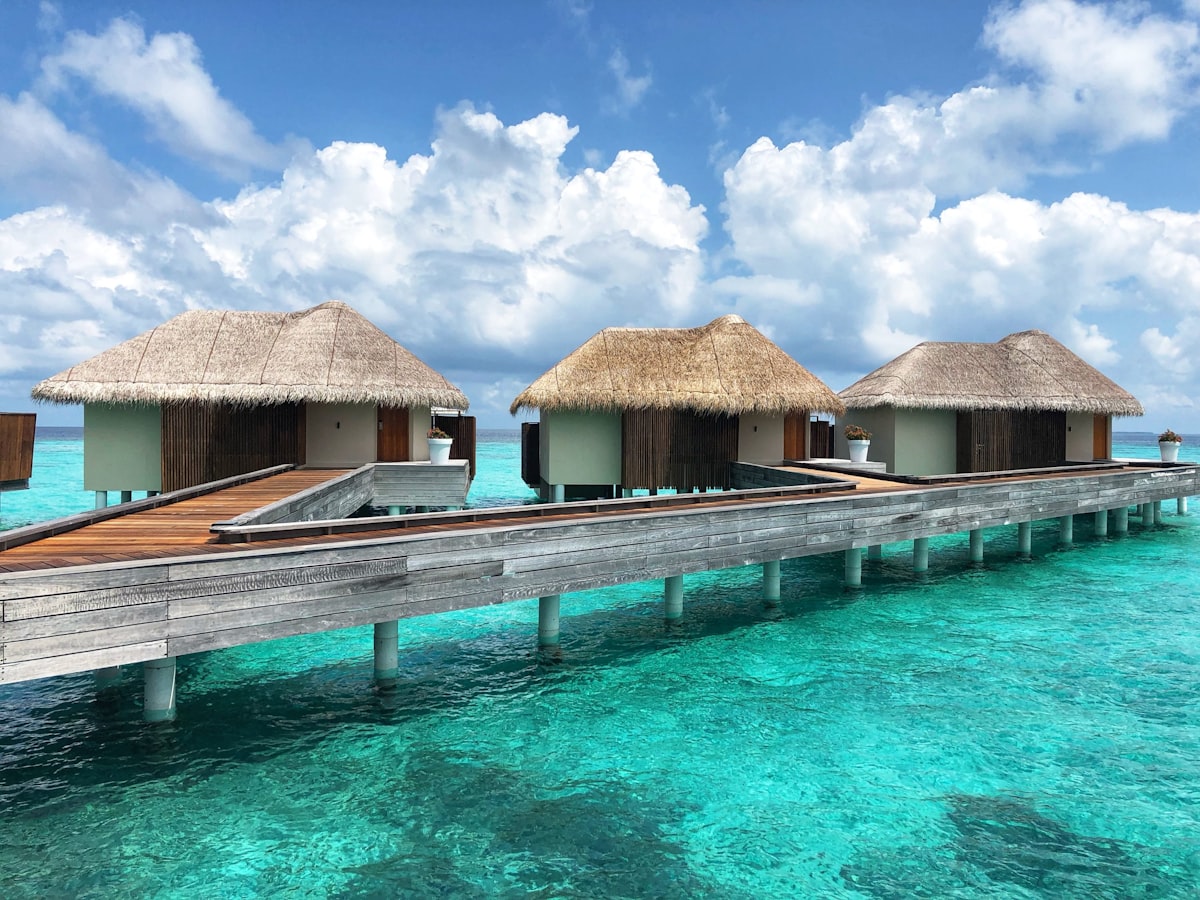
Maldives
Maldives
A destination defined almost entirely by its monsoon calendar — the difference between the NE dry season (November–April) and SW wet season (May–October) is not subtle and shapes every aspect of the experience.
Worth knowing
February scores highest overall. June is the most crowded month — avoid if you can. See crowd-free ranking →
Month by month breakdown
January#2▾
Gains
- ↑Dry season in full swing — 15mm of rain, 33°C days with low humidity by HCMC standards; the city at its most walkable
- ↑Lunar New Year preparation kicks off in January: Nguyen Hue Flower Street is decorated from early in the month, street food stalls proliferate
- ↑Peak season means every tour, cooking class, and Mekong Delta day trip is running at full schedule
Sacrifices
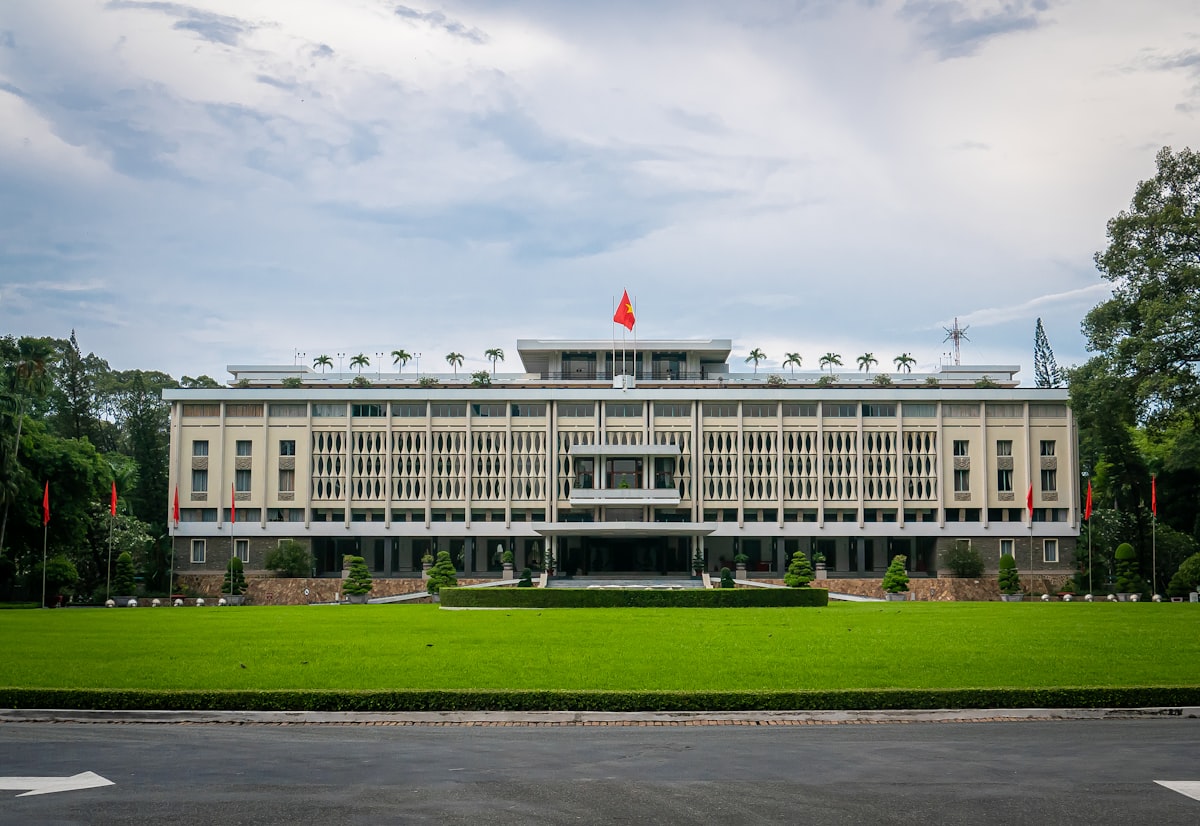
- ↓International visitor volume is at its highest — Ben Thanh Market, War Remnants Museum, and Reunification Palace are at their busiest
- ↓Hotels and good apartments run at peak pricing through the dry-season high
- ↓Tết itself falls in late January or February: book well ahead or accommodation fills completely as domestic travellers move home
February#1▾
Gains
- ↑Tết (Vietnamese Lunar New Year) typically falls in February — the most spectacular festival in Vietnam; flower markets, firecrackers, and the entire city in red and gold
- ↑9 sunshine hours a day and only 5mm of rain: the driest and sunniest month of the year
- ↑The days around Tết itself see locals return to home provinces — the city temporarily quieter, with reduced traffic before celebrations begin
Sacrifices
- ↓Tết week means many restaurants, shops, and services close for 3–7 days — plan around this or embrace the shutdown
- ↓Hotel prices spike sharply around Tết; book 2–3 months ahead for any decent accommodation
- ↓Tết holiday creates domestic travel surge: bus stations, airports, and markets are chaotic in the week before the new year
March#4▾
Gains
- ↑Still firmly in dry season with 15mm of rain — excellent weather for rooftop bars, walking the French Quarter, and day trips
- ↑Post-Tết calm: crowds have dispersed and the city returns to normal operating rhythm with lower prices than peak
- ↑March is among the best months for the Mekong Delta boat tours: water levels high enough for good navigation, weather cooperative
Sacrifices
- ↓Temperatures begin climbing toward 35°C; the combination of heat and humidity makes afternoon outdoor walking uncomfortable
- ↓Some popular restaurants and cafés remain closed in early March if the owners extended their Tết holiday
- ↓Shoulder between Tết peak and Easter/spring-break influx: some activities still on reduced schedule
April#6▾
Gains
- ↑The last full dry-season month before rains begin: mornings are still excellent for sightseeing before the afternoon heat peaks
- ↑Easter week and spring school holidays bring an influx of European and Australian visitors, but crowds are still manageable
- ↑April is the start of durian season in the south — street market durian at its peak quality
Sacrifices
- ↓Peak heat: 36°C highs are the hottest of the year, and afternoon outdoor movement is genuinely uncomfortable
- ↓Rainfall begins to arrive in late April — expect 45mm and occasional heavy afternoon thunderstorms
- ↓Easter holiday pricing begins creeping up; accommodation fills faster than in February or March
May#7▾
Gains
- ↑Wet season begins — hotel rates drop sharply and you get significantly better value across all categories
- ↑Rain falls as dramatic afternoon thunderstorms (typically 14:00–17:00) rather than all-day drizzle — mornings remain sunny and workable
- ↑Fewer international tourists; better access to popular restaurants, cooking classes, and museum admissions
Sacrifices
- ↓220mm of rainfall — rain is now a daily reality; pack a light waterproof for every afternoon outing
- ↓Some Mekong Delta boat tours become restricted as water rises; check current conditions before booking
- ↓Humidity climbs to 78% — the city's heat feels heavier and more draining than dry-season months
June#10▾
Gains
- ↑Cheapest accommodation rates of the year — budget and mid-range options across District 1 and District 3 at significant discounts
- ↑Authentic local atmosphere: the June–August window is when Vietnamese domestic tourists from the north visit, giving the city a less internationally-touristy feel
- ↑Indoor attractions — War Remnants Museum, HCMC Museum, Fine Arts Museum — fully air-conditioned and uncrowded
Sacrifices
- ↓310mm of rain: the wettest months are June–September; serious flooding can affect low-lying districts including parts of District 1 and District 7
- ↓Outside air-conditioned spaces, heat and humidity are deeply uncomfortable for most visitors; this is not a walking city in June
- ↓Street food culture diminishes somewhat — many outdoor stalls reduce hours or close during heavy rain periods
July#11▾
Gains
- ↑Low prices and low crowds: the quietest international visitor month alongside August
- ↑Rooftop bars and indoor venues are atmospheric in the rain; Bui Vien bar street and the craft beer scene on Ly Tu Trong are fully operational regardless of season
- ↑Vietnamese summer school holidays bring local families out — a good time to observe the Vietnamese family-oriented café culture
Sacrifices
- ↓290mm of rainfall: outdoor itineraries require constant flexibility
- ↓Visa runs to Cambodia or Thailand are more miserable in wet season — border crossings at Moc Bai can flood
- ↓Some popular boat tours and Can Gio mangrove visits are restricted by river conditions
August#9▾
Gains
- ↑Still low season pricing — excellent value across accommodation categories
- ↑Ghost Festival (Hungry Ghost Month, 7th lunar month) in August–September: Chinese-Vietnamese incense-burning and street offerings visible in Cholon and across the city
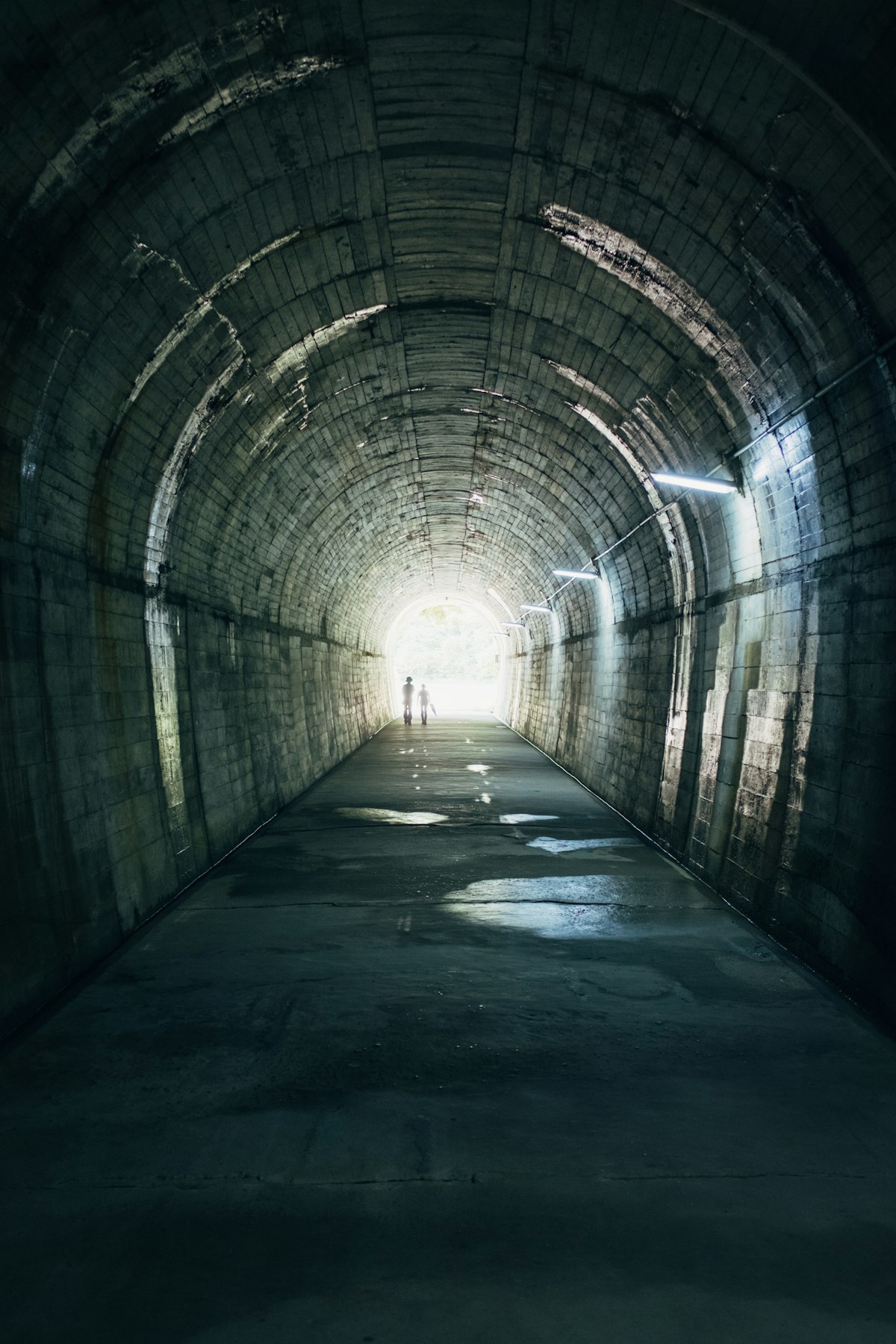
- ↑Cu Chi Tunnels day trips are uncrowded and the jungle setting is at its most atmospheric during wet season
Sacrifices
- ↓270mm of rainfall; flash flooding is possible after heavy downpours
- ↓Heat and humidity remain at peak uncomfortable levels
- ↓Some of the best day-trip destinations (Mekong Delta floating markets) operate on reduced schedules due to river conditions
September#12▾
Gains
- ↑The last full wet-season month — prices remain at their lowest and international crowds are minimal
- ↑Mid-Autumn Festival (Tết Trung Thu) falls in September or October: lantern-lit streets in Cholon and District 5; one of the most photogenic festivals in the city
- ↑Ben Thanh Market and the surrounding street food lanes are at their most accessible without tourist pressure
Sacrifices
- ↓330mm of rain — September is statistically the wettest month; serious flood risk in low-lying areas
- ↓Outdoor activities and walking tours are genuinely impractical for much of the day
- ↓Tourist infrastructure is at its thinnest: some tour operators reduce frequency, some guesthouses run on skeleton staff
October#8▾
Gains
- ↑The transition month: rainfall drops from 330mm to 270mm and the end of wet season is in sight by late October
- ↑Mid-Autumn Festival carries into early October if it fell in September — see lantern-making in Cholon
- ↑Hotel rates begin to tick upward from their September floor as the dry season outlook approaches; book now for November–January at better rates
Sacrifices
- ↓270mm of rain — still firmly wet season through most of October
- ↓The city's flooding risk remains elevated until late October when the rain rhythm shifts
- ↓Street food culture is still restricted by afternoon rains; the best roadside stalls operate on reduced hours
November#5▾
Gains
- ↑Dry season returns: rainfall drops to 120mm and the city becomes walkable again for full-day itineraries
- ↑The sweet spot before December peak pricing — hotels and flights are cheaper than they'll be from Christmas onward while weather has already significantly improved
- ↑The full range of Mekong Delta tours resume as water levels normalise; Can Gio mangroves and boat-based day trips operate at full schedule
Sacrifices
- ↓120mm of rain means occasional afternoon showers remain — not a dry month, just a much drier one
- ↓November is when international visitor numbers start climbing back; the tourist infrastructure shift from August-September minimalism back to full operation
- ↓Some days still uncomfortably humid as the wet-season air dissipates — the pleasant dry-season cool doesn't fully settle until December
December#3▾
Gains
- ↑The best of the dry season: 45mm of rain, 31°C days, 7 sunshine hours — comparable to January but with Christmas and New Year energy added
- ↑Christmas decorations across District 1 make HCMC surprisingly festive — the city's Vietnamese-Catholic population is significant and December celebrations are genuine
- ↑Year-end dining and nightlife scene: rooftop New Year's Eve events at the Saigon Skydeck and hotel rooftop bars
Sacrifices
- ↓Hotel prices are at their highest alongside January: Christmas and New Year week commands peak rates across all categories
- ↓Year-end business events fill hotels in early December; solo travellers and couples face competition for the best mid-range options
- ↓Crowds at major attractions are back at peak: War Remnants Museum, Ben Thanh Market, and Reunification Palace have their highest visitor counts of the year
How this is calculated
Climate data
Open Meteo ERA5
30-year normals (1991–2020). Temperature, rainfall, sunshine, humidity.
Price & crowd
Tourism research
Seasonal pricing from tourism authority data. Directional — compares months within a destination only.
Personalisation
Weighted scoring
Your priorities change the weights. Budget-first users get different results than weather-first users.
Share this result
February is the best time to visit Ho Chi Minh City
Travel timing updates
New destinations and timing guides, when they land.
No spam. Unsubscribe anytime.