Kotor · Unsplash / Unsplash
Montenegro · Europe
Best time to visit Kotor
May
May scores highest overall — reliable weather and good value. Set your priorities below to personalise this result.
What matters most to you?
All 12 months — click any to expand
May
Unsplash / Unsplash
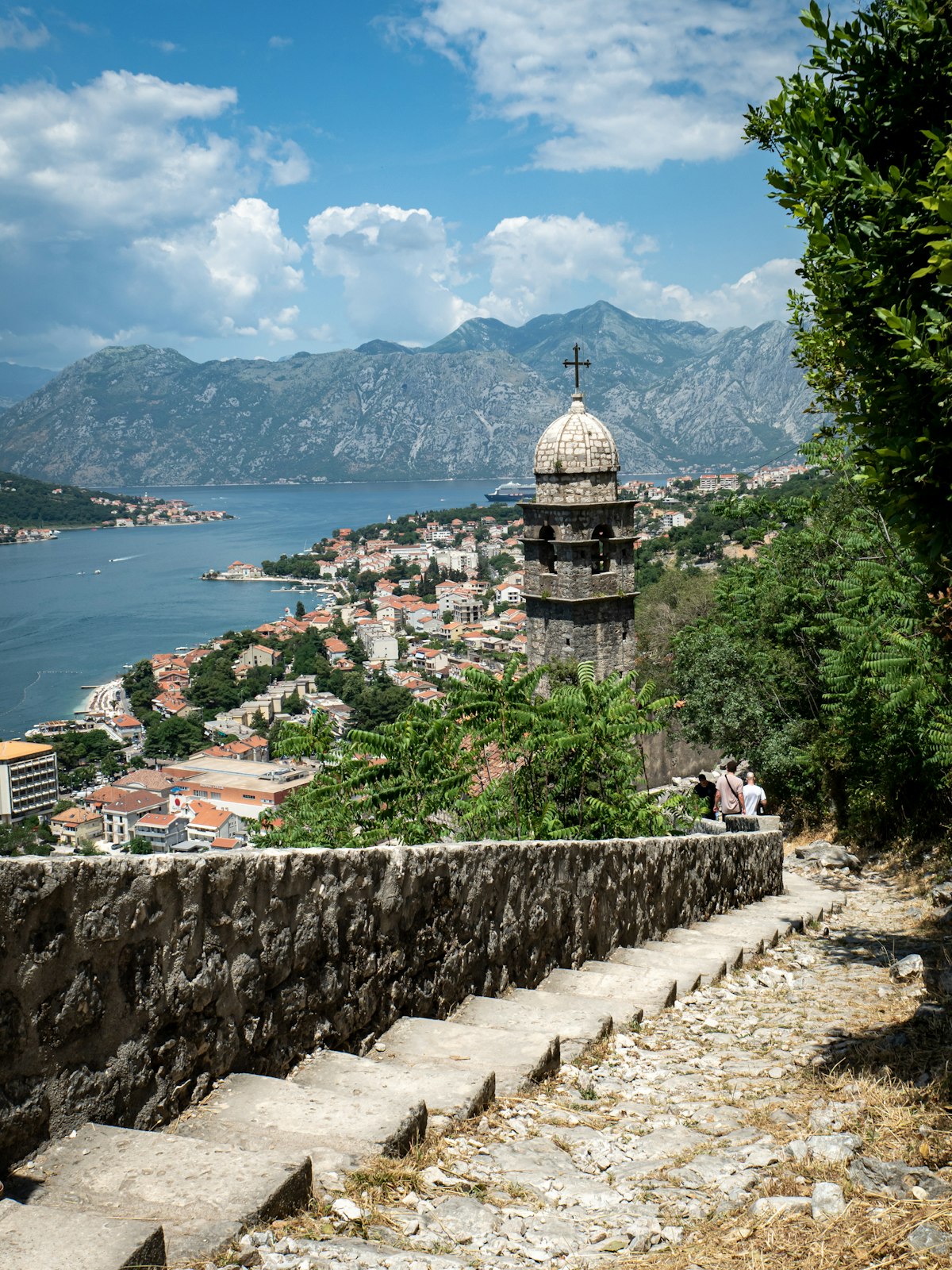
The optimal window: warm, genuinely beautiful, and before the cruise ship armada arrives in force.
22°C
High
13°C
Low
110mm
Rain
8.1h
Sun/day
What you gain
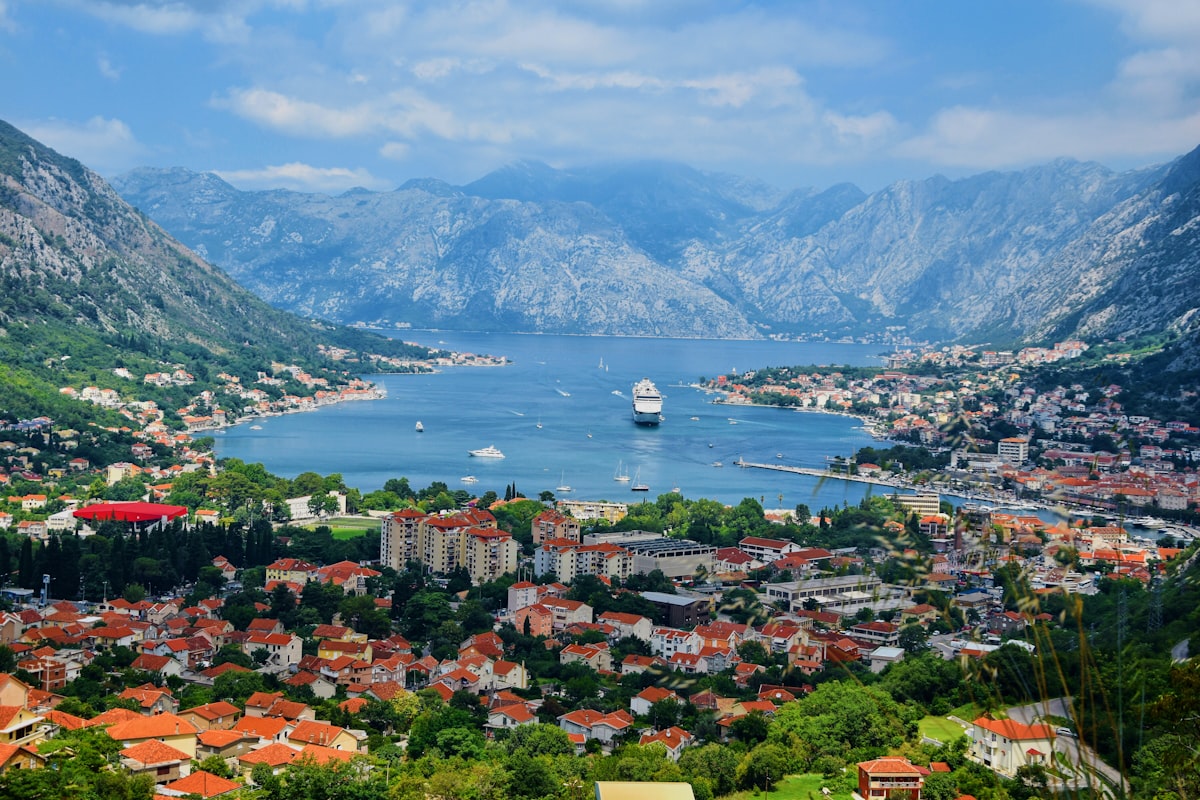
- ↑May is the month that experienced Adriatic travellers point to as Kotor's best. Temperatures reach 22°C, the bay is a flawless blue-green, and the cruise ship season is beginning but not yet overwhelming — fewer than 50 ships typically call in May versus 300+ across the June–September season. The Old Town in May has its authentic Venetian-influenced character intact: the cats on the piazza steps, the fishing nets on the harbour wall, the konoba owners still glad to see you.
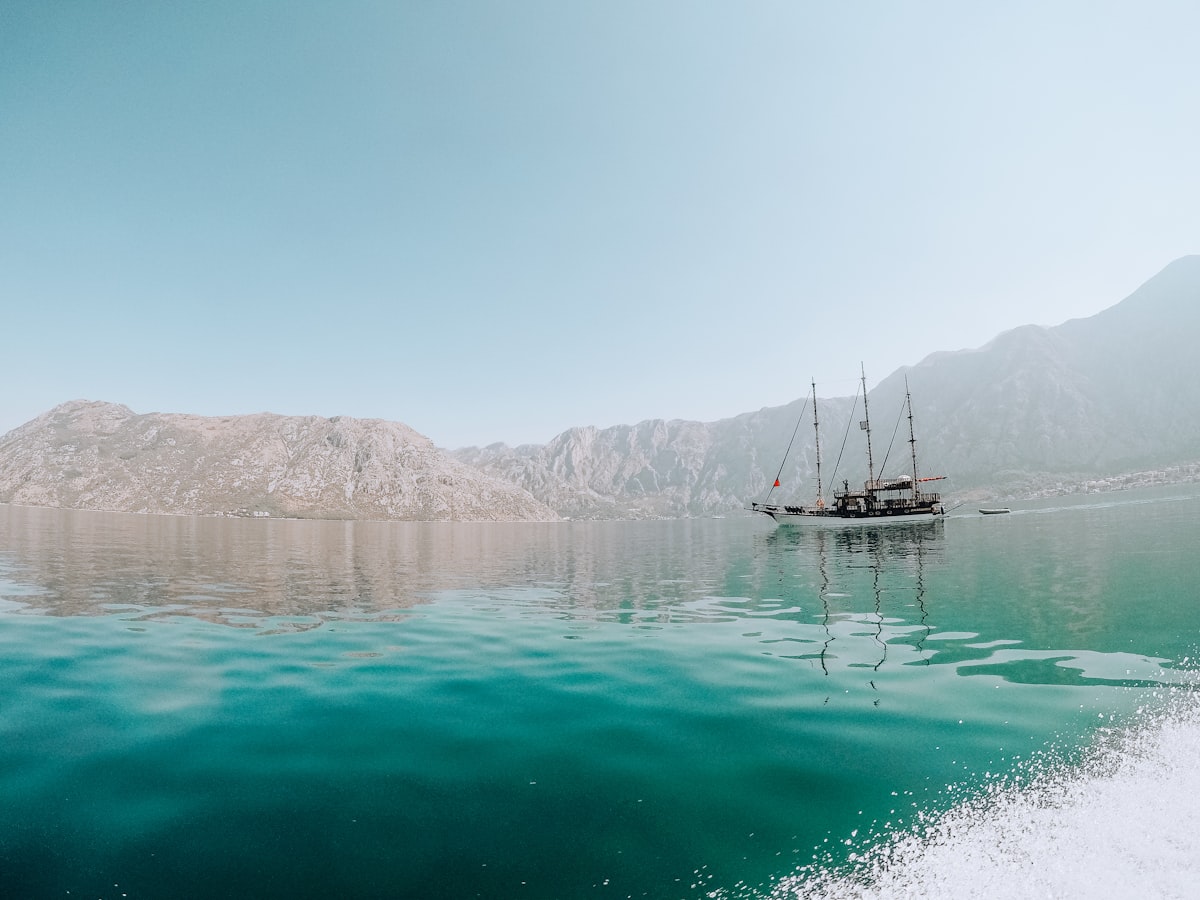
- ↑Kayaking across the bay to Our Lady of the Rocks (Gospa od Škrpjela) — the artificial island church off Perast built from coral and ex-votos over 200 years — is one of the finest half-day activities on the Adriatic. In May you can paddle to it without sharing the water with speed boats ferrying cruise passengers.
- ↑Hiking on the slopes of Mount Lovćen (accessible from Kotor as a day trip to the Njegos mausoleum) is excellent in May: the road is open, the views from 1,749m are clear, and wildflower meadows are in full bloom on the mountain flanks.
What you sacrifice
- ↓Rainfall in May (110mm) is still meaningful and afternoon thunderstorms can develop quickly when warm air comes over the mountains. The bay weather can change fast — build flexibility into outdoor plans.
- ↓The early cruise ship season means that even in May, some mornings between 9am and noon will see the Old Town substantially busier. The narrow North Gate area and Trg od Oružja (the main piazza) get congested during ship-arrival windows.
May scores highest overall — reliable weather and good value. Set your priorities below to personalise this result.
May
The optimal window: warm, genuinely beautiful, and before the cruise ship armada arrives in force.
22°C
High
110mm
Rain
8.1h
Sun
- ↑May is the month that experienced Adriatic travellers point to as Kotor's best. Temperatures reach 22°C, the bay is a flawless blue-green, and the cruise ship season is beginning but not yet overwhelming — fewer than 50 ships typically call in May versus 300+ across the June–September season. The Old Town in May has its authentic Venetian-influenced character intact: the cats on the piazza steps, the fishing nets on the harbour wall, the konoba owners still glad to see you.
- ↑Kayaking across the bay to Our Lady of the Rocks (Gospa od Škrpjela) — the artificial island church off Perast built from coral and ex-votos over 200 years — is one of the finest half-day activities on the Adriatic. In May you can paddle to it without sharing the water with speed boats ferrying cruise passengers.
- ↑Hiking on the slopes of Mount Lovćen (accessible from Kotor as a day trip to the Njegos mausoleum) is excellent in May: the road is open, the views from 1,749m are clear, and wildflower meadows are in full bloom on the mountain flanks.
- ↓Rainfall in May (110mm) is still meaningful and afternoon thunderstorms can develop quickly when warm air comes over the mountains. The bay weather can change fast — build flexibility into outdoor plans.
- ↓The early cruise ship season means that even in May, some mornings between 9am and noon will see the Old Town substantially busier. The narrow North Gate area and Trg od Oružja (the main piazza) get congested during ship-arrival windows.
Top travel windows
★ BestMay
Best overall
Highest combined score
22°C
High
110mm
Rain
8.1h
Sun
February
Best for value
Lowest prices & fees
11°C
High
230mm
Rain
3.8h
Sun
February
Fewest crowds
Quietest month
11°C
High
230mm
Rain
3.8h
Sun
Breakdown by priority
Best for weather
May
22°C high · 110mm rain · 8.1hrs sun/day
Best for budget
February
Kotor Carnival is the defining February event — one of the oldest in the Balkans, with Venetian roots dating to the city's period under the Republic of Venice. The Old Town fills with masked figures, costumes, and parades for the week before Shrove Tuesday. It is genuinely local rather than tourist-facing and the contrast with the empty walls is striking.
Fewest crowds
February
Kotor Carnival is the defining February event — one of the oldest in the Balkans, with Venetian roots dating to the city's period under the Republic of Venice. The Old Town fills with masked figures, costumes, and parades for the week before Shrove Tuesday. It is genuinely local rather than tourist-facing and the contrast with the empty walls is striking.
Where to stay in Kotor
All neighbourhoods →Kotor Old Town
A Venetian walled city of 2km² packed with medieval churches, cats, and more atmosphere per square metre than anywhere on the Adriatic.
10/10
Central
10/10
Walk
6/10
Transit
Herceg Novi
The gateway to Boka Bay — a fortified old town with affordable prices and a local atmosphere the interior towns have lost.
3/10
Central
8/10
Walk
6/10
Transit
Also exploring
Lisbon
Portugal
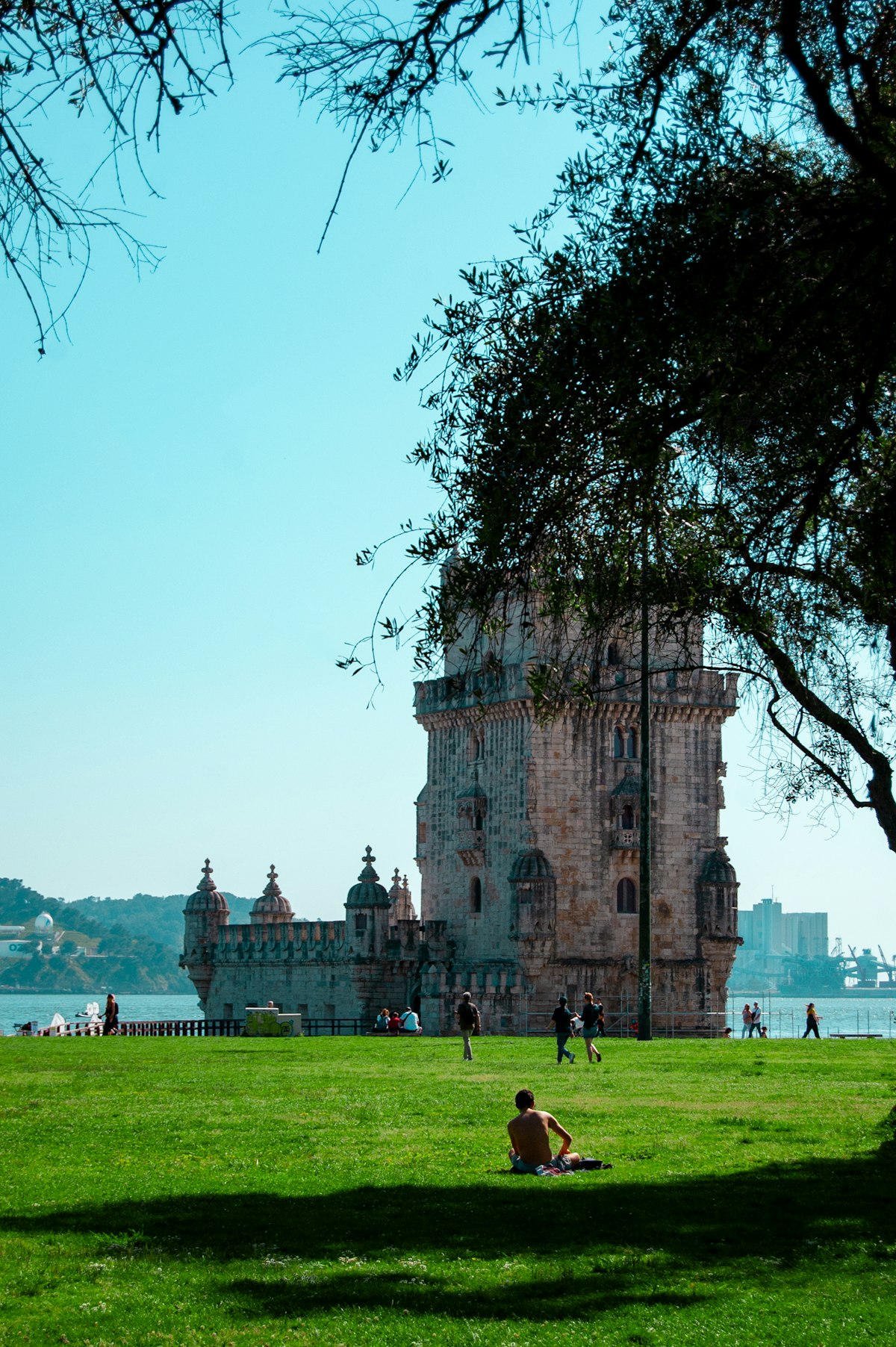
A sun-drenched Atlantic capital where tram lines weave through hilltop neighbourhoods and prices stay genuinely affordable by Western European standards.

Barcelona
Spain
A Mediterranean city that runs on architecture, food markets, and beach culture — with a tourism problem that makes timing absolutely critical.
Santorini
Greece
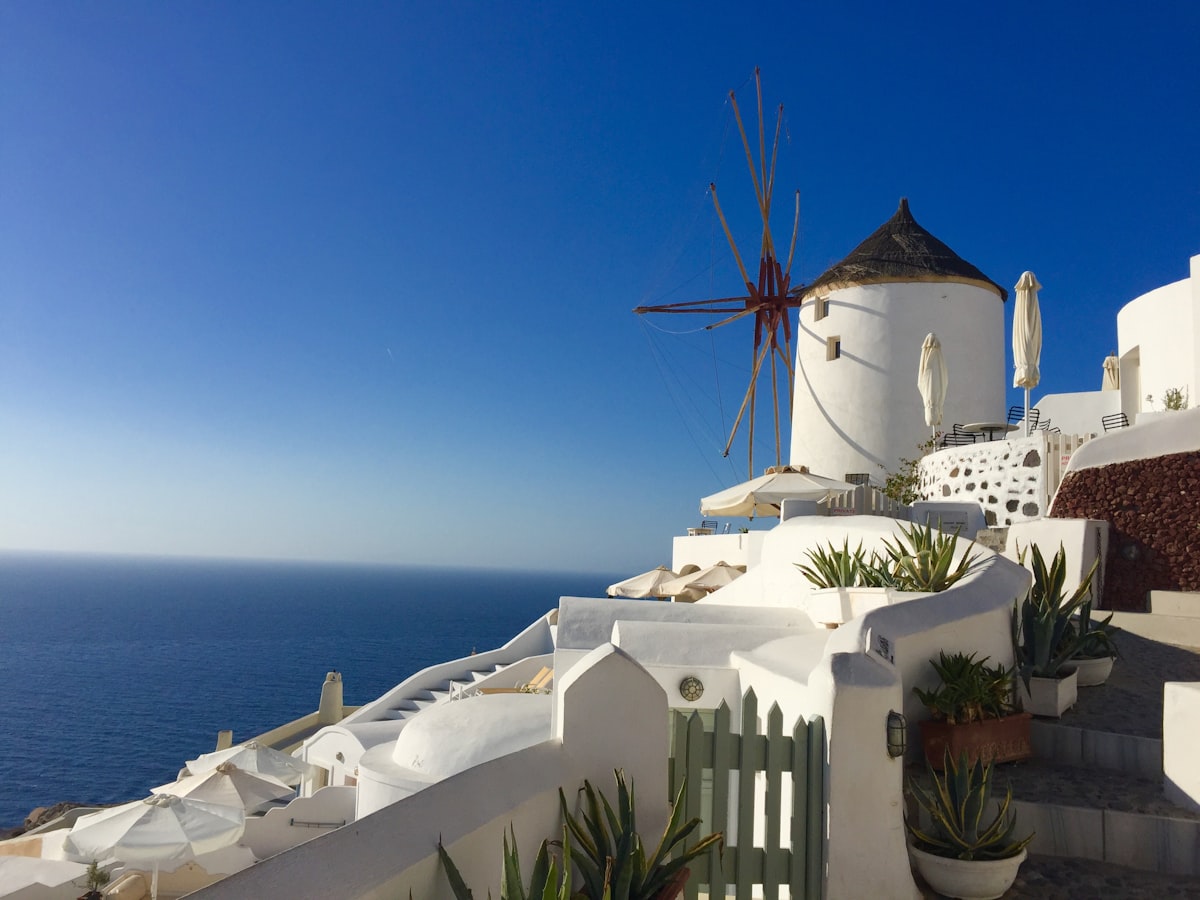
The caldera sunsets and white-washed cliffside villages are real — but so is a tourism infrastructure that was never designed for 3 million annual visitors.
Worth knowing
May scores highest overall. August is the most crowded month — avoid if you can. See crowd-free ranking →
Month by month breakdown
January#9▾
Gains
- ↑January is the cheapest month in Kotor by a wide margin — accommodation in the Old Town that costs €180/night in July is available for €40–55. The entire walled city is effectively available to wander without sharing it. The walls of St. Tryphon Cathedral and the medieval lanes carry genuine atmosphere when empty.
- ↑Kotor Bay in winter is frequently shrouded in low cloud that rolls between the mountains — dramatic and photographic in a way that clear summer skies are not. The town's stone walls absorb the winter light and take on a grey-silver quality entirely different from its summer character.
- ↑Kotor Carnival preparations begin in January — the town has a strong Venetian-influenced carnival tradition and early events, rehearsals, and costume preparations bring local colour to the off-season.
Sacrifices
- ↓January delivers some of Europe's heaviest rainfall relative to destination size: 250mm in a single month, frequently arriving as sustained heavy rain for days at a time. The Boka Kotorska (Bay of Kotor) sits in a geographic pocket between the Dinaric Alps and the Adriatic that funnels precipitation — Kotor receives over 3,000mm annually, one of the highest figures in Europe. January is among the worst months.
- ↓Most tourist-facing businesses — boat tours, kayak rentals, many restaurants in the Old Town — are closed until spring. The experience is limited to the city itself and the immediate surroundings.
February#5▾
Gains
- ↑Kotor Carnival is the defining February event — one of the oldest in the Balkans, with Venetian roots dating to the city's period under the Republic of Venice. The Old Town fills with masked figures, costumes, and parades for the week before Shrove Tuesday. It is genuinely local rather than tourist-facing and the contrast with the empty walls is striking.
- ↑Prices remain at their January floor — carnival week sees a small uptick in accommodation cost but nothing approaching any other month of the year. The carnival itself is free and open.
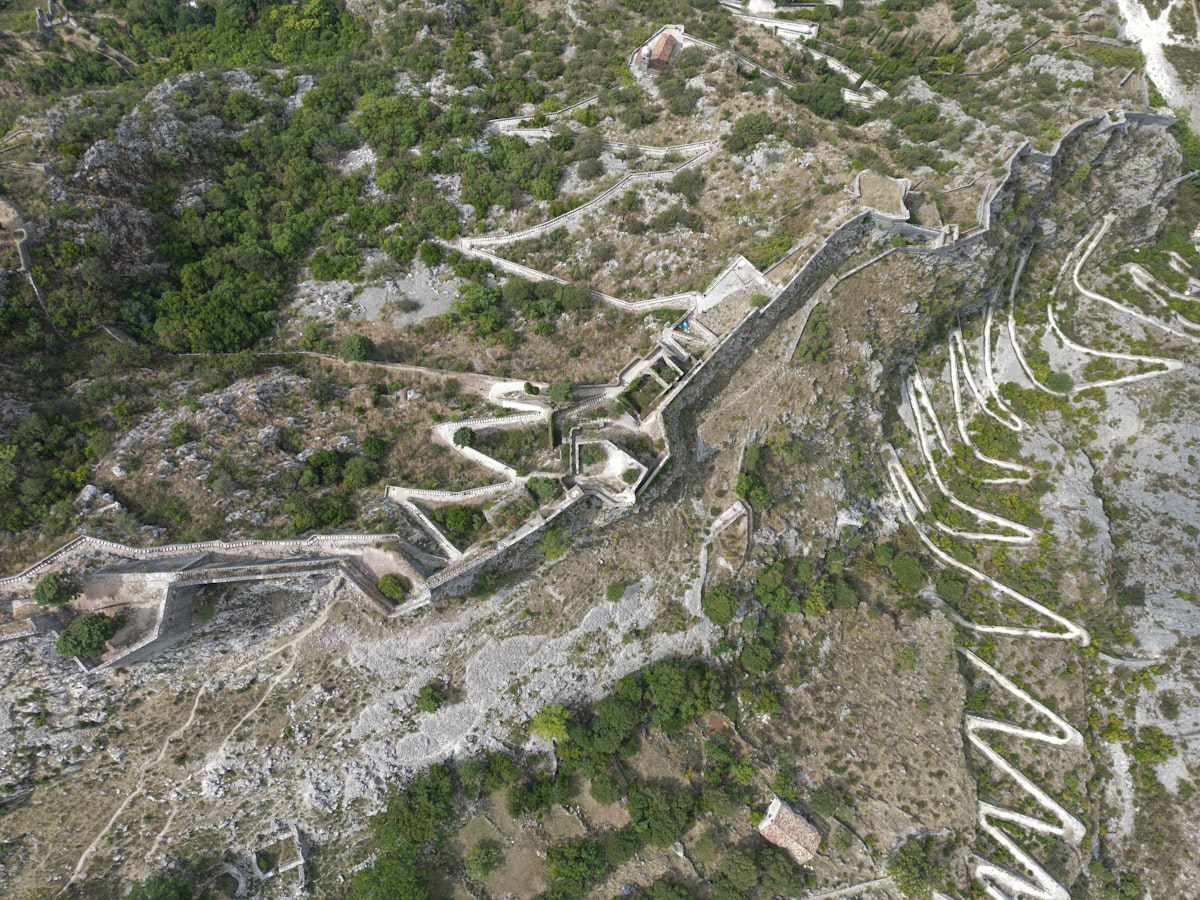
- ↑The city walls and the fortifications climbing to the Fortress of San Giovanni (Stari Grad) are uncrowded and the climb of 1,350 steps is doable without the July heat.
Sacrifices
- ↓February remains extremely wet: 230mm across the month. Carnival day itself sometimes occurs in driving rain, which is considered entirely normal by locals. The bay and surrounding mountains are frequently cloud-covered and atmospheric photography requires patience.
- ↓Cold nights (3–4°C) require proper winter clothing. The Old Town's narrow calli can feel cold and damp when the rain is continuous.
March#7▾
Gains
- ↑The bay begins to reflect blue sky on clear days in March, previewing the stunning scenery that makes Kotor famous. Kayak and boat tour operators begin reopening from mid-March. The drive around the bay — past Perast with its two islands, through Dobrota — is one of the most beautiful short road trips in the Balkans and is uncrowded.
- ↑Prices remain very low and the Old Town is quiet. Konoba Cattaro and other traditional restaurants are reopening for the season with fresh local produce.
Sacrifices
- ↓March's 195mm of rainfall is still substantial — the Kotor wet season persists well into spring. Clear days appear more frequently but multi-day rain events are common. Plan outdoor activities around confirmed weather windows.
- ↓Cruise ships have not yet begun calling (season typically starts April–May) but the bay infrastructure is only partially operational.
April#3▾
Gains
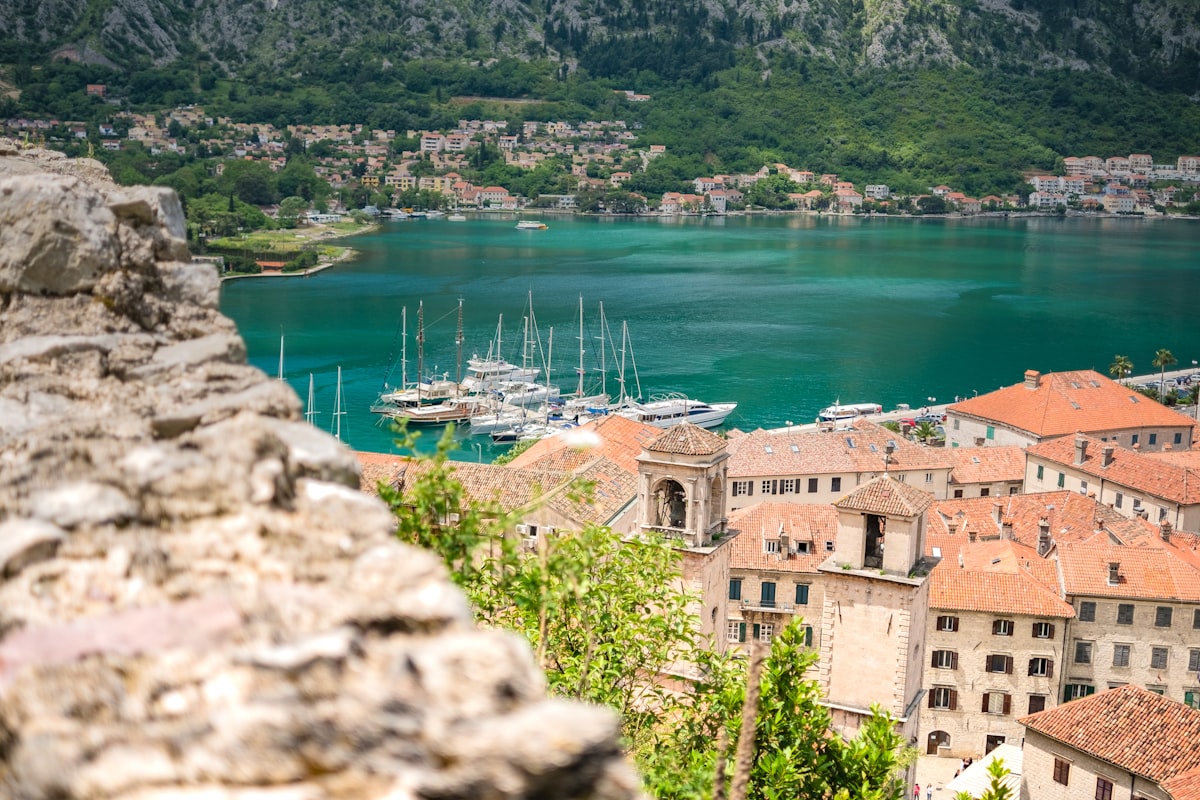
- ↑April is genuinely pleasant in Kotor Bay — 17°C, noticeably more sunshine, and the surrounding mountains still snow-capped above the medieval town. The blue of Boka Bay against the white peaks and the rust-red Venetian rooftops is the postcard image of Montenegro and it is achievable without sharing it with cruise ship passengers.
- ↑The climb to the Fortress of San Giovanni is excellent in April: cool enough for effort, clear enough for views across the entire bay to the Orjen mountain range. The restored walls and the path up through the old city are in good condition.
- ↑Prices are still very reasonable — 30–40% below the summer peak — and most hotels, restaurants, and boat tour operators are fully open.
Sacrifices
- ↓April still sees significant rainfall (155mm) and the month-long pattern tends toward alternating sunny stretches with rain periods. The bay and mountains look dramatic in cloud and rain but it limits active days.
- ↓Easter weekend (if in April) brings an early wave of regional visitors from Serbia, Bosnia, and coastal Montenegro. The Old Town fills briefly but nothing approaching summer levels.
May#1▾
Gains
- ↑May is the month that experienced Adriatic travellers point to as Kotor's best. Temperatures reach 22°C, the bay is a flawless blue-green, and the cruise ship season is beginning but not yet overwhelming — fewer than 50 ships typically call in May versus 300+ across the June–September season. The Old Town in May has its authentic Venetian-influenced character intact: the cats on the piazza steps, the fishing nets on the harbour wall, the konoba owners still glad to see you.
- ↑Kayaking across the bay to Our Lady of the Rocks (Gospa od Škrpjela) — the artificial island church off Perast built from coral and ex-votos over 200 years — is one of the finest half-day activities on the Adriatic. In May you can paddle to it without sharing the water with speed boats ferrying cruise passengers.
- ↑Hiking on the slopes of Mount Lovćen (accessible from Kotor as a day trip to the Njegos mausoleum) is excellent in May: the road is open, the views from 1,749m are clear, and wildflower meadows are in full bloom on the mountain flanks.
Sacrifices
- ↓Rainfall in May (110mm) is still meaningful and afternoon thunderstorms can develop quickly when warm air comes over the mountains. The bay weather can change fast — build flexibility into outdoor plans.
- ↓The early cruise ship season means that even in May, some mornings between 9am and noon will see the Old Town substantially busier. The narrow North Gate area and Trg od Oružja (the main piazza) get congested during ship-arrival windows.
June#6▾
Gains
- ↑The weather in June is outstanding: 27°C, very low humidity by Adriatic standards (64%), little rain, and the sea reaching 22°C. Budva Riviera beaches (30km south) are at their best before the July crush. The Blue Cave (Plava Špilja) kayak tour and the boat trip around the bay are both excellent in June conditions.
- ↑The Summer Carnival of Kotor (Ljetnji Karneval) takes place in August but June brings the start of the cultural program — outdoor concerts in the Old Town piazzas, the beginning of the Boka Navy tradition events, and the first yacht regattas on the bay.
Sacrifices
- ↓June sees a sharp increase in cruise ship calls — often 8–12 ships per week, delivering 2,000–4,000 passengers per call into a walled city of roughly 2km². The Old Town between 10am and 3pm on cruise days is genuinely unpleasant: the lanes are shoulder-to-shoulder and the atmosphere of a medieval trading city entirely absent. Check ship schedules at cruisemapper.com and plan your Old Town visits accordingly.
- ↓Prices rise significantly in June — accommodation in or near the Old Town costs 50–70% more than April.
July#12▾
Gains
- ↑The weather is superb: 31°C, near-zero rain, brilliant sunshine, and the bay so flat and blue it looks artificial. The fortress climb is beautiful (go at 7am or after 6pm) and the bay swimming and boat trips are excellent. Staying in a villa on the quieter north shore of the bay (Dobrota or Ljuta) allows you to experience the best of July without being trapped in the Old Town during cruise ship hours.
- ↑The Boka Night naval procession — one of Montenegro's most spectacular traditional events — takes place in August but preparations and related events build through July.
Sacrifices
- ↓July is the peak of the Kotor cruise ship season: the Bay of Kotor receives over 100 ship calls in July alone, and on days with multiple simultaneous arrivals, the Old Town receives 4,000+ day passengers into a walled space of 2km². The congestion is not metaphorical — the Stari Grad's alleys physically cannot accommodate this volume comfortably. Local residents and the Montenegrin government have repeatedly discussed entry quotas.
- ↓Accommodation prices are at their peak. Even modest rooms in the Old Town command significant prices. The Riviera towns of Budva and Sveti Stefan are equally expensive and equally crowded.
- ↓The heat — 31°C in the enclosed stone city — combined with the crowds makes midday in the Old Town genuinely difficult. The fortress climb is dangerous without early-morning or evening timing and adequate water.
August#11▾
Gains
- ↑The Boka Night (Bokeljska Noć) naval procession takes place on the first Saturday of August: a fleet of decorated boats processes through the bay with music, lights, and traditional costumes in a ceremony tied to the medieval Boka Navy. It is one of the most distinctive traditional events on the entire Adriatic coast and worth planning a trip around — provided you time the rest of your visit around the cruise ship schedule.
- ↑The Summer Carnival of Kotor also falls in August — outdoor performances, masked events, and waterfront parties in the Old Town piazzas bring a festive energy despite the crowds.
Sacrifices
- ↓August is the most heavily trafficked month of the cruise ship season and the hottest of the year at 32°C. The combination is genuinely punishing: the Old Town in peak August is among the most overcrowded historic city centres on the Adriatic, rivalling Dubrovnik's worst months. The heat trapped by the stone walls of the Stari Grad is intense.
- ↓Prices are at their absolute peak. Last-minute accommodation is nearly impossible in or near the Old Town. The road around the bay is congested and parking is essentially unavailable near Kotor.
September#2▾
Gains
- ↑September is the second of Kotor's two recommended windows (alongside May) and many experienced visitors prefer it. The cruise ship season begins winding down from mid-September and by the last week the Old Town has noticeably more breathing room. The sea remains warm (24°C) and swimmable, and the surrounding mountains take on a golden-brown autumn quality that is genuinely beautiful.
- ↑Prices drop 25–35% from August levels as the high season ends. The same restaurants and hotels that were inaccessible without long-advance booking in July are available with short notice or walk-in. The konoba owners and hotel staff have time for their guests again.
- ↑The climb to the Fortress of San Giovanni is at its best in September — 27°C rather than 32°C, and the views from the top cover the bay in its early autumn colours with dramatically clear air after the summer haze clears.
Sacrifices
- ↓September brings the return of significant rainfall: 102mm, often arriving as dramatic afternoon thunderstorms that roll quickly over the Orjen range. The weather can change from clear blue to a fierce storm in under an hour. Keep a flexible afternoon schedule.
- ↓The first two weekends of September still see meaningful cruise ship traffic and regional visitors from Serbia and Bosnia on holiday. The real relief in crowds comes from around September 12–15 when the summer holiday season ends across the region.
October#4▾
Gains
- ↑October is the month when Kotor's geography works in its favour for atmosphere rather than against it. The Orjen and Lovćen mountains are frequently cloud-capped, the bay surface is broken by autumn light, and the warm stone walls of the Old Town take on an amber evening quality. It is, from a photographic and atmospheric standpoint, one of the most interesting months.
- ↑Prices are approximately 40–50% below peak summer levels. The Old Town is largely free of cruise ship passengers — the season ends in late October at most. Restaurants are uncrowded and welcoming, with autumn menus featuring local lamb, freshwater fish from Skadar Lake, and the season's new wine.
Sacrifices
- ↓October is the beginning of the Kotor rainy season proper: 168mm, often arriving as multi-day rain events. Bay activities — kayaking, boat trips to Perast — are weather-dependent and can be disrupted for several days at a time.
- ↓The sea cools through October (down to 19–20°C by month's end) and swimming becomes marginal. Evenings require a proper jacket by mid-month.
November#10▾
Gains
- ↑November in Kotor is for those who want the place entirely to themselves. The Old Town is effectively returned to its 800 permanent residents. Guesthouses offer genuine winter hospitality — long conversations, local wine, the wood stove lit. Prices are at their lowest of the year.
- ↑The Venetian architecture of the Old Town reads very differently in November rain — the worn stone of the cathedral, the carved doorways, the cats sheltering under the archways. It is a different but genuinely interesting experience from the sun-bleached summer version.
Sacrifices
- ↓November's 210mm of rainfall is exceptional even by Kotor's wet standards. The bay-facing geography concentrates precipitation dramatically and multi-day stretches of heavy rain are the norm rather than the exception. This is genuinely not a month for outdoor activities or scenic exploration.
- ↓Most tourist services are closed or operating at minimal capacity. The boat trips to Perast, the kayak rentals, the guided fortress climbs — largely unavailable. The experience is limited to the city itself.
December#8▾
Gains
- ↑December is Kotor's wettest month (255mm) but also carries a genuine festive warmth — Christmas markets and lights in the Old Town piazzas, concerts in St. Tryphon Cathedral, and a local Christmas atmosphere that is entirely for residents rather than tourists. Prices are the lowest of the year.
- ↑Snow occasionally falls on the upper fortress walls and on the surrounding Lovćen mountain — rare enough to be remarkable and beautiful enough to justify the discomfort of getting there.
Sacrifices
- ↓The 255mm December rainfall figure is among the highest single-month totals of any European coastal city. Prolonged rain is the dominant condition and outdoor exploration is severely limited. Many businesses operate minimal hours or close entirely between Christmas and New Year.
- ↓Cold nights (3–4°C), heavy rain, and minimal sunshine make December the hardest month for active sightseeing. The Old Town is atmospheric but physically challenging to enjoy.
How this is calculated
Climate data
Open Meteo ERA5
30-year normals (1991–2020). Temperature, rainfall, sunshine, humidity.
Price & crowd
Tourism research
Seasonal pricing from tourism authority data. Directional — compares months within a destination only.
Personalisation
Weighted scoring
Your priorities change the weights. Budget-first users get different results than weather-first users.
Share this result
May is the best time to visit Kotor
Travel timing updates
New destinations and timing guides, when they land.
No spam. Unsubscribe anytime.