Showing: Mar · Unsplash / Unsplash
Chile · Americas
Best time to visit Santiago
March
Mar scores highest overall — reliable weather and strong local atmosphere. Set your priorities below to personalise this result.
What matters most to you?
All 12 months — click any to expand
Mar
Unsplash / Unsplash
The unmissable month: vendimia wine harvest, Lollapalooza, and perfect autumn temperatures.
27°C
High
12°C
Low
8mm
Rain
9.1h
Sun/day
What you gain
- ↑March is the single most compelling month in the Santiago calendar. The vendimia — grape harvest — transforms the Maipo, Colchagua, and Cachapoal valleys within 90–150km of the city into a working festival landscape. Viña Santa Rita (Alto Jahuel, 35km south), Viña Undurraga (Talagante, 34km west), and the prestigious Almaviva estate all open for harvest visits. The regional Fiesta de la Vendimia events in the vine towns — Santa Cruz in Colchagua and Curicó further south — involve grape-stomping competitions, folk music, and local food in a genuinely Chilean celebration that precedes the international wine tourism by centuries.
- ↑Lollapalooza Chile (late March) at the Parque O'Higgins is one of South America's largest music festivals: 80,000+ attendance, four stages, an international lineup that competes with the North American event. The surrounding neighbourhood of Barrio Brasil and the fan culture around the event gives Santiago a temporary festival-city energy.
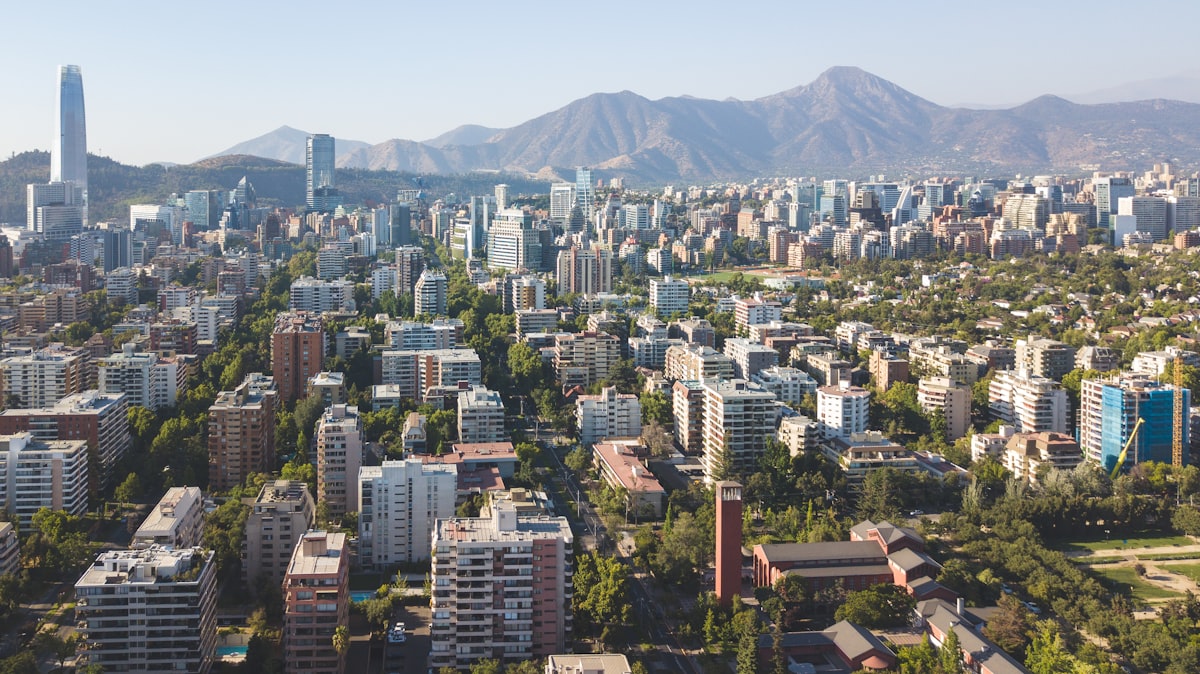
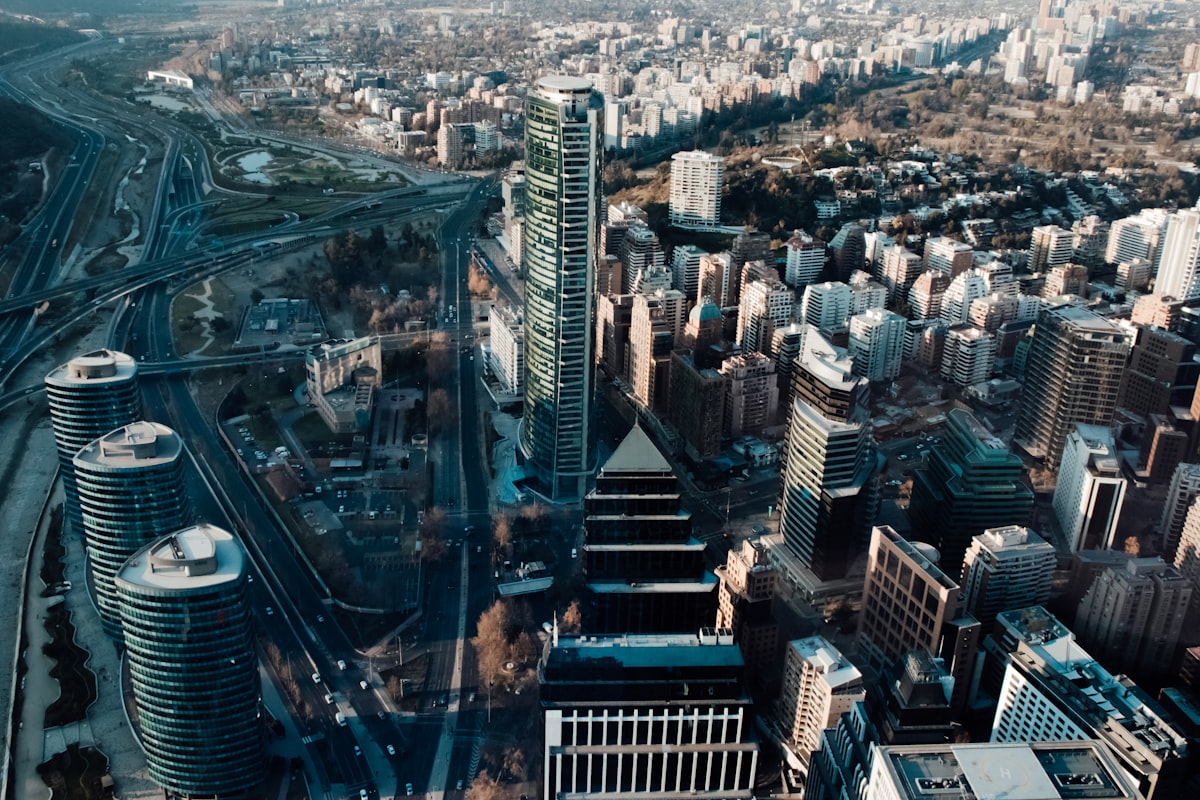
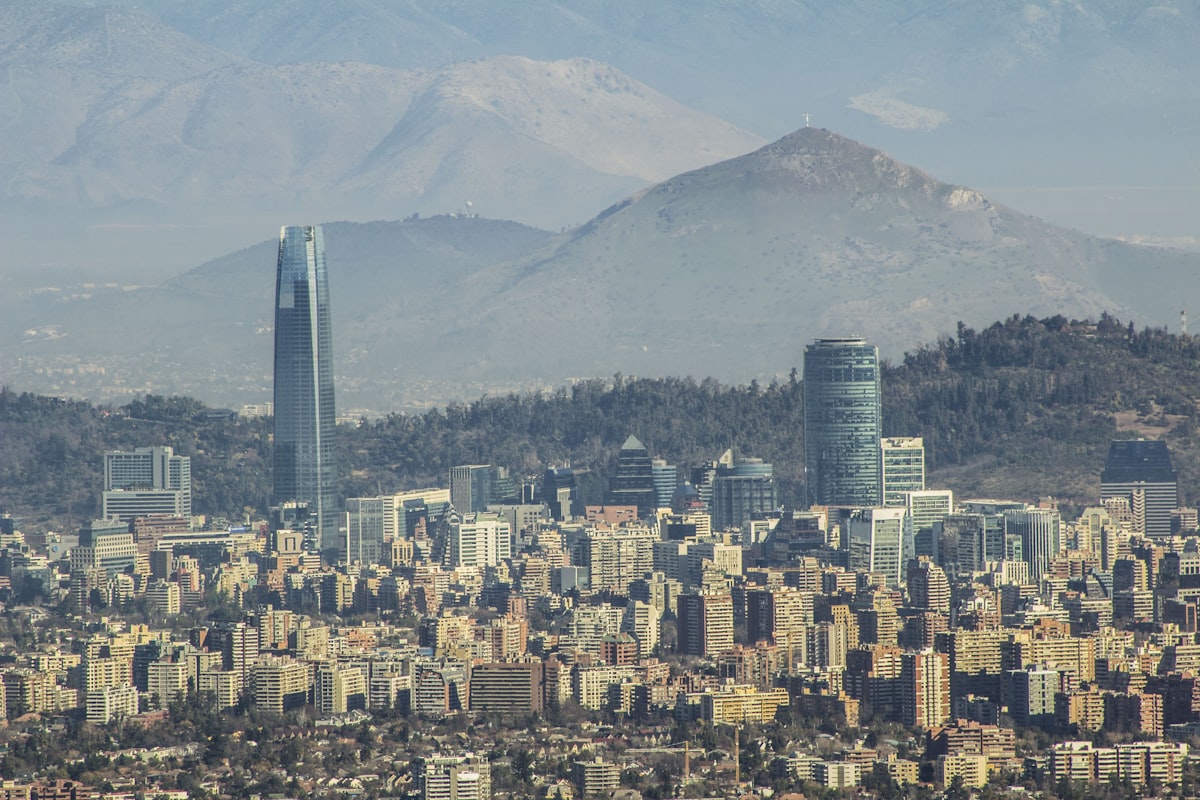
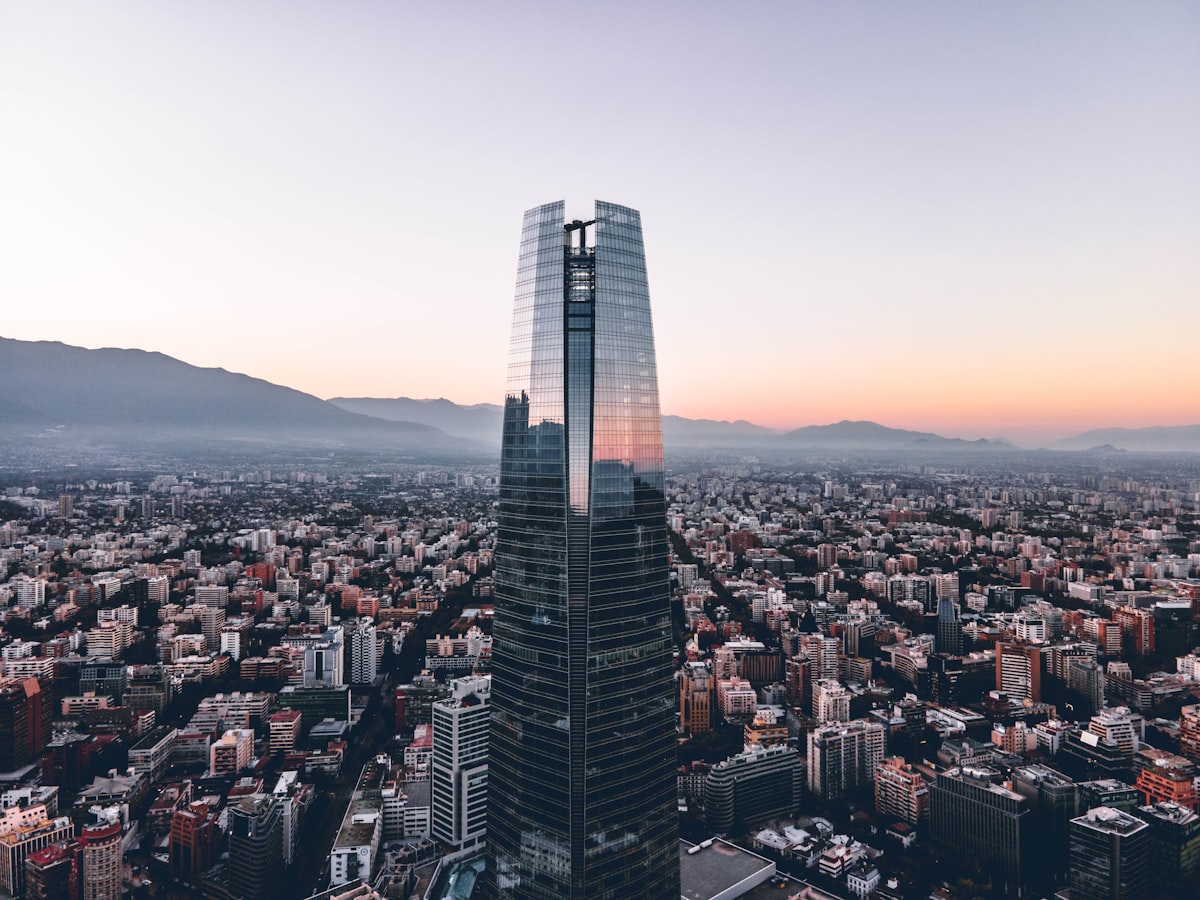
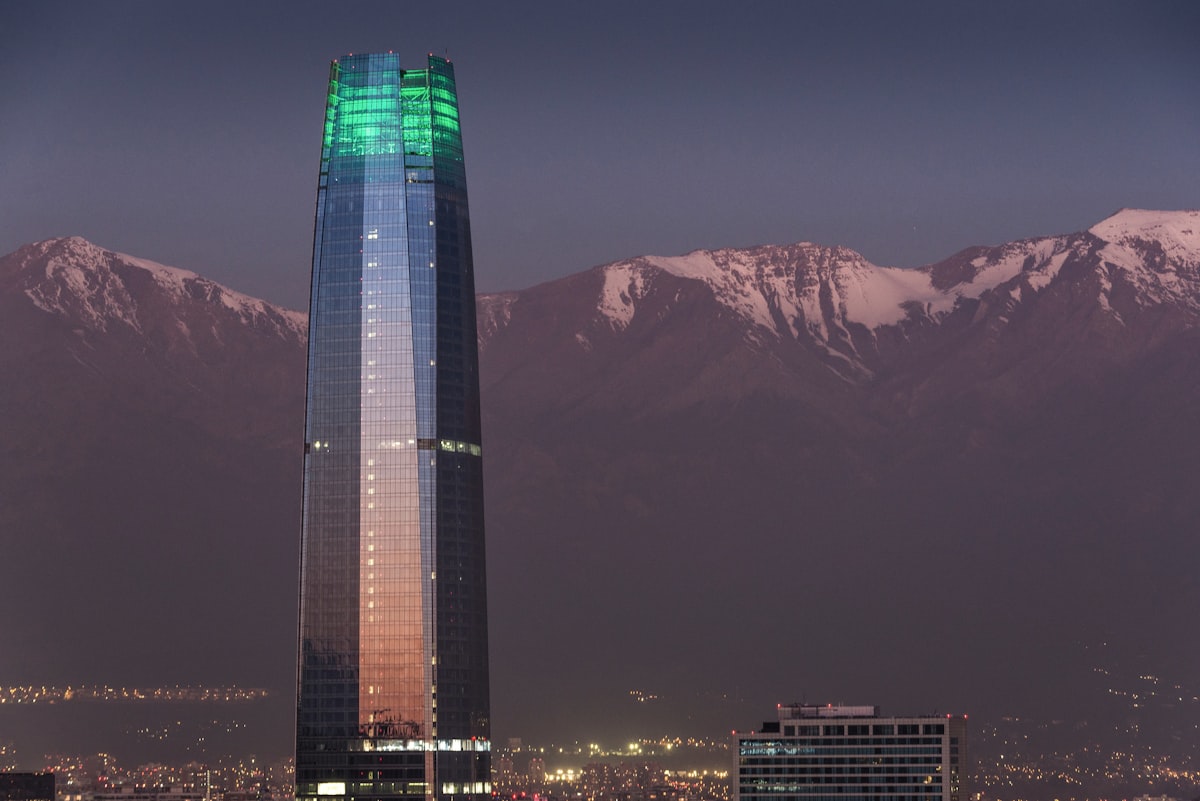
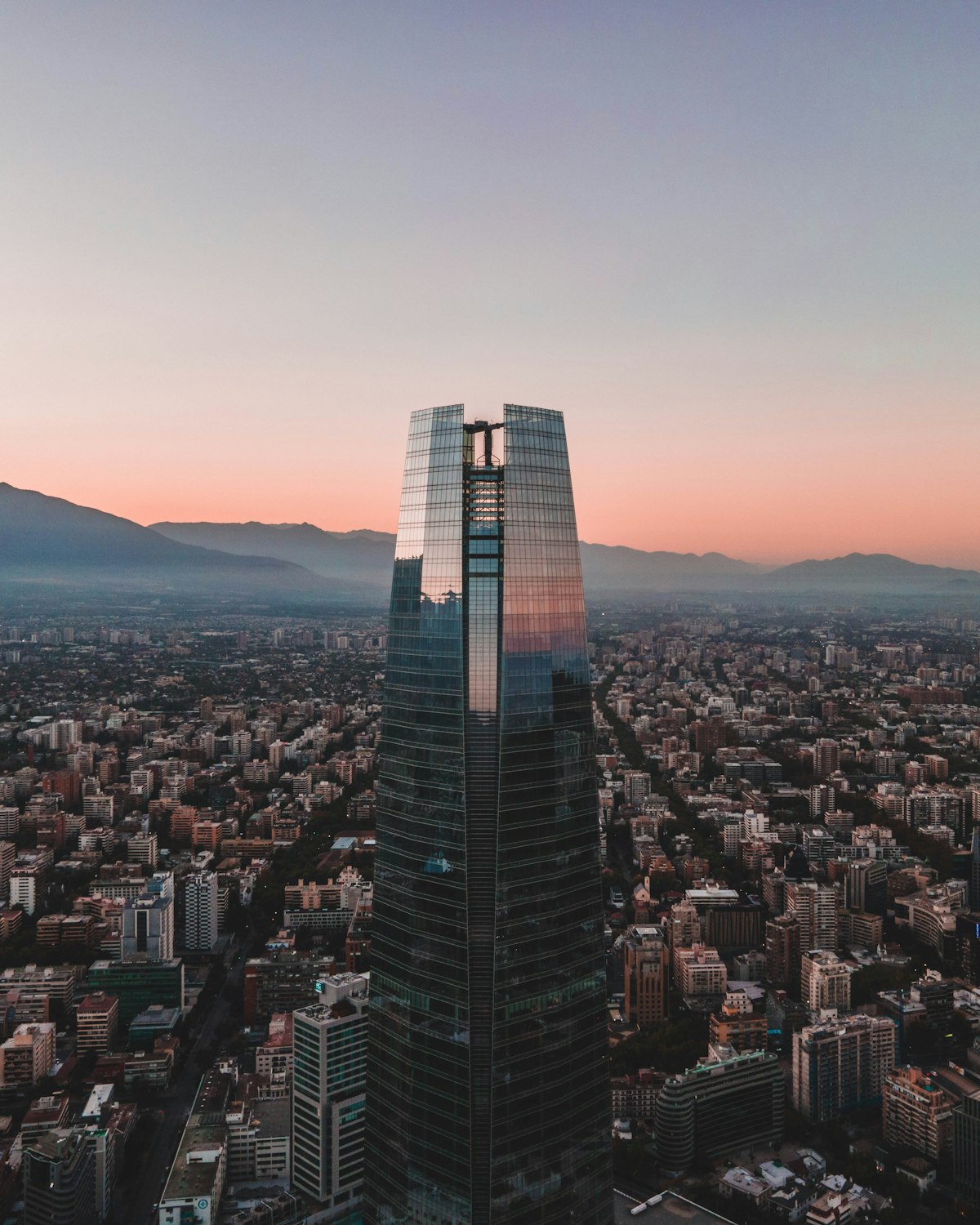
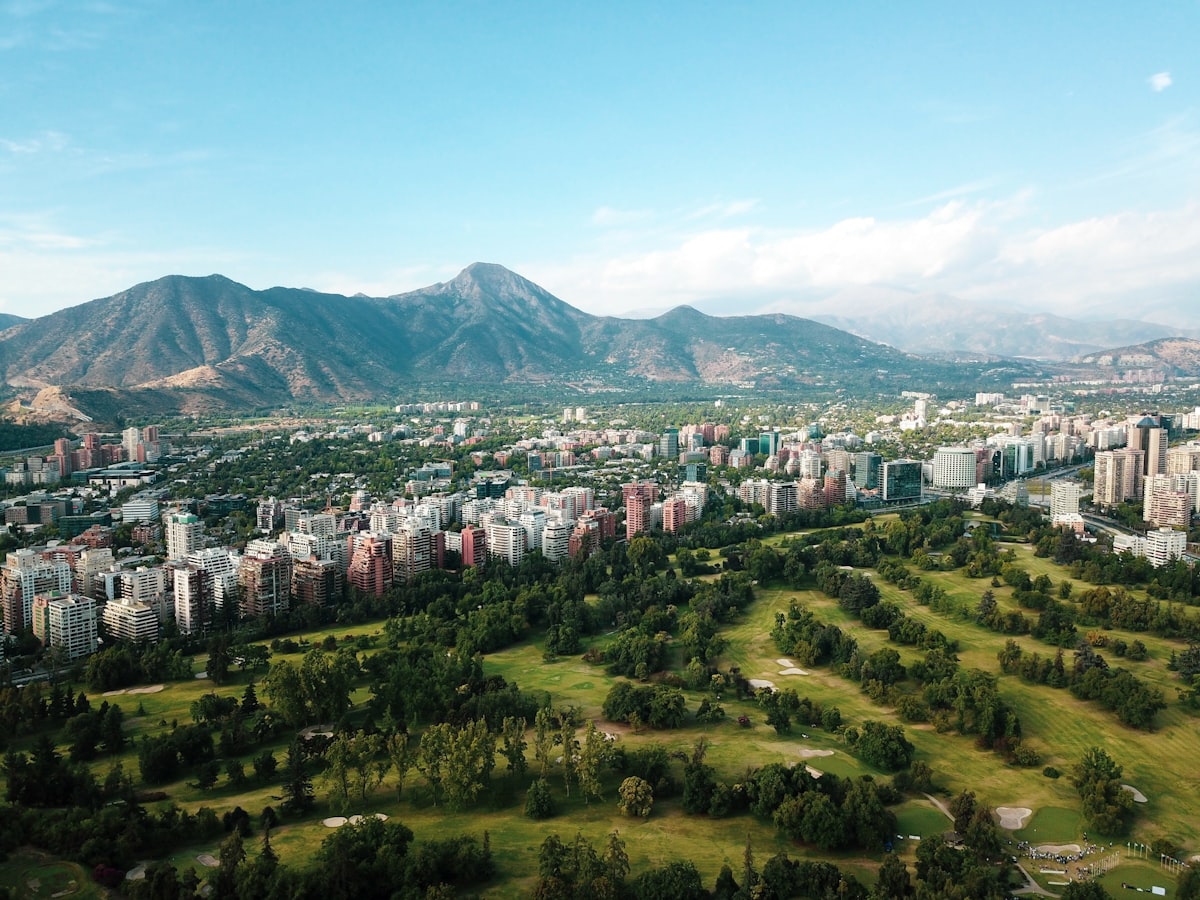
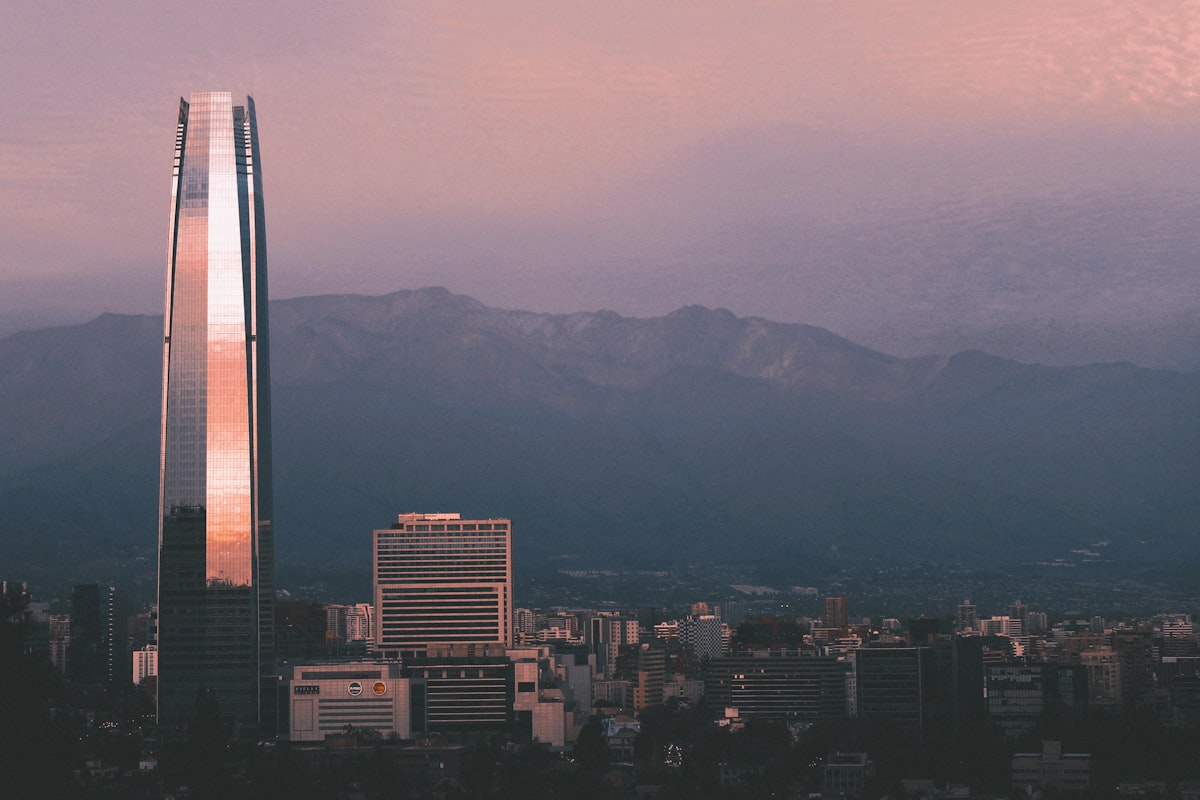
- ↑The temperatures in March are perfect: 27°C by day, cooling to 12°C at night. The summer haze begins to clear and the first rain of the year (8mm — minimal) washes the basin air. On clear March mornings, the Andes appear in extraordinary clarity — the snowcapped peaks of the Cordillera visible from the Cerro San Cristóbal viewpoint in Bellavista seem close enough to walk to.
What you sacrifice
- ↓Lollapalooza weekend (typically last weekend of March) drives up hotel prices across Santiago, particularly in Providencia and the Bellavista neighbourhood. Book accommodation 2–3 months ahead if your visit overlaps with the festival.
- ↓March is technically the beginning of autumn but Santiago's transition is gentle — the first weeks still feel very much like summer. The vendimia events in the wine regions require a car or organised tour; public transport to the smaller valley wineries is limited.
Mar scores highest overall — reliable weather and strong local atmosphere. Set your priorities below to personalise this result.
Mar
The unmissable month: vendimia wine harvest, Lollapalooza, and perfect autumn temperatures.
27°C
High
8mm
Rain
9.1h
Sun
- ↑March is the single most compelling month in the Santiago calendar. The vendimia — grape harvest — transforms the Maipo, Colchagua, and Cachapoal valleys within 90–150km of the city into a working festival landscape. Viña Santa Rita (Alto Jahuel, 35km south), Viña Undurraga (Talagante, 34km west), and the prestigious Almaviva estate all open for harvest visits. The regional Fiesta de la Vendimia events in the vine towns — Santa Cruz in Colchagua and Curicó further south — involve grape-stomping competitions, folk music, and local food in a genuinely Chilean celebration that precedes the international wine tourism by centuries.
- ↑Lollapalooza Chile (late March) at the Parque O'Higgins is one of South America's largest music festivals: 80,000+ attendance, four stages, an international lineup that competes with the North American event. The surrounding neighbourhood of Barrio Brasil and the fan culture around the event gives Santiago a temporary festival-city energy.
- ↑The temperatures in March are perfect: 27°C by day, cooling to 12°C at night. The summer haze begins to clear and the first rain of the year (8mm — minimal) washes the basin air. On clear March mornings, the Andes appear in extraordinary clarity — the snowcapped peaks of the Cordillera visible from the Cerro San Cristóbal viewpoint in Bellavista seem close enough to walk to.
- ↓Lollapalooza weekend (typically last weekend of March) drives up hotel prices across Santiago, particularly in Providencia and the Bellavista neighbourhood. Book accommodation 2–3 months ahead if your visit overlaps with the festival.
- ↓March is technically the beginning of autumn but Santiago's transition is gentle — the first weeks still feel very much like summer. The vendimia events in the wine regions require a car or organised tour; public transport to the smaller valley wineries is limited.
Top travel windows
★ BestMarch
Best overall
Highest combined score
27°C
High
8mm
Rain
9.1h
Sun
June
Best for value
Lowest prices & fees
13°C
High
72mm
Rain
4.5h
Sun
June
Fewest crowds
Quietest month
13°C
High
72mm
Rain
4.5h
Sun
Breakdown by priority
Best for weather
March
27°C high · 8mm rain · 9.1hrs sun/day
Best for budget
June
The Valle Nevado ski resort (60km east of Santiago, 3,025m) opens in June, typically around the second week of the month. The three connected resorts of Valle Nevado, La Parva, and El Colorado offer 8,000+ hectares of skiable terrain and are accessible from Santiago as a day trip or weekend. The season extends through September and the Andes snowpack is among the deepest in the world in good years. International ski visitors aside, prices in Santiago proper are at their lowest.
Fewest crowds
June
The Valle Nevado ski resort (60km east of Santiago, 3,025m) opens in June, typically around the second week of the month. The three connected resorts of Valle Nevado, La Parva, and El Colorado offer 8,000+ hectares of skiable terrain and are accessible from Santiago as a day trip or weekend. The season extends through September and the Andes snowpack is among the deepest in the world in good years. International ski visitors aside, prices in Santiago proper are at their lowest.
Where to stay in Santiago
All neighbourhoods →Lastarria
Santiago's cultural quarter — Parque Forestal, terrace restaurants, gallery openings, and the city's best independent bookshops.
9/10
Central
10/10
Walk
8/10
Transit
Barrio Italia
Santiago's design district — antique dealers, independent restaurants, and the most creative neighbourhood in the city.
7/10
Central
9/10
Walk
7/10
Transit
Also exploring
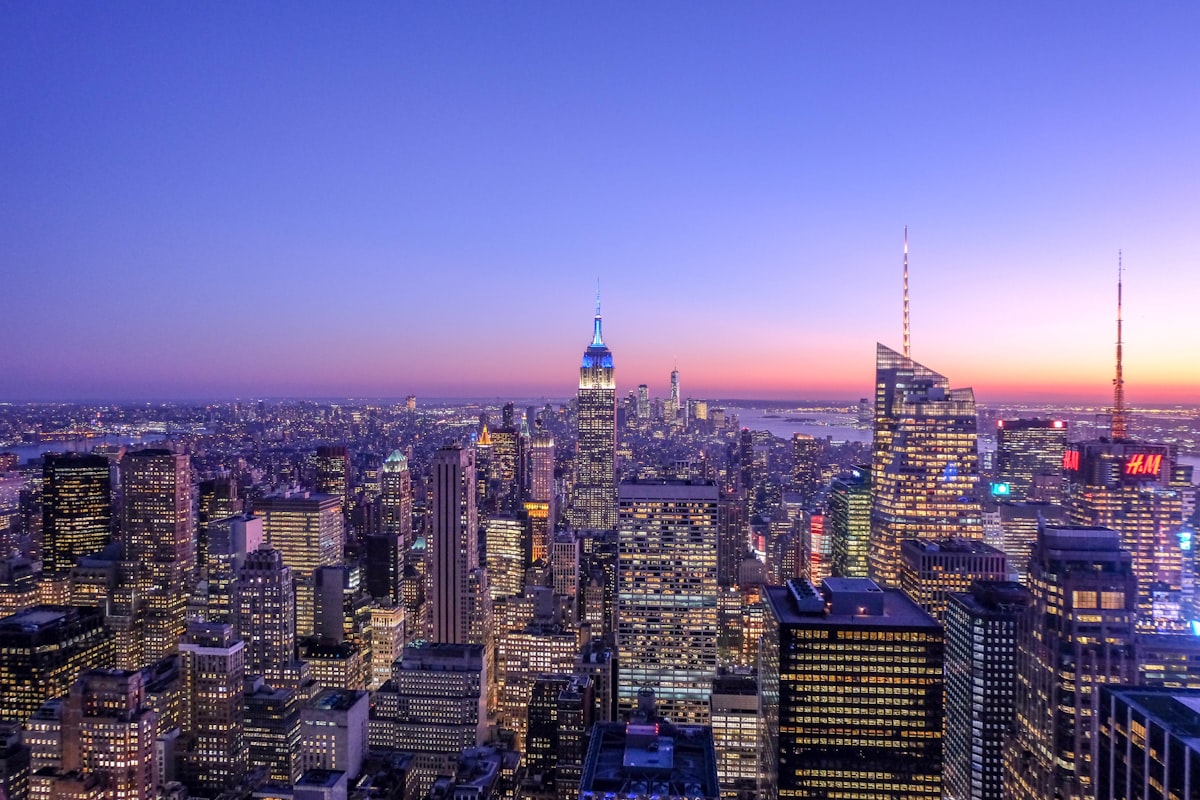
New York
USA
A city that never fully quiets — but its personality shifts dramatically by season, from sweltering humid summers to crisp autumn perfection to blizzard-prone winters.
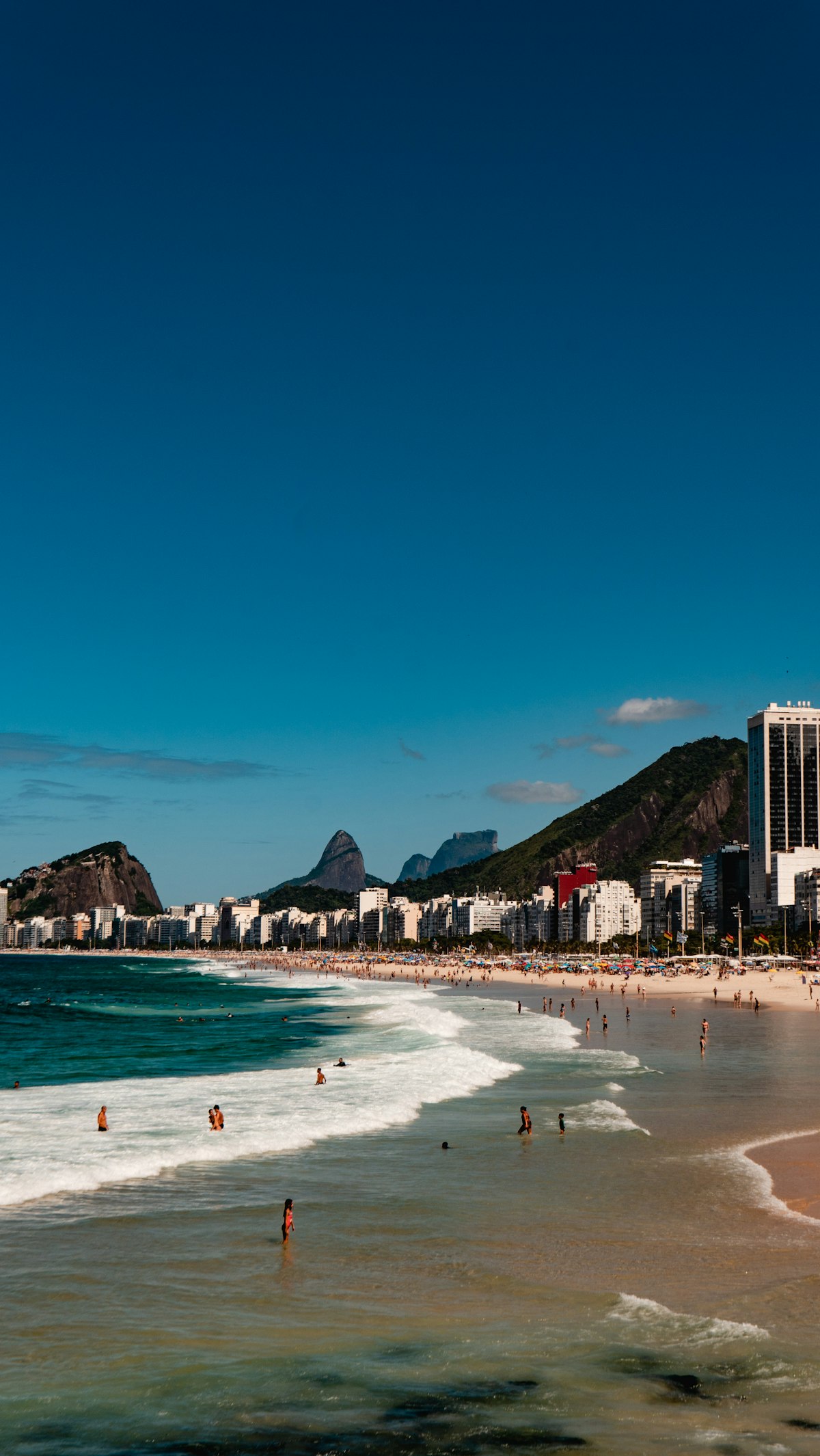
Rio de Janeiro
Brazil
A Southern Hemisphere city where summer (December–March) brings Carnival and 264mm of rain simultaneously, and the real sweet spot is the dry Southern winter — June to September — when most travellers don't think to come.
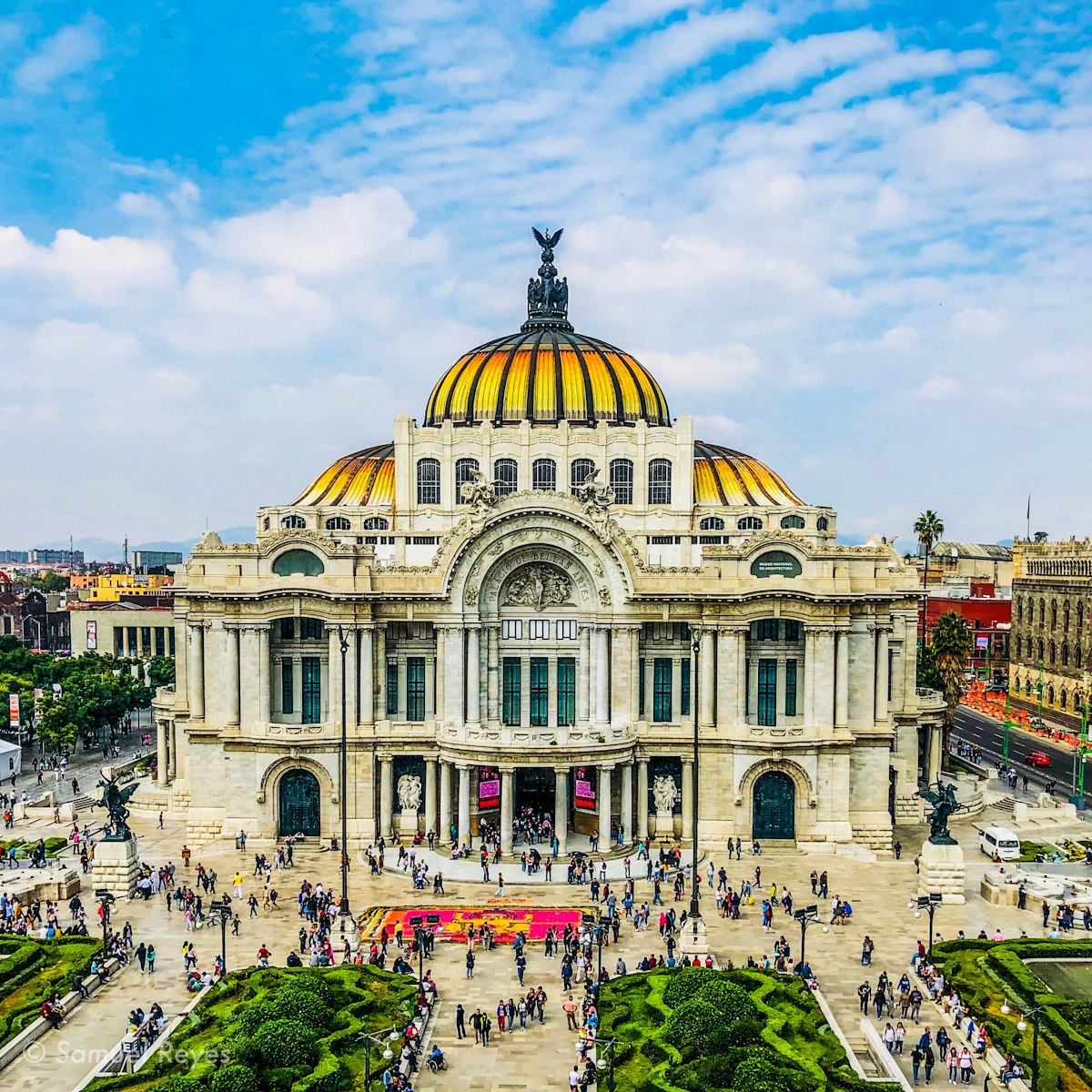
Mexico City
Mexico
A highland metropolis at 2,240 metres where the altitude tempers the heat to perpetual spring in the dry months, Día de Muertos transforms Mixquic and Azcapotzalco into one of the world's great ceremonies, and the October–April dry season gives the clearest conditions for exploring what is genuinely one of the planet's finest food, museum, and architecture cities.
Worth knowing
March scores highest overall. January is the most crowded month — avoid if you can. See crowd-free ranking →
Month by month breakdown
January#12▾
Gains
- ↑January is the height of the Chilean summer and the Santiago cultural calendar is at its fullest. Santiago a Mil, the city's premier international theatre and performing arts festival, runs through January with free and ticketed performances in public spaces, the Teatro Municipal, and parks across the city. It is one of the most democratic arts events in South America — world-class productions accessible to all.
- ↑The Maipo Valley and Casablanca Valley wine regions within 90 minutes of Santiago are doing post-harvest cellar visits and summer wine tastings. The Viña Concha y Toro tour (Chile's largest export winery, 40km south in Pirque) is excellent in January and operates daily.
- ↑The Andes ski resorts of Valle Nevado, La Parva, and El Colorado are not operating (Southern Hemisphere summer) but the mountain road to Farellones opens for hiking and mountain biking — the views of the Andes from 2,400m above the city are extraordinary in clear summer weather.
Sacrifices
- ↓January's 30°C heat, while manageable compared to truly tropical destinations, is intensified by the Santiago basin effect. The city sits in a bowl between the Andes and the coastal range and the heat accumulates — afternoon temperatures in the central districts of Lastarria and Barrio Italia can feel significantly hotter than the official figure. Many Chileans leave the city for beach resorts (Viña del Mar, Valparaíso) in January, giving Santiago a slightly emptied feeling.
- ↓Smog is a seasonal concern in Santiago due to the basin geography and thermal inversions. Summer smog is less severe than winter (vehicle exhaust and wood-burning heating are the main winter culprits) but haze can reduce the celebrated Andes views to a grey smudge on some days.
February#11▾
Gains
- ↑Lollapalooza Chile takes place in late March but February's music festival season warms up: Club La Feria, Blondie, and the Santiago live music circuit are at peak activity. The city's acclaimed restaurant scene — particularly the Lastarria neighbourhood, where Bocanáriz (one of South America's best wine bars) and Osaka (Nikkei cuisine) are both excellent — is in full swing with summer menus and terrace dining.
- ↑Viña del Mar and Valparaíso (roughly 90 minutes by bus or car on the Ruta 68) are at their summer peak. The Valparaíso hillside neighbourhood of Cerro Alegre — with its funicular elevators, street murals, and café culture — is one of the most distinctive urban environments in South America and makes an excellent day or overnight trip from Santiago.
Sacrifices
- ↓February is still very hot (29°C) and very dry. The Andes views are often hazy from summer heat and residual agricultural smoke from the southern regions. The city feels slightly emptied of its professional class who remain on summer holidays along the coast.
- ↓Heat in the city centre — particularly in the Metro and on exposed streets without shade — can be unpleasant for extended midday sightseeing.
March#1▾
Gains
- ↑March is the single most compelling month in the Santiago calendar. The vendimia — grape harvest — transforms the Maipo, Colchagua, and Cachapoal valleys within 90–150km of the city into a working festival landscape. Viña Santa Rita (Alto Jahuel, 35km south), Viña Undurraga (Talagante, 34km west), and the prestigious Almaviva estate all open for harvest visits. The regional Fiesta de la Vendimia events in the vine towns — Santa Cruz in Colchagua and Curicó further south — involve grape-stomping competitions, folk music, and local food in a genuinely Chilean celebration that precedes the international wine tourism by centuries.
- ↑Lollapalooza Chile (late March) at the Parque O'Higgins is one of South America's largest music festivals: 80,000+ attendance, four stages, an international lineup that competes with the North American event. The surrounding neighbourhood of Barrio Brasil and the fan culture around the event gives Santiago a temporary festival-city energy.
- ↑The temperatures in March are perfect: 27°C by day, cooling to 12°C at night. The summer haze begins to clear and the first rain of the year (8mm — minimal) washes the basin air. On clear March mornings, the Andes appear in extraordinary clarity — the snowcapped peaks of the Cordillera visible from the Cerro San Cristóbal viewpoint in Bellavista seem close enough to walk to.
Sacrifices
- ↓Lollapalooza weekend (typically last weekend of March) drives up hotel prices across Santiago, particularly in Providencia and the Bellavista neighbourhood. Book accommodation 2–3 months ahead if your visit overlaps with the festival.
- ↓March is technically the beginning of autumn but Santiago's transition is gentle — the first weeks still feel very much like summer. The vendimia events in the wine regions require a car or organised tour; public transport to the smaller valley wineries is limited.
April#5▾
Gains
- ↑April is when Santiago's autumn begins to deliver the Andes views the city is famous for. As rainfall returns (still just 18mm but the first meaningful precipitation since early summer) it clears the basin air and the snowcapped Andes appear in genuinely spectacular clarity. The viewpoint from Cerro San Cristóbal, reached by the funicular from Bellavista, is at its most dramatic in April and May with the peaks white and the city copper-tinged at sunset.
- ↑Temperatures drop to a very comfortable 22°C and nights are cool and pleasant (9°C). The Lastarria neighbourhood — with its terrace restaurants, independent bookshops, and the Parque Forestal running along the Mapocho river — is ideal for slow morning exploration. The café culture here is genuine and excellent.
- ↑April is a good-value month: post-festival season prices have normalised and the city is operating for its residents rather than for tourists. The Santiago food scene — currently experiencing an international moment with restaurants like Borago (indigenous ingredients), Sukalde (Basque-Chilean), and the Mercado Central fish hall — is accessible without the advance booking required in December.
Sacrifices
- ↓Semana Santa (Holy Week, March or April) brings domestic travel and some business closures. The Friday to Sunday of Easter weekend is one of the biggest domestic travel moments in Chile. Hotels book up in the valley wine towns during this period.
- ↓The ski season at Valle Nevado and La Parva has not yet opened (typically June). If skiing is part of the plan, April requires the mountain road hike rather than ski access.
May#6▾
Gains
- ↑May produces the most reliable and spectacular Andes views of the year. The combination of frequent rain washing the basin air and the mountain snowpack growing means that clear mornings often reveal the full Cordillera in crystalline detail — visible from parks, rooftops, and streets across the city. The view from Terraza Bellavista on Cerro San Cristóbal at dawn in May is among the finest urban-mountain panoramas in South America.
- ↑Prices are at their shoulder-season low and the city is genuinely affordable. Santiago's internationally recognised restaurant scene — including the Mercado Central, the Tirso de Molina wholesale market in the Barrio Meiggs area, and the neighbourhood eateries of Barrio Italia — is at its most accessible and least crowded.
Sacrifices
- ↓May's 44mm of rainfall and increasingly grey skies signal the approach of Santiago's mild winter. Rainy days interrupt outdoor exploration and the temperature of 17°C with a cold wind from the Andes can feel chillier than the number suggests, particularly in the evenings (6°C at night requires a proper jacket).
- ↓The ski season has not opened — Valle Nevado and El Colorado typically open in June. May is an in-between month for mountain access.
June#7▾
Gains
- ↑The Valle Nevado ski resort (60km east of Santiago, 3,025m) opens in June, typically around the second week of the month. The three connected resorts of Valle Nevado, La Parva, and El Colorado offer 8,000+ hectares of skiable terrain and are accessible from Santiago as a day trip or weekend. The season extends through September and the Andes snowpack is among the deepest in the world in good years. International ski visitors aside, prices in Santiago proper are at their lowest.
- ↑June's lower temperatures make the city's museum culture more appealing — the Museo Chileno de Arte Precolombino (pre-Columbian art, one of the finest in South America), the Museo de Memoria y Derechos Humanos (human rights museum, focusing on the Pinochet era), and the Bellas Artes are best visited in winter when the queues are absent.
Sacrifices
- ↓Santiago's thermal inversion problem peaks in winter: cold air traps vehicle exhaust and wood-burning smoke in the city basin, producing smog episodes (episodios) that can last several days. During these events, air quality alerts are issued and outdoor exercise is discouraged. The Andes disappear entirely behind a brown-grey haze. It is the city's most significant environmental challenge.
- ↓Cold evenings (4°C), grey skies, and frequent rain make Santiago less pleasant for leisurely outdoor exploration in winter. The café culture migrates indoors and the outdoor table scene of Lastarria closes from June through August.
July#10▾
Gains
- ↑July is mid-ski season at Valle Nevado and La Parva — the snowpack is typically at maximum depth and conditions for skiing and snowboarding are at their best. Chilean ski passes are significantly cheaper than equivalent European or North American resorts. A day pass at Valle Nevado costs a fraction of Les Arcs or Whistler equivalents.
- ↑The city is at its emptiest and cheapest. Hotels in Providencia and Las Condes offer their lowest rates of the year and the city's excellent restaurant scene is entirely accessible without booking.
Sacrifices
- ↓July is Santiago's rainy season peak (80mm) and the smog risk is highest. The thermal inversions that trap pollution in the Santiago basin are most frequent in July and August. When a "pre-emergency" smog alert is declared, odd/even vehicle restrictions are imposed and outdoor activities are discouraged. Arriving during a sustained smog episode — which can last 5–7 days — is a genuinely unpleasant experience and the Andes are invisible.
- ↓Nights are cold: 3°C requires proper winter clothing. The city's street life contracts significantly and the weekend markets and outdoor café culture are largely absent.
August#8▾
Gains
- ↑The ski season is in full operation and the combination of good snow and improving light (days are lengthening from August) makes the mountain experience increasingly attractive. The Andes above Santiago in August, when clear, are at maximum snowpack and visually spectacular.
- ↑The city is still very quiet and very affordable. August offers the lowest prices of the year combined with the longest ski season window.
Sacrifices
- ↓August retains the winter smog risk: thermal inversion episodes are common and the basin air can be significantly polluted. Check the USWARN air quality index for Santiago before planning outdoor activities.
- ↓Cold days (15°C highs) and very cold nights (4°C) make the city uncomfortable without proper winter clothing. The city doesn't have the animated winter street life of northern European cities.
September#2▾
Gains
- ↑September 18 (Dieciocho) — Chilean Independence Day and the start of Fiestas Patrias — is the most important national celebration in Chile and transforms Santiago for an entire week. The Parque O'Higgins fills with fondas (large communal pavilions serving empanadas, chicha, and anticuchos), cueca dancing (Chile's national dance), and Chilean folk culture. The surrounding week sees the entire country in a celebratory mood. Even as a visitor without roots in the celebration, attending a fonda is one of the most vivid cultural experiences available in South America.
- ↑The spring air quality is dramatically better than winter — the thermal inversions have ended and rainfall has washed the basin clean. The Andes in September after a clear spring rain are as sharp and detailed as they get. The wildflowers in the Cajón del Maipo valley (45km east) are at their most intense in September.
- ↑Prices are at their shoulder-season low while the weather is significantly improving. September is excellent value: cool enough for comfortable sightseeing, clear enough for Andes views, and animated enough for one of the continent's great national celebrations.
Sacrifices
- ↓Fiestas Patrias week (September 17–19 core, with surrounding days) causes significant business disruption — government offices, many private businesses, and shops close for days. The fonda culture requires genuine engagement: long afternoons of eating, dancing, and drinking chicha (fermented grape or apple juice) rather than quick sightseeing visits.
- ↓Hotel prices rise sharply in the Fiestas Patrias week, particularly in the Bellavista and Lastarria areas near the main celebrations. The city's population can feel fractious around the national holiday.
October#3▾
Gains
- ↑October is the finest month for experiencing Santiago as a city. Temperatures hit 22°C with low humidity, the Andes are crystalline on most days (the spring rain has cleaned the air but the summer heat haze has not yet arrived), and the city's outdoor culture is fully reopened after winter. The Lastarria neighbourhood terrace scene, the weekend Parque Forestal craft markets, and the Cerro San Cristóbal dawn walks are all at their best.
- ↑The Cajón del Maipo valley — with its rock formations, hot springs at Termas Valle de Colina, and the whitewater of the Maipo river — is at peak beauty in October. Spring wildflowers cover the valley floor and the snowmelt rivers are at full flow. It is one of the best day trips from any South American capital.
- ↑Prices are reasonable (post-Fiestas Patrias, pre-Christmas) and the city is essentially tourist-free by international standards. The restaurant scene, gallery openings, and the city's excellent live music venues (Blondie on Av. República, Club de Jazz de Santiago in Ñuñoa) are fully operational and relaxed.
Sacrifices
- ↓October is an excellent month with minimal trade-offs. Some allergy sufferers find spring pollen a challenge — the Maipo valley's fruit trees and the city parks produce significant seasonal pollen from late September through October.
- ↓The ski season ends in October (typically mid-month at the lower resorts, late October at Valle Nevado). If skiing is a priority, September is better.
November#4▾
Gains
- ↑November produces Santiago at its most photogenic and most liveable. Temperatures reach 26°C with very low humidity, almost zero rain, and the Andes still white-capped with winter snow. The Parque Bicentenario in Vitacura and the Parque Forestal along the Mapocho are in full green bloom. The weekend antique market at Balmaceda metro and the open-air Feria Artesanal in Barrio Italia are at their peak.
- ↑November is the height of the asparagus and stone fruit season in Chilean agriculture — the Mercado Central and the neighbourhood ferias have their best produce of the year. The wine regions to the south are preparing for the December harvest and cellar visits in November offer a behind-the-scenes look at pre-harvest operations.
- ↑The proximity of Santiago to the beach resorts of Viña del Mar and Valparaíso (90 minutes) comes into its own in November — the Pacific coast is warm enough for walking, the water is cold but the scenery excellent, and the bohemian Cerro Alegre neighbourhood of Valparaíso is best in the warm months.
Sacrifices
- ↓November is a school holiday month in some Chilean years (with regional variations) and the domestic family travel season begins warming up. Hotel prices in the beach towns rise and the city can feel slightly busier with domestic visitors preparing for the summer season.
- ↓The heat of summer is approaching — by late November, 26°C days can be followed by 30°C days as the summer pattern establishes itself, and the haze begins to return gradually.
December#9▾
Gains
- ↑December's long summer evenings (sunset after 9pm) make evening dining and outdoor culture exceptionally pleasant. The rooftop bar at the W Hotel in Las Condes, the restaurant terraces in Barrio Italia, and the night market at the Barrio Bellavista start becoming the city's main evening venues as the temperature stays warm into the night.
- ↑The Christmas and New Year season brings festive markets and events to the Plaza de Armas and the Providencia retail streets. Parque Arauco and Mall Costanera Center have elaborate Christmas displays. The city has a genuine festive energy.
Sacrifices
- ↓December's 29°C and the approach of summer means the smog risk reappears occasionally (though less severely than winter) and the midday heat returns to limit outdoor exploration from about 11am–5pm. The summer pattern of late nights and late mornings that the city adapts to can be disorienting for first-time visitors.
- ↓Prices rise toward the summer season levels and the domestic Chilean holiday calendar means some businesses and government services begin operating on holiday hours from mid-December.
How this is calculated
Climate data
Open Meteo ERA5
30-year normals (1991–2020). Temperature, rainfall, sunshine, humidity.
Price & crowd
Tourism research
Seasonal pricing from tourism authority data. Directional — compares months within a destination only.
Personalisation
Weighted scoring
Your priorities change the weights. Budget-first users get different results than weather-first users.
Share this result
March is the best time to visit Santiago
Travel timing updates
New destinations and timing guides, when they land.
No spam. Unsubscribe anytime.