Santiago
Lastarria
Unsplash / Unsplash
Santiago's cultural quarter — Parque Forestal, terrace restaurants, gallery openings, and the city's best independent bookshops.
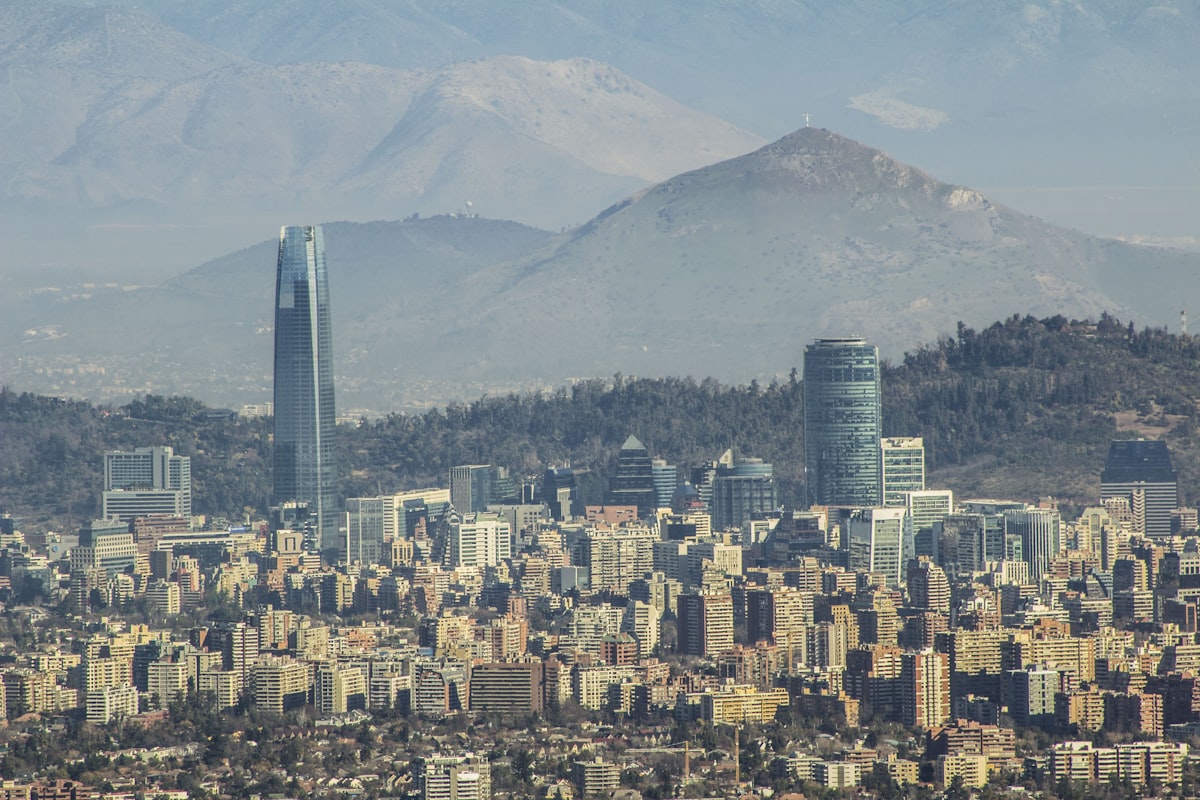
Lastarria is the neighbourhood that gave Santiago its international reputation as a liveable, culturally sophisticated city. The area runs along the Mapocho riverbank park (Parque Forestal) and the Parque Lastarria itself — a small square with an antique market on weekends — with Calle Lastarria as its main artery, lined with terrace restaurants, independent cafés, wine bars, and the finest concentration of independent bookshops in Chile (Metales Pesados, Librería Ulises, and La Virgen among them). The neighbourhood also holds the Museo Nacional de Bellas Artes and the Museo de Arte Contemporáneo, both facing the Parque Forestal. On clear days the Andes are visible from the park in extraordinary clarity.
Scores
Walkability
Transit
Price
Local feel
Nightlife
Family-friendly
Centrality
What you gain
- ↑The finest café and restaurant terraces in Santiago: Bocanáriz wine bar (one of South America's best wine bars, with 400+ Chilean labels by the glass), Restaurante Peumayén (indigenous Chilean ingredients in a fine dining format), and Café Mosqueto for the best breakfast in the neighbourhood. The density of quality eating and drinking per square metre rivals any comparable Latin American barrio.
- ↑The Sunday antique market in Parque Lastarria — furniture, vintage posters, vinyl records, and second-hand books — is the finest small market in the city and draws a well-educated local crowd that makes for excellent people-watching. The Feria de Artesanos alongside it has quality craft and leather goods.
- ↑The Parque Forestal walk along the Mapocho river toward the Mercado Central (30 minutes east) is one of the finest urban walks in Chile — through the park's European-style formal gardens, past the Museo de Bellas Artes, and along the riverbank with the Andes as backdrop on clear mornings.
What you sacrifice
- ↓Accommodation in Lastarria is expensive relative to the wider Santiago market — the neighbourhood's reputation as the city's cultural quarter pushes prices. Budget options exist (several hostels on side streets) but the quality boutique hotels command premium rates.
- ↓Weekend nights bring a young professional crowd to the wine bars and restaurants and the neighbourhood gets lively — not unpleasant, but not quiet. Some blocks can be busy until 2am on Fridays and Saturdays.
Best for
Avoid if
Other Santiago neighbourhoods
Santiago's design district — antique dealers, independent restaurants, and the most creative neighbourhood in the city.
Santiago's bohemian night district — Pablo Neruda's house, the Cerro San Cristóbal funicular, and the most animated bar scene in the city.
Santiago's upmarket residential centre — tree-lined streets, international hotels, and the city's best practical infrastructure.
Know where to stay — now find when to go.
Best time to visit Santiago →