Showing: Oct · Unsplash / Unsplash
Hong Kong · Asia Pacific
Best time to visit Hong Kong
October
Oct scores highest overall — reliable weather and strong local atmosphere. Set your priorities below to personalise this result.
What matters most to you?
All 12 months — click any to expand
Oct
Unsplash / Unsplash
The golden month — perfect weather, clear skies, and the Wine & Dine Festival.
26°C
High
23°C
Low
100mm
Rain
6.1h
Sun/day
What you gain
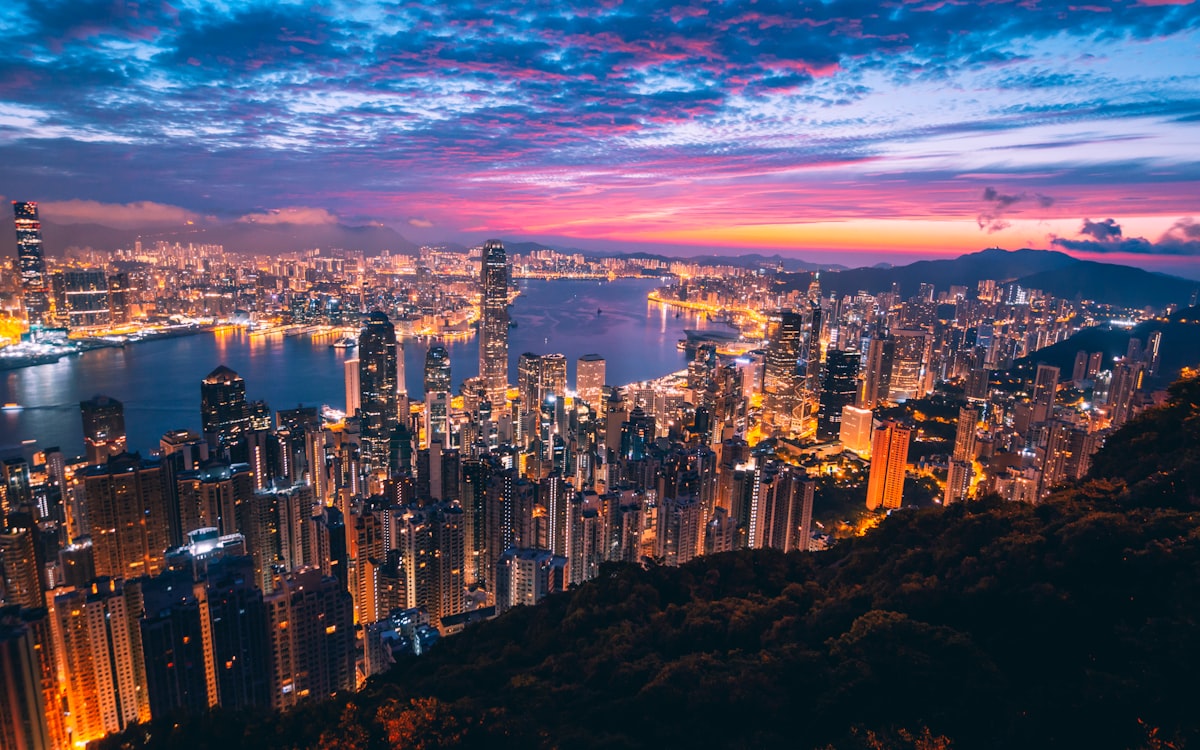
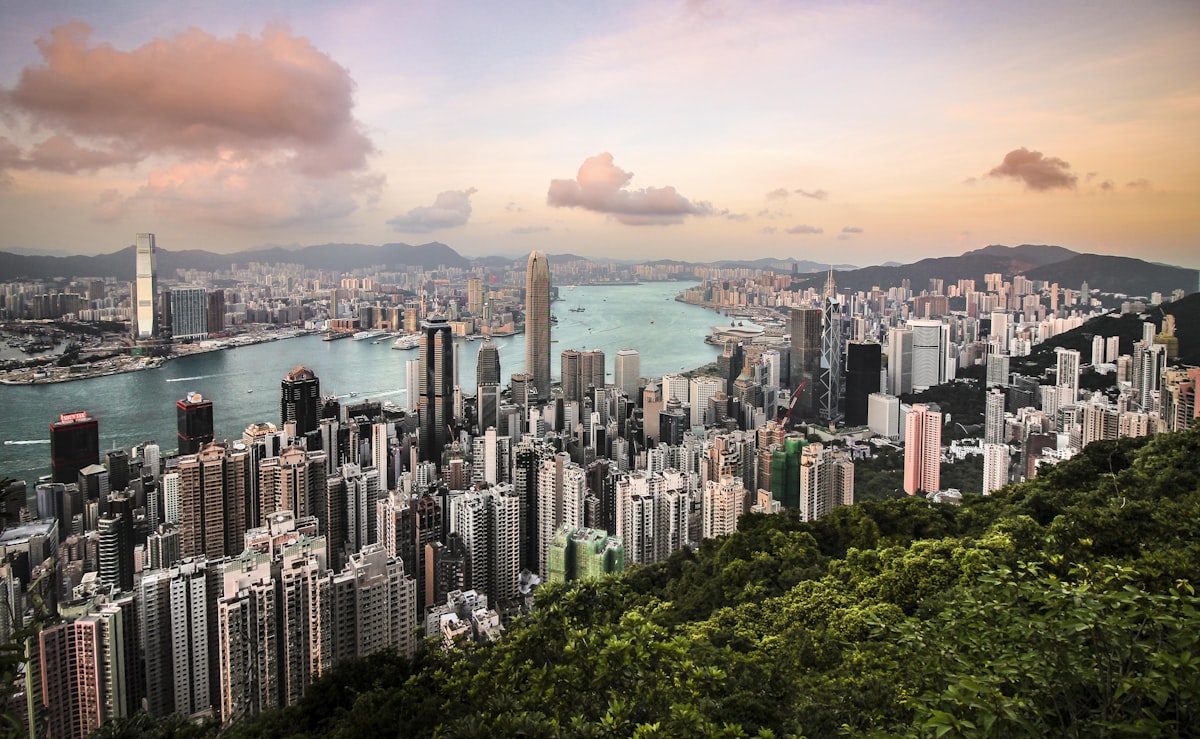
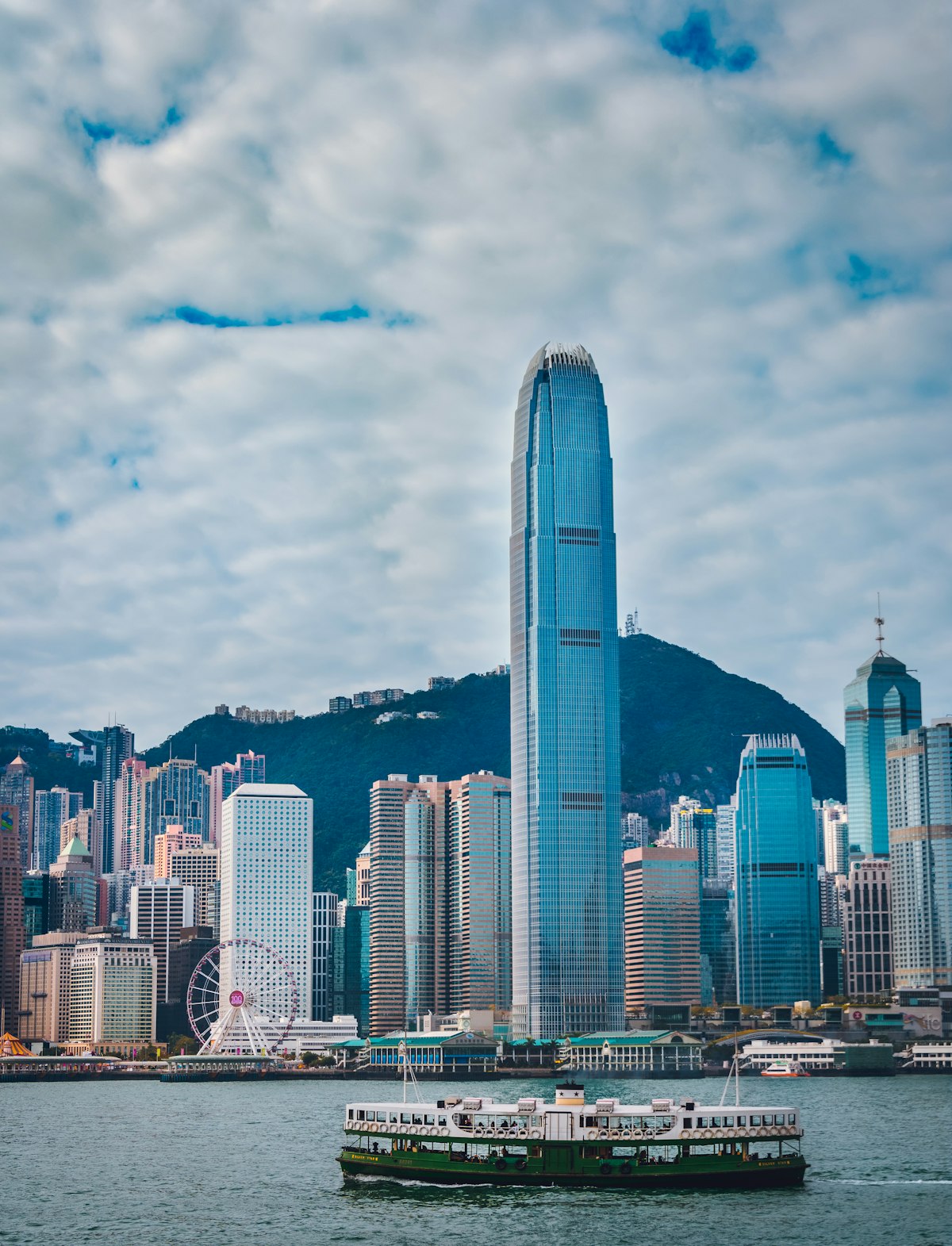
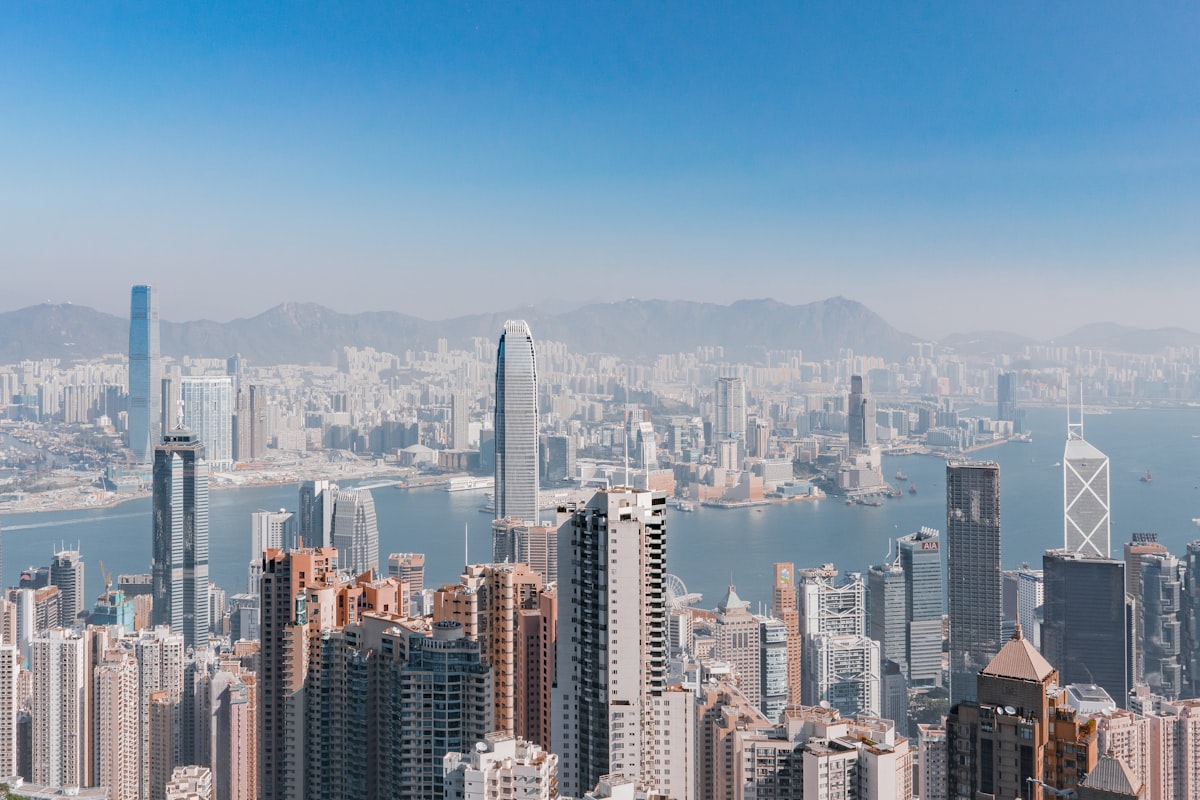
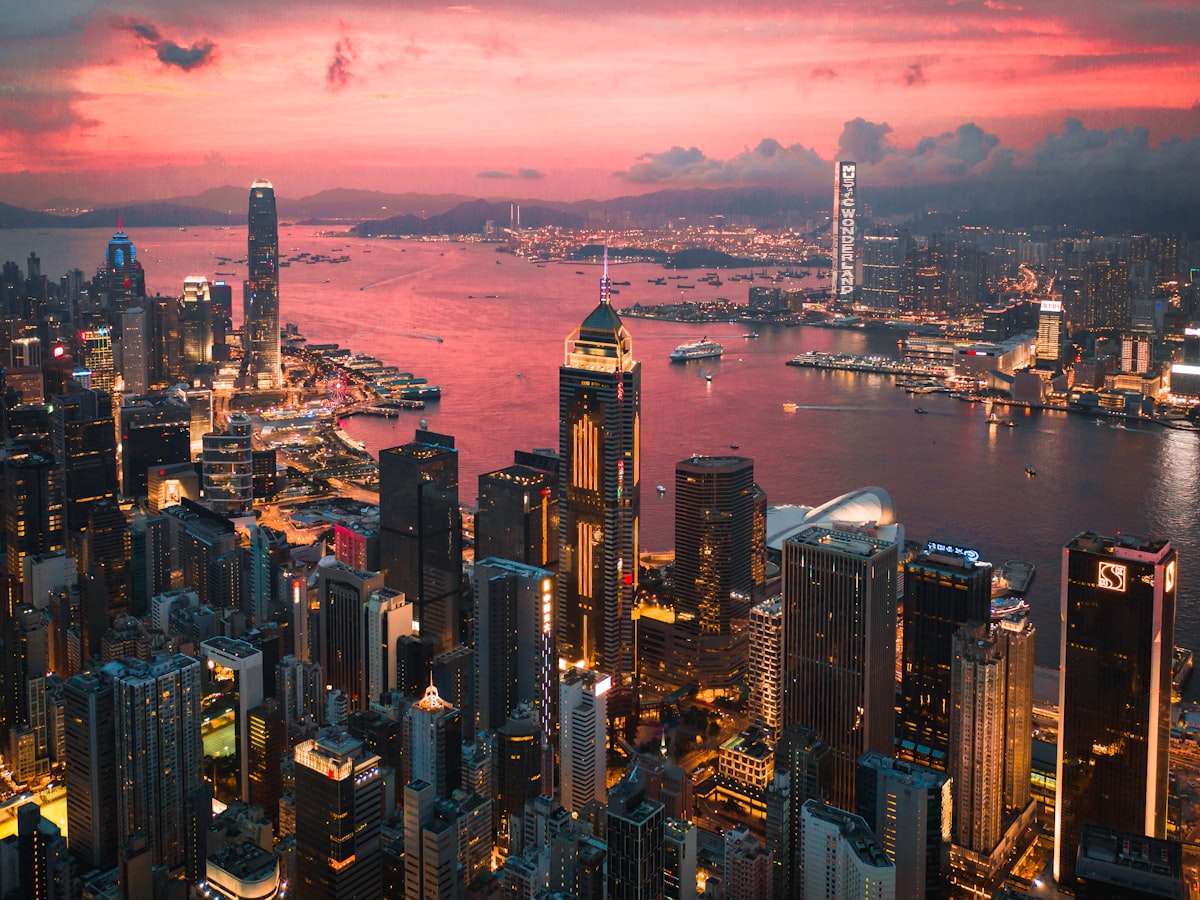
- ↑October is Hong Kong's best month. The typhoon season effectively ends, humidity drops sharply to 72%, and temperatures settle at a comfortable 26°C — ideal for both harbour viewing and hiking. The Victoria Peak Tram affords clear views to Lantau Island; the Star Ferry crossing at sunset with a pink-orange sky behind the skyline is the city at its most spectacular.
- ↑The Hong Kong Wine & Dine Festival (typically late October at Central Harbourfront) brings international wineries and Michelin-starred chefs together in a waterfront setting with the skyline as backdrop. The city's dining scene — the most Michelin stars per capita after Macau — is fully operational.
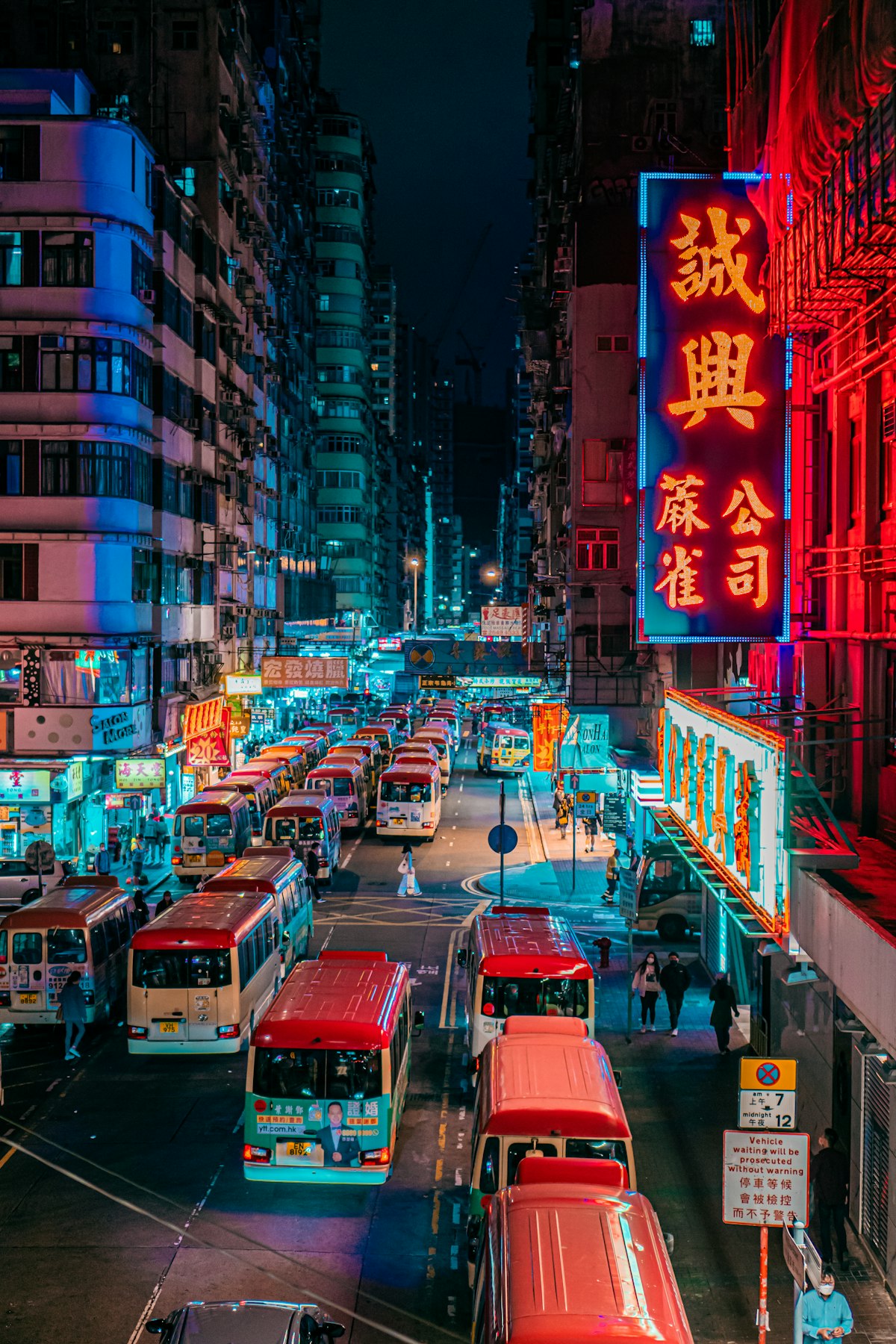
- ↑The city's outdoor life returns in force: Temple Street Night Market, the Sai Kung seafood waterfront, and the Outlying Islands ferry routes (Cheung Chau, Lamma) are at their most enjoyable in October's dry, pleasant air.
What you sacrifice
- ↓October's excellent reputation means hotel prices are high — the most expensive autumn month by most measures. Book 6–8 weeks ahead for Central and TST properties; last-minute October travel in Hong Kong is expensive and choice-limited.
- ↓The first two weeks of October can still retain some residual typhoon risk and occasional heavy showers. True October bliss tends to arrive more reliably after the 15th.
Oct scores highest overall — reliable weather and strong local atmosphere. Set your priorities below to personalise this result.
Oct
The golden month — perfect weather, clear skies, and the Wine & Dine Festival.
26°C
High
100mm
Rain
6.1h
Sun
- ↑October is Hong Kong's best month. The typhoon season effectively ends, humidity drops sharply to 72%, and temperatures settle at a comfortable 26°C — ideal for both harbour viewing and hiking. The Victoria Peak Tram affords clear views to Lantau Island; the Star Ferry crossing at sunset with a pink-orange sky behind the skyline is the city at its most spectacular.
- ↑The Hong Kong Wine & Dine Festival (typically late October at Central Harbourfront) brings international wineries and Michelin-starred chefs together in a waterfront setting with the skyline as backdrop. The city's dining scene — the most Michelin stars per capita after Macau — is fully operational.
- ↑The city's outdoor life returns in force: Temple Street Night Market, the Sai Kung seafood waterfront, and the Outlying Islands ferry routes (Cheung Chau, Lamma) are at their most enjoyable in October's dry, pleasant air.
- ↓October's excellent reputation means hotel prices are high — the most expensive autumn month by most measures. Book 6–8 weeks ahead for Central and TST properties; last-minute October travel in Hong Kong is expensive and choice-limited.
- ↓The first two weeks of October can still retain some residual typhoon risk and occasional heavy showers. True October bliss tends to arrive more reliably after the 15th.
Top travel windows
★ BestOctober
Best overall
Highest combined score
26°C
High
100mm
Rain
6.1h
Sun
June
Best for value
Lowest prices & fees
30°C
High
372mm
Rain
5.8h
Sun
June
Fewest crowds
Quietest month
30°C
High
372mm
Rain
5.8h
Sun
Breakdown by priority
Best for weather
October
26°C high · 100mm rain · 6.1hrs sun/day
Best for budget
June
The Tuen Ng Dragon Boat Festival (fifth day of the fifth lunar month — typically June) is one of Hong Kong's defining events. The races at Stanley, Aberdeen, and Sai Kung bring hundreds of teams and thousands of spectators. The Stanley races are the most accessible for visitors and the atmosphere at waterside restaurants during race day is excellent. This is a genuine reason to be in Hong Kong in June.
Fewest crowds
June
The Tuen Ng Dragon Boat Festival (fifth day of the fifth lunar month — typically June) is one of Hong Kong's defining events. The races at Stanley, Aberdeen, and Sai Kung bring hundreds of teams and thousands of spectators. The Stanley races are the most accessible for visitors and the atmosphere at waterside restaurants during race day is excellent. This is a genuine reason to be in Hong Kong in June.
Worst time to visit
July, August
July is statistically Hong Kong's worst month for typhoons. Peak typhoon activity concentrates June–September, and July delivers the highest frequency of Signal 8+ hoistings — some years see 3–4 events, each cancelling 1–2 days of activity. Travel insurance is not optional in July.
Where to stay in Hong Kong
All neighbourhoods →Mong Kok
The most densely populated place on Earth — markets, electronics, and the rawest Hong Kong energy.
8/10
Central
9/10
Walk
10/10
Transit
Central & SoHo
Hong Kong's financial and social epicentre — from the IFC Tower to Mid-Levels bar streets.
10/10
Central
9/10
Walk
10/10
Transit
Also exploring
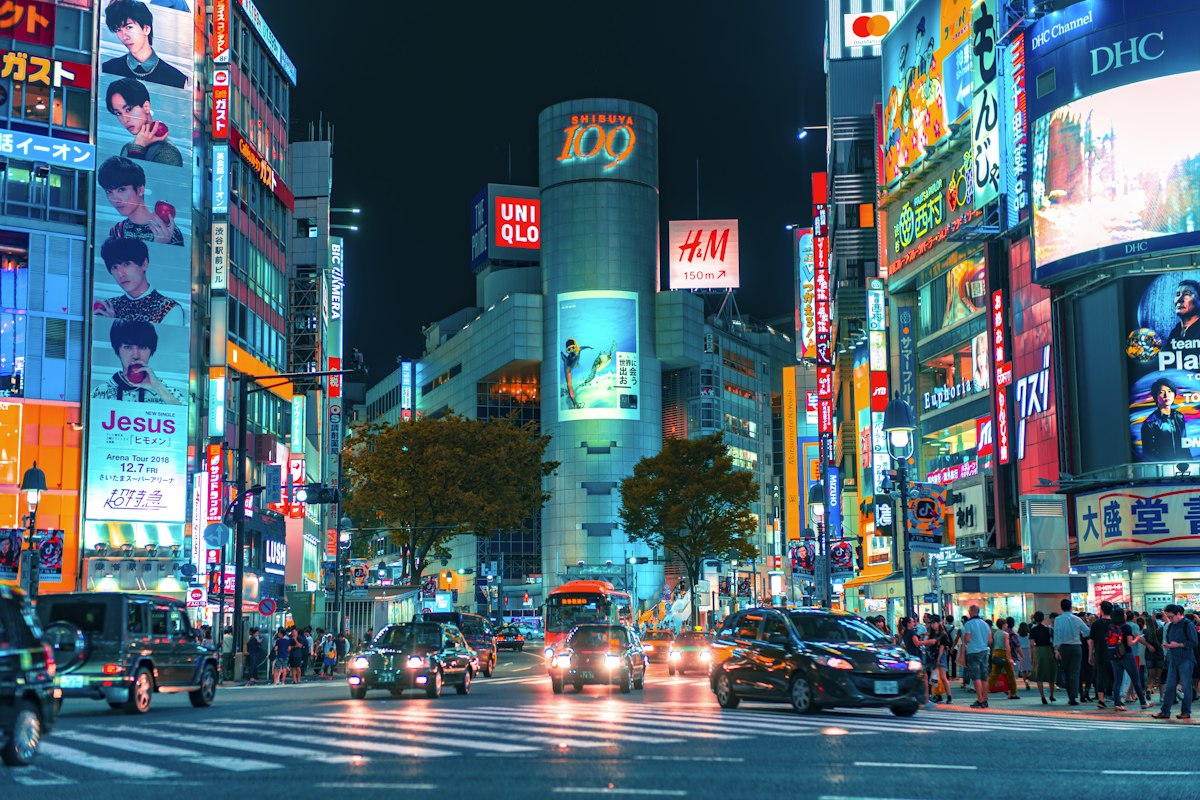
Tokyo
Japan
A city of dramatic seasonal contrasts — cherry blossom crowds, oppressive summer humidity, and golden autumn foliage — where the wrong timing can make or break the trip.
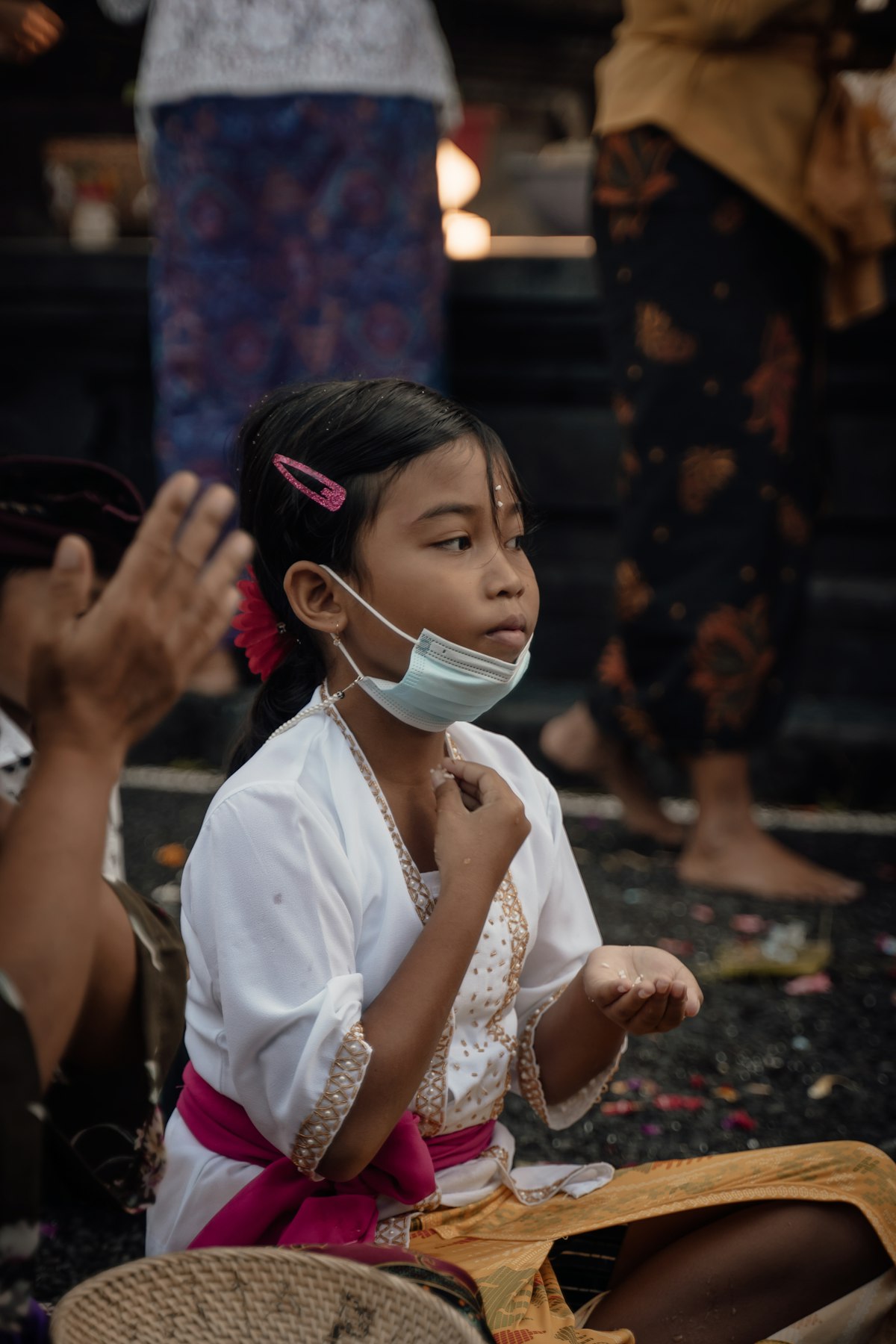
Bali
Indonesia
A Hindu island of rice terraces, temple ceremonies, and surf breaks where the monsoon makes timing genuinely binary — the difference between dry and wet season is not subtle.
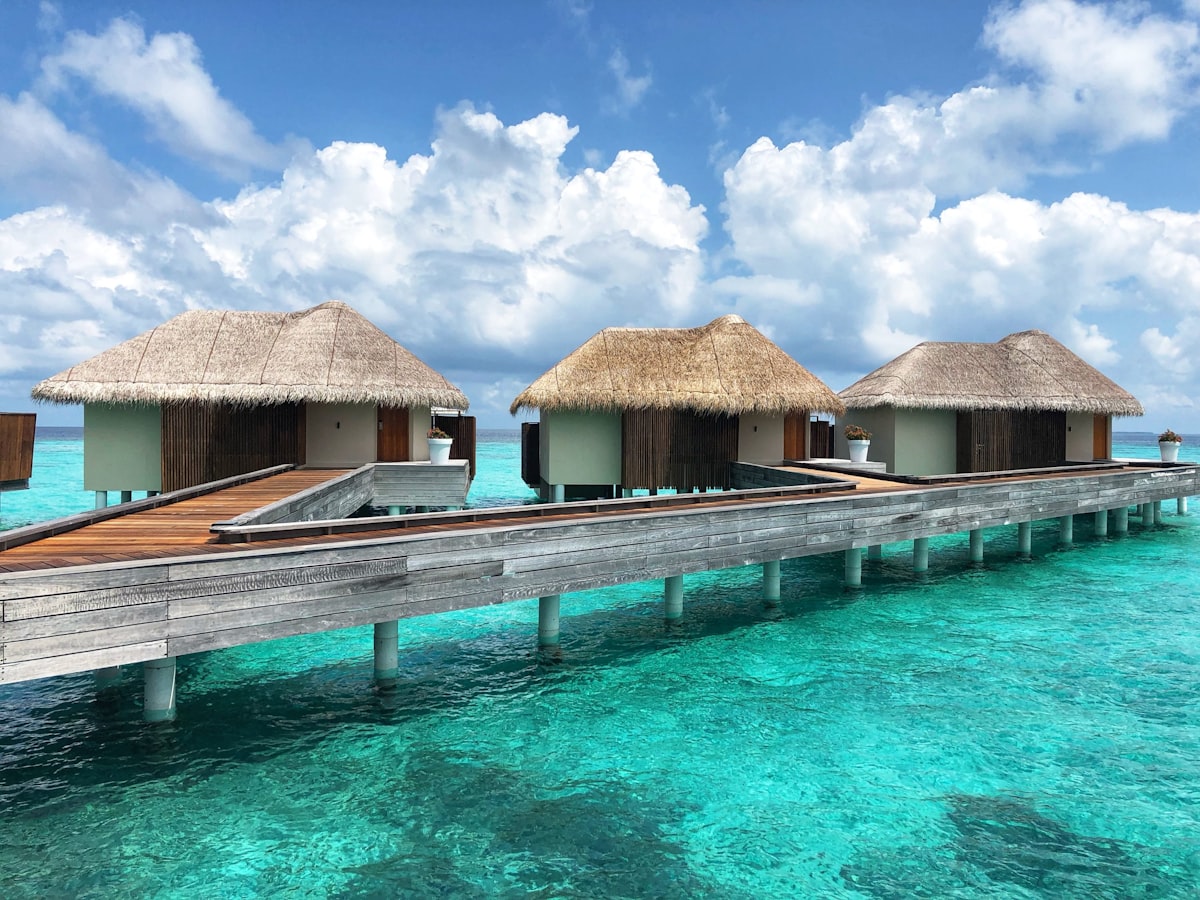
Maldives
Maldives
A destination defined almost entirely by its monsoon calendar — the difference between the NE dry season (November–April) and SW wet season (May–October) is not subtle and shapes every aspect of the experience.
Worth knowing
October scores highest overall. February is the most crowded month — avoid if you can. See crowd-free ranking →
Month by month breakdown
January#5▾
Gains
- ↑January's 18°C days and low humidity make Hong Kong's extraordinary network of hiking trails genuinely comfortable: the Dragon's Back ridge trail on Hong Kong Island, the MacLehose Trail across the New Territories, and the Lantau Trail to Sunset Peak are at their most accessible. The city's mountain-and-harbour geography is at its most visible with the cleaner winter air.
- ↑The pre-Chinese New Year lull means hotel rates are reasonable by Hong Kong standards and major attractions — Victoria Peak, Repulse Bay, Nan Lian Garden — are uncrowded. Dim sum at Maxim's Palace City Hall or Fook Lam Moon in Wan Chai is easier to book.
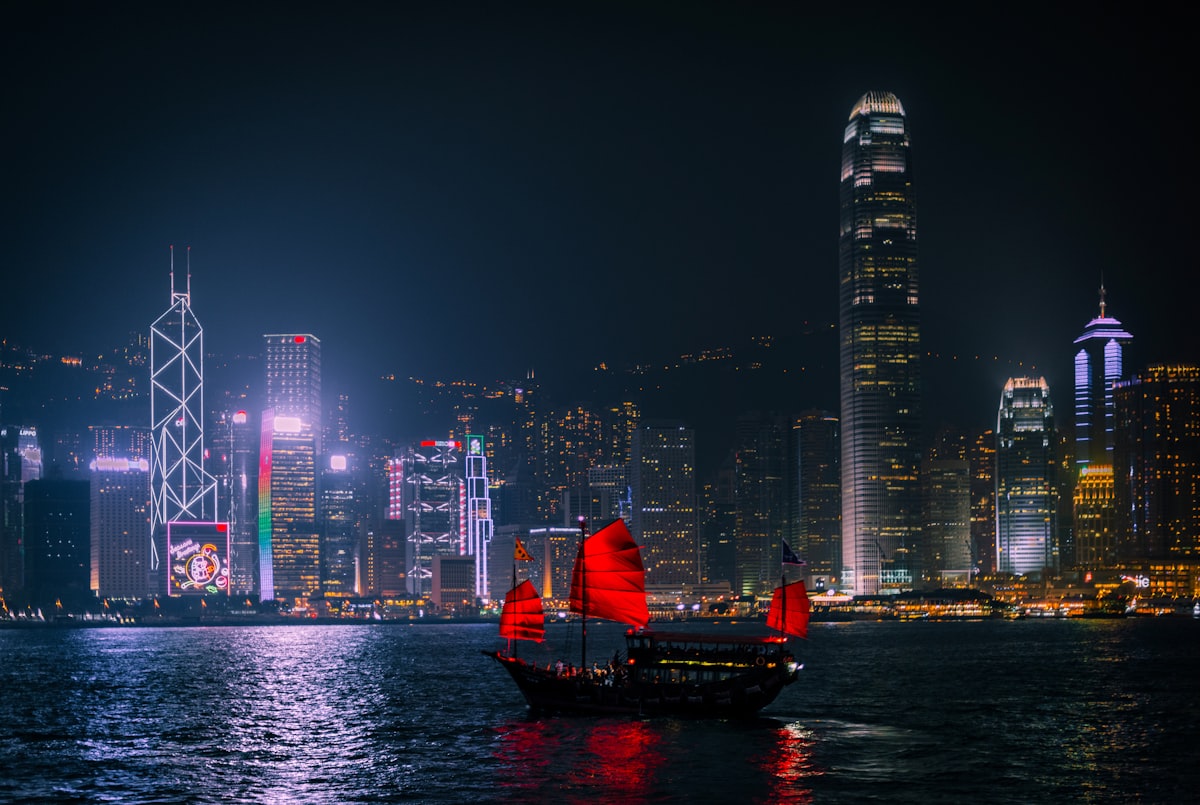
- ↑Night views of Victoria Harbour from Tsim Sha Tsui Promenade are spectacular in January: the Symphony of Lights laser show at 8pm plays across 44 buildings on both sides, and winter air clarity makes the display crisper than the humid summer months.
Sacrifices
- ↓Hong Kong winters are grey: January's 4.4 sunshine hours per day mean frequent overcast skies that flatten the harbour views photographers seek. The temperature can dip uncomfortably on windy days near the peak or on the Outlying Islands ferry crossings.
- ↓January lacks the festival energy of February's Chinese New Year, and some traditional teahouses reduce hours between the post-December lull and CNY preparations.
February#3▾
Gains
- ↑Chinese New Year in Hong Kong is one of the world's great festivals. The Victoria Harbour fireworks display (New Year's Eve) is watched by over 400,000 people from the Tsim Sha Tsui waterfront. The Chingay Parade in Tsim Sha Tsui, the Flower Market in Mong Kok (running the days before CNY), and the horse racing at Happy Valley on New Year's Day create a citywide festive event unlike any other in the region.
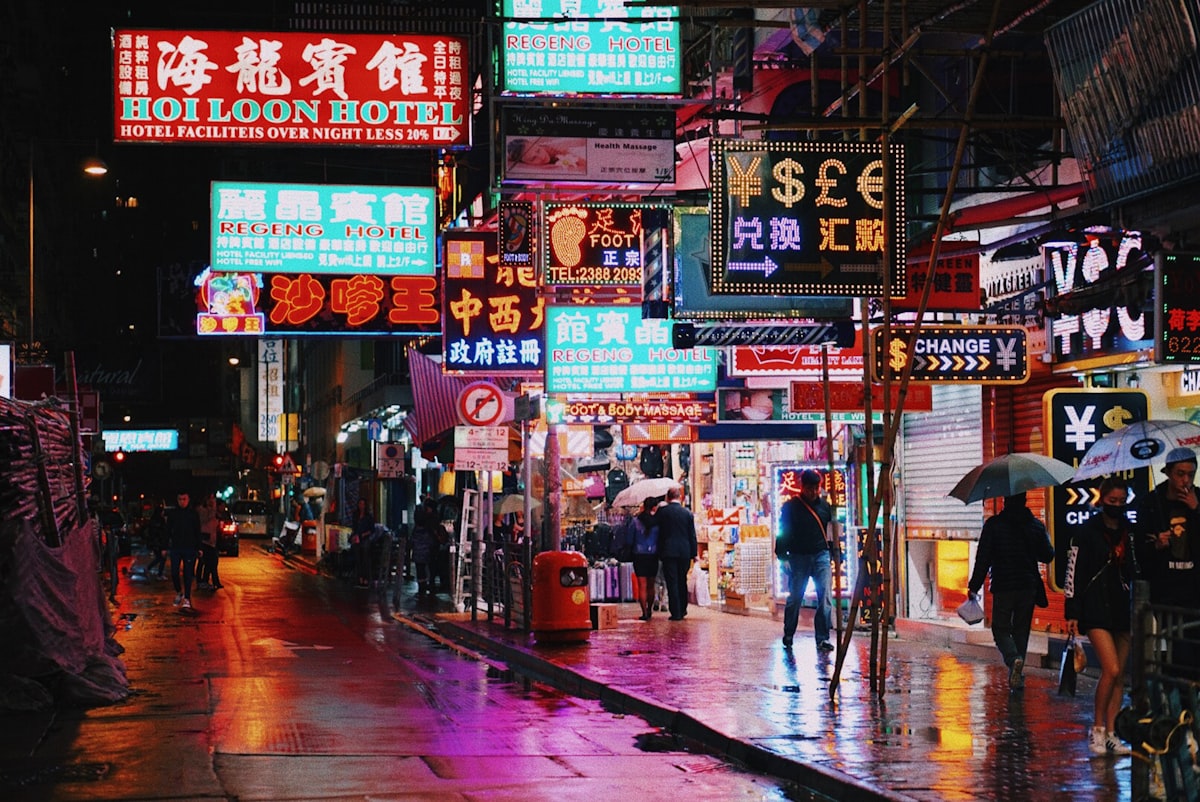
- ↑The New Year markets transform Mong Kok into a labyrinth of plum blossom, kumquat trees, and zodiac decorations — the Lunar New Year Flower Fair is a genuine local tradition rather than a tourist performance. Temple Street Night Market and the surrounding streets take on a different character during CNY week.
- ↑Traditional teahouses — Lin Heung Tea House in Sheung Wan, Luk Yu Tea House in Central — are at their most atmospheric: old Hong Kong families gather for CNY yum cha in multi-generational groups that are rarely visible at other times of year.
Sacrifices
- ↓Chinese New Year week is Hong Kong's busiest travel period: hotels surge 50–100% above January rates and book out months in advance. Most shops and restaurants close for 2–3 days around the New Year itself, creating an eerie city quiet beneath the festive surface.
- ↓February weather is damp and misty — the lowest sunshine month. Fog frequently obscures the harbour and Peak views. The festive atmosphere compensates enormously, but travellers expecting sunshine will be disappointed.
March#6▾
Gains
- ↑The Hong Kong Arts Festival (February–March) is one of Asia's most serious performing arts programmes: international orchestras, dance companies, and theatre productions at the Hong Kong Cultural Centre and City Hall. The scale and quality rival Edinburgh and Vienna. In 2024 the festival brought over 140 performances across 30 venues.
- ↑Comfortable temperatures for city exploration: 21°C is ideal for Kowloon street markets, the Kennedy Town waterfront, and the Blue House heritage district in Wan Chai. March is when Hong Kong feels most walkable.
Sacrifices
- ↓March is consistently one of Hong Kong's greyest months: the mist that descends from the South China Sea creates hazy, low-visibility conditions that erase the harbour views the city is famous for. Victoria Peak in March is often just a grey cloud from below.
- ↓Humidity begins climbing toward the summer levels — the sticky air that makes summer so uncomfortable starts asserting itself from mid-March onwards.
April#8▾
Gains
- ↑April hotel rates are among the year's lowest outside of the January–February winter. The combination of shoulder-season pricing and genuine warmth makes April a cost-effective window for experiencing Hong Kong's full range: Stanley Market, Lamma Island ferry, and the Sai Kung seafood restaurants are all accessible.
- ↑Ching Ming festival (early April) brings locals to ancestral graves across the New Territories — the countryside hillside rituals are rarely seen by visitors but accessible to respectful observers in areas like Diamond Hill.
Sacrifices
- ↓April is frequently very humid and rainy: the 128mm and 85% average humidity create a sticky, overcast atmosphere. The dramatic harbour views that define Hong Kong's visual identity are often obscured by haze and cloud for days at a time.
- ↓Outdoor activities and hiking are uncomfortable in the heat and humidity — the Dragon's Back trail that is glorious in January becomes a sweaty ordeal in April.
May#10▾
Gains
- ↑Buddha's Birthday (a public holiday in late May or June) brings elaborate lantern processions to Po Lin Monastery on Lantau Island and Ten Thousand Buddhas Monastery in Sha Tin — accessible, beautiful, and genuinely uncrowded by Western tourist standards.
- ↑Prices are low and availability high — the period before typhoon season proper is when Hong Kong's accommodation market has its softest inventory. Business travel drops and leisure visitors are yet to arrive.
Sacrifices
- ↓May's 265mm of rainfall and 86% humidity make outdoor Hong Kong difficult. The heat index can reach 35°C+ on humid afternoons — the hillside neighbourhoods of Mid-Levels and the Peak are surprisingly challenging to walk between.
- ↓Typhoon season technically begins in May and an early season storm can disrupt several days of travel with little warning. The Hong Kong Observatory's typhoon signal system (1 through 10) should be monitored: Signal 8 halts all commercial activity.
June#9▾
Gains
- ↑The Tuen Ng Dragon Boat Festival (fifth day of the fifth lunar month — typically June) is one of Hong Kong's defining events. The races at Stanley, Aberdeen, and Sai Kung bring hundreds of teams and thousands of spectators. The Stanley races are the most accessible for visitors and the atmosphere at waterside restaurants during race day is excellent. This is a genuine reason to be in Hong Kong in June.
- ↑Air-conditioned indoor Hong Kong is world-class: the city's mall culture (IFC Mall, Harbour City, Times Square) and restaurant scene are at full capacity year-round regardless of outdoor conditions. June is when residents retreat indoors and the MTR, malls, and restaurants feel most alive.
Sacrifices
- ↓June is one of Hong Kong's rainiest months: 372mm with typhoon risk actively in play. Typhoon days (Signal 8+) occur several times per season — when a Signal 8 is hoisted, the MTR runs limited services, all offices and schools close, and outdoor plans are cancelled. Build weather-disruption contingency into any June itinerary.
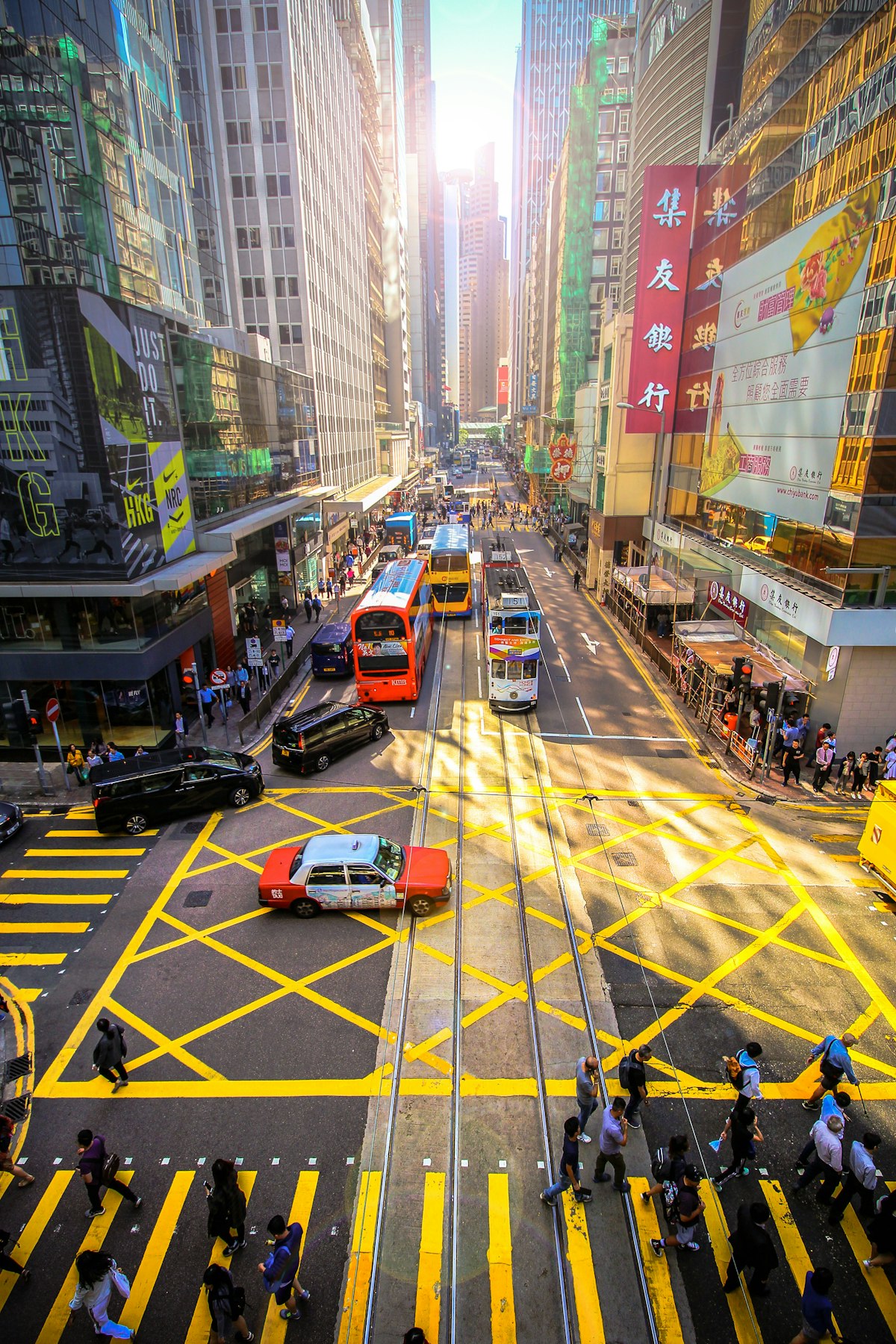
- ↓The combination of 30°C heat and 84% humidity makes outdoor Hong Kong genuinely unpleasant: the covered footbridges (Central–Mid-Levels escalator, the Wan Chai network) become essential infrastructure rather than optional shortcuts.
July#11▾
Gains
- ↑Hong Kong's accommodation in July offers some of the year's lowest leisure rates — business travel collapses in typhoon season, and even quality properties in Central and TST discount significantly. If your itinerary is primarily indoor (museums, restaurant experiences, shopping), July prices are genuinely attractive.
- ↑The Hong Kong Museum of History, Science Museum, and Space Museum in Tsim Sha Tsui are vast, air-conditioned, and essentially tourist-free in July. The museum complex is one of the best urban museum clusters in Asia and rarely busy.
Sacrifices
- ↓July is statistically Hong Kong's worst month for typhoons. Peak typhoon activity concentrates June–September, and July delivers the highest frequency of Signal 8+ hoistings — some years see 3–4 events, each cancelling 1–2 days of activity. Travel insurance is not optional in July.
- ↓The heat and humidity are genuinely punishing: 31°C with 83% humidity creates a heat index that makes outdoor time between 10am–6pm exhausting. The city's outdoor markets, ferry piers, and hillside neighbourhoods are essentially off-limits for comfortable exploration.
August#12▾
Gains
- ↑Hungry Ghost Festival (seventh lunar month, typically August) is one of Hong Kong's most atmospheric traditional observances: roadside paper-burning offerings, temporary street opera performances, and the general belief that the gates of hell open for a month creates an unusual cultural texture. The offerings and ceremonies are genuine local practice, visible throughout Kowloon and the New Territories.
- ↑The Summer Spectacular at Ocean Park and Hong Kong Disneyland's summer programming bring festive energy during August. If travelling with children, summer theme park prices are among the year's most competitive.
Sacrifices
- ↓August delivers Hong Kong's highest rainfall month: 432mm. Typhoon encounters are essentially guaranteed for any 2-week stay — plan every outdoor day with an indoor alternative. The Star Ferry, rooftop bars, and outdoor markets can all be closed with 2 hours notice when a typhoon signal changes.
- ↓The combination of peak summer heat (31°C) and the highest humidity of the year makes August outdoors genuinely hostile. The city's covered walkway network is excellent but does not connect everywhere — arriving at a typhoon-shuttered destination after a humid walk is a routine August occurrence.
September#7▾
Gains
- ↑The Mid-Autumn Festival (fifteenth day of the eighth lunar month — typically September or October) is one of Hong Kong's most beautiful events. Victoria Park fills with lanterns; the harbour reflects the full moon and the Symphony of Lights laser show; families carry glowing lanterns through the parks of Kowloon. The fire dragon dance in Tai Hang (a Wan Chai neighbourhood) is one of the most extraordinary street festivals in Asia — 100 metres of incense-burning dragon carried by 300 dancers through narrow lanes.
- ↑September marks the beginning of the typhoon season's retreat: while storms can still develop, frequency and intensity begin declining. Late September increasingly resembles the comfortable October conditions ahead.
Sacrifices
- ↓Typhoon risk persists actively through September: September typhoons can be the most intense of the season. Super Typhoon Mangkhut struck Hong Kong in September 2018 at Signal 10 — the most extreme level — causing massive disruption. Do not dismiss the risk.
- ↓Humidity remains high and heat oppressive: the transition to autumn comfort is gradual. Mid-September still feels like summer.
October#1▾
Gains
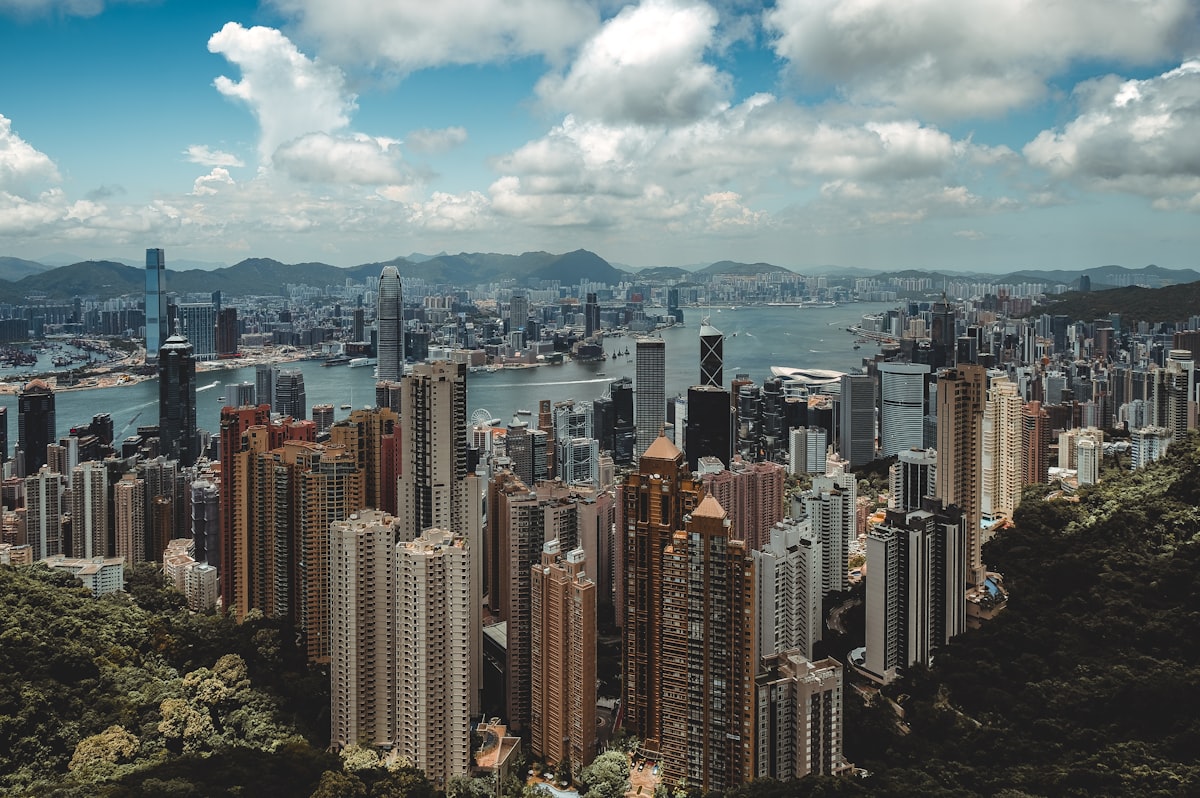
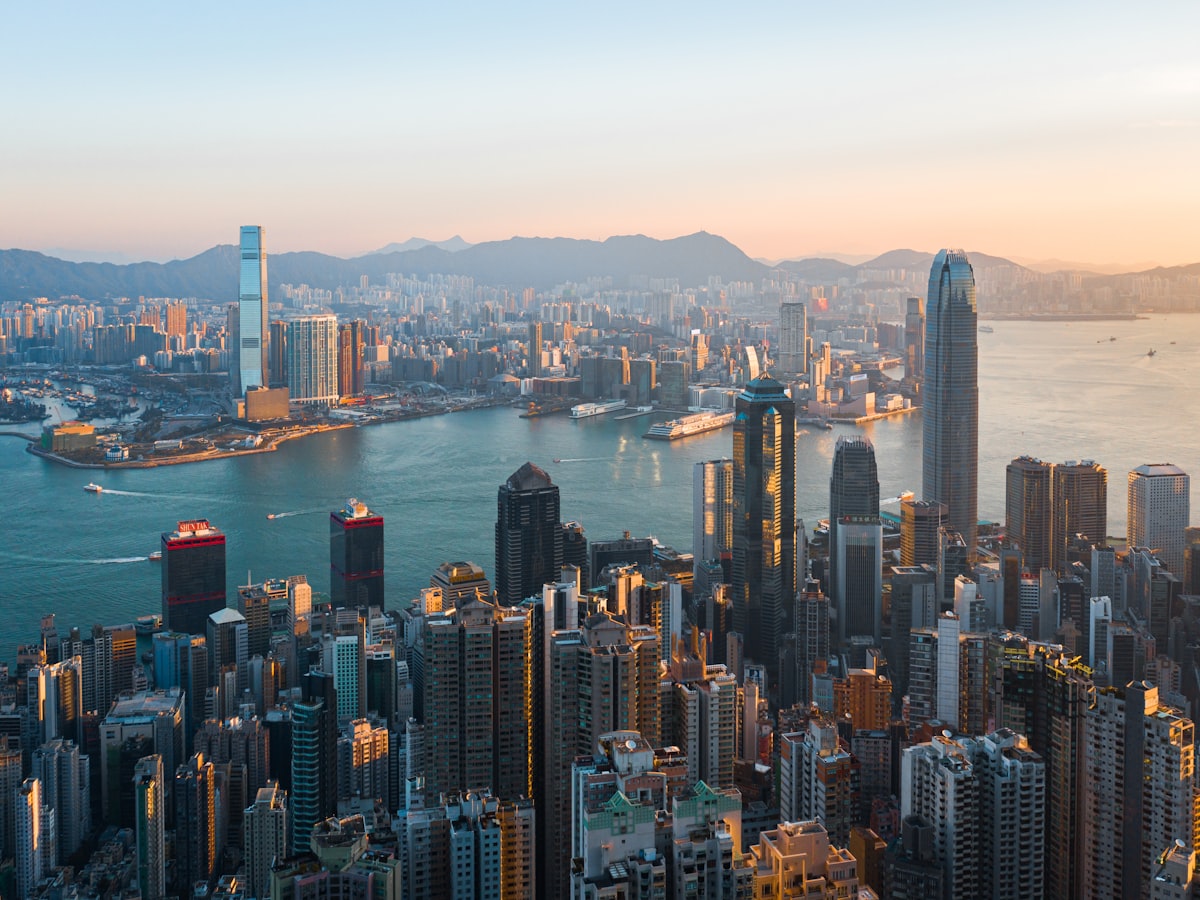
- ↑October is Hong Kong's best month. The typhoon season effectively ends, humidity drops sharply to 72%, and temperatures settle at a comfortable 26°C — ideal for both harbour viewing and hiking. The Victoria Peak Tram affords clear views to Lantau Island; the Star Ferry crossing at sunset with a pink-orange sky behind the skyline is the city at its most spectacular.
- ↑The Hong Kong Wine & Dine Festival (typically late October at Central Harbourfront) brings international wineries and Michelin-starred chefs together in a waterfront setting with the skyline as backdrop. The city's dining scene — the most Michelin stars per capita after Macau — is fully operational.
- ↑The city's outdoor life returns in force: Temple Street Night Market, the Sai Kung seafood waterfront, and the Outlying Islands ferry routes (Cheung Chau, Lamma) are at their most enjoyable in October's dry, pleasant air.
Sacrifices
- ↓October's excellent reputation means hotel prices are high — the most expensive autumn month by most measures. Book 6–8 weeks ahead for Central and TST properties; last-minute October travel in Hong Kong is expensive and choice-limited.
- ↓The first two weeks of October can still retain some residual typhoon risk and occasional heavy showers. True October bliss tends to arrive more reliably after the 15th.
November#2▾
Gains
- ↑November is the single best month for Hong Kong's hiking culture. The city has 263km of designated country park trails covering 40% of its land area — the Dragon's Back, Wilson Trail, and Pat Sin Leng Ridge are all accessible by MTR and bus within 45 minutes of Central. November's 23°C temperatures and 67% humidity make these trails as comfortable as any city-adjacent hiking in Asia.
- ↑The harbour views are at their finest: low humidity and prevailing northerlies clear the air completely, and the view from the Peak Galleria at sunset in November is the definitive Hong Kong image. The clarity is noticeably better than October's lingering haze.
- ↑HKIA International Races (horse racing at Sha Tin and Happy Valley) enter their mid-season stride — Hong Kong's horse racing culture is one of the world's most accessible and most entertaining, with Jockey Club facilities that welcome visitors and a betting culture that is deeply local.
Sacrifices
- ↓November is increasingly popular as the world discovers October and November as the right time to visit — hotel prices reflect this, and advance booking is essential for quality properties in Central, Tsim Sha Tsui, and Wan Chai.
- ↓Some evenings turn distinctly cool — temperatures can drop to 14–15°C on the Peak or in the New Territories — requiring a jacket layer that most visitors packing for Hong Kong don't anticipate.
December#4▾
Gains
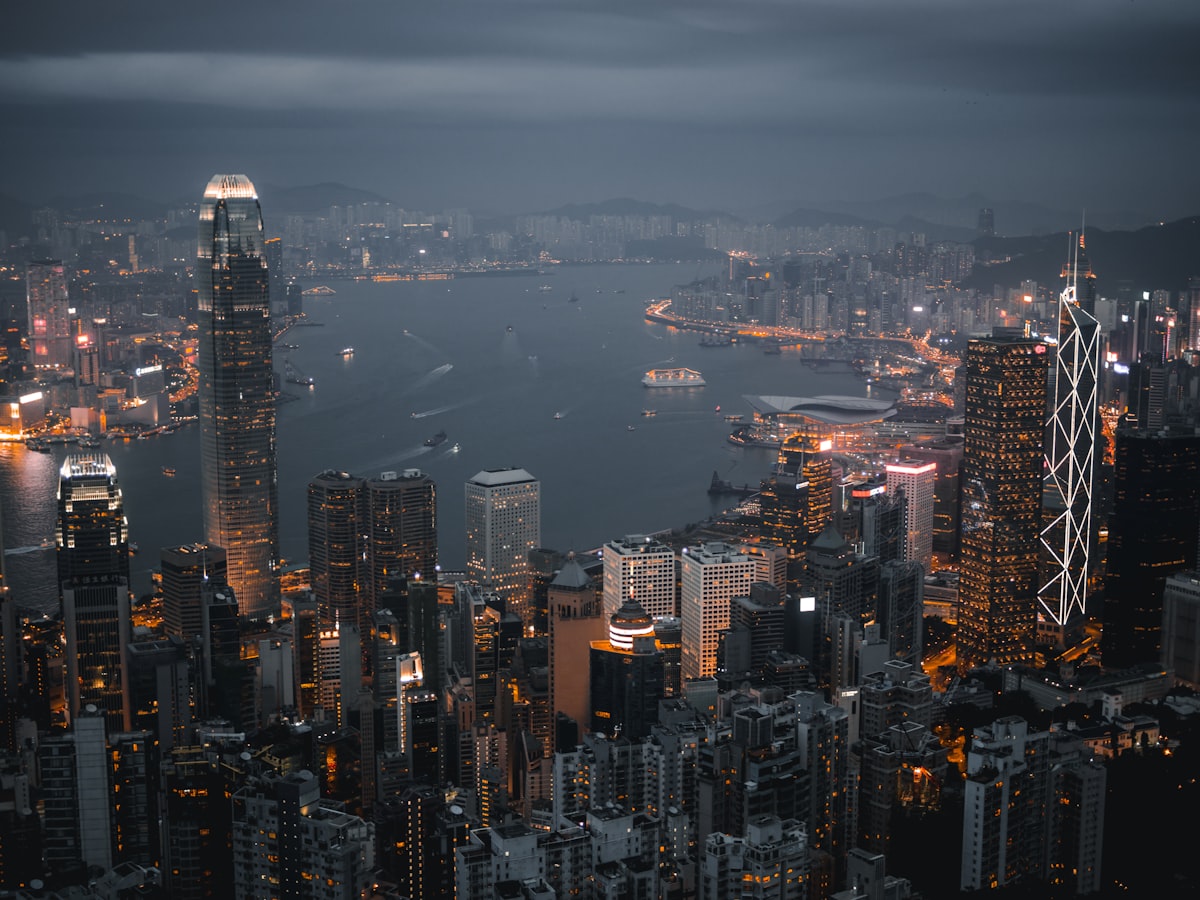
- ↑Hong Kong's Christmas is architecturally spectacular: Nathan Road in Tsim Sha Tsui is covered in illuminations, the IFC and ICC towers display festive light shows, and the Harbour City mall complex runs one of Asia's most elaborate Christmas light installations. The harbour at night in December is the city's most photogenic visual.
- ↑New Year's Eve fireworks over Victoria Harbour draw 400,000+ people to the waterfront promenades — the countdown display is one of the world's great public celebrations, and for once the crowds feel appropriate to the scale of the setting.
- ↑December's cool, clear air makes outdoor Hong Kong enjoyable again after the summer's humidity. A Star Ferry crossing at 18°C in December is the most pleasant version of the experience.
Sacrifices
- ↓Christmas week and New Year's Eve are Hong Kong's most expensive travel days: flights from Europe and Australia surge, hotel rates across the board spike, and Tsim Sha Tsui waterfront crowds on December 31 are genuinely intense.
- ↓December can bring grey, overcast days — the winter cloudiness that arrives in late November can persist for days, flattening the harbour light and eliminating the Peak views that summer-escapees come to find.
How this is calculated
Climate data
Open Meteo ERA5
30-year normals (1991–2020). Temperature, rainfall, sunshine, humidity.
Price & crowd
Tourism research
Seasonal pricing from tourism authority data. Directional — compares months within a destination only.
Personalisation
Weighted scoring
Your priorities change the weights. Budget-first users get different results than weather-first users.
Share this result
October is the best time to visit Hong Kong
Travel timing updates
New destinations and timing guides, when they land.
No spam. Unsubscribe anytime.