Showing: Apr · Unsplash / Unsplash
Türkiye · Central Anatolia
Best time to visit Cappadocia
April
Apr scores highest overall — reliable weather and strong local atmosphere. Set your priorities below to personalise this result.
What matters most to you?
All 12 months — click any to expand
Apr
Unsplash / Unsplash
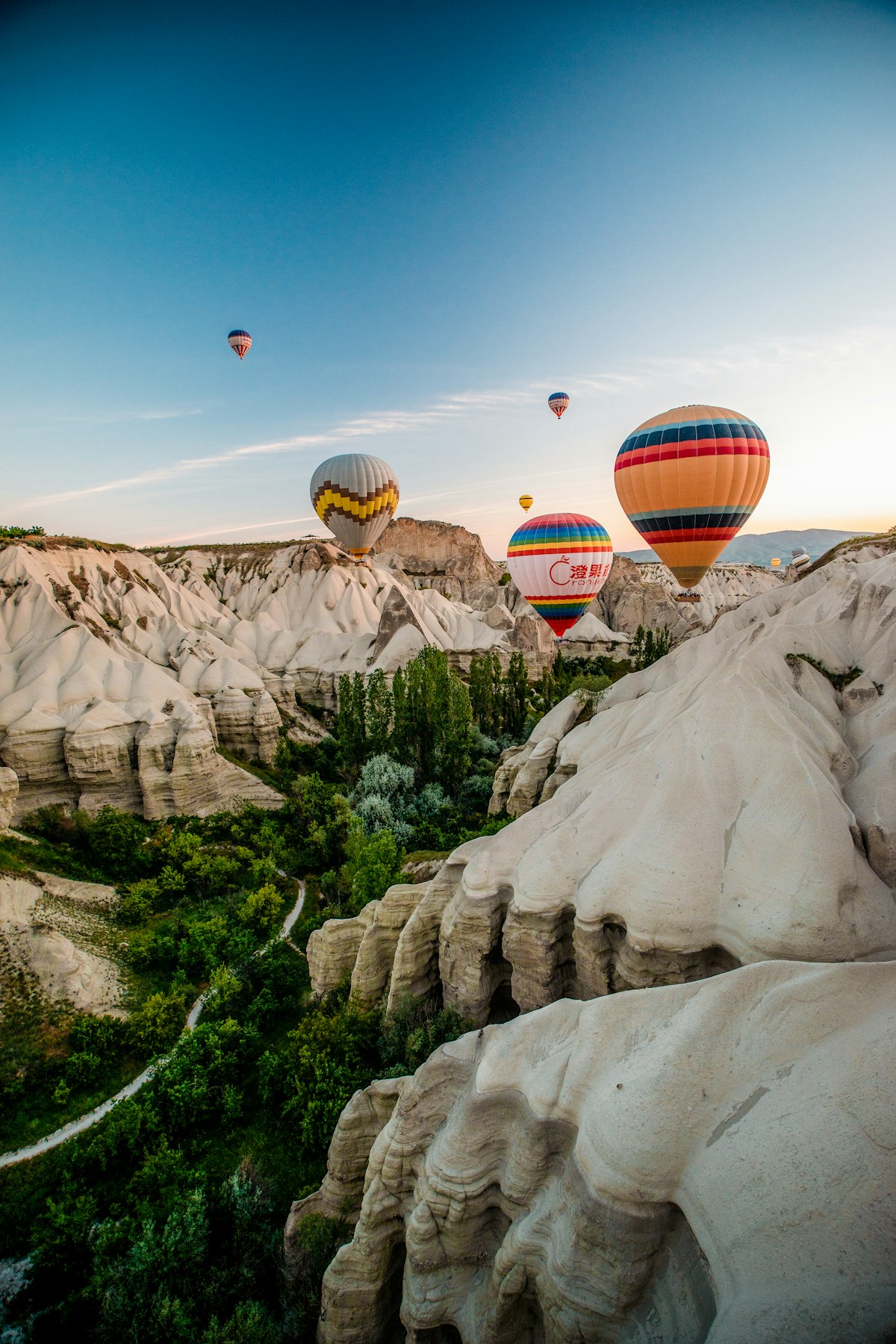
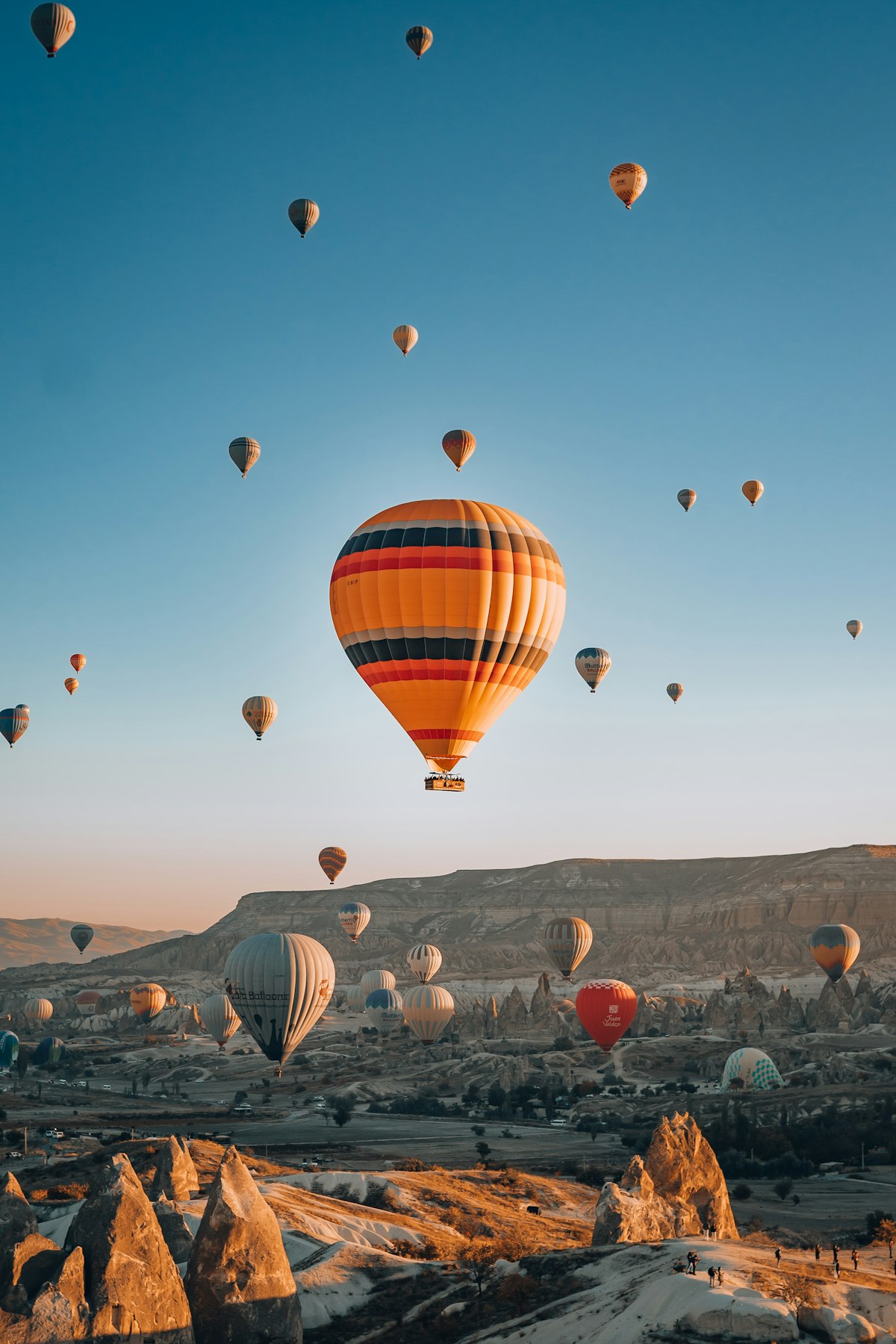
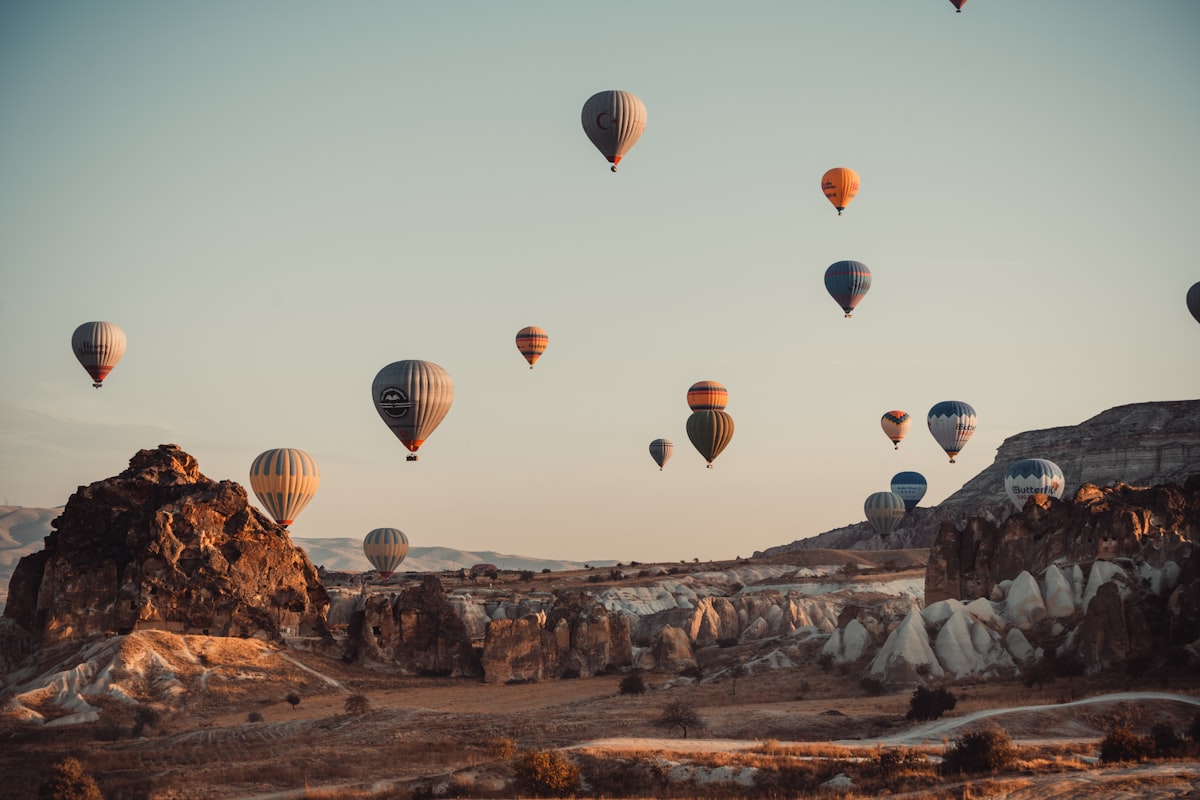
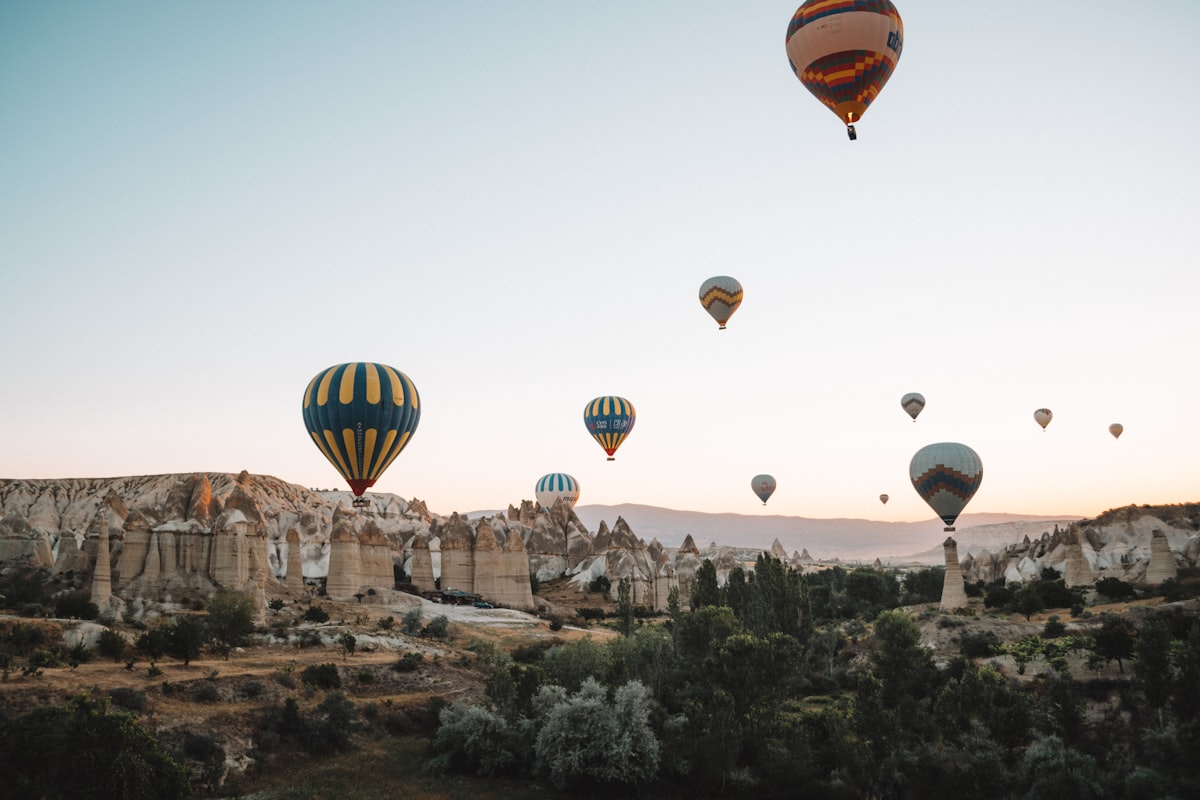
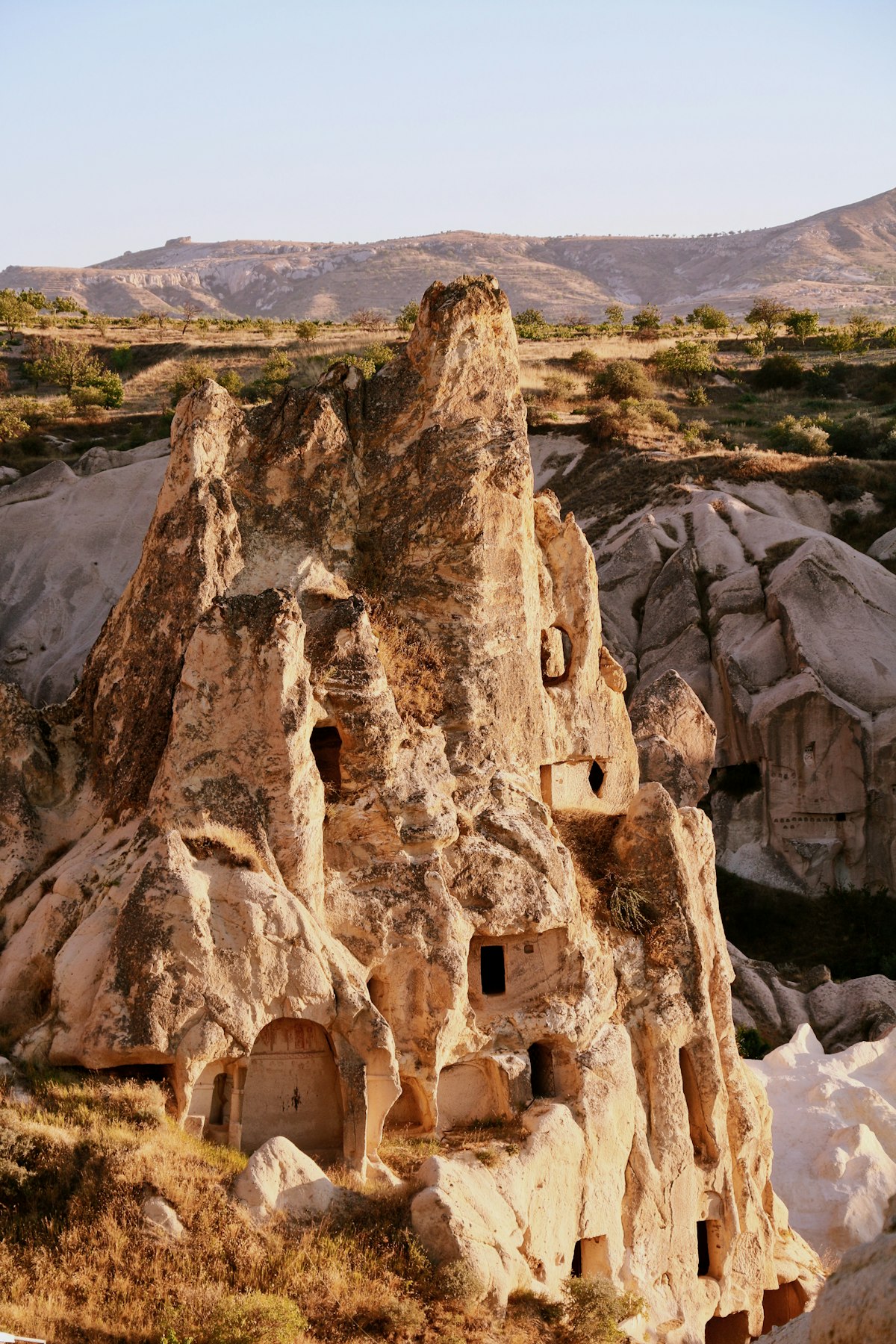
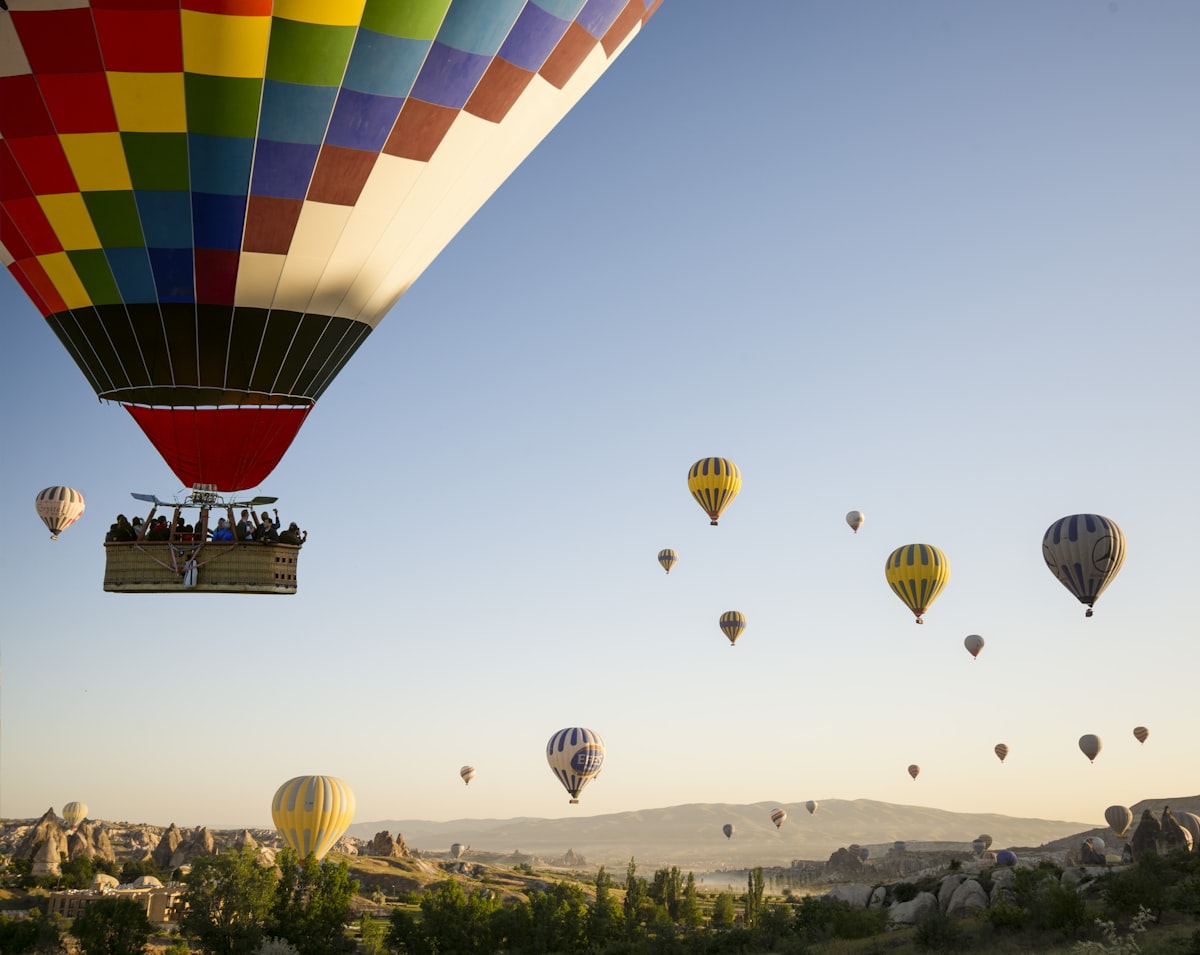
Spring prime — wildflowers, perfect balloon weather, and the most beautiful version of the valleys.
17°C
High
5°C
Low
45mm
Rain
7h
Sun/day
What you gain
- ↑April is the finest month for valley hiking: temperatures of 17°C are ideal for walking the 8km Love Valley route, the 5km Ihlara Gorge section between the canyon walls, and the Rose Valley's sunrise walk from Çavuşin; wildflowers cover the tuff soil in yellow, red, and white, and the air clarity makes distant Erciyes volcano visible from most valley rims
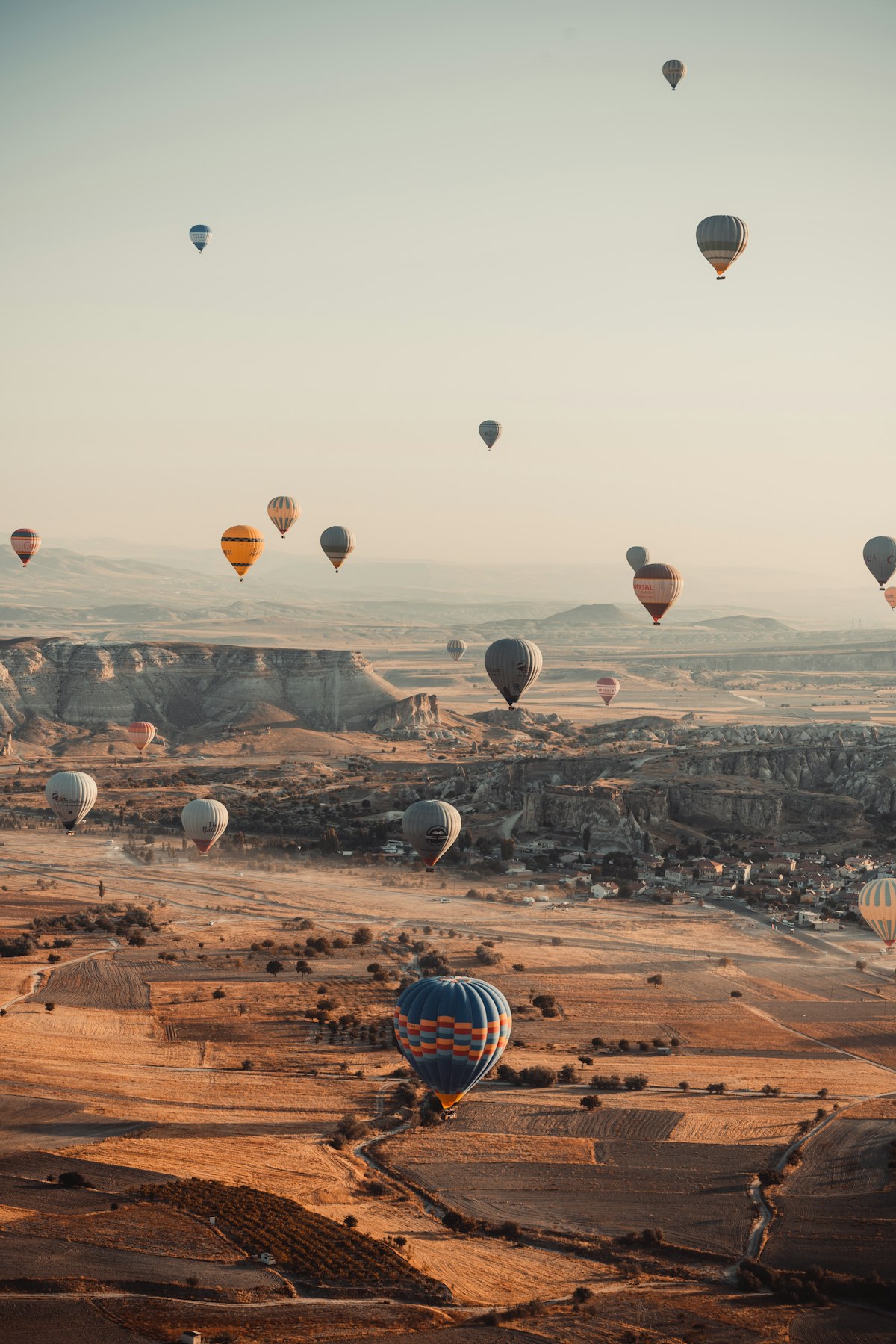
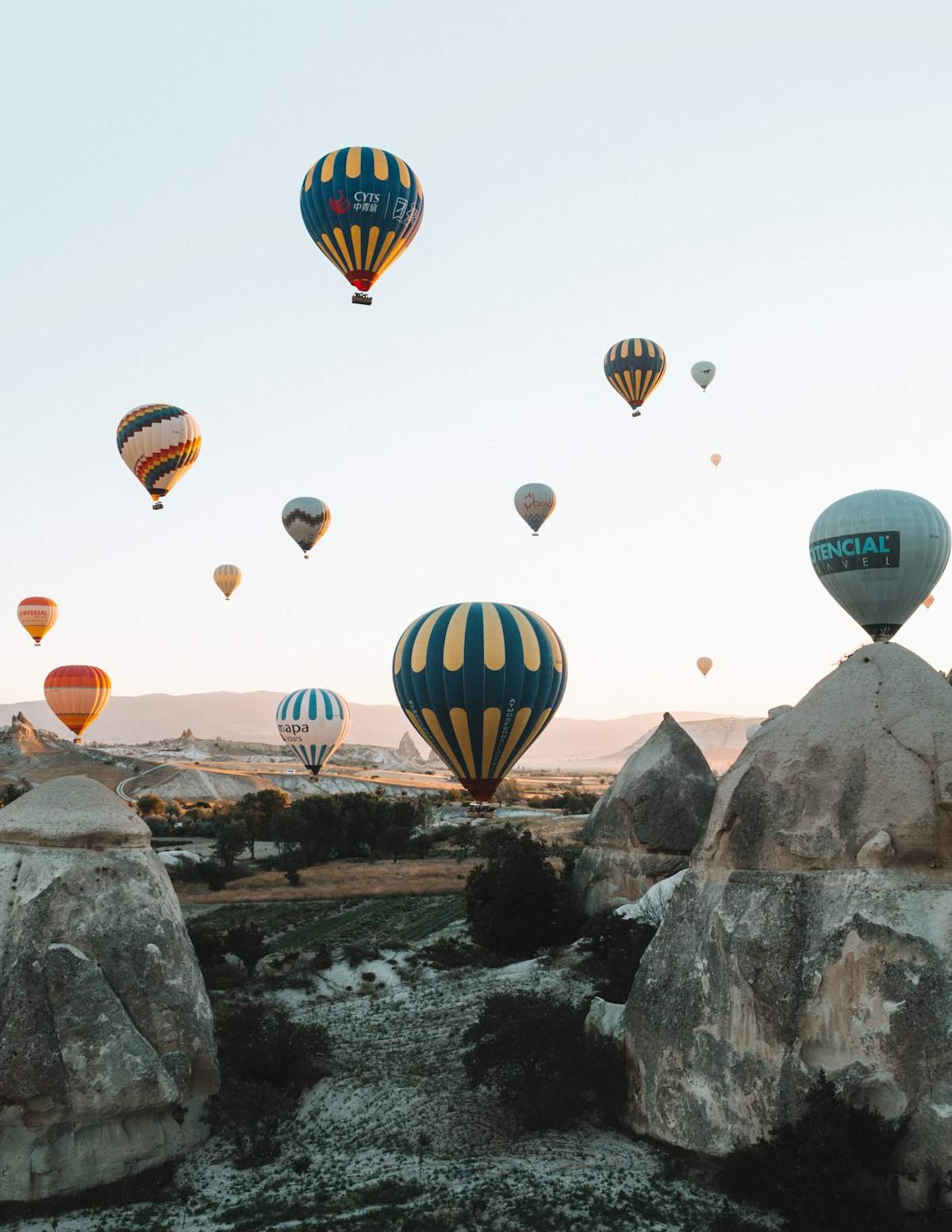
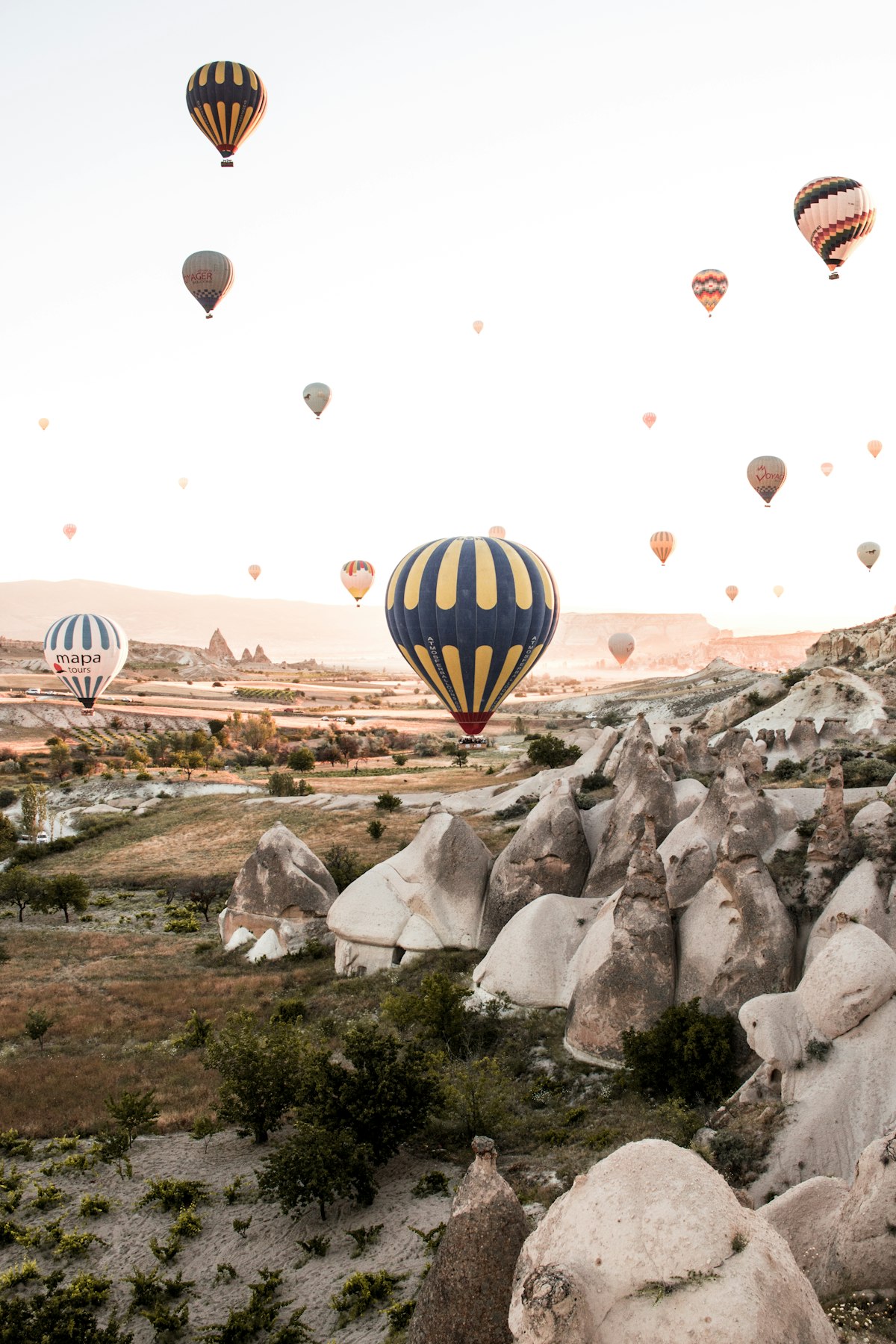
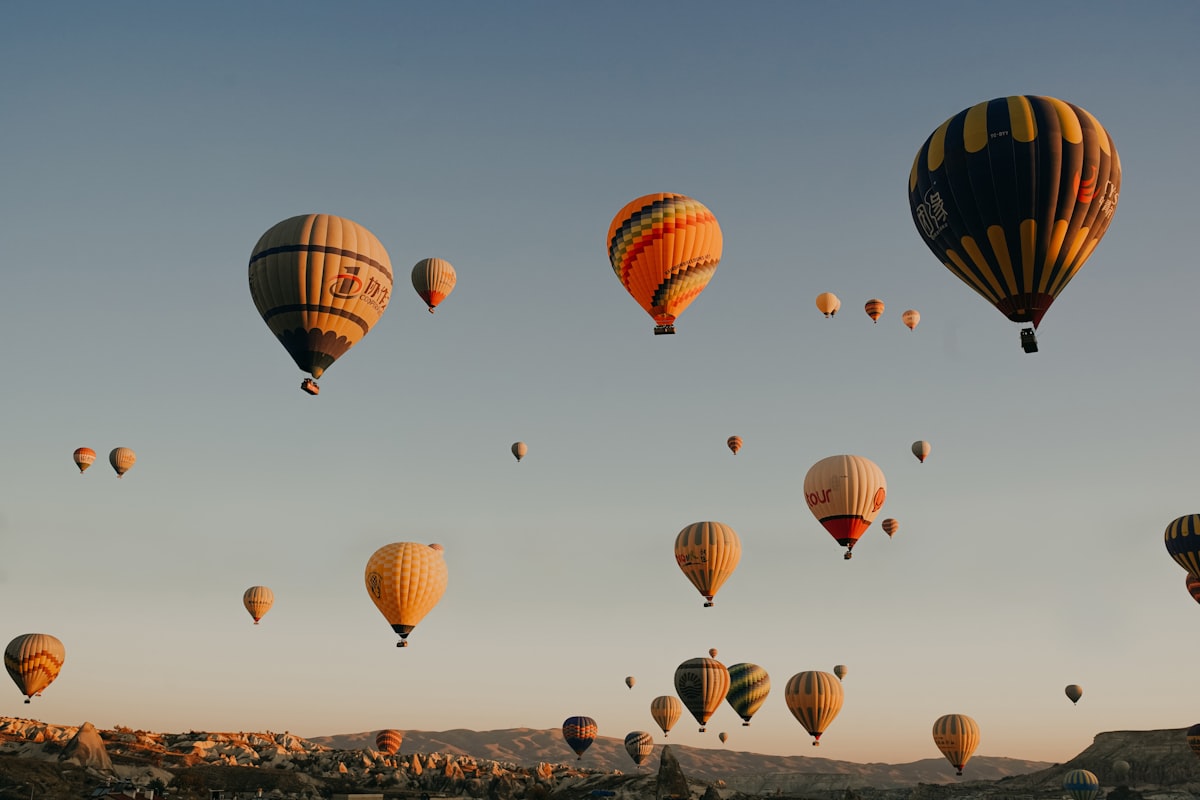
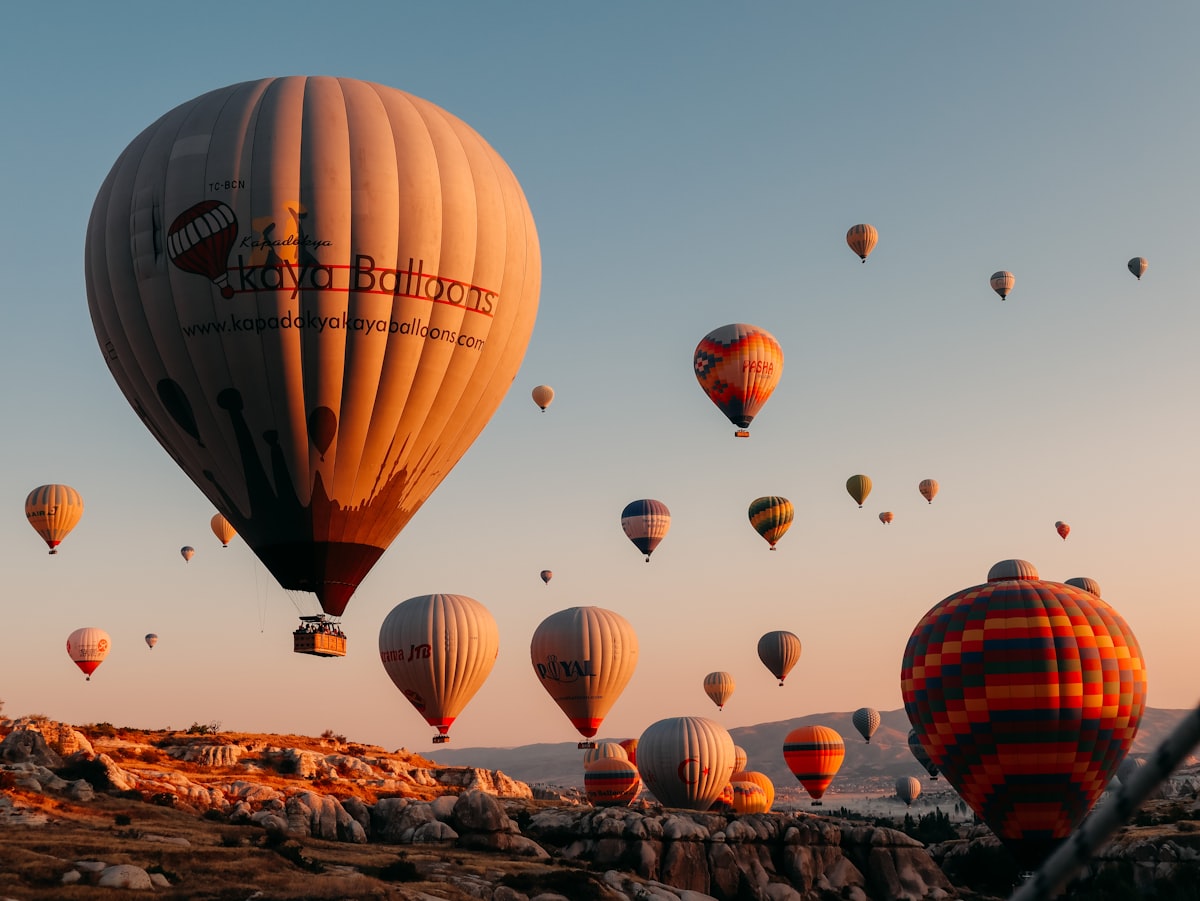
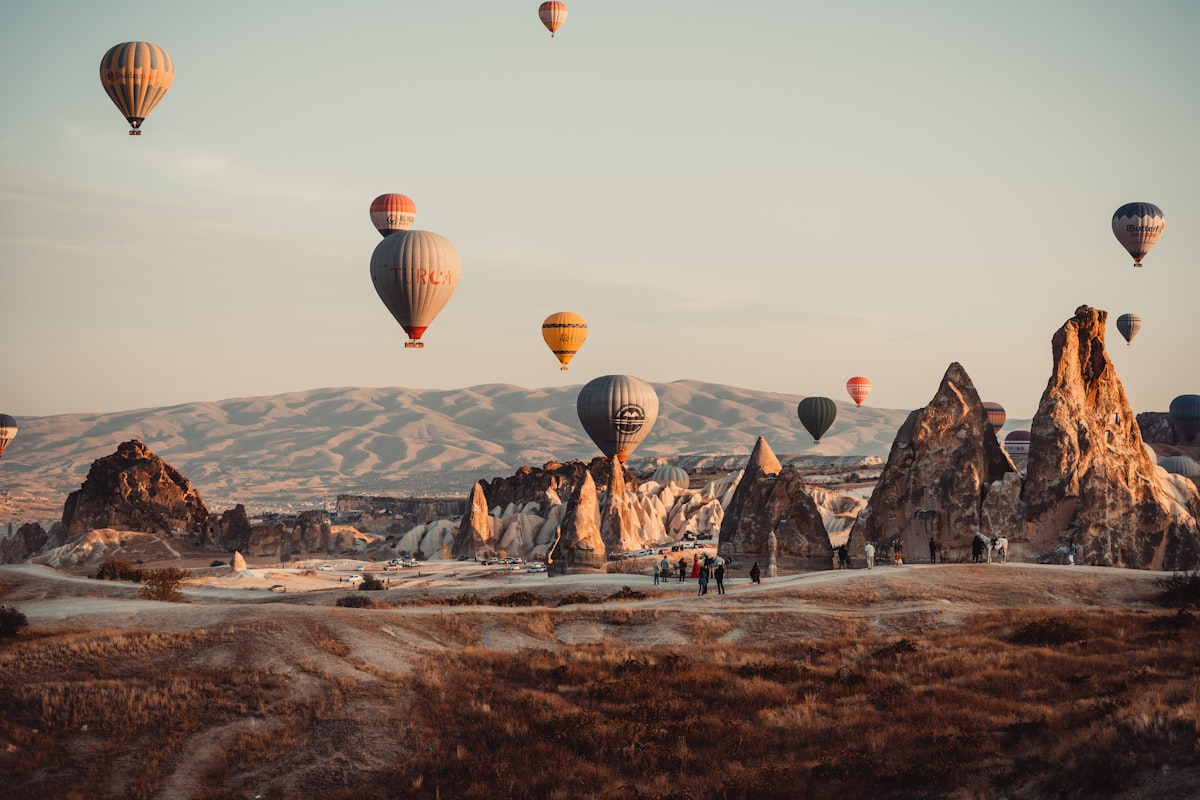
- ↑Hot air balloon flight reliability peaks in April at 80–85% — the spring weather patterns deliver calm, clear mornings, and the pre-dawn launch over the fairy chimneys as the sun rises over the valleys is the defining Cappadocia experience; book a quality operator (Royal Balloon, Butterfly Balloons, Voyager) at least 2–3 weeks ahead
- ↑Nevsehir Spring Festival (dates vary, typically April) brings regional music, traditional crafts, and local cuisine to the towns; a smaller-scale event than the main tourist season but a genuine look at local Central Anatolian culture
What you sacrifice
- ↓April is when international visitor numbers begin to climb sharply — the Göreme Open-Air Museum starts queuing, the balloon launch field at dawn sees 100+ balloons in the air simultaneously, and the most popular cave hotels book up weeks in advance
- ↓April still sees occasional rain showers that can delay balloon flights and make valley trails slippery — the best balloon operators will automatically move your flight to the next available morning, but a visit of fewer than 3 nights risks missing out entirely
- ↓Easter week (if in April) significantly increases domestic European tourism — Spanish, French, and Italian visitors treat Cappadocia as a spring break destination, and accommodation and restaurant prices reflect the holiday demand
Apr scores highest overall — reliable weather and strong local atmosphere. Set your priorities below to personalise this result.
Apr
Spring prime — wildflowers, perfect balloon weather, and the most beautiful version of the valleys.
17°C
High
45mm
Rain
7h
Sun
- ↑April is the finest month for valley hiking: temperatures of 17°C are ideal for walking the 8km Love Valley route, the 5km Ihlara Gorge section between the canyon walls, and the Rose Valley's sunrise walk from Çavuşin; wildflowers cover the tuff soil in yellow, red, and white, and the air clarity makes distant Erciyes volcano visible from most valley rims
- ↑Hot air balloon flight reliability peaks in April at 80–85% — the spring weather patterns deliver calm, clear mornings, and the pre-dawn launch over the fairy chimneys as the sun rises over the valleys is the defining Cappadocia experience; book a quality operator (Royal Balloon, Butterfly Balloons, Voyager) at least 2–3 weeks ahead
- ↑Nevsehir Spring Festival (dates vary, typically April) brings regional music, traditional crafts, and local cuisine to the towns; a smaller-scale event than the main tourist season but a genuine look at local Central Anatolian culture
- ↓April is when international visitor numbers begin to climb sharply — the Göreme Open-Air Museum starts queuing, the balloon launch field at dawn sees 100+ balloons in the air simultaneously, and the most popular cave hotels book up weeks in advance
- ↓April still sees occasional rain showers that can delay balloon flights and make valley trails slippery — the best balloon operators will automatically move your flight to the next available morning, but a visit of fewer than 3 nights risks missing out entirely
- ↓Easter week (if in April) significantly increases domestic European tourism — Spanish, French, and Italian visitors treat Cappadocia as a spring break destination, and accommodation and restaurant prices reflect the holiday demand
Top travel windows
★ BestApril
Best overall
Highest combined score
17°C
High
45mm
Rain
7h
Sun
February
Best for value
Lowest prices & fees
6°C
High
35mm
Rain
6h
Sun
February
Fewest crowds
Quietest month
6°C
High
35mm
Rain
6h
Sun
Breakdown by priority
Best for weather
May
22°C high · 40mm rain · 8hrs sun/day
Best for budget
February
February extends the snow season into its final weeks — by late February the temperatures begin to lift and the first signs of spring (almond blossoms in the valleys) appear alongside the remaining snow; catching both in the same visit creates the most visually layered version of Cappadocia
Fewest crowds
February
February extends the snow season into its final weeks — by late February the temperatures begin to lift and the first signs of spring (almond blossoms in the valleys) appear alongside the remaining snow; catching both in the same visit creates the most visually layered version of Cappadocia
Where to stay in Cappadocia
All neighbourhoods →Göreme
The backpacker and balloon hub — cave hotels, the Open-Air Museum, and the best budget-to-mid-range base in Cappadocia.
10/10
Central
9/10
Walk
8/10
Transit
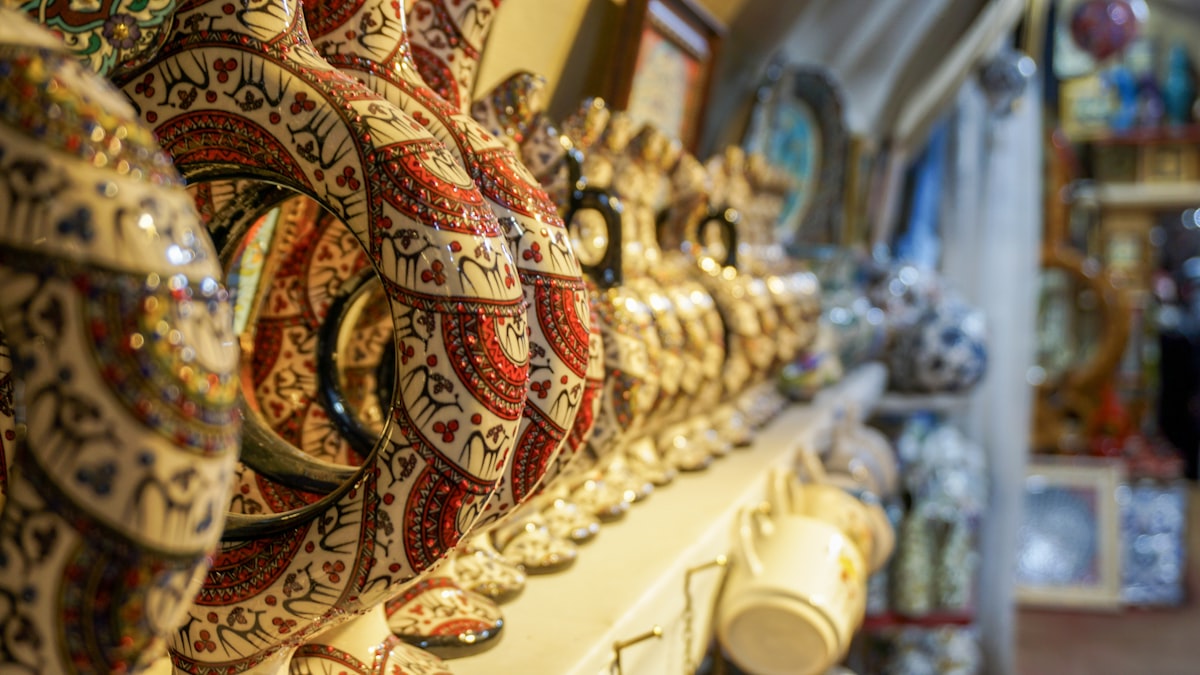
Avanos
The pottery capital on the Red River — traditional ceramic craftsmanship, a working local town, and the gateway to the Zelve Open-Air Museum.
6/10
Central
7/10
Walk
5/10
Transit
Also exploring
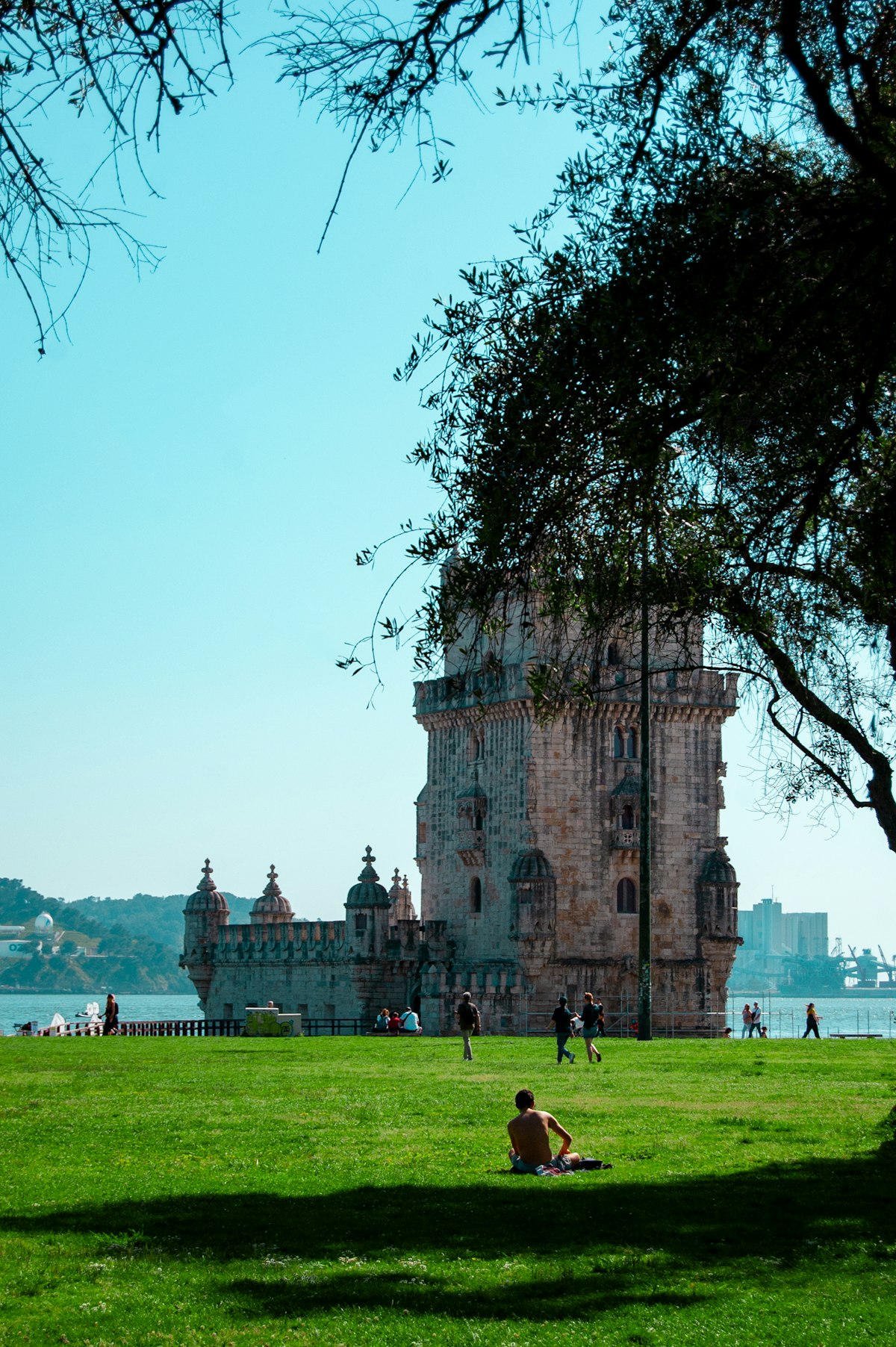
Lisbon
Portugal
A sun-drenched Atlantic capital where tram lines weave through hilltop neighbourhoods and prices stay genuinely affordable by Western European standards.
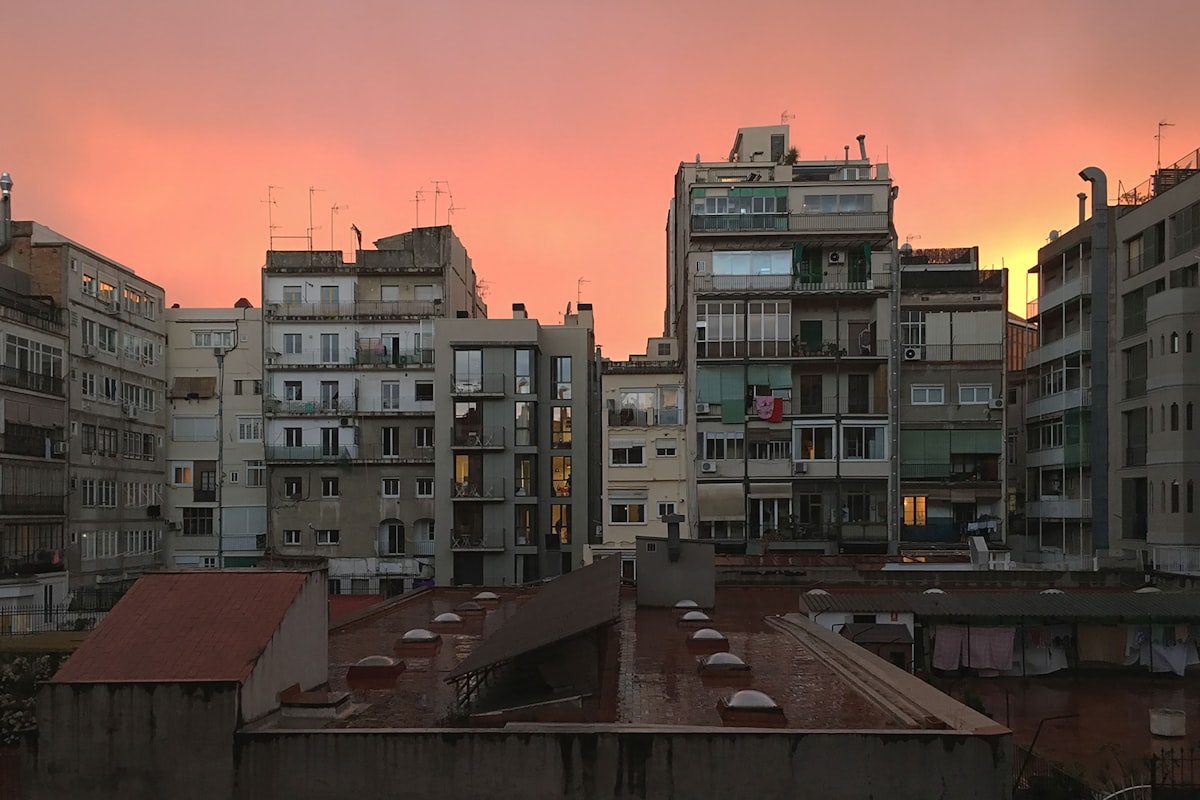
Barcelona
Spain
A Mediterranean city that runs on architecture, food markets, and beach culture — with a tourism problem that makes timing absolutely critical.
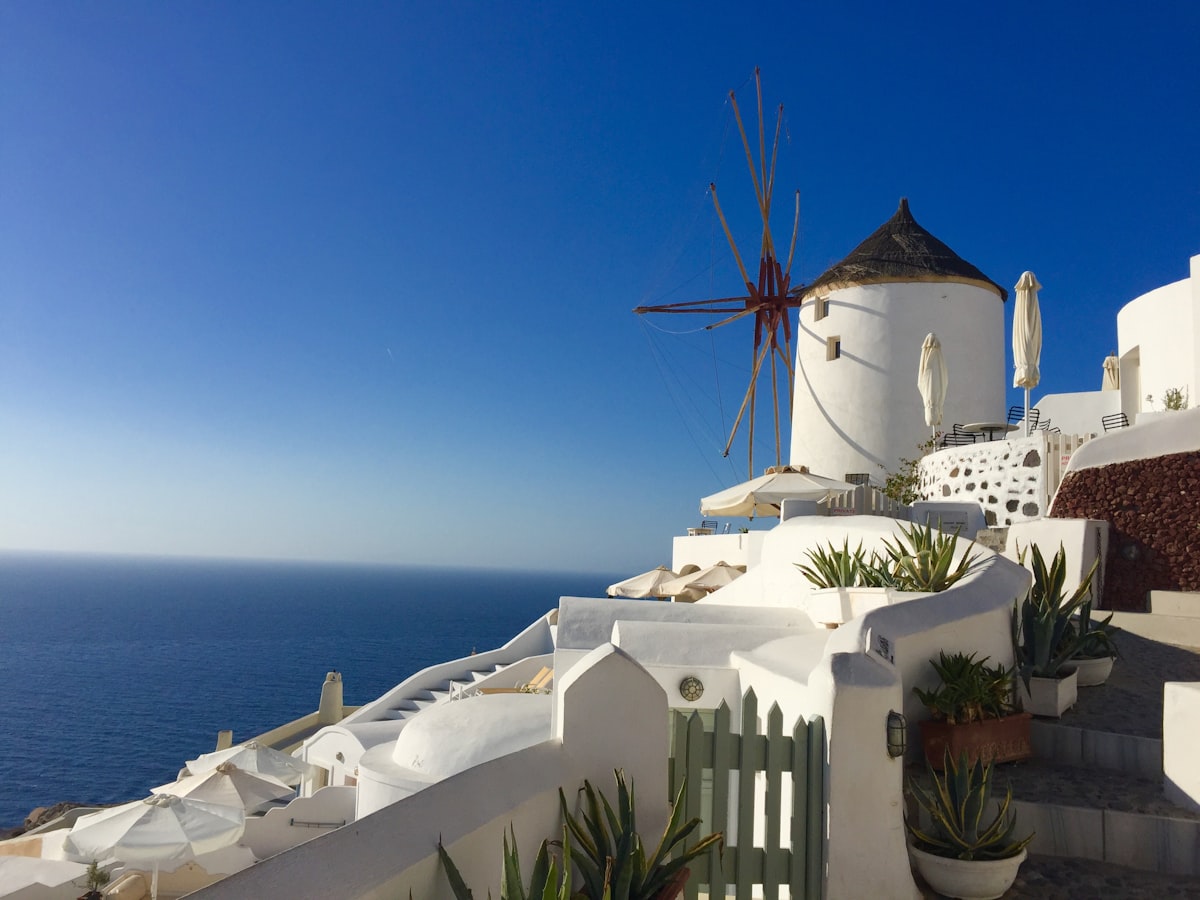
Santorini
Greece
The caldera sunsets and white-washed cliffside villages are real — but so is a tourism infrastructure that was never designed for 3 million annual visitors.
Worth knowing
April scores highest overall. July is the most crowded month — avoid if you can. See crowd-free ranking →
Month by month breakdown
January#8▾
Gains
- ↑Snow transforms Cappadocia into something genuinely otherworldly: the fairy chimneys of Göreme Open-Air Museum, the Love Valley hoodoos, and the cave hotel terraces dusted in white create images that simply do not exist at any other time of year; this is the version of Cappadocia that photographers come specifically to capture
- ↑January is among the cheapest months in Cappadocia — cave hotel rooms that cost €200+ in peak season drop to €60–80, and the absence of large tour groups makes the atmospheric restaurants and underground cellar bars feel like local secrets rather than tourist set-pieces
- ↑Hot air balloon flights operate year-round in Cappadocia (weather permitting), and the winter launch rate is more reliable than many visitors expect; rising above the snow-covered valleys as the sun catches the fairy chimneys is an extraordinary experience that summer visitors paying triple the price may not appreciate as fully
Sacrifices
- ↓January temperatures are genuinely cold — highs of just 4°C with lows dropping to -3°C at night; the volcanic tuff rock retains cold well, and even heated cave rooms can feel draughty; walking the Rose Valley or Ihlara Gorge requires serious winter layering
- ↓Hot air balloon cancellations are more frequent in winter due to wind and low visibility — flight rates are roughly 50–60% vs 80–90% in spring and autumn; book flexibly and plan a buffer day in your itinerary
- ↓Road access to some of the more remote valleys and underground cities can be affected by snow and ice; Derinkuyu and Kaymaklı underground cities are accessible year-round, but reaching them safely from Göreme can require a taxi or tour rather than rental car
February#5▾
Gains
- ↑February extends the snow season into its final weeks — by late February the temperatures begin to lift and the first signs of spring (almond blossoms in the valleys) appear alongside the remaining snow; catching both in the same visit creates the most visually layered version of Cappadocia
- ↑Sunshine improves meaningfully from January: 6.0 hours daily compared to 5.0, and clear winter days bring extraordinary light quality to the rock formations at golden hour; photographers specifically target late-February for the combination of snow and light
- ↑Valentine's Day in Cappadocia is a significant domestic Turkish event — cave hotels offer romance packages and dinner in underground cellar restaurants, and a February 14 balloon flight over the fairy chimneys is one of the most distinctively romantic experiences available in Turkey
Sacrifices
- ↓Temperatures remain cold throughout February: while slightly warmer than January, -2°C nights and 6°C days are not comfortable for extended outdoor exploration; the Ihlara Gorge walk and the long valley treks require full winter gear
- ↓Balloon cancellations continue at winter frequency — the period between November and March sees the highest wind disruption rates; book a flexible operator who offers postponement rather than cancellation
- ↓Some smaller family-run restaurants and guesthouses in Göreme close in January and February; the full range of dining and accommodation options doesn't open until the spring shoulder season begins in March
March#7▾
Gains
- ↑March is the transition month when Cappadocia's volcanic landscape transforms: the snow retreats from the valleys, the first wildflowers (including rare tulip species native to Central Anatolia) push through the tuff soil, and the combination of morning mist and pale green vegetation creates a landscape distinct from any other season
- ↑Balloon flight reliability improves in March as winter wind patterns ease — a success rate of 65–75% gives reasonable odds for a 3–4 night visit, and advance booking begins to fill up as spring visitors arrive
- ↑Prices remain in the shoulder range through most of March before climbing toward spring-peak levels in April — the last two weeks of March represent good value for visitors who want spring conditions without spring prices
Sacrifices
- ↓March weather is unpredictable: warm sunny days can alternate with cold rainy periods, and late snowfall is possible into mid-March; the valley floors can be muddy after rain, making the Love Valley and Pigeon Valley trails less pleasant than in drier months
- ↓Some balloon operators begin their high-season pricing in March even before the main tourist season begins — book early in the month for better rates than late March
- ↓Göreme and Ürgüp begin filling up for Easter weekend (date varies) if it falls in March — accommodation books quickly for the long holiday weekend
April#1▾
Gains
- ↑April is the finest month for valley hiking: temperatures of 17°C are ideal for walking the 8km Love Valley route, the 5km Ihlara Gorge section between the canyon walls, and the Rose Valley's sunrise walk from Çavuşin; wildflowers cover the tuff soil in yellow, red, and white, and the air clarity makes distant Erciyes volcano visible from most valley rims
- ↑Hot air balloon flight reliability peaks in April at 80–85% — the spring weather patterns deliver calm, clear mornings, and the pre-dawn launch over the fairy chimneys as the sun rises over the valleys is the defining Cappadocia experience; book a quality operator (Royal Balloon, Butterfly Balloons, Voyager) at least 2–3 weeks ahead
- ↑Nevsehir Spring Festival (dates vary, typically April) brings regional music, traditional crafts, and local cuisine to the towns; a smaller-scale event than the main tourist season but a genuine look at local Central Anatolian culture
Sacrifices
- ↓April is when international visitor numbers begin to climb sharply — the Göreme Open-Air Museum starts queuing, the balloon launch field at dawn sees 100+ balloons in the air simultaneously, and the most popular cave hotels book up weeks in advance
- ↓April still sees occasional rain showers that can delay balloon flights and make valley trails slippery — the best balloon operators will automatically move your flight to the next available morning, but a visit of fewer than 3 nights risks missing out entirely
- ↓Easter week (if in April) significantly increases domestic European tourism — Spanish, French, and Italian visitors treat Cappadocia as a spring break destination, and accommodation and restaurant prices reflect the holiday demand
May#2▾
Gains
- ↑May is the finest overall month in the Cappadocia calendar — 22°C days and 9°C nights are perfect for outdoor activities, balloon flights are at their most reliable (85%+ success rate), valley hiking is comfortable at any hour, and the tuff landscape retains the green of spring while losing the last of the winter grey
- ↑The underground cities (Derinkuyu, 85m deep; Kaymaklı with 8 levels) are best visited in shoulder season — in peak summer the confined passages become uncomfortably warm and group tour bottlenecks create queuing; May's lower crowds make a full underground city exploration genuinely pleasant
- ↑Horseback riding through the Red and Rose Valleys reaches its peak aesthetic in May — the late-afternoon light on the red-ochre tuff columns, the green valley floor, and the backdrop of distant volcanic peaks create the landscapes that made Cappadocia famous in the first place
Sacrifices
- ↓May brings the season's first significant crowds — the most photographed spots (Panoramic viewpoint above Göreme, the Three Beauties near Urgüp) see queuing for the best compositions, and popular cave hotels need booking 4–6 weeks in advance
- ↓Accommodation pricing reaches the moderate-to-expensive range in May — the best cave suites with private terraces and balloon views command significant premiums, and last-minute availability at quality properties is unlikely
- ↓The rock-hewn churches of Göreme Open-Air Museum become crowded between 10am and 4pm in May — visit at opening time or in the last 90 minutes before closing for a meaningful experience of the Byzantine frescoes without tour group pressure
June#9▾
Gains
- ↑The longest days of the year give June visitors more time in the landscape — sunrise balloons launch at 5am with golden hour light, and the evenings extend until 8:30pm, allowing the Love Valley sunset walk to be done after dinner rather than as a rushed late-afternoon dash
- ↑June delivers the driest conditions of the year (25mm) — the valley floors are firm underfoot, the roads are dry, and rental scooters and ATVs for exploring the backroads between villages operate at full capacity; valley-to-valley navigation by scooter is the finest way to see the remote parts of Cappadocia
- ↑The underground cities are at their most comfortable in June — still cool underground (a constant 13–15°C regardless of surface temperature), and the contrast between the 28°C surface and the cave system below is a genuine relief on a hot afternoon
Sacrifices
- ↓Summer crowds begin in earnest in June — tour buses from Antalya and Istanbul arrive daily, and the most popular viewpoints and cave churches can feel genuinely overwhelmed between 10am and 4pm; the balloon field at dawn sees 150+ balloons simultaneously and is spectacular but impersonal
- ↓Day temperatures of 28°C with low humidity make the valley hikes physically demanding after 9am — Love Valley and the longer Ihlara Gorge walk require early starts (before 8am) and significant water carrying; afternoon hiking is discouraged
- ↓Accommodation prices are at expensive-to-peak levels by June; last-minute cave hotel availability essentially disappears, and the most-photographed options (terrace suites with balloon views) require booking 6–8 weeks ahead
July#11▾
Gains
- ↑July delivers the maximum sunshine (11 hours daily) and the most arid conditions — 8mm of rainfall means balloon cancellations are at their annual minimum, and the crystal-clear air creates the finest long-distance visibility for photographing the Three Sisters rock formation and the Erciyes stratovolcano on the horizon
- ↑The long hot days are ideal for spending the late afternoon underground: Kaymaklı Underground City's 8 accessible levels maintained at 13–15°C are a genuine refuge from the 32°C surface, and the hours between 3pm and 6pm are well spent in the rock-carved tunnels and storage chambers
- ↑Sunset at Sunset Hill (Günseli Tepe) above Göreme in July: the combination of very clear air, golden-hour light on the fairy chimneys, and the full scale of the valley visible to the horizon makes the July sunset one of the most spectacular in the Cappadocian calendar despite the accompanying crowd
Sacrifices
- ↓July is the peak of domestic Turkish tourism: school holidays send Turkish families to Göreme, Ürgüp, and Uçhisar, and combined with international visitors the popular sites are at maximum capacity — the Göreme Open-Air Museum queues can reach 45 minutes, and Panorama Viewpoint parking is often full by 8am
- ↓The heat is significant — 32°C with low humidity (45%) sounds comfortable but in direct sun in the exposed volcanic landscape it is intense; all valley hiking must be completed before 9am or after 5pm, and midday is entirely for shade-seeking, underground exploration, or cave hotel pools
- ↓Prices are at their annual peak: flights from European cities to Kayseri or Nevsehir airports are at maximum, cave hotel rates are highest, and even the balloon operators add peak-season premiums to their published prices
August#12▾
Gains
- ↑August balloon flights are the most reliably successful of the year: the combination of calm high-pressure summer mornings and minimal rainfall results in launch rates above 90% — visitors who have rescheduled failed spring flights often specifically come in August for guaranteed launch probability
- ↑Göreme's rooftop terrace evenings in August are at their most social: the combination of warm nights (16°C lows), dozens of other international travellers, the glow of cave hotel candlelight, and the occasion of wine from Ürgüp's own vineyards creates a summer-evening atmosphere that doesn't exist in spring or autumn
- ↑Ürgüp wine harvest preparation begins in late August — the Cappadocia wine region (Emir and Öküzgözü grapes) is one of Turkey's most respected, and pre-harvest vineyard visits with local producers are possible with arrangement through the cave hotels in Ürgüp
Sacrifices
- ↓August crowds match July exactly — European school holidays are at full peak and Cappadocia is at maximum capacity; the most popular sites, restaurants, and balloon launches are fully booked, and the spontaneous discovery of empty valleys that made Cappadocia special is entirely absent in August
- ↓The heat remains at 32°C with the same requirements for early-morning and late-evening outdoor activity; anyone expecting to hike the valley trails in August comfort will need to be on the trail by 7am and finished before 10am
- ↓Both airports serving Cappadocia (Kayseri and Nevşehir) are operating at capacity in August, and last-minute domestic Turkish airline tickets can be expensive; booking flights 6–8 weeks ahead is advisable
September#3▾
Gains
- ↑September is widely considered the best month to visit Cappadocia: 27°C days cool to 12°C evenings, the summer crowds drop significantly after the first week, and the golden autumn light on the ochre and rose tuff formations creates the most photographically extraordinary version of the landscape
- ↑Ürgüp grape harvest (September–October) is a genuine regional event — the Emir white grape and Kalecik Karası red grape are harvested by hand, and wine tastings at Turasan and Kavaklidere estates are offered to visitors; the agricultural activity across the volcanic plains between Ürgüp and Avanos gives September a local authenticity absent in the summer tourist peak
- ↑Balloon flight conditions in September are excellent — similar reliability to spring but with the warmer autumn air creating longer, more stable flights; the golden-hour light at the September sunrise is the finest of the year for balloon photography
Sacrifices
- ↓September prices remain at expensive levels because the month is exceptionally popular with European travellers who recognise it as the best-weather window — cave hotels and balloon operators maintain July-equivalent pricing until well into October
- ↓The first two weekends of September still carry summer crowd levels as domestic tourists take final summer holidays; the drop-off is most noticeable from the third week onwards when European school terms resume
- ↓Autumn can bring the occasional afternoon thunderstorm — rare (18mm for the month), but Central Anatolian convective storms can be dramatic when they occur; balloon flights have weather-based protocols and will cancel if conditions are unsafe
October#4▾
Gains
- ↑Prices drop meaningfully from September: cave hotel rates soften toward moderate levels by mid-October, and last-minute availability at quality properties becomes possible again for the first time since May
- ↑The walking temperatures of October (19°C) are the most comfortable for the longer valley treks — the 14km Ihlara Gorge walk (a slot canyon cut into the volcanic plateau with rock churches at every bend) is best done in October when the summer heat is gone and the autumn light angles create dramatic canyon shadows
- ↑October sees the continuation of the wine harvest season — late-harvest grapes are still being picked in the first two weeks, and Ürgüp's cellar restaurants are in full autumn mode with the new vintage arriving alongside the seasonal menu
Sacrifices
- ↓Temperatures cool rapidly in October, particularly in the evenings: 6°C nights require warm layers, and the cave hotel rooms that felt refreshing in summer can feel cold in late October without good heating infrastructure
- ↓Balloon flight reliability begins to decline in October as autumnal wind patterns establish — cancellation rates increase toward 25–30% by late October; a minimum 3-night window and a flexible flight rescheduling policy are essential
- ↓Some smaller guesthouses and family restaurants in Göreme begin their pre-winter hour reductions in late October — the full range of the dining and accommodation ecosystem is more limited by end of month
November#6▾
Gains
- ↑November is one of the cheapest months of the year — cave hotels with private terraces and valley views that cost €180+ in September drop to €70–90, and the absence of large tour groups makes Göreme's narrow streets and the rock-carved cellar restaurants feel genuinely local
- ↑The Göreme Open-Air Museum is at its emptiest in November — visiting the Byzantine fresco churches of Karanlık Kilise (Dark Church), Yılanlı Kilise, and Elmali Kilise without the summer queues and tour group commentary creates a more meditative and historically rich experience
- ↑Cappadocia's semi-arid landscape takes on a particular photographic quality in November: the grasses turn golden, the poplars and willows in the valley floors go yellow, and the low-angle winter light creates more dramatic shadows on the fairy chimneys than the high summer sun ever could
Sacrifices
- ↓November temperatures can be genuinely cold: 1°C nights with 12°C highs mean the valley trails are only comfortable in the middle of the day; early morning balloon launches at dawn (5:30–6am) require heavy thermal layers and the ride will be cold until the sun rises
- ↓Balloon cancellation rates climb in November — late October and November winds are less predictable, and a 3-day visit will have a meaningful chance of no flight; plan a 4-night minimum for reliable launch probability
- ↓The shorter days (sunset by 5:30pm) compress the usable outdoor hours significantly — hiking and valley exploration must begin by 10am to be completed before the light fails and temperatures drop
December#10▾
Gains
- ↑A Cappadocia Christmas is genuinely distinct from any European equivalent: the combination of cave hotel fireplaces, underground cellar dinners with local red wine, the possibility of snow on the fairy chimneys, and balloon flights over a white landscape is a Christmas-break option that has no parallel
- ↑First snowfall (typically late November to mid-December) transforms the landscape — the fairy chimneys capped in white, the underground city access doors dusted with snow, and the cave hotel terraces overlooking a silent white valley create the most atmospheric version of Cappadocia that exists
- ↑December sees an increase in romantic-break demand from Europe and Turkey itself — New Year's Eve dinners in cave restaurants with dancing and live music are a local tradition, and cave hotels offer New Year packages that fill up quickly
Sacrifices
- ↓December is genuinely cold: -2°C nights and 6°C days require serious winter clothing, and the shortest days (sunset by 5pm) mean very little usable outdoor time; the underground cities and cave churches absorb most of the daylight hours
- ↓Balloon flights in December have the highest cancellation rate of the year: winter wind patterns are unpredictable, and a week-long visit may see no launches at all in a bad weather period; the magical balloon-over-snow image requires genuine luck and flexible scheduling
- ↓Christmas week (December 24–January 2) sees a domestic Turkish and European holiday spike that pushes accommodation prices back toward expensive levels; December is only genuinely cheap in the non-holiday weeks (December 1–23)
How this is calculated
Climate data
Open Meteo ERA5
30-year normals (1991–2020). Temperature, rainfall, sunshine, humidity.
Price & crowd
Tourism research
Seasonal pricing from tourism authority data. Directional — compares months within a destination only.
Personalisation
Weighted scoring
Your priorities change the weights. Budget-first users get different results than weather-first users.
Share this result
April is the best time to visit Cappadocia
Travel timing updates
New destinations and timing guides, when they land.
No spam. Unsubscribe anytime.