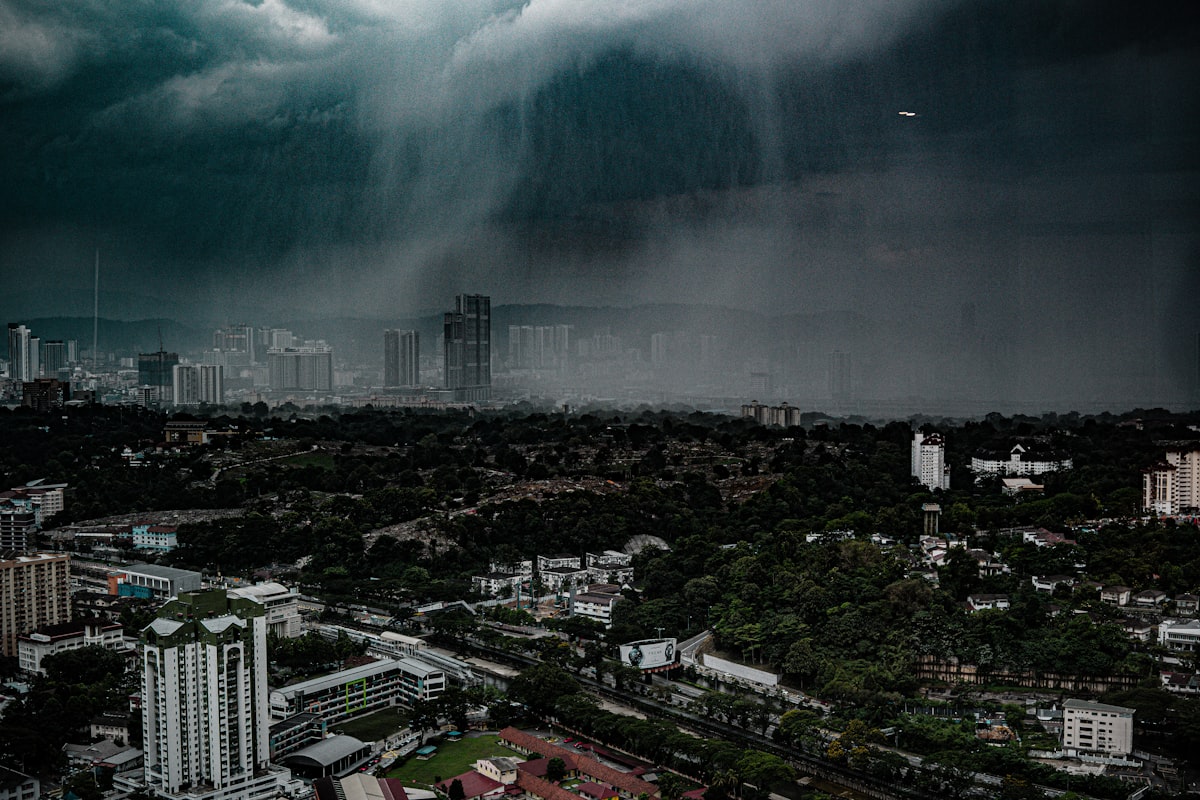
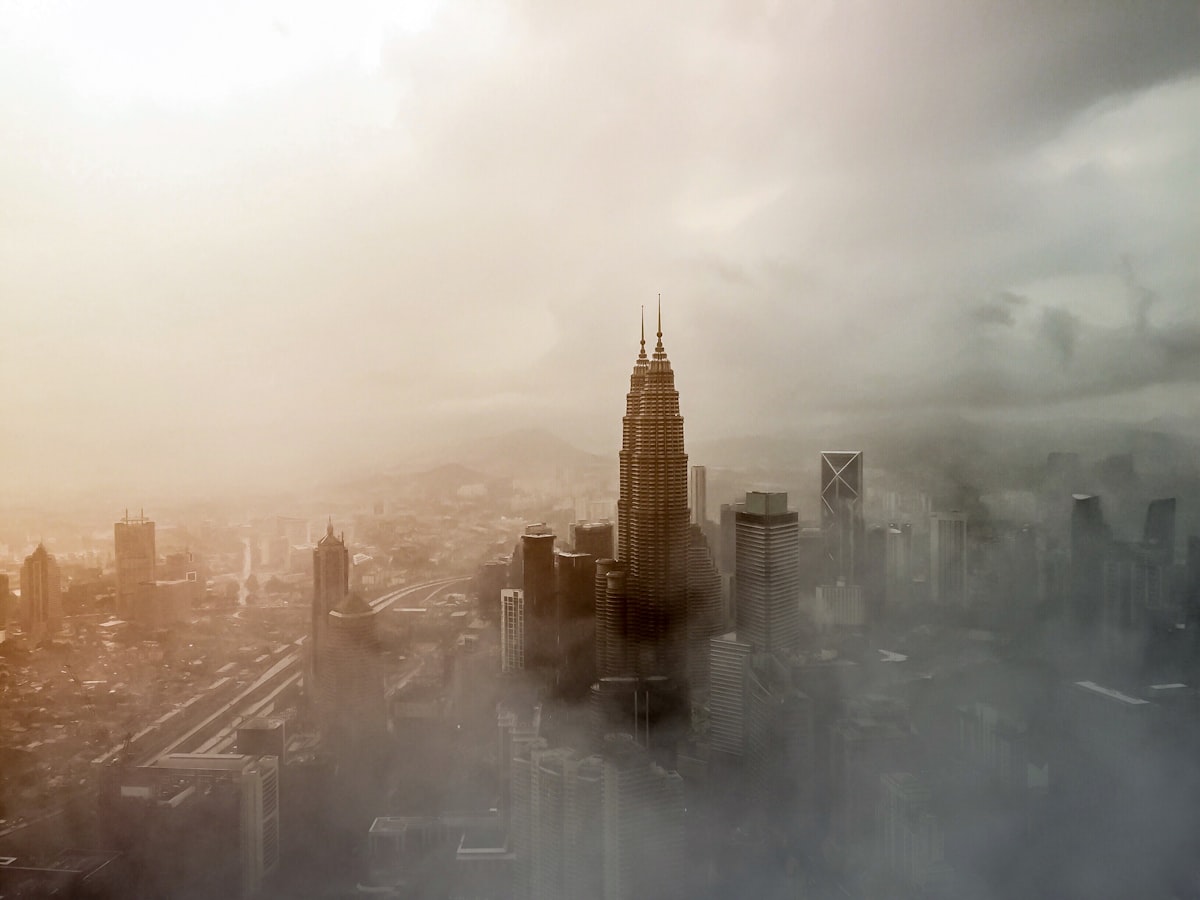
Showing: Jul · Unsplash / Unsplash
Malaysia · Asia Pacific
Best time to visit Kuala Lumpur
July
Jul scores highest overall — reliable weather and strong local atmosphere. Set your priorities below to personalise this result.
What matters most to you?
All 12 months — click any to expand
Jul
Unsplash / Unsplash
The driest month of the year — 7.5 sunshine hours and the best conditions for outdoor KL.
32°C
High
24°C
Low
117mm
Rain
7.5h
Sun/day
What you gain
- ↑117mm is KL's driest month alongside August — maximum outdoor flexibility across sights, parks, and day trips
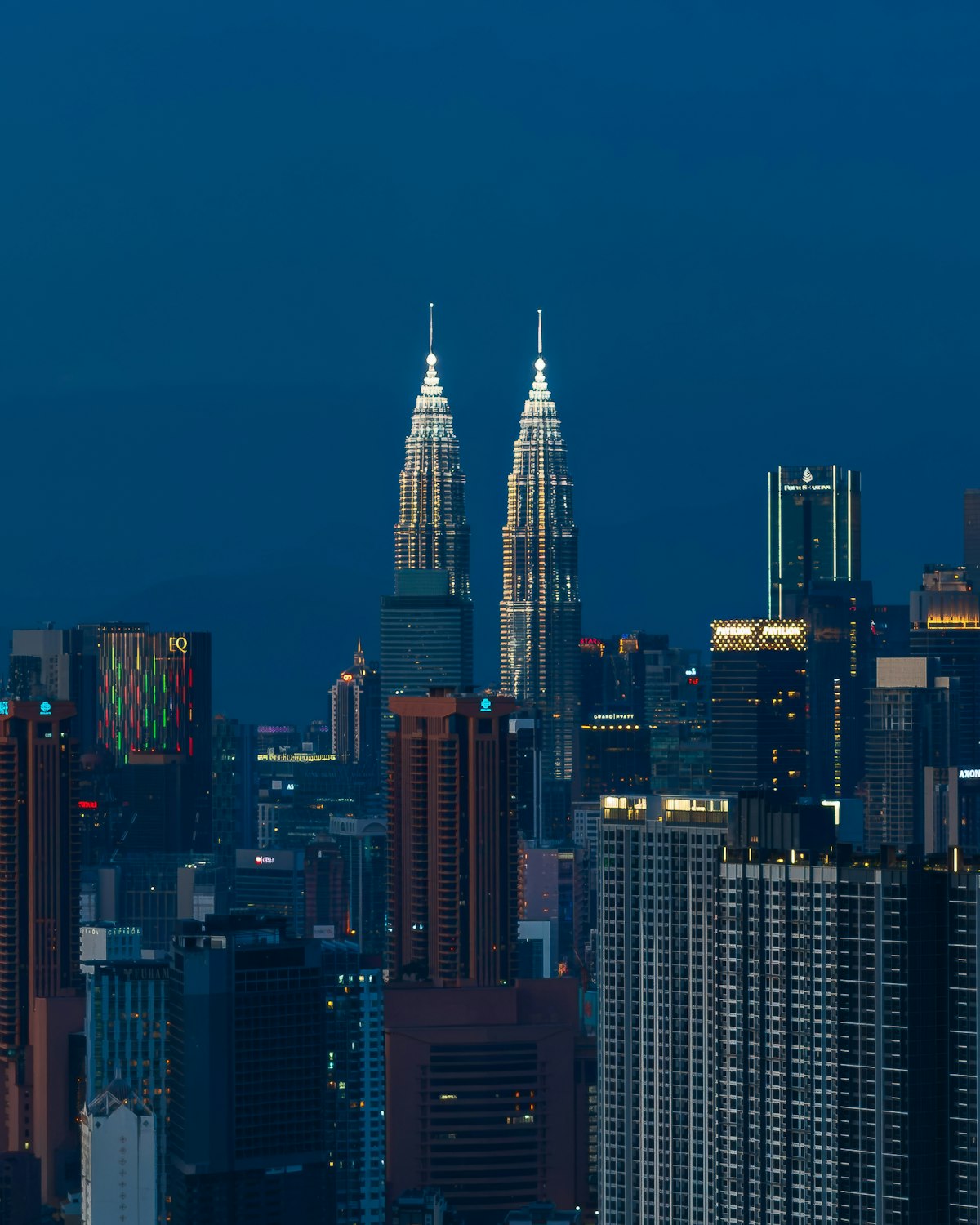
- ↑7.5 sunshine hours: the most of any month, making the Petronas Towers, KL Tower, and Putrajaya day trips at their scenic best
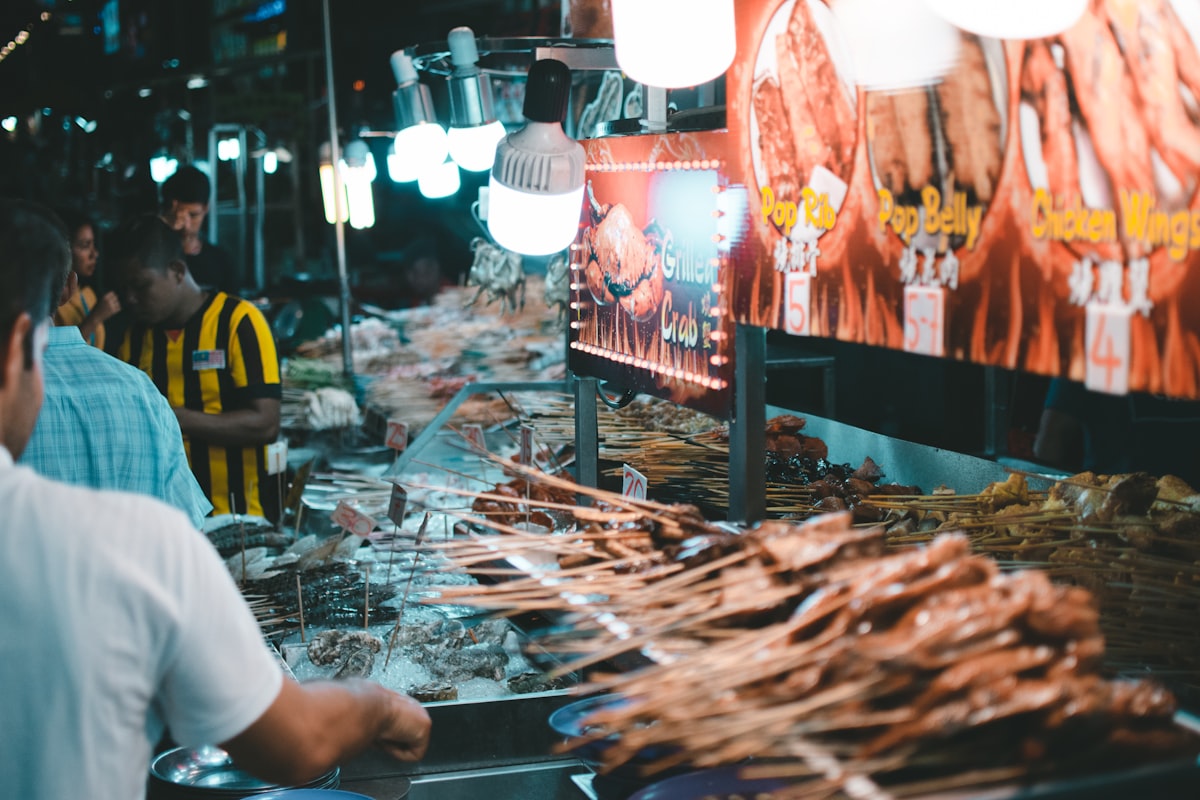
- ↑The heat without rain feels more manageable — evenings on rooftop bars and hawker streets are genuinely comfortable
What you sacrifice
- ↓International tourist season (European summer holidays) means Petronas Towers observation deck and popular sights are busier; book KLCC Sky Bridge tickets in advance
- ↓Hotel prices edge up slightly compared to the wet season months
- ↓Haze from Indonesian forest fires can begin to appear — air quality varies and can reduce visibility
Jul scores highest overall — reliable weather and strong local atmosphere. Set your priorities below to personalise this result.
Jul
The driest month of the year — 7.5 sunshine hours and the best conditions for outdoor KL.
32°C
High
117mm
Rain
7.5h
Sun
- ↑117mm is KL's driest month alongside August — maximum outdoor flexibility across sights, parks, and day trips
- ↑7.5 sunshine hours: the most of any month, making the Petronas Towers, KL Tower, and Putrajaya day trips at their scenic best
- ↑The heat without rain feels more manageable — evenings on rooftop bars and hawker streets are genuinely comfortable
- ↓International tourist season (European summer holidays) means Petronas Towers observation deck and popular sights are busier; book KLCC Sky Bridge tickets in advance
- ↓Hotel prices edge up slightly compared to the wet season months
- ↓Haze from Indonesian forest fires can begin to appear — air quality varies and can reduce visibility
Top travel windows
★ BestJuly
Best overall
Highest combined score
32°C
High
117mm
Rain
7.5h
Sun
June
Best for value
Lowest prices & fees
32°C
High
119mm
Rain
7h
Sun
★ BestJuly
Fewest crowds
Quietest month
32°C
High
117mm
Rain
7.5h
Sun
Breakdown by priority
Best for weather
July
32°C high · 117mm rain · 7.5hrs sun/day
Best for budget
June
Rain drops to 119mm — the driest stretch of the year begins; outdoor exploration becomes genuinely pleasant
Fewest crowds
July
117mm is KL's driest month alongside August — maximum outdoor flexibility across sights, parks, and day trips
Also exploring
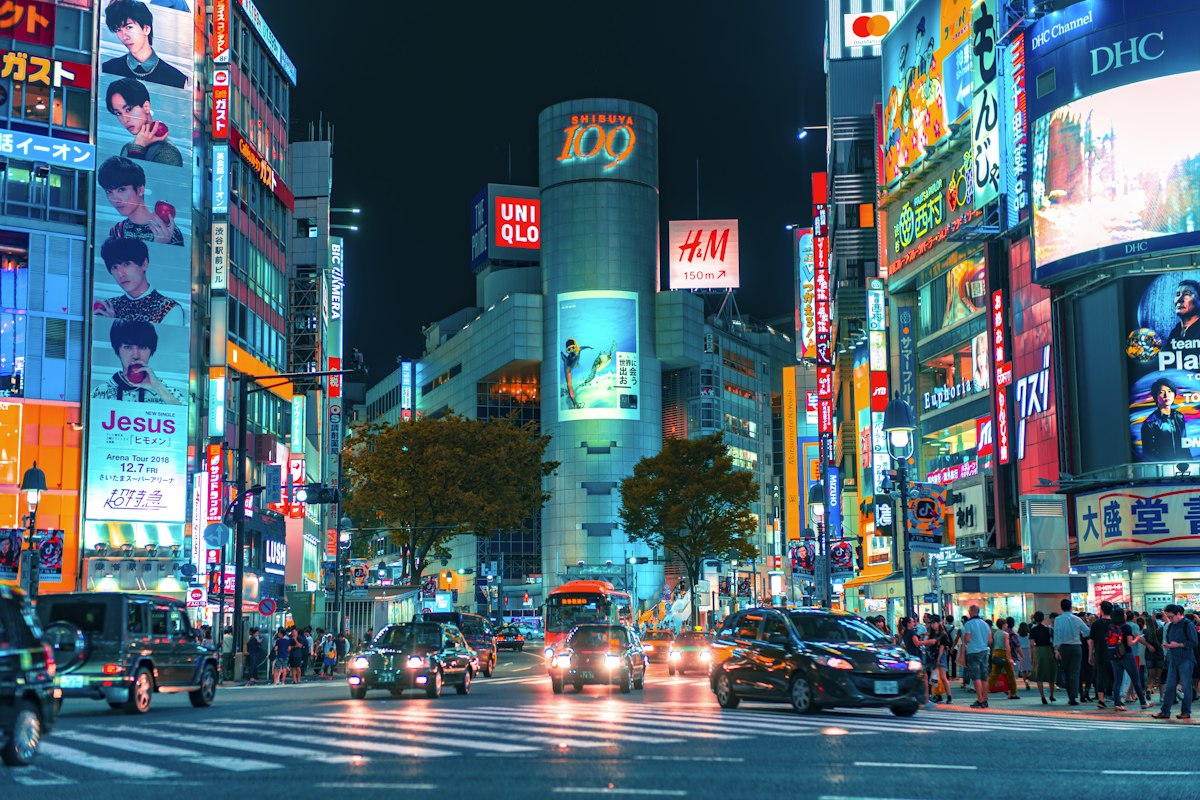
Tokyo
Japan
A city of dramatic seasonal contrasts — cherry blossom crowds, oppressive summer humidity, and golden autumn foliage — where the wrong timing can make or break the trip.
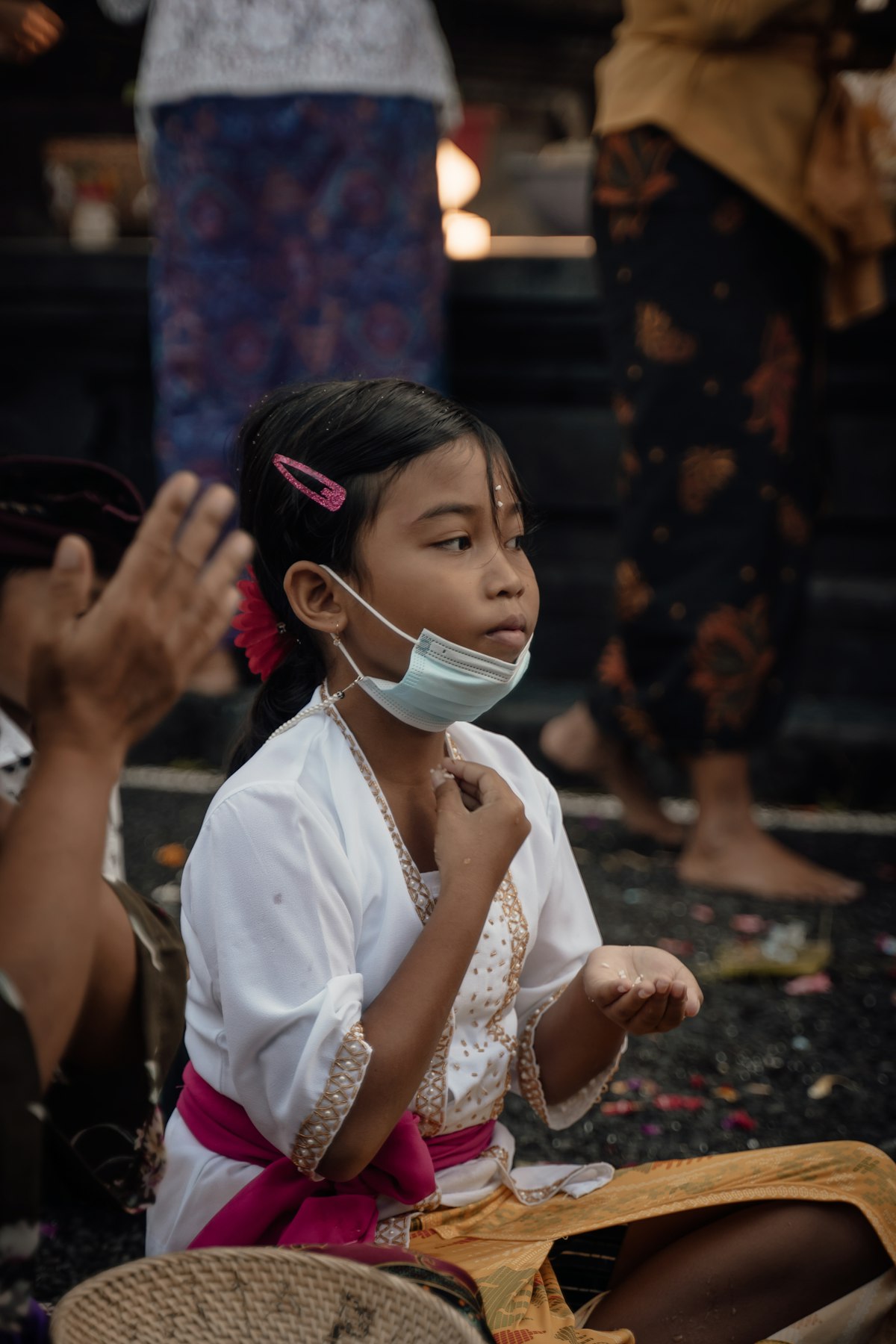
Bali
Indonesia
A Hindu island of rice terraces, temple ceremonies, and surf breaks where the monsoon makes timing genuinely binary — the difference between dry and wet season is not subtle.
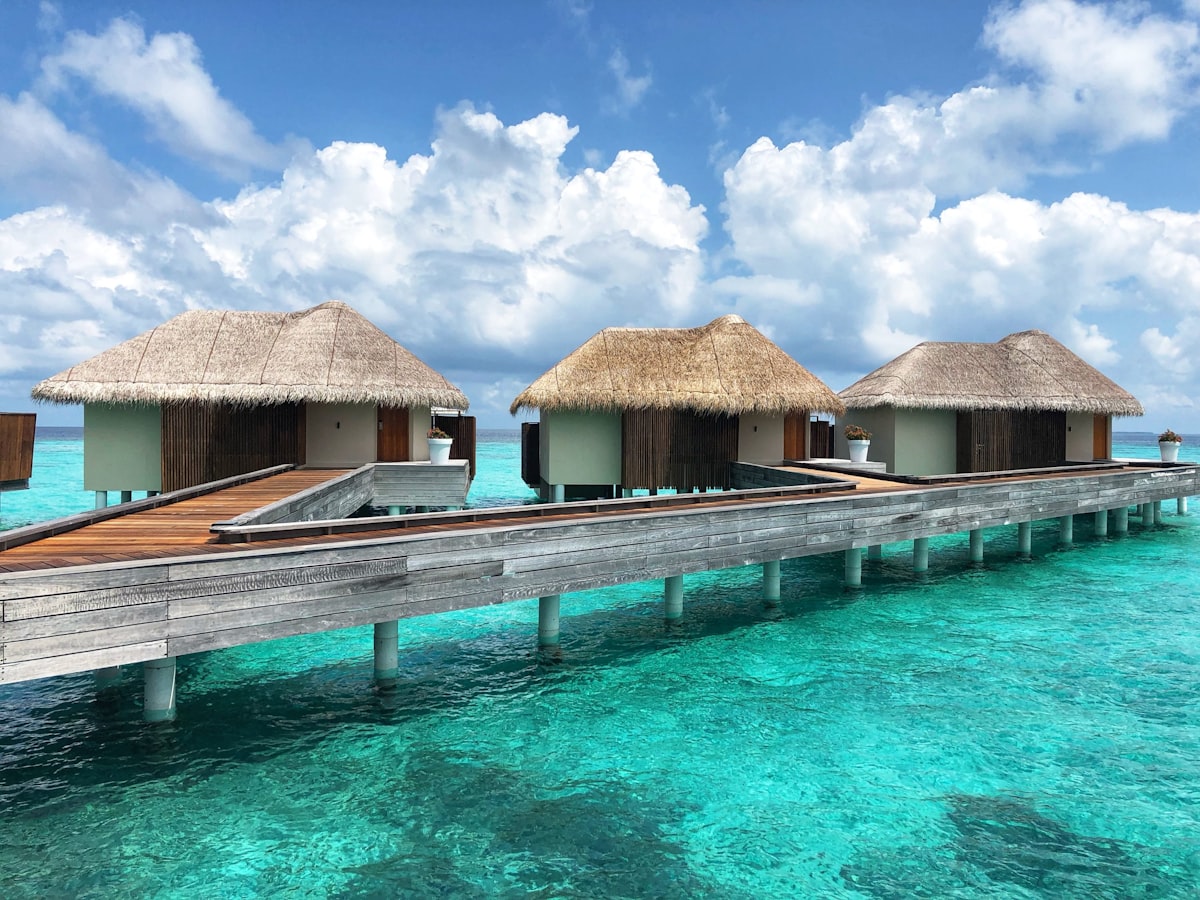
Maldives
Maldives
A destination defined almost entirely by its monsoon calendar — the difference between the NE dry season (November–April) and SW wet season (May–October) is not subtle and shapes every aspect of the experience.
Month by month breakdown
January#7▾
Gains
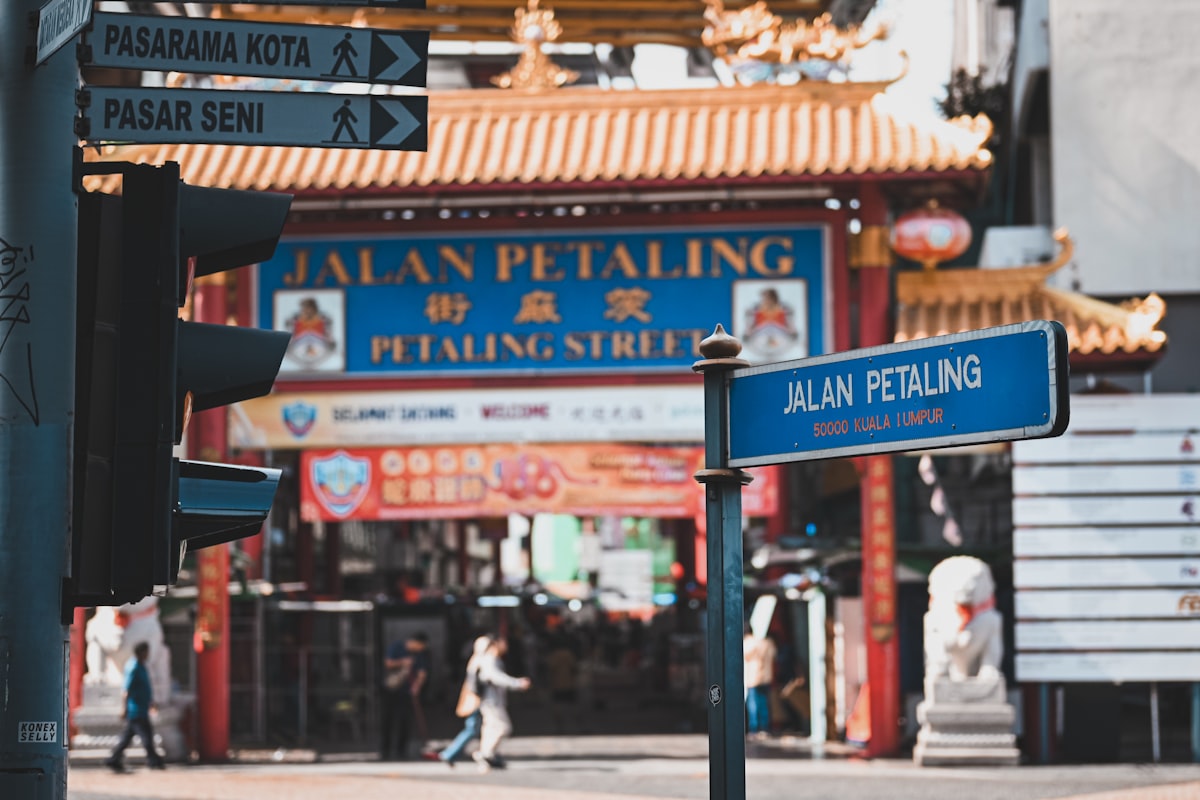
- ↑Chinese New Year celebrations (date varies Jan–Feb) transform Petaling Street and the city with lanterns, lion dances, and communal feasts — one of the best CNY atmospheres outside China
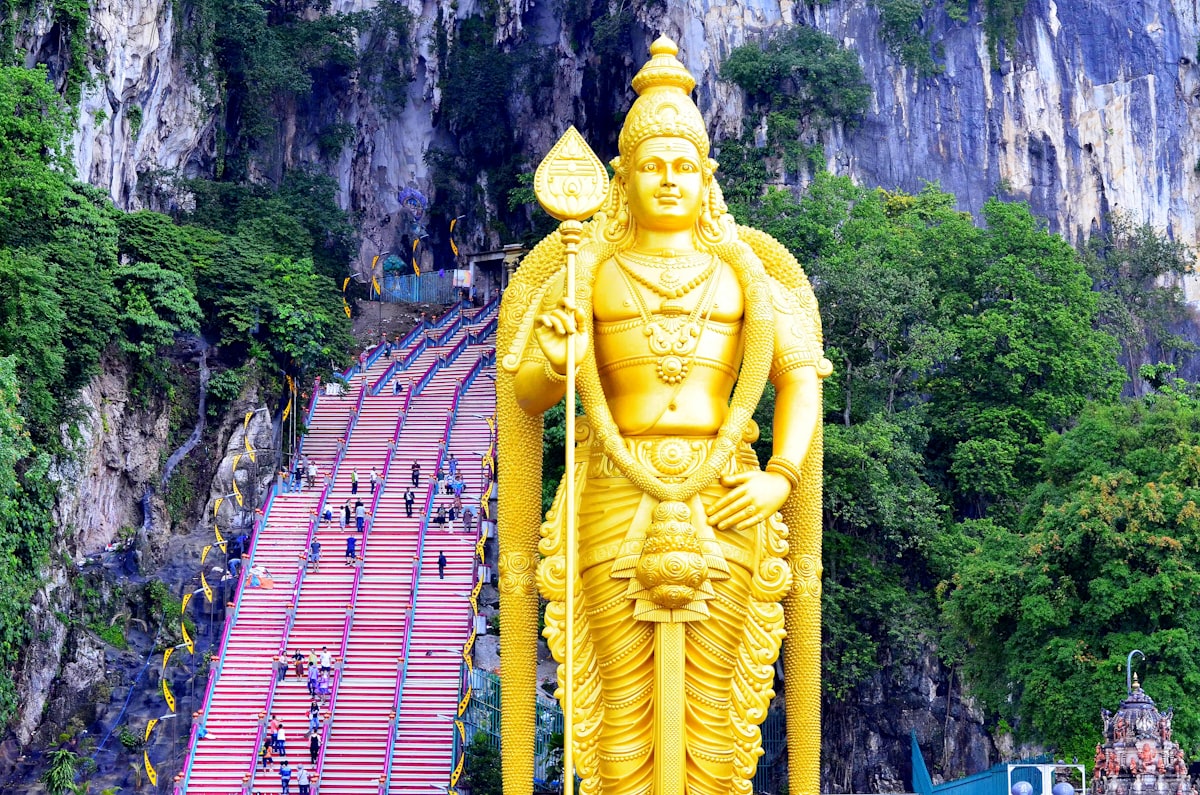
- ↑Thaipusam at Batu Caves (Jan/Feb) is one of the most extraordinary Hindu pilgrimages you can witness — 272 steps, kavadi carriers, an experience unlike anything in the West
- ↑Affordable hotel rates across the board; KL remains good value year-round with January offering its best pricing
Sacrifices
- ↓171mm of rain falls mainly in late-afternoon thunderstorms; outdoor plans need flexibility
- ↓Some Chinese-owned restaurants and businesses close for several days during CNY peak
- ↓High humidity at 83% makes even warm temperatures feel oppressive without shade or air conditioning
February#4▾
Gains
- ↑Thaipusam at Batu Caves (if falling in Feb) draws over a million pilgrims — the kavadi procession of body piercings and ornate carriages is the most visually extraordinary religious event in SE Asia
- ↑Chinese New Year celebrations continue with open-house events where Malaysians of all ethnicities visit one another — a genuine expression of Malaysian culture
- ↑Humidity eases fractionally from January's peak, making daytime outdoor exploration slightly more comfortable
Sacrifices
- ↓196mm is the second wettest month; thunderstorms common in the afternoons
- ↓Batu Caves on Thaipusam day requires arriving before dawn to get close to the action — crowds of hundreds of thousands
- ↓Hotel rates tick up slightly around festival dates — book ahead if your dates coincide
March#8▾
Gains
- ↑KL's extraordinary indoor culture — the mega-malls (Pavilion, Suria KLCC, Mid Valley) are genuinely world-class and air-conditioned; rain barely matters
- ↑Hawker food remains at its best year-round — Jalan Alor and Imbi Market are unchanged by the weather
- ↑Hotel prices stay affordable; low tourist season means genuine deals at good mid-range properties
Sacrifices
- ↓257mm is very heavy; expect rain most afternoons and some full-day grey skies
- ↓Outdoor sights (KL Forest Eco Park, Batu Caves exterior, Putrajaya gardens) become significantly less enjoyable
- ↓Humidity at 82% combined with heat creates a sticky baseline that doesn't lift
April#10▾
Gains
- ↑Cheapest flights and hotels of the year; very few tourists means the city is genuinely uncrowded at major sights
- ↑The Petronas Towers and KL Tower are spectacular in dramatic storm light — if you're a photographer, the wet season skies deliver
- ↑Rainy-day KL is a legitimate itinerary: world-class galleries (Islamic Arts Museum, National Museum), Batu Caves interior caves unaffected by rain
Sacrifices
- ↓297mm is KL's absolute peak — multiple heavy downpours daily, flash flooding in low-lying streets possible
- ↓Outdoor exploration severely limited; the city's tropical parks and botanical gardens are unpleasant in sustained rain
- ↓The heat-humidity combination without sunshine relief is the most oppressive of the year
May#5▾
Gains
- ↑Sunshine hours increase to 7 per day — the longest days are arriving and the city becomes more outdoor-friendly
- ↑Vesak Day (Buddha's birthday, date varies May) brings lantern processions and open temple events worth seeking out
- ↑Good value across accommodation; the improvement in conditions hasn't yet driven tourist numbers up
Sacrifices
- ↓Still 202mm — afternoon thunderstorms remain a daily likelihood; umbrella is non-negotiable
- ↓Humidity stays high at 81%; any physical activity outdoors requires acclimatisation
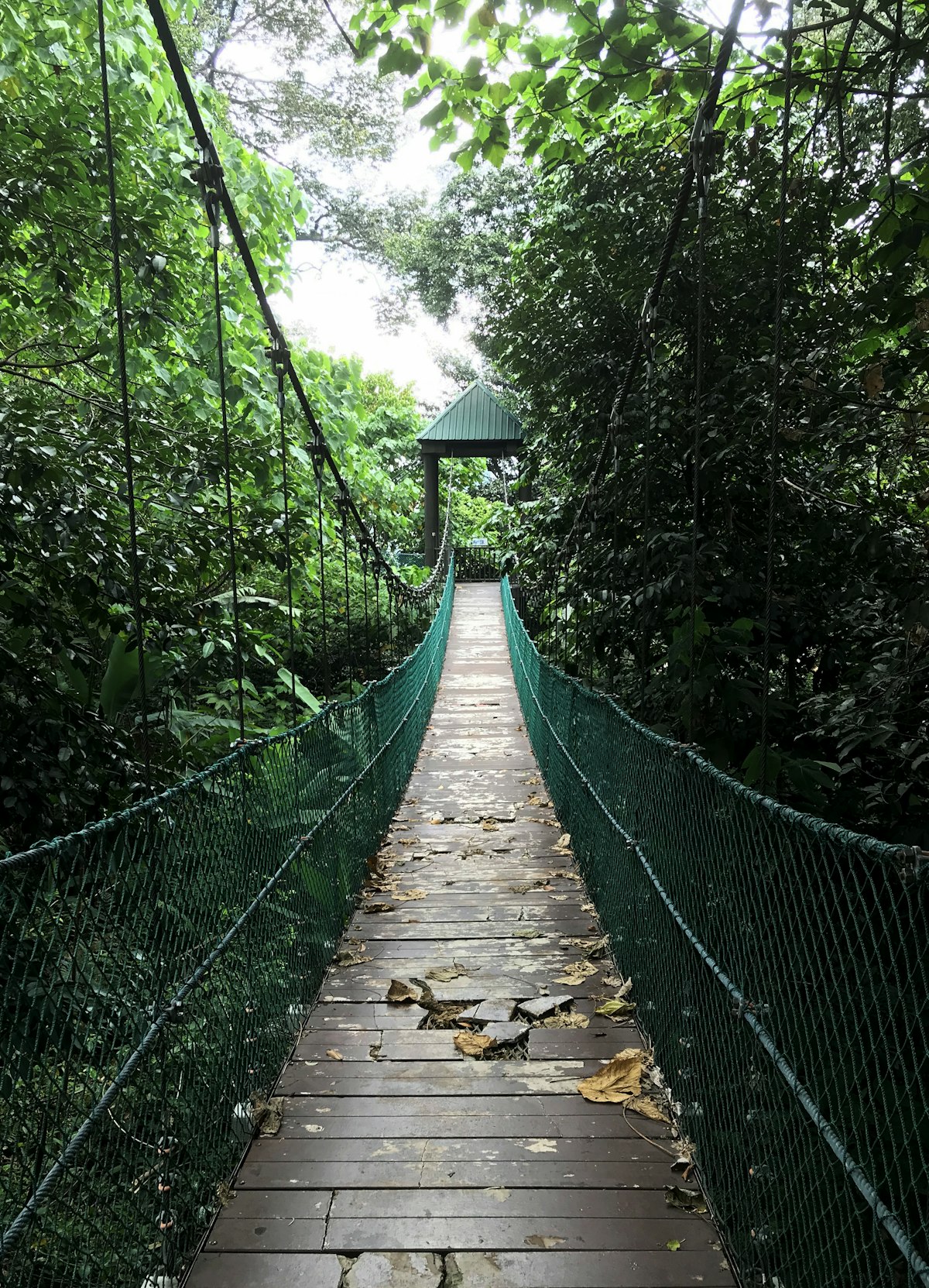
- ↓KL Forest Eco Park canopy walkway and outdoor markets still weather-dependent
June#3▾
Gains
- ↑Rain drops to 119mm — the driest stretch of the year begins; outdoor exploration becomes genuinely pleasant
- ↑KL Forest Eco Park canopy walkway and Batu Caves exterior are at their most accessible without persistent rain interruption
- ↑Humidity eases to 80% — still warm, but the difference from March–April is noticeable in outdoor comfort
Sacrifices
- ↓School holiday season in Malaysia (June) brings some domestic tourist traffic to key sights
- ↓Rain hasn't disappeared entirely — afternoon showers still occur several times a week
- ↓Heat remains at 32°C; midday activity outdoors still requires shade and hydration management
July#1▾
Gains
- ↑117mm is KL's driest month alongside August — maximum outdoor flexibility across sights, parks, and day trips
- ↑7.5 sunshine hours: the most of any month, making the Petronas Towers, KL Tower, and Putrajaya day trips at their scenic best
- ↑The heat without rain feels more manageable — evenings on rooftop bars and hawker streets are genuinely comfortable
Sacrifices
- ↓International tourist season (European summer holidays) means Petronas Towers observation deck and popular sights are busier; book KLCC Sky Bridge tickets in advance
- ↓Hotel prices edge up slightly compared to the wet season months
- ↓Haze from Indonesian forest fires can begin to appear — air quality varies and can reduce visibility
August#2▾
Gains
- ↑Merdeka Day (National Day, August 31) brings military parades, fireworks, and flag-flying across the city — Dataran Merdeka is the epicentre and the atmosphere is genuinely electric
- ↑Dry conditions continue: 141mm and good sunshine means this is still firmly in KL's best weather window
- ↑Malaysian food culture at its most visible — Ramadan bazaars may appear in some years depending on the Islamic calendar; street food events amplified around the national holiday
Sacrifices
- ↓National Day weekend sees significant domestic movement; book any inter-city travel and central KL accommodation well ahead
- ↓Haze risk continues from Indonesian peat fires — some years perfectly clear, others significantly smoky; check air quality before booking
- ↓Still humid at 80% — the tropical baseline doesn't change regardless of reduced rainfall
September#9▾
Gains
- ↑Affordable accommodation returns as tourist numbers ease from August's European-holiday peak
- ↑Mid-Autumn Festival (Mooncake Festival, date varies Sep–Oct) brings beautiful lantern displays in Chinatown and Chinese temples
- ↑KL's food and indoor culture remains excellent regardless of season — the wet months don't diminish hawker street life
Sacrifices
- ↓Rain returns sharply — 197mm compared to 141mm in August; outdoor plans need buffer time
- ↓Haze risk from Indonesian forest fires peaks in September–October — in bad years, visibility drops significantly and the AQI reaches unhealthy levels
- ↓Sunshine hours drop back to 6.5; the reliable morning-clear-afternoon-storm pattern returns
October#12▾
Gains
- ↑Very low tourist numbers; budget accommodation deals are at their best alongside April
- ↑Deepavali (Diwali, date varies Oct–Nov) preparation begins — Little India in Brickfields is covered in marigold garlands and oil lamps, a beautiful precursor to the festival
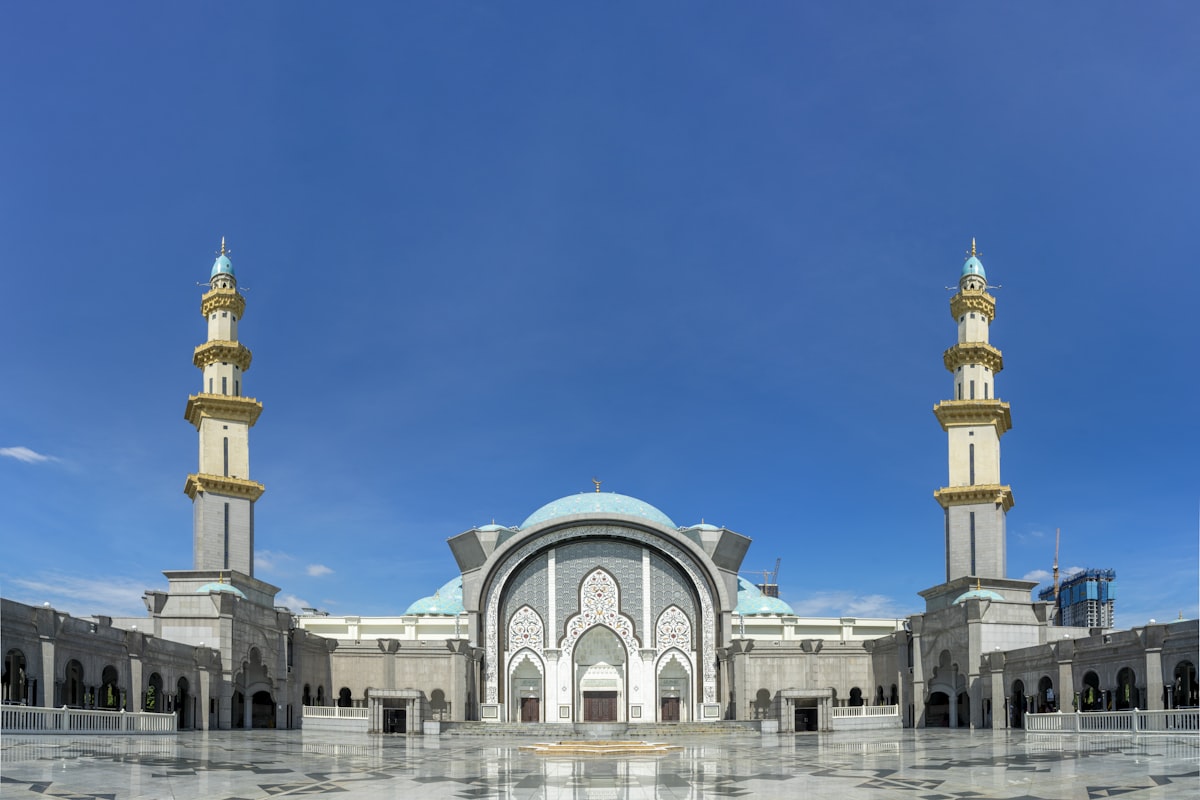
- ↑Indoor KL is at its most atmospheric in the rain — the KLCC Aquaria, Islamic Arts Museum, and National Mosque are excellent wet-day options
Sacrifices
- ↓259mm of rain — the second wettest month after April; flash flooding in parts of the city is a realistic risk
- ↓Haze from Indonesian fires can be severe in October; in the worst years (2015, 2019) it becomes a health concern and outdoor visibility is severely limited
- ↓Sunshine drops to 6 hours; grey skies can persist for multiple consecutive days
November#11▾
Gains
- ↑Deepavali celebrations (if falling in November) transform Brickfields and Little India — the Festival of Lights is spectacular in the streets with oil lamps and garlands, and the open-house culture means visitors can join family celebrations
- ↑Extremely affordable; prices across accommodation and some tour operators at their annual low
- ↑The hawker food culture doesn't change with weather — Jalan Alor, Imbi Market, and Bangsar remain entirely accessible
Sacrifices
- ↓5.5 sunshine hours is KL's lowest — persistent cloud cover and rain can dominate a full week without break
- ↓258mm makes this one of the two worst months for outdoor sightseeing; Putrajaya gardens and outdoor day trips are not recommended
- ↓Humidity at 83% — the highest of the year — combined with minimal sunshine creates the most oppressive conditions KL produces
December#6▾
Gains
- ↑KLCC and Bukit Bintang Christmas decorations are elaborate — the malls compete for the most spectacular displays; a genuinely festive atmosphere despite Malaysia's Muslim majority
- ↑Food culture peaks with year-end gatherings — Jalan Alor is at its most celebratory with outdoor feasting
- ↑Chinese New Year preparation begins in late December in Chinatown — red lanterns, decorations, and seasonal foods appear
Sacrifices
- ↓204mm keeps the rain frequent; afternoon thunderstorms return from the second wet season
- ↓Christmas–New Year hotel rates spike significantly, particularly in KLCC; book ahead or choose Bukit Bintang for better value
- ↓Humidity remains at 83%; the festive atmosphere is real but the climate doesn't cooperate with outdoor comfort
How this is calculated
Climate data
Open Meteo ERA5
30-year normals (1991–2020). Temperature, rainfall, sunshine, humidity.
Price & crowd
Tourism research
Seasonal pricing from tourism authority data. Directional — compares months within a destination only.
Personalisation
Weighted scoring
Your priorities change the weights. Budget-first users get different results than weather-first users.
Share this result
July is the best time to visit Kuala Lumpur
Travel timing updates
New destinations and timing guides, when they land.
No spam. Unsubscribe anytime.