Nepal
Pokhara
Unsplash / Unsplash
Nepal's second city — Phewa Lake, direct Annapurna views, world-class paragliding, and the most relaxed base for the Annapurna region.
Pokhara is Nepal's second city and its adventure tourism capital: a lakeside city at 822m altitude with Phewa Lake in the centre, the Annapurna massif (including the iconic Machapuchare "Fishtail" peak) dominating the northern skyline at 6,993m, and a well-developed tourism infrastructure that is more relaxed and navigable than Kathmandu. The Lakeside district has evolved into one of the most complete adventure tourism hubs in Asia: paragliding flights (launching from Sarangkot hill, 1,592m) glide above the lake with Annapurna visible; the International Mountain Museum houses the best collection of Himalayan mountaineering history outside Innsbruck; and the Begnas and Rupa lakes to the east are undeveloped and visited primarily by Nepali tourists. Pokhara is the gateway and end point of the Annapurna Circuit, and most Annapurna Base Camp and Poon Hill trekkers base themselves here before and after. The Sarangkot sunrise viewpoint (a 1-hour jeep or 2-hour walk above the city) provides one of the finest direct Himalayan panoramas accessible without trekking.
Scores
Walkability
Transit
Price
Local feel
Nightlife
Family-friendly
Centrality
What you gain
- ↑Paragliding above Phewa Lake: the Sarangkot paragliding launch is one of the most spectacular in the world — a 30-minute tandem flight soaring above the lake with the full Annapurna Himalaya panorama (Machapuchare, Annapurna South, Hiunchuli, Annapurna I) at eye level creates a perspective on the mountains available no other way; the thermals allow extended soaring, and conditions are reliable September–May; operators are professional and well-regulated compared to Himalayan paragliding standards elsewhere
- ↑Sarangkot dawn: reaching the Sarangkot viewpoint (1,592m, 45-minute jeep from Lakeside) before 6am to watch the Annapurna massif turn pink, then gold, then brilliant white as the sun rises behind Pokhara is one of the most accessible high-quality mountain sunrise experiences in Nepal — no multi-day trek required, the viewpoint is reachable from a Lakeside hotel and back in time for breakfast
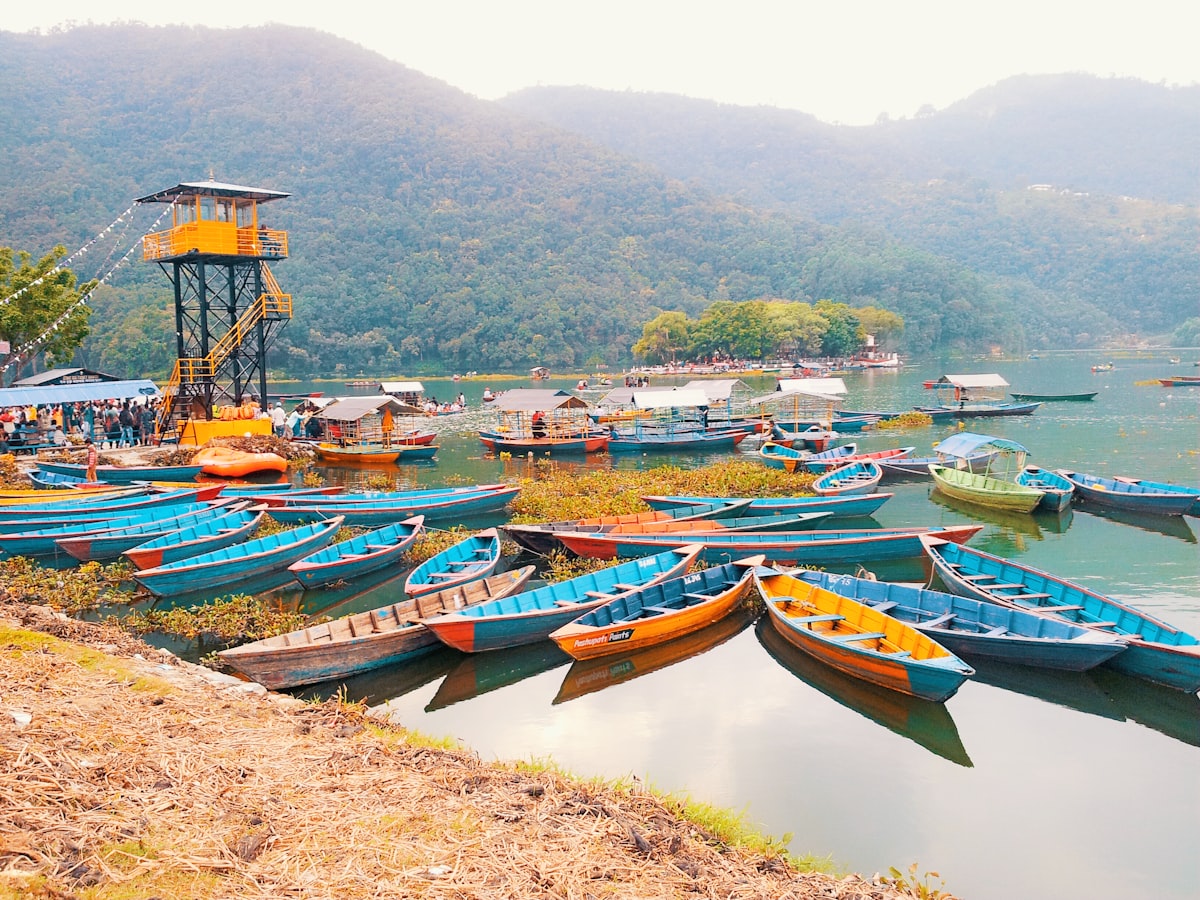
- ↑Phewa Lake boat rides to Tal Barahi temple: renting a rowboat on Phewa Lake and rowing to the small island temple of Tal Barahi (dedicated to the goddess Barahi, with Machapuchare reflected in the water) is the most peaceful 2-hour experience Pokhara offers — the combination of the sacred Hindu island, the lake reflections, and the Annapurna skyline creates an image that defines Pokhara in the global imagination
What you sacrifice
- ↓Pokhara's Lakeside district has become a tourist bubble that increasingly resembles a Southeast Asian backpacker town: the main street is lined with near-identical restaurants offering "Dal Bhat + pizza + pasta" menus, souvenir shops selling identical trekking gear, and yoga studios; those seeking genuine local Nepali culture will find it requires active navigation away from the Lakeside strip
- ↓Mountain views in Pokhara are weather-dependent beyond October and into late spring: cloud builds over the Annapurna range by mid-morning even in good weather, and during the pre-monsoon months (April–May) the Himalayas can be obscured for entire days; the clear dawn window is real but narrow
Best for
Avoid if
Other Nepal neighbourhoods
UNESCO World Heritage at every turn — Pashupatinath's cremations, Bouddhanath stupa, three Durbar Squares, and the chaotic spiritual energy of South Asia's most sacred city.
Nepal's most diverse trekking circuit — the Annapurna Circuit, Poon Hill sunrise, Annapurna Base Camp, and the transition from subtropical jungle to Tibetan plateau.
The world's most iconic trek — Everest Base Camp, the Sherpa capital of Namche Bazaar, and the Himalayan giants above 8,000 metres.
Know where to stay — now find when to go.
Best time to visit Nepal →