Best time to visit Tanzania for local atmosphere
When to visit Tanzania to experience genuine local life — the months when residents are present, markets are active, and the city feels like itself.
Best month
February
Peak calving season — the Serengeti's most dramatic predator activity and the finest wildlife photography month.
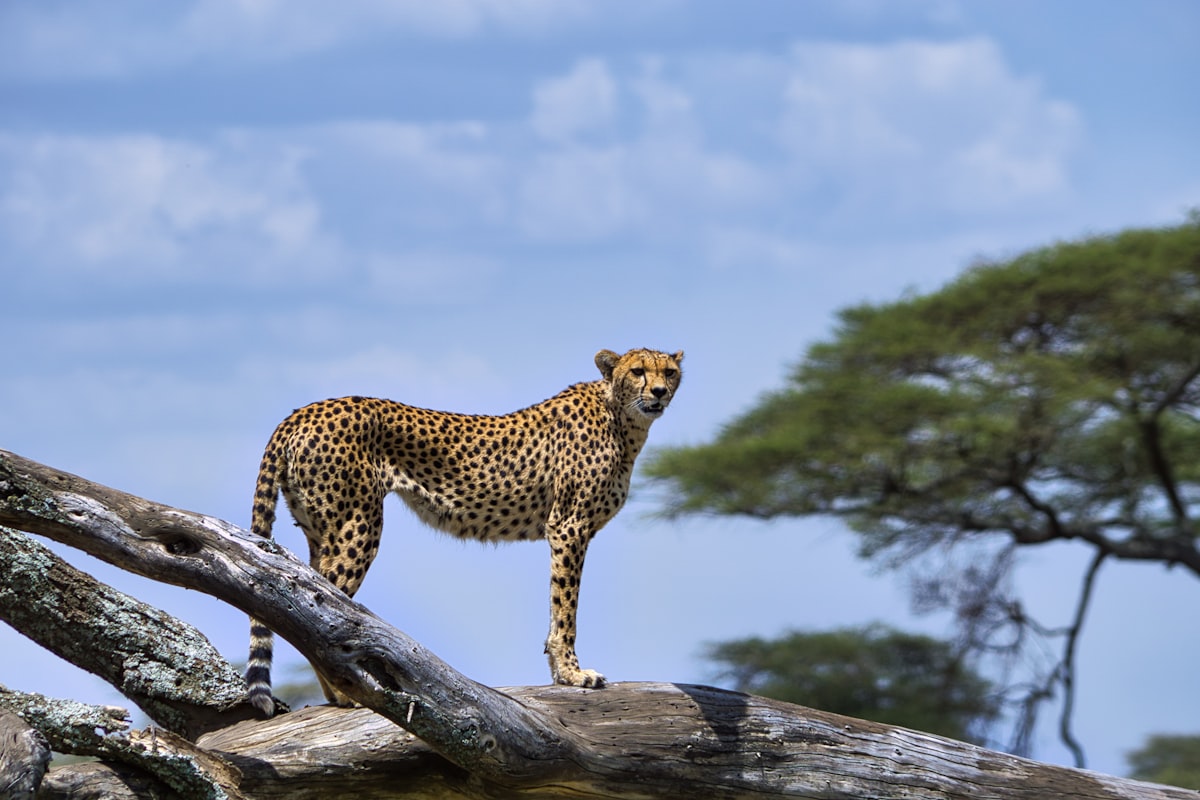
↑February is the peak of wildebeest calving season: the concentrated births in Ndutu and the Ngorongoro Conservation Area draw the largest single-point density of predators in the Serengeti ecosystem; lion prides, leopard, cheetah, wild dog, and hyena all converge on the calving grounds, and game drives in the Ndutu woodlands offer multi-predator sightings in a single morning
↑The green Serengeti landscape during the short dry season is at its most photogenic in February: the golden grass mixed with post-rain green, the dramatic skies between dry and wet patterns, and the full animal population (all species present before the migration begins moving north) create the richest biodiversity month of the year
↑Ngorongoro Crater in February: the world's largest intact caldera holds a resident population of all Big Five species year-round, but February sees the highest density of big cats actively hunting at the wildebeest calving grounds near the crater floor; the descent into the crater at dawn in February is the finest single-day wildlife experience Tanzania offers
All months ranked — Local atmosphere
Best match
Peak calving season — the Serengeti's most dramatic predator activity and the finest wildlife photography month.
#1 for local atmosphere
Best match
The Great Migration peak — the Mara River crossings, the most dramatic wildlife spectacle on Earth.
#2 for local atmosphere
Best match
Migration peak continues — the driest and clearest month, with the most consistent river crossing activity.
#3 for local atmosphere
Best match
Migration begins returning — excellent conditions, slightly cheaper than peak, and fewer vehicles at crossings.
#4 for local atmosphere
Best match
Dry season opens — the Serengeti's best safari conditions begin and the migration crosses into Kenya.
#5 for local atmosphere
Strong option
Wildebeest calving season begins in Ngorongoro — one of the great wildlife events, in a dry and photogenic January.
#6 for local atmosphere
Strong option
End of dry season — wildebeest returning south, prices softening, and Kilimanjaro finishing its prime season.
#7 for local atmosphere
Strong option
Short rains ease and the dry window returns — a solid month for Ngorongoro and the pre-calving Serengeti.
#8 for local atmosphere
Strong option
Short rains (vuli) — safari quality drops but the landscape greens and prices remain manageable.
#9 for local atmosphere
Worth considering
Long rains begin — safari quality deteriorates and the ecosystem begins transitioning to the wet season.
#10 for local atmosphere
Avoid
Long rains peak — the Serengeti is at its most inaccessible and most properties offer budget rates or close entirely.
#11 for local atmosphere
Worth considering
Long rains continue — the Serengeti remains challenging, but conditions begin improving toward month's end.
#12 for local atmosphere