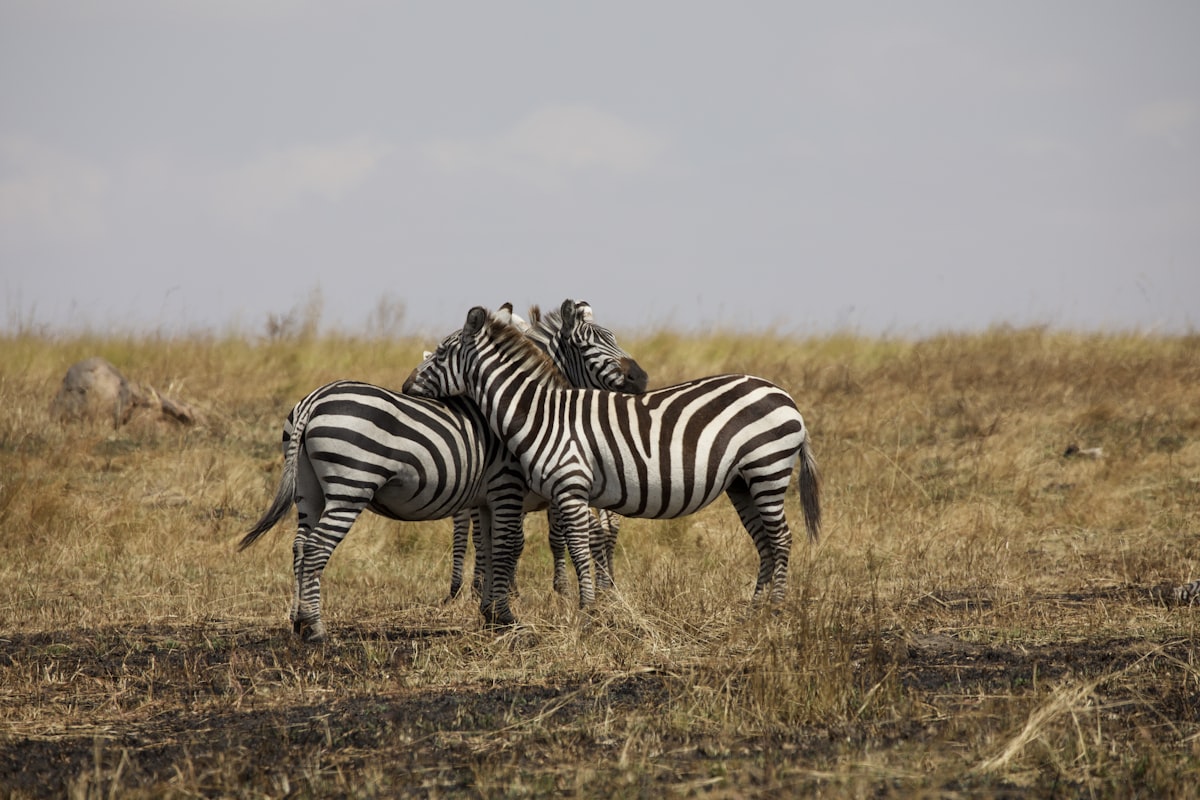
Tanzania · Tanzania
April
Long rains peak — the Serengeti is at its most inaccessible and most properties offer budget rates or close entirely.
Avoid
#12 of 12 months
There are better months for Tanzania — see the full ranking below.
See when to go instead →Climate
High
24°C
Low
14°C
Rain
280mm
Sun
5hrs/day
30-year climate normals · Open Meteo ERA5
How April scores in Tanzania
Weather
Low
Value
Excellent
Crowds
Outstanding
Events
Low
Atmosphere
Average
What you gain in April
- ↑April delivers the absolute lowest camp and lodge rates of the year — properties that remain open offer extraordinary value for visitors with specific research interests; budget travellers who can operate in rain-season conditions will find Tanzania's finest camps at prices that simply do not exist in July
- ↑The landscapes of April's Serengeti and Ngorongoro are extraordinarily photogenic in the brief clear windows: the lush green plains, the rain-washed acacia canopies, and the flamingo flocks on Lake Natron at their densest create landscape images that the bone-dry July ecosystem cannot produce
- ↑Dar es Salaam's coastal culture is less affected by the interior rains — the city and its beaches remain operational, and April is a good month to focus on coastal Tanzania (combined with a Zanzibar extension) rather than the northern safari circuit
What you sacrifice
- ↓280mm of rain in April is the highest of any month: the Serengeti's unpaved roads become deeply rutted and impassable during sustained rain events, and many seasonal camps (particularly mobile tented camps that move with the migration) close entirely from April through May; a limited selection of permanent lodges remain open with reduced wildlife drive activity
- ↓Wildlife visibility is significantly lower in the long rains: animals seek shelter in woodland and vegetation, the grass has grown long enough to conceal cats and smaller species, and the herds have dispersed across the wet-season grazing grounds rather than concentrating at water sources
- ↓Kilimanjaro is at its most dangerous and uncomfortable in April: the mountain is subjected to its heaviest snowfall and most frequent electrical storms; the summit trails are icier, slower, and more physically demanding; April is specifically the worst month for an attempt
How April compares to February (best month)
| Factor | April | February ★ |
|---|---|---|
| Weather | 2 | 8 |
| Value | 8 | 5 |
| Crowds | 9 | 5 |
April in other destinations
Lisbon (18°C)Barcelona (17.5°C)Tokyo (19.3°C)Bali (31.5°C)Santorini (16.5°C)Paris (14.7°C)New York (16°C)Marrakech (24.3°C)Amsterdam (12.3°C)Maldives (31.5°C)Rome (17.7°C)Bangkok (34.1°C)Istanbul (14.8°C)Vienna (15.2°C)Seoul (16°C)Dubrovnik (16.7°C)Rio de Janeiro (27.8°C)Kyoto (20.1°C)Phuket (33.8°C)Cape Town (22.3°C)Prague (16°C)Amalfi Coast (19°C)Mexico City (27°C)Medellín (27°C)Fiji (29°C)London (15°C)Sydney (22°C)Iceland (7°C)Tulum (31°C)Dubai (34°C)Singapore (33°C)Hoi An (31°C)Chiang Mai (35.5°C)Miami (28.3°C)Florence (18.6°C)Queenstown (15.5°C)Madrid (17.6°C)Porto (18°C)Edinburgh (12°C)Copenhagen (11°C)Budapest (17°C)Kraków (15°C)Tbilisi (18°C)Palawan (32°C)Hanoi (26°C)Osaka (20°C)Goa (34°C)Cusco (20°C)Buenos Aires (23°C)Mykonos (18°C)Zanzibar (30°C)Sri Lanka (32°C)Costa Rica (28°C)Cancun (31°C)Krabi (34°C)Athens (20°C)Seville (24°C)Cartagena (32°C)Siem Reap (35°C)Havana (29°C)Split (18°C)Taipei (26°C)Kuala Lumpur (33°C)Valletta (20°C)Ho Chi Minh City (36°C)Hawaii (28°C)Cappadocia (17°C)Dominican Republic (30°C)Jamaica (31°C)Seychelles (30°C)Nepal (27°C)Jordan (23°C)Azores (19°C)Bora Bora (29°C)Los Angeles (23.2°C)Cairo (30.2°C)Kenya (27.2°C)Jaipur (36.5°C)Las Vegas (27.9°C)San Francisco (16.2°C)Madeira (21.5°C)Vancouver (13.8°C)Muscat (36.2°C)Lima (23.5°C)Cinque Terre (17°C)Kotor (17°C)Tel Aviv (24°C)Santiago (22°C)Bogotá (18°C)Bruges (14°C)Penang (33.5°C)Lombok (31.8°C)Cape Verde (27.3°C)Fez (23.1°C)Kerala (34°C)Kigali (25°C)Hong Kong (25°C)Oslo (11°C)Auckland (19°C)
Climate data: 30-year normals (1991–2020) from Open Meteo ERA5 reanalysis. Scores compare months within Tanzania, not across destinations. Methodology →