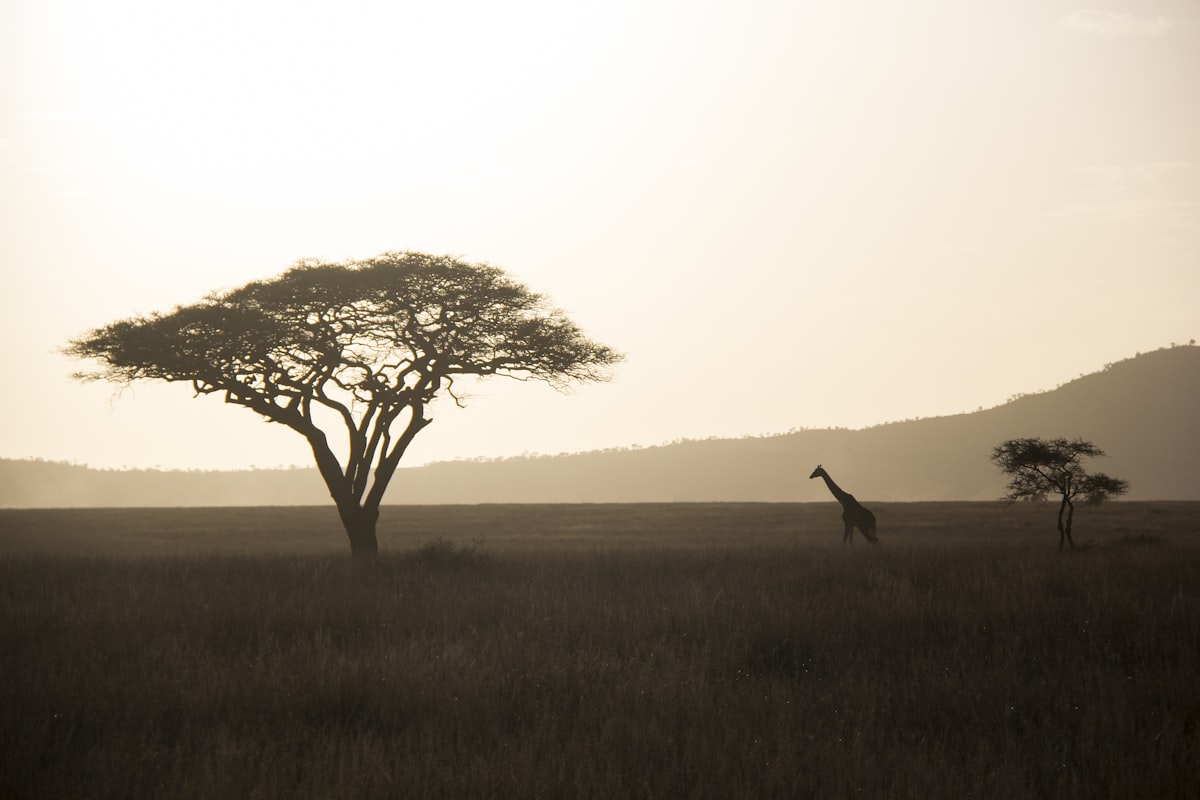
Tanzania · Tanzania
March
Long rains begin — safari quality deteriorates and the ecosystem begins transitioning to the wet season.
Strong option
#10 of 12 months
There are better months for Tanzania — see the full ranking below.
See when to go instead →Climate
High
27°C
Low
14°C
Rain
135mm
Sun
6.5hrs/day
30-year climate normals · Open Meteo ERA5
How March scores in Tanzania
Weather
Above average
Value
Good
Crowds
Good
Events
Average
Atmosphere
Good
What you gain in March
- ↑The first half of March (before the long rains fully establish) can still offer good safari conditions: the calving season extends, wildebeest herds are beginning their preliminary northward drift, and the predator density on the Serengeti remains high; an early-March trip catches the season's tail before the rains shut down road access
- ↑Green season pricing begins in March — lodge and camp rates drop from the February moderate level toward April's budget prices; early-March visitors can sometimes find a pricing window between peak demand and the quality deterioration that the rains bring
- ↑Birdlife in March is exceptional: the long rains bring migratory species that use the Serengeti ecosystem as a staging ground, and the transition period between dry and wet brings the highest bird diversity of the year to the marshes around Lake Manyara and the Serengeti kopjes
What you sacrifice
- ↓The long rains (Masika) typically establish by mid-March — 135mm across the month is concentrated in the second half, and by late March the Serengeti's murram roads can become impassable to standard 4WD vehicles; mobile safari camps in the ecosystem begin moving to higher ground and some close entirely
- ↓The wildebeest migration begins moving northward but is not yet at the Mara River crossing (that happens July–August) — a March visit sees the movement beginning but misses both the February calving drama and the July river crossings; the transition period has less clear-cut wildlife event quality than either end of the spectrum
- ↓Kilimanjaro becomes significantly less accessible in March — the high-altitude storm frequency increases, summit days see cloud cover, and the summit trails are wet and cold below the snowfield; March is specifically not recommended for Kilimanjaro climbing
How March compares to February (best month)
| Factor | March | February ★ |
|---|---|---|
| Weather | 5 | 8 |
| Value | 6 | 5 |
| Crowds | 6 | 5 |
March in other destinations
Lisbon (16.6°C)Barcelona (15.8°C)Tokyo (13.8°C)Bali (30.8°C)Santorini (14.6°C)Paris (11.5°C)New York (9.7°C)Marrakech (22.3°C)Amsterdam (9.2°C)Maldives (30.8°C)Rome (15°C)Bangkok (34.3°C)Istanbul (11.6°C)Vienna (10.3°C)Seoul (9.6°C)Dubrovnik (13.9°C)Rio de Janeiro (29.7°C)Kyoto (14.3°C)Phuket (33°C)Cape Town (25.4°C)Prague (10°C)Amalfi Coast (15°C)Mexico City (26°C)Medellín (28°C)Fiji (30°C)London (12°C)Sydney (25°C)Iceland (4°C)Tulum (30°C)Dubai (29°C)Singapore (32°C)Hoi An (28°C)Chiang Mai (34.5°C)Miami (26.7°C)Florence (14.8°C)Queenstown (19.5°C)Madrid (15°C)Porto (17°C)Edinburgh (9°C)Copenhagen (7°C)Budapest (11°C)Kraków (9°C)Tbilisi (13°C)Palawan (31°C)Hanoi (22°C)Osaka (14°C)Goa (34°C)Cusco (19°C)Buenos Aires (27°C)Mykonos (15°C)Zanzibar (32°C)Sri Lanka (32°C)Costa Rica (27°C)Cancun (30°C)Krabi (34°C)Athens (16°C)Seville (21°C)Cartagena (32°C)Siem Reap (33°C)Havana (28°C)Split (14°C)Taipei (22°C)Kuala Lumpur (33°C)Valletta (17°C)Ho Chi Minh City (35°C)Hawaii (27°C)Cappadocia (11°C)Dominican Republic (29°C)Jamaica (30°C)Seychelles (30°C)Nepal (24°C)Jordan (17°C)Azores (18°C)Bora Bora (30°C)Los Angeles (21.5°C)Cairo (25.1°C)Kenya (28.5°C)Jaipur (30.8°C)Las Vegas (22.5°C)San Francisco (15.1°C)Madeira (20.5°C)Vancouver (10.5°C)Muscat (31.5°C)Lima (26.4°C)Cinque Terre (14°C)Kotor (14°C)Tel Aviv (21°C)Santiago (27°C)Bogotá (18°C)Bruges (10.1°C)Penang (33.1°C)Lombok (31.4°C)Cape Verde (26.5°C)Fez (19.5°C)Kerala (33°C)Kigali (26°C)Hong Kong (21°C)Oslo (5°C)Auckland (22°C)
Climate data: 30-year normals (1991–2020) from Open Meteo ERA5 reanalysis. Scores compare months within Tanzania, not across destinations. Methodology →