Nepal · Nepal
March
Spring season opens — rhododendrons peak, high passes open, and the Annapurna and Everest circuits wake up.
Best match
#3 of 12 months
March is one of the best times to visit Nepal.
Climate
High
24°C
Low
8°C
Rain
45mm
Sun
7.5hrs/day
30-year climate normals · Open Meteo ERA5
How March scores in Nepal
Weather
Excellent
Value
Good
Crowds
Above average
Events
Very good
Atmosphere
Outstanding
What you gain in March
- ↑March marks the opening of Nepal's primary spring trekking season: Thorong La on the Annapurna Circuit reopens as the snow conditions improve, the Everest Base Camp route becomes accessible to all fitness levels without winter equipment, and the rhododendron forests of the Annapurna and Langtang regions are at their most spectacular — forests of 30-metre red, pink, and white trees in full bloom at 2,000–3,500m
- ↑Holi (Festival of Colours, date varies February–March) is celebrated with particular energy in Nepal: Kathmandu's squares fill with water balloons and coloured powder, and the celebration is more participatory and less managed than the Indian equivalent; the Durbar Squares in Kathmandu and Bhaktapur are the finest settings
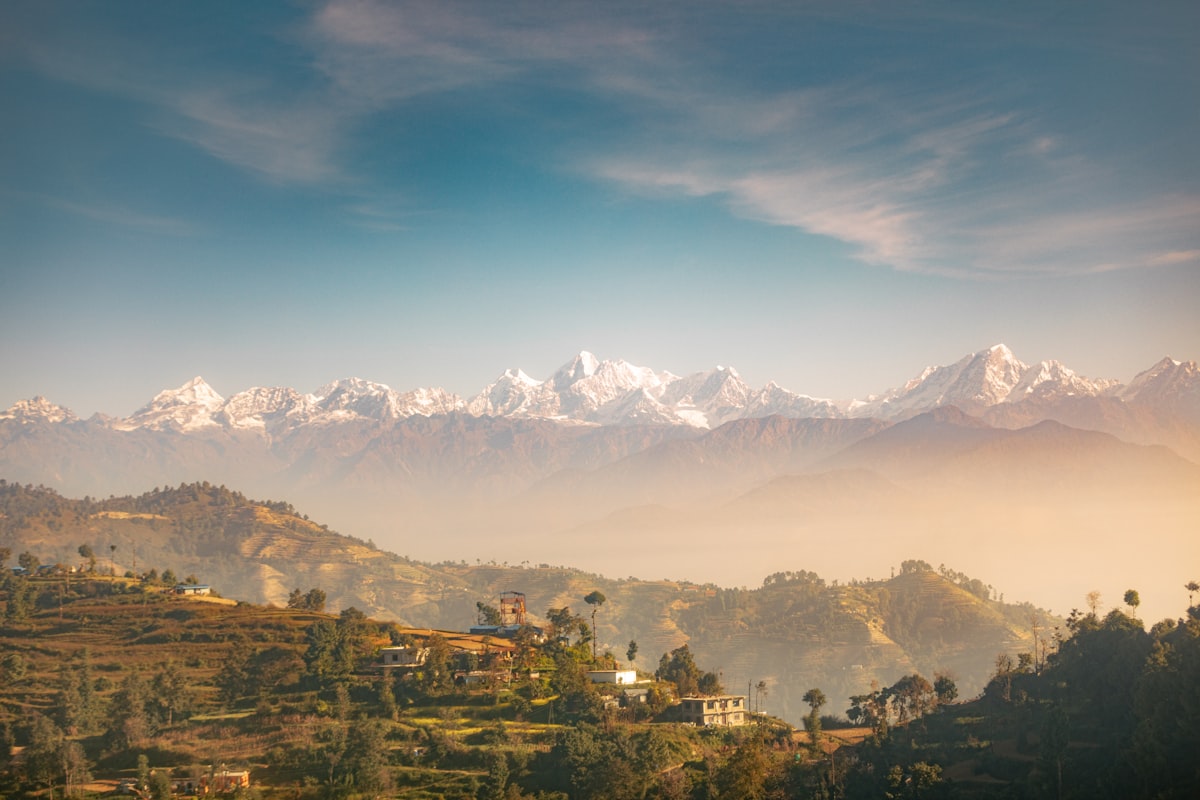
- ↑Mountain visibility is excellent in March: the pre-monsoon air is still clear and the morning views of the Annapurna massif from Poon Hill at 3,210m (a 3–4 day approach) deliver the most photographed mountain panorama in the world — 13 peaks over 7,000m visible simultaneously at dawn in a 180° arc
What you sacrifice
- ↓March sees the beginning of the spring trekking crowd: the Annapurna and Everest circuits are filling up, and popular tea houses on the EBC route require advance booking from March; the independent, empty-trail experience of January–February is replaced by a more organised circuit atmosphere
- ↓Pre-monsoon weather in March can bring afternoon cloud and occasional showers — the clearest mountain views are always in the morning (dawn to 10am) before cloud builds; afternoon visibility deteriorates faster in March than in October–November
- ↓Spring can bring pre-monsoon dust and haze to the Kathmandu Valley: the combination of construction dust, vehicle emissions, and agricultural burning creates periodic poor visibility days in the valley that don't affect the mountain views above 2,500m
How March compares to October (best month)
| Factor | March | October ★ |
|---|---|---|
| Weather | 8 | 10 |
| Value | 6 | 4 |
| Crowds | 5 | 3 |
March in other destinations
Lisbon (16.6°C)Barcelona (15.8°C)Tokyo (13.8°C)Bali (30.8°C)Santorini (14.6°C)Paris (11.5°C)New York (9.7°C)Marrakech (22.3°C)Amsterdam (9.2°C)Maldives (30.8°C)Rome (15°C)Bangkok (34.3°C)Istanbul (11.6°C)Vienna (10.3°C)Seoul (9.6°C)Dubrovnik (13.9°C)Rio de Janeiro (29.7°C)Kyoto (14.3°C)Phuket (33°C)Cape Town (25.4°C)Prague (10°C)Amalfi Coast (15°C)Mexico City (26°C)Medellín (28°C)Fiji (30°C)London (12°C)Sydney (25°C)Iceland (4°C)Tulum (30°C)Dubai (29°C)Singapore (32°C)Hoi An (28°C)Chiang Mai (34.5°C)Miami (26.7°C)Florence (14.8°C)Queenstown (19.5°C)Madrid (15°C)Porto (17°C)Edinburgh (9°C)Copenhagen (7°C)Budapest (11°C)Kraków (9°C)Tbilisi (13°C)Palawan (31°C)Hanoi (22°C)Osaka (14°C)Goa (34°C)Cusco (19°C)Buenos Aires (27°C)Mykonos (15°C)Zanzibar (32°C)Sri Lanka (32°C)Costa Rica (27°C)Cancun (30°C)Krabi (34°C)Athens (16°C)Seville (21°C)Cartagena (32°C)Siem Reap (33°C)Havana (28°C)Split (14°C)Taipei (22°C)Kuala Lumpur (33°C)Valletta (17°C)Ho Chi Minh City (35°C)Hawaii (27°C)Cappadocia (11°C)Dominican Republic (29°C)Jamaica (30°C)Tanzania (27°C)Seychelles (30°C)Jordan (17°C)Azores (18°C)Bora Bora (30°C)Los Angeles (21.5°C)Cairo (25.1°C)Kenya (28.5°C)Jaipur (30.8°C)Las Vegas (22.5°C)San Francisco (15.1°C)Madeira (20.5°C)Vancouver (10.5°C)Muscat (31.5°C)Lima (26.4°C)Cinque Terre (14°C)Kotor (14°C)Tel Aviv (21°C)Santiago (27°C)Bogotá (18°C)Bruges (10.1°C)Penang (33.1°C)Lombok (31.4°C)Cape Verde (26.5°C)Fez (19.5°C)Kerala (33°C)Kigali (26°C)Hong Kong (21°C)Oslo (5°C)Auckland (22°C)
Climate data: 30-year normals (1991–2020) from Open Meteo ERA5 reanalysis. Scores compare months within Nepal, not across destinations. Methodology →