Nepal · Month comparison
March vs October
October ranks #1 overall vs March at #3. The finest month — crystal-clear skies, Dashain festival, and the most dramatic mountain views of the year.
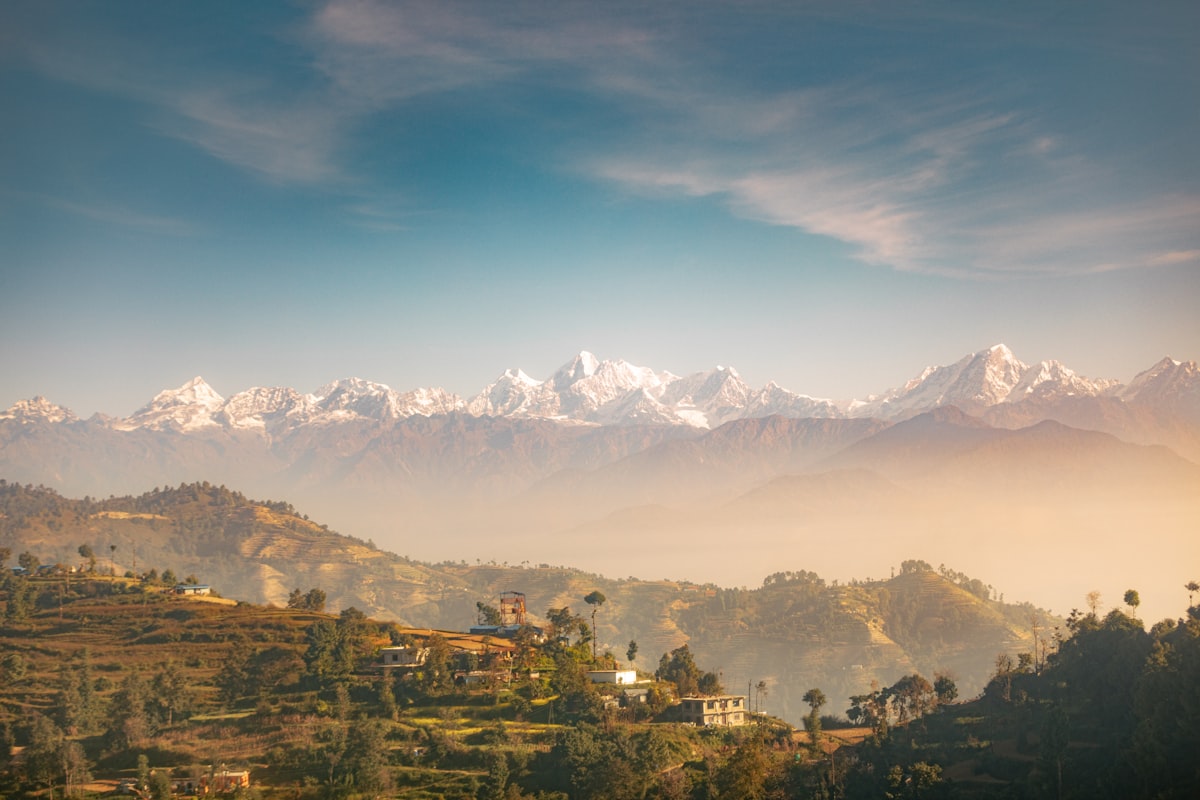
March
#3 of 12 months
Best match
Spring season opens — rhododendrons peak, high passes open, and the Annapurna and Everest circuits wake up.
- ↑March marks the opening of Nepal's primary spring trekking season: Thorong La on the Annapurna Circuit reopens as the snow conditions improve, the Everest Base Camp route becomes accessible to all fitness levels without winter equipment, and the rhododendron forests of the Annapurna and Langtang regions are at their most spectacular — forests of 30-metre red, pink, and white trees in full bloom at 2,000–3,500m
- ↑Holi (Festival of Colours, date varies February–March) is celebrated with particular energy in Nepal: Kathmandu's squares fill with water balloons and coloured powder, and the celebration is more participatory and less managed than the Indian equivalent; the Durbar Squares in Kathmandu and Bhaktapur are the finest settings
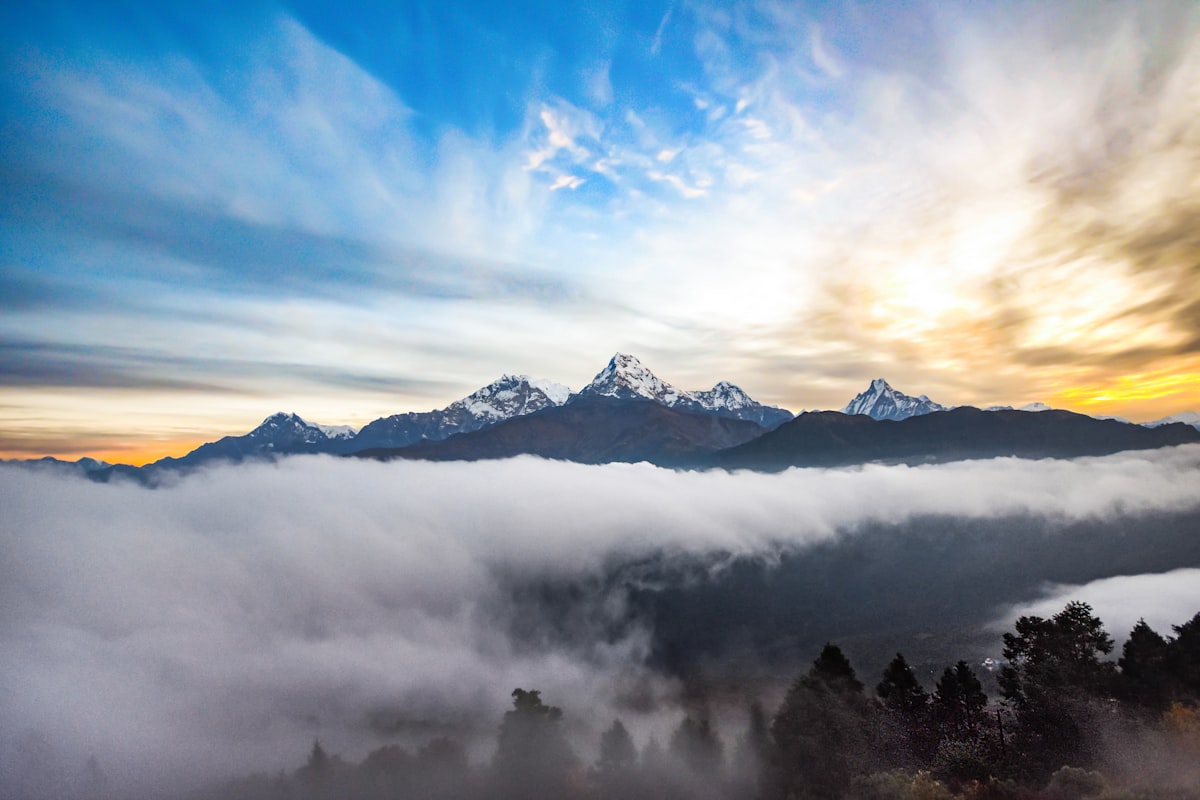
October
#1 of 12 months
Best match
The finest month — crystal-clear skies, Dashain festival, and the most dramatic mountain views of the year.
- ↑October delivers Nepal's most celebrated conditions: the monsoon has ended, the air has been washed clean, and the Himalayan panoramas — Everest from Kala Patthar, Annapurna from Poon Hill, Ganesh Himal from Nagarkot — are at their sharpest and most dramatic; photographers and trekkers specifically plan years around October visits
- ↑Dashain (Nepal's most important Hindu festival, date varies late September–October) transforms the country: a 10–15 day celebration featuring kite-flying, family reunions, animal sacrifices at Durbar Squares, and the blessing of children by elders with tika (coloured powder and yoghurt); the atmosphere in Kathmandu during Dashain is the most culturally charged of any month
| Factor | March | October |
|---|---|---|
| Weather score | 8 | 10 |
| Value score | 6 | 4 |
| Crowd score | 5 | 3 |
| Events score | 7 | 8 |
| Atmosphere | 9 | 10 |
| Avg high temp | 24°C | 24°C |
| Monthly rain | 45mm | 55mm |
| Daily sunshine | 7.5hrs | 8hrs |
March trade-offs
- ↓March sees the beginning of the spring trekking crowd: the Annapurna and Everest circuits are filling up, and popular tea houses on the EBC route require advance booking from March; the independent, empty-trail experience of January–February is replaced by a more organised circuit atmosphere
- ↓Pre-monsoon weather in March can bring afternoon cloud and occasional showers — the clearest mountain views are always in the morning (dawn to 10am) before cloud builds; afternoon visibility deteriorates faster in March than in October–November
- ↓Spring can bring pre-monsoon dust and haze to the Kathmandu Valley: the combination of construction dust, vehicle emissions, and agricultural burning creates periodic poor visibility days in the valley that don't affect the mountain views above 2,500m
October trade-offs
- ↓October is the most competitive accommodation month in Nepal: the EBC route lodges in Namche Bazaar, Tengboche, and Gorak Shep book out weeks to months in advance; the Annapurna Circuit tea houses similarly fill rapidly; arriving without confirmed accommodation for the high-altitude stages of any circuit in October is inadvisable
- ↓October peak season pricing: tea house rates double or triple from monsoon prices, guides and porters charge premium rates, and permit prices for restricted areas are unchanged but the total trip cost is highest of any month
- ↓Dashain creates specific practical challenges: many Kathmandu shops, restaurants, and services close for 10 days around the festival; bank hours change, tourist taxis become harder to find as drivers return to their home villages, and logistics around the festival period require advance planning
Scores compare months within Nepal. Climate data: Open Meteo ERA5 30-year normals (1991–2020). Methodology →