Tanzania · Tanzania
February
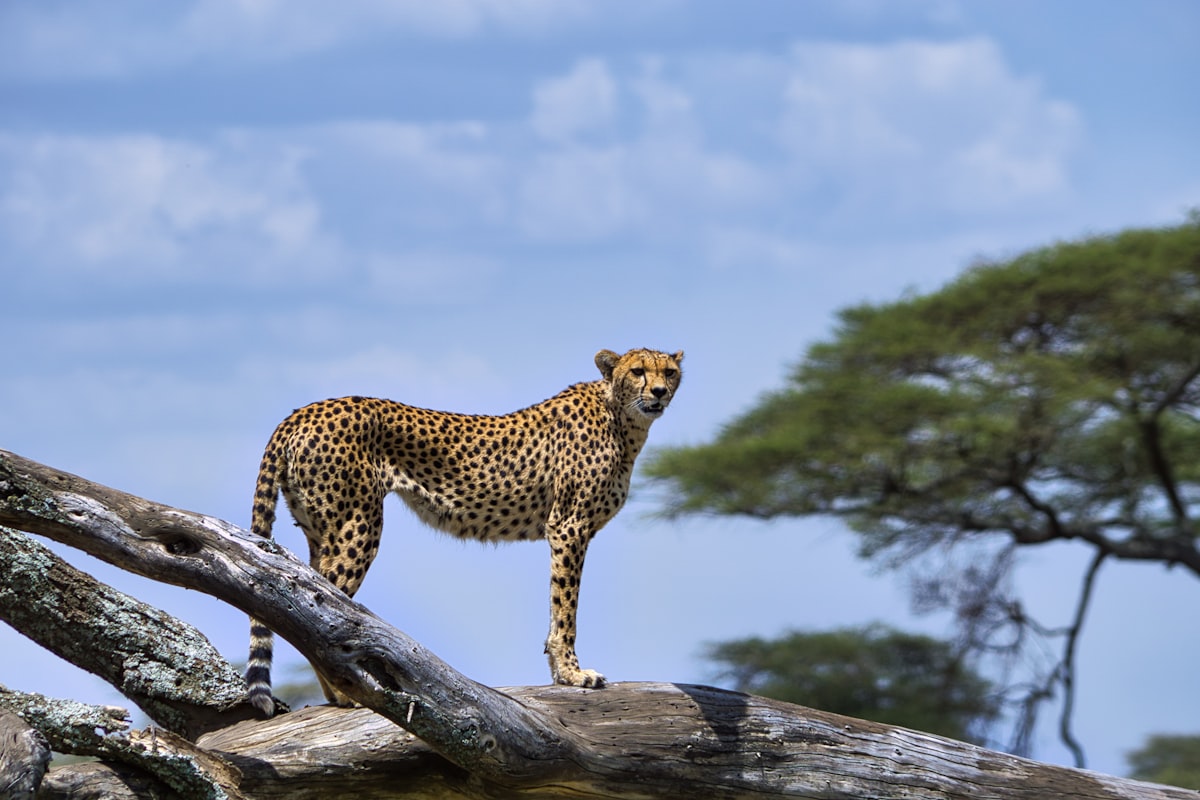
Peak calving season — the Serengeti's most dramatic predator activity and the finest wildlife photography month.
Best match
#1 of 12 months
February is one of the best times to visit Tanzania.
Climate
High
29°C
Low
14°C
Rain
65mm
Sun
8.5hrs/day
30-year climate normals · Open Meteo ERA5
How February scores in Tanzania
Weather
Excellent
Value
Above average
Crowds
Above average
Events
Outstanding
Atmosphere
Outstanding
What you gain in February
- ↑February is the peak of wildebeest calving season: the concentrated births in Ndutu and the Ngorongoro Conservation Area draw the largest single-point density of predators in the Serengeti ecosystem; lion prides, leopard, cheetah, wild dog, and hyena all converge on the calving grounds, and game drives in the Ndutu woodlands offer multi-predator sightings in a single morning
- ↑The green Serengeti landscape during the short dry season is at its most photogenic in February: the golden grass mixed with post-rain green, the dramatic skies between dry and wet patterns, and the full animal population (all species present before the migration begins moving north) create the richest biodiversity month of the year
- ↑Ngorongoro Crater in February: the world's largest intact caldera holds a resident population of all Big Five species year-round, but February sees the highest density of big cats actively hunting at the wildebeest calving grounds near the crater floor; the descent into the crater at dawn in February is the finest single-day wildlife experience Tanzania offers
What you sacrifice
- ↓February's calving fame means the Ndutu area is the busiest part of Tanzania's safari circuit during this month — multiple vehicles around a predator-prey interaction are common; while regulations limit simultaneous vehicles at kills, the experience is not solitary
- ↓Accommodation in the Ndutu area (the small number of mobile camps permitted to operate within the Ndutu Conservation Area) books 6–12 months in advance for February; standard Serengeti lodges outside the zone have availability but miss the concentrated action
- ↓The long rains typically begin in mid-to-late March — some February rain forecasts can be inaccurate, and very occasionally the long rains arrive early; cloud cover during the first showers reduces photographic light quality
February in other destinations
Lisbon (14.3°C)Barcelona (14°C)Tokyo (10.4°C)Bali (30.1°C)Santorini (13.2°C)Paris (8°C)New York (4.5°C)Marrakech (19.1°C)Amsterdam (6°C)Maldives (30.2°C)Rome (11.9°C)Bangkok (33°C)Istanbul (8.6°C)Vienna (4.9°C)Seoul (4°C)Dubrovnik (11.1°C)Rio de Janeiro (31°C)Kyoto (10.1°C)Phuket (32.1°C)Cape Town (26.9°C)Prague (4°C)Amalfi Coast (13°C)Mexico City (23°C)Medellín (29°C)Fiji (31°C)London (9°C)Sydney (26°C)Iceland (3°C)Tulum (29°C)Dubai (26°C)Singapore (31°C)Hoi An (26°C)Chiang Mai (31.5°C)Miami (24.8°C)Florence (11.4°C)Queenstown (22.2°C)Madrid (11.2°C)Porto (15°C)Edinburgh (7°C)Copenhagen (4°C)Budapest (6°C)Kraków (4°C)Tbilisi (8°C)Palawan (30°C)Hanoi (19°C)Osaka (10°C)Goa (33°C)Cusco (19°C)Buenos Aires (29°C)Mykonos (13°C)Zanzibar (32°C)Sri Lanka (31°C)Costa Rica (26°C)Cancun (29°C)Krabi (33°C)Athens (14°C)Seville (17°C)Cartagena (31°C)Siem Reap (31°C)Havana (27°C)Split (11°C)Taipei (19°C)Kuala Lumpur (33°C)Valletta (15°C)Ho Chi Minh City (34°C)Hawaii (27°C)Cappadocia (6°C)Dominican Republic (28°C)Jamaica (30°C)Seychelles (30°C)Nepal (20°C)Jordan (13°C)Azores (17°C)Bora Bora (30°C)Los Angeles (20.3°C)Cairo (21.2°C)Kenya (28°C)Jaipur (25.1°C)Las Vegas (17.2°C)San Francisco (14°C)Madeira (19.8°C)Vancouver (8.4°C)Muscat (27.8°C)Lima (27°C)Cinque Terre (12°C)Kotor (11°C)Tel Aviv (18°C)Santiago (29°C)Bogotá (19°C)Bruges (6.5°C)Penang (32.2°C)Lombok (30.9°C)Cape Verde (25.8°C)Fez (15.8°C)Kerala (32°C)Kigali (26°C)Hong Kong (18°C)Oslo (0°C)Auckland (24°C)
Climate data: 30-year normals (1991–2020) from Open Meteo ERA5 reanalysis. Scores compare months within Tanzania, not across destinations. Methodology →