Tanzania · Month comparison
April vs February
February ranks #1 overall vs April at #12. Peak calving season — the Serengeti's most dramatic predator activity and the finest wildlife photography month.
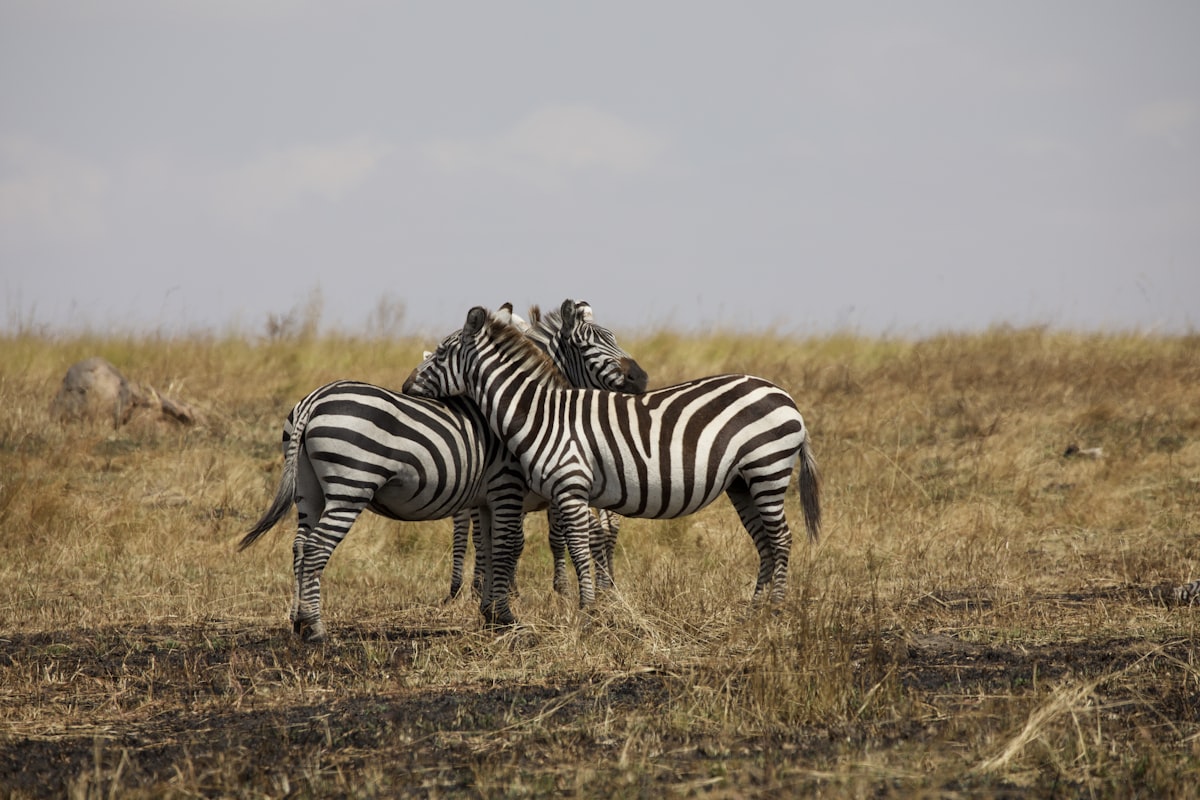
April
#12 of 12 months
Avoid
Long rains peak — the Serengeti is at its most inaccessible and most properties offer budget rates or close entirely.
- ↑April delivers the absolute lowest camp and lodge rates of the year — properties that remain open offer extraordinary value for visitors with specific research interests; budget travellers who can operate in rain-season conditions will find Tanzania's finest camps at prices that simply do not exist in July
- ↑The landscapes of April's Serengeti and Ngorongoro are extraordinarily photogenic in the brief clear windows: the lush green plains, the rain-washed acacia canopies, and the flamingo flocks on Lake Natron at their densest create landscape images that the bone-dry July ecosystem cannot produce
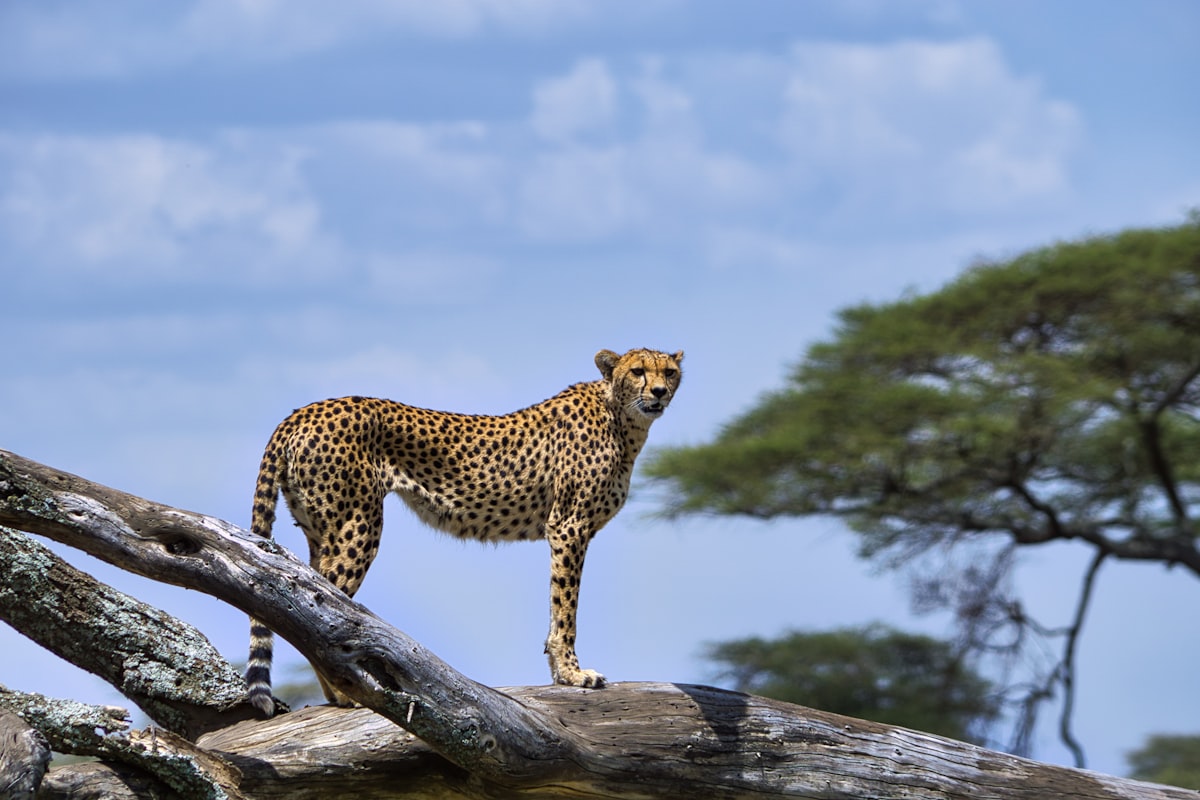
February
#1 of 12 months
Best match
Peak calving season — the Serengeti's most dramatic predator activity and the finest wildlife photography month.
- ↑February is the peak of wildebeest calving season: the concentrated births in Ndutu and the Ngorongoro Conservation Area draw the largest single-point density of predators in the Serengeti ecosystem; lion prides, leopard, cheetah, wild dog, and hyena all converge on the calving grounds, and game drives in the Ndutu woodlands offer multi-predator sightings in a single morning
- ↑The green Serengeti landscape during the short dry season is at its most photogenic in February: the golden grass mixed with post-rain green, the dramatic skies between dry and wet patterns, and the full animal population (all species present before the migration begins moving north) create the richest biodiversity month of the year
| Factor | April | February |
|---|---|---|
| Weather score | 2 | 8 |
| Value score | 8 | 5 |
| Crowd score | 9 | 5 |
| Events score | 2 | 9 |
| Atmosphere | 4 | 9 |
| Avg high temp | 24°C | 29°C |
| Monthly rain | 280mm | 65mm |
| Daily sunshine | 5hrs | 8.5hrs |
April trade-offs
- ↓280mm of rain in April is the highest of any month: the Serengeti's unpaved roads become deeply rutted and impassable during sustained rain events, and many seasonal camps (particularly mobile tented camps that move with the migration) close entirely from April through May; a limited selection of permanent lodges remain open with reduced wildlife drive activity
- ↓Wildlife visibility is significantly lower in the long rains: animals seek shelter in woodland and vegetation, the grass has grown long enough to conceal cats and smaller species, and the herds have dispersed across the wet-season grazing grounds rather than concentrating at water sources
- ↓Kilimanjaro is at its most dangerous and uncomfortable in April: the mountain is subjected to its heaviest snowfall and most frequent electrical storms; the summit trails are icier, slower, and more physically demanding; April is specifically the worst month for an attempt
February trade-offs
- ↓February's calving fame means the Ndutu area is the busiest part of Tanzania's safari circuit during this month — multiple vehicles around a predator-prey interaction are common; while regulations limit simultaneous vehicles at kills, the experience is not solitary
- ↓Accommodation in the Ndutu area (the small number of mobile camps permitted to operate within the Ndutu Conservation Area) books 6–12 months in advance for February; standard Serengeti lodges outside the zone have availability but miss the concentrated action
- ↓The long rains typically begin in mid-to-late March — some February rain forecasts can be inaccurate, and very occasionally the long rains arrive early; cloud cover during the first showers reduces photographic light quality
Scores compare months within Tanzania. Climate data: Open Meteo ERA5 30-year normals (1991–2020). Methodology →