Bora Bora · Month comparison
July vs May
May ranks #1 overall vs July at #4. Dry season begins — the lagoon turns its iconic turquoise, temperatures are pleasant, and the humpback whale season opens.
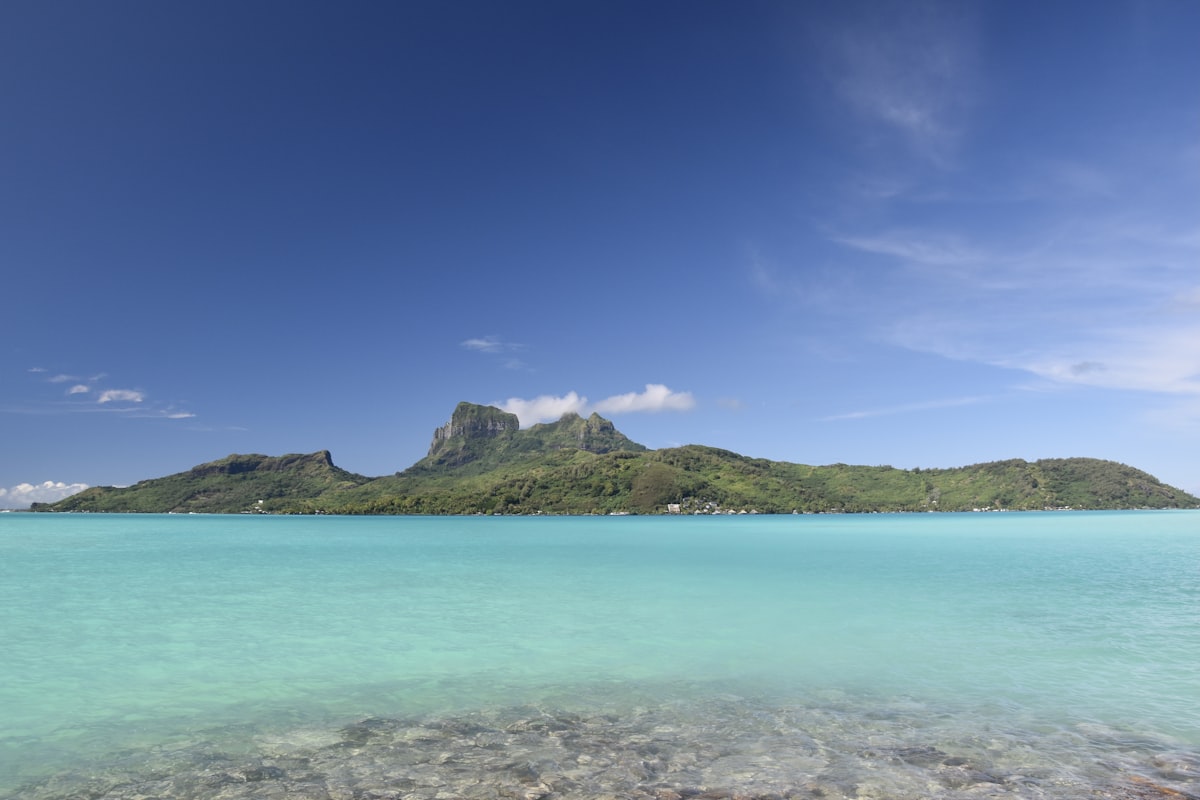
July
#4 of 12 months
Best match
The best month in Bora Bora — driest, clearest, humpback whale peak, and the Heiva cultural festival in full swing.
- ↑July is the climatic peak of the Bora Bora year: the driest month (35mm), the most sunshine (9.5 hours), and the trade winds at their most consistent — creating the condition where the lagoon is simultaneously perfectly still in the mornings (for the mirror-flat turquoise reflection shot) and gently breezy in the afternoons; the iconic overwater bungalow image was almost certainly taken in July
- ↑Humpback whale encounters peak in July–August: the entire French Polynesia population of 200+ humpbacks congregates in the island group's warm waters, and Bora Bora's lagoon channels see surface breaching, slapping, and singing males audible underwater on snorkel; a half-day whale watch in July in Bora Bora is among the finest cetacean experiences in the Pacific
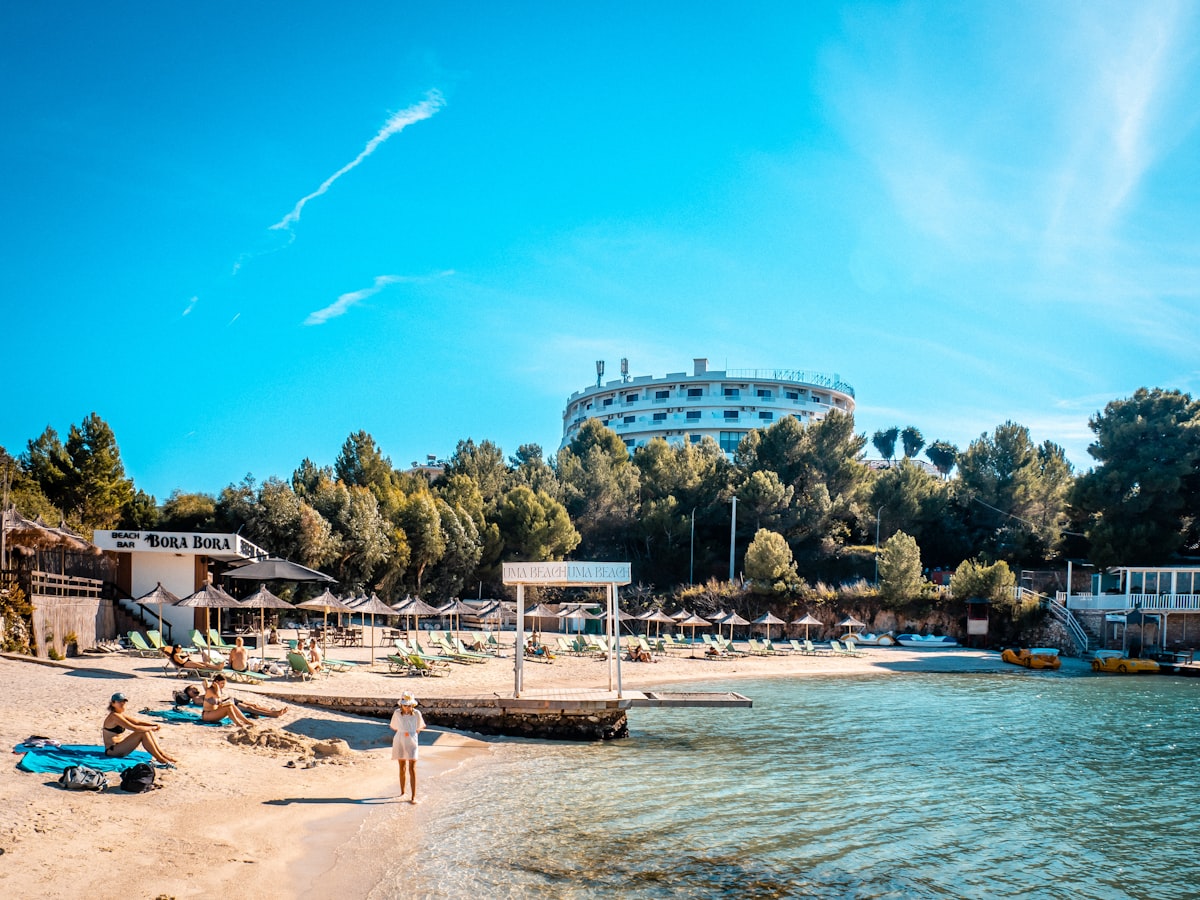
May
#1 of 12 months
Best match
Dry season begins — the lagoon turns its iconic turquoise, temperatures are pleasant, and the humpback whale season opens.
- ↑May marks the beginning of Bora Bora's dry season: rainfall drops to 90mm, the trade winds arrive from the southeast bringing clear skies and a comfortable breeze that takes the edge off the tropical heat, and the lagoon achieves the vivid turquoise colour that defines Bora Bora in the global imagination — the combination of the coral sand motu, the turquoise lagoon, and Mount Otemanu in clear sky is at its best from May onwards
- ↑Humpback whale season fully opens in May — whales arrive from their Antarctic feeding grounds and use French Polynesia's warm waters for breeding and calving; boat tours from the Bora Bora pier offer encounters (the whales approach the boats out of curiosity), and snorkelling alongside a 15-metre humpback is among the most singular wildlife experiences available in the Pacific
| Factor | July | May |
|---|---|---|
| Weather score | 10 | 8 |
| Value score | 3 | 7 |
| Crowd score | 2 | 6 |
| Events score | 8 | 6 |
| Atmosphere | 9 | 9 |
| Avg high temp | 26°C | 28°C |
| Monthly rain | 35mm | 90mm |
| Daily sunshine | 9.5hrs | 8.5hrs |
July trade-offs
- ↓July is the most expensive month in Bora Bora — overwater bungalows at the Four Seasons and St. Regis reach US$2,200–3,000+ per night; the Conrad and Intercontinental at US$1,400–1,800; there is no affordable accommodation on the island and the luxury tier is at its most expensive
- ↓Advance booking is essential — July stays at any Bora Bora property require 4–6 months' advance reservation; last-minute July bookings are essentially impossible at any price
- ↓The Heiva festival brings additional Polynesian and French visitors to Bora Bora in the first two weeks of July; the island's small permanent population (10,000) is dwarfed by the July visitor volume, and the resort grounds and lagoon tours feel their busiest
May trade-offs
- ↓Some residual rainfall remains in May (90mm) — the dry season in Bora Bora is never bone-dry; brief tropical showers are still possible daily, though they typically last 30 minutes and are followed by sunshine
- ↓Crowds begin building in May as European visitors target the shoulder season and Tahiti-based tour packages ramp up; the best overwater bungalow categories fill up 3–4 months in advance for May stays
- ↓Temperatures drop slightly from the wet season highs — 28°C days with the trade wind chill create what is subjectively the most comfortable temperature range of the year, but those who equate tropical with very hot may find May slightly cool for extended lagoon swimming
Scores compare months within Bora Bora. Climate data: Open Meteo ERA5 30-year normals (1991–2020). Methodology →