Bora Bora · Month comparison
March vs May
May ranks #1 overall vs March at #8. Dry season begins — the lagoon turns its iconic turquoise, temperatures are pleasant, and the humpback whale season opens.
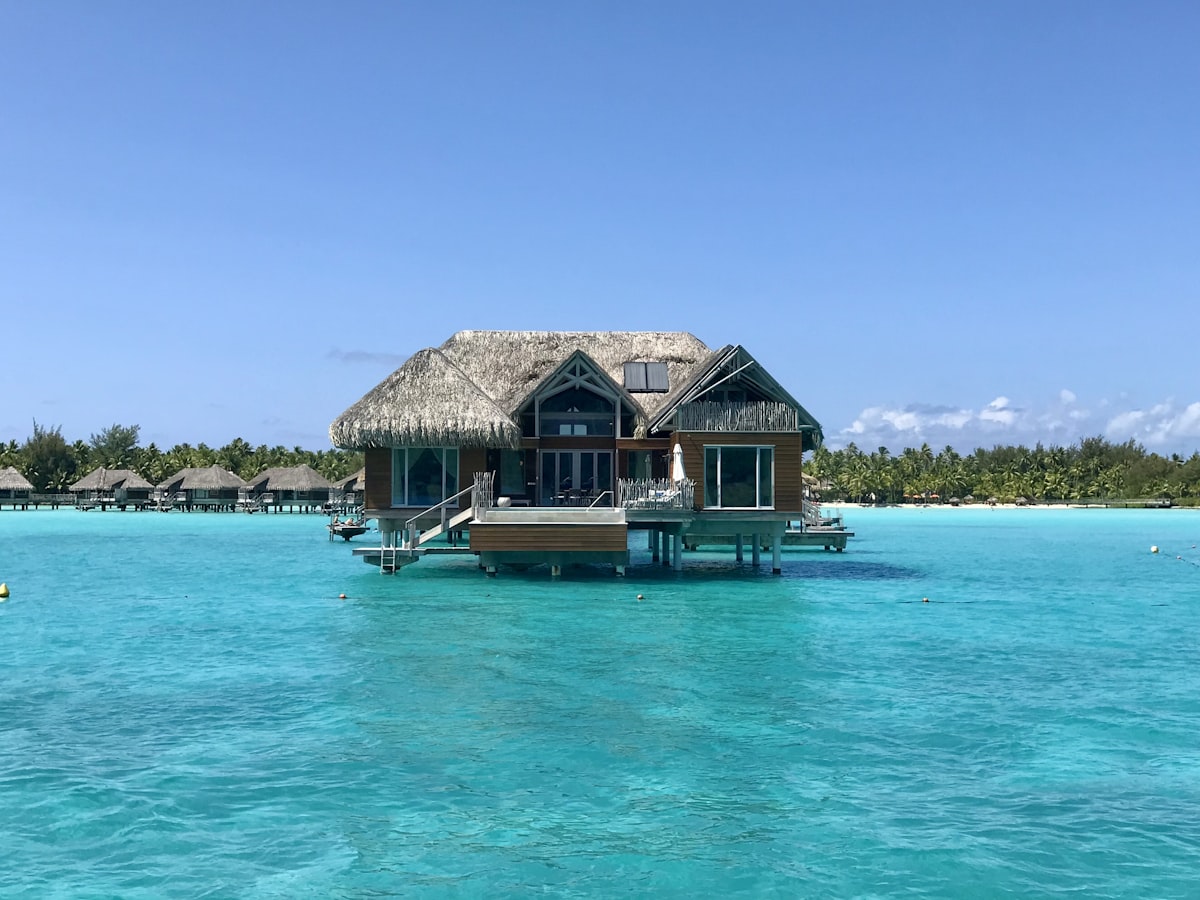
March
#8 of 12 months
Strong option
Wet season tailing off — still significant rain but sunshine hours improve and the transition to drier conditions begins.
- ↑March is the transition month — rainfall remains high but the heaviest wet season precipitation is behind; sunshine hours improve meaningfully (7.5 vs 7.0 in February), and the stretches of clear blue-sky weather begin to lengthen
- ↑Manta ray season: the Bora Bora lagoon's cleaning stations (where mantas hover while small wrasse remove parasites) are most reliably visited in the wet months (November–March); the Tapu manta ray site is the most accessible and productive in French Polynesia for snorkelling encounters
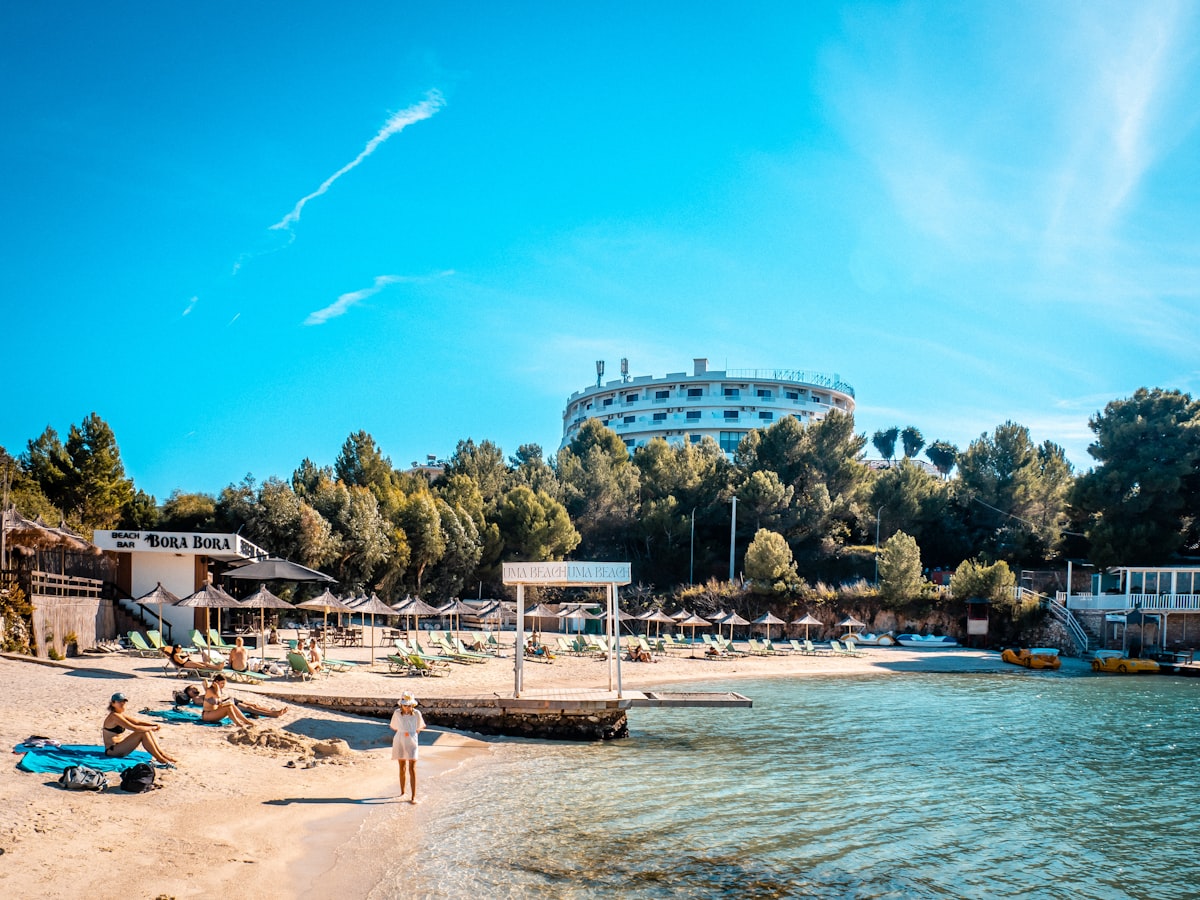
May
#1 of 12 months
Best match
Dry season begins — the lagoon turns its iconic turquoise, temperatures are pleasant, and the humpback whale season opens.
- ↑May marks the beginning of Bora Bora's dry season: rainfall drops to 90mm, the trade winds arrive from the southeast bringing clear skies and a comfortable breeze that takes the edge off the tropical heat, and the lagoon achieves the vivid turquoise colour that defines Bora Bora in the global imagination — the combination of the coral sand motu, the turquoise lagoon, and Mount Otemanu in clear sky is at its best from May onwards
- ↑Humpback whale season fully opens in May — whales arrive from their Antarctic feeding grounds and use French Polynesia's warm waters for breeding and calving; boat tours from the Bora Bora pier offer encounters (the whales approach the boats out of curiosity), and snorkelling alongside a 15-metre humpback is among the most singular wildlife experiences available in the Pacific
| Factor | March | May |
|---|---|---|
| Weather score | 5 | 8 |
| Value score | 7 | 7 |
| Crowd score | 7 | 6 |
| Events score | 4 | 6 |
| Atmosphere | 7 | 9 |
| Avg high temp | 30°C | 28°C |
| Monthly rain | 220mm | 90mm |
| Daily sunshine | 7.5hrs | 8.5hrs |
March trade-offs
- ↓220mm of rain keeps March within the high-rainfall bracket; days of 2–4 hours of heavy tropical rain interspersed with warm sunshine remain the pattern
- ↓Cyclone season technically continues through April — the risk reduces markedly from March onward, but travel insurance covering weather disruption remains important
- ↓The main island loop road and some of the Mount Otemanu hiking trails become slippery and muddy in the wet season; the 4WD tour around the island's WWII gun emplacements and interior is best in the dry season
May trade-offs
- ↓Some residual rainfall remains in May (90mm) — the dry season in Bora Bora is never bone-dry; brief tropical showers are still possible daily, though they typically last 30 minutes and are followed by sunshine
- ↓Crowds begin building in May as European visitors target the shoulder season and Tahiti-based tour packages ramp up; the best overwater bungalow categories fill up 3–4 months in advance for May stays
- ↓Temperatures drop slightly from the wet season highs — 28°C days with the trade wind chill create what is subjectively the most comfortable temperature range of the year, but those who equate tropical with very hot may find May slightly cool for extended lagoon swimming
Scores compare months within Bora Bora. Climate data: Open Meteo ERA5 30-year normals (1991–2020). Methodology →