Chiang Rai · Month comparison
December vs February
February ranks #1 overall vs December at #4. Ideal conditions continue — the last clear month before burning season haze begins to build.
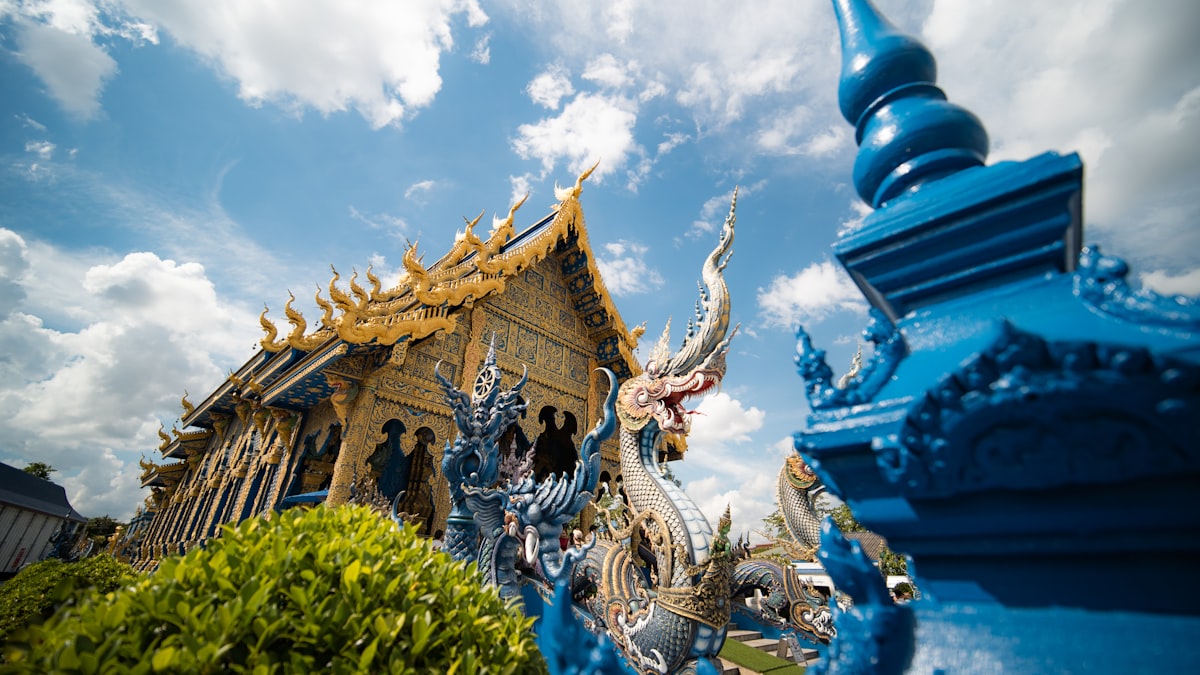
December
#4 of 12 months
Best match
The clearest, coolest month — every temple visit and hill tribe trek is at its most rewarding.
- ↑Near-zero rainfall (14mm) and maximum sunshine: the White Temple's mirror tiles, the Blue Temple's cobalt walls, and the Black House's courtyards are all at their photographic best
- ↑Coldest nights of the year (12°C) make tea plantation visits on Doi Mae Salong genuinely refreshing
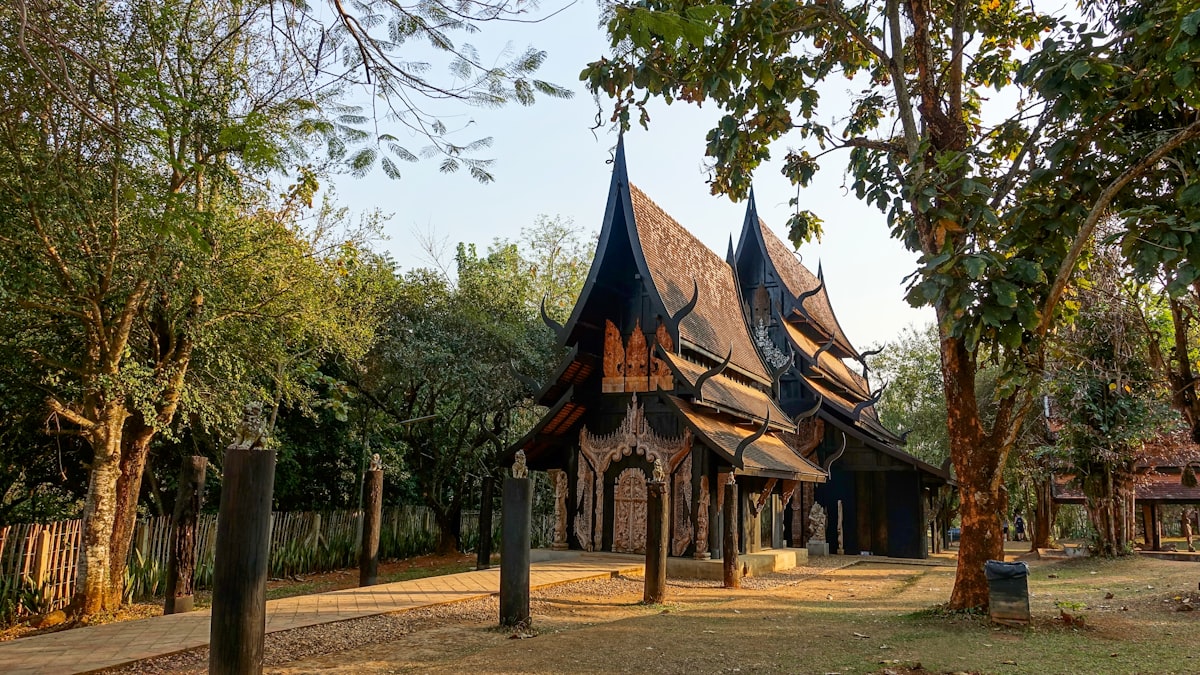
February
#1 of 12 months
Best match
Ideal conditions continue — the last clear month before burning season haze begins to build.
- ↑Still virtually rain-free with maximum sunshine: the best month for long-distance Golden Triangle views
- ↑Chiang Rai Flower Festival (first week of February): the city centre fills with floral displays and local cultural performances
| Factor | December | February |
|---|---|---|
| Weather score | 10 | 10 |
| Value score | 4 | 4 |
| Crowd score | 3 | 3 |
| Events score | 6 | 8 |
| Atmosphere | 9 | 9 |
| Avg high temp | 27.8°C | 31°C |
| Monthly rain | 14mm | 12mm |
| Daily sunshine | 9hrs | 9.2hrs |
December trade-offs
- ↓Peak tourist season: the White Temple draws its largest queues of the year from mid-December
- ↓Accommodation prices at their highest; the limited stock of quality guesthouses in Chiang Rai books out fast
- ↓Golden Triangle resort prices reflect peak season demand — advance booking of 6–8 weeks minimum
February trade-offs
- ↓Crowds remain at peak levels; the White Temple continues to draw long queues throughout February
- ↓Last truly clear month before the March–April burning season begins degrading air quality
- ↓February fills accommodation quickly; Chiang Rai has limited mid-range hotel stock
Scores compare months within Chiang Rai. Climate data: Open Meteo ERA5 30-year normals (1991–2020). Methodology →