Showing: Feb · Unsplash / Unsplash
Thailand · Southeast Asia
Best time to visit Chiang Rai
February
Feb scores highest overall — reliable weather and strong local atmosphere. Set your priorities below to personalise this result.
What matters most to you?
All 12 months — click any to expand
Feb
Unsplash / Unsplash
Ideal conditions continue — the last clear month before burning season haze begins to build.
31°C
High
14.5°C
Low
12mm
Rain
9.2h
Sun/day
What you gain
- ↑Still virtually rain-free with maximum sunshine: the best month for long-distance Golden Triangle views
- ↑Chiang Rai Flower Festival (first week of February): the city centre fills with floral displays and local cultural performances
- ↑Temperatures warming slightly from January — perfect for outdoor dining in the Night Bazaar every evening
What you sacrifice
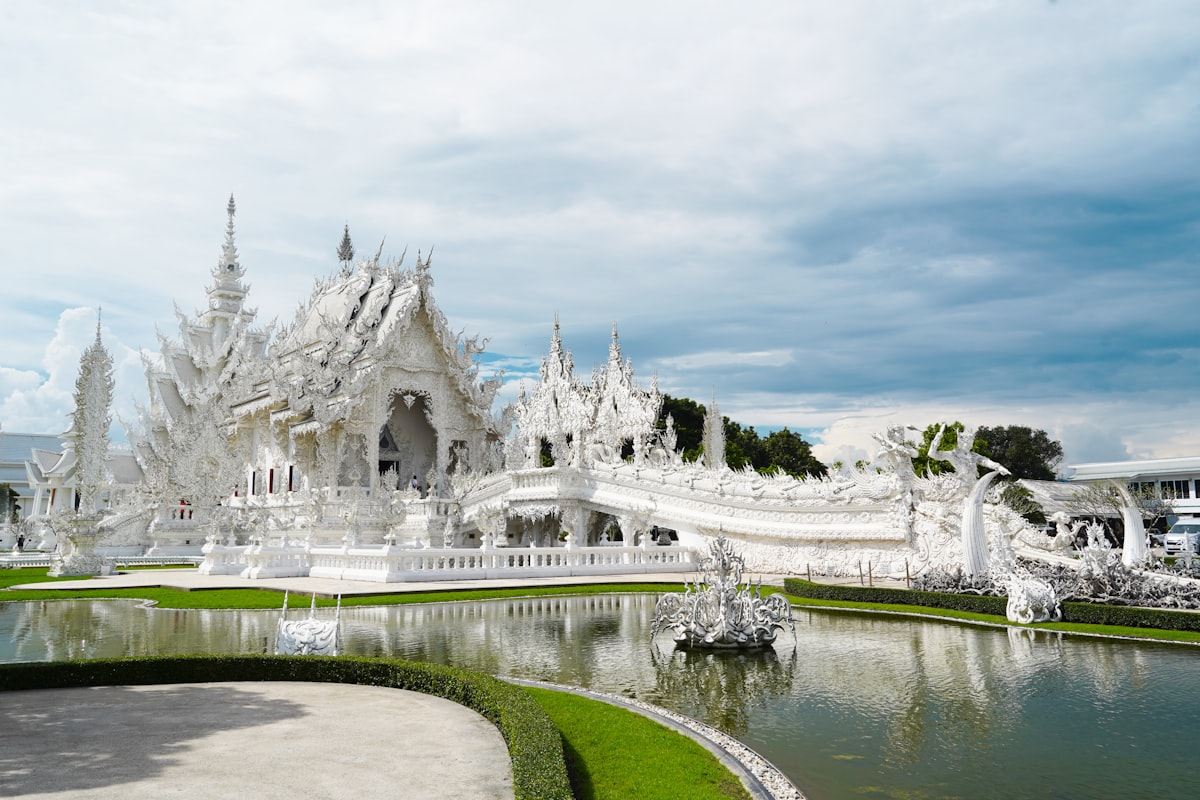
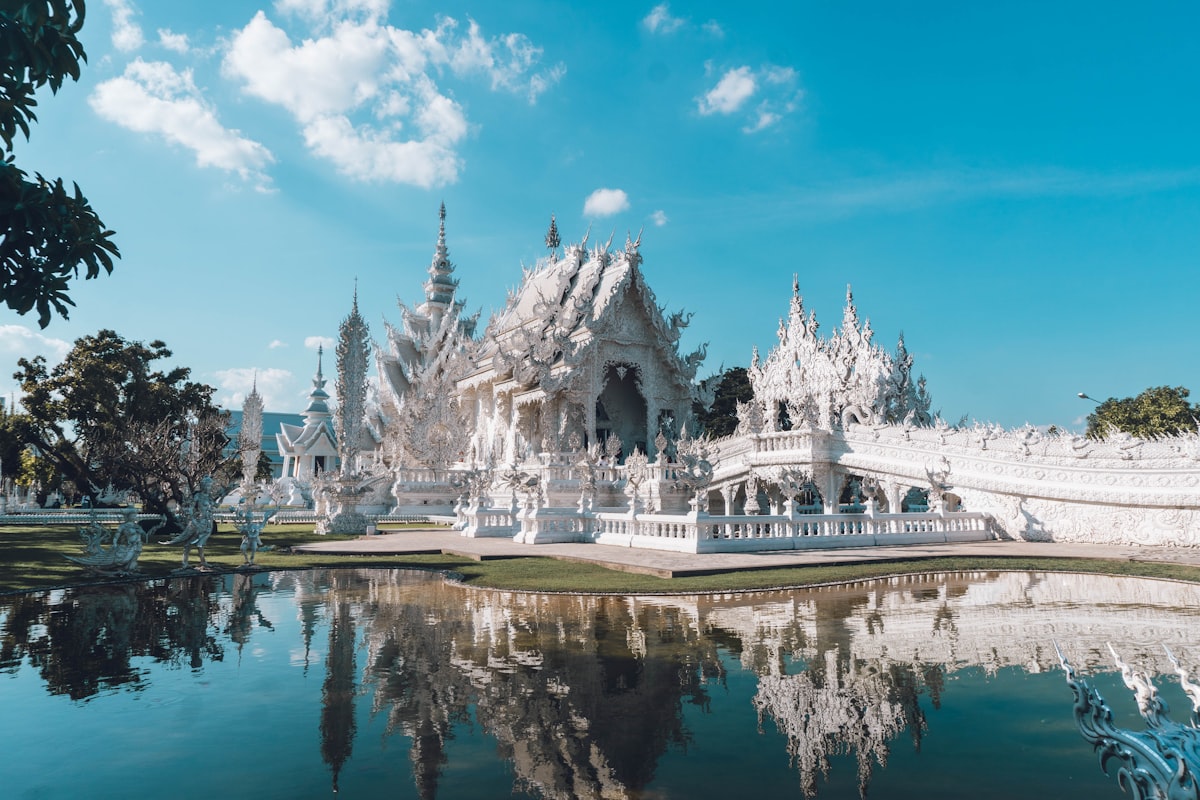
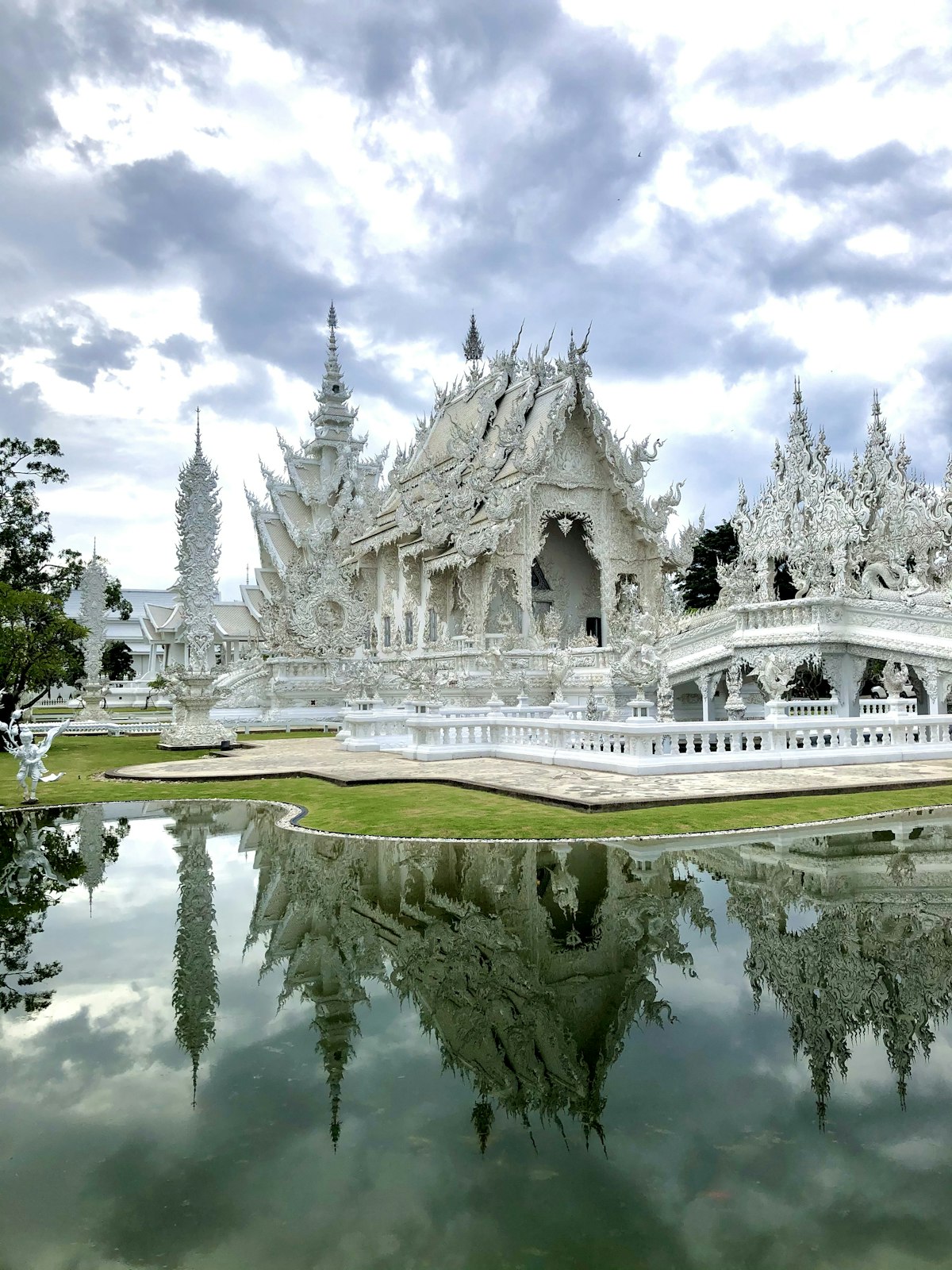
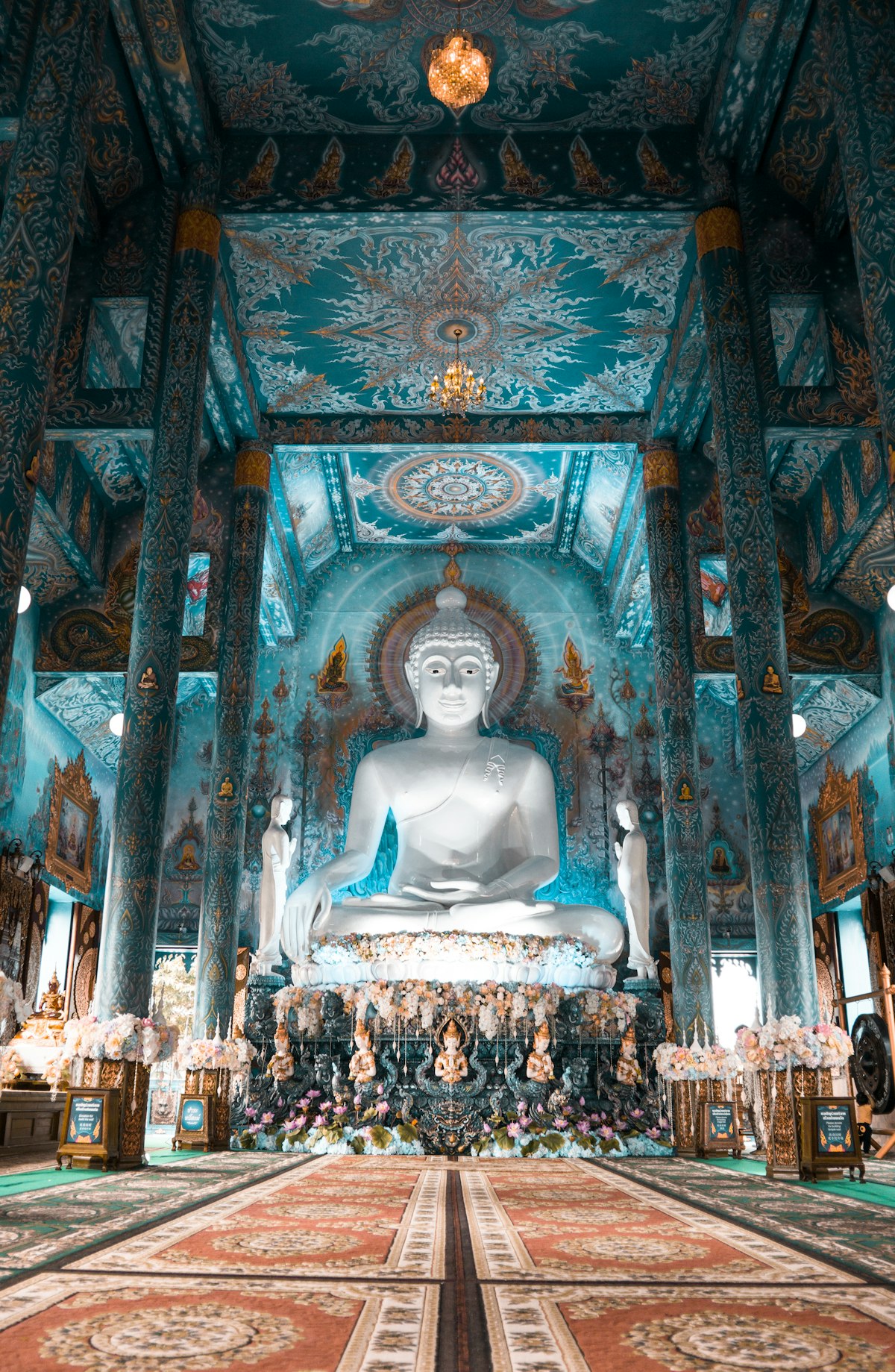
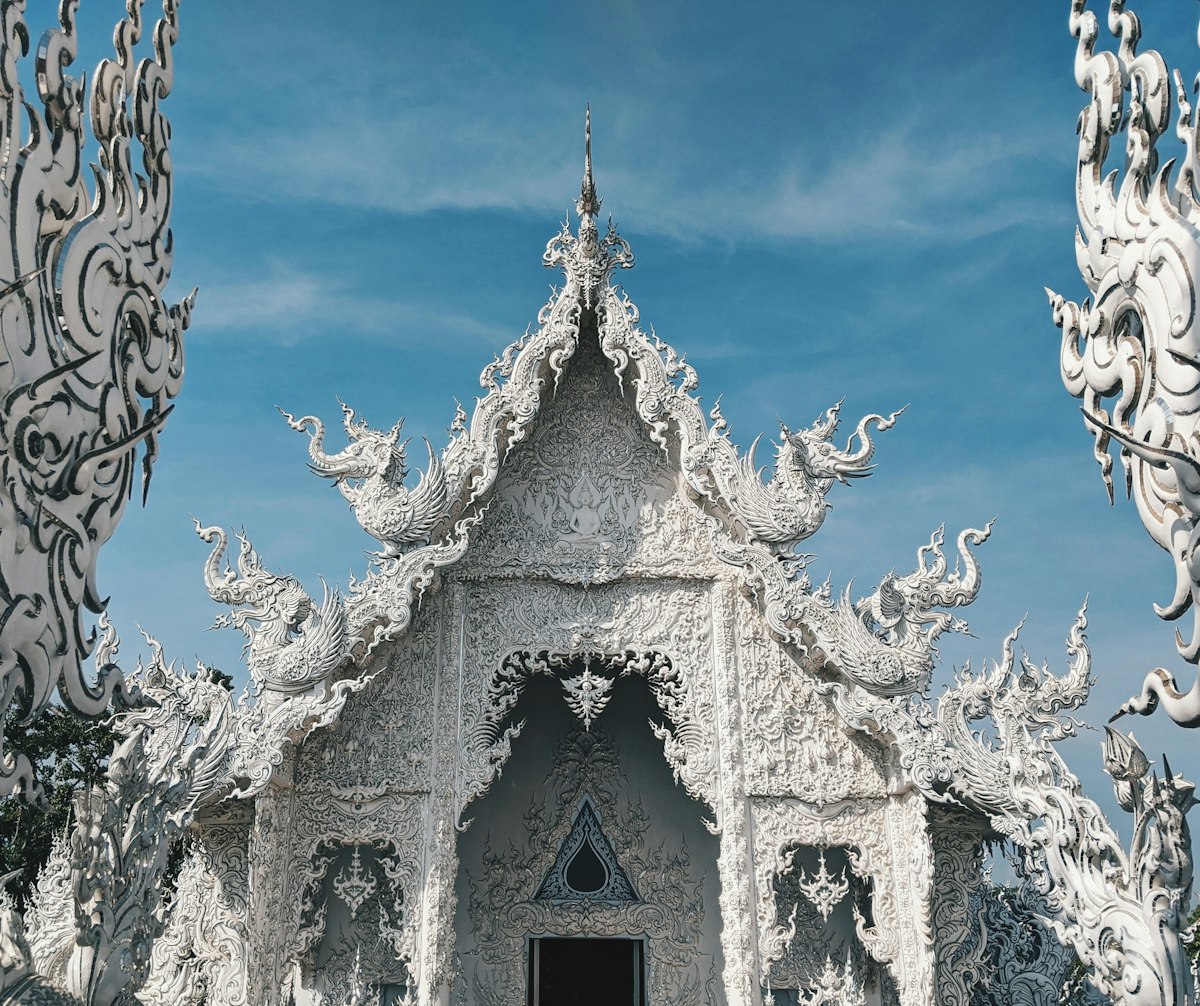
- ↓Crowds remain at peak levels; the White Temple continues to draw long queues throughout February
- ↓Last truly clear month before the March–April burning season begins degrading air quality
- ↓February fills accommodation quickly; Chiang Rai has limited mid-range hotel stock
Feb scores highest overall — reliable weather and strong local atmosphere. Set your priorities below to personalise this result.
Feb
Ideal conditions continue — the last clear month before burning season haze begins to build.
31°C
High
12mm
Rain
9.2h
Sun
- ↑Still virtually rain-free with maximum sunshine: the best month for long-distance Golden Triangle views
- ↑Chiang Rai Flower Festival (first week of February): the city centre fills with floral displays and local cultural performances
- ↑Temperatures warming slightly from January — perfect for outdoor dining in the Night Bazaar every evening
- ↓Crowds remain at peak levels; the White Temple continues to draw long queues throughout February
- ↓Last truly clear month before the March–April burning season begins degrading air quality
- ↓February fills accommodation quickly; Chiang Rai has limited mid-range hotel stock
Top travel windows
★ BestFebruary
Best overall
Highest combined score
31°C
High
12mm
Rain
9.2h
Sun
July
Best for value
Lowest prices & fees
31.5°C
High
195mm
Rain
5h
Sun
July
Fewest crowds
Quietest month
31.5°C
High
195mm
Rain
5h
Sun
Breakdown by priority
Best for weather
February
31°C high · 12mm rain · 9.2hrs sun/day
Best for budget
July
Lowest tourist volumes of the year: an entirely different, unfiltered experience of Chiang Rai
Fewest crowds
July
Lowest tourist volumes of the year: an entirely different, unfiltered experience of Chiang Rai
Worst time to visit
July, September, August, June
195mm: the most rainfall of any month — outdoor itineraries require complete flexibility and low expectations
Where to stay in Chiang Rai
All neighbourhoods →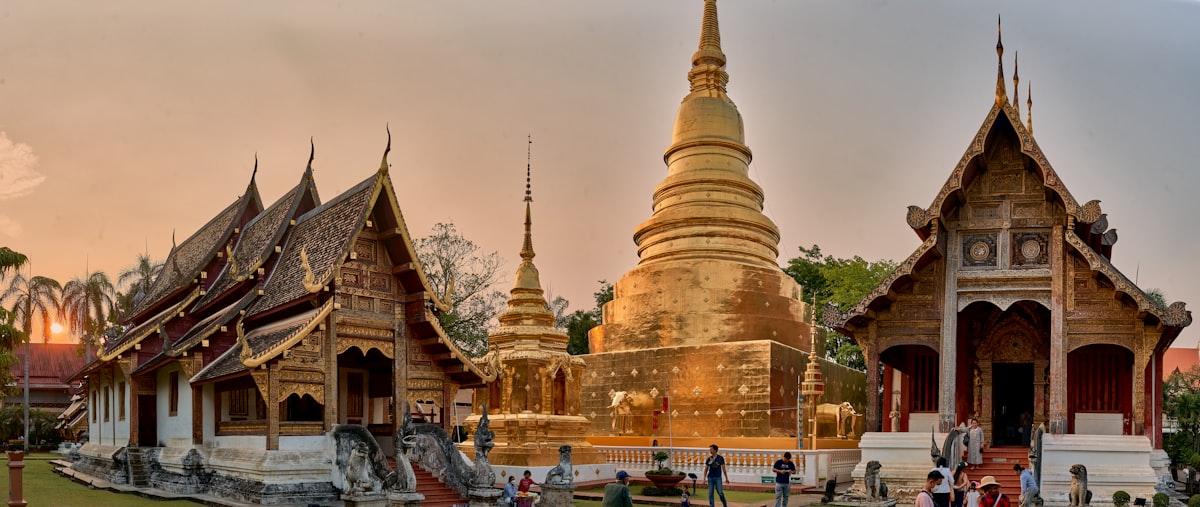
City Centre & Night Bazaar
Chiang Rai's practical core — affordable guesthouses, the best night market, and easy access to all temples.
10/10
Central
8/10
Walk
8/10
Transit
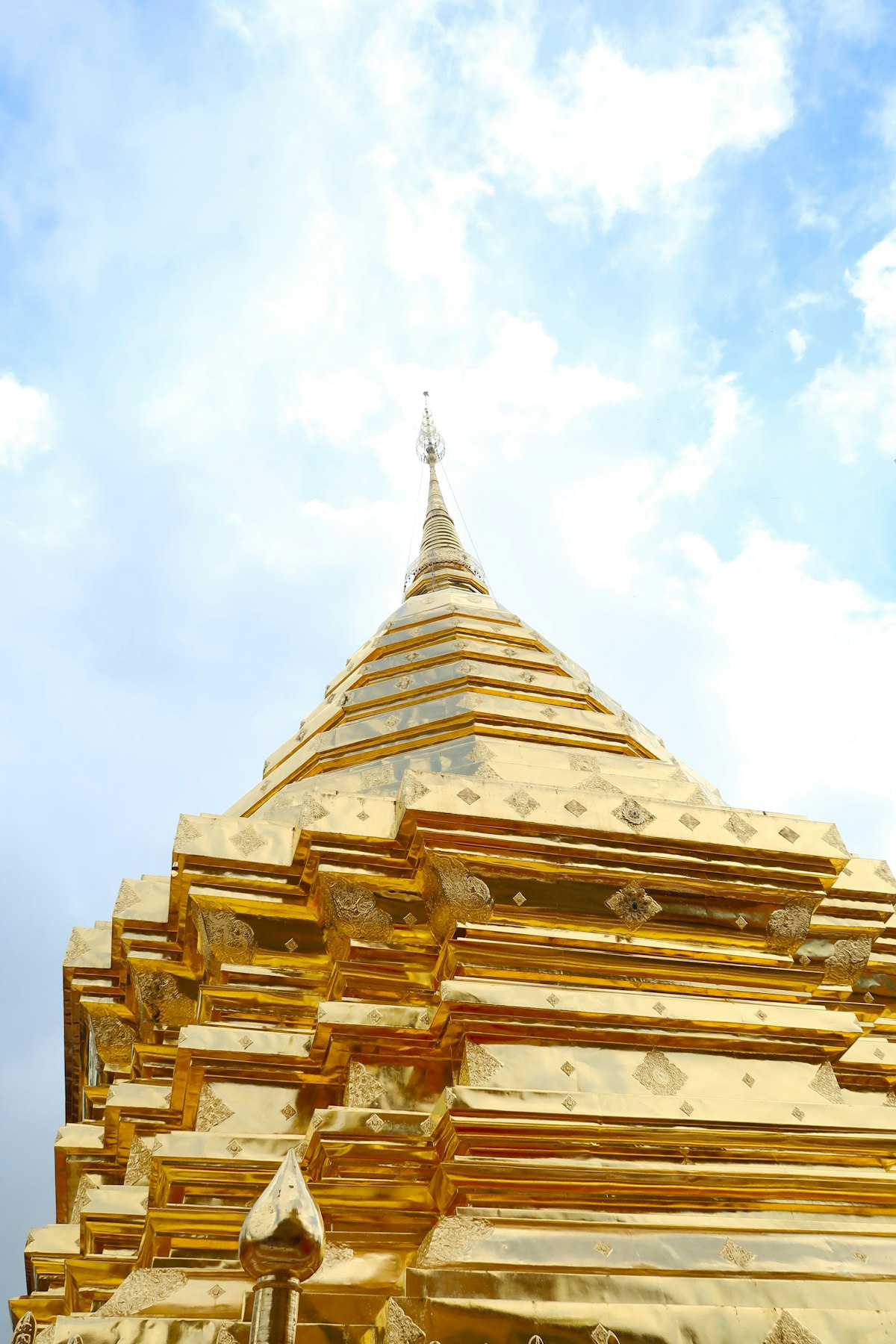
White Temple Corridor
South Chiang Rai's temple route — the White Temple, local guesthouses, and a quieter base than the city.
5/10
Central
4/10
Walk
5/10
Transit
Also exploring
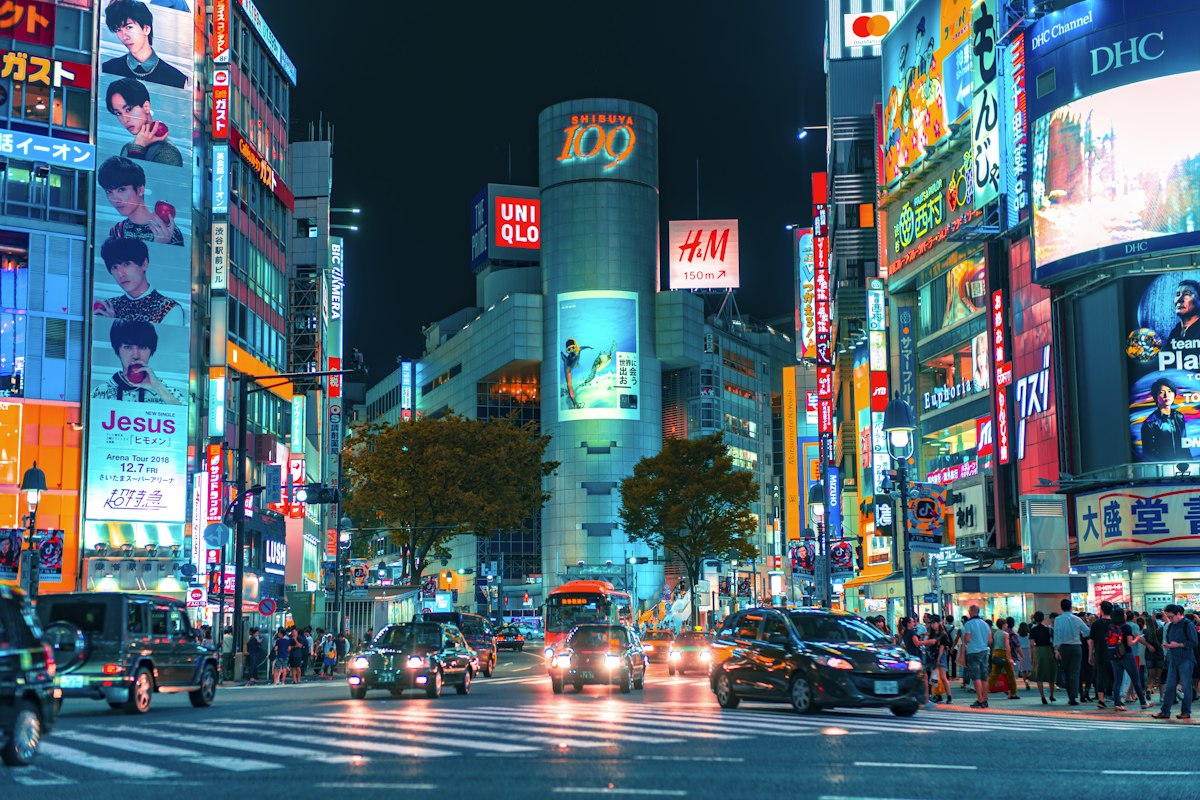
Tokyo
Japan
A city of dramatic seasonal contrasts — cherry blossom crowds, oppressive summer humidity, and golden autumn foliage — where the wrong timing can make or break the trip.
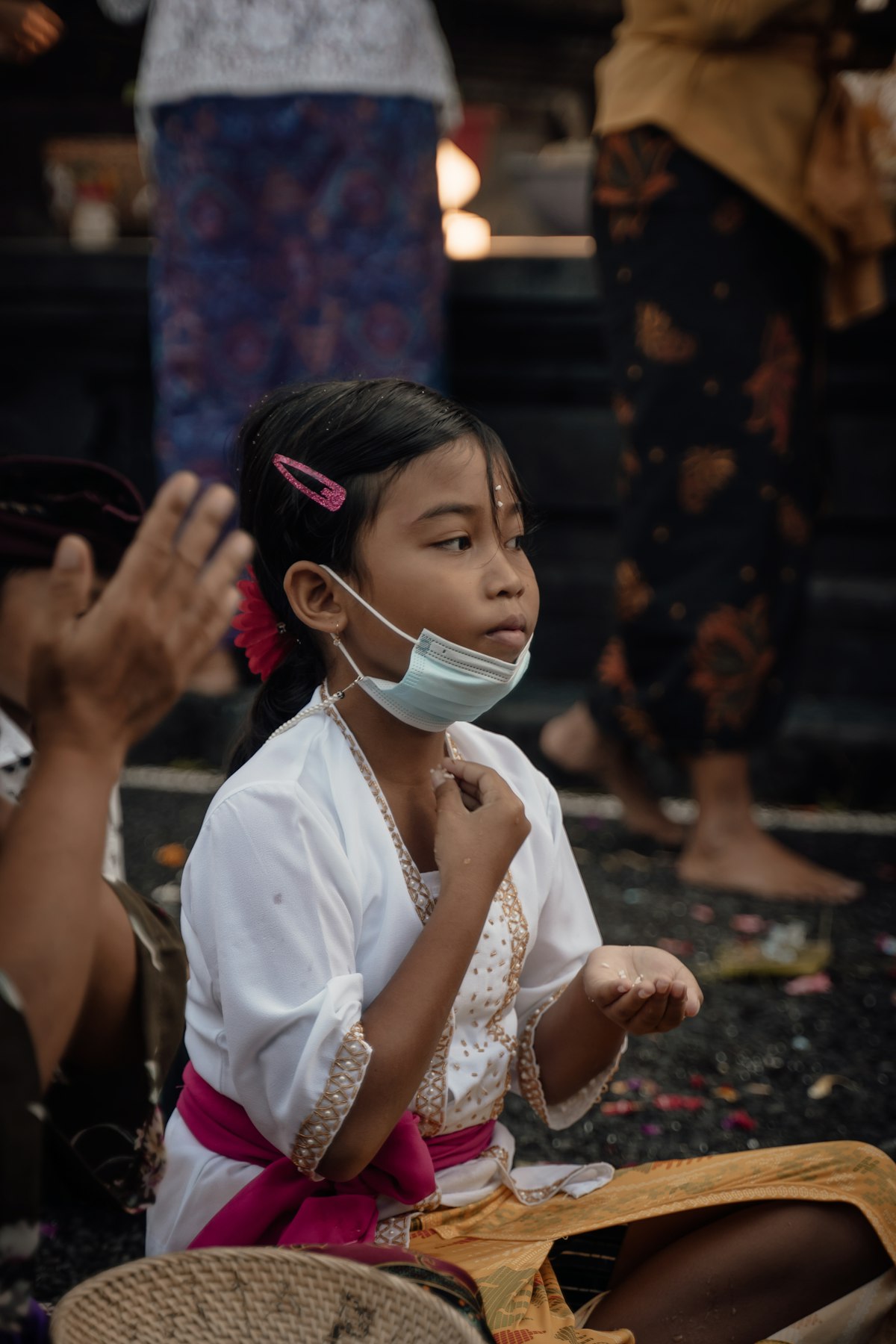
Bali
Indonesia
A Hindu island of rice terraces, temple ceremonies, and surf breaks where the monsoon makes timing genuinely binary — the difference between dry and wet season is not subtle.
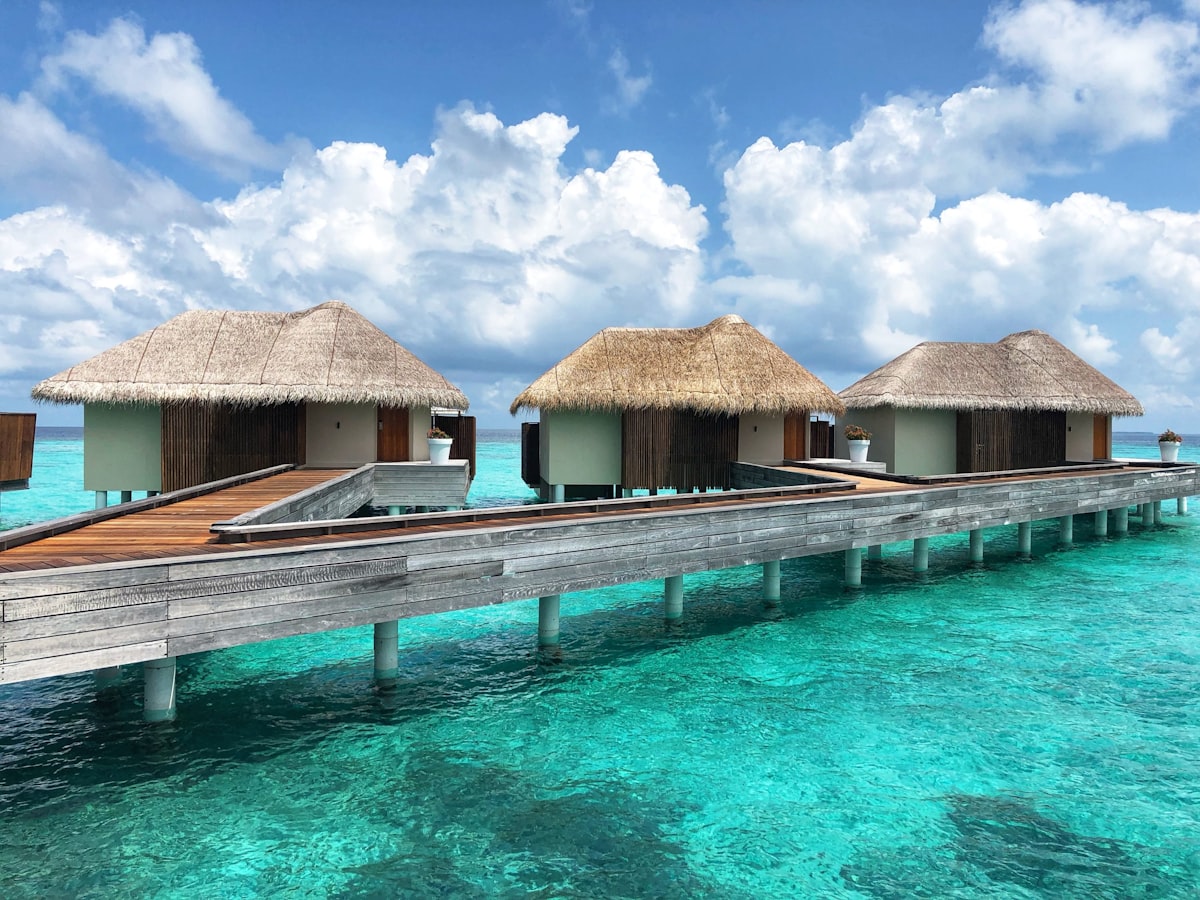
Maldives
Maldives
A destination defined almost entirely by its monsoon calendar — the difference between the NE dry season (November–April) and SW wet season (May–October) is not subtle and shapes every aspect of the experience.
Month by month breakdown
January#3▾
Gains
- ↑Near-zero rainfall (8mm) and 9 hours of sunshine daily — temple photography conditions are exceptional
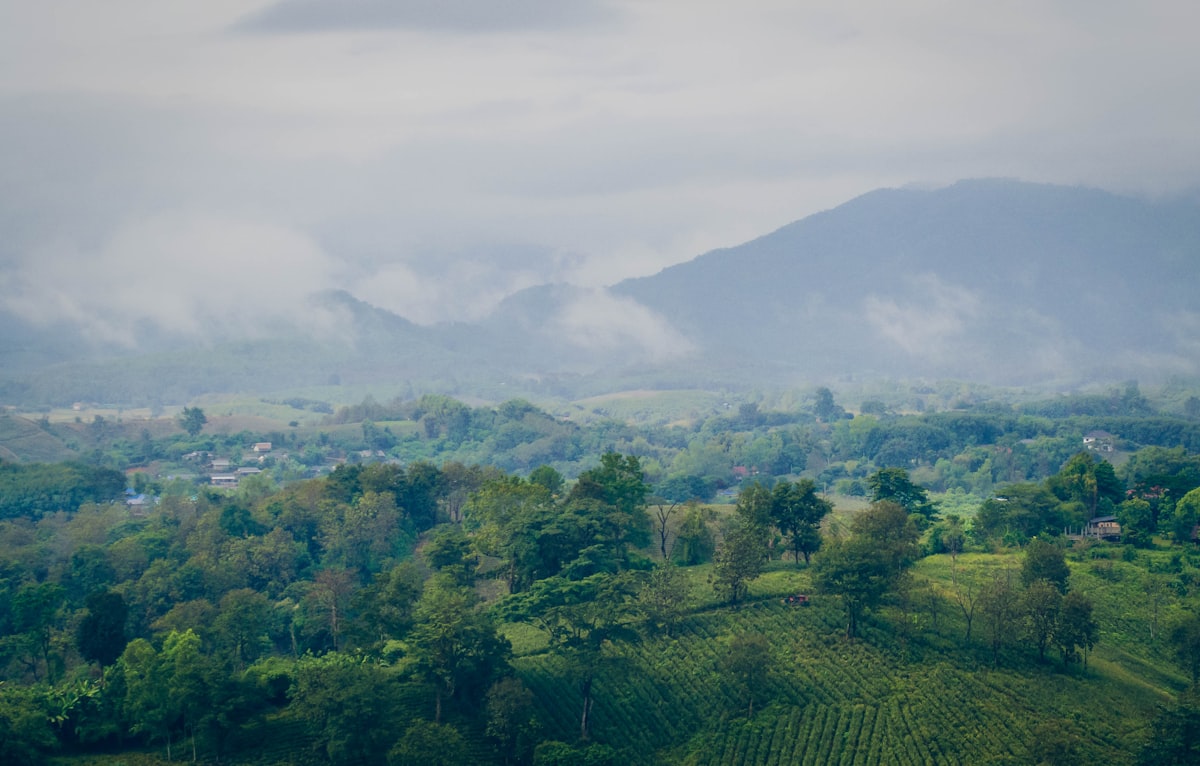
- ↑Cool mornings (12°C) make hill tribe village trekking and tea plantation visits genuinely comfortable
- ↑Chinese New Year preparations (late January or February) add festive colour to the city markets
Sacrifices
- ↓Peak tourist season: accommodation prices are at their highest and the White Temple queue begins before it opens
- ↓Advance booking essential for guesthouses near the White Temple Corridor and Golden Triangle resorts
- ↓Cooler nights at 12°C require a light jacket — unusual packing for a Thailand trip
February#1▾
Gains
- ↑Still virtually rain-free with maximum sunshine: the best month for long-distance Golden Triangle views
- ↑Chiang Rai Flower Festival (first week of February): the city centre fills with floral displays and local cultural performances
- ↑Temperatures warming slightly from January — perfect for outdoor dining in the Night Bazaar every evening
Sacrifices
- ↓Crowds remain at peak levels; the White Temple continues to draw long queues throughout February
- ↓Last truly clear month before the March–April burning season begins degrading air quality
- ↓February fills accommodation quickly; Chiang Rai has limited mid-range hotel stock
March#11▾
Gains
- ↑Crowds noticeably reduced from January–February peak; accommodation prices drop
- ↑Technically dry with minimal rain — temple visits are rain-free even if visibility is not
- ↑Good value window before the intense heat of April
Sacrifices
- ↓Burning season (Mar–Apr): farmers burn fields across the north — haze is often severe, with PM2.5 levels reaching unhealthy ranges
- ↓Temple photography ruined by brown, smoke-filled skies that replace the crisp blues of cool season
- ↓35°C+ heat combined with smoke makes outdoor activities uncomfortable for many visitors
April#5▾
Gains
- ↑Songkran water festival (13–15 April): the Night Bazaar and city centre transform into one of Thailand's best water fight celebrations
- ↑First rains of the transitional season begin washing out some of the burning season smoke by late April
- ↑Local atmosphere is at its most festive; Chiang Rai's Songkran is less commercialised than Chiang Mai's
Sacrifices
- ↓36–37°C is the hottest of the year: outdoor activities beyond early morning or after dark become genuinely exhausting
- ↓Burning season air quality remains poor especially in early April — a real health concern for sensitive travellers
- ↓Songkran week: accommodation prices spike and guesthouses fill up entirely
May#9▾
Gains
- ↑Prices drop significantly from peak season — some of the best accommodation value of the year
- ↑Burning season haze completely washed away by the monsoon: air quality returns to clean
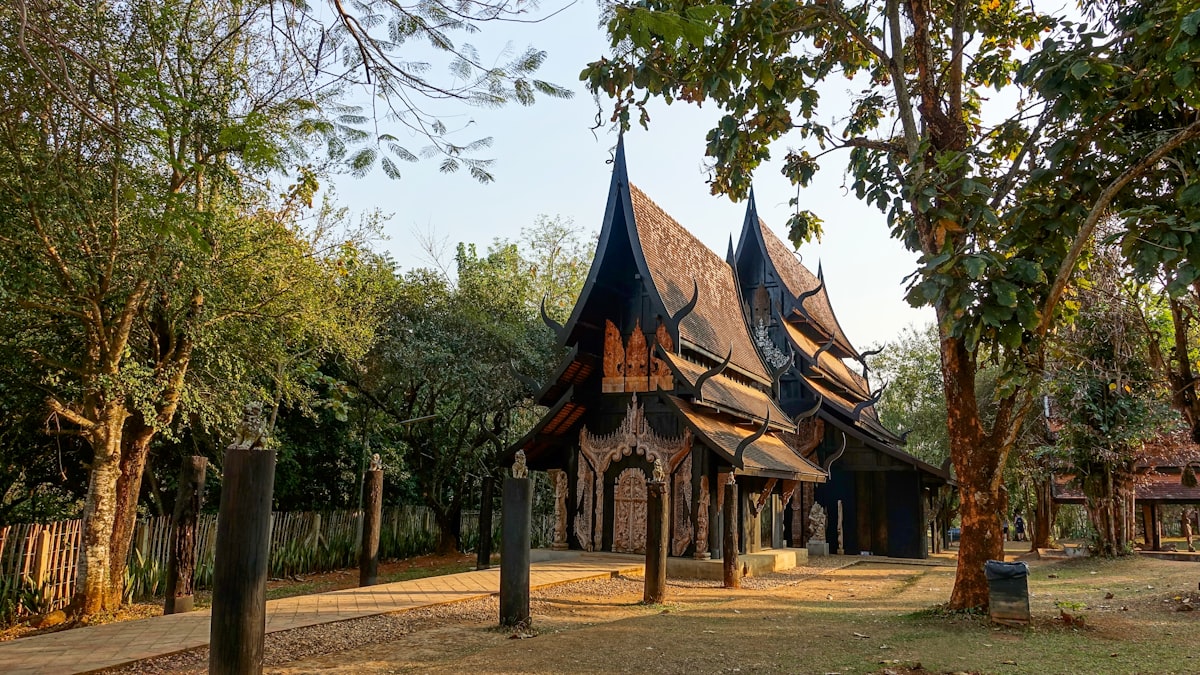
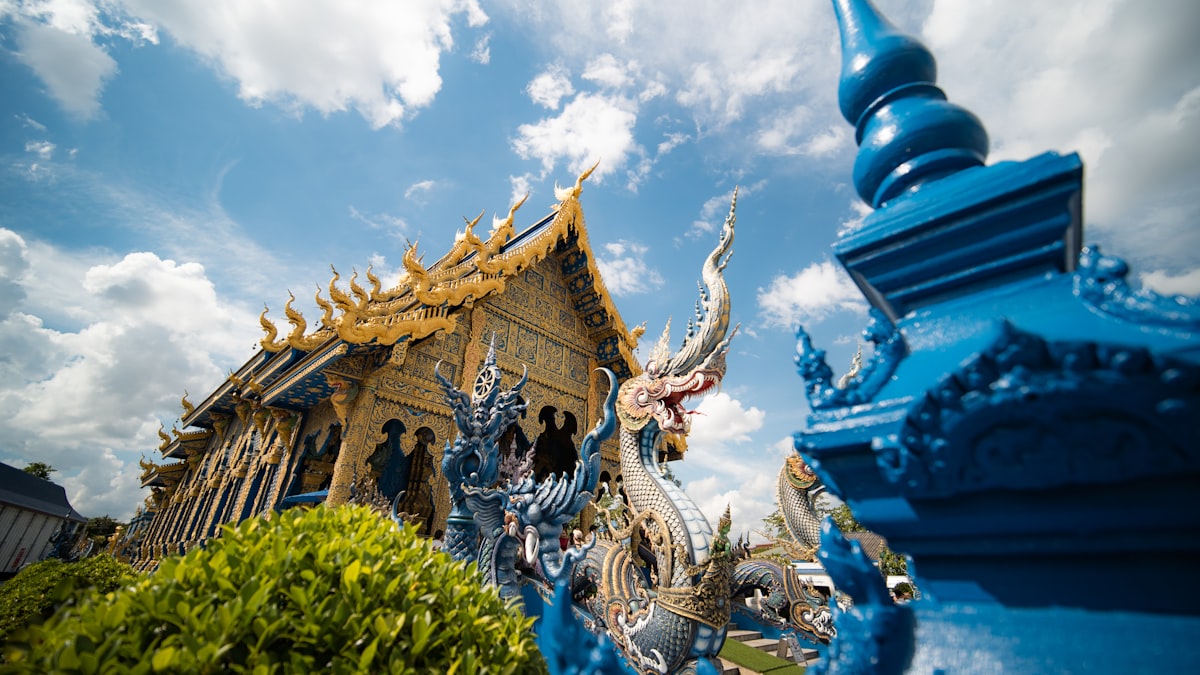
- ↑City visits (White Temple, Blue Temple, Black House) remain accessible despite rain
Sacrifices
- ↓145mm of rain with heavy afternoon downpours: hill tribe trekking and countryside routes become muddy and difficult
- ↓Golden Triangle boat trips disrupted by high river levels and variable conditions
- ↓Lush green landscape is beautiful but photography light is flat and grey most days
June#12▾
Gains
- ↑Budget travel window: accommodation rates at near-annual lows, easily negotiable
- ↑Virtually no international tourists: an authentic local-only experience for those who don't mind the weather
- ↑Tea plantations on Doi Mae Salong are at their most intensely green
Sacrifices
- ↓185mm of rain: heavy, sustained daily rainfall disrupts most outdoor activities
- ↓Countryside roads to hill tribe villages can become impassable after sustained rain events
- ↓White Temple and Blue Temple visits are limited to brief windows between downpours
July#7▾
Gains
- ↑Lowest tourist volumes of the year: an entirely different, unfiltered experience of Chiang Rai
- ↑Exceptional value at even the best guesthouses in the Golden Triangle area
- ↑Asahna Bucha (Buddhist holiday) brings candle processions to local temples — a meaningful cultural event
Sacrifices
- ↓195mm: the most rainfall of any month — outdoor itineraries require complete flexibility and low expectations
- ↓River levels at Chiang Saen and Golden Triangle are high; some boat services suspended
- ↓High humidity (81%) combined with warm temperatures makes physical activity draining
August#10▾
Gains
- ↑Waterfalls throughout the Mae Fah Luang district at full flow — spectacular if you can access them
- ↑Prices as low as any month of the year for accommodation and tours
- ↑The Mekong at its most dramatic: powerful river views from Chiang Saen and the Golden Triangle
Sacrifices
- ↓210mm: the heaviest rainfall month — flooding in low-lying areas is a real risk
- ↓Outdoor sightseeing is genuinely curtailed: even the White Temple grounds become waterlogged after heavy rain
- ↓Most hill tribe trekking routes temporarily impassable; reputable agencies suspend overnight treks
September#8▾
Gains
- ↑Quietest month for international visitors: Chiang Rai feels entirely local
- ↑Green season landscapes are genuinely beautiful for those who can accept the rain
- ↑Best month to negotiate rates at resorts and hill tribe homestays
Sacrifices
- ↓175mm of rain and 82% humidity: conditions are among the most physically challenging of the year
- ↓River-crossing to Laos from Chiang Saen is weather-dependent and often suspended
- ↓Cool-season guesthouses and trekking companies operating at minimal capacity — fewer options
October#6▾
Gains
- ↑Rain decreasing toward month end: the promise of cool season is close
- ↑Ok Phansa (end of Buddhist Lent) brings illuminated boat processions on the Kok River — a local festival rarely seen by tourists
- ↑Prices still at wet-season lows while conditions gradually improve
Sacrifices
- ↓130mm still significant: outdoor activities require daily weather checks throughout October
- ↓Temperatures haven't dropped yet — 30°C with lingering humidity
- ↓The best months (November onward) are just ahead; October is the waiting room
November#2▾
Gains
- ↑Dry season firmly established: clear blue skies return and the White Temple's white glass glitters as it should
- ↑Loy Krathong (full moon November): krathong floating on the Kok River and lantern releases transform the Night Bazaar area
- ↑Cool evenings (16°C) make the Night Bazaar genuinely pleasant — the best outdoor dining conditions of the year
Sacrifices
- ↓Tourist season rebuilding: accommodation prices rising from October lows
- ↓Loy Krathong week: guesthouses fill and prices spike, particularly those with river access
- ↓The best clarity is still a month away — November is excellent but December is the sharper version
December#4▾
Gains
- ↑Near-zero rainfall (14mm) and maximum sunshine: the White Temple's mirror tiles, the Blue Temple's cobalt walls, and the Black House's courtyards are all at their photographic best
- ↑Coldest nights of the year (12°C) make tea plantation visits on Doi Mae Salong genuinely refreshing
- ↑Christmas and New Year celebrations in the Night Bazaar bring festive atmosphere without Bangkok-level commercialisation
Sacrifices
- ↓Peak tourist season: the White Temple draws its largest queues of the year from mid-December
- ↓Accommodation prices at their highest; the limited stock of quality guesthouses in Chiang Rai books out fast
- ↓Golden Triangle resort prices reflect peak season demand — advance booking of 6–8 weeks minimum
How this is calculated
Climate data
Open Meteo ERA5
30-year normals (1991–2020). Temperature, rainfall, sunshine, humidity.
Price & crowd
Tourism research
Seasonal pricing from tourism authority data. Directional — compares months within a destination only.
Personalisation
Weighted scoring
Your priorities change the weights. Budget-first users get different results than weather-first users.
Share this result
February is the best time to visit Chiang Rai
Travel timing updates
New destinations and timing guides, when they land.
No spam. Unsubscribe anytime.