

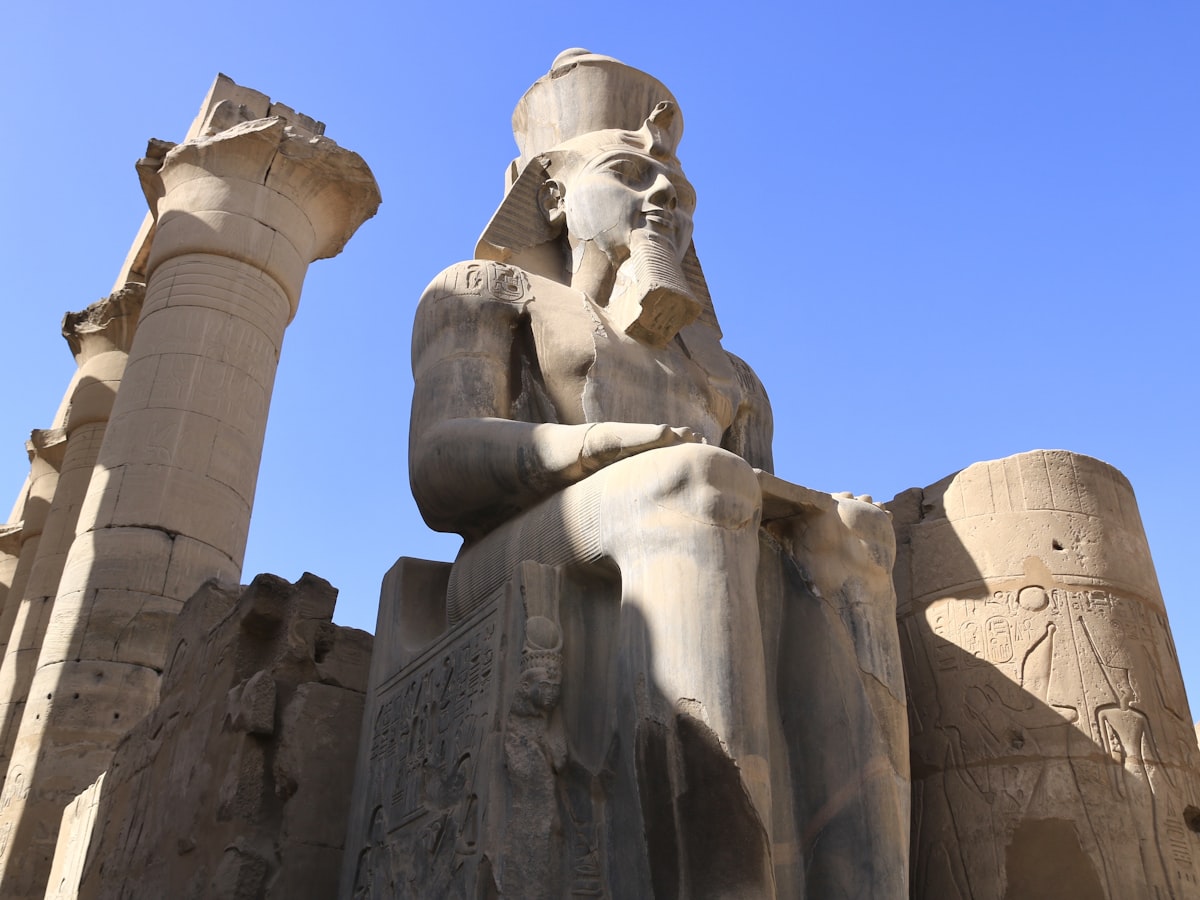
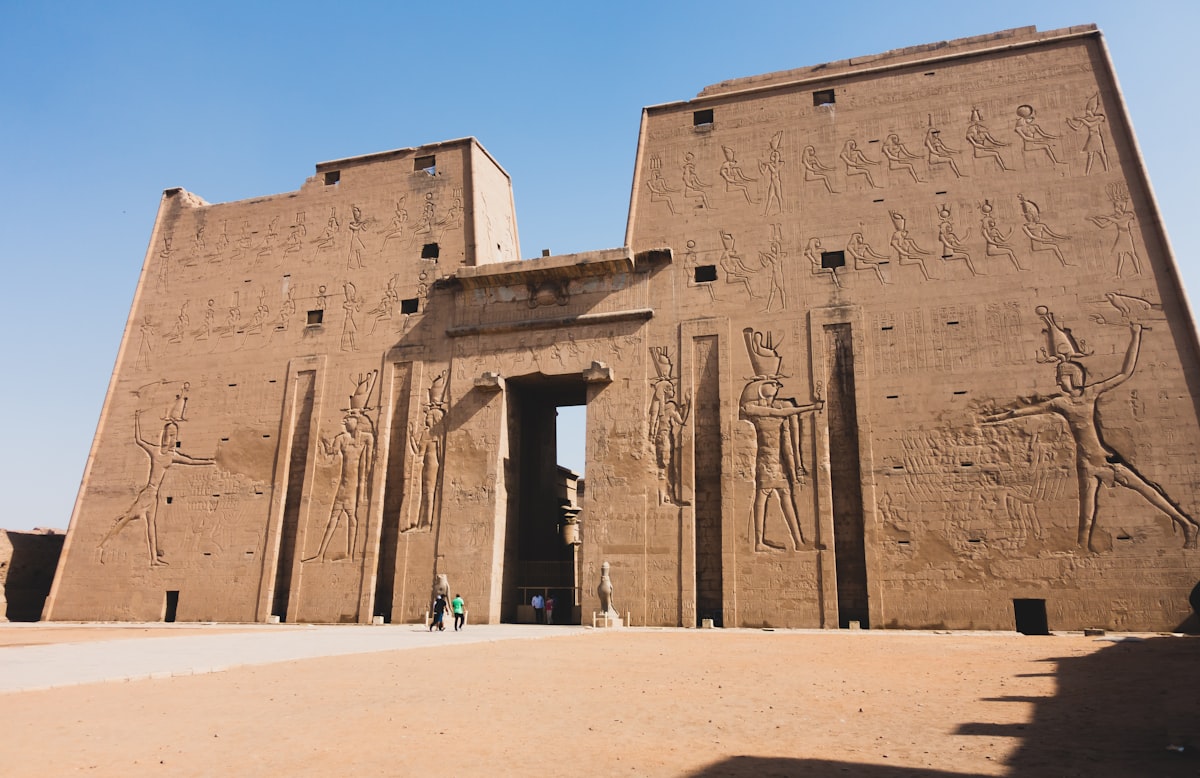
Showing: Nov · Unsplash / Unsplash
Egypt · North Africa
Best time to visit Luxor
November
Nov scores highest overall — reliable weather and strong local atmosphere. Set your priorities below to personalise this result.
What matters most to you?
All 12 months — click any to expand
Nov
Unsplash / Unsplash
Goldilocks weather (28C/13C) plus cruise season in full swing — the best month, with rates still under January peak.
28°C
High
13°C
Low
1mm
Rain
9h
Sun/day
What you gain
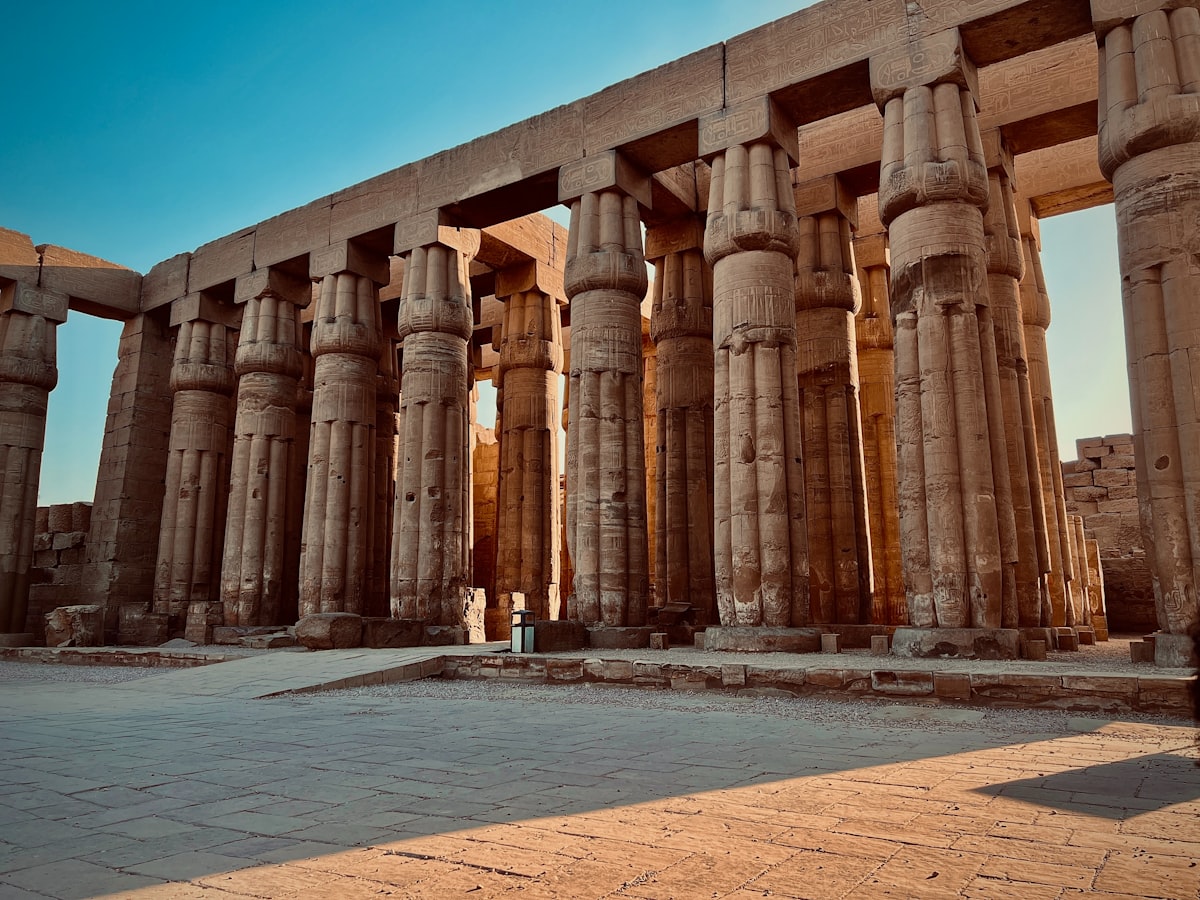
- ↑28C/13C perfect for full-day temple walking
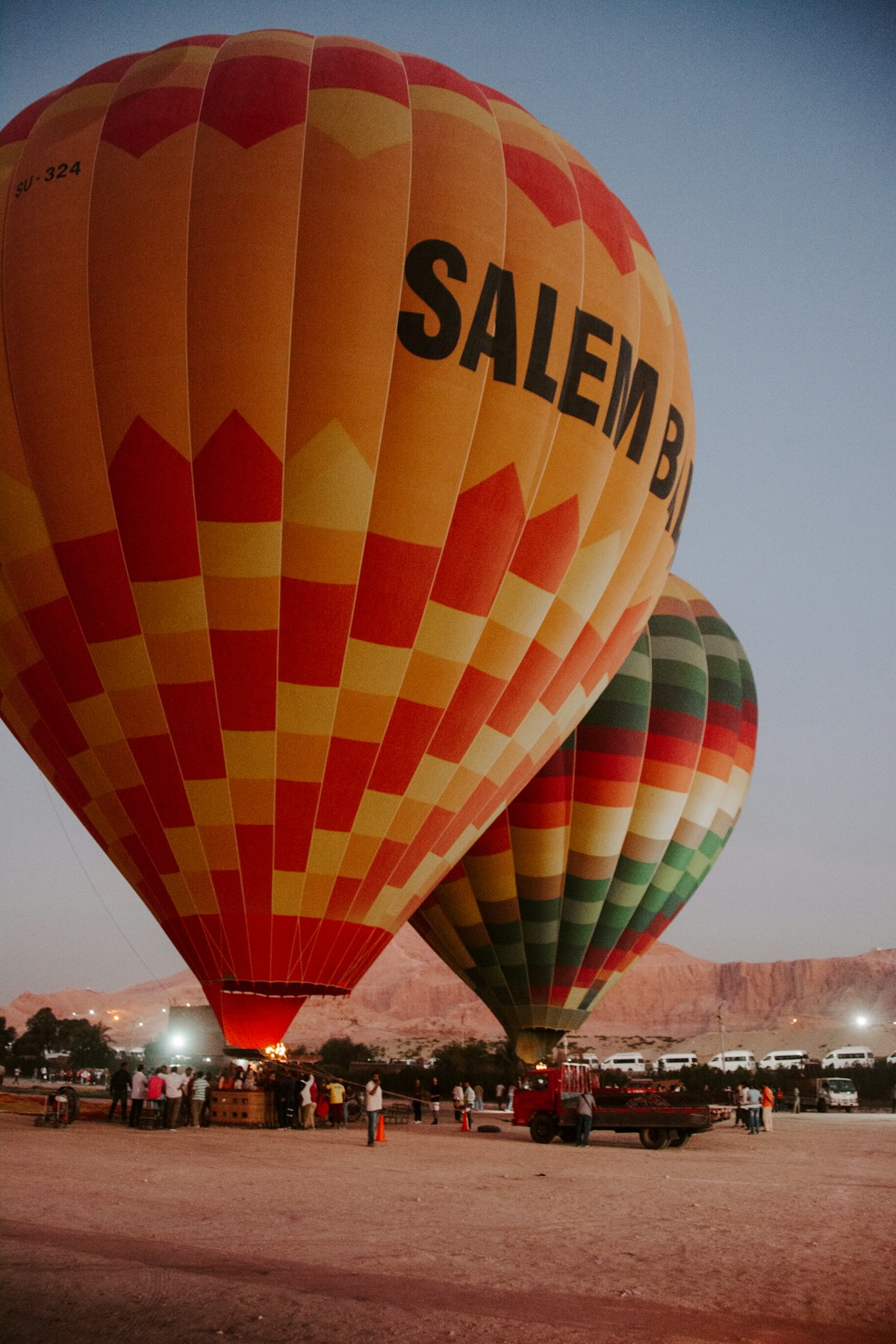
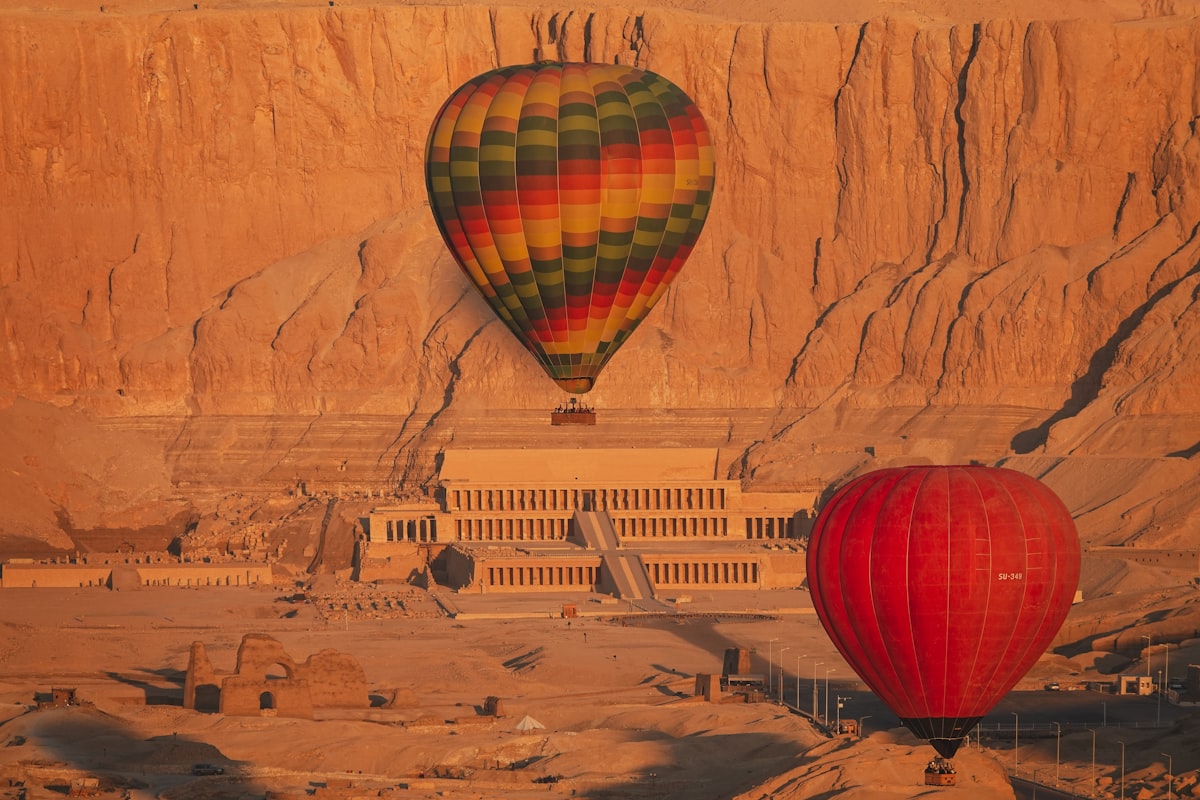
- ↑Hot-air balloons run daily — most stable wind month
- ↑Hotel rates 20% below January
What you sacrifice
- ↓Cruise ship volume back at full peak
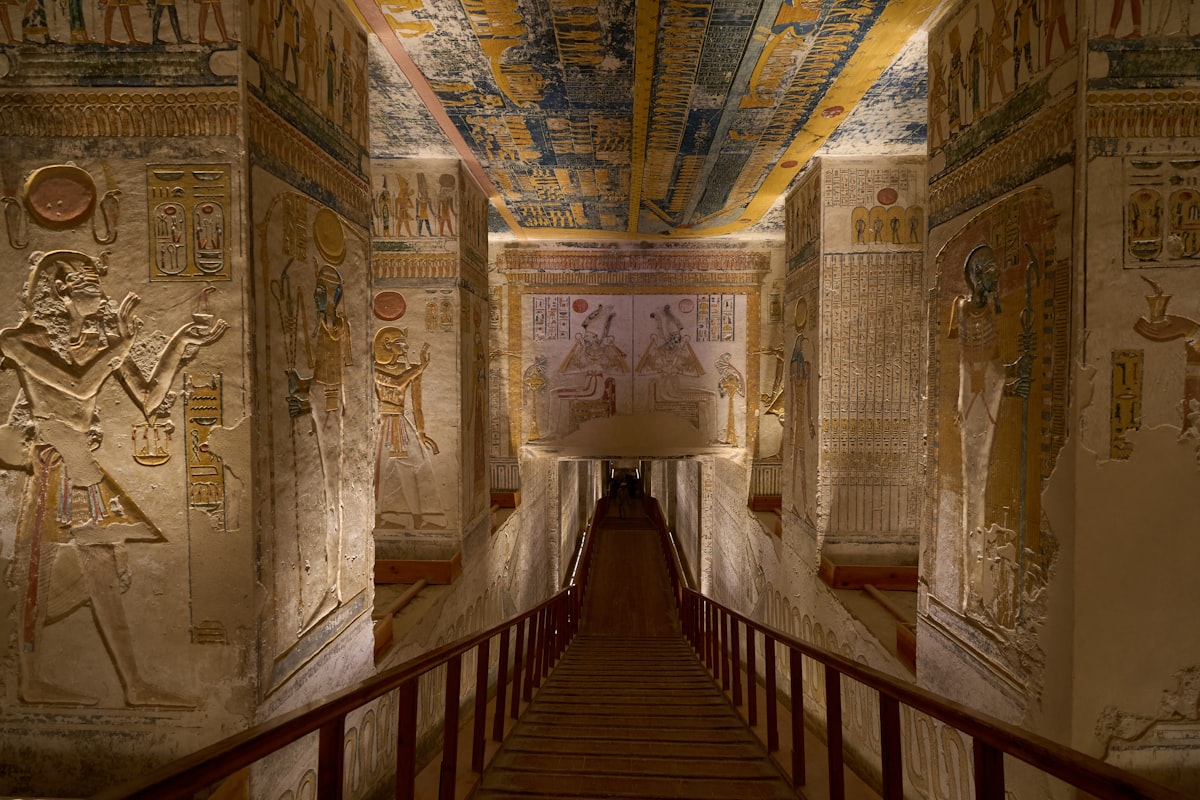
- ↓Tomb queues building — 30-45 min for Tutankhamun
- ↓Best cruises require 2-3 month booking
Nov scores highest overall — reliable weather and strong local atmosphere. Set your priorities below to personalise this result.
Nov
Goldilocks weather (28C/13C) plus cruise season in full swing — the best month, with rates still under January peak.
28°C
High
1mm
Rain
9h
Sun
- ↑28C/13C perfect for full-day temple walking
- ↑Hot-air balloons run daily — most stable wind month
- ↑Hotel rates 20% below January
- ↓Cruise ship volume back at full peak
- ↓Tomb queues building — 30-45 min for Tutankhamun
- ↓Best cruises require 2-3 month booking
Top travel windows
★ BestNovember
Best overall
Highest combined score
28°C
High
1mm
Rain
9h
Sun
July
Best for value
Lowest prices & fees
41°C
High
0mm
Rain
13h
Sun
July
Fewest crowds
Quietest month
41°C
High
0mm
Rain
13h
Sun
Breakdown by priority
Best for weather
February
24°C high · 0mm rain · 10hrs sun/day
Best for budget
July
Annual bottom-of-cycle hotel pricing — Hilton Luxor Resort from USD 70
Fewest crowds
July
Annual bottom-of-cycle hotel pricing — Hilton Luxor Resort from USD 70
Worst time to visit
July, August
Heatstroke risk demands dawn-only sightseeing
Where to stay in Luxor
All neighbourhoods →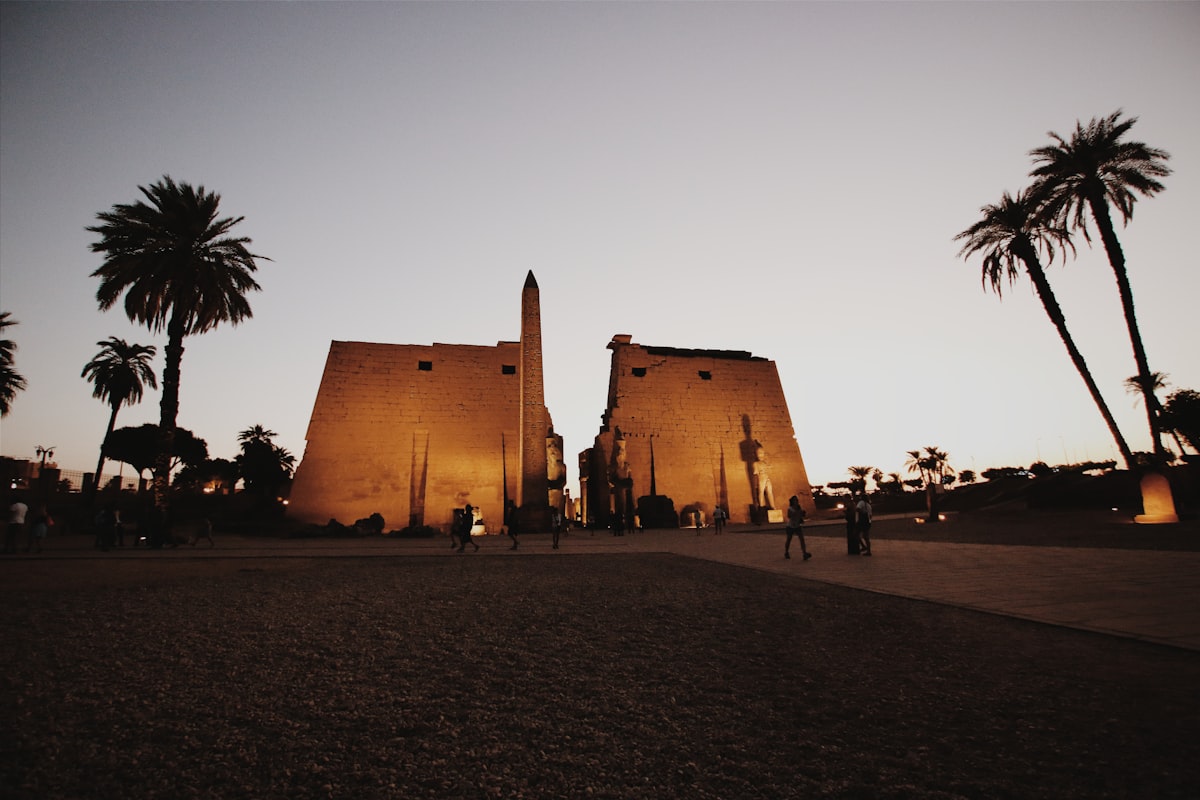
Luxor Museum & Northern Corniche
Northern stretch of the East Bank Corniche between Luxor Temple and Karnak — Luxor Museum, Mummification Museum, mid-range hotels.
9/10
Central
9/10
Walk
8/10
Transit
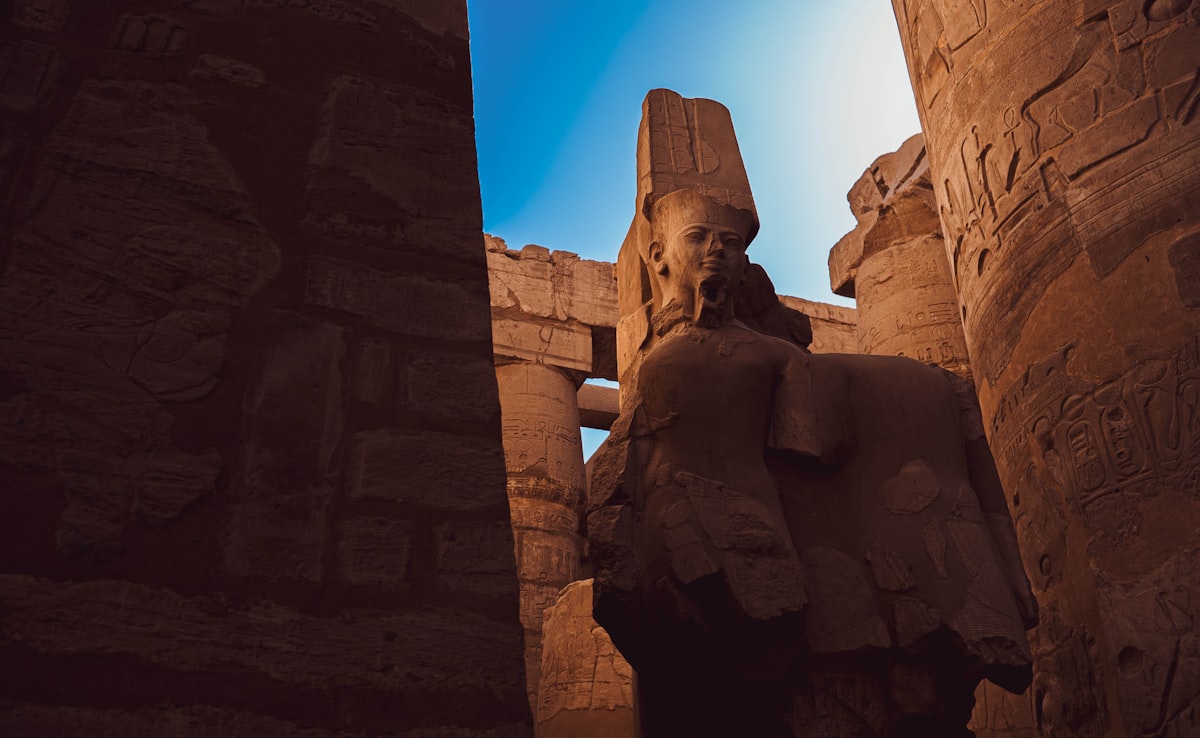
East Bank (Luxor Temple Area)
Riverside hotel strip from Luxor Temple to the souq, with the Corniche promenade and the Sofitel Winter Palace as anchor.
10/10
Central
8/10
Walk
7/10
Transit
Also exploring
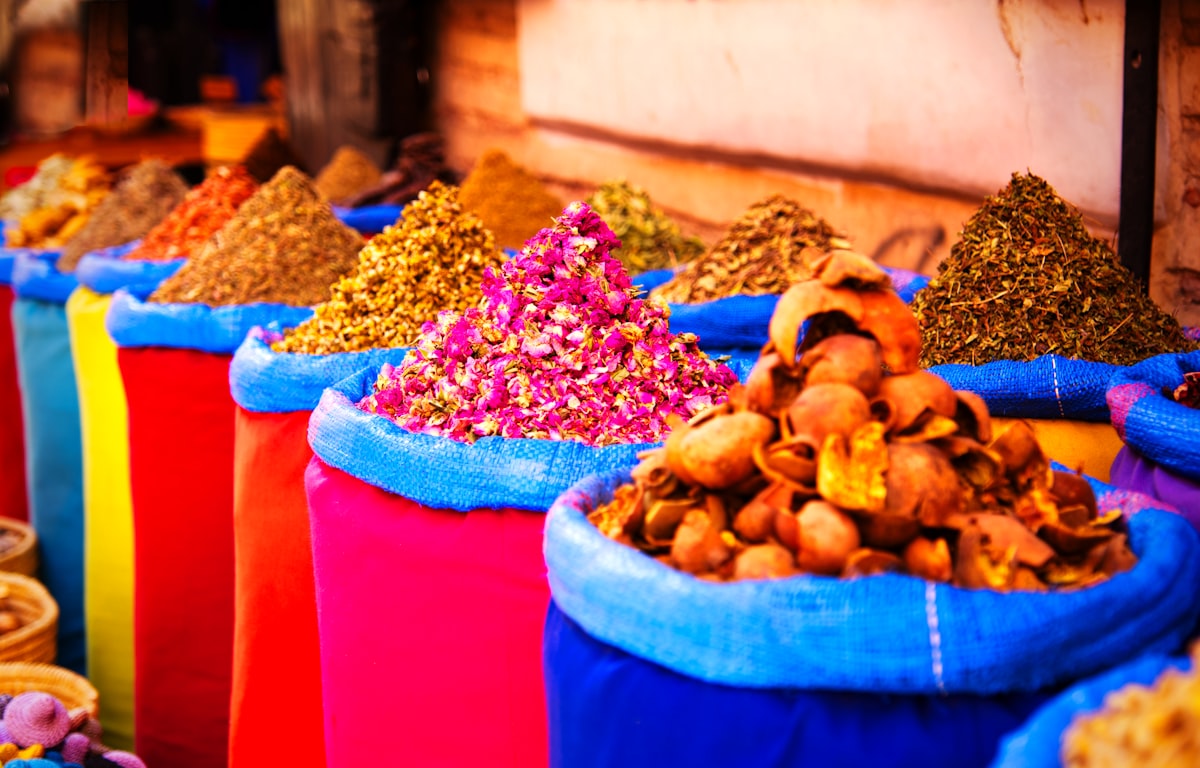
Marrakech
Morocco
A city of medieval medina markets, orange groves, and Atlas Mountain views where summer heat is genuinely dangerous and spring timing is everything.
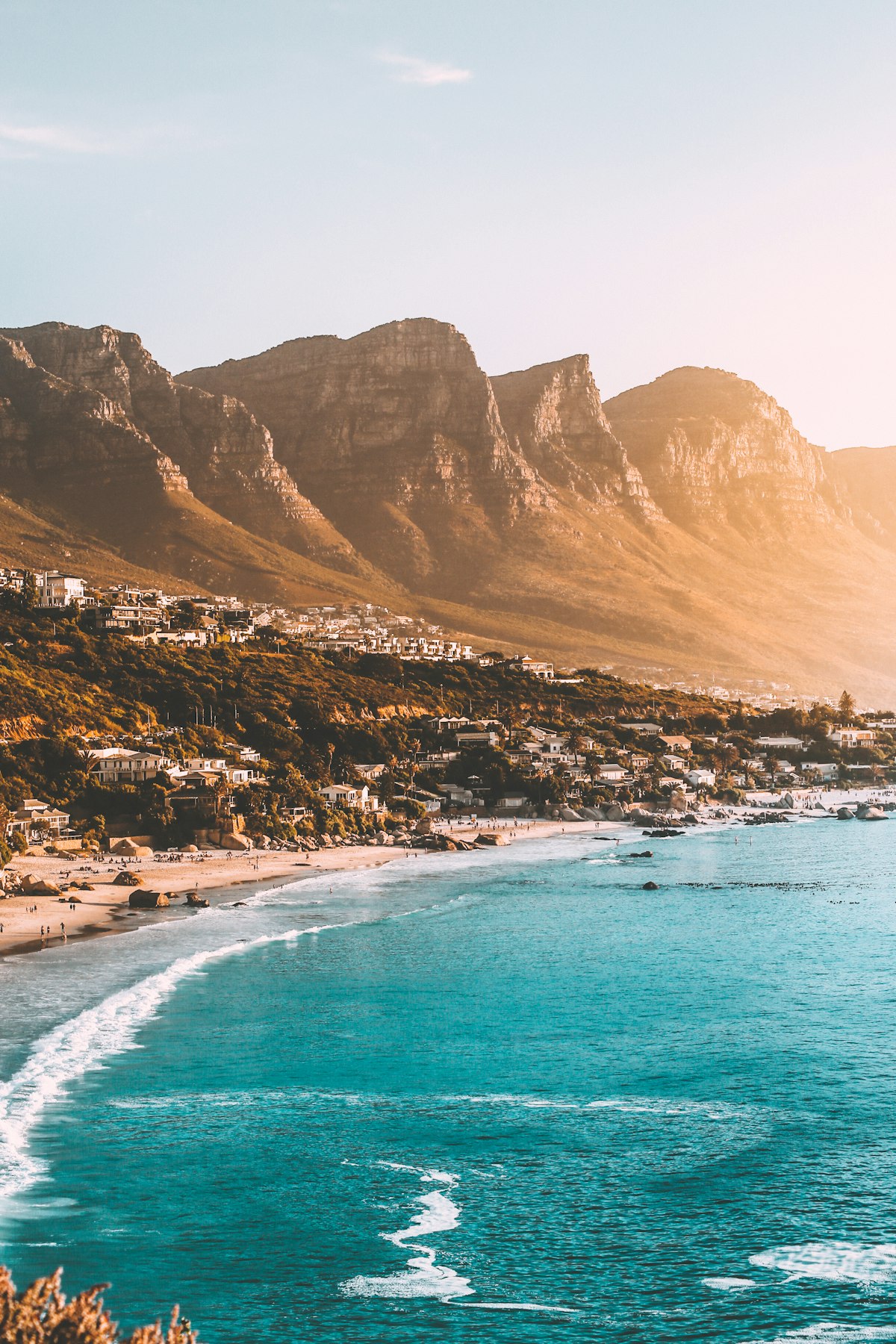
Cape Town
South Africa
Africa's most dramatic city — where timing means choosing between the dry, sunny austral summer (November–March) for beaches and hiking, and the cooler winter months when southern right whales arrive in False Bay and the wildflowers transform the West Coast.

Zanzibar
Tanzania
A UNESCO-listed Swahili trading city, world-class kite surfing, whale shark encounters, and Indian Ocean beaches — Tanzania's island extension is one of Africa's most compelling destinations, shaped by two distinct rainy seasons that divide the year sharply into when to go and when not to.
Worth knowing
November scores highest overall. February is the most crowded month — avoid if you can. See crowd-free ranking →
Month by month breakdown
January#8▾
Gains
- ↑Ideal 22C/6C climate for tomb-walking in the Valley of the Kings
- ↑Hot-air balloon flights run almost daily — winds calm
- ↑Sofitel Winter Palace and Sonesta Cruises at full capacity (great atmosphere)
Sacrifices
- ↓Tombs of Tutankhamun and Seti I have 60+ min queues
- ↓Hotel rates double over summer — Sofitel from USD 280
- ↓Cold nights down to 6C — felucca sails are chilly post-sunset
February#3▾
Gains
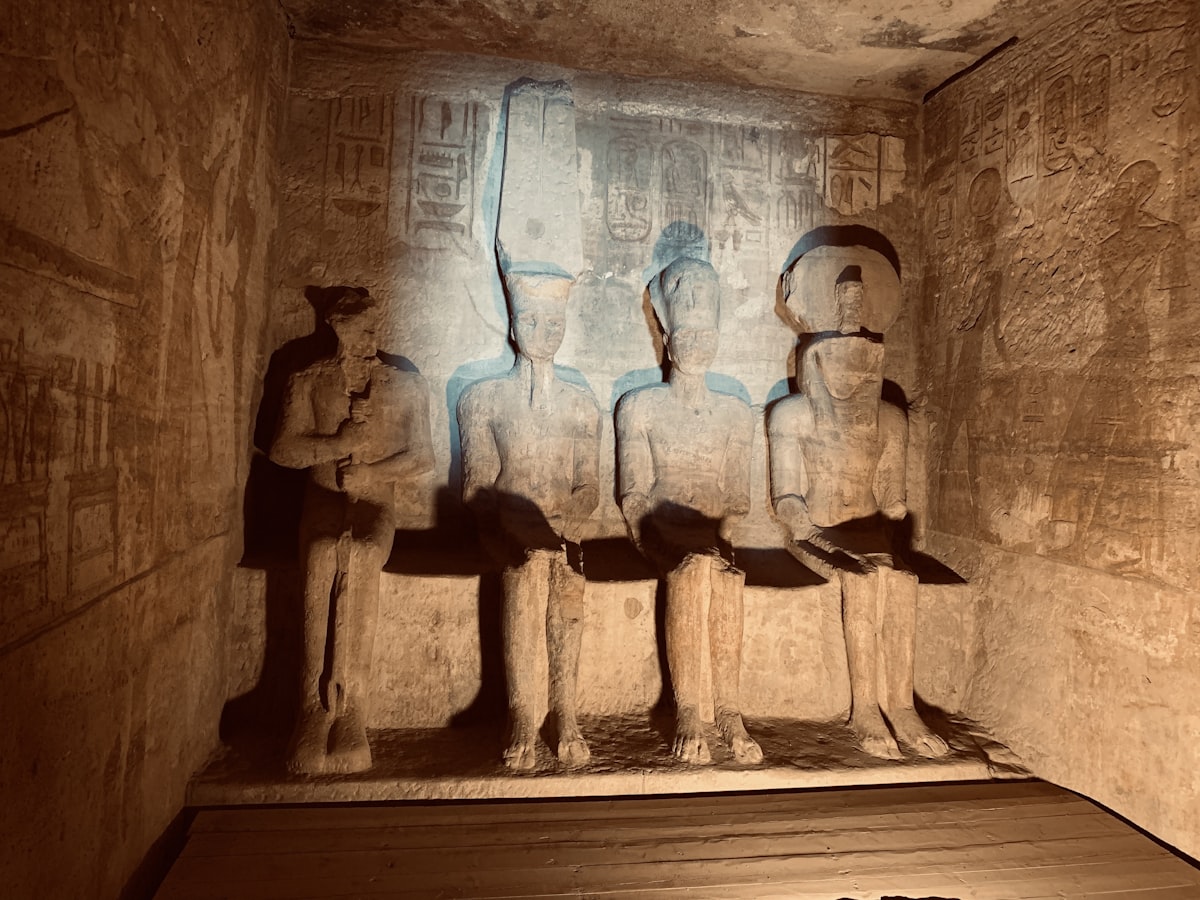
- ↑Abu Simbel Sun Festival Feb 22 — sun illuminates Ramses II statues inside temple
- ↑Maximum hot-air balloon flying days — stable wind
- ↑Felucca sailing on the Nile at perfect 20C afternoons
Sacrifices
- ↓Tombs queues remain at 30-60 min for high-demand Tutankhamun and Nefertari
- ↓Hotel rates near year-peak — book 4 months ahead
- ↓Best cruise itineraries sold out 6 months ahead
March#5▾
Gains
- ↑28C afternoons still very manageable for outdoor temple visits
- ↑European spring-break visitors arrive — lively cruise atmosphere
- ↑Karnak Sound and Light show resumes evening warmth
Sacrifices
- ↓Khamasin sandstorms (1-3 days/year) can ground balloons and obscure views
- ↓Ramadan often falls in March/April — daytime tea/cafe service limited
- ↓Hotel rates remain at January-February peak
April#6▾
Gains
- ↑Crowds drop 40% vs March — short queues at Valley of the Kings
- ↑Sham El-Nessim (Coptic spring festival) brings local Egyptian holiday energy
- ↑Hotel rates fall 30% — Sofitel Winter Palace from USD 180
Sacrifices
- ↓34C afternoons require dawn or late-day temple visits
- ↓Ramadan can fall here — restaurant hours shifted, alcohol limited
- ↓Final balloon flights before some operators pause for summer
May#9▾
Gains
- ↑Hotel Sofitel Winter Palace from USD 130 — half winter rate
- ↑Tombs of Tutankhamun and Nefertari walk-in any time
- ↑Dawn felucca and dawn balloon flights still spectacular
Sacrifices
- ↓Midday 39C makes outside between 10:00-17:00 dangerous
- ↓Some hot-air balloon operators close until October
- ↓Most cruises run shortened summer schedules
June#10▾
Gains
- ↑Tomb queues effectively zero — walk straight in
- ↑Sonesta and Movenpick Cruises from USD 90/night vs USD 300 winter
- ↑Karnak Temple in pre-dawn light without 200 tour-bus tourists
Sacrifices
- ↓Outside 06:00-09:00 and 18:00-21:00 essentially unbearable
- ↓Many balloon operators paused for the season
- ↓Local felucca captains scarcer
July#11▾
Gains
- ↑Annual bottom-of-cycle hotel pricing — Hilton Luxor Resort from USD 70
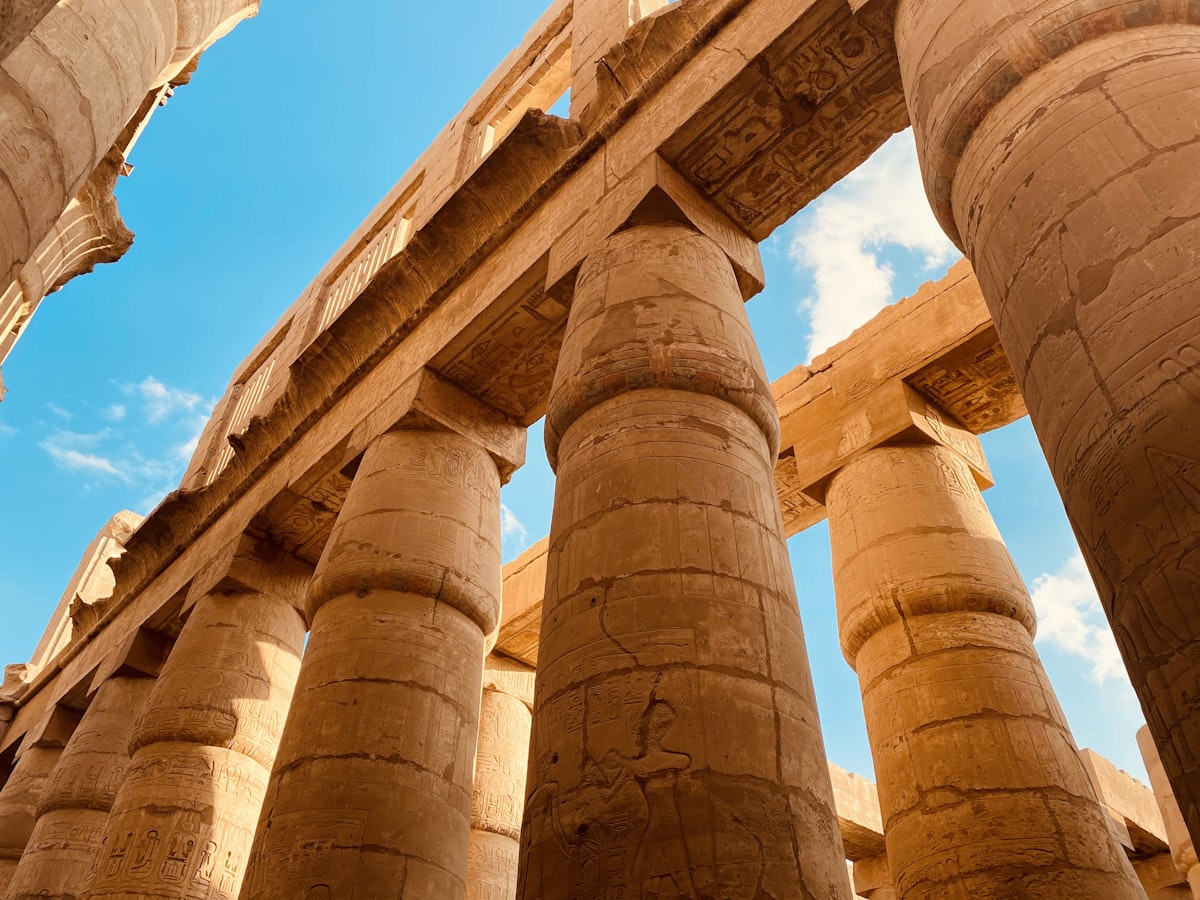
- ↑Step-pyramid-style solitude inside the Karnak Hypostyle Hall
- ↑Egyptian summer school holidays bring some domestic budget energy
Sacrifices
- ↓Heatstroke risk demands dawn-only sightseeing
- ↓Most experienced guides take summer leave (less skilled fill in)
- ↓Many West Bank cafes shut all month
August#12▾
Gains
- ↑Year-round low hotel rates continue
- ↑Walk-in tomb access — Tutankhamun, Seti I, Nefertari without queues
- ↑Cheap intercity trains from Cairo (~USD 12 in 9 hrs)
Sacrifices
- ↓Heat-humidity combination makes 6-hr tomb circuit physically dangerous
- ↓Hot-air ballooning paused for most operators
- ↓Luxor Corniche evening walks possible only after 20:00
September#7▾
Gains
- ↑Mornings now bearable at 28-32C until 11:00
- ↑Felucca sails resume on cooler evenings
- ↑Last days of bottom-of-market hotel rates before October ramp-up
Sacrifices
- ↓Mid-afternoon still 36-38C — siesta required
- ↓Many balloon operators still paused
- ↓Last week sees first cruise ships return for the season
October#2▾
Gains
- ↑Balloon flights resume — sunrise over Valley of the Kings ideal
- ↑Cruises restart full schedule from mid-October
- ↑Hotel rates 30% below January peak
Sacrifices
- ↓First weeks still hot mid-afternoon
- ↓Cruise-ship volume rapidly rebuilds by month-end
- ↓Some tombs on rotating closures for autumn maintenance
November#1▾
Gains
- ↑28C/13C perfect for full-day temple walking
- ↑Hot-air balloons run daily — most stable wind month
- ↑Hotel rates 20% below January
Sacrifices
- ↓Cruise ship volume back at full peak
- ↓Tomb queues building — 30-45 min for Tutankhamun
- ↓Best cruises require 2-3 month booking
December#4▾
Gains
- ↑Christmas Eve cocktail on the Sofitel Winter Palace terrace overlooking the Nile
- ↑Cruise ships dressed up for festive period — sailaway parties
- ↑Karnak Sound and Light Show on warm evening (sunset 17:15)
Sacrifices
- ↓Annual peak rates — Sofitel Winter Palace from USD 380
- ↓Christmas-week cruises sold out 6 months ahead
- ↓Tomb queues 60-90 min for Tutankhamun
How this is calculated
Climate data
Open Meteo ERA5
30-year normals (1991–2020). Temperature, rainfall, sunshine, humidity.
Price & crowd
Tourism research
Seasonal pricing from tourism authority data. Directional — compares months within a destination only.
Personalisation
Weighted scoring
Your priorities change the weights. Budget-first users get different results than weather-first users.
Share this result
November is the best time to visit Luxor
Travel timing updates
New destinations and timing guides, when they land.
No spam. Unsubscribe anytime.