



Showing: Jul · Unsplash / Unsplash
Namibia · Southern Africa
Best time to visit Namibia
July
Jul scores highest overall — reliable weather and manageable crowds. Set your priorities below to personalise this result.
What matters most to you?
All 12 months — click any to expand
Jul
Unsplash / Unsplash
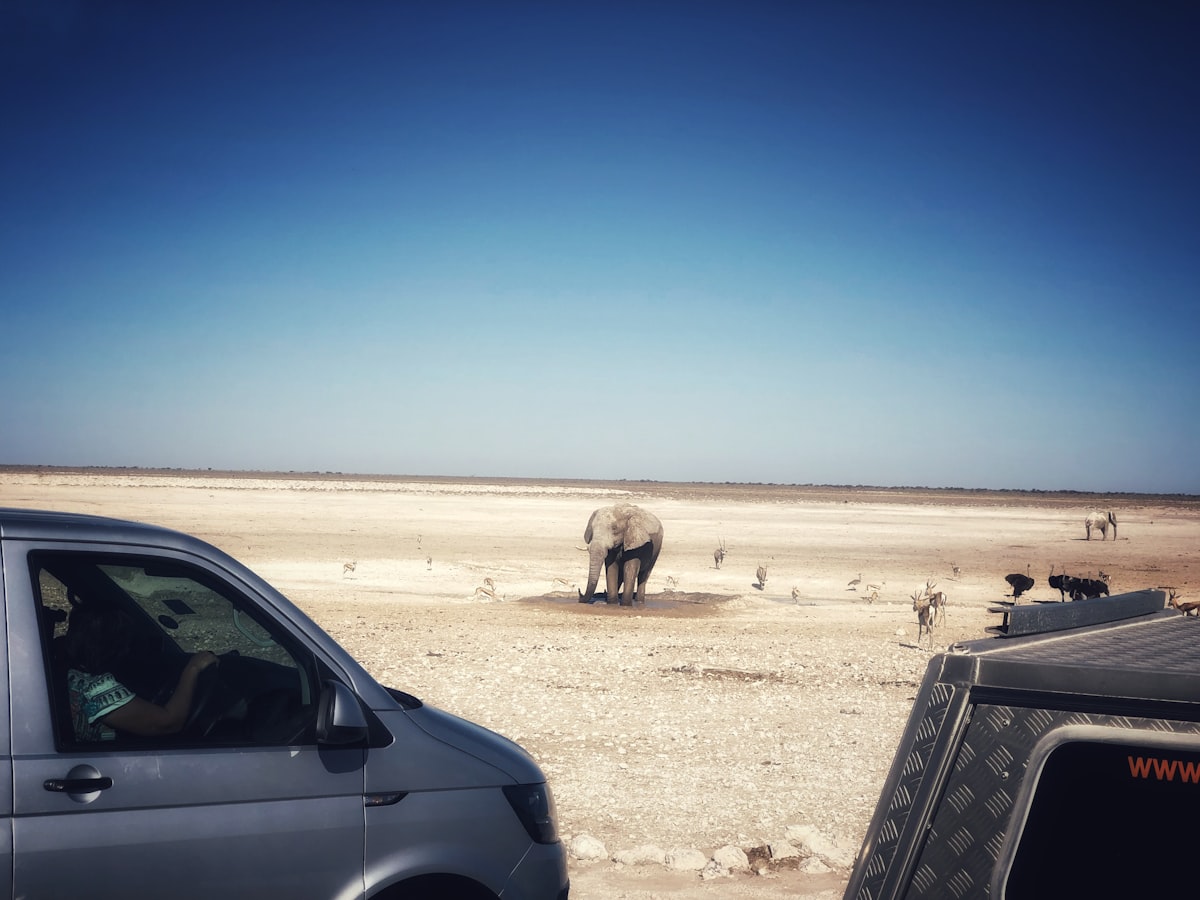
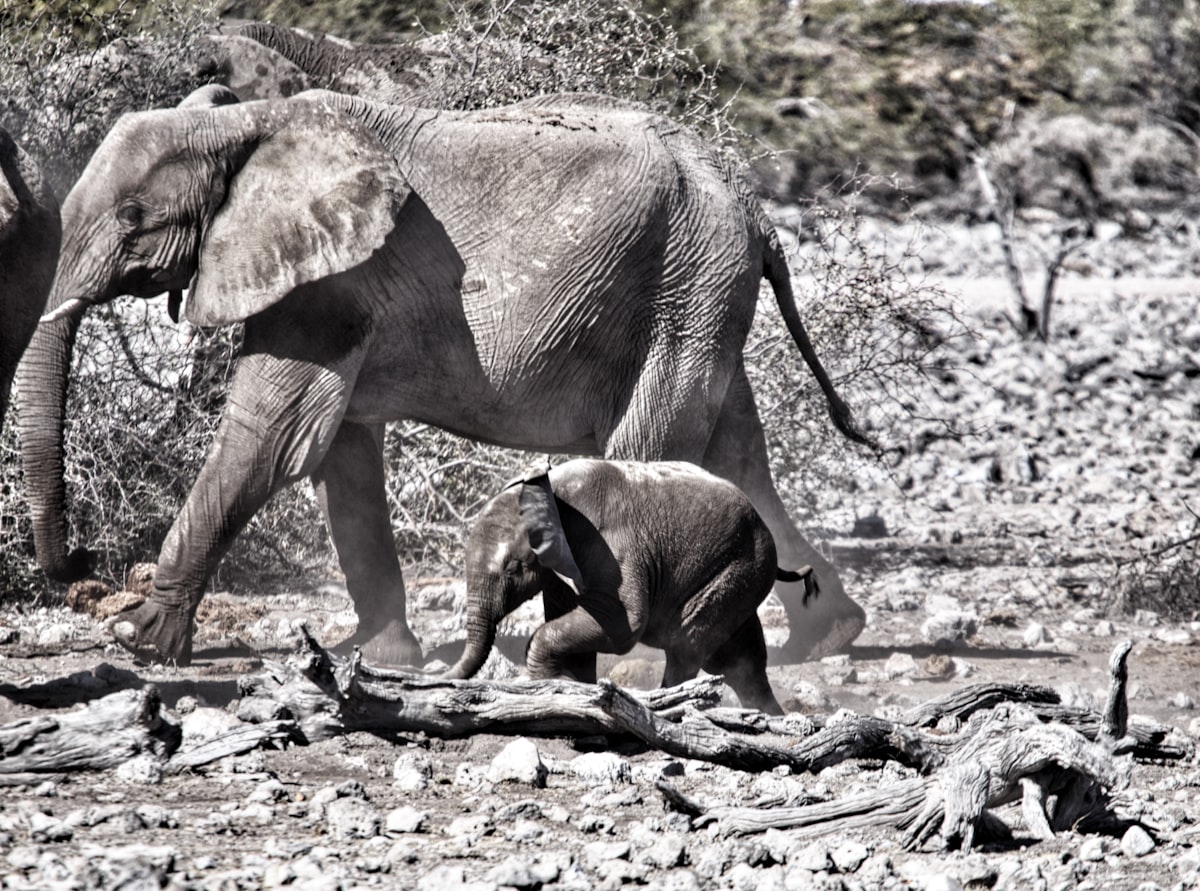
The absolute best month — Etosha game viewing at peak intensity, perfect clear conditions throughout
20°C
High
6°C
Low
0mm
Rain
11.5h
Sun/day
What you gain
- ↑Etosha waterholes at maximum wildlife concentration — lion pride sightings daily at top camps
- ↑Perfectly clear skies and dry air; Milky Way photography from the desert is extraordinary
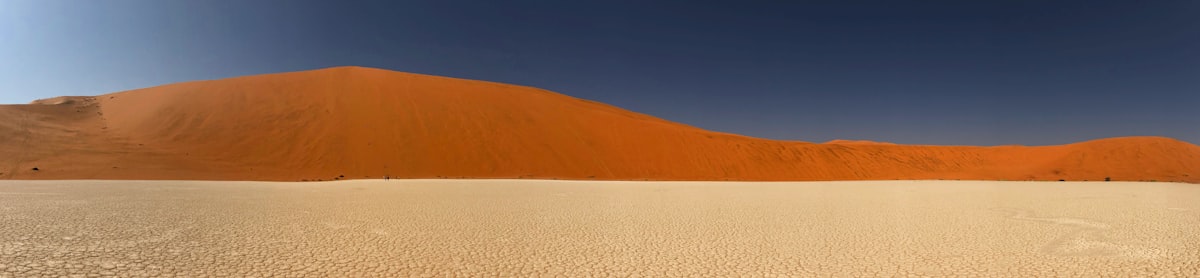
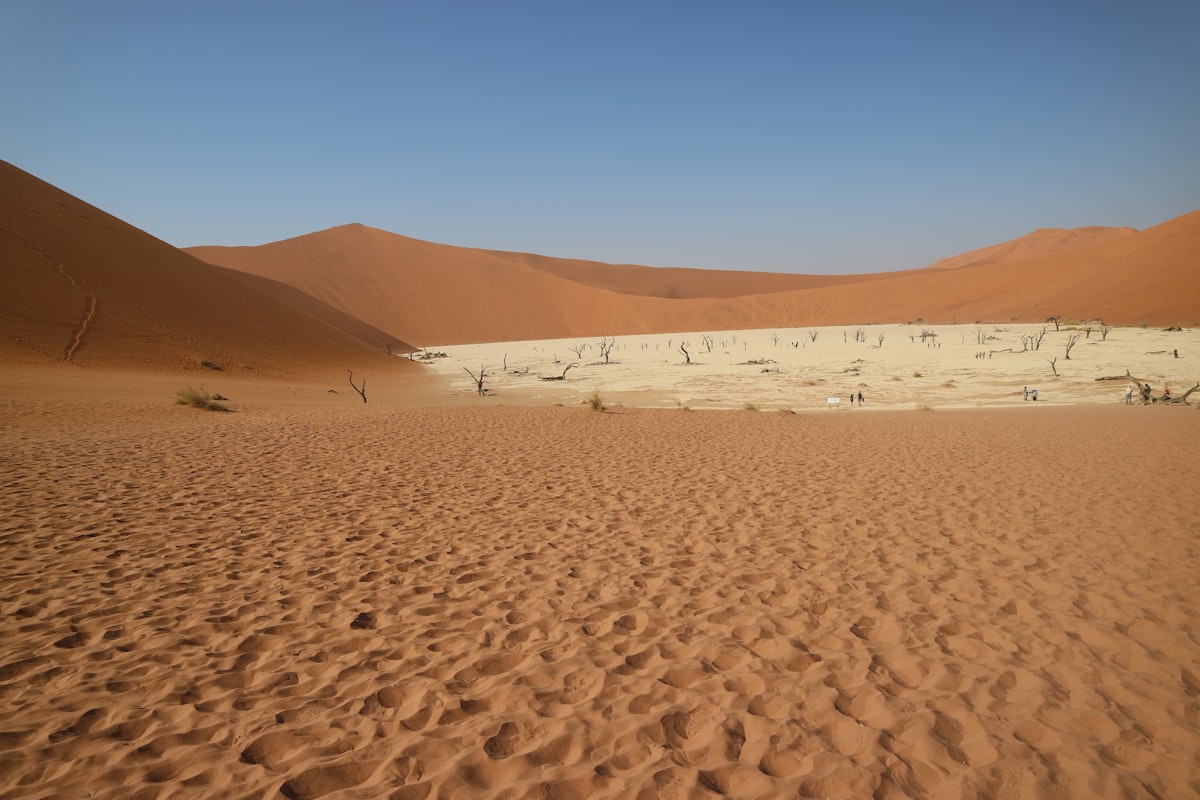
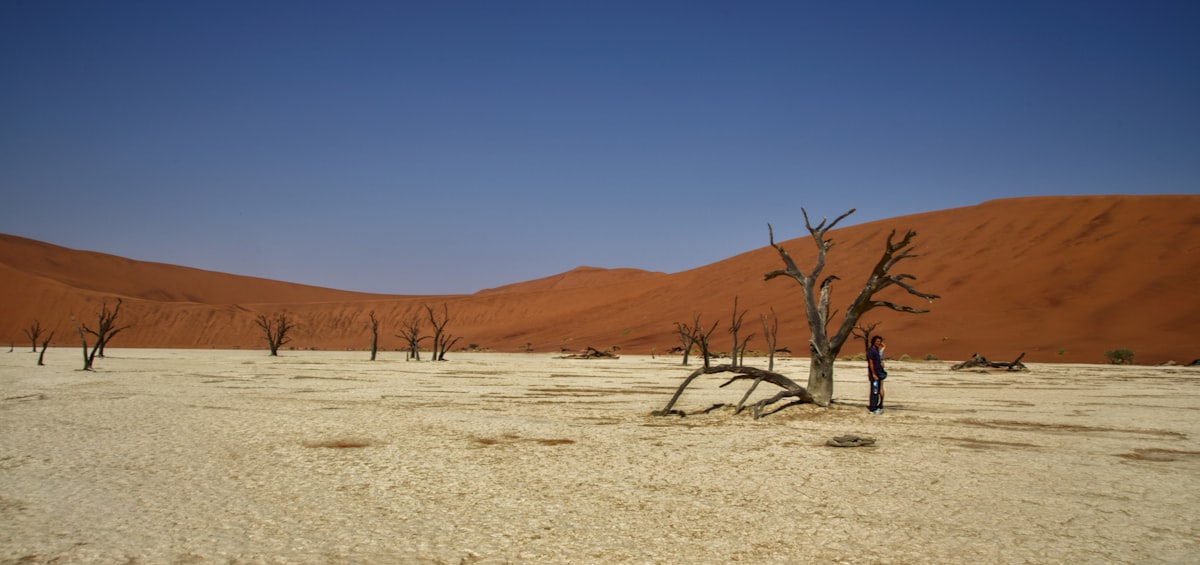
- ↑Sossusvlei and Fish River Canyon both at peak condition; Himba village visits in the north
What you sacrifice
- ↓Peak season pricing in full effect; expect to pay 2–3x wet season rates at premier camps
- ↓Popular Etosha camps (Okaukuejo, Halali) completely booked unless reserved months ahead
Jul scores highest overall — reliable weather and manageable crowds. Set your priorities below to personalise this result.
Jul
The absolute best month — Etosha game viewing at peak intensity, perfect clear conditions throughout
20°C
High
0mm
Rain
11.5h
Sun
- ↑Etosha waterholes at maximum wildlife concentration — lion pride sightings daily at top camps
- ↑Perfectly clear skies and dry air; Milky Way photography from the desert is extraordinary
- ↑Sossusvlei and Fish River Canyon both at peak condition; Himba village visits in the north
- ↓Peak season pricing in full effect; expect to pay 2–3x wet season rates at premier camps
- ↓Popular Etosha camps (Okaukuejo, Halali) completely booked unless reserved months ahead
Top travel windows
★ BestJuly
Best overall
Highest combined score
20°C
High
0mm
Rain
11.5h
Sun
March
Best for value
Lowest prices & fees
30°C
High
83mm
Rain
8.5h
Sun
★ BestJuly
Fewest crowds
Quietest month
20°C
High
0mm
Rain
11.5h
Sun
Breakdown by priority
Best for weather
July
20°C high · 0mm rain · 11.5hrs sun/day
Best for budget
March
Very good accommodation rates before the main dry season
Fewest crowds
July
Etosha waterholes at maximum wildlife concentration — lion pride sightings daily at top camps
Where to base yourself in Namibia
All regions →
Windhoek
Namibia's capital — the main international airport, best accommodation, and the practical start and end of every itinerary.
8/10
Central
7/10
Walk
8/10
Transit
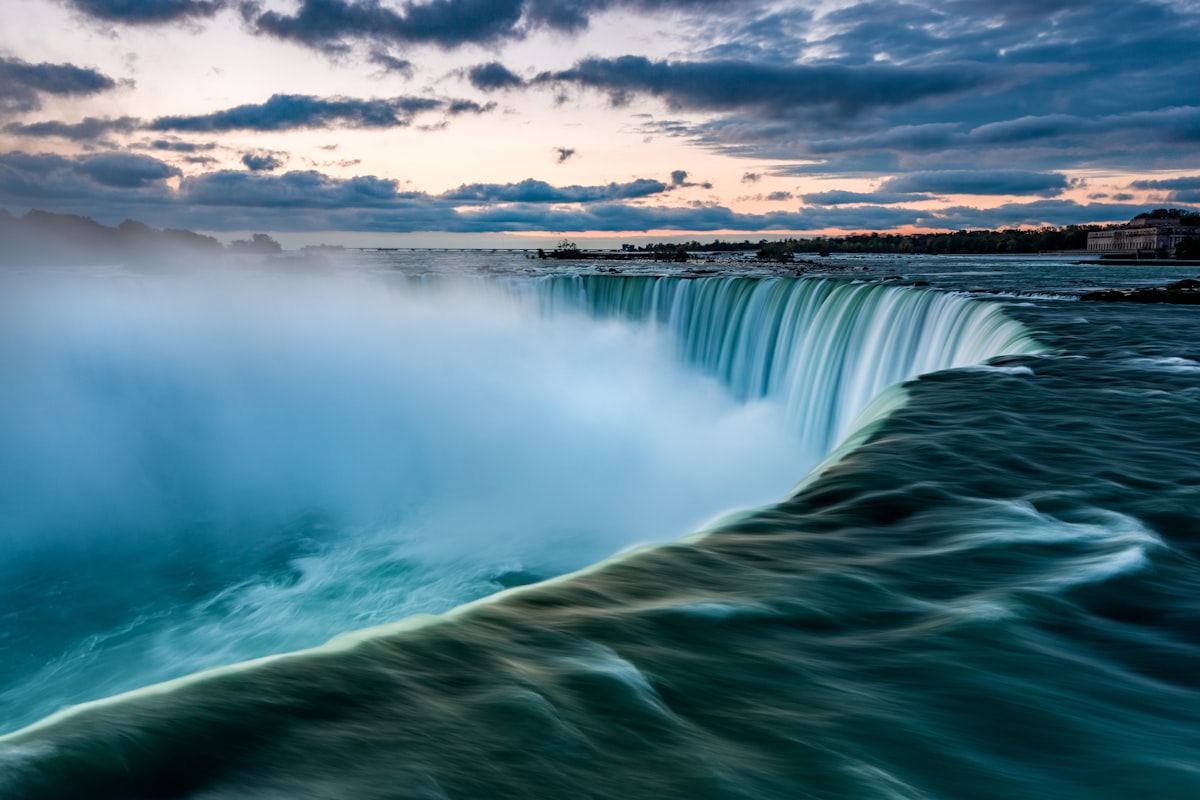
Skeleton Coast & Swakopmund
The eerie Atlantic coastline of shipwrecks and seal colonies, ending in the German colonial town of Swakopmund.
5/10
Central
5/10
Walk
3/10
Transit
Also exploring
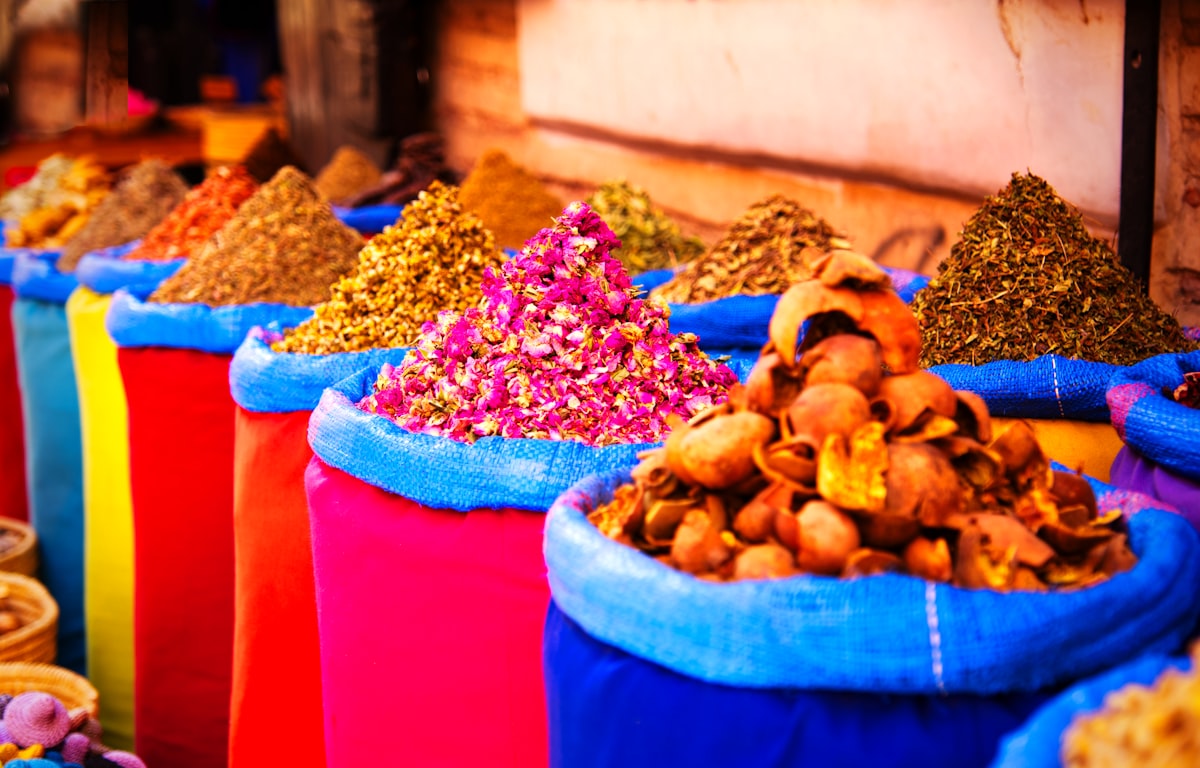
Marrakech
Morocco
A city of medieval medina markets, orange groves, and Atlas Mountain views where summer heat is genuinely dangerous and spring timing is everything.
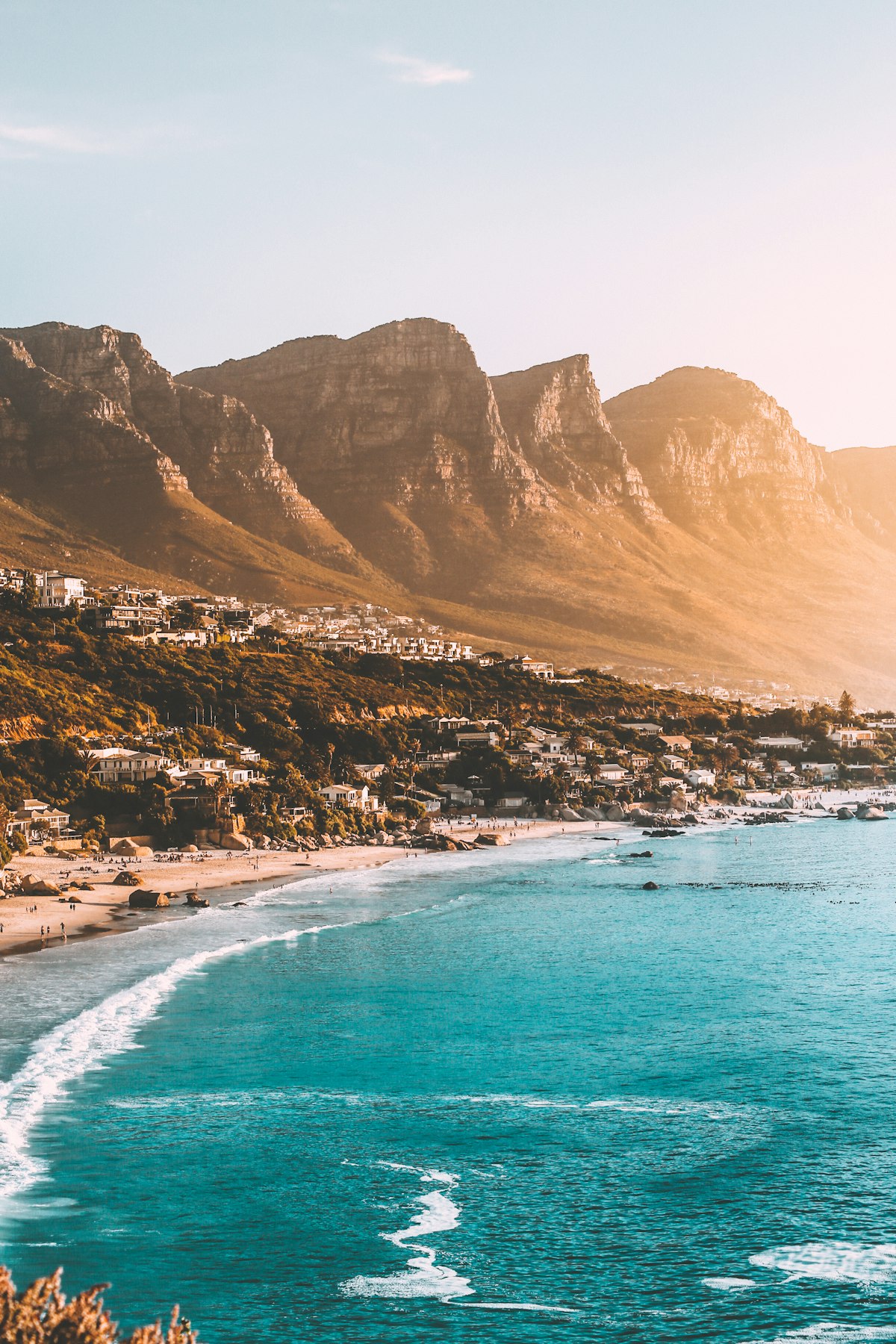
Cape Town
South Africa
Africa's most dramatic city — where timing means choosing between the dry, sunny austral summer (November–March) for beaches and hiking, and the cooler winter months when southern right whales arrive in False Bay and the wildflowers transform the West Coast.
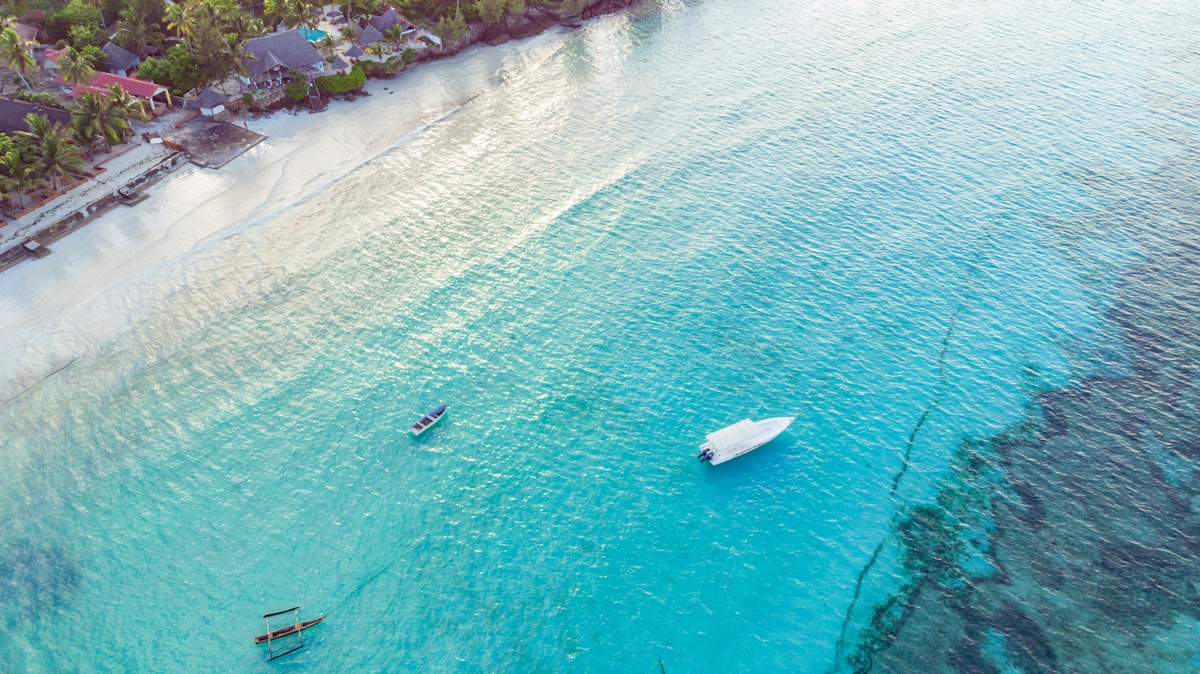
Zanzibar
Tanzania
A UNESCO-listed Swahili trading city, world-class kite surfing, whale shark encounters, and Indian Ocean beaches — Tanzania's island extension is one of Africa's most compelling destinations, shaped by two distinct rainy seasons that divide the year sharply into when to go and when not to.
Worth knowing
July scores highest overall. March is the most crowded month — avoid if you can. See crowd-free ranking →
Month by month breakdown
January#11▾
Gains
- ↑Etosha Pan transforms to a shallow lake attracting enormous flamingo flocks in wet years
- ↑Green Namib Desert after rare rainfall — a once-in-years phenomenon when it occurs
- ↑Lower accommodation rates and fewer visitors in national parks
Sacrifices
- ↓Afternoon thunderstorms are common in northern Namibia; dirt roads can become impassable
- ↓Sossusvlei red dunes at their least dramatic — overcast skies mute the contrast
February#12▾
Gains
- ↑Etosha wildlife disperses but birding reaches its annual peak with migrant species
- ↑Wildflowers in Namaqualand spill across the border into southern Namibia
- ↑Budget rates across all camps and lodges
Sacrifices
- ↓Roads in northern and central Namibia can be badly affected by rain
- ↓Sossusvlei's Dead Vlei photography is compromised by cloud cover and humidity
March#8▾
Gains
- ↑Rain tapering off; the best of green Namibia without the worst mud and road closures
- ↑Etosha waterholes beginning to fill with wildlife as the dry season approaches
- ↑Very good accommodation rates before the main dry season
Sacrifices
- ↓Unpredictable; can still have heavy rain in some years through late March
- ↓Humidity remains high in the north; not yet the crisp dry experience of peak season
April#7▾
Gains
- ↑Dry conditions make Sossusvlei's red sand dunes photogenic with intense colour contrast
- ↑Etosha waterholes increasingly productive as surface water disappears from the bush
- ↑Comfortable 18–27°C days; cool evenings; significantly better game-viewing than wet season
Sacrifices
- ↓Peak season approaching; popular camps start booking up for May-August
- ↓Not yet as productive as June-August for concentrated wildlife at waterholes
May#5▾
Gains
- ↑Clear skies, crisp air and Sossusvlei dunes at full photographic potential
- ↑Etosha game drives producing excellent lion, elephant and rhino sightings at shrinking waterholes
- ↑Deadvlei's iconic dead camel thorn trees at their most photogenic under clear blue skies
Sacrifices
- ↓Visitor numbers building; popular camps and lodges filling quickly from this point
- ↓Daytime temperatures comfortable (25–28°C) but peak season pricing is in effect
June#3▾
Gains
- ↑Etosha's floodlit waterholes at night: elephant, giraffe, black rhino drinking metres from your lodge
- ↑Zero rain; perfect conditions for dune climbing at Sossusvlei and Dune 45
- ↑Skeleton Coast accessible and dramatic — desert seascape and shipwrecks without tourist competition
Sacrifices
- ↓Very cold nights (2–8°C) in the desert; serious warm layers required for night drives
- ↓Premium lodges near Etosha waterholes fully booked months in advance
July#1▾
Gains
- ↑Etosha waterholes at maximum wildlife concentration — lion pride sightings daily at top camps
- ↑Perfectly clear skies and dry air; Milky Way photography from the desert is extraordinary
- ↑Sossusvlei and Fish River Canyon both at peak condition; Himba village visits in the north
Sacrifices
- ↓Peak season pricing in full effect; expect to pay 2–3x wet season rates at premier camps
- ↓Popular Etosha camps (Okaukuejo, Halali) completely booked unless reserved months ahead
August#2▾
Gains
- ↑Lions, cheetahs and leopards at Etosha extraordinarily visible with sparse vegetation
- ↑Desert-adapted species (oryx, springbok, desert elephant) in peak condition
- ↑Damaraland's ancient rock engravings and desert elephant tracking in ideal weather
Sacrifices
- ↓Still peak season; same booking lead-time requirements as July
- ↓Popular self-drive routes can be dusty; other vehicles raise significant dust clouds
September#4▾
Gains
- ↑Very good wildlife viewing; slightly lower prices than peak July/August
- ↑Heat building (30–35°C) keeps visitor numbers below July peaks
- ↑Dry conditions maintained; Sossusvlei still at full photographic potential
Sacrifices
- ↓Getting hot in the middle of the day; early morning and evening game drives become essential
- ↓First rains possible very late September in northern Namibia
October#6▾
Gains
- ↑Excellent wildlife still; Etosha waterholes remain highly productive in October
- ↑Spring wildflowers beginning in the south; namaqualand colours spreading north
- ↑Prices falling from peak season; last-minute availability improving
Sacrifices
- ↓Very hot (34–38°C) at midday; wildlife activity concentrated around dawn and dusk
- ↓High chance of first rains late October; unpredictable day-to-day weather
November#9▾
Gains
- ↑Baby zebra, springbok and wildebeest being born in Etosha — excellent for action photography
- ↑First rains transform the landscape from brown to green within days
- ↑Good birding as migratory species arrive from the north
Sacrifices
- ↓Rains make dirt roads unpredictable; some remote camps inaccessible
- ↓Wildlife disperses from waterholes as surface water reappears throughout the bush
December#10▾
Gains
- ↑Lush green Namibia is visually unusual and beautiful for those who expect the classic dry landscape
- ↑Young wildlife (foals, fawns, cubs) creates excellent photographic opportunities
- ↑Budget rates at most camps; Christmas week excepted
Sacrifices
- ↓Daily rainfall in northern Namibia; Etosha self-drive can be muddy and uncomfortable
- ↓Sossusvlei photography significantly compromised by overcast skies and humidity
How this is calculated
Climate data
Open Meteo ERA5
30-year normals (1991–2020). Temperature, rainfall, sunshine, humidity.
Price & crowd
Tourism research
Seasonal pricing from tourism authority data. Directional — compares months within a destination only.
Personalisation
Weighted scoring
Your priorities change the weights. Budget-first users get different results than weather-first users.
Share this result
July is the best time to visit Namibia
Travel timing updates
New destinations and timing guides, when they land.
No spam. Unsubscribe anytime.