
Showing: Sep · Unsplash / Unsplash
Greece · Mediterranean Europe
Best time to visit Crete
September
Sep scores highest overall — reliable weather and strong local atmosphere. Set your priorities below to personalise this result.
What matters most to you?
All 12 months — click any to expand
Sep
Unsplash / Unsplash
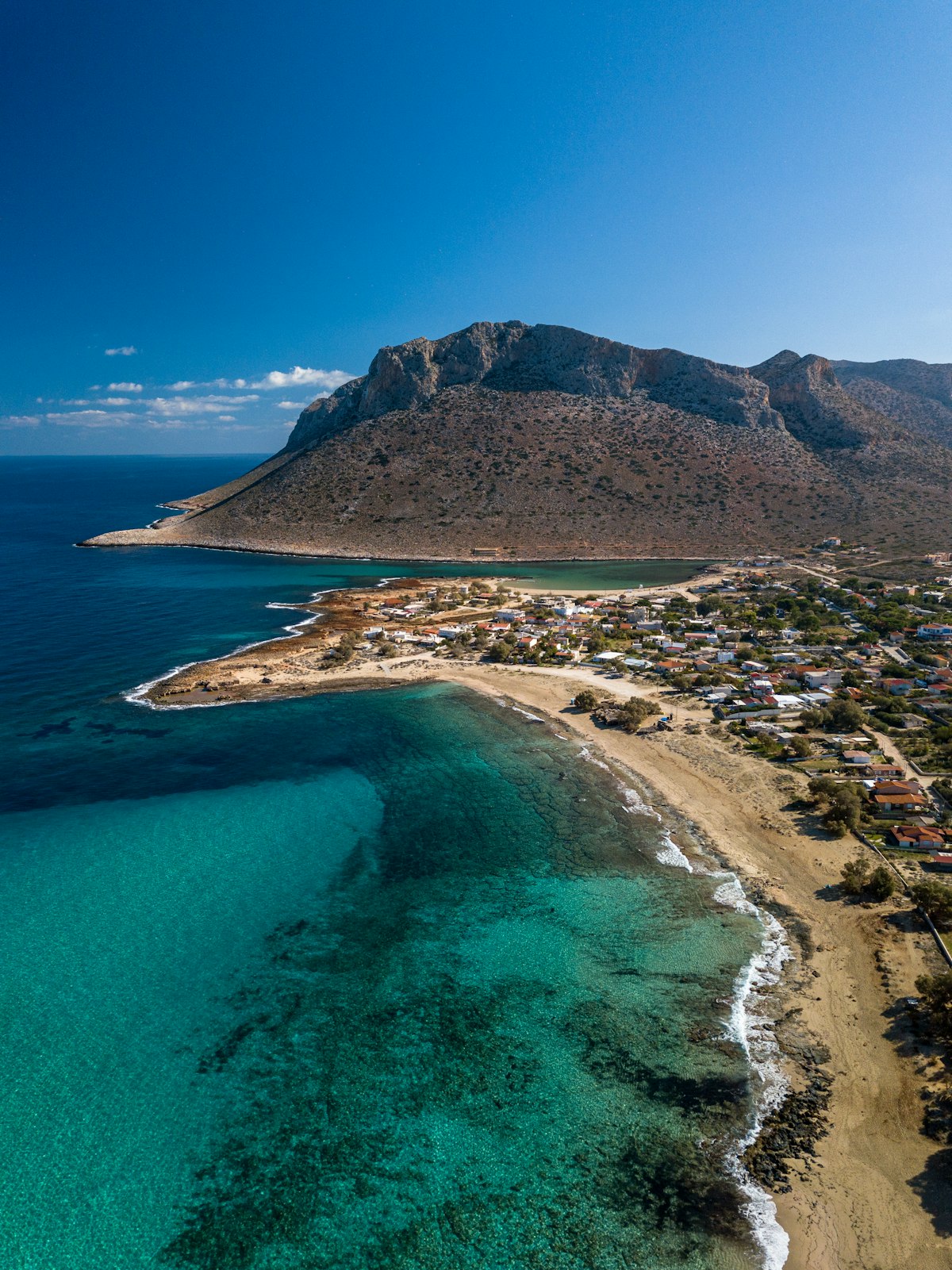
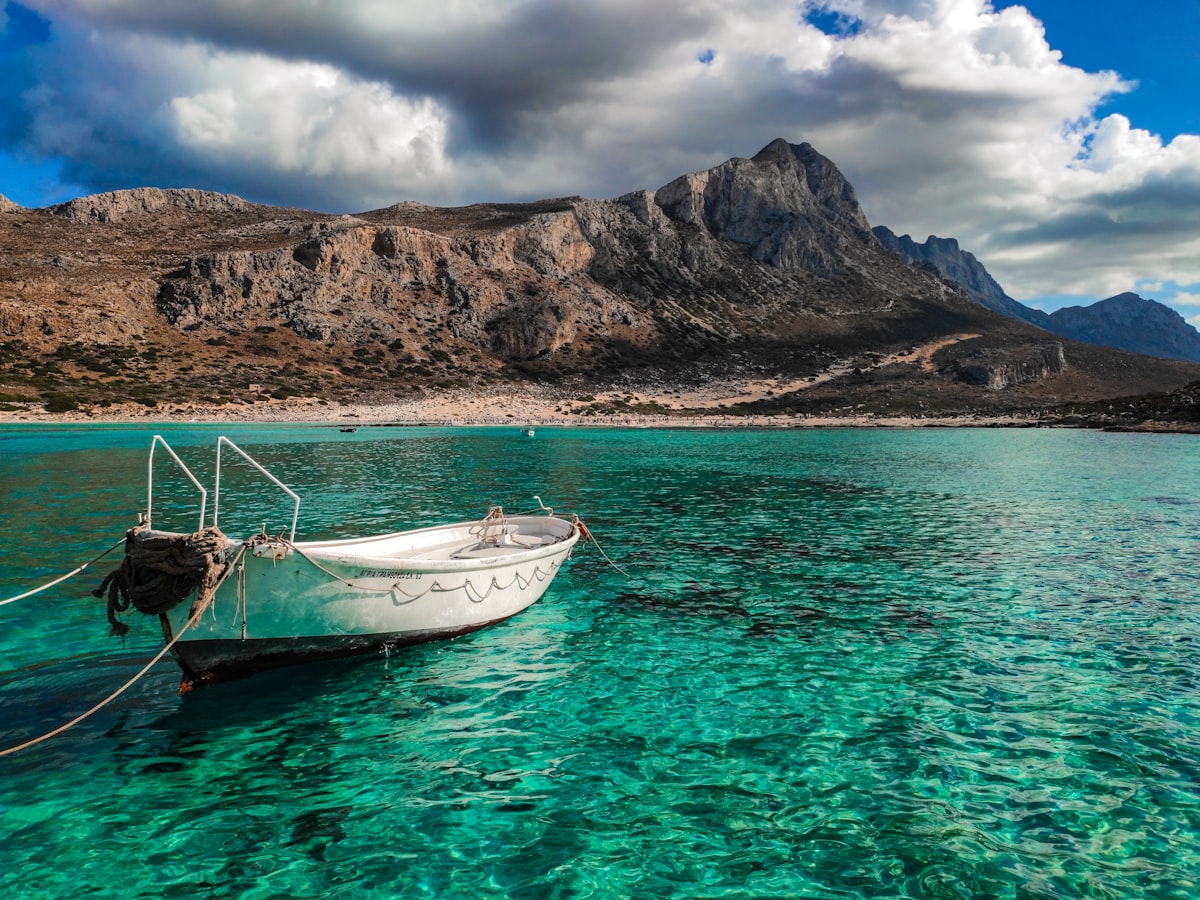
The hidden best month — warm sea, crowd-free beaches and accommodation costs cut in half
29°C
High
21°C
Low
11mm
Rain
10.5h
Sun/day
What you gain
- ↑Warm 26–29°C with a 25°C sea — identical conditions to August but beaches dramatically emptier
- ↑Prices 30–40% below August; restaurants, tours and boat trips all available on the day
- ↑Autumn grape harvest beginning in Heraklion wine region; excellent local food
What you sacrifice
- ↓Early autumn rain possible late September; a brief shower breaks the heat cycle
- ↓First resorts beginning to close for the season from late September
Sep scores highest overall — reliable weather and strong local atmosphere. Set your priorities below to personalise this result.
Sep
The hidden best month — warm sea, crowd-free beaches and accommodation costs cut in half
29°C
High
11mm
Rain
10.5h
Sun
- ↑Warm 26–29°C with a 25°C sea — identical conditions to August but beaches dramatically emptier
- ↑Prices 30–40% below August; restaurants, tours and boat trips all available on the day
- ↑Autumn grape harvest beginning in Heraklion wine region; excellent local food
- ↓Early autumn rain possible late September; a brief shower breaks the heat cycle
- ↓First resorts beginning to close for the season from late September
Top travel windows
★ BestSeptember
Best overall
Highest combined score
29°C
High
11mm
Rain
10.5h
Sun
January
Best for value
Lowest prices & fees
15°C
High
77mm
Rain
4.5h
Sun
August
Fewest crowds
Quietest month
32°C
High
2mm
Rain
12.5h
Sun
Breakdown by priority
Best for weather
September
29°C high · 11mm rain · 10.5hrs sun/day
Best for budget
January
Knossos Palace entirely uncrowded; the Minoan civilisation at its most contemplative
Fewest crowds
August
Warmest sea (26°C) and the most reliably sunny days of the year
Where to stay in Crete
All neighbourhoods →
Heraklion
Crete's capital — gateway to Knossos, the finest archaeological museum in Greece, and the island's main transport hub.
9/10
Central
8/10
Walk
9/10
Transit

Chania
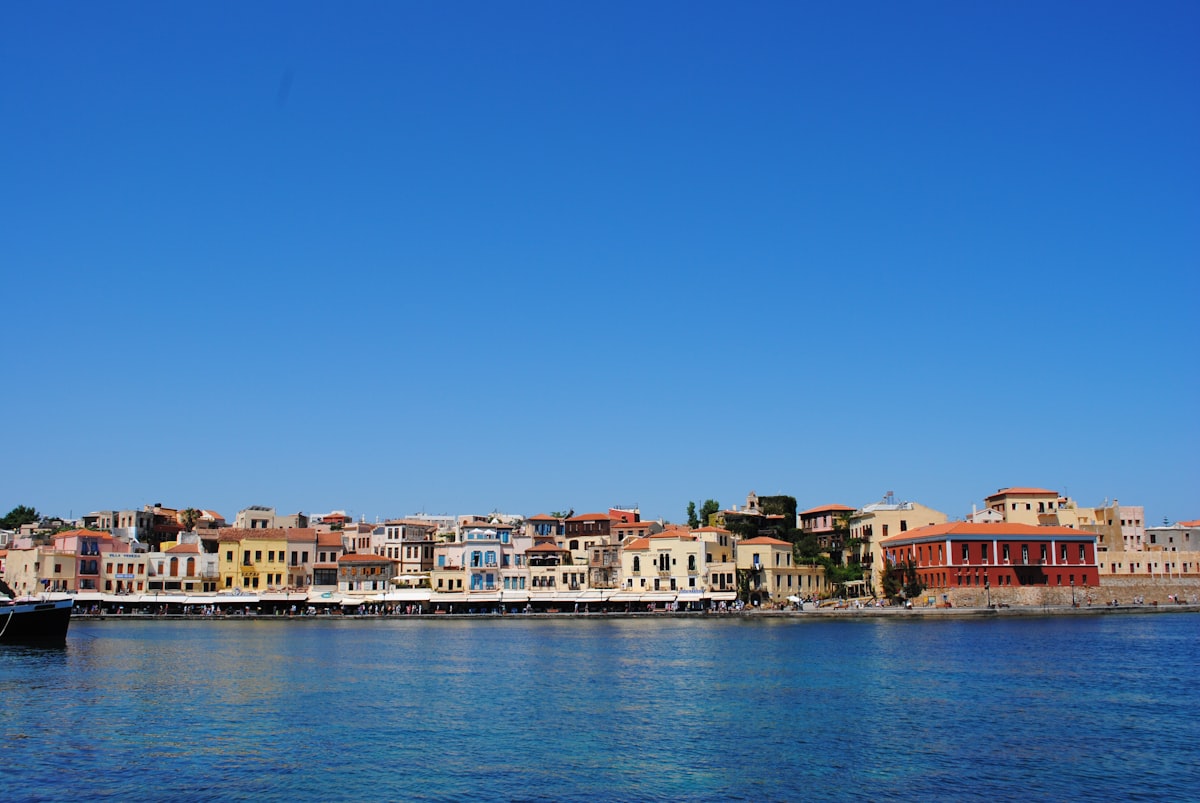
The most beautiful city on Crete — Venetian harbour, lighthouse, and the finest base for the Samaria Gorge and White Mountains.
8/10
Central
9/10
Walk
7/10
Transit
Also exploring
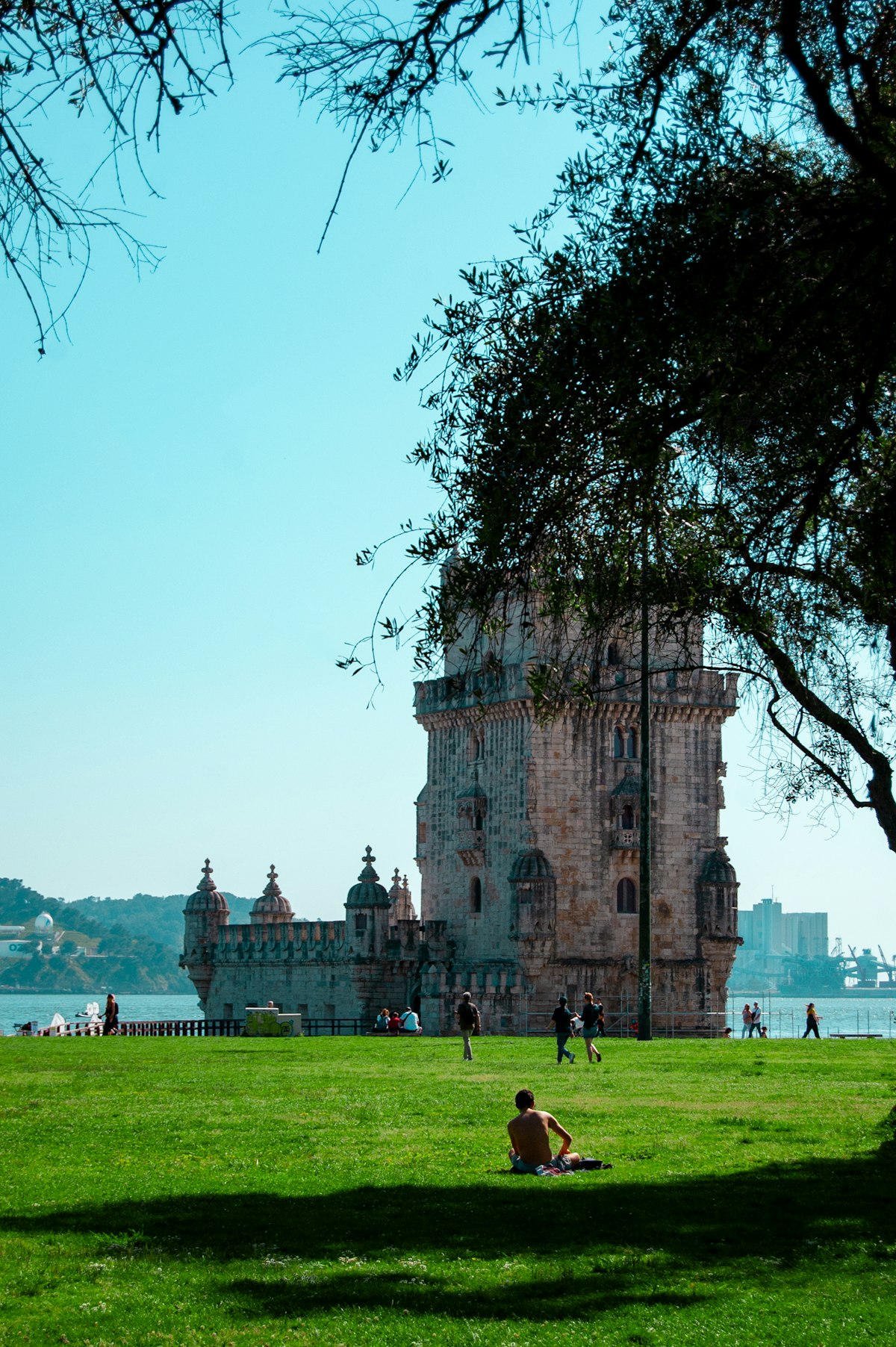
Lisbon
Portugal
A sun-drenched Atlantic capital where tram lines weave through hilltop neighbourhoods and prices stay genuinely affordable by Western European standards.
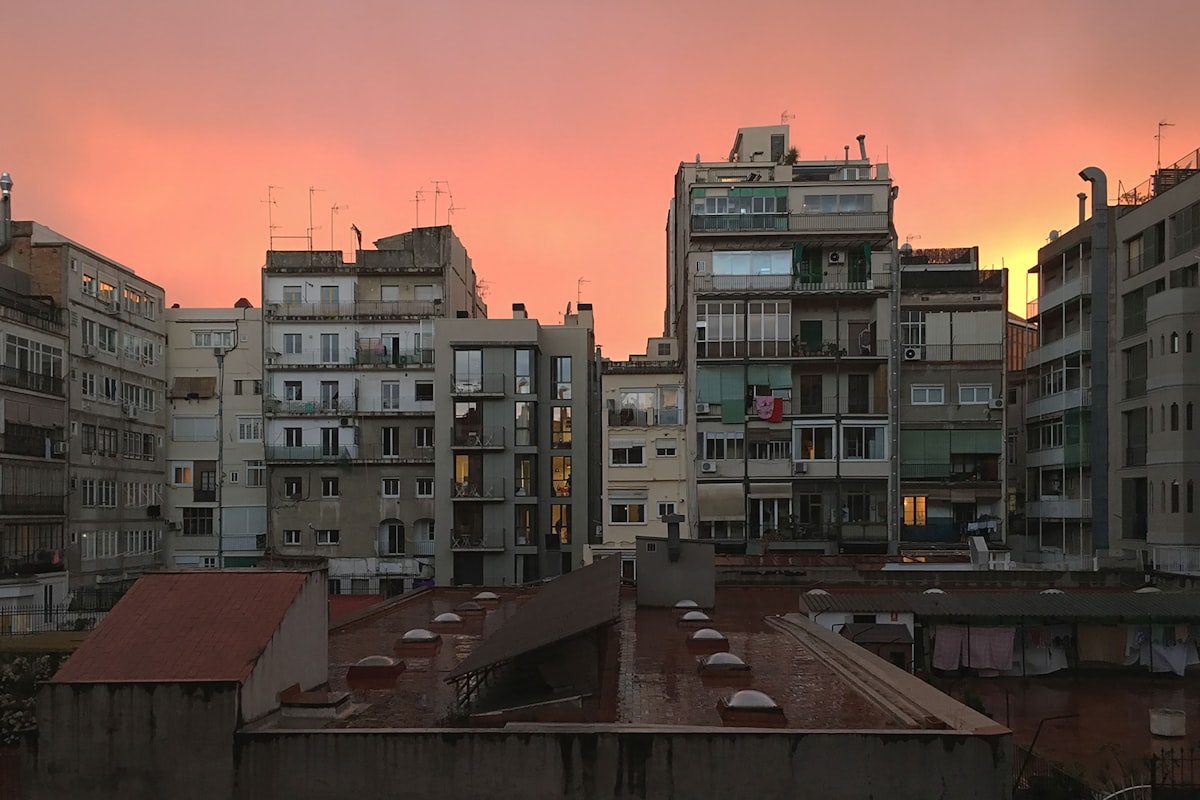
Barcelona
Spain
A Mediterranean city that runs on architecture, food markets, and beach culture — with a tourism problem that makes timing absolutely critical.
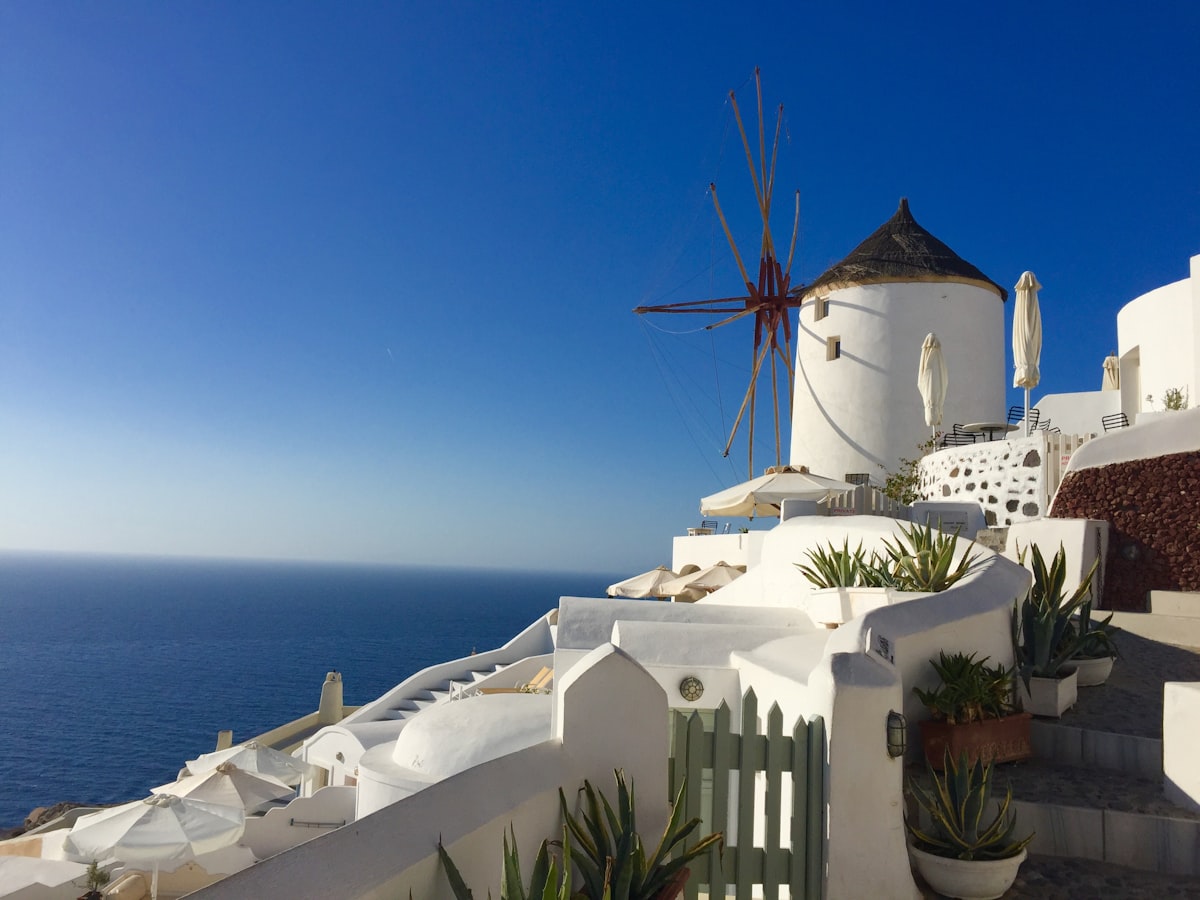
Santorini
Greece
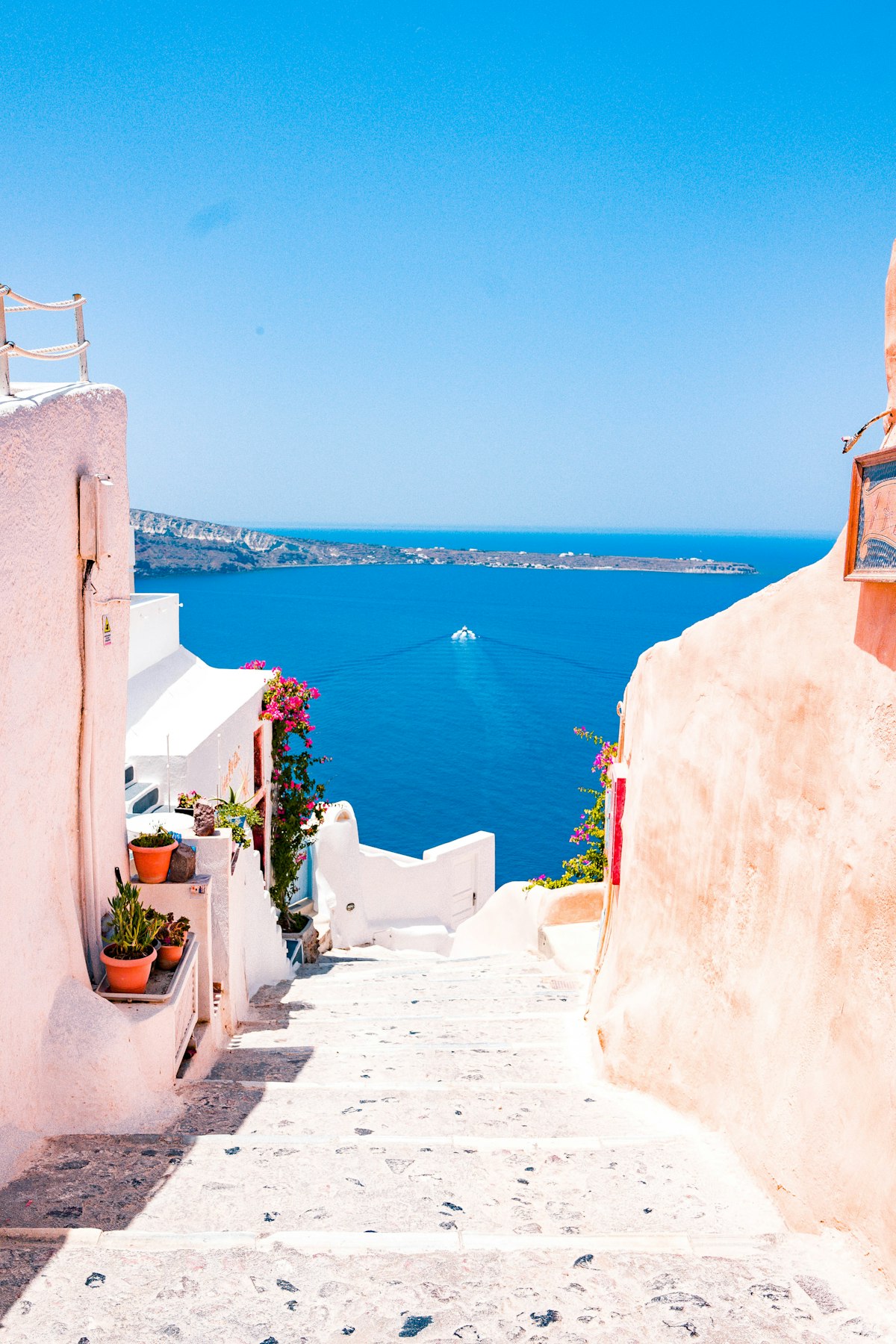
The caldera sunsets and white-washed cliffside villages are real — but so is a tourism infrastructure that was never designed for 3 million annual visitors.
Worth knowing
September scores highest overall. November is the most crowded month — avoid if you can. See crowd-free ranking →
Month by month breakdown
January#11▾
Gains
- ↑Knossos Palace entirely uncrowded; the Minoan civilisation at its most contemplative
- ↑Heraklion Archaeological Museum — the world's finest Minoan collection — without the summer crush
- ↑Budget accommodation; Chania's Old Town beautifully atmospheric in winter light
Sacrifices
- ↓Cool (9–14°C) with regular rain; beach swimming is not an option
- ↓Most resort areas and beach clubs firmly closed; tourist infrastructure very limited
February#12▾
Gains
- ↑Almond trees in flower across the Messara Plain — a beautiful pale-pink display
- ↑The White Mountains (Lefka Ori) snow-capped and accessible for walking below the snowline
- ↑Some of the cheapest accommodation in all of Europe at this time of year
Sacrifices
- ↓February is one of Crete's wettest months; outdoor touring is weather-dependent
- ↓Very limited restaurant and tourism services outside major towns
March#8▾
Gains
- ↑Wildflowers: the island has 160+ endemic plant species; gorge hiking through anemones and orchids
- ↑Orthodox Easter preparation in many villages — colourful palm Sunday processions
- ↑Comfortable 14–19°C; excellent walking weather in the Samaria and Imbros gorges
Sacrifices
- ↓Some spring rain still; gorge hiking can be affected by high water levels
- ↓Beach season not yet open; the sea is 16–17°C and bracing
April#6▾
Gains
- ↑Greek Orthodox Easter (April or early May) is the most significant celebration of the year — midnight resurrection services, lamb roasts, genuine community atmosphere
- ↑Perfect 17–22°C walking weather; the Samaria Gorge reopens after winter
- ↑Sea starting to warm; early swimmers will find it manageable at 17–18°C
Sacrifices
- ↓Easter week can be very busy; flights and accommodation book out early
- ↓Some gorge hikes still closed after late winter rains
May#2▾
Gains
- ↑Warm 22–26°C with a 21°C sea — Crete's beaches are genuinely swimmable and largely uncrowded
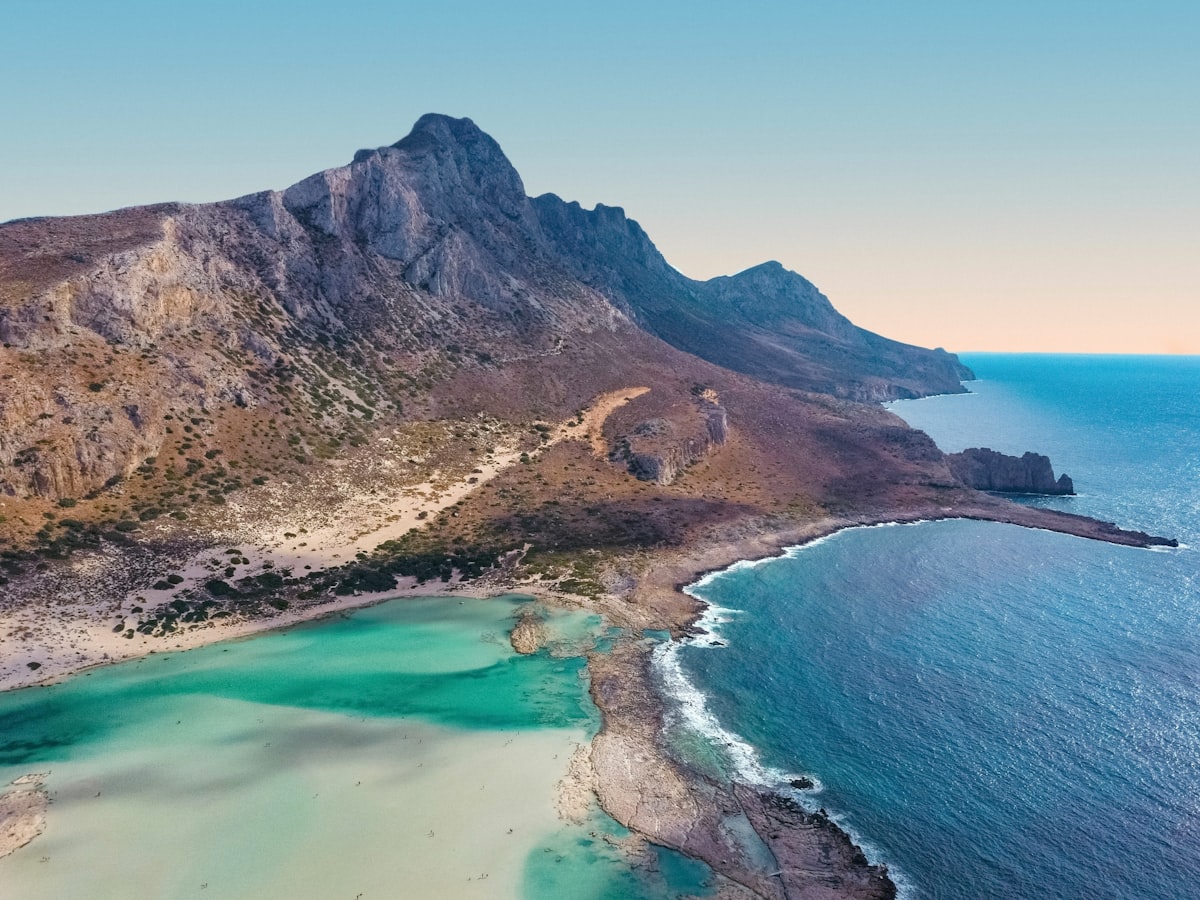
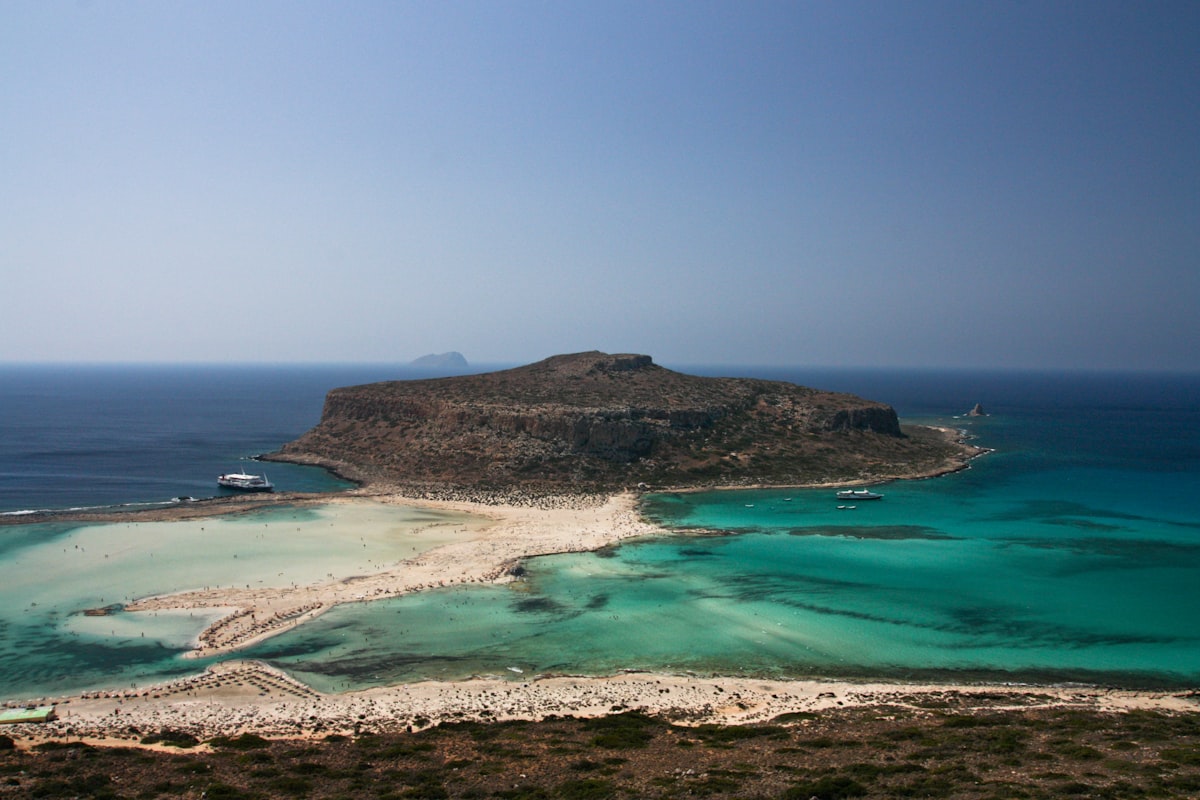
- ↑Balos Lagoon and Elafonissi pink-sand beach accessible without the July boat-queue chaos
- ↑Samaria Gorge fully open: 16km hike through Europe's longest gorge at perfect temperature
Sacrifices
- ↓School half-term and early-summer bookings pushing accommodation prices up
- ↓Some popular sites like Knossos getting busier but manageable with early-morning visits
June#3▾
Gains
- ↑Consistently warm 26–30°C with a 24°C sea — ideal swimming conditions across all beaches
- ↑Elafonissi and Balos reachable but not yet at maximum July/August tourist saturation
- ↑Heraklion festivals and outdoor cinema season opening
Sacrifices
- ↓Prices accelerating; popular beach hotels near Elafonissi requiring advance booking
- ↓Tourist numbers building rapidly from mid-June
July#4▾
Gains
- ↑The hottest, sunniest conditions of the year (29–34°C); every beach at full capacity
- ↑Meltemi wind keeps the northern coast surprisingly bearable despite high temperatures
- ↑Heraklion Festivities (late July) — live music, theatrical performances and cultural events
Sacrifices
- ↓Elafonissi and Balos absolutely packed; boat queues and car park chaos
- ↓Maximum prices throughout; Crete's peak season demands peak-season budgets
August#5▾
Gains
- ↑Warmest sea (26°C) and the most reliably sunny days of the year
- ↑Full nightlife, beach clubs and water sports activity across all resorts
- ↑Boat trips to Gramvousa and Balos daily from Kissamos
Sacrifices
- ↓Every airport, port and road at maximum capacity; Crete can feel overwhelmed
- ↓Pre-booking required for literally everything: ferries, restaurants, excursions, parking
September#1▾
Gains
- ↑Warm 26–29°C with a 25°C sea — identical conditions to August but beaches dramatically emptier
- ↑Prices 30–40% below August; restaurants, tours and boat trips all available on the day
- ↑Autumn grape harvest beginning in Heraklion wine region; excellent local food
Sacrifices
- ↓Early autumn rain possible late September; a brief shower breaks the heat cycle
- ↓First resorts beginning to close for the season from late September
October#7▾
Gains
- ↑Olive harvest transforms the countryside from late October; olive oil direct from family estates
- ↑October sea still 23–24°C and largely empty; excellent walking conditions in the gorges
- ↑Heraklion Wine Routes at peak; Peza wine region particularly active
Sacrifices
- ↓First proper rains of autumn returning; 8 rainy days on average in October
- ↓Resort infrastructure significantly reduced; focus must be on year-round towns
November#9▾
Gains
- ↑Chania and Rethymno's old towns return to locals; Venetian harbours without tour groups
- ↑Budget accommodation; Knossos walkable without audio guide volume and crowd noise
- ↑First young olive oil of the season available from local farms
Sacrifices
- ↓Rainy and cooling (11–17°C); the beaches are for walking, not swimming
- ↓Most resort-area restaurants and accommodation closed for winter
December#10▾
Gains
- ↑Greek Christmas traditions: carol singing (kalanda), church services in Chania cathedral
- ↑White Mountains with snow in December; hiking the lower foothills peaceful and beautiful
- ↑Budget rates on everything; off-season Crete has a genuinely authentic atmosphere
Sacrifices
- ↓Cool and wet (9–14°C); Christmas and New Year week pushes prices back up
- ↓Tourist infrastructure essentially non-existent outside major towns
How this is calculated
Climate data
Open Meteo ERA5
30-year normals (1991–2020). Temperature, rainfall, sunshine, humidity.
Price & crowd
Tourism research
Seasonal pricing from tourism authority data. Directional — compares months within a destination only.
Personalisation
Weighted scoring
Your priorities change the weights. Budget-first users get different results than weather-first users.
Share this result
September is the best time to visit Crete
Travel timing updates
New destinations and timing guides, when they land.
No spam. Unsubscribe anytime.