Showing: Apr · Unsplash / Unsplash
Bhutan · South Asia
Best time to visit Bhutan
April
Apr scores highest overall — reliable weather and manageable crowds. Set your priorities below to personalise this result.
What matters most to you?
All 12 months — click any to expand
Apr
Unsplash / Unsplash
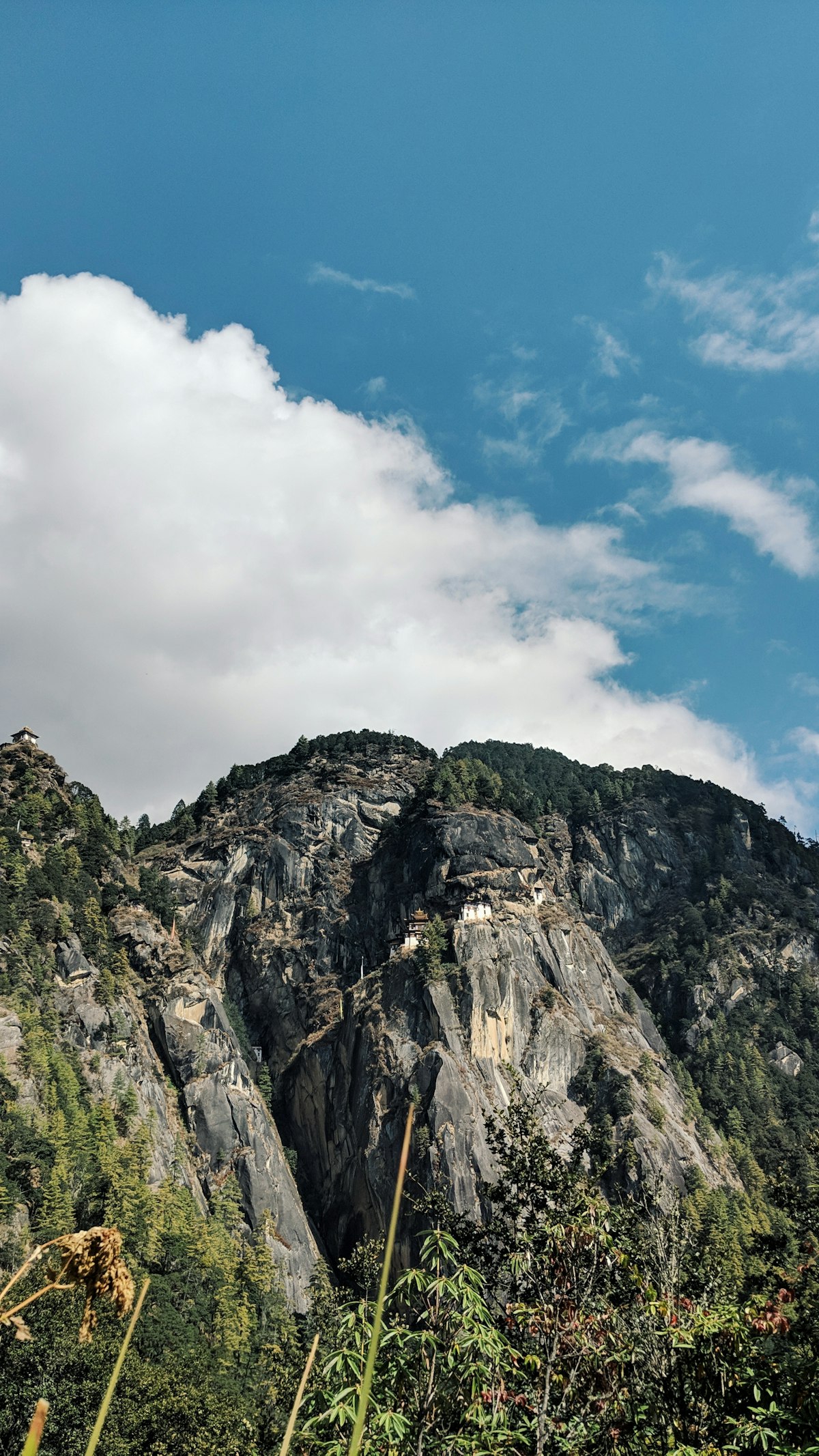
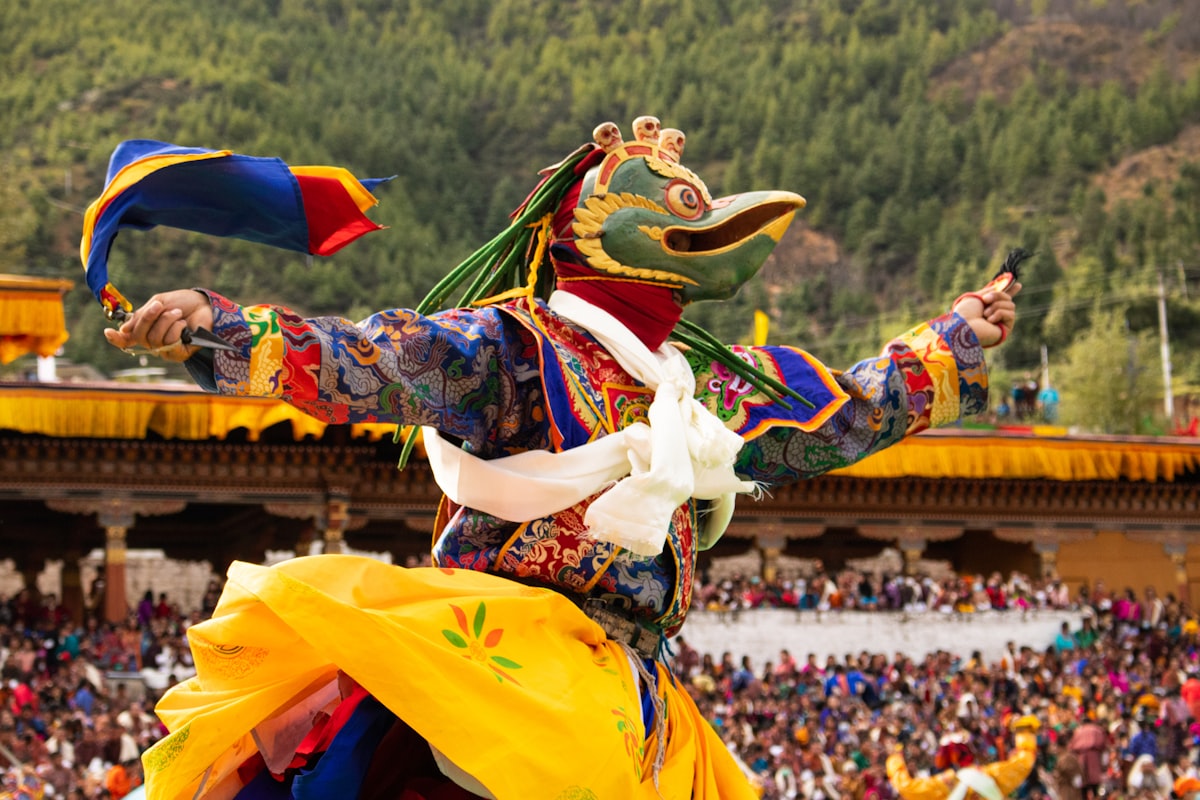
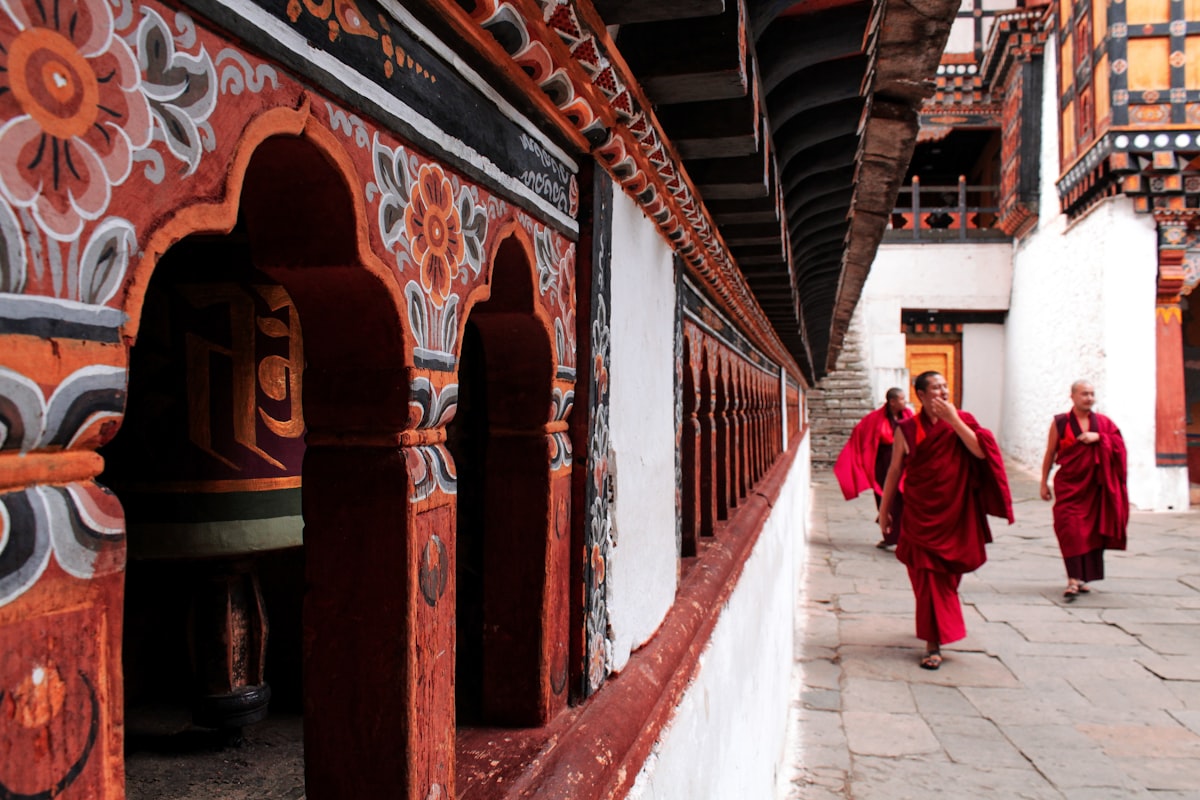
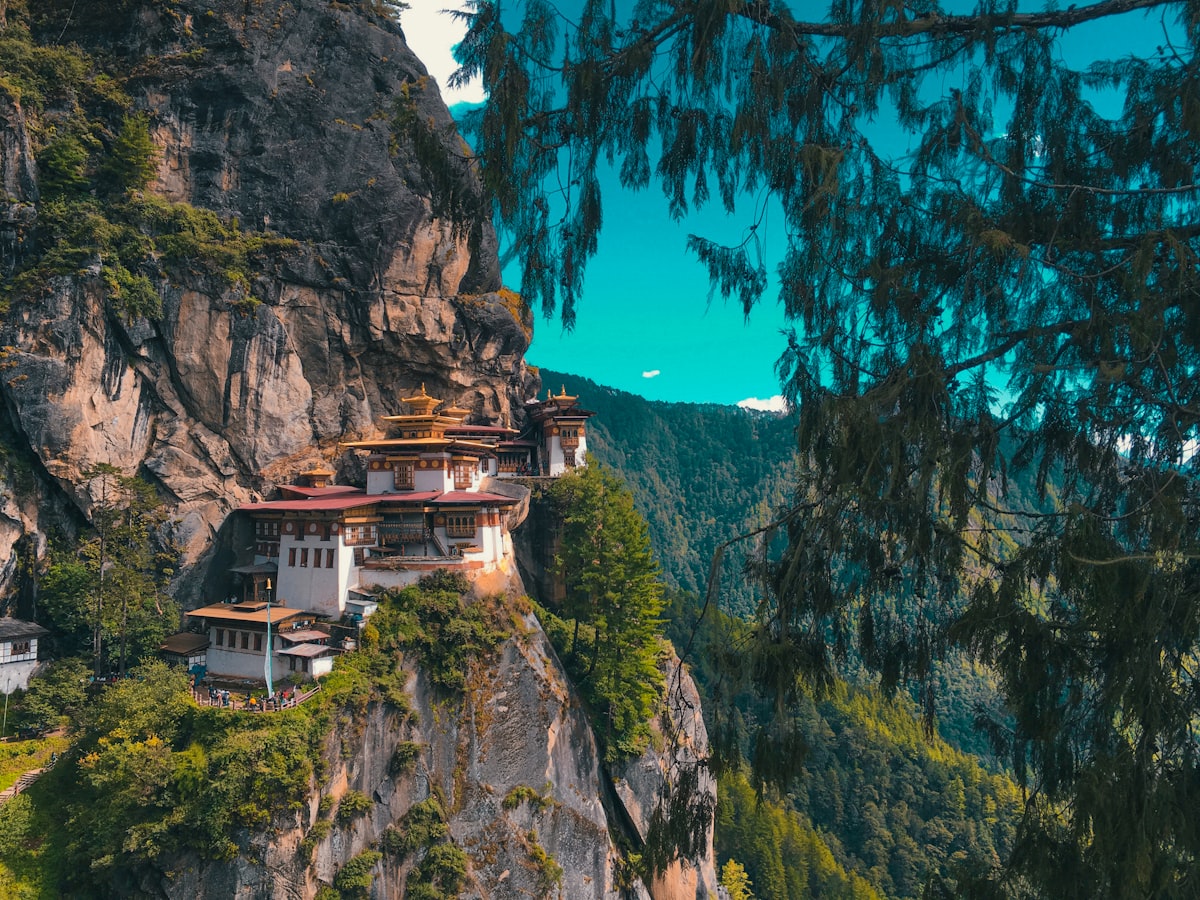
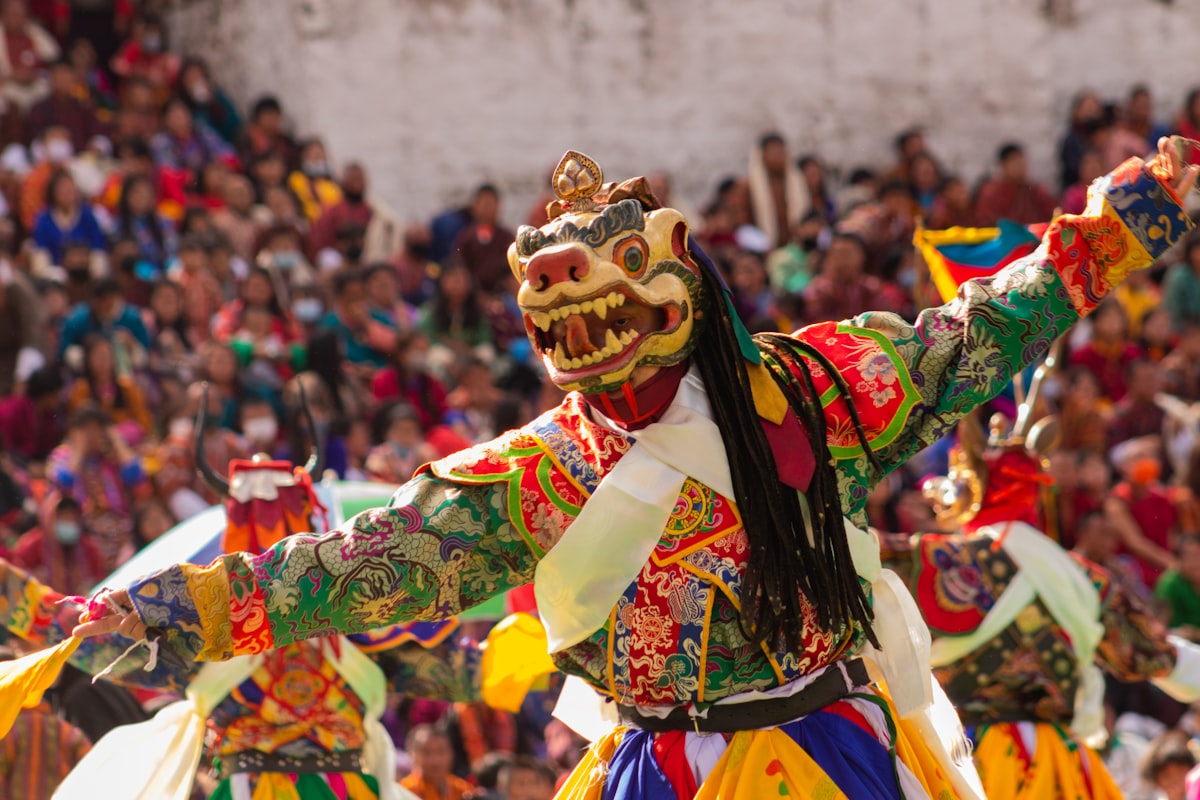
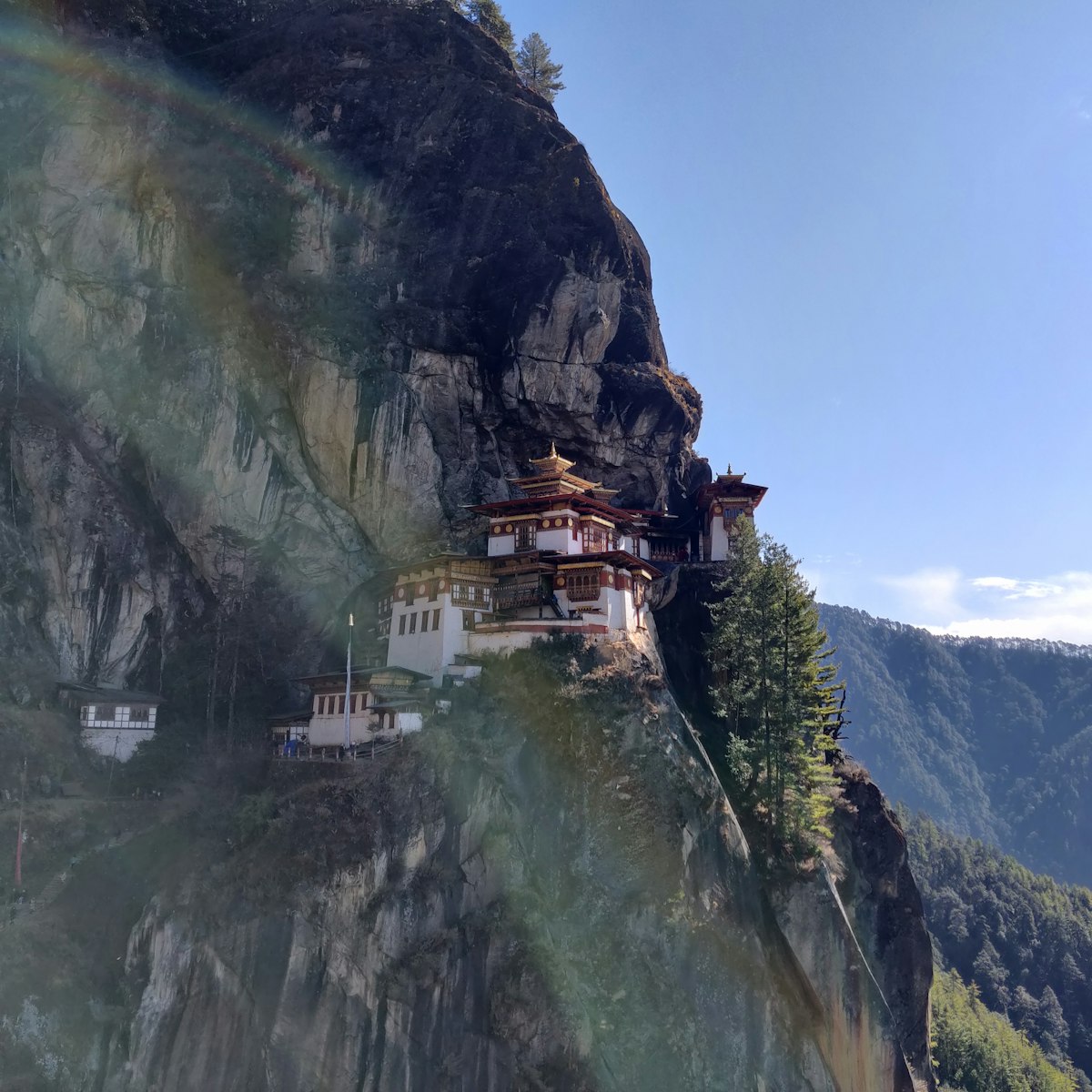
Paro Tshechu — Bhutan's most famous festival and the ideal time to visit Tiger's Nest
23°C
High
10°C
Low
97mm
Rain
6.5h
Sun/day
What you gain
- ↑Paro Tshechu (April) is the kingdom's most celebrated festival — the giant thangka unfurling at dawn is unmissable
- ↑Tiger's Nest (Paro Taktsang) in perfect weather: 15–20°C, clear skies, flowers everywhere
- ↑The Paro valley in spring light with Himalayan backdrop is one of Asia's great landscapes
What you sacrifice
- ↓Peak tourist season — the most expensive time to visit Bhutan
- ↓Accommodation fills months ahead; independent trekkers need an operator
Apr scores highest overall — reliable weather and manageable crowds. Set your priorities below to personalise this result.
Apr
Paro Tshechu — Bhutan's most famous festival and the ideal time to visit Tiger's Nest
23°C
High
97mm
Rain
6.5h
Sun
- ↑Paro Tshechu (April) is the kingdom's most celebrated festival — the giant thangka unfurling at dawn is unmissable
- ↑Tiger's Nest (Paro Taktsang) in perfect weather: 15–20°C, clear skies, flowers everywhere
- ↑The Paro valley in spring light with Himalayan backdrop is one of Asia's great landscapes
- ↓Peak tourist season — the most expensive time to visit Bhutan
- ↓Accommodation fills months ahead; independent trekkers need an operator
Top travel windows
★ BestApril
Best overall
Highest combined score
23°C
High
97mm
Rain
6.5h
Sun
January
Best for value
Lowest prices & fees
14°C
High
14mm
Rain
8.5h
Sun
★ BestApril
Fewest crowds
Quietest month
23°C
High
97mm
Rain
6.5h
Sun
Breakdown by priority
Best for weather
October
22°C high · 68mm rain · 7hrs sun/day
Best for budget
January
Exceptional Himalayan views with no haze; Chomolhari and Jomolhari visible from Paro valley
Fewest crowds
April
Paro Tshechu (April) is the kingdom's most celebrated festival — the giant thangka unfurling at dawn is unmissable
Where to base yourself in Bhutan
All regions →
Thimphu
Bhutan's capital — Tashichho Dzong, the Giant Buddha, and the country's best infrastructure for arrivals and departures.
8/10
Central
7/10
Walk
8/10
Transit

Paro Valley
Home to the airport and Tiger's Nest — the hike to Taktsang Monastery is the single most essential experience in Bhutan.
7/10
Central
6/10
Walk
7/10
Transit
Also exploring
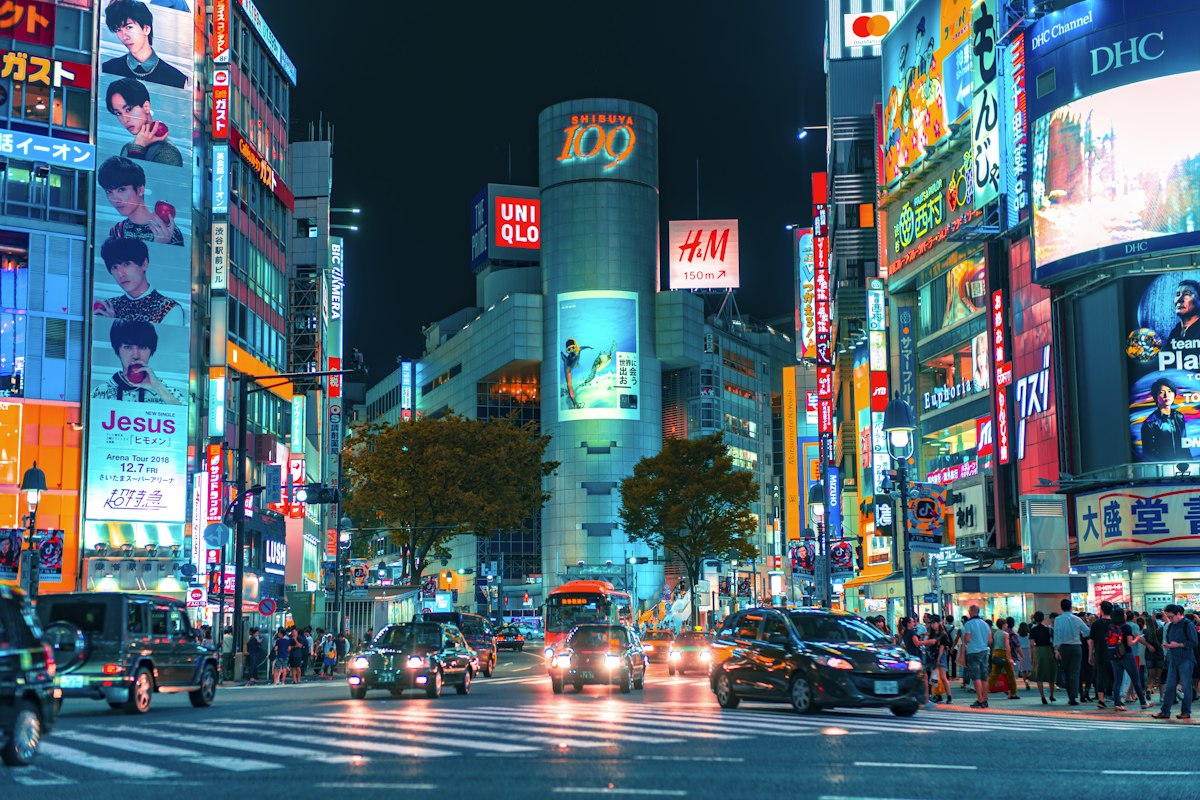
Tokyo
Japan
A city of dramatic seasonal contrasts — cherry blossom crowds, oppressive summer humidity, and golden autumn foliage — where the wrong timing can make or break the trip.
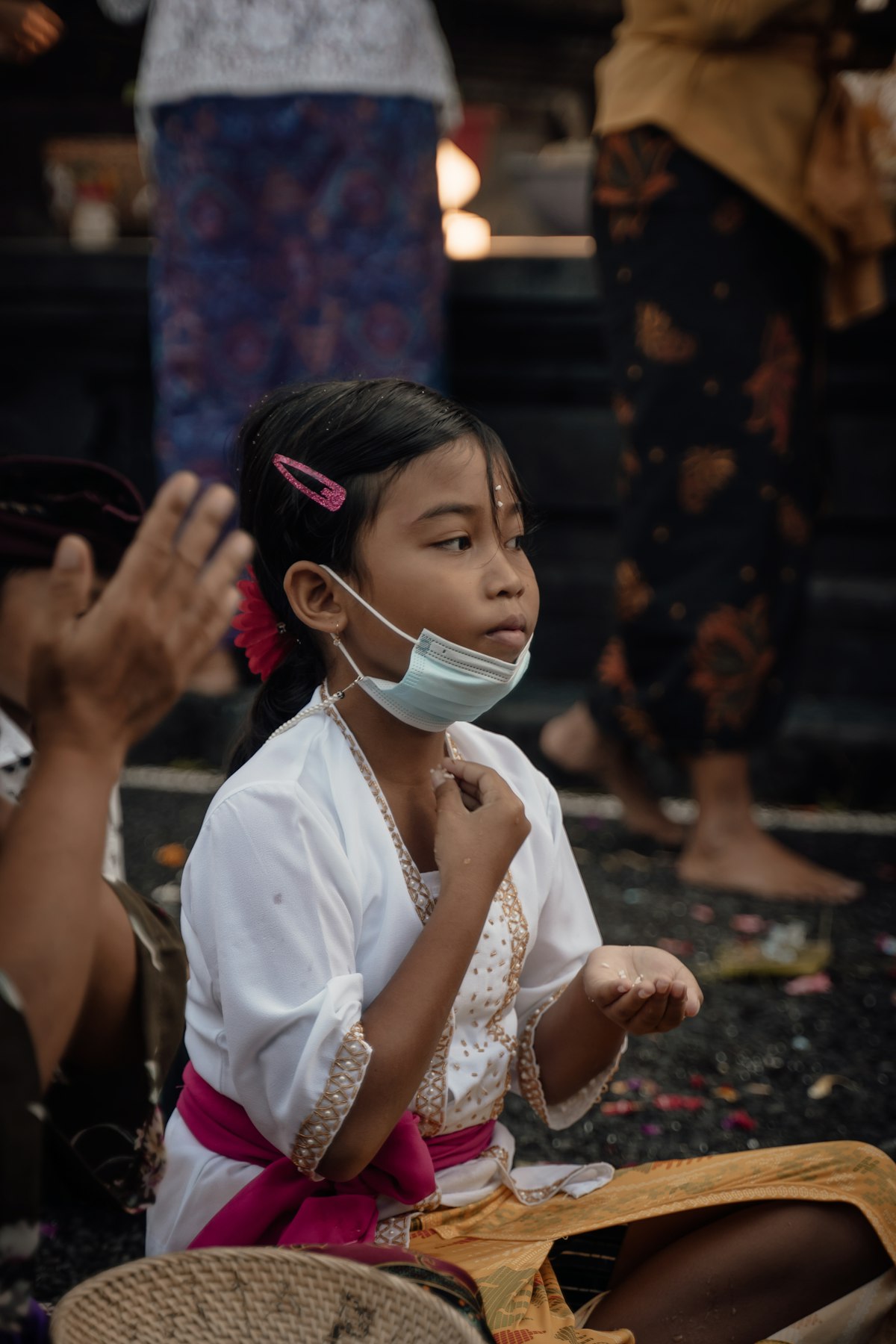
Bali
Indonesia
A Hindu island of rice terraces, temple ceremonies, and surf breaks where the monsoon makes timing genuinely binary — the difference between dry and wet season is not subtle.
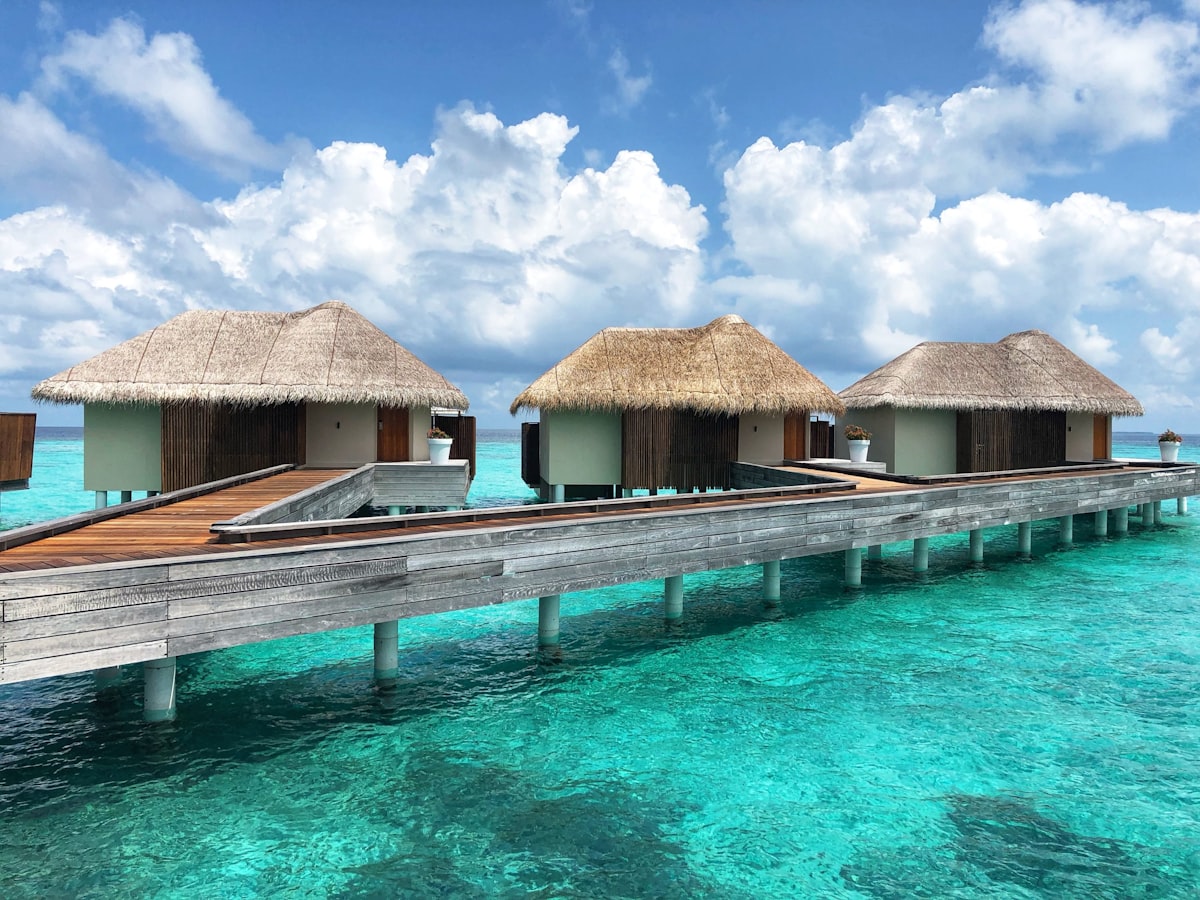
Maldives
Maldives
A destination defined almost entirely by its monsoon calendar — the difference between the NE dry season (November–April) and SW wet season (May–October) is not subtle and shapes every aspect of the experience.
Worth knowing
April scores highest overall. January is the most crowded month — avoid if you can. See crowd-free ranking →
Month by month breakdown
January#9▾
Gains
- ↑Exceptional Himalayan views with no haze; Chomolhari and Jomolhari visible from Paro valley
- ↑Very few tourists — a genuinely intimate experience of the kingdom
- ↑Lower SDF (Sustainable Development Fee) in the off-season makes this the best-value window
Sacrifices
- ↓Cold at altitude (−5 to 10°C in Thimphu); Tiger's Nest trail can be icy
- ↓Some high passes and mountain lodges close for winter
February#4▾
Gains
- ↑Punakha Dzong backed by blooming peach trees is one of the great travel photographs
- ↑Punakha Drubchen (religious festival) — masked dances and ceremonial pageantry in a stunning setting
- ↑Comfortable 10–18°C in lower-altitude Punakha; a welcome break from Thimphu's cold
Sacrifices
- ↓Still cold at higher elevations and in Thimphu
- ↓Punakha Tshechu (festival) draws small but growing crowds — book accommodation ahead
March#3▾
Gains
- ↑Rhododendron forests blaze red, pink and white from 2,500m upward — extraordinary trekking scenery
- ↑Paro Tshechu preparations create atmosphere throughout the valley
- ↑Comfortable trekking weather before the summer heat builds
Sacrifices
- ↓Tourist numbers begin to build ahead of the spring festival peak
- ↓Some afternoon cloud builds — mornings give the best Himalayan views
April#1▾
Gains
- ↑Paro Tshechu (April) is the kingdom's most celebrated festival — the giant thangka unfurling at dawn is unmissable
- ↑Tiger's Nest (Paro Taktsang) in perfect weather: 15–20°C, clear skies, flowers everywhere
- ↑The Paro valley in spring light with Himalayan backdrop is one of Asia's great landscapes
Sacrifices
- ↓Peak tourist season — the most expensive time to visit Bhutan
- ↓Accommodation fills months ahead; independent trekkers need an operator
May#7▾
Gains
- ↑Lower crowds and better rates than April while weather remains excellent
- ↑Rhododendrons at higher altitudes still blooming late into May
- ↑Good trekking conditions on routes like Druk Path and Jomolhari
Sacrifices
- ↓Monsoon starts building by late May — some afternoon thunderstorms possible
- ↓Fewer cultural events than April or August
June#11▾
Gains
- ↑Kingdom at its most lush and verdant — the Paro and Punakha valleys glow emerald
- ↑Very low tourist numbers; genuine solitude at dzongs and monasteries
- ↑Best SDF rates and easiest itinerary flexibility of the year
Sacrifices
- ↓Heavy rain from June onward; high-altitude treks are muddy and leech-infested
- ↓Himalayan peaks hidden behind monsoon cloud for weeks at a time
July#12▾
Gains
- ↑Absolute minimum SDF and easiest permit system of the year
- ↑Dzong interiors and cultural experiences are excellent regardless of rain
- ↑Almost no other tourists — the kingdom is yours
Sacrifices
- ↓Near-constant rain; most famous treks (Snowman, Jomolhari) are off-limits due to trail conditions
- ↓Tiger's Nest trail is slippery and the monastery itself is often shrouded in cloud
August#5▾
Gains
- ↑Thimphu Tshechu (September/October or sometimes August) is the largest masked dance festival in Bhutan
- ↑Giant thangka revealed at dawn; enormous cultural spectacle despite the rain
- ↑Affordable rates even during the festival make August excellent value
Sacrifices
- ↓Monsoon rain still heavy — indoor spectating at festivals is manageable, outdoor trekking is not
- ↓Check exact Thimphu Tshechu dates as they vary by the lunar calendar each year
September#8▾
Gains
- ↑Everything green and vivid as the rains end; rivers run clear, air smells of pine
- ↑Trekking routes reopening; trails well-watered but passable
- ↑Himalayan views returning as cloud clears from the peaks
Sacrifices
- ↓Early September still rainy in places — check weather for your specific regions
- ↓Tourist season picking up ahead of October peak; book accommodation early
October#2▾
Gains
- ↑Perfect blue-sky days with Himalayan peaks fully visible; Jomolhari trek at its absolute best
- ↑Wangdue Phodrang and various dzong tshechus (festivals) add cultural richness
- ↑The Phobjikha Valley welcomes black-necked cranes from Tibet — one of Asia's wildlife spectacles
Sacrifices
- ↓Most expensive time of year alongside April; accommodation fills fast
- ↓High season brings the most tourists Bhutan sees — dzongs can feel busy
November#6▾
Gains
- ↑Clear skies and good Himalayan views continue; temperatures still comfortable (5–17°C)
- ↑Crowds drop significantly after October peak — a more relaxed experience
- ↑Black-necked cranes still present in Phobjikha Valley through November
Sacrifices
- ↓Getting noticeably colder, especially at altitude and in the evenings
- ↓Fewer festivals than October; the cultural calendar is quieter
December#10▾
Gains
- ↑Very few tourists; Tiger's Nest and major dzongs nearly to yourself
- ↑Lowest SDF rates of the year; good value for budget-conscious visits
- ↑Crisp winter light gives extraordinary photography conditions on clear days
Sacrifices
- ↓Cold, particularly at altitude (−5 to 8°C in Thimphu); Tiger's Nest can be icy
- ↓Short days and some high passes closed; certain lodges and facilities off-season
How this is calculated
Climate data
Open Meteo ERA5
30-year normals (1991–2020). Temperature, rainfall, sunshine, humidity.
Price & crowd
Tourism research
Seasonal pricing from tourism authority data. Directional — compares months within a destination only.
Personalisation
Weighted scoring
Your priorities change the weights. Budget-first users get different results than weather-first users.
Share this result
April is the best time to visit Bhutan
Travel timing updates
New destinations and timing guides, when they land.
No spam. Unsubscribe anytime.