


Showing: Sep · Unsplash / Unsplash
Spain · Mediterranean Europe
Best time to visit Mallorca
September
Sep scores highest overall — reliable weather and strong local atmosphere. Set your priorities below to personalise this result.
What matters most to you?
All 12 months — click any to expand
Sep
Unsplash / Unsplash
The best month to visit — warm sea, crowd-free beaches and summer prices cut in half
28°C
High
20°C
Low
45mm
Rain
9.5h
Sun/day
What you gain
- ↑Warm 25–28°C with a 26°C sea — identical conditions to August but the beaches half-empty
- ↑Hotel prices 30–40% below August; restaurants have availability on the night
- ↑The Tramuntana walking season reopens after the summer heat; perfect cycling temperatures
What you sacrifice
- ↓First autumn rain possible late September; a brief shower can end an otherwise perfect day
- ↓Some very large resort hotels start winding down their programming
Sep scores highest overall — reliable weather and strong local atmosphere. Set your priorities below to personalise this result.
Sep
The best month to visit — warm sea, crowd-free beaches and summer prices cut in half
28°C
High
45mm
Rain
9.5h
Sun
- ↑Warm 25–28°C with a 26°C sea — identical conditions to August but the beaches half-empty
- ↑Hotel prices 30–40% below August; restaurants have availability on the night
- ↑The Tramuntana walking season reopens after the summer heat; perfect cycling temperatures
- ↓First autumn rain possible late September; a brief shower can end an otherwise perfect day
- ↓Some very large resort hotels start winding down their programming
Top travel windows
★ BestSeptember
Best overall
Highest combined score
28°C
High
45mm
Rain
9.5h
Sun
February
Best for value
Lowest prices & fees
14°C
High
38mm
Rain
6.5h
Sun
August
Fewest crowds
Quietest month
31°C
High
18mm
Rain
12h
Sun
Breakdown by priority
Best for weather
September
28°C high · 45mm rain · 9.5hrs sun/day
Best for budget
February
Almond blossoms in the interior (Llucmajor, Selva, Sa Pobla) — 4 million almond trees turning white in February
Fewest crowds
August
The hottest, longest days (30–34°C); every beach bar and water sports operator running at full tilt
Where to stay in Mallorca
All neighbourhoods →
Palma Old Town (La Calatrava)
The walled heart of Palma — the Gothic cathedral, Bellver Castle, Arab Baths, and the best urban base on the island.
10/10
Central
10/10
Walk
8/10
Transit
Santa Catalina
Palma's most vibrant neighbourhood — the covered market, natural wine bars, and the best dining scene in the Balearics.
8/10
Central
9/10
Walk
8/10
Transit
Also exploring
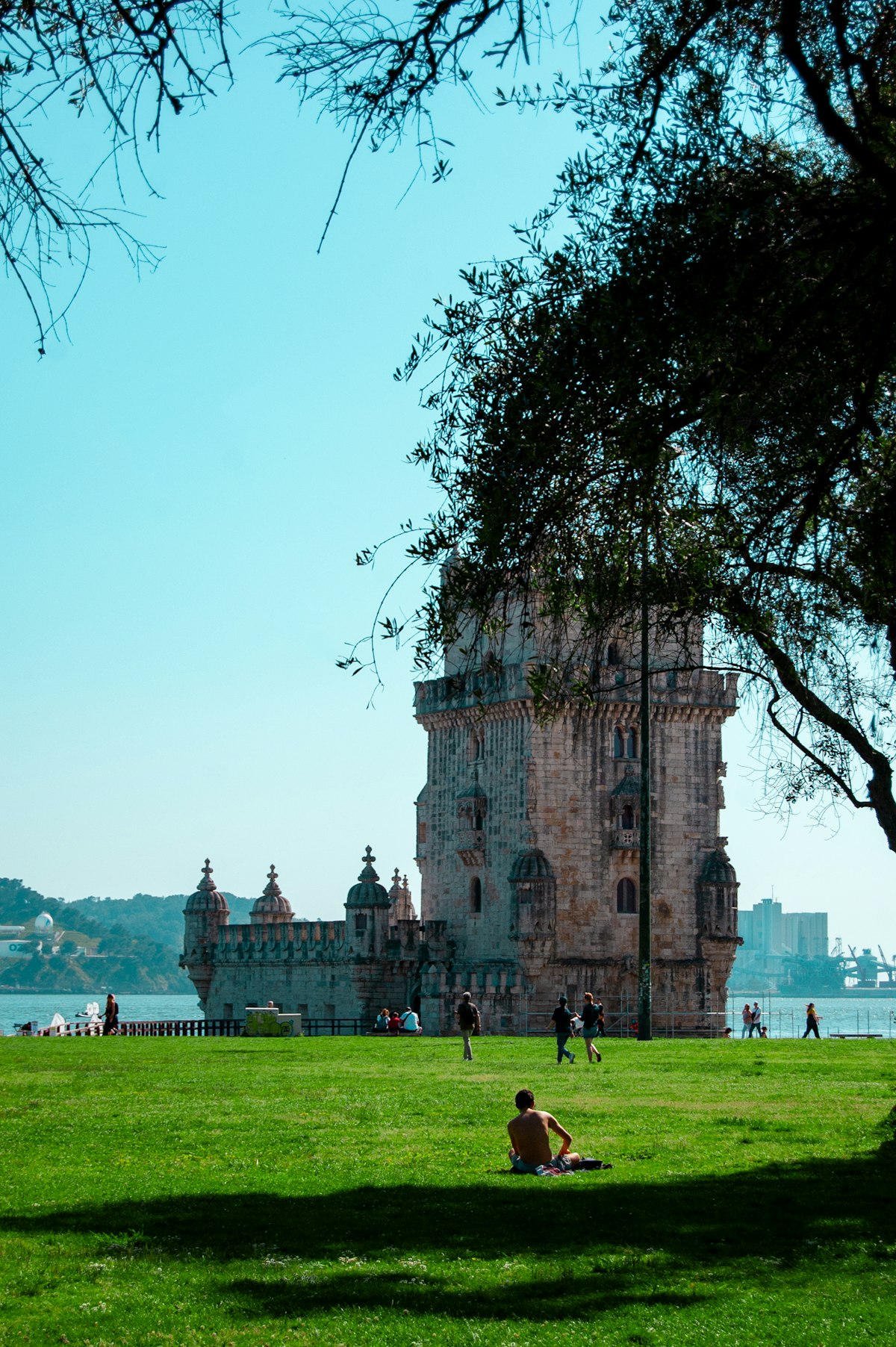
Lisbon
Portugal
A sun-drenched Atlantic capital where tram lines weave through hilltop neighbourhoods and prices stay genuinely affordable by Western European standards.
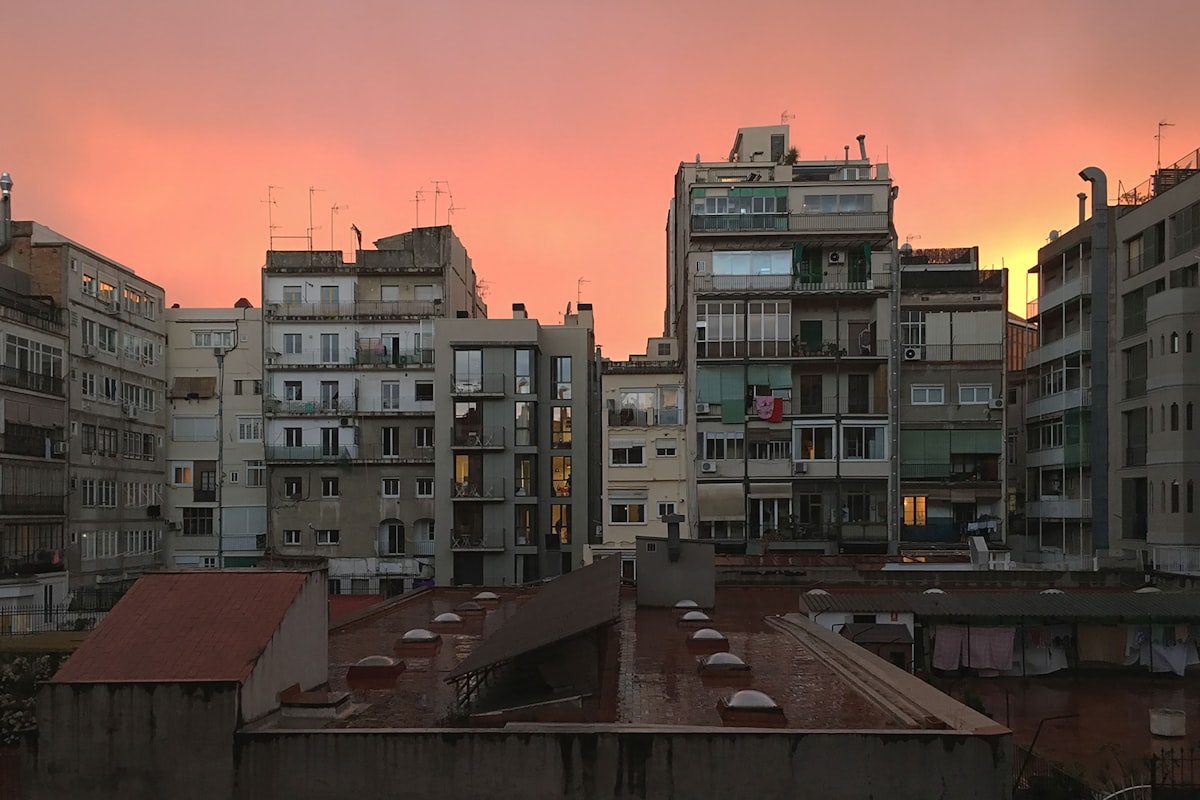
Barcelona
Spain
A Mediterranean city that runs on architecture, food markets, and beach culture — with a tourism problem that makes timing absolutely critical.
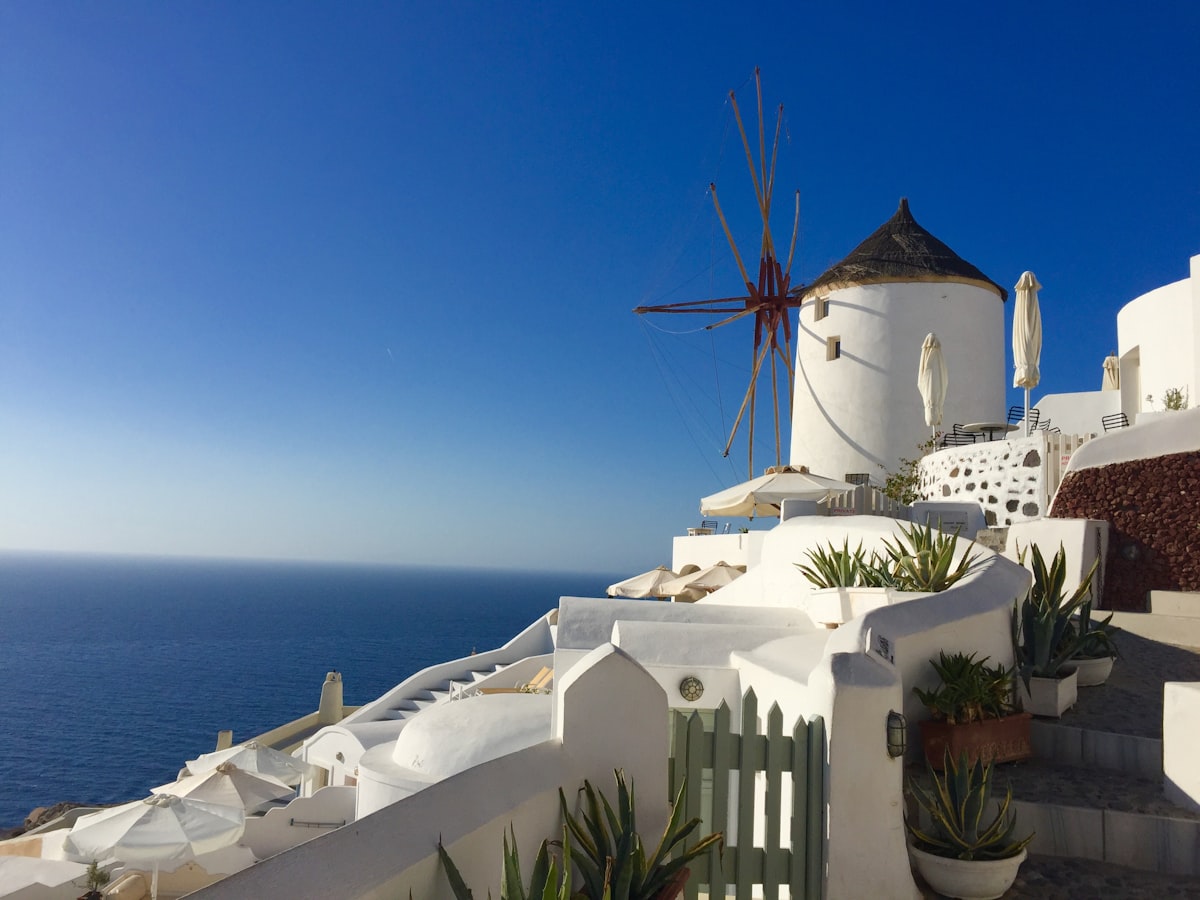
Santorini
Greece
The caldera sunsets and white-washed cliffside villages are real — but so is a tourism infrastructure that was never designed for 3 million annual visitors.
Worth knowing
September scores highest overall. February is the most crowded month — avoid if you can. See crowd-free ranking →
Month by month breakdown
January#12▾
Gains
- ↑Sant Sebastià (January 20) fills Palma with bonfires, live music and free concerts — a genuine local festival
- ↑Accommodation at annual minimum; Palma's Old Town is walkable without fighting tourist crowds
- ↑Tramuntana mountain villages completely empty — the Serra de Tramuntana looks spectacular in winter light
Sacrifices
- ↓Cool and wet (8–14°C); most beach clubs, resort hotels and summer restaurants are firmly closed
- ↓Much of the island's tourist infrastructure is in off-season mode
February#9▾
Gains
- ↑Almond blossoms in the interior (Llucmajor, Selva, Sa Pobla) — 4 million almond trees turning white in February
- ↑Budget accommodation; Palma Cathedral and Bellver Castle entirely without queues
- ↑Cycling routes in the Tramuntana are peaceful with negligible traffic in the cool air
Sacrifices
- ↓Still cool (9–15°C); the beach is an aesthetic experience, not a swimming one
- ↓Limited restaurant hours in resort towns; Palma has the most year-round life
March#8▾
Gains
- ↑Wildflowers across the Tramuntana mountains; hiking the GR221 Dry Stone Route without company
- ↑Temperatures 13–19°C — comfortable for exploring Palma, cycling and coastal walks
- ↑Significantly more affordable than summer; good shoulder-season hotel availability
Sacrifices
- ↓Beach swimming still cold (16°C); some beach restaurants not yet open
- ↓Easter week (Semana Santa) can bring Spanish domestic visitors and prices spike
April#6▾
Gains
- ↑Perfect 18–23°C walking weather; beach clubs reopening, the sea starting to warm
- ↑Formentor Peninsula accessible before the summer car ban kicks in
- ↑Palma's tapas bars fully open; the Old Town alive but not saturated
Sacrifices
- ↓Easter weekend brings Spanish and German visitors; accommodation harder to find that weekend
- ↓Sea still on the cool side (18°C) for extended swimming sessions
May#2▾
Gains
- ↑Warm 22–26°C with a 21°C sea — swimming genuinely pleasant, coves mostly uncrowded
- ↑Formentor Beach and Sa Calobra accessible without summer traffic restrictions
- ↑Cycling routes through orange and lemon groves at peak blossom — the island smells extraordinary
Sacrifices
- ↓Prices climbing as season builds; booking ahead now necessary for coastal accommodation
- ↓Some beach clubs still in soft-open mode; fewer sunlounger options than summer
June#3▾
Gains
- ↑Consistently warm 26–30°C with a 24°C sea — every cove perfect for swimming
- ↑Full resort infrastructure open; boat trips, water sports and evening dining at capacity
- ↑Cala d'Or, Deià, Sóller all at their most picturesque before July crowds arrive
Sacrifices
- ↓Prices accelerating into summer territory; popular villas book out months ahead
- ↓Northern European charter flights filling the island — tourist density rising fast
July#4▾
Gains
- ↑Perfect 29–33°C with warm sea — every beach and pool at its best
- ↑Mallorca Jazz Festival (Pollença) and countless summer evening concerts in historic settings
- ↑Boat trips to hidden sea caves and secluded snorkelling spots running daily
Sacrifices
- ↓Mallorca's most crowded month — popular beaches packed, roads congested, airport chaotic
- ↓Villa and hotel prices at annual peak; last-minute availability essentially zero
August#5▾
Gains
- ↑The hottest, longest days (30–34°C); every beach bar and water sports operator running at full tilt
- ↑Night culture is electric — clubs, beach bars, open-air concerts all simultaneously
- ↑Boat trips from Port de Sóller and Andratx visit sea caves inaccessible by road
Sacrifices
- ↓The most expensive and most crowded month of the year by a significant margin
- ↓Popular coves like Cala Varques and Cala Figuera filled to capacity; parking nightmarish
September#1▾
Gains
- ↑Warm 25–28°C with a 26°C sea — identical conditions to August but the beaches half-empty
- ↑Hotel prices 30–40% below August; restaurants have availability on the night
- ↑The Tramuntana walking season reopens after the summer heat; perfect cycling temperatures
Sacrifices
- ↓First autumn rain possible late September; a brief shower can end an otherwise perfect day
- ↓Some very large resort hotels start winding down their programming
October#7▾
Gains
- ↑October sea still 23°C; many beaches perfectly swimmable until mid-month
- ↑Palma's local life fully restored; excellent restaurant reservations same-day
- ↑Autumn hiking in the Tramuntana with golden light and empty GR221 trails
Sacrifices
- ↓Gota fría risk (intense autumn rainfall) — October can bring heavy, brief storms
- ↓Resort hotels increasingly on reduced hours; check specific properties before booking
November#10▾
Gains
- ↑Near-empty roads make November the top month for road cycling — professional teams train here all winter
- ↑Budget accommodation throughout; the island is yours to explore without competition
- ↑Olive groves in harvest; local olive oil direct from estates in Sóller and Estellencs
Sacrifices
- ↓Cool and rainy (11–16°C); most beach resorts in full off-season closure
- ↓Very limited nightlife and entertainment; this is genuinely the quiet season
December#11▾
Gains
- ↑Palma Christmas market and nativity scenes in the cathedral; the old town beautifully decorated
- ↑Budget accommodation; New Year's Eve celebrations in Palma are surprisingly festive
- ↑Spectacular mountain light and cool clear days for exploring inland towns
Sacrifices
- ↓Cold (8–13°C) with occasional rain; resorts firmly closed until March
- ↓Very limited transport connections to coastal areas; focus must be on Palma
How this is calculated
Climate data
Open Meteo ERA5
30-year normals (1991–2020). Temperature, rainfall, sunshine, humidity.
Price & crowd
Tourism research
Seasonal pricing from tourism authority data. Directional — compares months within a destination only.
Personalisation
Weighted scoring
Your priorities change the weights. Budget-first users get different results than weather-first users.
Share this result
September is the best time to visit Mallorca
Travel timing updates
New destinations and timing guides, when they land.
No spam. Unsubscribe anytime.