
Showing: Mar · Unsplash / Unsplash
Australia · Australia & Pacific
Best time to visit Melbourne
March
Mar scores highest overall — reliable weather and manageable crowds. Set your priorities below to personalise this result.
What matters most to you?
All 12 months — click any to expand
Mar
Unsplash / Unsplash
Australian Formula 1 Grand Prix and perfect late-summer weather — Melbourne at its most exciting
24°C
High
13°C
Low
50mm
Rain
8.5h
Sun/day
What you gain
- ↑Formula 1 Australian Grand Prix at Albert Park (late March) — one of the sport's most popular events
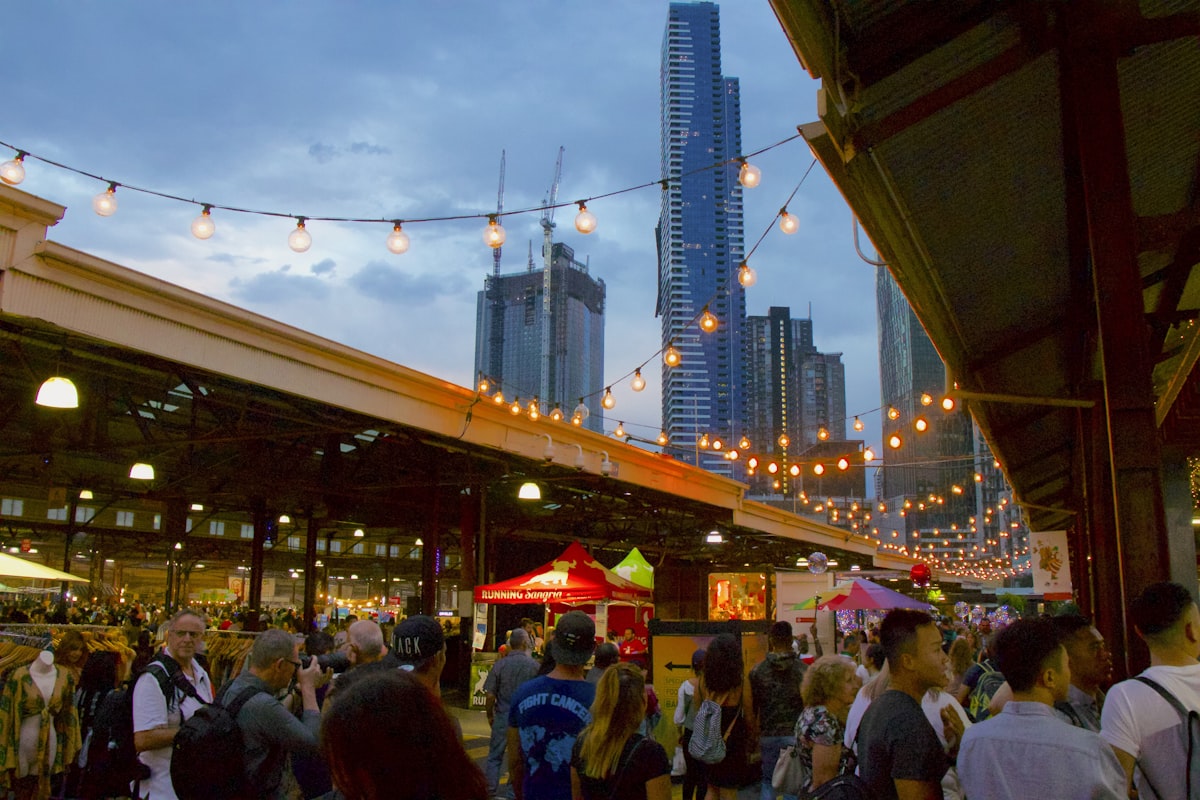
- ↑Moomba Festival (Labour Day weekend): Australia's largest free community festival
- ↑Perfect 20–24°C late-summer weather without January's extreme heat risk
What you sacrifice
- ↓Grand Prix week pushes accommodation to maximum capacity and prices
- ↓City very crowded in Grand Prix week; book 6–12 months ahead for that specific weekend
Mar scores highest overall — reliable weather and manageable crowds. Set your priorities below to personalise this result.
Mar
Australian Formula 1 Grand Prix and perfect late-summer weather — Melbourne at its most exciting
24°C
High
50mm
Rain
8.5h
Sun
- ↑Formula 1 Australian Grand Prix at Albert Park (late March) — one of the sport's most popular events
- ↑Moomba Festival (Labour Day weekend): Australia's largest free community festival
- ↑Perfect 20–24°C late-summer weather without January's extreme heat risk
- ↓Grand Prix week pushes accommodation to maximum capacity and prices
- ↓City very crowded in Grand Prix week; book 6–12 months ahead for that specific weekend
Top travel windows
★ BestMarch
Best overall
Highest combined score
24°C
High
50mm
Rain
8.5h
Sun
August
Best for value
Lowest prices & fees
15°C
High
49mm
Rain
5h
Sun
★ BestMarch
Fewest crowds
Quietest month
24°C
High
50mm
Rain
8.5h
Sun
Breakdown by priority
Best for weather
March
24°C high · 50mm rain · 8.5hrs sun/day
Best for budget
August
Melbourne International Film Festival continues into August
Fewest crowds
March
Formula 1 Australian Grand Prix at Albert Park (late March) — one of the sport's most popular events
Where to stay in Melbourne
All neighbourhoods →CBD / Southbank
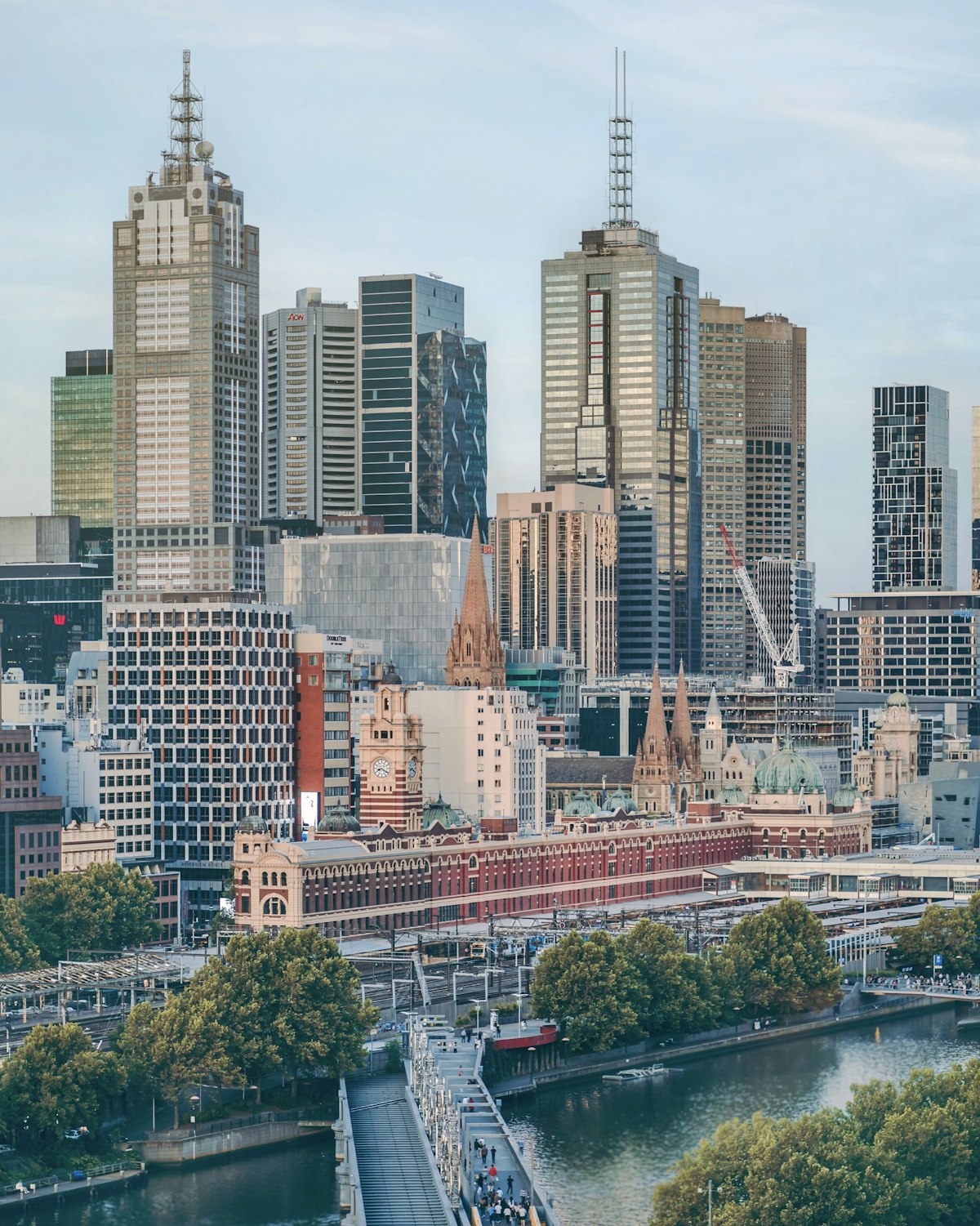
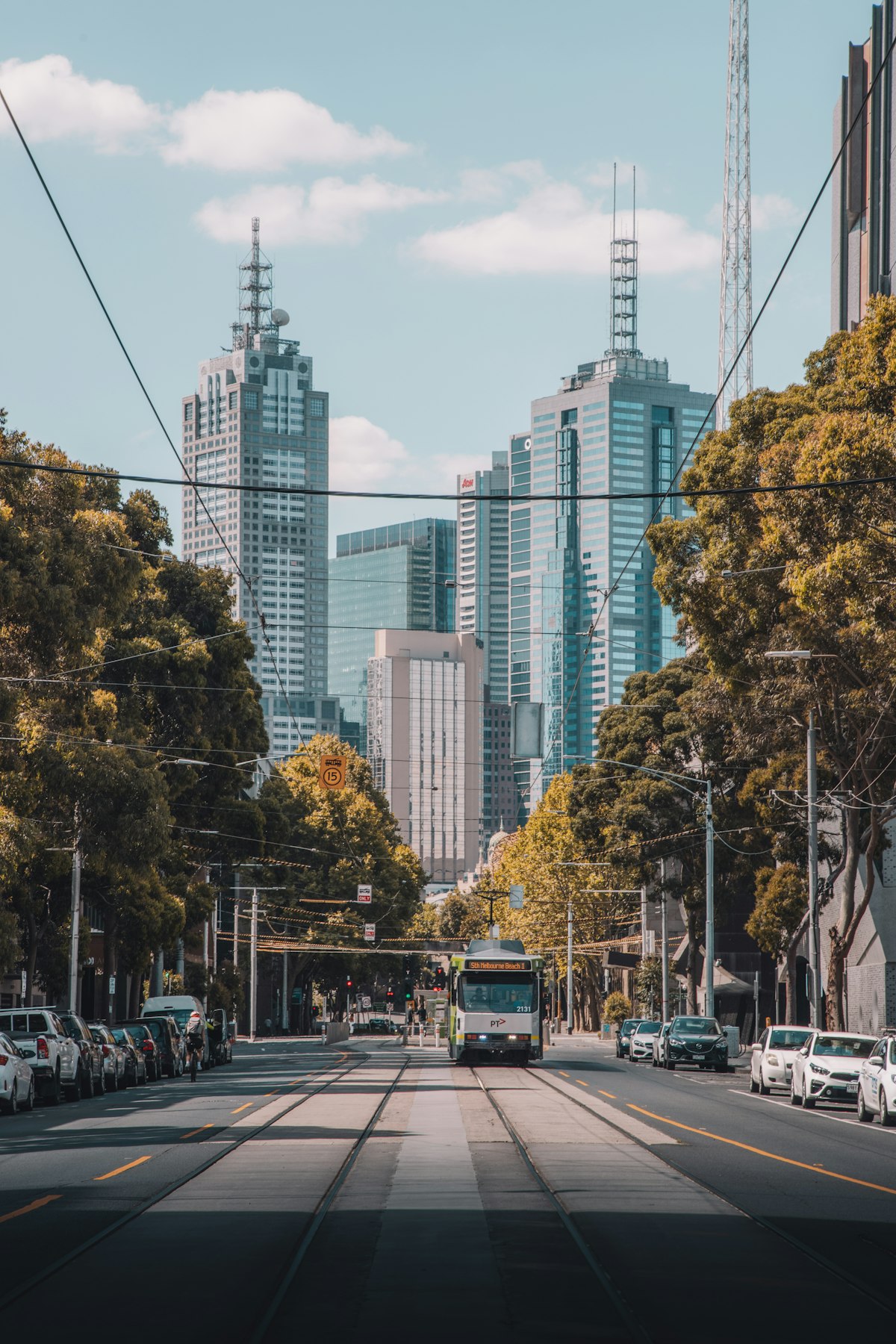
The cultural precinct along the Yarra — NGV, Arts Centre, Federation Square, hidden laneways, and tram access to everything.
10/10
Central
9/10
Walk
10/10
Transit
Fitzroy / Collingwood
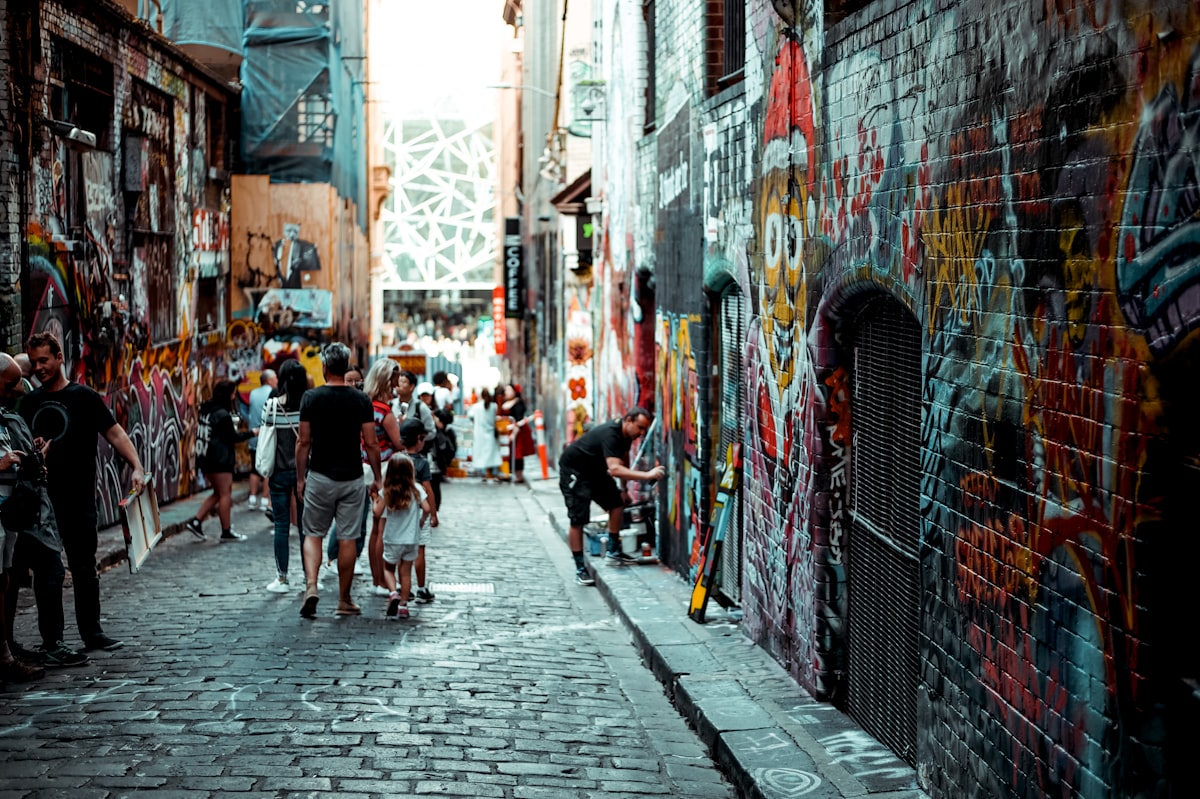
Melbourne's original bohemian strip — Brunswick Street restaurants, street art laneways, vinyl shops, and the densest bar-per-block ratio.
8/10
Central
9/10
Walk
8/10
Transit
Also exploring
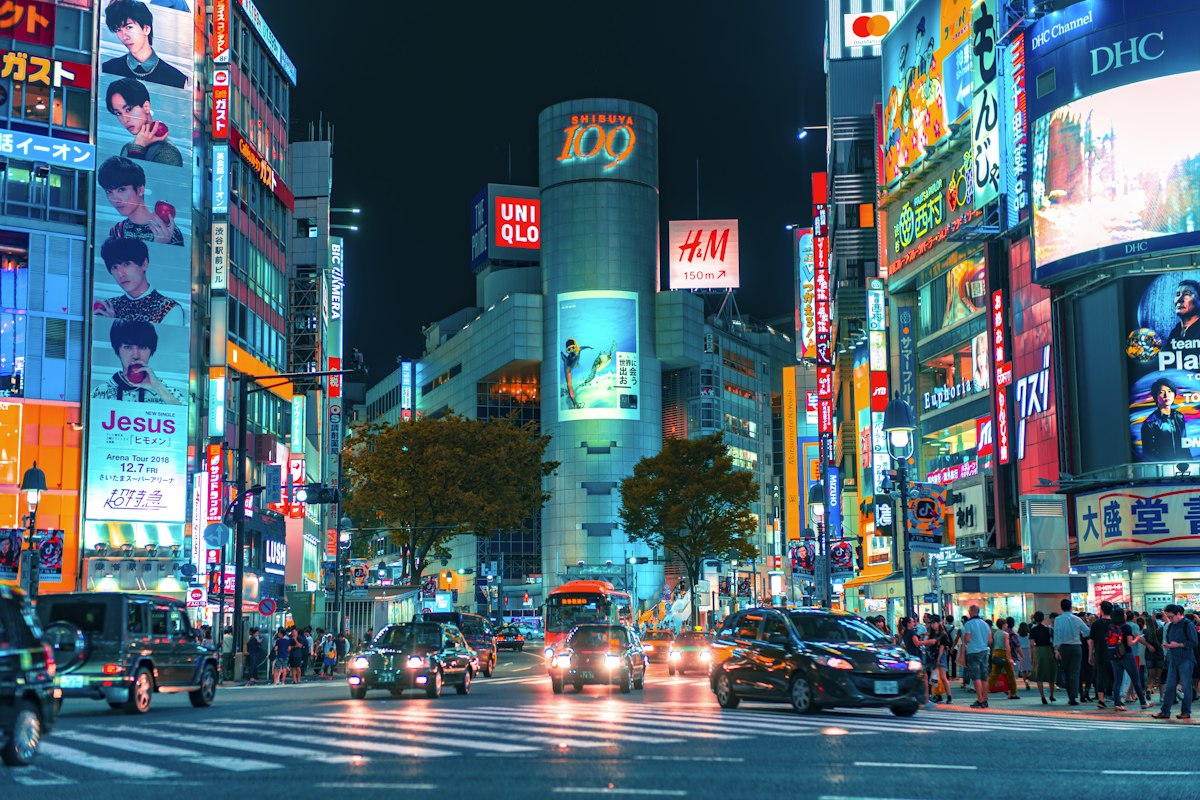
Tokyo
Japan
A city of dramatic seasonal contrasts — cherry blossom crowds, oppressive summer humidity, and golden autumn foliage — where the wrong timing can make or break the trip.
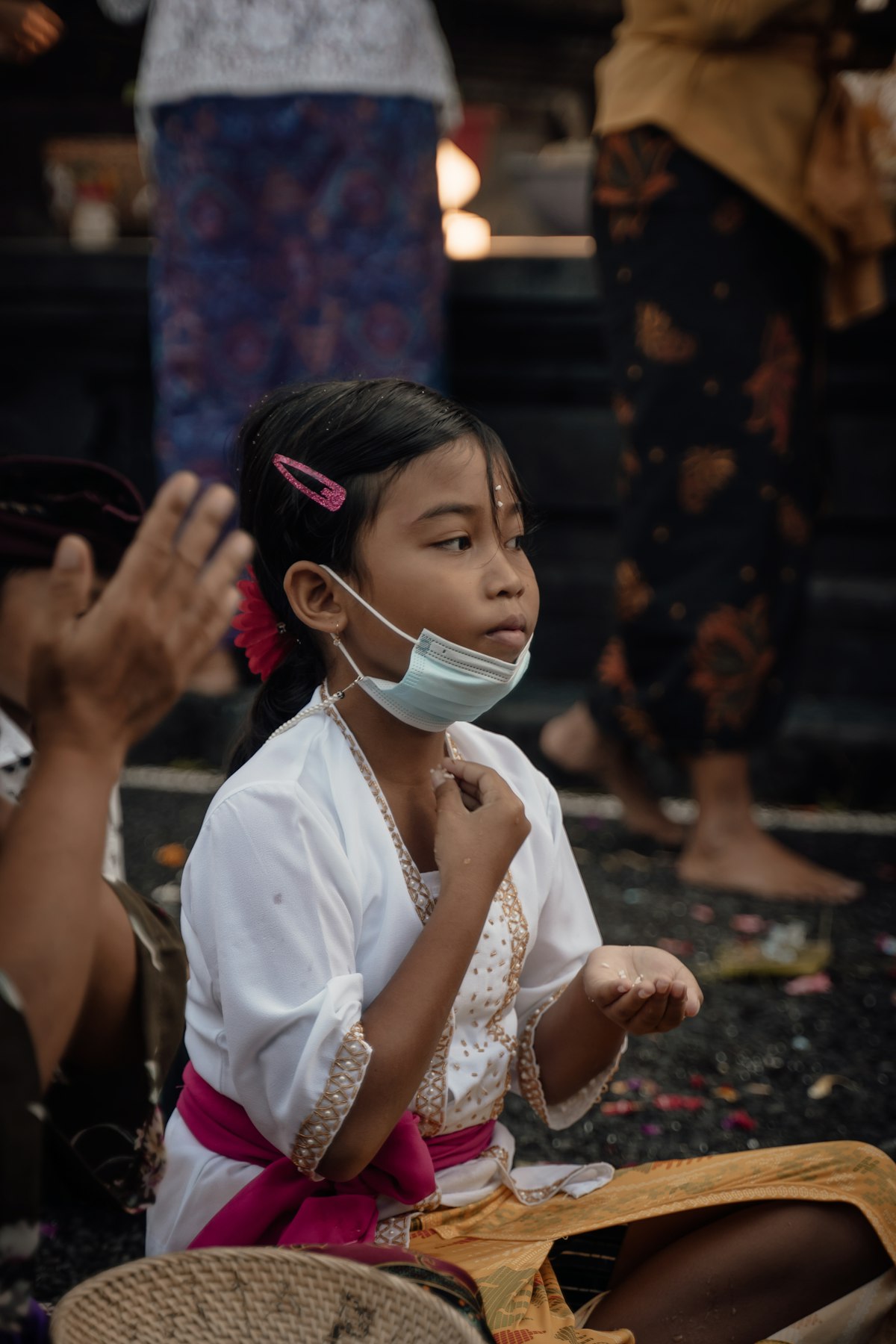
Bali
Indonesia
A Hindu island of rice terraces, temple ceremonies, and surf breaks where the monsoon makes timing genuinely binary — the difference between dry and wet season is not subtle.
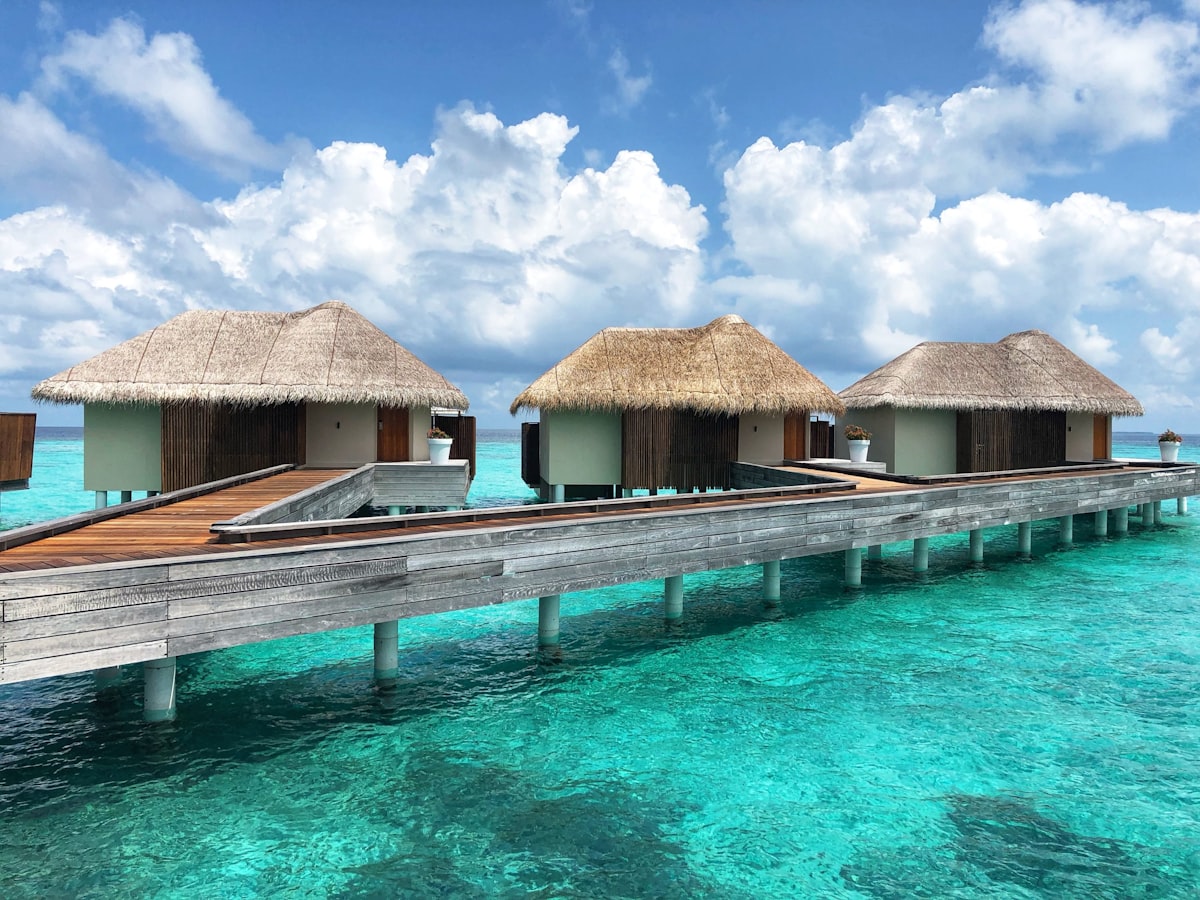
Maldives
Maldives
A destination defined almost entirely by its monsoon calendar — the difference between the NE dry season (November–April) and SW wet season (May–October) is not subtle and shapes every aspect of the experience.
Worth knowing
March scores highest overall. August is the most crowded month — avoid if you can. See crowd-free ranking →
Month by month breakdown
January#7▾
Gains
- ↑Australian Open (mid-January, 2 weeks) at Melbourne Park: world's first Grand Slam of the year
- ↑Melbourne Summer Festival with free outdoor events throughout the city
- ↑Long warm evenings in Fitzroy, Collingwood and along the Yarra River
Sacrifices
- ↓Heat waves (40°C+) can occur in January; "four seasons in one day" weather is real
- ↓Australian Open accommodation in the CBD books out completely; prices surge
February#8▾
Gains
- ↑Warm 24–28°C with good beach access to St Kilda Beach and the Mornington Peninsula
- ↑Chinese New Year celebrations in Chinatown are spectacular — one of the best in Australia
- ↑Melbourne food scene at peak social energy; reservation booking still manageable
Sacrifices
- ↓Occasional extreme heat (38°C+) makes outdoor exploring uncomfortable on bad days
- ↓Post-Australian Open, the city is still busy with summer visitors
March#1▾
Gains
- ↑Formula 1 Australian Grand Prix at Albert Park (late March) — one of the sport's most popular events
- ↑Moomba Festival (Labour Day weekend): Australia's largest free community festival
- ↑Perfect 20–24°C late-summer weather without January's extreme heat risk
Sacrifices
- ↓Grand Prix week pushes accommodation to maximum capacity and prices
- ↓City very crowded in Grand Prix week; book 6–12 months ahead for that specific weekend
April#4▾
Gains
- ↑Perfect 16–21°C for walking laneways, rooftop bars and the Melbourne food scene
- ↑Autumn colours in the Dandenong Ranges and Yarra Valley wine region
- ↑Melbourne International Comedy Festival (April): 3 weeks, 500+ shows at venues citywide
Sacrifices
- ↓Anzac Day (April 25) creates a major public holiday spike in domestic travel
- ↓Becoming rainier; Melbourne's reputation for unpredictable weather is most earned in April
May#9▾
Gains
- ↑Melbourne Museum, NGV (National Gallery of Victoria) and the laneways at their most contemplative
- ↑Yarra Valley wine region accessible and uncrowded; autumn harvest in the vineyards
- ↑Good accommodation availability; prices in comfortable middle range
Sacrifices
- ↓Cooler (10–16°C) and increasingly grey; the beach season is definitively over
- ↓Some outdoor events and rooftop bars closing for the cooler months
June#11▾
Gains
- ↑Melbourne's famous laneway bars, jazz clubs and underground coffee culture at their most intimate
- ↑National Gallery of Victoria major winter exhibitions always worth making the trip
- ↑Budget accommodation; the foodie culture never dips regardless of season
Sacrifices
- ↓Cold (6–13°C) and frequently rainy; outdoor Melbourne is not enjoyable in June
- ↓Short days; it gets dark before 6pm
July#12▾
Gains
- ↑Best time for gallery and museum visits; all indoor attractions at maximum spaciousness
- ↑Melbourne International Film Festival (July-August) — Australia's premier cinema event
- ↑Excellent restaurant reservations; Melbourne's food scene doesn't slow for winter
Sacrifices
- ↓Cold and wet (6–12°C); July is consistently Melbourne's most miserable month for outdoor activities
- ↓Minimal tourist activity — this is not a month for scenic or outdoor Melbourne
August#10▾
Gains
- ↑Melbourne International Film Festival continues into August
- ↑Whale watching season beginning off Phillip Island and the Mornington Peninsula
- ↑Late August sees the first warm days; wildflower season beginning in the Dandenongs
Sacrifices
- ↓Still cold and overcast (7–13°C); pre-spring Melbourne not yet the outdoor city it becomes
- ↓Weekend crowd behaviour still "indoor mode" — laneways and CBD quiet
September#5▾
Gains
- ↑AFL Grand Final (last Saturday of September) — Australia's biggest sporting event, Melbourne goes completely quiet during the match
- ↑Spring wildflowers in the Dandenong Ranges and Tesselaar Tulip Farm in the Dandenongs
- ↑Melbourne Spring Racing Carnival beginning; fashion, food and outdoor energy building
Sacrifices
- ↓AFL Grand Final weekend pushes accommodation to maximum; book months ahead
- ↓Spring weather volatile — "four seasons in one day" is particularly true in September
October#3▾
Gains
- ↑Melbourne Cup (first Tuesday of November): "the race that stops a nation" is actually in October prep month — Caulfield Cup and Cox Plate run in October
- ↑Royal Botanic Gardens in full spring bloom; the jacaranda season beginning
- ↑Rooftop bars, outdoor dining and beach clubs all fully reopened
Sacrifices
- ↓Racing carnival weekends fill hotels and push prices significantly
- ↓Unpredictable spring storms can disrupt outdoor events
November#2▾
Gains
- ↑Melbourne Cup (first Tuesday of November): 400,000+ people descend on Flemington Racecourse in fascinators and morning suits
- ↑Warm 18–23°C spring days; outdoor restaurant culture in full swing
- ↑Melbourne Food and Wine Festival events warming up the calendar
Sacrifices
- ↓Melbourne Cup week pushes accommodation to annual peaks; the entire city is booked
- ↓Thunderstorm season beginning — Melbourne spring storms can be dramatic
December#6▾
Gains
- ↑Christmas in summer is uniquely Australian — beach barbecues, outdoor carols and bizarre Santa-in-swimwear
- ↑New Year's Eve fireworks from the CBD rooftops and the Docklands are spectacular
- ↑Warm 20–25°C; the St Kilda beach and Mornington Peninsula accessible and lively
Sacrifices
- ↓School holiday peak: domestic Australian families travelling for Christmas drive prices up
- ↓Christmas week and New Year period fully booked; spontaneous visits very difficult
How this is calculated
Climate data
Open Meteo ERA5
30-year normals (1991–2020). Temperature, rainfall, sunshine, humidity.
Price & crowd
Tourism research
Seasonal pricing from tourism authority data. Directional — compares months within a destination only.
Personalisation
Weighted scoring
Your priorities change the weights. Budget-first users get different results than weather-first users.
Share this result
March is the best time to visit Melbourne
Travel timing updates
New destinations and timing guides, when they land.
No spam. Unsubscribe anytime.