

Showing: Oct · Unsplash / Unsplash
Mexico · Central America
Best time to visit Oaxaca
October
Oct scores highest overall — reliable weather and manageable crowds. Set your priorities below to personalise this result.
What matters most to you?
All 12 months — click any to expand
Oct
Unsplash / Unsplash
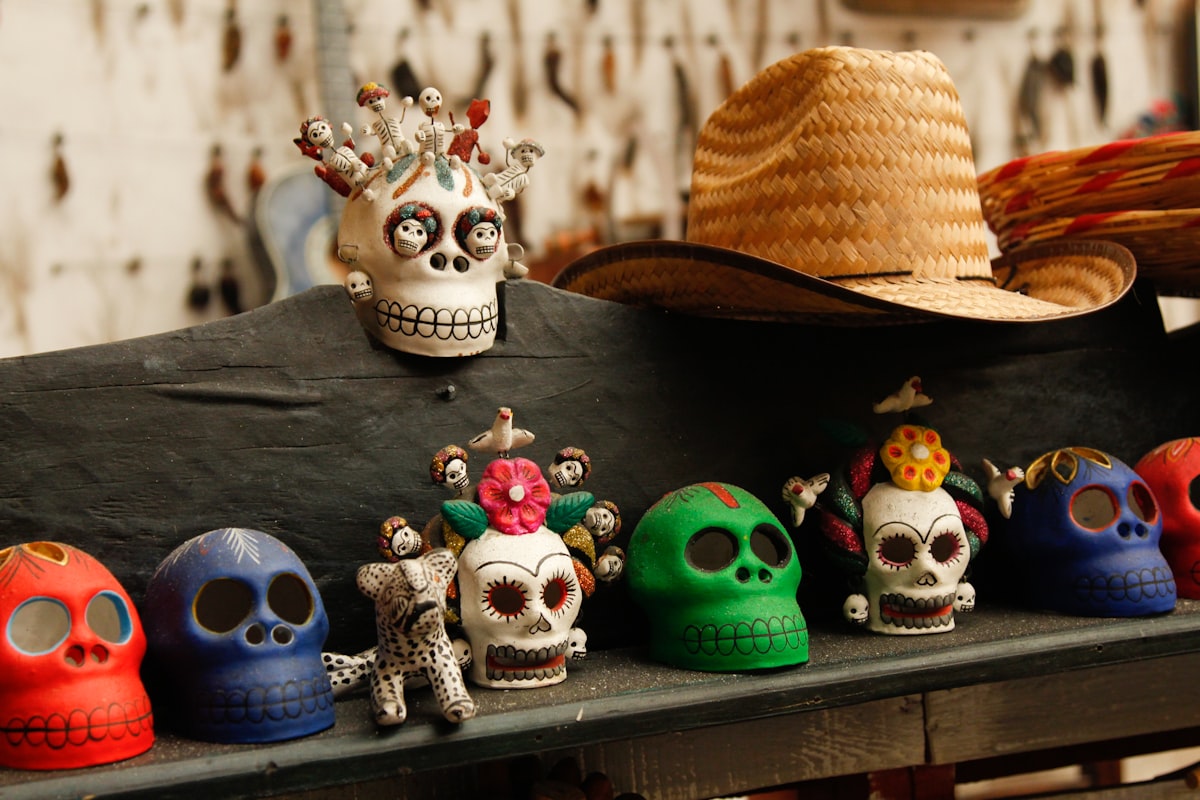
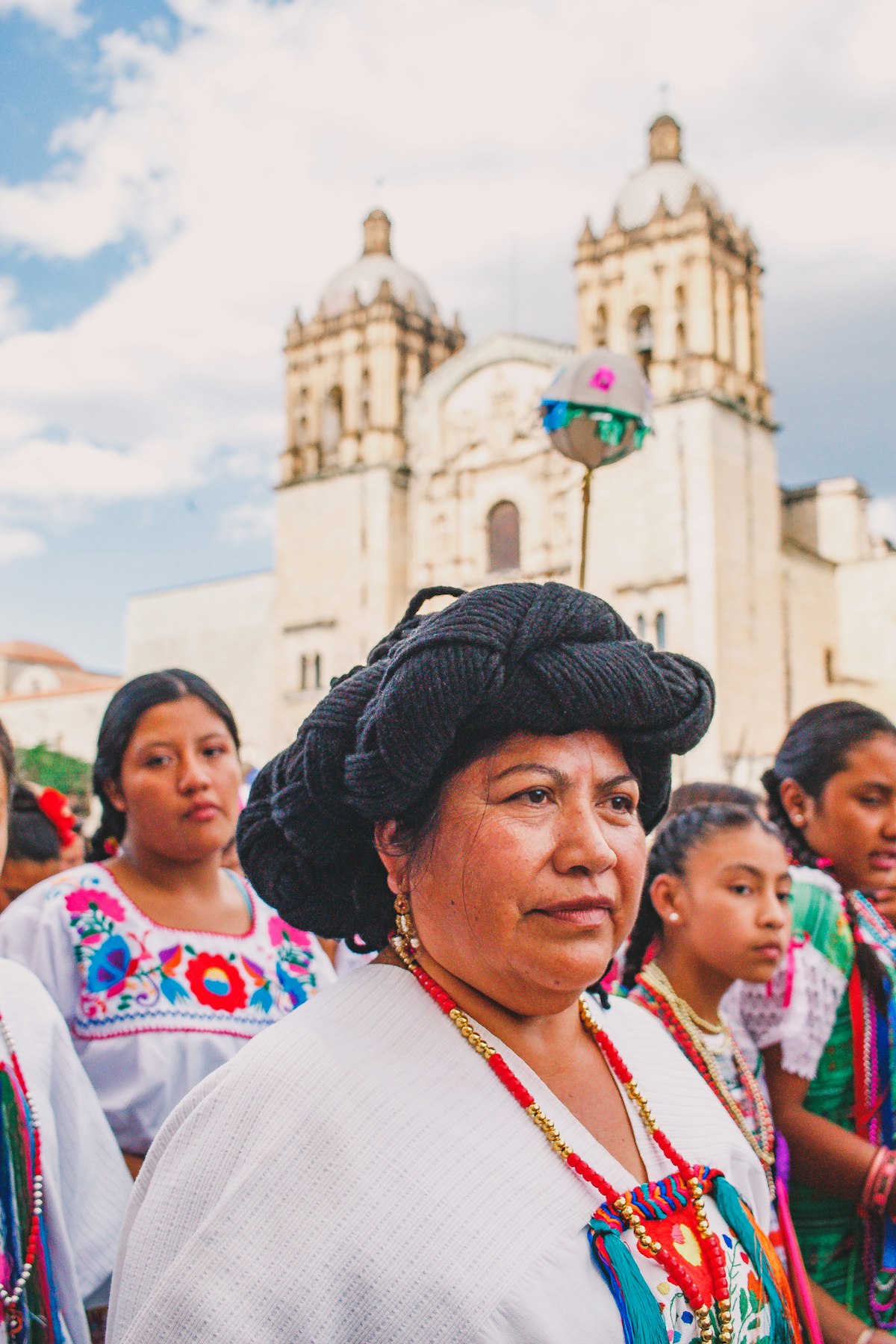
Día de Muertos — the single greatest cultural event in Latin America unfolds across Oaxaca
27°C
High
13°C
Low
52mm
Rain
8.5h
Sun/day
What you gain
- ↑Día de Muertos (Oct 31–Nov 2) is incomparable — candlelit cemetery vigils, marigold carpets, sugar skulls and genuine emotion
- ↑Rains almost finished; dry bright days and cool evenings make the festival setting perfect
- ↑The entire city participates — this is not a performance for tourists, it's a living tradition
What you sacrifice
- ↓Hotel prices peak at annual high; accommodation within the city sells out months ahead
- ↓Crowds from CDMX and international visitors make the most famous cemeteries (Xoxocotlán) extremely busy on Nov 1
Oct scores highest overall — reliable weather and manageable crowds. Set your priorities below to personalise this result.
Oct
Día de Muertos — the single greatest cultural event in Latin America unfolds across Oaxaca
27°C
High
52mm
Rain
8.5h
Sun
- ↑Día de Muertos (Oct 31–Nov 2) is incomparable — candlelit cemetery vigils, marigold carpets, sugar skulls and genuine emotion
- ↑Rains almost finished; dry bright days and cool evenings make the festival setting perfect
- ↑The entire city participates — this is not a performance for tourists, it's a living tradition
- ↓Hotel prices peak at annual high; accommodation within the city sells out months ahead
- ↓Crowds from CDMX and international visitors make the most famous cemeteries (Xoxocotlán) extremely busy on Nov 1
Top travel windows
★ BestOctober
Best overall
Highest combined score
27°C
High
52mm
Rain
8.5h
Sun
March
Best for value
Lowest prices & fees
31°C
High
9mm
Rain
10.5h
Sun
★ BestOctober
Fewest crowds
Quietest month
27°C
High
52mm
Rain
8.5h
Sun
Breakdown by priority
Best for weather
April
33°C high · 11mm rain · 10.5hrs sun/day
Best for budget
March
Good hotel availability and competitive prices before Semana Santa
Fewest crowds
October
The entire city participates — this is not a performance for tourists, it's a living tradition
Where to stay in Oaxaca
All neighbourhoods →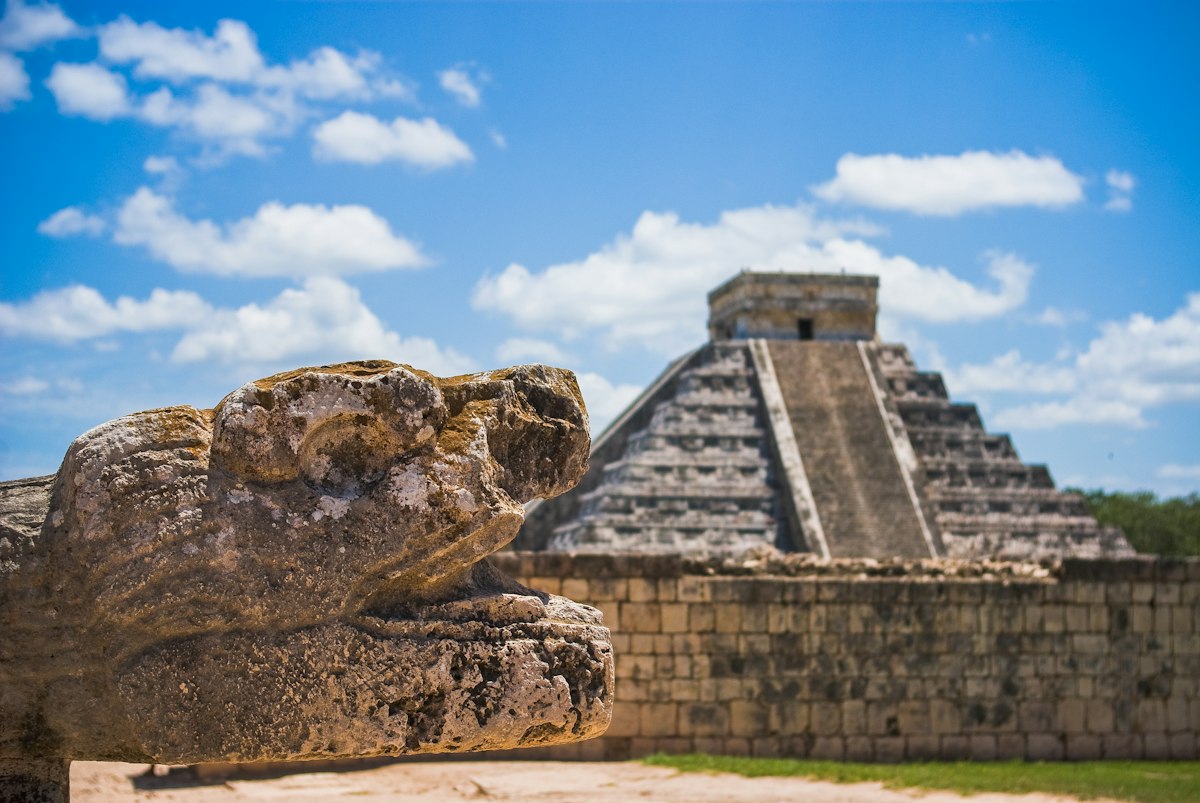
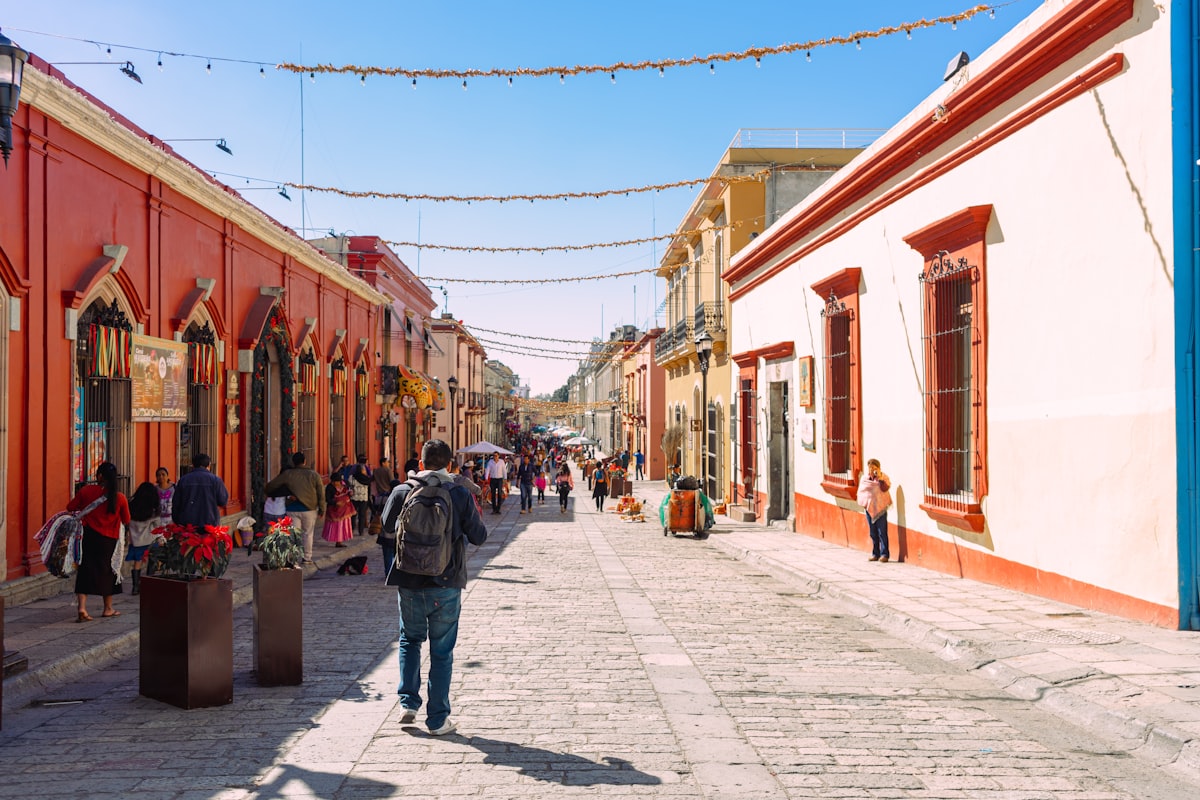
Historic Centre & Zócalo
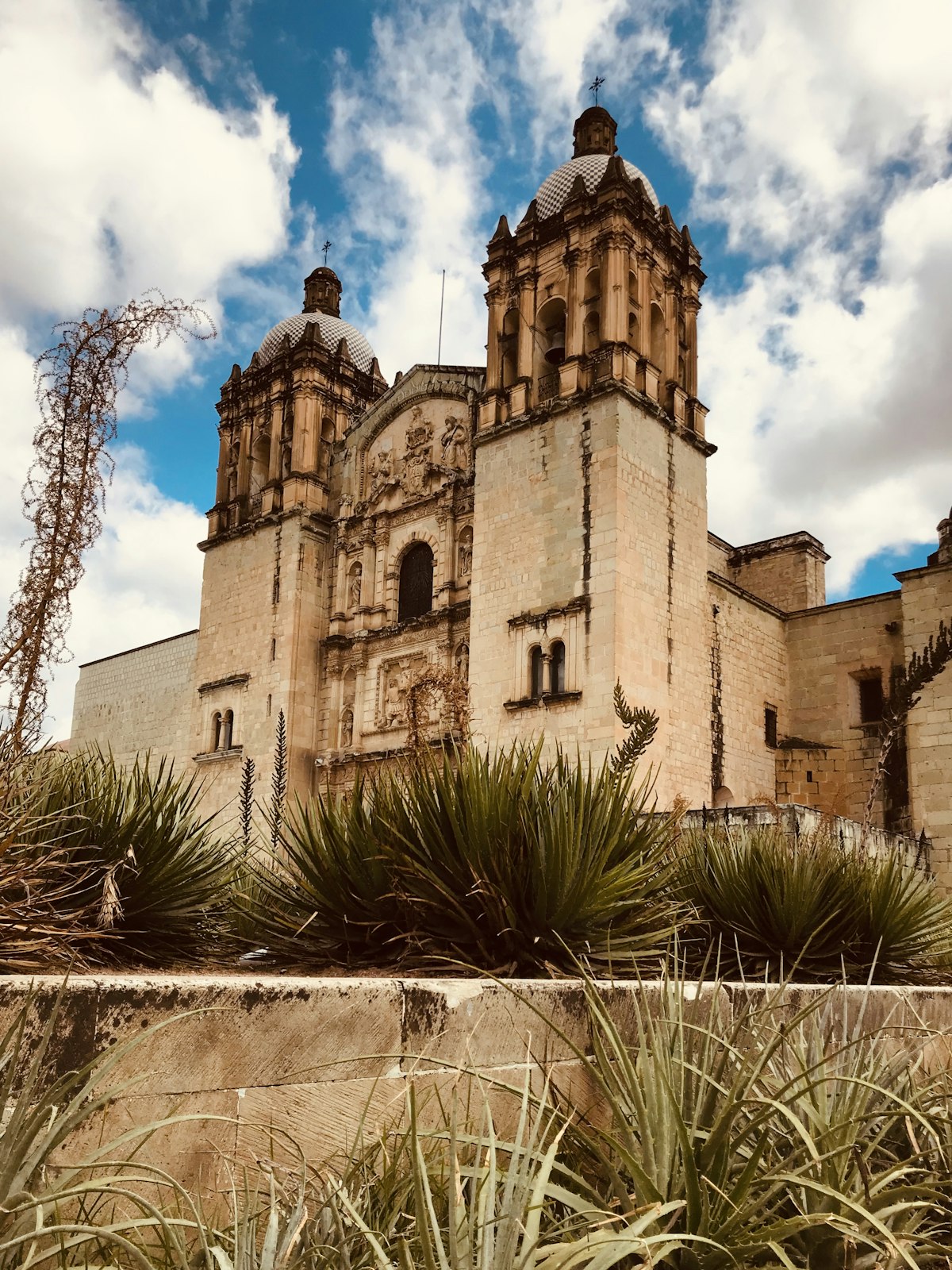
UNESCO-listed colonial heart — Santo Domingo church, mezcal bars, the Mercado Juárez, and every Oaxacan festival.
10/10
Central
10/10
Walk
7/10
Transit
Jalatlaco
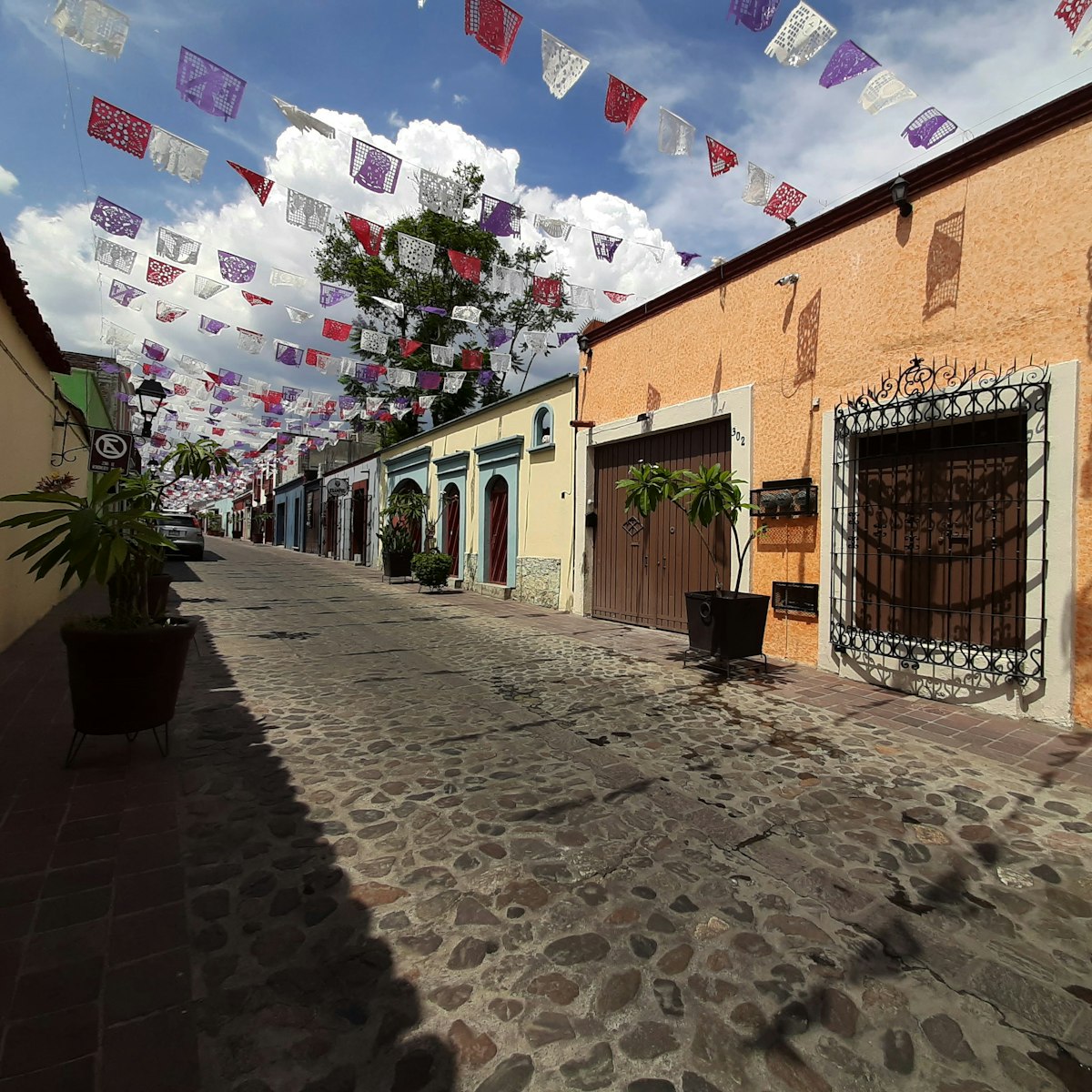
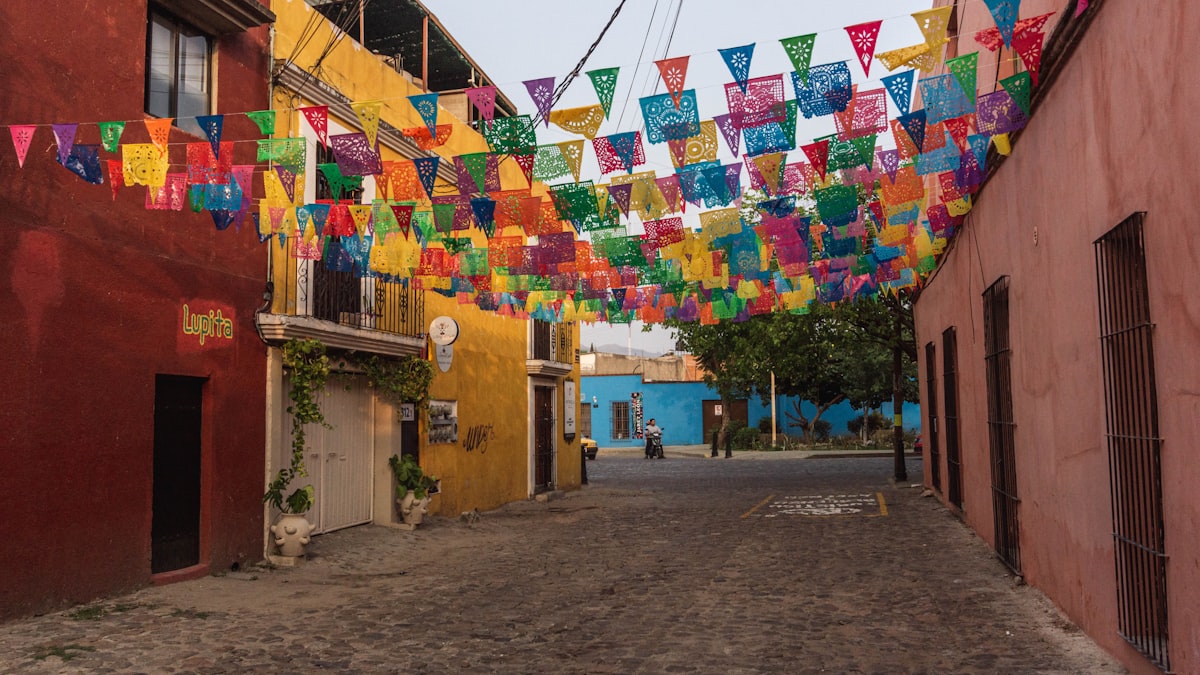
Oaxaca's most romantic barrio — cobblestone alleys, bougainvillea, boutique posadas, and 10 minutes on foot from the Zócalo.
8/10
Central
9/10
Walk
6/10
Transit
Also exploring
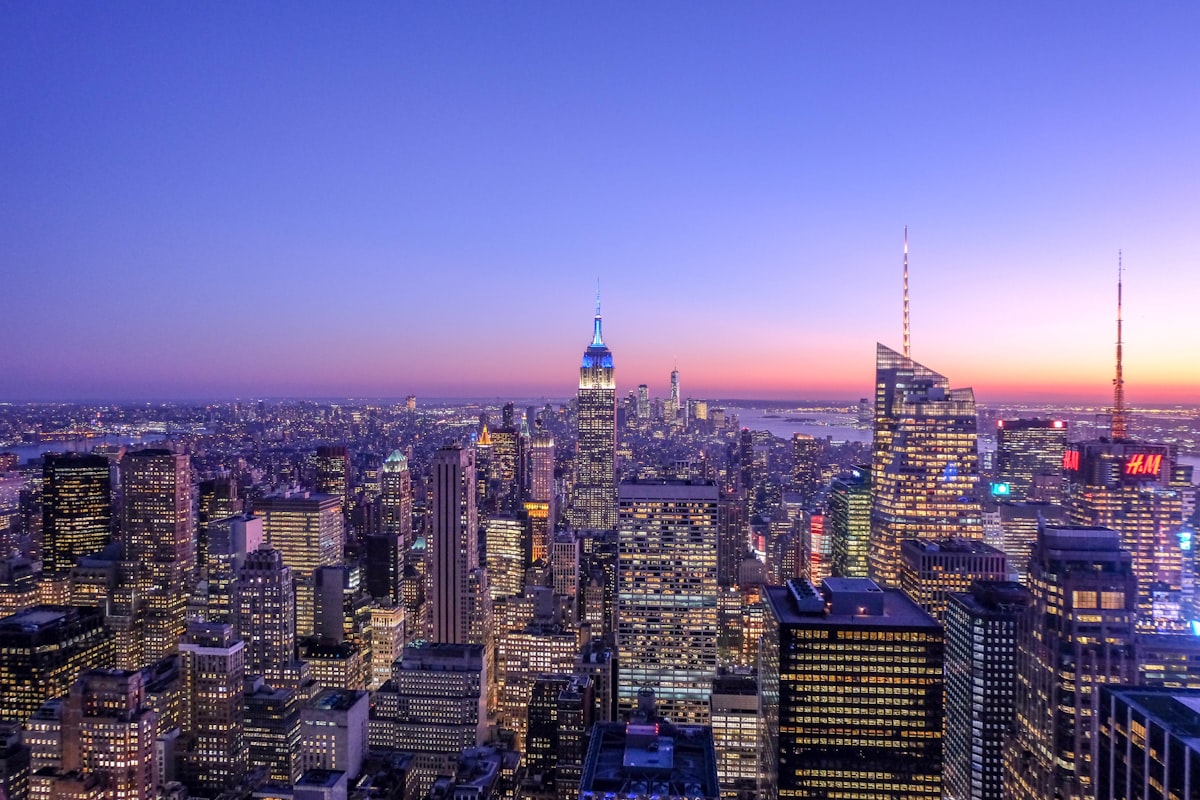
New York
USA
A city that never fully quiets — but its personality shifts dramatically by season, from sweltering humid summers to crisp autumn perfection to blizzard-prone winters.
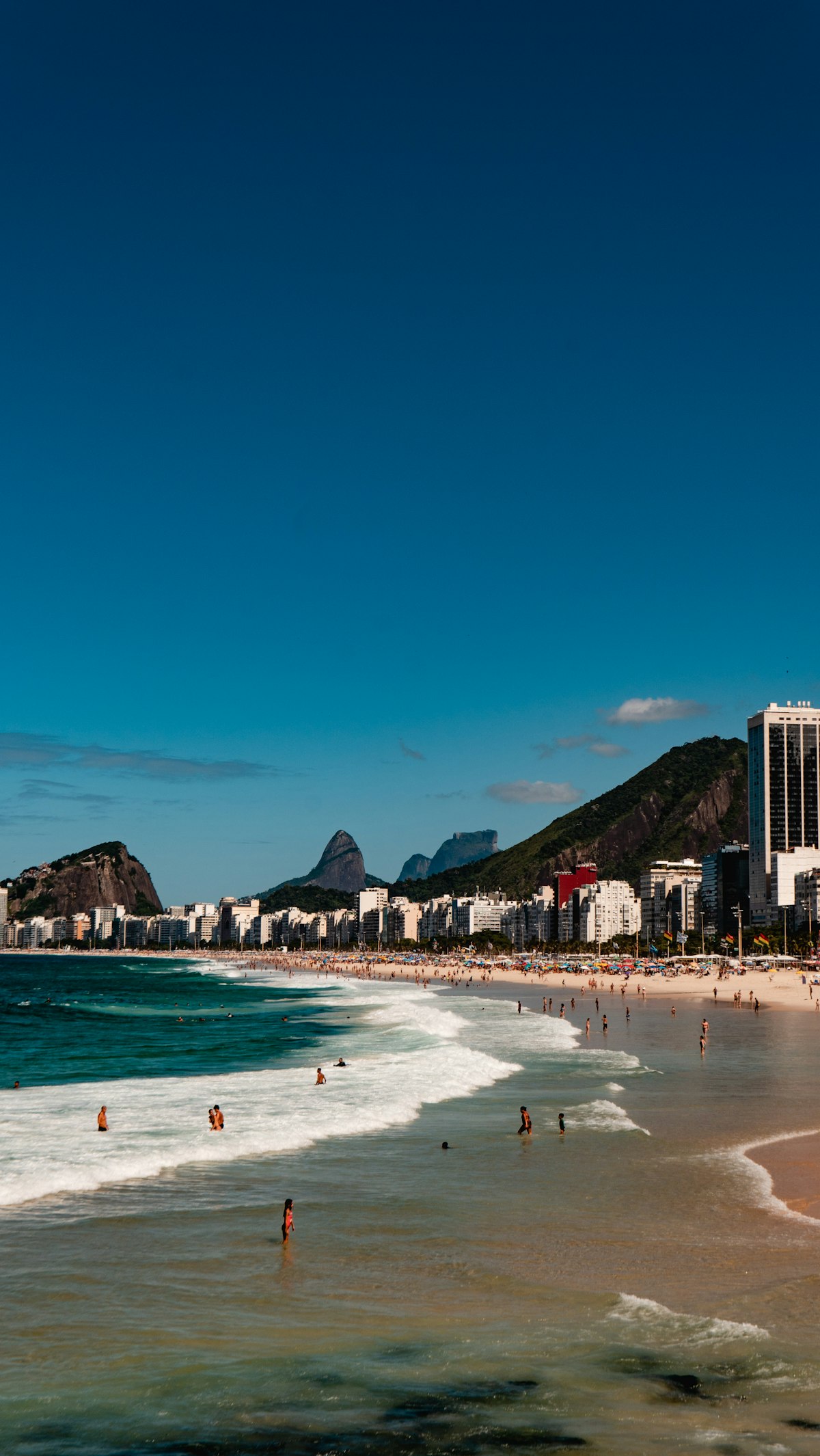
Rio de Janeiro
Brazil
A Southern Hemisphere city where summer (December–March) brings Carnival and 264mm of rain simultaneously, and the real sweet spot is the dry Southern winter — June to September — when most travellers don't think to come.
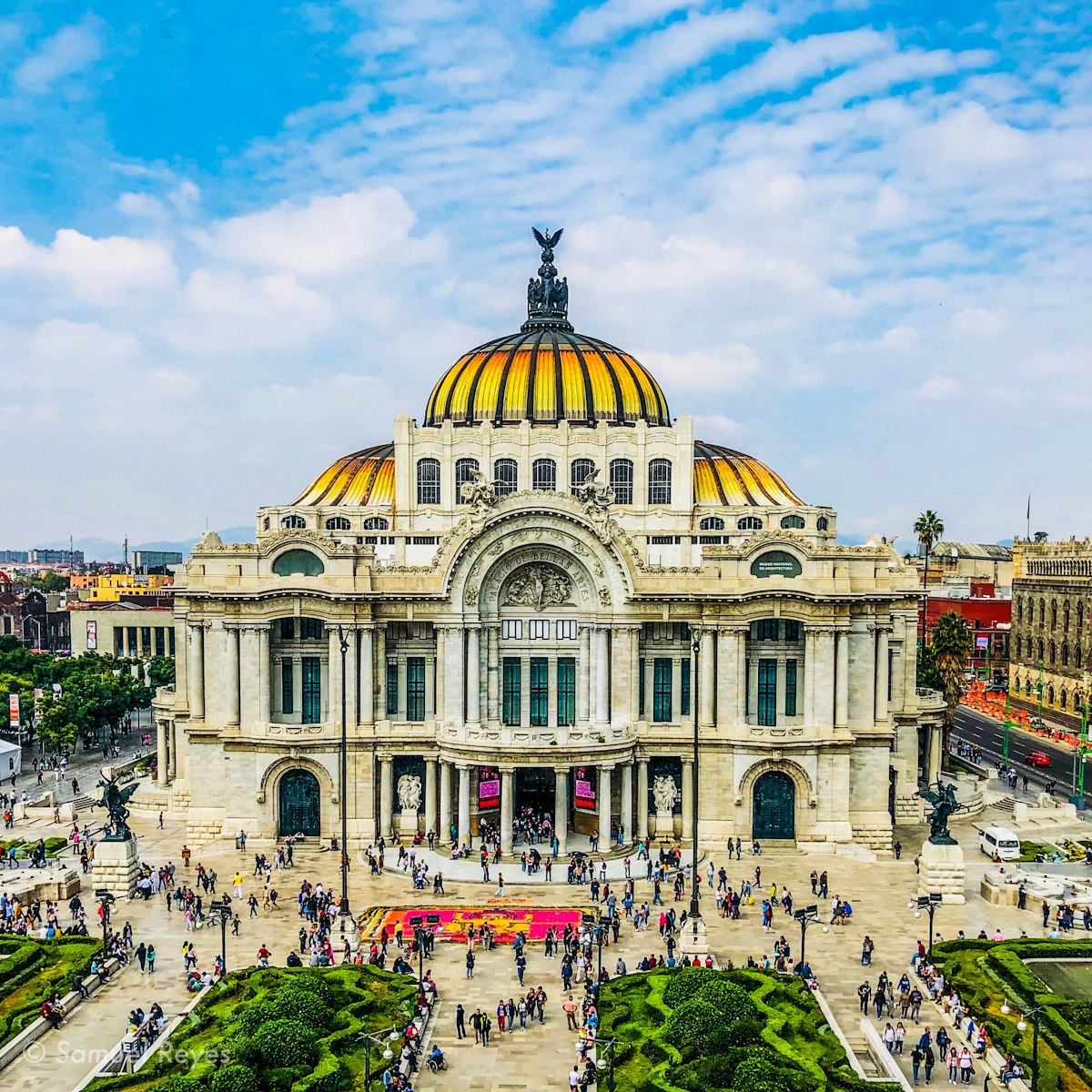
Mexico City
Mexico
A highland metropolis at 2,240 metres where the altitude tempers the heat to perpetual spring in the dry months, Día de Muertos transforms Mixquic and Azcapotzalco into one of the world's great ceremonies, and the October–April dry season gives the clearest conditions for exploring what is genuinely one of the planet's finest food, museum, and architecture cities.
Worth knowing
October scores highest overall. May is the most crowded month — avoid if you can. See crowd-free ranking →
Month by month breakdown
January#9▾
Gains
- ↑Perfect 18–24°C weather for walking the historic centre and market stalls
- ↑Three Kings Day (Jan 6) brings traditional local celebrations to the zócalo
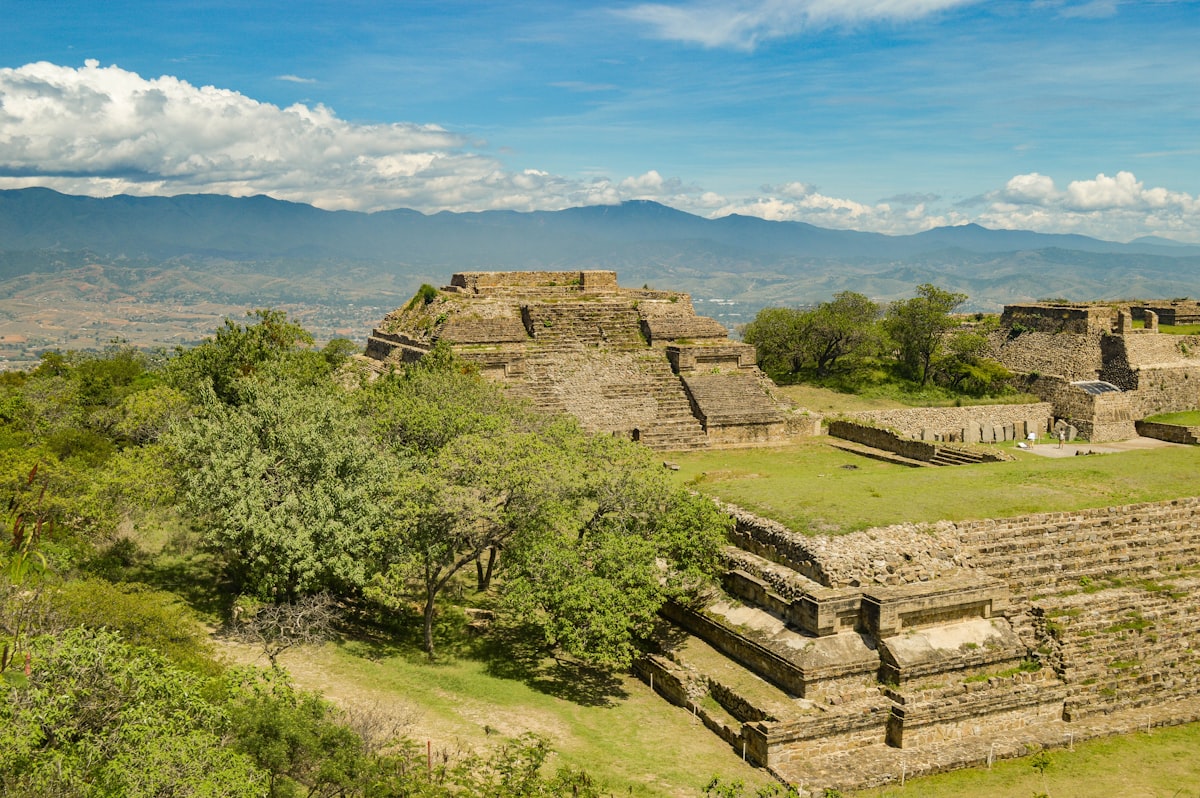
- ↑Low tourist season means easy access to Monte Albán and Santo Domingo without crowds
Sacrifices
- ↓Fewer headline events than festival months — it's more of an everyday city experience
- ↓Nights can be cool (7–10°C) — pack a layer for evening mezcal sessions
February#7▾
Gains
- ↑Carnival celebrations (week before Lent) with traditional comparsas and brass bands
- ↑Warm 22–26°C days perfect for mezcal distillery day trips in the Valles Centrales
- ↑Low hotel rates carry over from January
Sacrifices
- ↓Carnival brings some crowds on the main weekend — book accommodation if dates coincide
- ↓Dry dusty air in the valley on windy afternoons
March#5▾
Gains
- ↑Ideal 24–28°C warm but not hot — perfect for long days at Monte Albán and village markets
- ↑Spring flowers beginning to bloom around the valley and Sierra Norte hillsides
- ↑Good hotel availability and competitive prices before Semana Santa
Sacrifices
- ↓Getting drier — the surrounding valley looks parched before the rains come
- ↓Accommodation books up fast if Holy Week falls in late March
April#3▾
Gains
- ↑Semana Santa (Holy Week) processions through the historic centre are extraordinary
- ↑Perfect 26–30°C dry season weather; every site at its most accessible
- ↑City buzzes with visiting Mexicans and international travellers at the zócalo
Sacrifices
- ↓Semana Santa drives hotel prices to annual peak — book months ahead
- ↓The most crowded week of the year; popular restaurants require reservations
May#8▾
Gains
- ↑Great weather (26–30°C) with significantly fewer tourists than April
- ↑Mezcal palenques (distilleries) fully open; the best time for a distillery road trip
- ↑Tlayudas, mole and tejate at the market without fighting tourists for a seat
Sacrifices
- ↓Getting hot midday — the first rains are still weeks away
- ↓Fewer events and a quieter atmosphere than the festival months
June#10▾
Gains
- ↑Guelaguetza preparations visible city-wide — rehearsals, costumes and anticipation
- ↑Afternoon rains green the valley dramatically after months of dry season
- ↑Good prices and moderate crowds before the July festival peak
Sacrifices
- ↓Daily afternoon rains from around 4pm — plan outdoor sightseeing for mornings
- ↓Can feel muggy after the rain; cobblestones slippery in the evening
July#2▾
Gains
- ↑Guelaguetza (last two Mondays of July) is one of the world's great cultural spectacles — 16 indigenous communities dance in the amphitheatre
- ↑City-wide energy during the festival weeks; every plaza has music and dance
- ↑Once-in-a-lifetime event — the costumes, music and energy are extraordinary
Sacrifices
- ↓Peak crowds and accommodation prices; Guelaguetza tickets sell out months ahead
- ↓Afternoon rains continue throughout July; the festival itself is outdoors so check forecasts
August#12▾
Gains
- ↑Prices drop significantly after Guelaguetza; accommodation is easy to find
- ↑Valley lush and green — the landscape is at its most photogenic after months of rain
- ↑Día de Muertos altar-making workshops begin; great time to learn the tradition hands-on
Sacrifices
- ↓August is the wettest month — afternoon downpours are heavy and sometimes all-day
- ↓Some villages in the Valles Centrales are harder to reach on muddy roads
September#11▾
Gains
- ↑Market marigold (cempasúchil) displays begin; Día de Muertos altar supplies fill every stall
- ↑Temperatures cooling pleasantly to 22–25°C as the rains taper
- ↑Good prices ahead of the October festival peak
Sacrifices
- ↓Still rainy — afternoon showers persist into September
- ↓Fewer big events; the city is in a holding pattern between July and October
October#1▾
Gains
- ↑Día de Muertos (Oct 31–Nov 2) is incomparable — candlelit cemetery vigils, marigold carpets, sugar skulls and genuine emotion
- ↑Rains almost finished; dry bright days and cool evenings make the festival setting perfect
- ↑The entire city participates — this is not a performance for tourists, it's a living tradition
Sacrifices
- ↓Hotel prices peak at annual high; accommodation within the city sells out months ahead
- ↓Crowds from CDMX and international visitors make the most famous cemeteries (Xoxocotlán) extremely busy on Nov 1
November#6▾
Gains
- ↑Ideal 20–26°C dry season weather returns; every site fully accessible
- ↑Hotel prices drop after the festival peak; good availability throughout
- ↑Sierra Norte hiking and village day trips at their most pleasant
Sacrifices
- ↓Fewer headline events after October's spectacle
- ↓The city is noticeably quieter — not a negative for most travellers
December#4▾
Gains
- ↑Noche de Rábanos (Dec 23) — Oaxacans carve elaborate scenes from giant radishes; utterly unique
- ↑Posadas processions through the centro histórico create candlelit street theatre nightly
- ↑Perfect cool-season weather (18–24°C) with festive lights on every colonial facade
Sacrifices
- ↓Christmas week prices rise; popular boutique hotels book out for the holiday period
- ↓Can be cold at night (6–9°C) — bring a proper jacket for evening events
How this is calculated
Climate data
Open Meteo ERA5
30-year normals (1991–2020). Temperature, rainfall, sunshine, humidity.
Price & crowd
Tourism research
Seasonal pricing from tourism authority data. Directional — compares months within a destination only.
Personalisation
Weighted scoring
Your priorities change the weights. Budget-first users get different results than weather-first users.
Share this result
October is the best time to visit Oaxaca
Travel timing updates
New destinations and timing guides, when they land.
No spam. Unsubscribe anytime.