

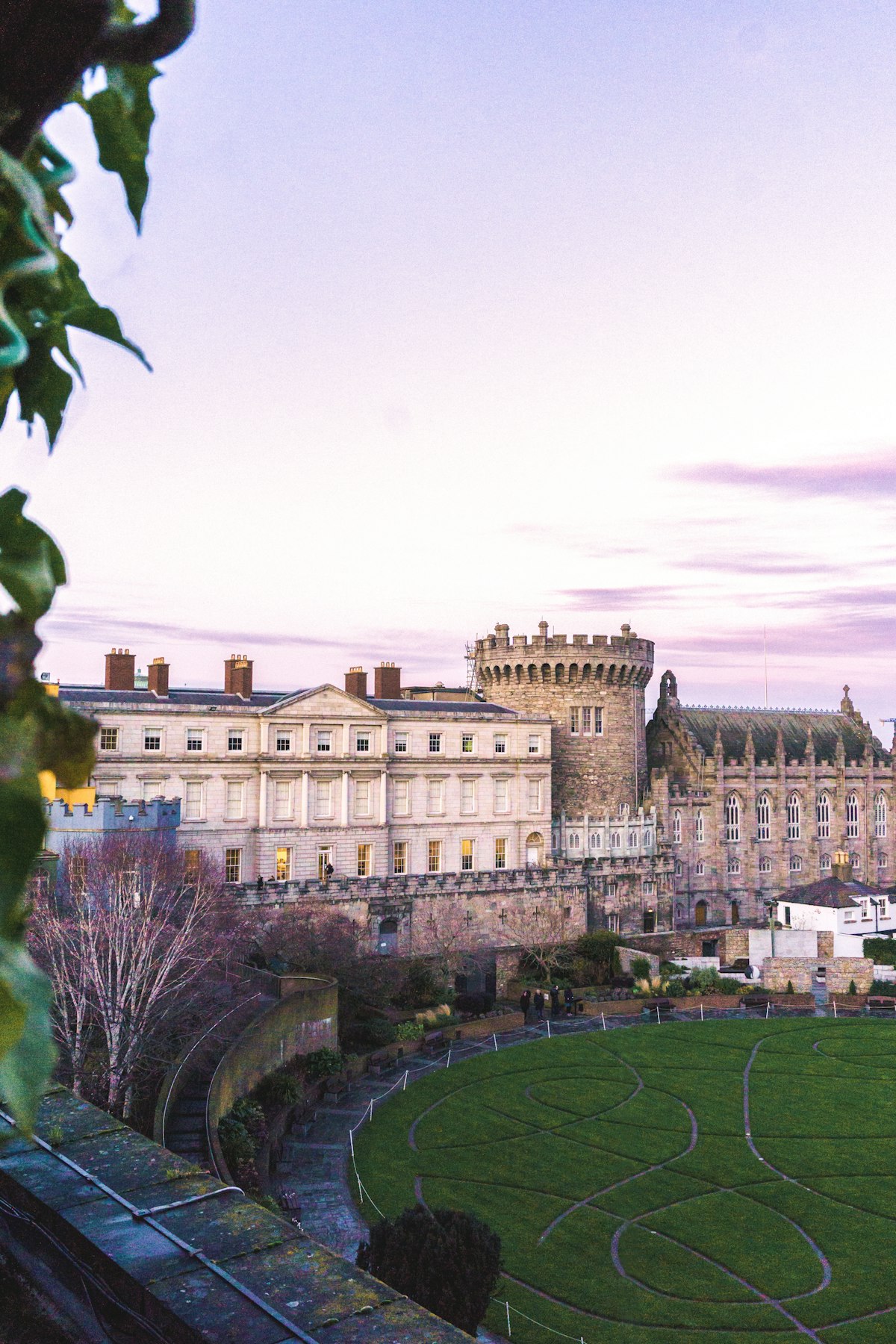

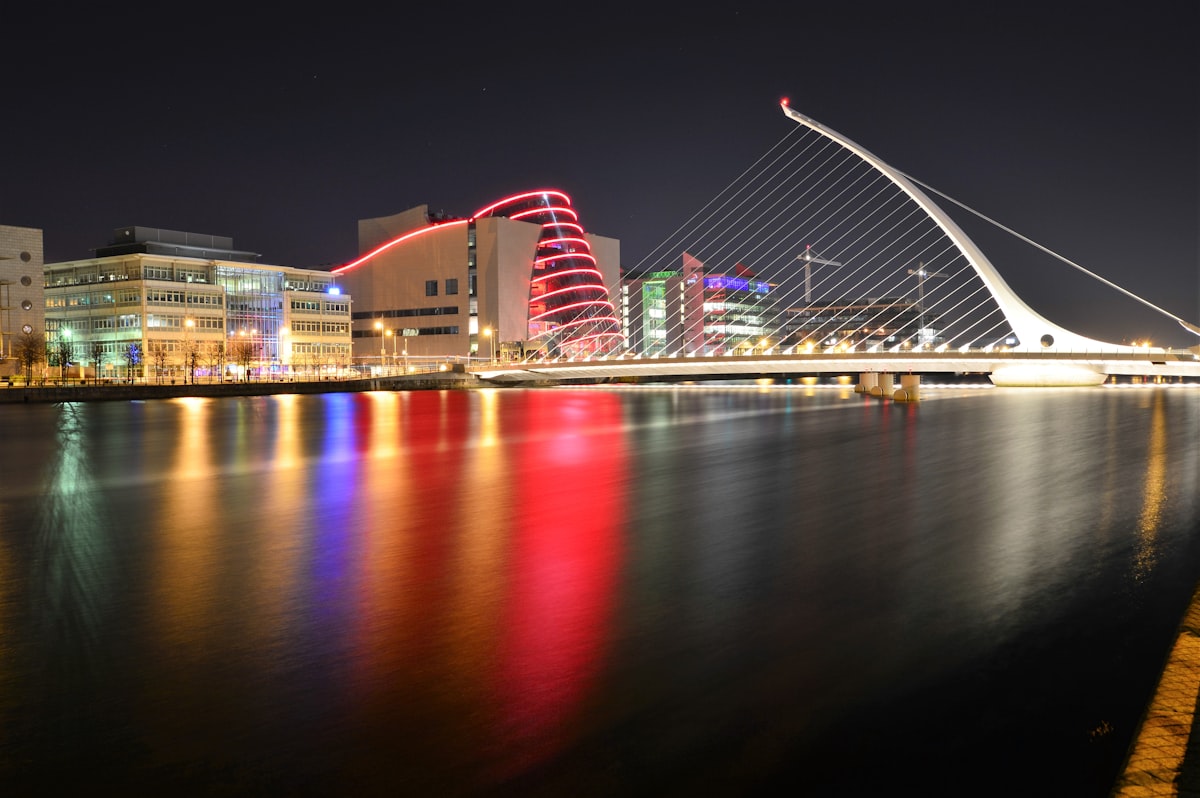
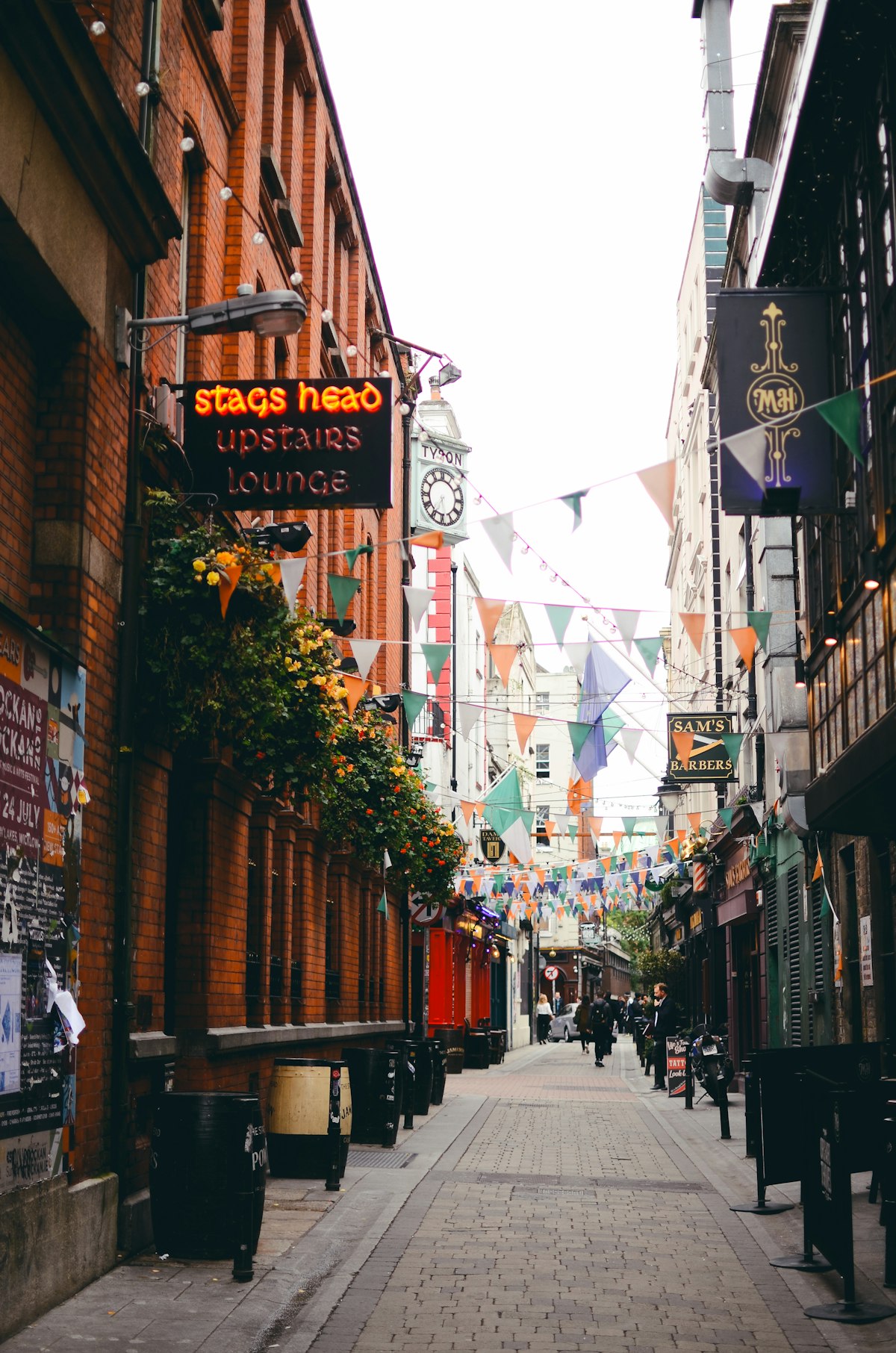
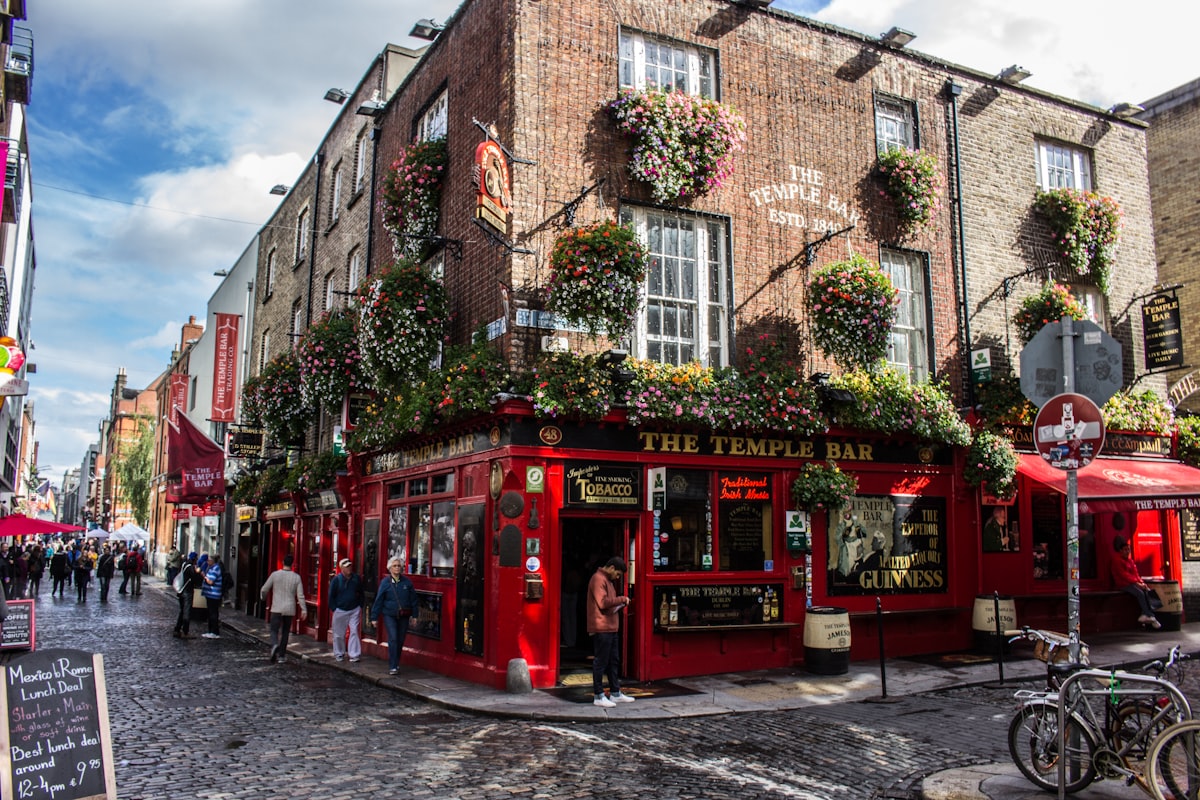
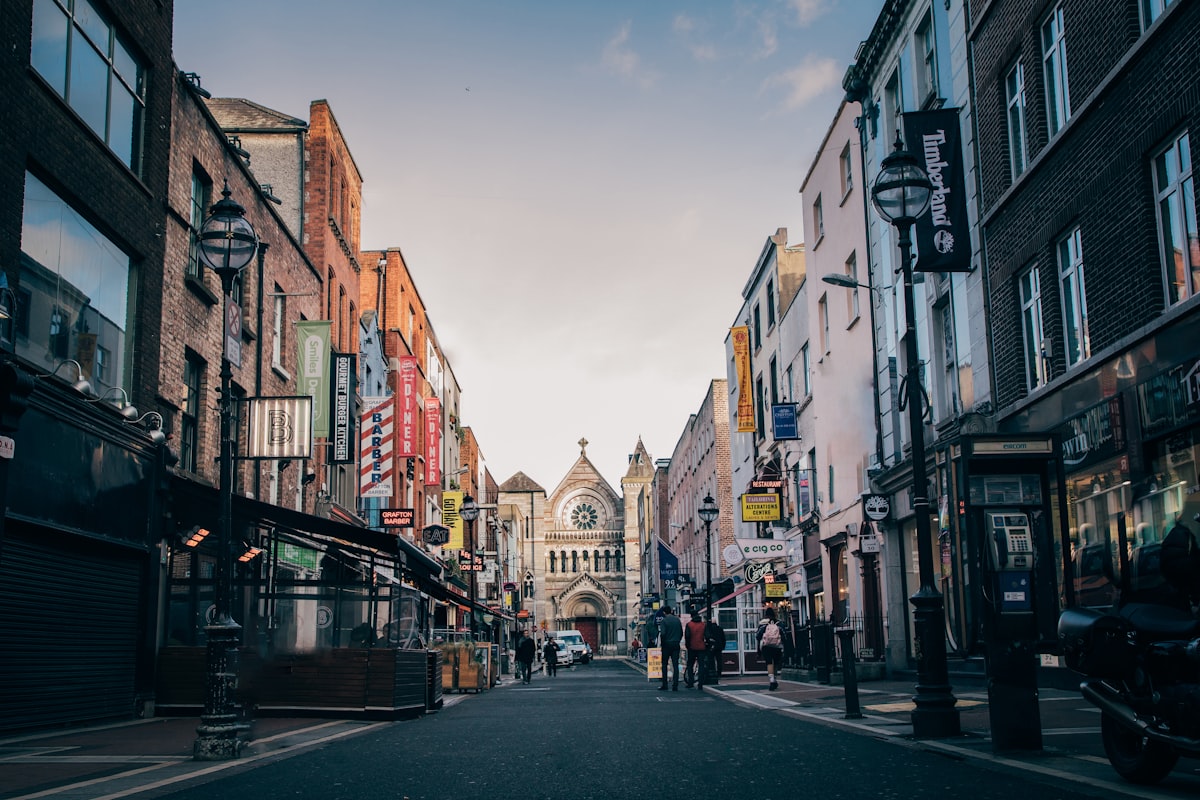
Showing: Jul · Unsplash / Unsplash
Ireland · Northern Europe
Best time to visit Dublin
July
Jul scores highest overall — reliable weather and manageable crowds. Set your priorities below to personalise this result.
What matters most to you?
All 12 months — click any to expand
Jul
Unsplash / Unsplash
Peak Dublin summer — Longitude music festival, peak tourist crowds and the most lively month
20°C
High
13°C
Low
70mm
Rain
7h
Sun/day
What you gain
- ↑Longitude Music Festival (Marlay Park, July): major international artists in a beautiful park setting
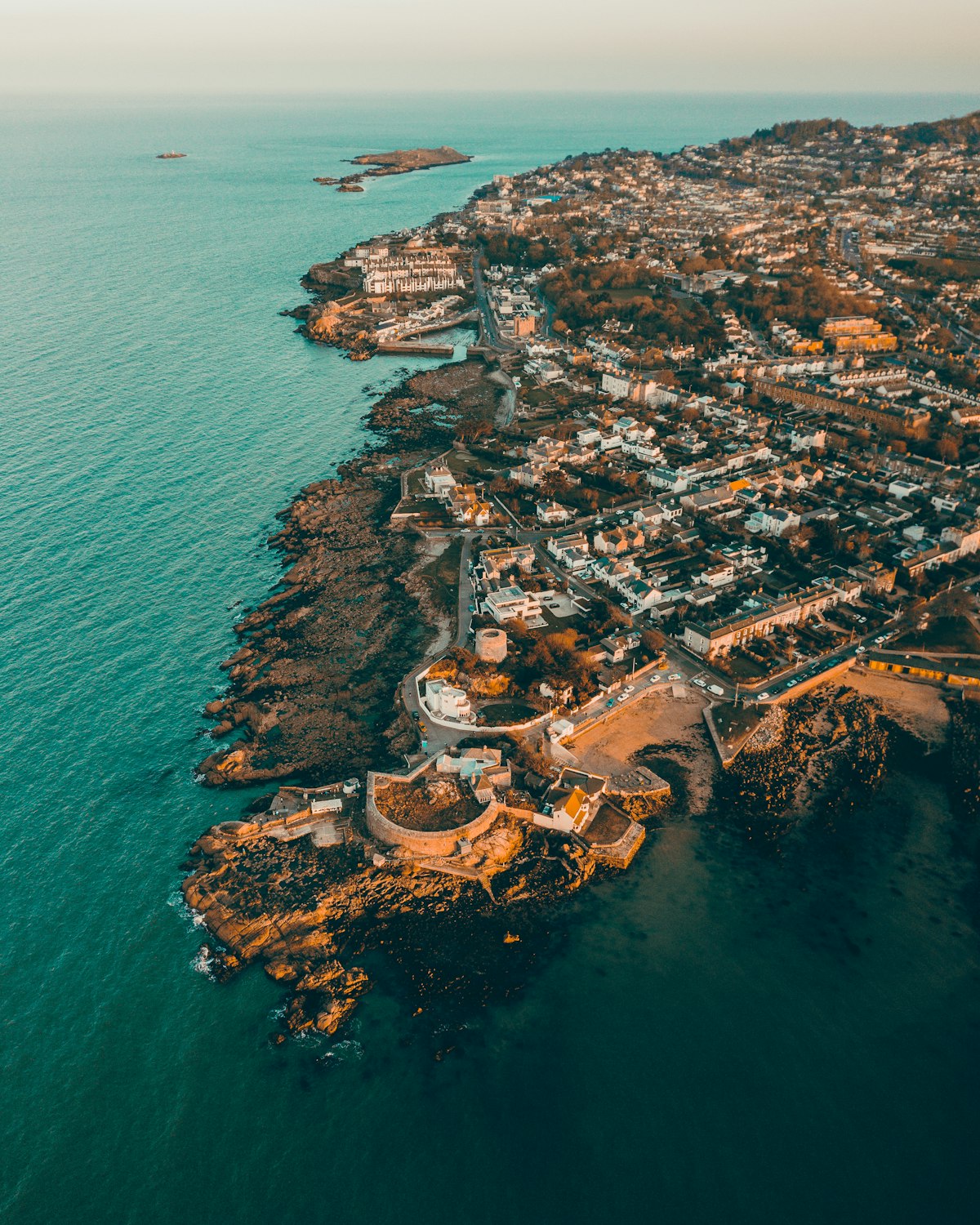
- ↑Warm (16–20°C) long days; Howth village, coastal walks and outdoor music all excellent
- ↑The Guinness Storehouse and Book of Kells at their most popular — go at opening time
What you sacrifice
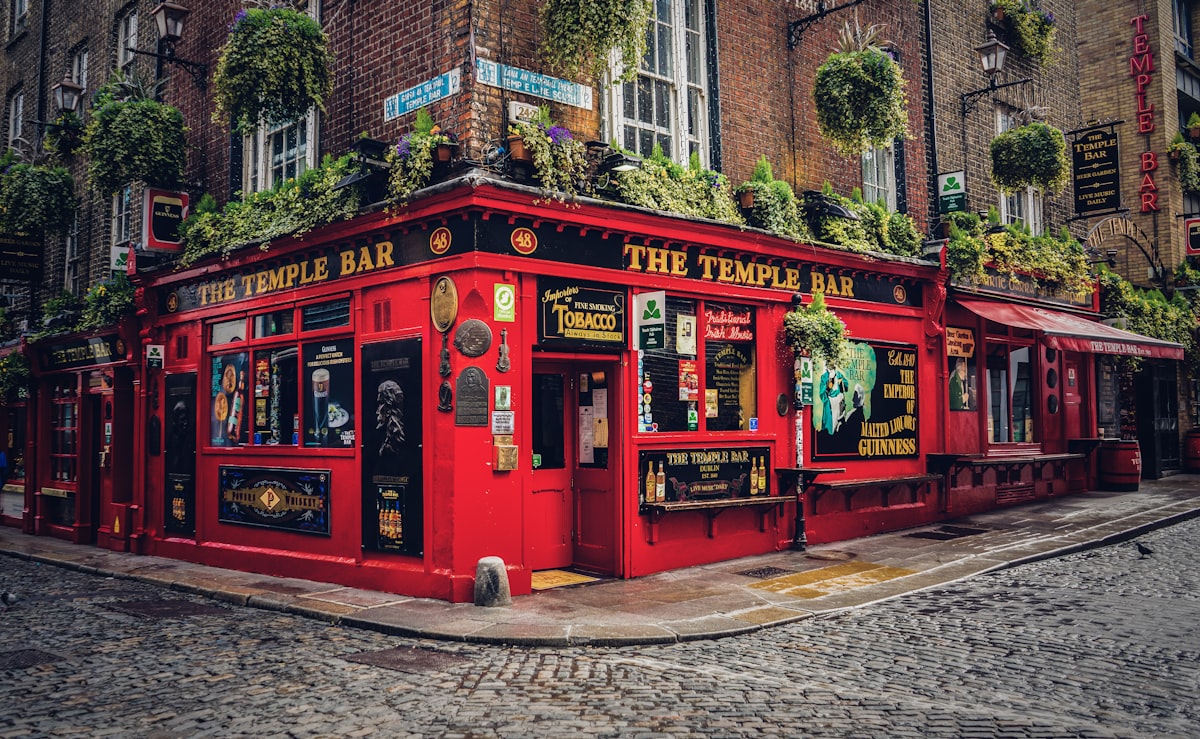
- ↓Maximum tourist numbers; the City Centre, Temple Bar and tourist sites extremely busy
- ↓Hotel prices at annual peak; Longitude weekend demands months of advance booking
Jul scores highest overall — reliable weather and manageable crowds. Set your priorities below to personalise this result.
Jul
Peak Dublin summer — Longitude music festival, peak tourist crowds and the most lively month
20°C
High
70mm
Rain
7h
Sun
- ↑Longitude Music Festival (Marlay Park, July): major international artists in a beautiful park setting
- ↑Warm (16–20°C) long days; Howth village, coastal walks and outdoor music all excellent
- ↑The Guinness Storehouse and Book of Kells at their most popular — go at opening time
- ↓Maximum tourist numbers; the City Centre, Temple Bar and tourist sites extremely busy
- ↓Hotel prices at annual peak; Longitude weekend demands months of advance booking
Top travel windows
★ BestJuly
Best overall
Highest combined score
20°C
High
70mm
Rain
7h
Sun
February
Best for value
Lowest prices & fees
8°C
High
53mm
Rain
2.8h
Sun
★ BestJuly
Fewest crowds
Quietest month
20°C
High
70mm
Rain
7h
Sun
Breakdown by priority
Best for weather
July
20°C high · 70mm rain · 7hrs sun/day
Best for budget
February
Valentine's Day: Dublin's restaurants and hotel packages are affordable and excellent quality
Fewest crowds
July
Longitude Music Festival (Marlay Park, July): major international artists in a beautiful park setting
Where to stay in Dublin
All neighbourhoods →Temple Bar / City Centre
The cultural quarter — cobbled streets, live music pubs, Trinity College, and the most central base in the city.
10/10
Central
10/10
Walk
9/10
Transit
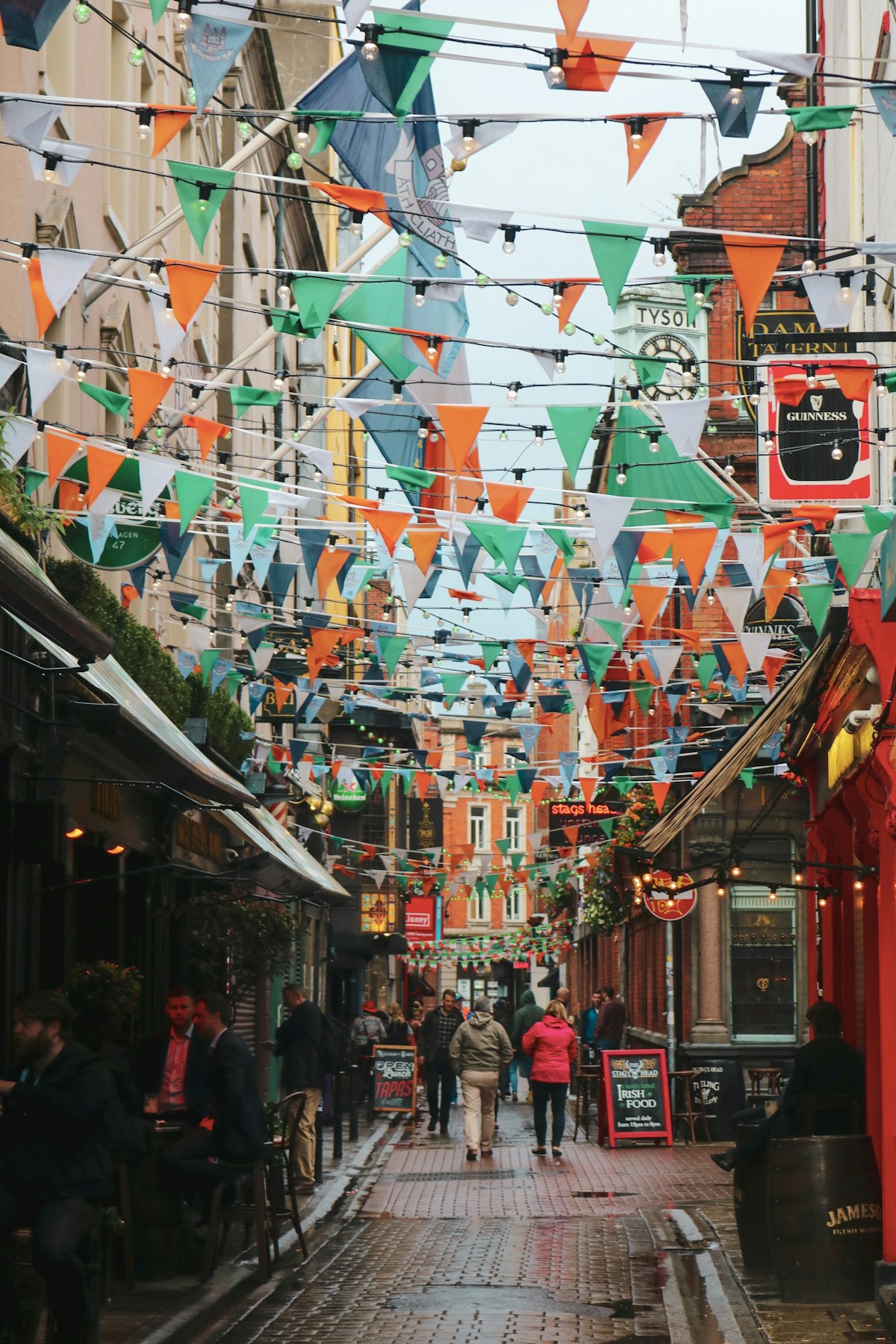
Portobello / Rathmines
The Southside's most characterful neighbourhood — the Grand Canal, independent cafés, and a genuine local residential vibe.
8/10
Central
8/10
Walk
8/10
Transit
Also exploring
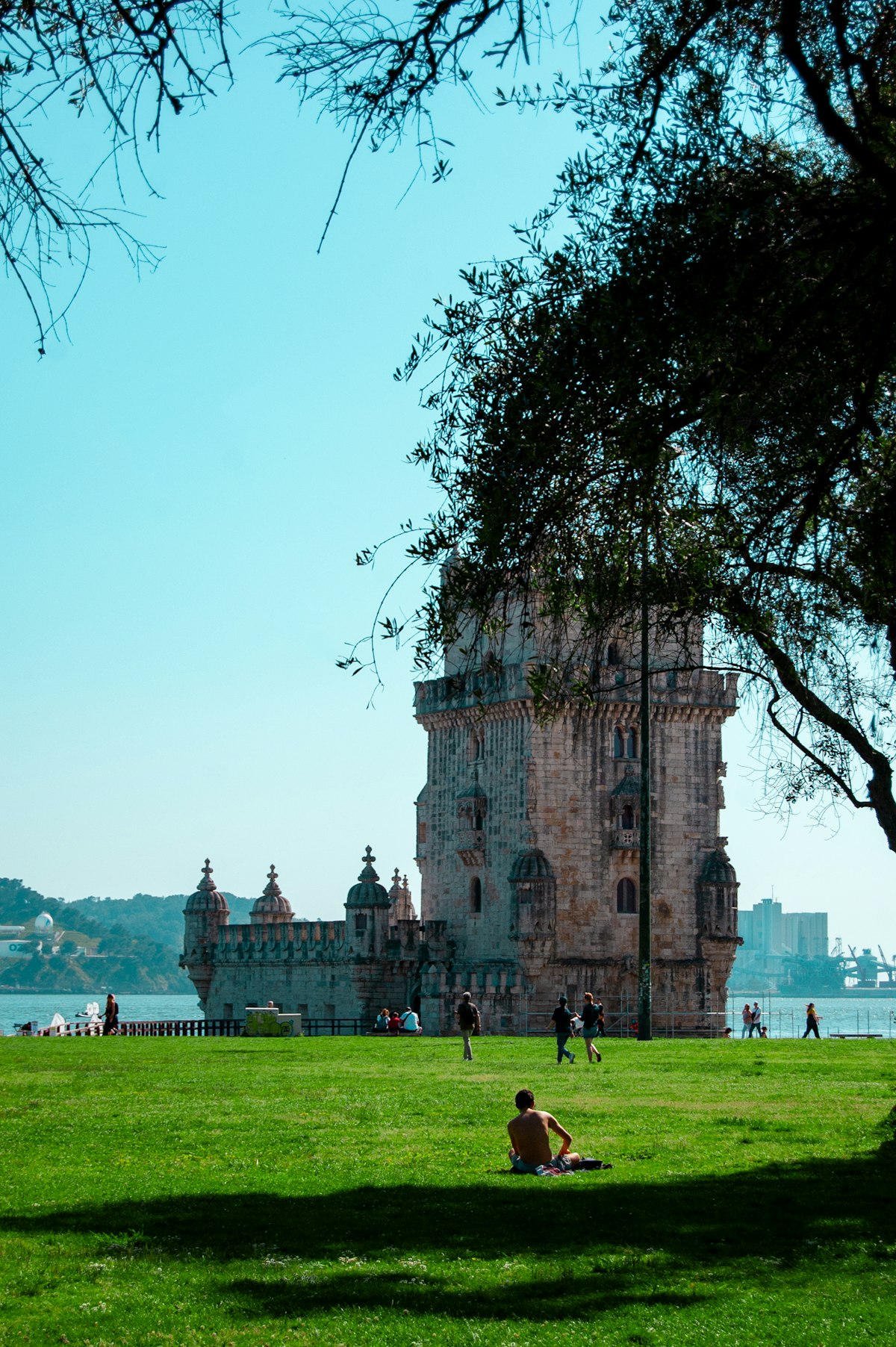
Lisbon
Portugal
A sun-drenched Atlantic capital where tram lines weave through hilltop neighbourhoods and prices stay genuinely affordable by Western European standards.
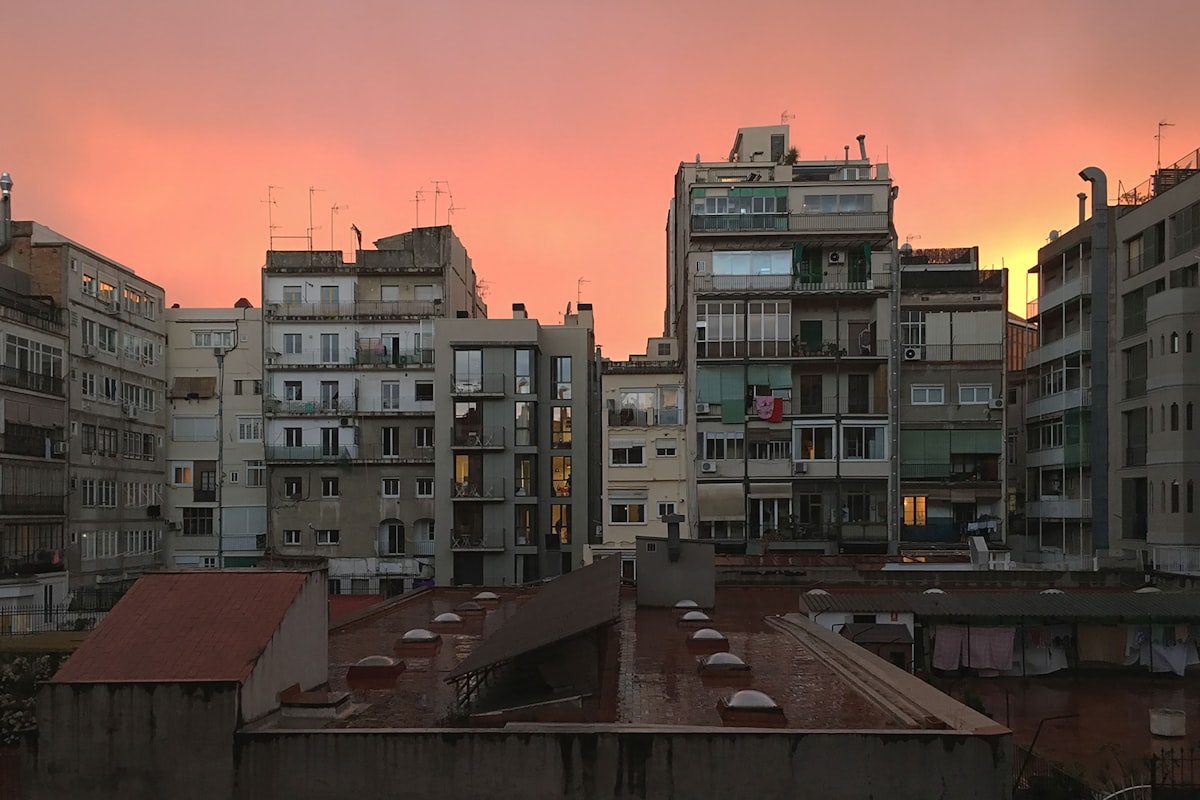
Barcelona
Spain
A Mediterranean city that runs on architecture, food markets, and beach culture — with a tourism problem that makes timing absolutely critical.
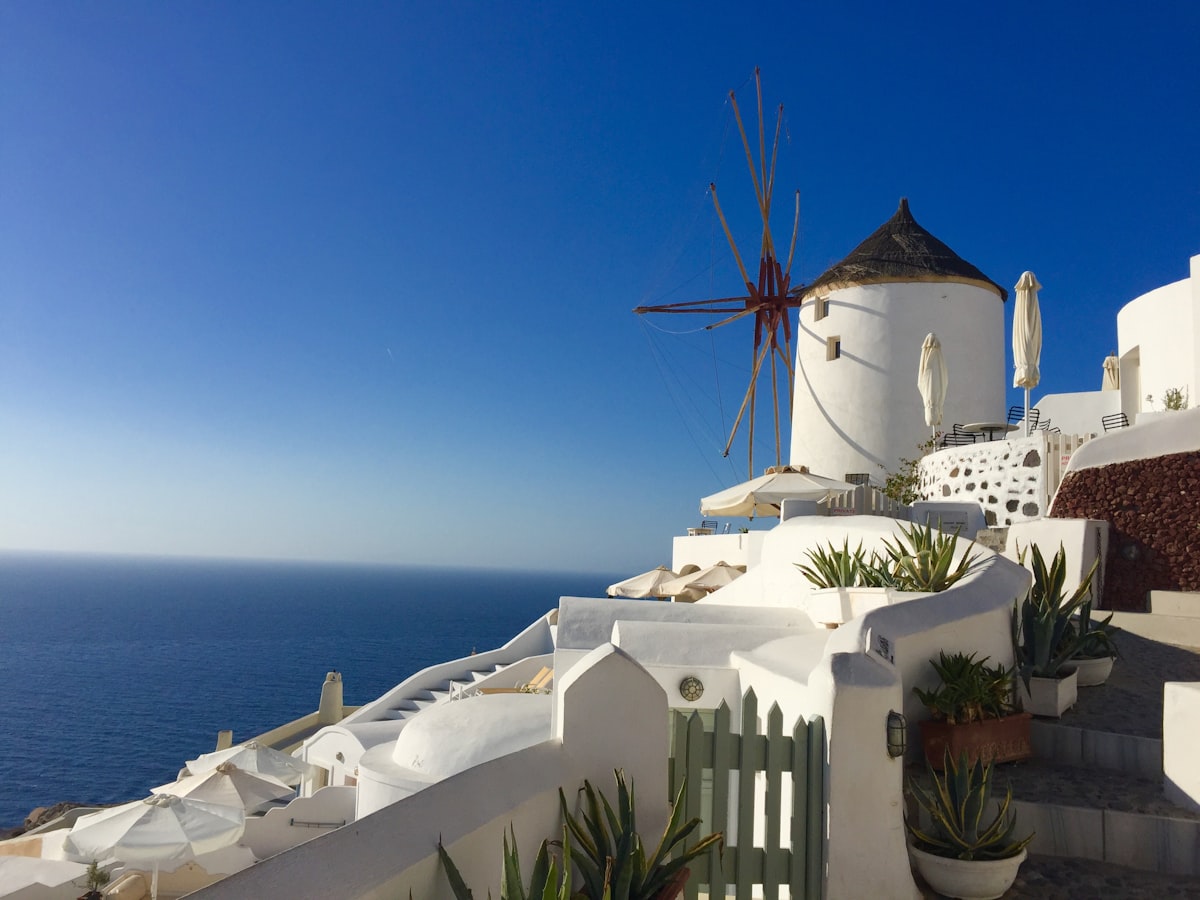
Santorini
Greece
The caldera sunsets and white-washed cliffside villages are real — but so is a tourism infrastructure that was never designed for 3 million annual visitors.
Worth knowing
July scores highest overall. February is the most crowded month — avoid if you can. See crowd-free ranking →
Month by month breakdown
January#12▾
Gains
- ↑Dublin's pubs without tourist bustle: the real Irish pub experience in the Stoneybatter and Portobello locals
- ↑EPIC Irish Emigration Museum, Chester Beatty Library and Trinity College in total peace
- ↑Budget accommodation; the literary trail (Joyce, Yeats, Beckett) easily self-navigated
Sacrifices
- ↓Cold (4–8°C), wet and dark; the short winter days restrict outdoor Dublin significantly
- ↓Limited outdoor cultural events; January is not a month for Dublin's summer festival scene
February#11▾
Gains
- ↑Six Nations rugby: Ireland home matches at the Aviva Stadium create one of the world's great sports atmospheres
- ↑Valentine's Day: Dublin's restaurants and hotel packages are affordable and excellent quality
- ↑Daffodils beginning in St Stephen's Green and the Phoenix Park — a genuine harbinger of spring
Sacrifices
- ↓Cold (4–9°C) and frequently wet; Dublin February can be persistently grey
- ↓Six Nations home match weekends pack the city and push accommodation prices
March#2▾
Gains
- ↑St Patrick's Day Festival (March 17, with 5-day surrounding programme) — parade, concerts, green river and city-wide parties
- ↑The most energetic and celebratory Dublin experience available; every pub in full swing for days
- ↑Traditional Irish music at its most concentrated; the craic is authentic and extraordinary
Sacrifices
- ↓St Patrick's week: accommodation priced at maximum and booked 6–12 months ahead
- ↓The city can be extremely crowded; the parade route is packed hours before the march
April#8▾
Gains
- ↑Cherry blossom in Herbert Park and along the Grand Canal; spring bulbs in St Stephen's Green
- ↑Comfortable 9–14°C with increasingly long evenings; outdoor pub terraces beginning to fill
- ↑Good value after St Patrick's season; the city relaxed and accessible
Sacrifices
- ↓Easter weekend brings domestic Irish visitors; accommodation books out early for that weekend
- ↓Still quite cool and variable; an umbrella is always required in Dublin April
May#4▾
Gains
- ↑Bloom Festival (late May): Ireland's biggest gardening show in the Phoenix Park
- ↑Warm 13–17°C with long evenings; outdoor pub gardens fully open across the city
- ↑City walks, the Wicklow Mountains and Howth cliff walk all excellent in May light
Sacrifices
- ↓Prices rising ahead of summer; popular accommodation requiring advance booking
- ↓Still some rainy days — Dublin rarely provides more than 2–3 completely dry days in a row
June#5▾
Gains
- ↑Bloomsday (June 16): Ulysses fans in Edwardian costume recreate Leopold Bloom's route through the city
- ↑Long summer evenings: sunset after 10pm; outdoor drinking and concerts until late
- ↑Dublin at its most sociable; the Temple Bar area and Merrion Square alive every evening
Sacrifices
- ↓Tourist season in full swing; Temple Bar area crowded and expensive
- ↓Prices accelerating; popular hotel rooms booked well in advance
July#1▾
Gains
- ↑Longitude Music Festival (Marlay Park, July): major international artists in a beautiful park setting
- ↑Warm (16–20°C) long days; Howth village, coastal walks and outdoor music all excellent
- ↑The Guinness Storehouse and Book of Kells at their most popular — go at opening time
Sacrifices
- ↓Maximum tourist numbers; the City Centre, Temple Bar and tourist sites extremely busy
- ↓Hotel prices at annual peak; Longitude weekend demands months of advance booking
August#3▾
Gains
- ↑Dublin Fringe Festival (late August into September): experimental theatre, comedy and performance city-wide
- ↑Summer warmth lingering (15–19°C); day trips to Glendalough and the Wicklow Mountains at their best
- ↑Lively atmosphere across the entire city; busiest period for live music in the pubs
Sacrifices
- ↓Still peak season; crowds and prices remain at their maximum
- ↓Some of the highest accommodation rates of the year
September#6▾
Gains
- ↑Dublin Fringe Festival and Dublin Theatre Festival (September-October): the city's two best cultural months
- ↑Warm enough (13–17°C) for outdoor exploring; autumn light on the Georgian squares beautiful
- ↑Good hotel availability and prices significantly below peak summer
Sacrifices
- ↓Rain returning; September averages 9+ rainy days
- ↓Tourist season winding down means some summer-only attractions reducing hours
October#7▾
Gains
- ↑Dublin Theatre Festival: 3 weeks, 50+ productions including international companies
- ↑Bram Stoker Festival (Halloween weekend): Gothic walks, horror cinema and Victorian vampire culture
- ↑Autumn colours in the Phoenix Park and Iveagh Gardens spectacular
Sacrifices
- ↓Cooling (8–13°C) with regular rain; the outdoor Dublin of summer is done
- ↓Halloween weekend (last weekend of October) fills the city with costume revellers and higher prices
November#10▾
Gains
- ↑Local pub culture at its most authentic; traditional music sessions in the Liberties and Ranelagh without tourists
- ↑Budget accommodation; excellent restaurant availability without advance booking
- ↑Christmas markets beginning in the last week of November — Docklands Christmas market particularly good
Sacrifices
- ↓Cold (5–9°C) and often wet; outdoor Dublin is not enjoyable in November
- ↓Short days; the city gets dark before 5pm
December#9▾
Gains
- ↑Christmas atmosphere in Dublin is genuinely excellent — Grafton Street buskers, pub warmth and festive lights
- ↑St Anne's carol concerts, the National Concert Hall Christmas programme and pantomimes across the city
- ↑New Year's Eve on the Liffey with Dublin's fireworks and street parties
Sacrifices
- ↓Cold (4–8°C) and wet; Christmas week pushes accommodation to moderate summer-like prices
- ↓The post-Christmas period (December 26-31) can feel flat with some attractions closed
How this is calculated
Climate data
Open Meteo ERA5
30-year normals (1991–2020). Temperature, rainfall, sunshine, humidity.
Price & crowd
Tourism research
Seasonal pricing from tourism authority data. Directional — compares months within a destination only.
Personalisation
Weighted scoring
Your priorities change the weights. Budget-first users get different results than weather-first users.
Share this result
July is the best time to visit Dublin
Travel timing updates
New destinations and timing guides, when they land.
No spam. Unsubscribe anytime.