




Showing: Jul · Unsplash / Unsplash
Australia · Australia & Pacific
Best time to visit Cairns
July
Jul scores highest overall — reliable weather and manageable crowds. Set your priorities below to personalise this result.
What matters most to you?
All 12 months — click any to expand
Jul
Unsplash / Unsplash
Peak season — the best reef conditions of the year with Australian and international visitors at maximum
25°C
High
16°C
Low
23mm
Rain
11h
Sun/day
What you gain
- ↑The most reliably excellent conditions: clear skies, flat seas and 30m+ reef visibility
- ↑Dwarf minke whale encounters (June-July only) unique to the northern Great Barrier Reef
- ↑Cairns Festival begins; lively night markets and outdoor events throughout the city
What you sacrifice
- ↓Maximum crowds; popular reef pontoons at Agincourt can have 200+ visitors simultaneously
- ↓July school holiday peak: every liveaboard and dive operator fully booked, prices at maximum
Jul scores highest overall — reliable weather and manageable crowds. Set your priorities below to personalise this result.
Jul
Peak season — the best reef conditions of the year with Australian and international visitors at maximum
25°C
High
23mm
Rain
11h
Sun
- ↑The most reliably excellent conditions: clear skies, flat seas and 30m+ reef visibility
- ↑Dwarf minke whale encounters (June-July only) unique to the northern Great Barrier Reef
- ↑Cairns Festival begins; lively night markets and outdoor events throughout the city
- ↓Maximum crowds; popular reef pontoons at Agincourt can have 200+ visitors simultaneously
- ↓July school holiday peak: every liveaboard and dive operator fully booked, prices at maximum
Top travel windows
★ BestJuly
Best overall
Highest combined score
25°C
High
23mm
Rain
11h
Sun
May
Best for value
Lowest prices & fees
28°C
High
93mm
Rain
9.5h
Sun
★ BestJuly
Fewest crowds
Quietest month
25°C
High
23mm
Rain
11h
Sun
Breakdown by priority
Best for weather
July
25°C high · 23mm rain · 11hrs sun/day
Best for budget
May
Crystal clear reef water (25–30m visibility); diving and snorkelling at peak quality
Fewest crowds
July
The most reliably excellent conditions: clear skies, flat seas and 30m+ reef visibility
Where to base yourself in Cairns
All regions →
Cairns City / Esplanade
The main hub — the Esplanade Lagoon, night markets, and the departure point for every reef and rainforest tour in far north Queensland.
10/10
Central
9/10
Walk
7/10
Transit

Palm Cove
The most refined beach village in the Cairns region — melaleuca trees, luxury spa resorts, and calm patrolled beach.
5/10
Central
7/10
Walk
5/10
Transit
Also exploring

Tokyo
Japan
A city of dramatic seasonal contrasts — cherry blossom crowds, oppressive summer humidity, and golden autumn foliage — where the wrong timing can make or break the trip.

Bali
Indonesia
A Hindu island of rice terraces, temple ceremonies, and surf breaks where the monsoon makes timing genuinely binary — the difference between dry and wet season is not subtle.
Maldives
Maldives
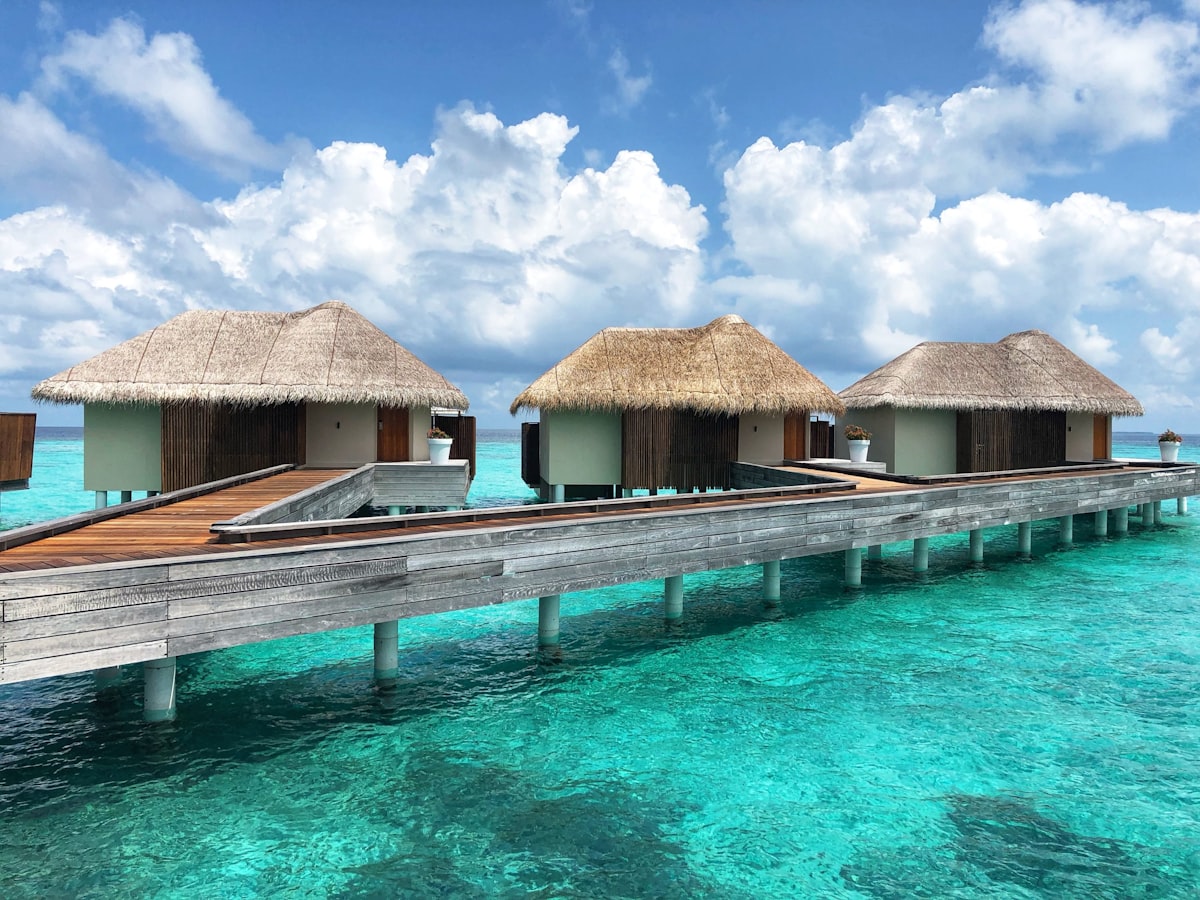
A destination defined almost entirely by its monsoon calendar — the difference between the NE dry season (November–April) and SW wet season (May–October) is not subtle and shapes every aspect of the experience.
Worth knowing
July scores highest overall. May is the most crowded month — avoid if you can. See crowd-free ranking →
Month by month breakdown
January#10▾
Gains
- ↑Lush green rainforest in Daintree at its most dramatic; waterfalls in full force
- ↑Australian school holidays keep some visitor numbers up; family-friendly infrastructure fully operational
- ↑Budget deals on liveaboard reef trips as operators offer last-minute deals
Sacrifices
- ↓Wet season at maximum: daily monsoon downpours, tropical cyclone risk and stinger (jellyfish) season
- ↓Many reef tours restricted by weather; visibility can be poor and conditions rough
February#12▾
Gains
- ↑Daintree National Park at its most lush and green; Cape Tribulation very atmospheric
- ↑Some accommodation deals; inland Atherton Tablelands cooler and accessible
- ↑Chinese New Year celebrations in Cairns city
Sacrifices
- ↓Peak stinger season: box jellyfish and Irukandji make beach swimming dangerous without stinger suits
- ↓Highest cyclone risk; travel insurance essential and advance reservations unwise
March#8▾
Gains
- ↑Stinger risk reducing from mid-March; early morning reef trips becoming more viable
- ↑Daintree still magnificent with rain-fed waterfalls and wildlife
- ↑Shoulder rates begin to appear; good value for the patient visitor
Sacrifices
- ↓Still significant rain and heat; afternoon downpours remain the norm
- ↓Reef conditions variable; some dive sites still affected by run-off visibility
April#6▾
Gains
- ↑Stingers gone; open-water swimming on the beach possible from April
- ↑Great Barrier Reef snorkelling and diving conditions improving fast — visibility increasing weekly
- ↑Warm 24–29°C with reducing humidity; the first genuinely pleasant month of the year
Sacrifices
- ↓Reef visibility not yet at its peak; some sites still affected by late wet season run-off
- ↓Easter holiday weekend can push domestic visitor numbers up
May#3▾
Gains
- ↑Crystal clear reef water (25–30m visibility); diving and snorkelling at peak quality
- ↑Whale shark season: the world's largest fish regularly spotted near Cairns from May
- ↑Comfortable 23–28°C with virtually zero rain; outdoor activities every day
Sacrifices
- ↓School holiday season beginning (Southern Hemisphere May school holidays push prices up)
- ↓Popular reef tours at Agincourt and Outer Reef booking out quickly
June#4▾
Gains
- ↑Humpback whale migration beginning in the Coral Sea; whale watching tours from June
- ↑Perfect diving conditions: warm 26°C water, exceptional visibility, low seas
- ↑Cairns Outdoor Cinema and Tropical North Queensland events filling the calendar
Sacrifices
- ↓Southern holiday makers beginning to arrive; accommodation prices in peak range
- ↓Most popular liveaboard routes need booking 2–3 months ahead
July#1▾
Gains
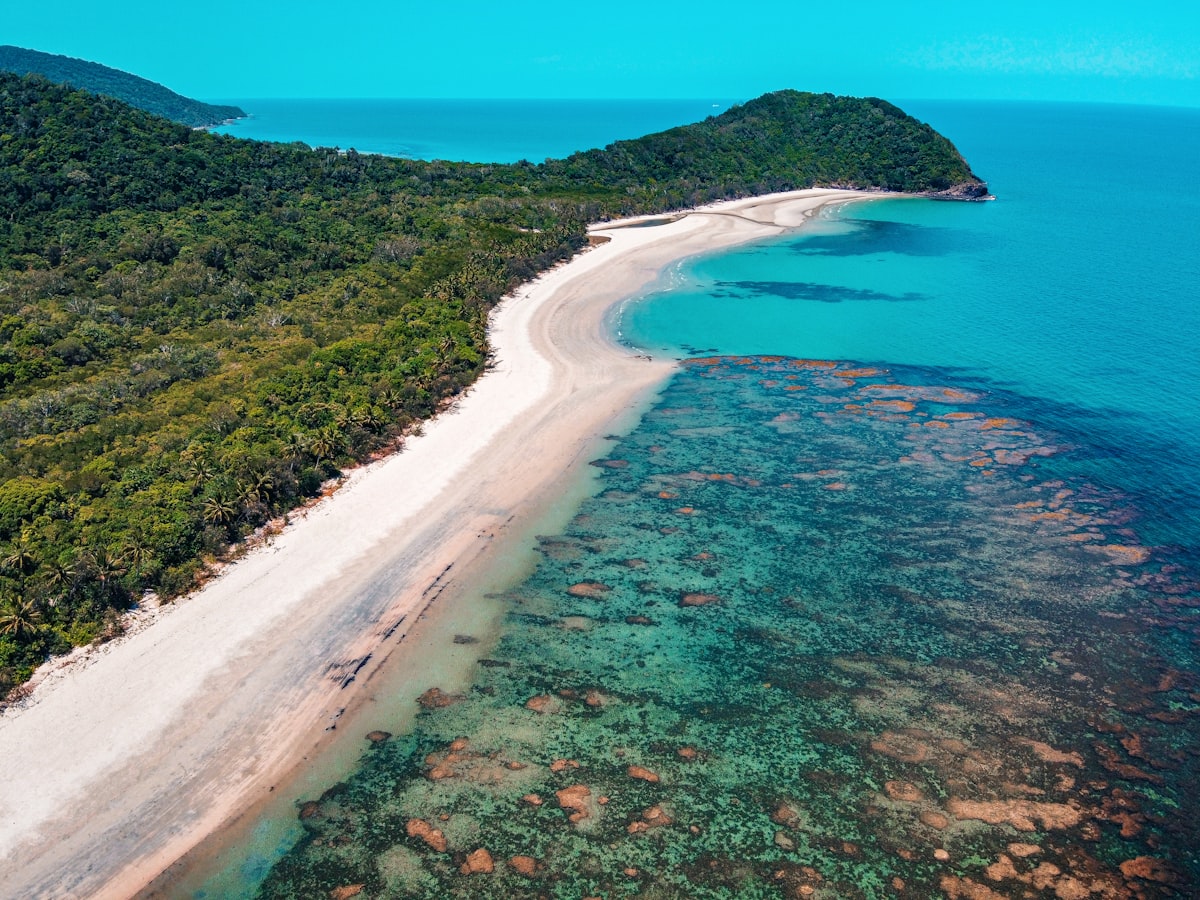
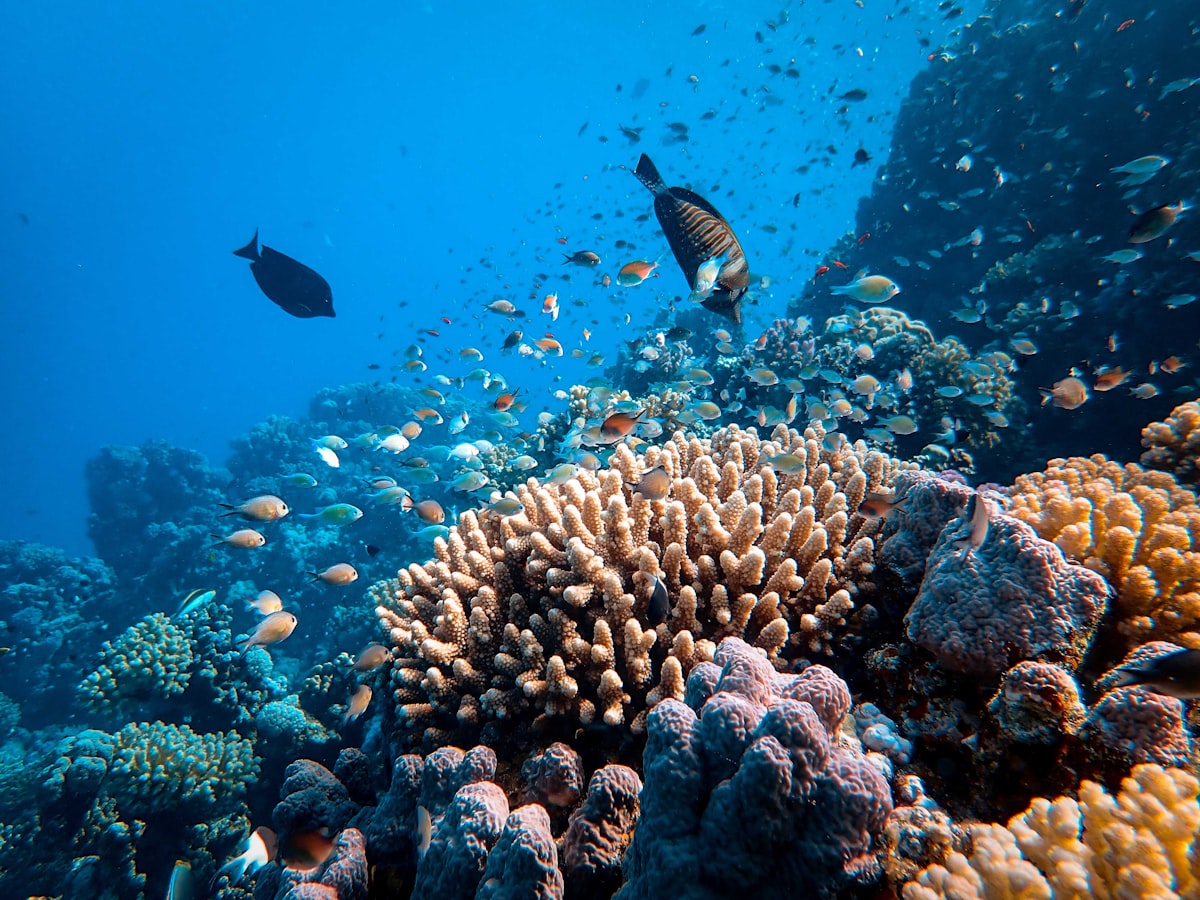
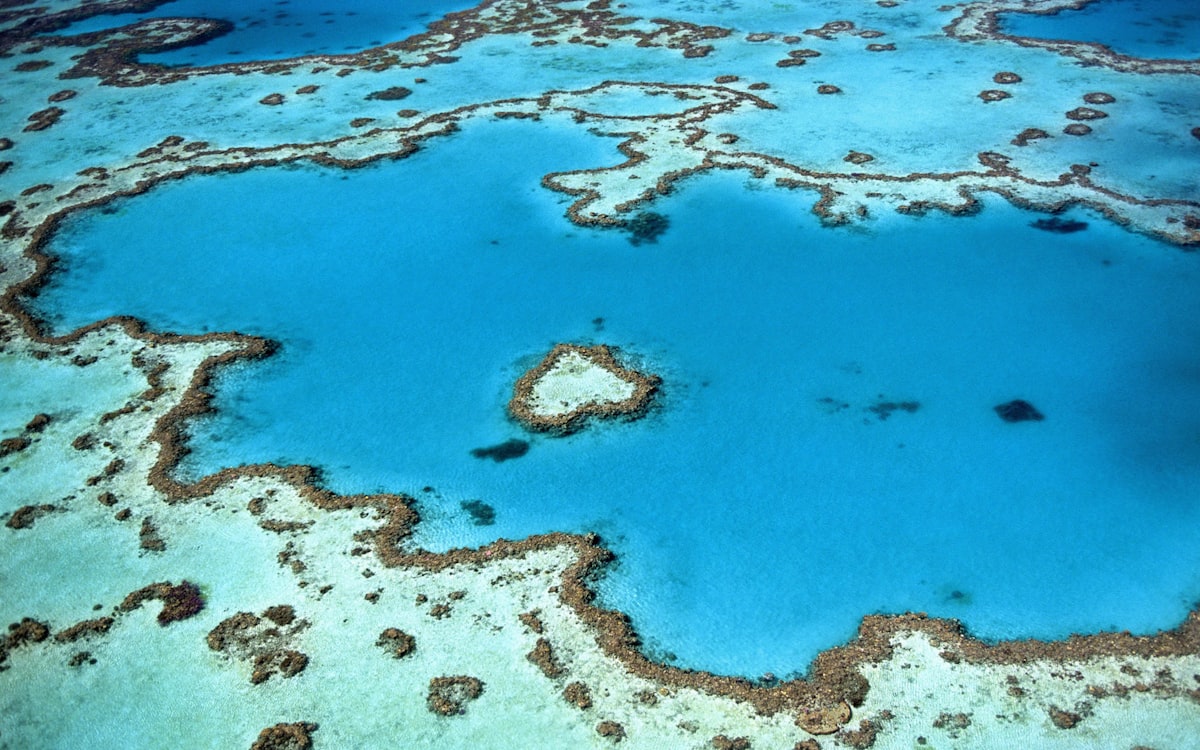
- ↑The most reliably excellent conditions: clear skies, flat seas and 30m+ reef visibility
- ↑Dwarf minke whale encounters (June-July only) unique to the northern Great Barrier Reef
- ↑Cairns Festival begins; lively night markets and outdoor events throughout the city
Sacrifices
- ↓Maximum crowds; popular reef pontoons at Agincourt can have 200+ visitors simultaneously
- ↓July school holiday peak: every liveaboard and dive operator fully booked, prices at maximum
August#2▾
Gains
- ↑Humpback whales still present in the Coral Sea; Mother's Beach to Fitzroy Island trips active
- ↑Cairns Festival continues; excellent conditions for all outdoor activities
- ↑Slightly lower prices and availability than July school holidays
Sacrifices
- ↓Still busy; popular day cruise pontoons remain crowded
- ↓Daytime dry heat can be intense; reef trips recommended for mornings
September#5▾
Gains
- ↑Good reef conditions still; end of humpback whale season with last sightings in September
- ↑Warm 25–30°C but not yet humid; perfect for diving and Daintree rainforest exploring
- ↑Good accommodation availability; prices pulling back from July peak
Sacrifices
- ↓Humidity beginning to build toward wet season
- ↓First signs of marine stinger season beginning by late September
October#7▾
Gains
- ↑Good reef conditions still; last reliable window before conditions deteriorate
- ↑Warm but not yet humid (27–32°C); outdoor exploring still excellent
- ↑Affordable rates; shoulder season value window
Sacrifices
- ↓Pre-wet season humidity building; muggy afternoons starting to return
- ↓Stinger season returns mid-October; beach swimming without stinger suit increasingly inadvisable
November#9▾
Gains
- ↑Reef trips still possible; conditions not yet at their worst
- ↑Great Barrier Reef coral spawning (November) — a rare and spectacular phenomenon
- ↑Daintree beginning to green up with early rains
Sacrifices
- ↓Very hot and humid (28–33°C); afternoon thunderstorms becoming daily
- ↓Box jellyfish season returns fully; open beach swimming requires stinger suits
December#11▾
Gains
- ↑Christmas tropical atmosphere is unique — warm evenings, lights on palm trees, different from anywhere
- ↑Daintree and Atherton Tablelands waterfalls beginning to flow
- ↑Australian families creating good local atmosphere at the Esplanade and night markets
Sacrifices
- ↓Wet season arrives with daily storms; reef trips often cancelled or uncomfortable
- ↓Stingers in full force; Christmas holiday demand pushes prices up despite poor conditions
How this is calculated
Climate data
Open Meteo ERA5
30-year normals (1991–2020). Temperature, rainfall, sunshine, humidity.
Price & crowd
Tourism research
Seasonal pricing from tourism authority data. Directional — compares months within a destination only.
Personalisation
Weighted scoring
Your priorities change the weights. Budget-first users get different results than weather-first users.
Share this result
July is the best time to visit Cairns
Travel timing updates
New destinations and timing guides, when they land.
No spam. Unsubscribe anytime.