



Showing: Sep · Unsplash / Unsplash
Italy · Southern Europe
Best time to visit Tuscany
September
Sep scores highest overall — reliable weather and strong local atmosphere. Set your priorities below to personalise this result.
What matters most to you?
All 12 months — click any to expand
Sep
Unsplash / Unsplash
The absolute best month — grape harvest, wine festivals and golden Tuscan light at its most spectacular
27°C
High
16°C
Low
65mm
Rain
9h
Sun/day
What you gain
- ↑Grape harvest (vendemmia) transforms every vineyard: Chianti Classico, Brunello and Vino Nobile estates all active
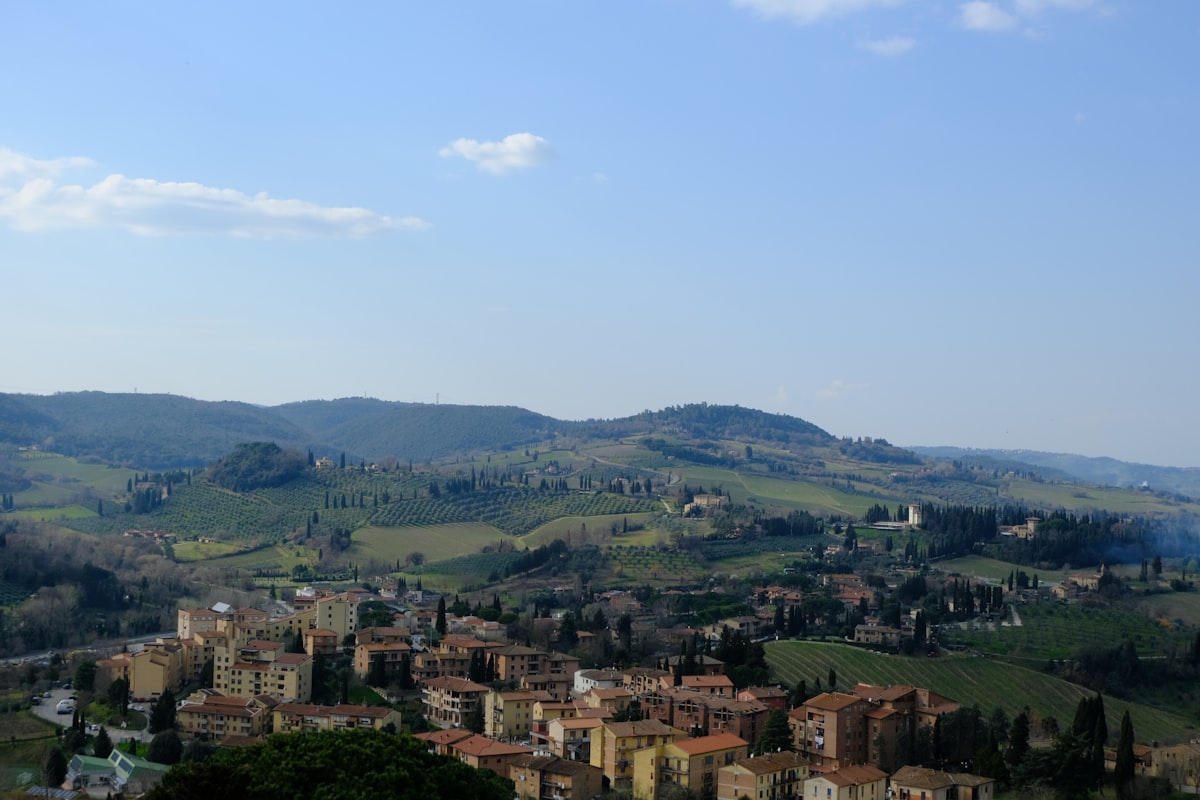
- ↑Perfect 20–26°C; the landscape turns golden brown and misty, exactly as photographed in magazines
- ↑Wine harvest festivals in Montalcino, Greve and Montepulciano — free tastings and local food markets
What you sacrifice
- ↓Harvest period is also popular; advance reservations for wine estate stays essential
- ↓First autumn rains can occasionally affect outdoor harvest events
Sep scores highest overall — reliable weather and strong local atmosphere. Set your priorities below to personalise this result.
Sep
The absolute best month — grape harvest, wine festivals and golden Tuscan light at its most spectacular
27°C
High
65mm
Rain
9h
Sun
- ↑Grape harvest (vendemmia) transforms every vineyard: Chianti Classico, Brunello and Vino Nobile estates all active
- ↑Perfect 20–26°C; the landscape turns golden brown and misty, exactly as photographed in magazines
- ↑Wine harvest festivals in Montalcino, Greve and Montepulciano — free tastings and local food markets
- ↓Harvest period is also popular; advance reservations for wine estate stays essential
- ↓First autumn rains can occasionally affect outdoor harvest events
Top travel windows
★ BestSeptember
Best overall
Highest combined score
27°C
High
65mm
Rain
9h
Sun
January
Best for value
Lowest prices & fees
9°C
High
70mm
Rain
5h
Sun
July
Fewest crowds
Quietest month
32°C
High
37mm
Rain
12h
Sun
Breakdown by priority
Best for weather
September
27°C high · 65mm rain · 9hrs sun/day
Best for budget
January
Agriturismo rates at annual minimum; fireplace evenings with Brunello di Montalcino
Fewest crowds
July
Palio di Siena (July 2) — Italy's most dramatic horse race in the medieval piazza; book hotels a year ahead
Where to stay in Tuscany
All neighbourhoods →
Florence (Firenze)
The cultural capital — the Uffizi, Michelangelo's David, the Duomo, and the most concentrated Renaissance art in the world.
10/10
Central
10/10
Walk
9/10
Transit
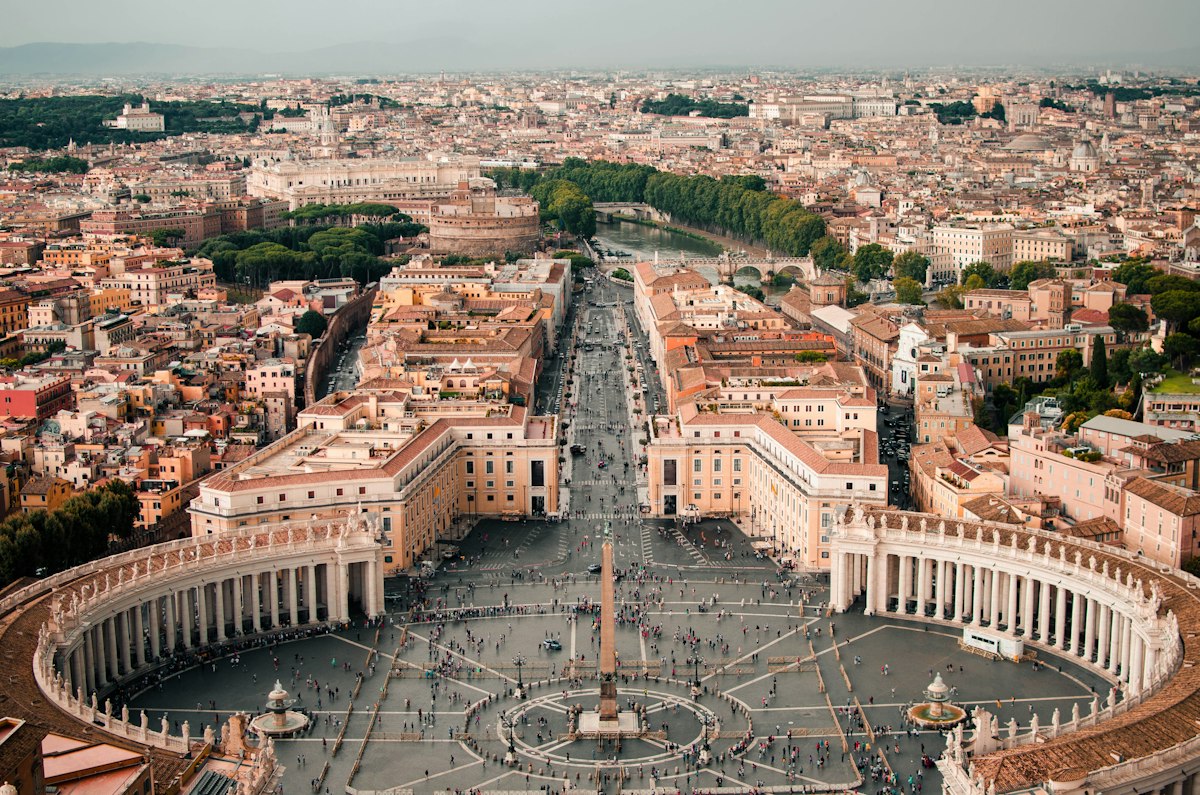
Siena
The medieval rival to Florence — Piazza del Campo, Il Palio horse race, and a Gothic city more manageable than its neighbour.
7/10
Central
9/10
Walk
7/10
Transit
Also exploring
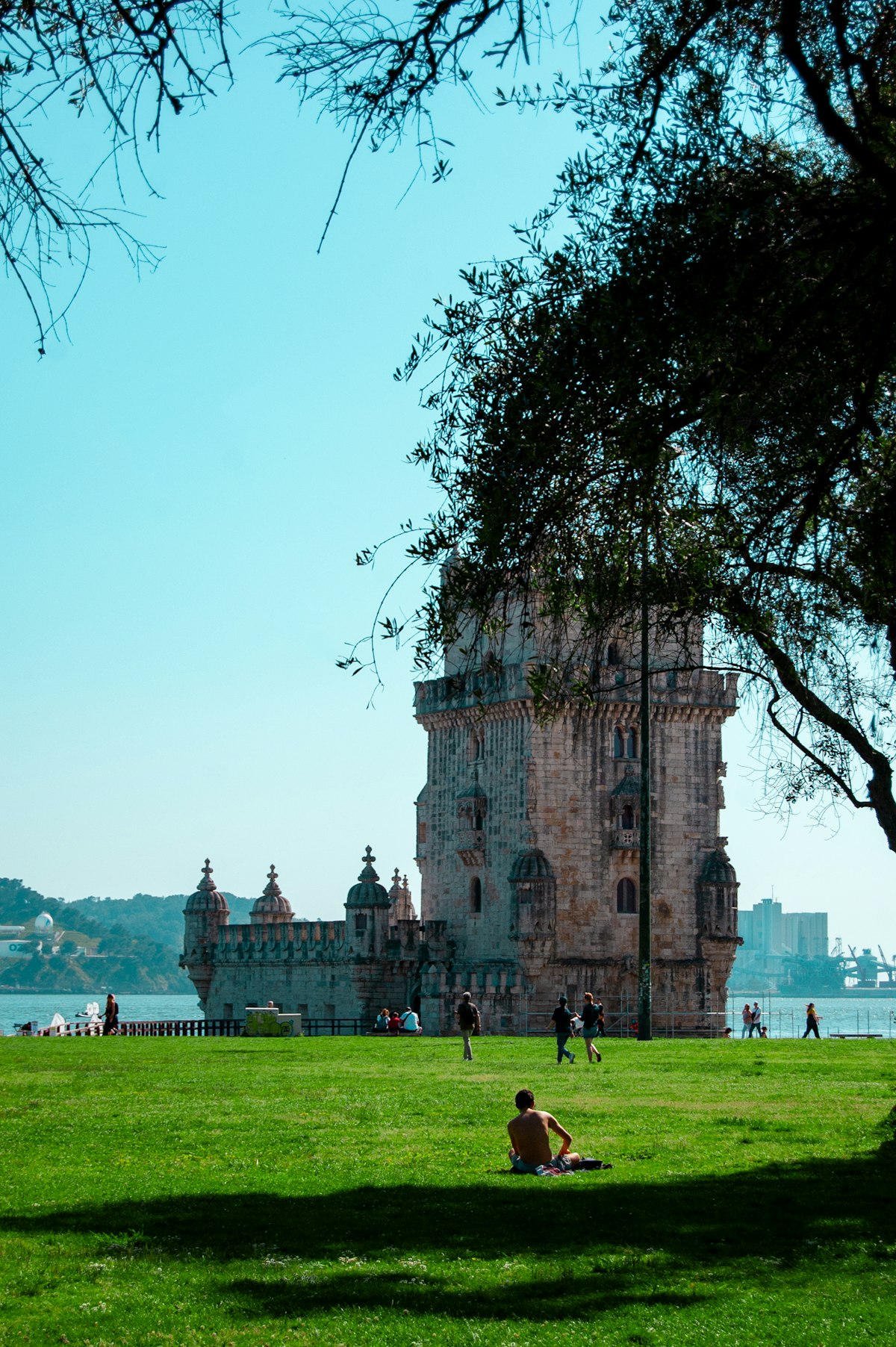
Lisbon
Portugal
A sun-drenched Atlantic capital where tram lines weave through hilltop neighbourhoods and prices stay genuinely affordable by Western European standards.
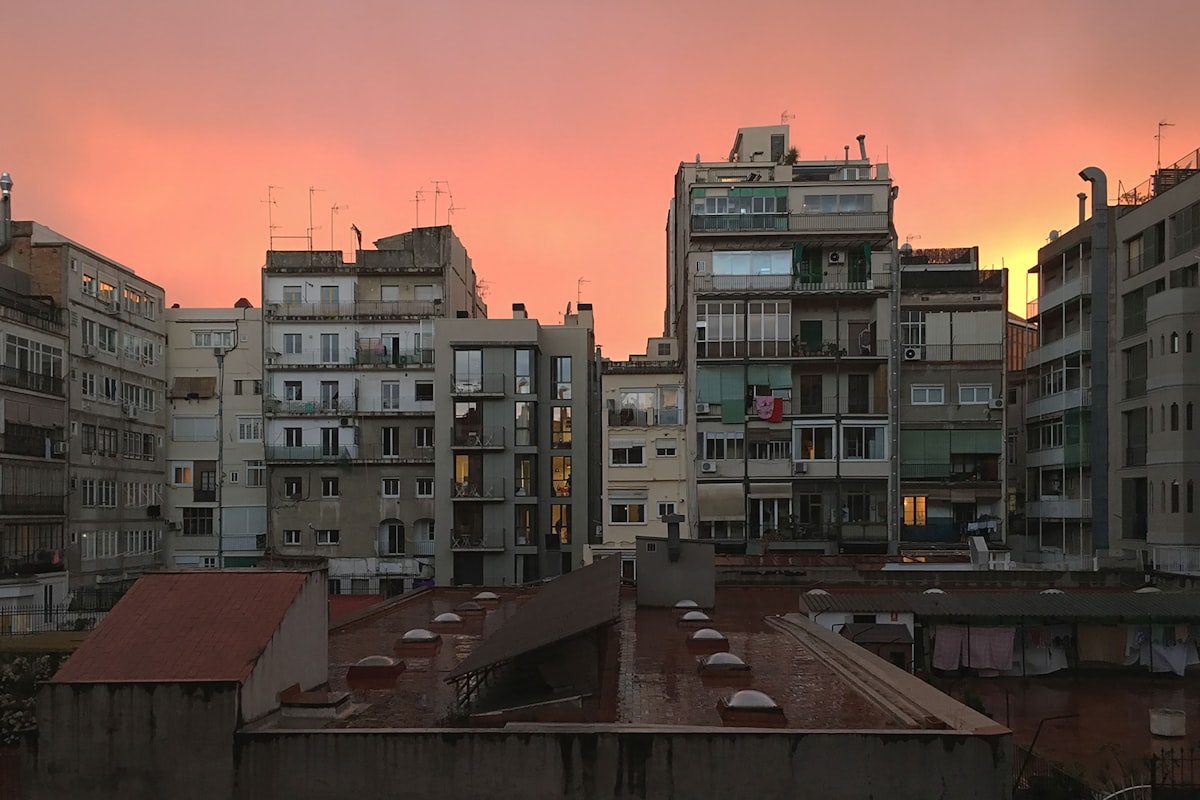
Barcelona
Spain
A Mediterranean city that runs on architecture, food markets, and beach culture — with a tourism problem that makes timing absolutely critical.
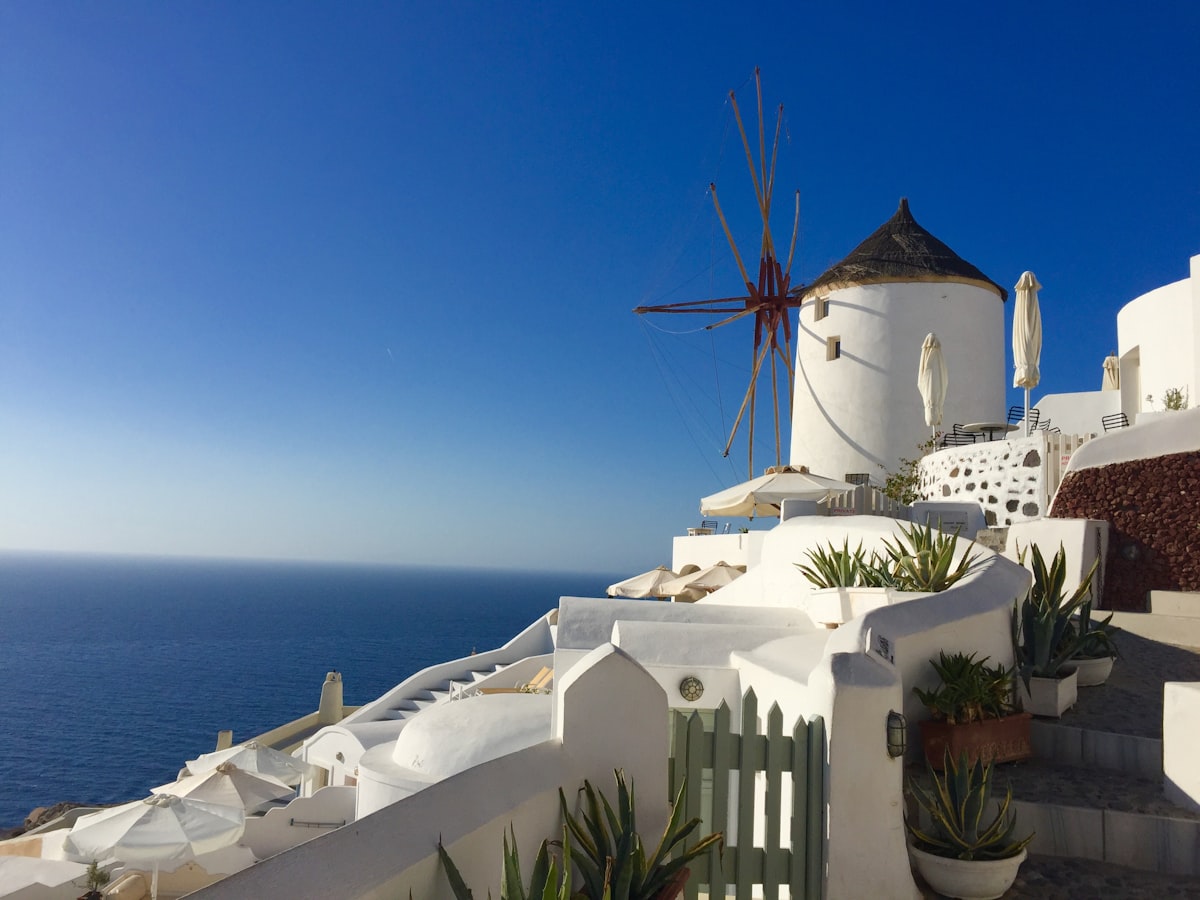
Santorini
Greece
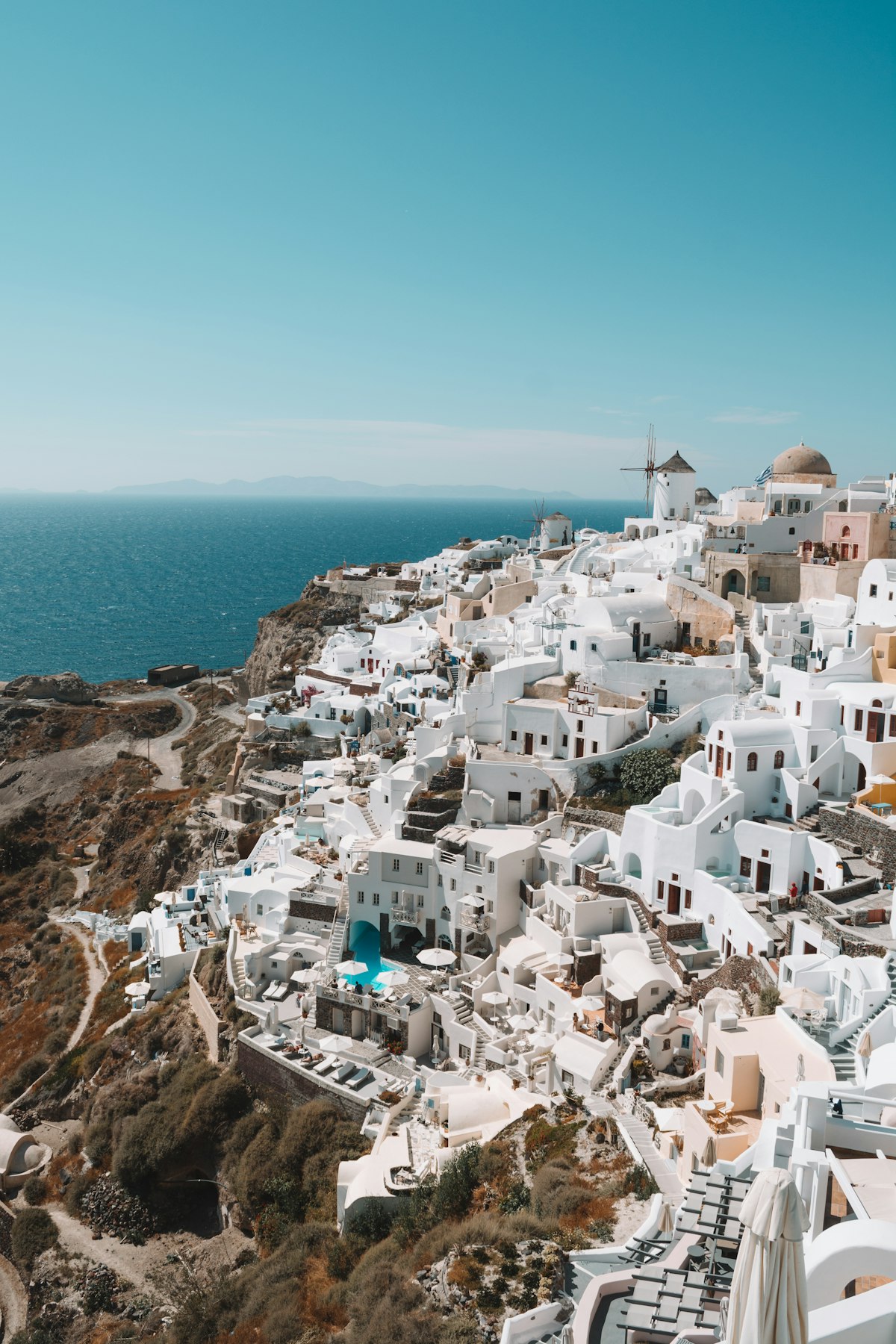
The caldera sunsets and white-washed cliffside villages are real — but so is a tourism infrastructure that was never designed for 3 million annual visitors.
Worth knowing
September scores highest overall. January is the most crowded month — avoid if you can. See crowd-free ranking →
Month by month breakdown
January#11▾
Gains
- ↑Florence's Uffizi and Accademia with no queues; the art at its most intimate
- ↑Black truffle season: Massa Marittima and San Giovanni d'Asso markets in full swing
- ↑Agriturismo rates at annual minimum; fireplace evenings with Brunello di Montalcino
Sacrifices
- ↓Cold (3–10°C) and grey; vineyard landscapes look bare and the countryside feels dormant
- ↓Many smaller restaurants and wine estates in hill towns close for the winter
February#12▾
Gains
- ↑Siena's Piazza del Campo and Duomo completely empty; the black-and-white marble cathedral breathtaking
- ↑Off-season pricing on villas and boutique hotels throughout the region
- ↑Carnival season: Viareggio's carnival processions are some of the most elaborate in Italy
Sacrifices
- ↓Still cold (4–11°C) with some rain; the rolling hills lack the green of spring
- ↓Many wine estates not offering tastings yet; the tourist season has not reopened
March#8▾
Gains
- ↑Rolling Crete Senesi hills turning vivid green; first wildflowers appearing in the Val d'Orcia
- ↑Wine estates reopening with spring tastings; Montepulciano and Montalcino accessible without advance booking
- ↑Affordable accommodation; March weather can surprise with warm sunny spells
Sacrifices
- ↓Still transitional weather — cold nights and unpredictable showers are common
- ↓The iconic Tuscan landscape doesn't reach peak green until April
April#4▾
Gains
- ↑Wild poppies and golden grasses in the Val d'Orcia — the landscape that photographers die for
- ↑Easter Explosion (Scoppio del Carro) in Florence: a cart of fireworks in front of the Duomo
- ↑Mild 14–20°C perfect for cycling the Chianti hills and wine tasting without summer heat
Sacrifices
- ↓Easter weekend crowds spike in Florence; advance booking essential for accommodation in the city
- ↓Some unpredictable April showers can interrupt outdoor itineraries
May#2▾
Gains
- ↑Giardino dell'Iris iris garden in Florence open only May–June; hundreds of varieties in bloom
- ↑Perfect 18–24°C for driving the SS2 through the Val d'Orcia and cycling in the Chianti
- ↑Maggio Musicale Fiorentino — Florence's prestigious opera and music festival runs through May
Sacrifices
- ↓Florence is increasingly busy; the Uffizi queue without pre-booking can exceed 3 hours
- ↓Prices rising ahead of summer peak; popular wine estates need advance reservations
June#5▾
Gains
- ↑Calcio Storico Fiorentino (June 24) — medieval football played in 16th-century costume in Santa Croce
- ↑Sunflower fields in the Crete Senesi turning gold from mid-June
- ↑Long summer evenings on agriturismo terraces; truffle and pecorino at their best
Sacrifices
- ↓Florence becomes very hot (30°C+) and very crowded; museum queues even with advance booking
- ↓Prices rising sharply; summer booking essential throughout the region
July#6▾
Gains
- ↑Palio di Siena (July 2) — Italy's most dramatic horse race in the medieval piazza; book hotels a year ahead
- ↑Lucca Summer Festival with major international artists performing in the Piazza Anfiteatro
- ↑Sunflower and lavender fields in full bloom; Tuscan countryside looking very Mediterranean
Sacrifices
- ↓Very hot (32–38°C) in Florence and the cities; churches offer relief but are packed
- ↓Most popular agriturismo and vineyard experiences fully booked by January
August#7▾
Gains
- ↑Palio di Siena (August 16) — the second of the two annual races; even more chaotic and atmospheric
- ↑Outdoor cinema and late-night festivals in nearly every Tuscan town through August
- ↑Long summer evenings create magical light on the Val d'Orcia until 9pm
Sacrifices
- ↓Extremely hot (35–40°C) in Florence; many Florentines leave town, some restaurants close
- ↓Maximum crowds and prices at every destination; Ferragosto week (Aug 15) is the worst
September#1▾
Gains
- ↑Grape harvest (vendemmia) transforms every vineyard: Chianti Classico, Brunello and Vino Nobile estates all active
- ↑Perfect 20–26°C; the landscape turns golden brown and misty, exactly as photographed in magazines
- ↑Wine harvest festivals in Montalcino, Greve and Montepulciano — free tastings and local food markets
Sacrifices
- ↓Harvest period is also popular; advance reservations for wine estate stays essential
- ↓First autumn rains can occasionally affect outdoor harvest events
October#3▾
Gains
- ↑White truffle season peaks: San Miniato's truffle market (November but white truffle from October)
- ↑Autumn foliage in the Chianti, Casentino and Garfagnana forests — visually stunning
- ↑Olive harvest beginning; fresh Tuscan olive oil from November estates
Sacrifices
- ↓Intermittent rain returning; October has more rain than summer months
- ↓Short days reducing sightseeing time; sunset before 7pm by month end
November#9▾
Gains
- ↑San Miniato White Truffle Market (3 weekends in November) — the definitive Italian truffle experience
- ↑New wine season: Vino Novello tastings at estates across Chianti from November 6
- ↑Florence mostly locals; the Uffizi timed-entry is available same-week rather than months ahead
Sacrifices
- ↓Cooler and rainier (7–14°C); outdoor dining and vineyard visits need careful weather planning
- ↓Some smaller agriturismo operations closed for the season
December#10▾
Gains
- ↑Florence's Piazza Stazione Christmas market and San Gimignano's medieval Christmas are genuinely atmospheric
- ↑Uffizi and Accademia accessible without the summer crush; art at its most leisurely
- ↑Wine cellars and truffle restaurants full of pre-Christmas locals and Italian domestic visitors
Sacrifices
- ↓Cold (4–10°C) with significant rain; vineyard landscape at its least photogenic
- ↓Christmas week and New Year push accommodation prices up sharply
How this is calculated
Climate data
Open Meteo ERA5
30-year normals (1991–2020). Temperature, rainfall, sunshine, humidity.
Price & crowd
Tourism research
Seasonal pricing from tourism authority data. Directional — compares months within a destination only.
Personalisation
Weighted scoring
Your priorities change the weights. Budget-first users get different results than weather-first users.
Share this result
September is the best time to visit Tuscany
Travel timing updates
New destinations and timing guides, when they land.
No spam. Unsubscribe anytime.