Showing: Jan · Unsplash / Unsplash
India · South Asia
Best time to visit Mumbai
January
Jan scores highest overall — reliable weather and manageable crowds. Set your priorities below to personalise this result.
What matters most to you?
All 12 months — click any to expand
Jan
Unsplash / Unsplash
Mumbai at its absolute finest — perfect weather and the city buzzing at full energy
31°C
High
18°C
Low
2mm
Rain
9.5h
Sun/day
What you gain
- ↑Ideal 25–30°C with low humidity — outdoor exploration all day is a pleasure
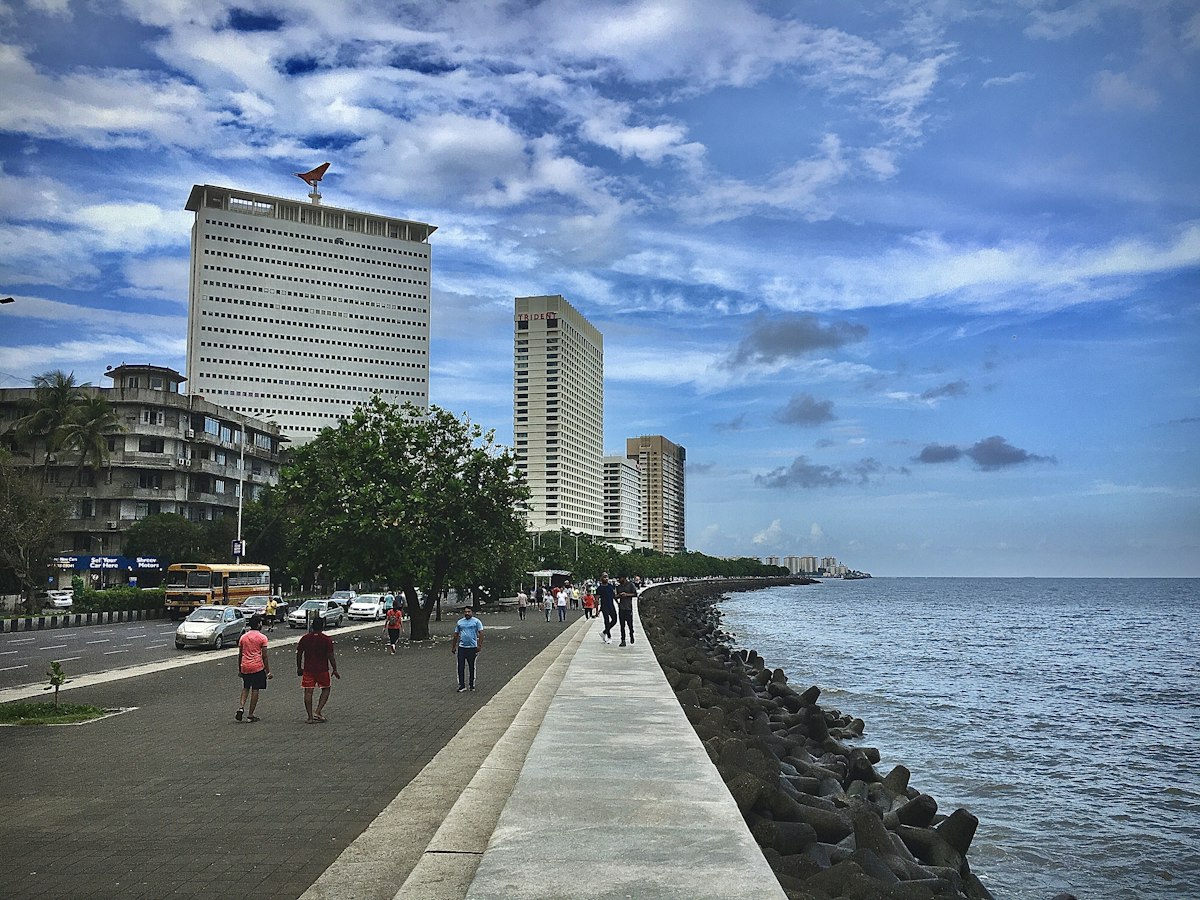
- ↑Marine Drive at sunset and evening sea breezes make January unforgettable
- ↑Kala Ghoda Arts Festival (late Jan/Feb) fills the heritage district with culture
What you sacrifice
- ↓Peak hotel prices for this time of year — book well ahead
- ↓Popular restaurants and weekend events fill quickly in January
Jan scores highest overall — reliable weather and manageable crowds. Set your priorities below to personalise this result.
Jan
Mumbai at its absolute finest — perfect weather and the city buzzing at full energy
31°C
High
2mm
Rain
9.5h
Sun
- ↑Ideal 25–30°C with low humidity — outdoor exploration all day is a pleasure
- ↑Marine Drive at sunset and evening sea breezes make January unforgettable
- ↑Kala Ghoda Arts Festival (late Jan/Feb) fills the heritage district with culture
- ↓Peak hotel prices for this time of year — book well ahead
- ↓Popular restaurants and weekend events fill quickly in January
Top travel windows
★ BestJanuary
Best overall
Highest combined score
31°C
High
2mm
Rain
9.5h
Sun
May
Best for value
Lowest prices & fees
33°C
High
15mm
Rain
7.5h
Sun
★ BestJanuary
Fewest crowds
Quietest month
31°C
High
2mm
Rain
9.5h
Sun
Breakdown by priority
Best for weather
January
31°C high · 2mm rain · 9.5hrs sun/day
Best for budget
May
Good hotel discounts — some of the year's more affordable rates
Fewest crowds
January
Ideal 25–30°C with low humidity — outdoor exploration all day is a pleasure
Worst time to visit
June, July
Catastrophic flooding possible (26 July 2005 was 944mm in 24 hours) — transport can fail entirely
Where to stay in Mumbai
All neighbourhoods →Fort & Churchgate
Mumbai's heritage business district — Art Deco and Victorian Gothic architecture on the most walkable streets in the city.
9/10
Central
9/10
Walk
9/10
Transit
Colaba & South Mumbai
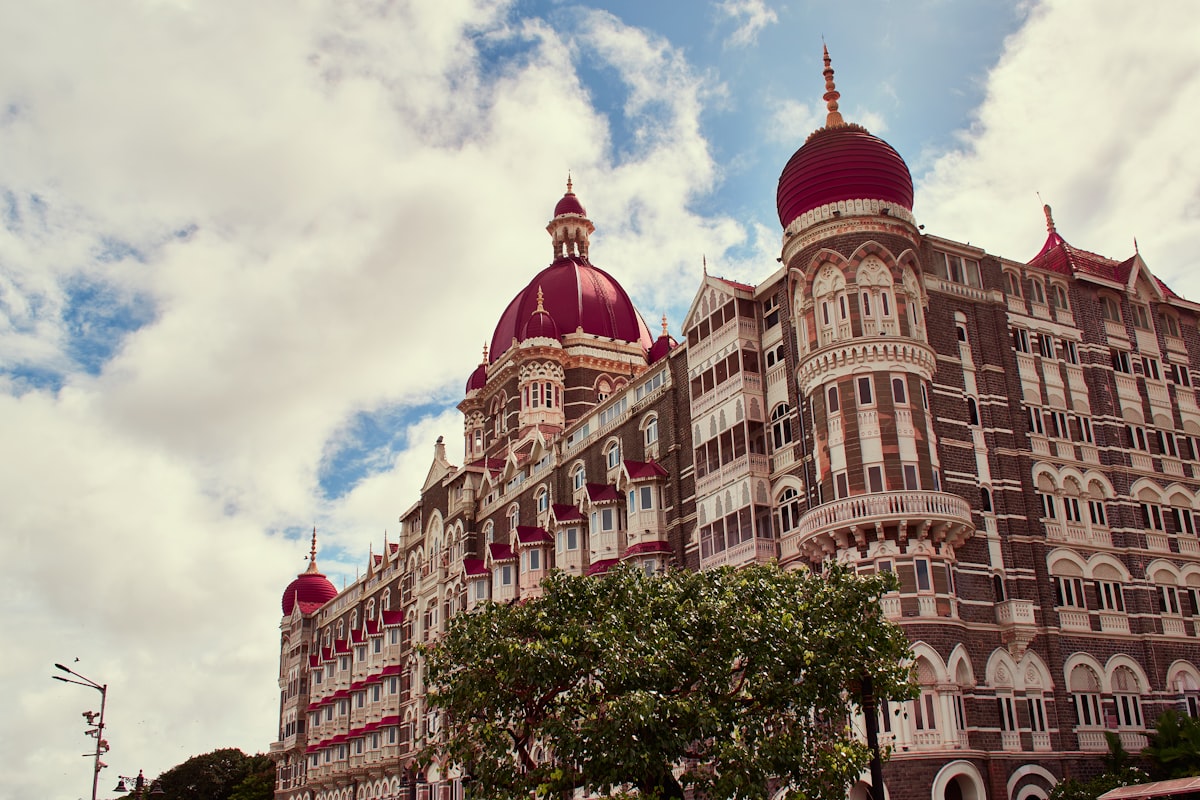
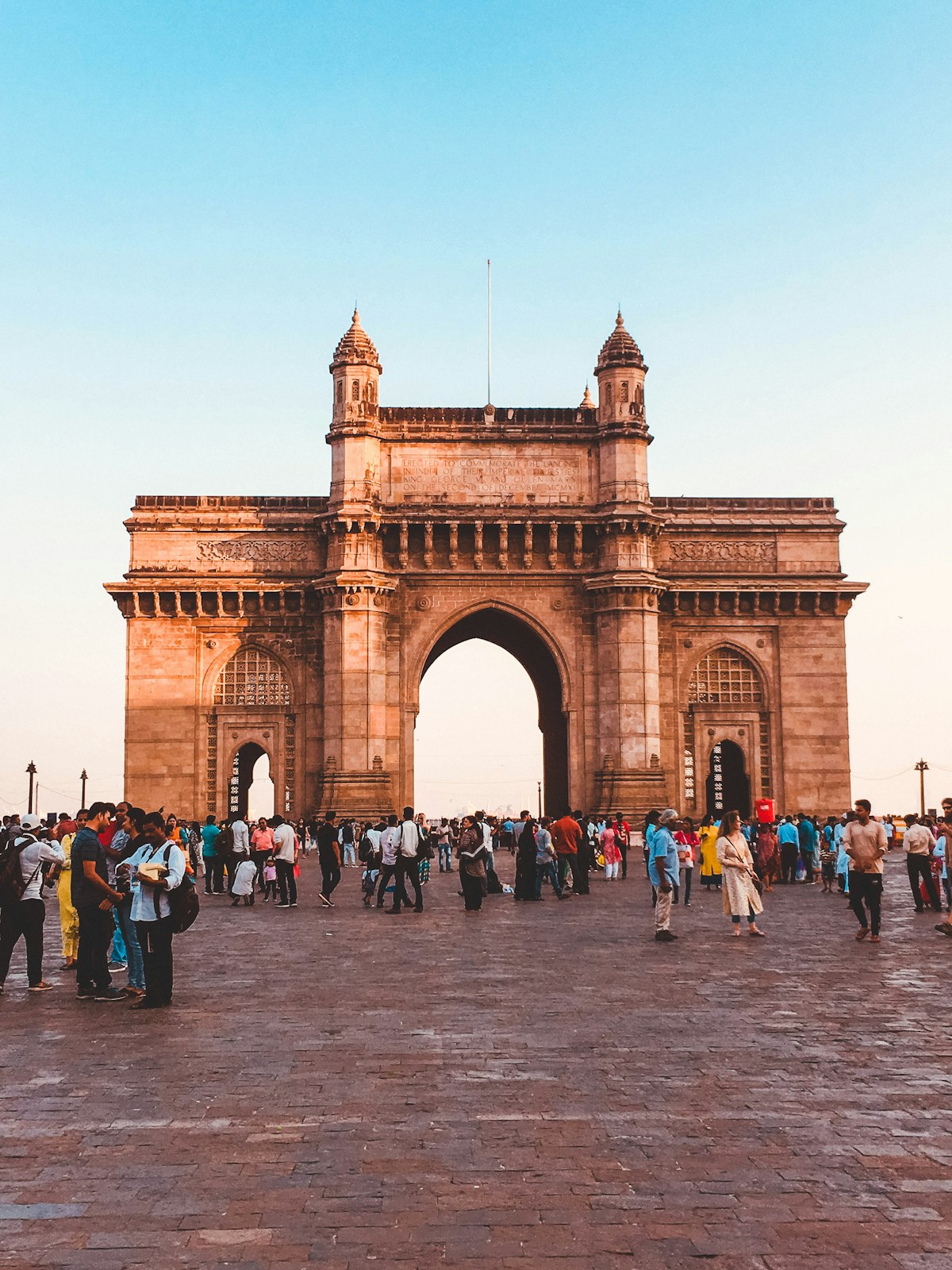
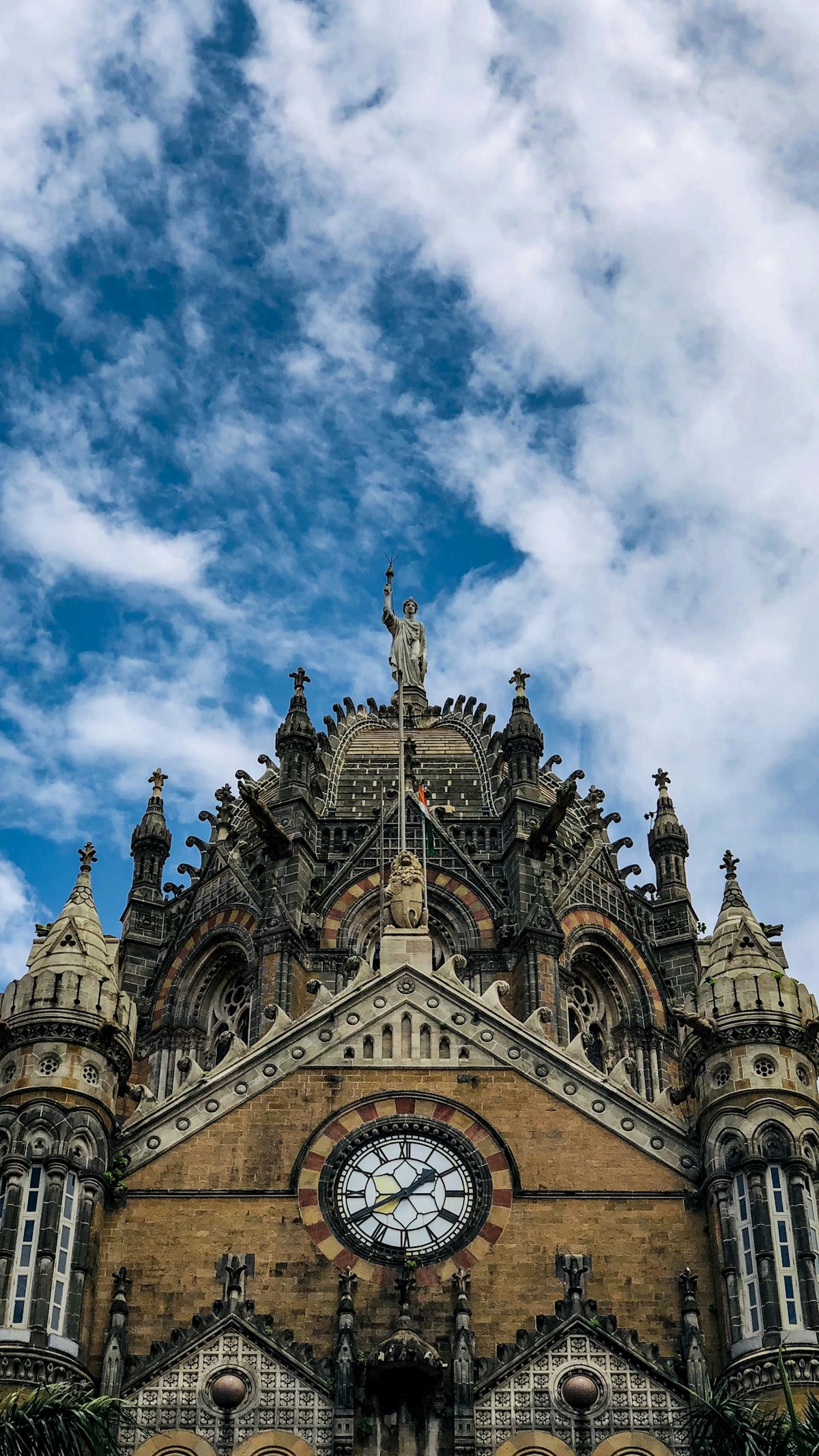
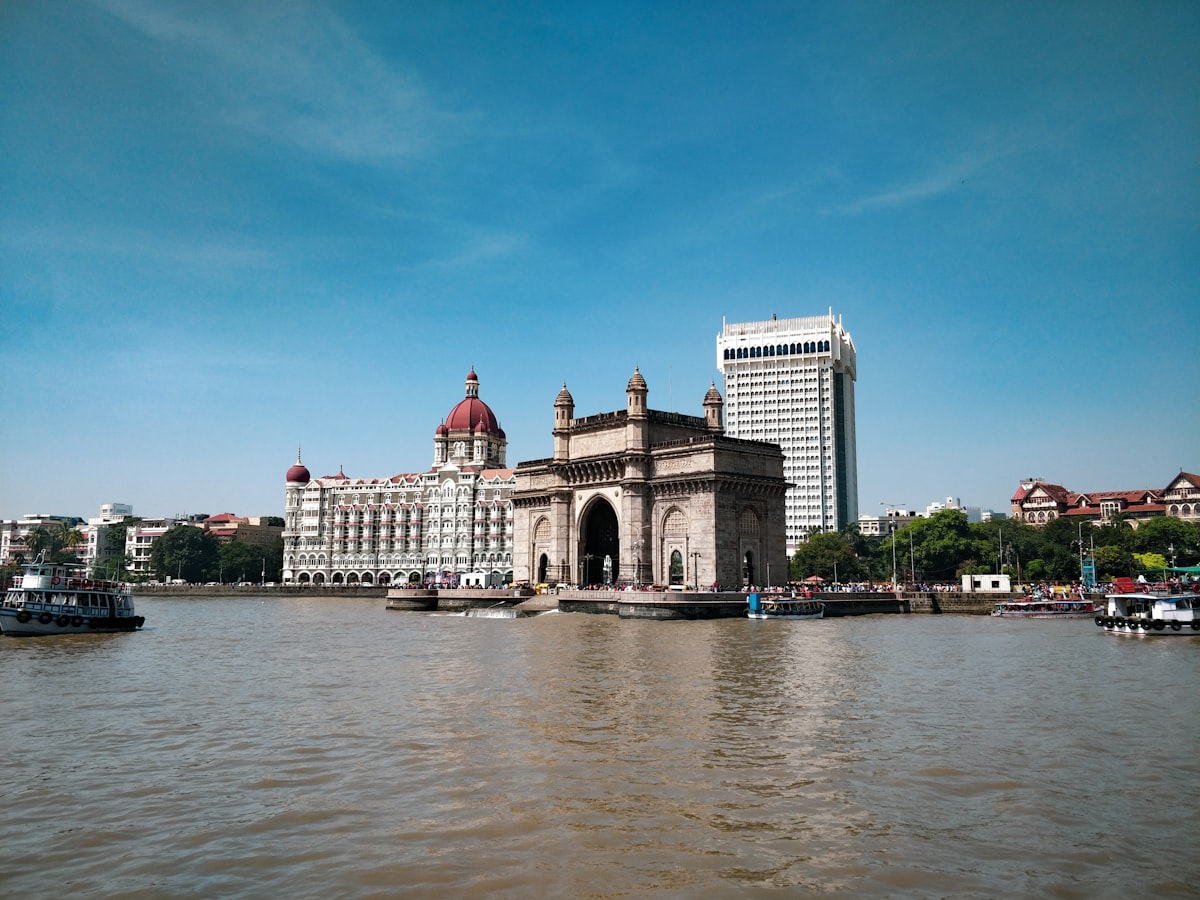
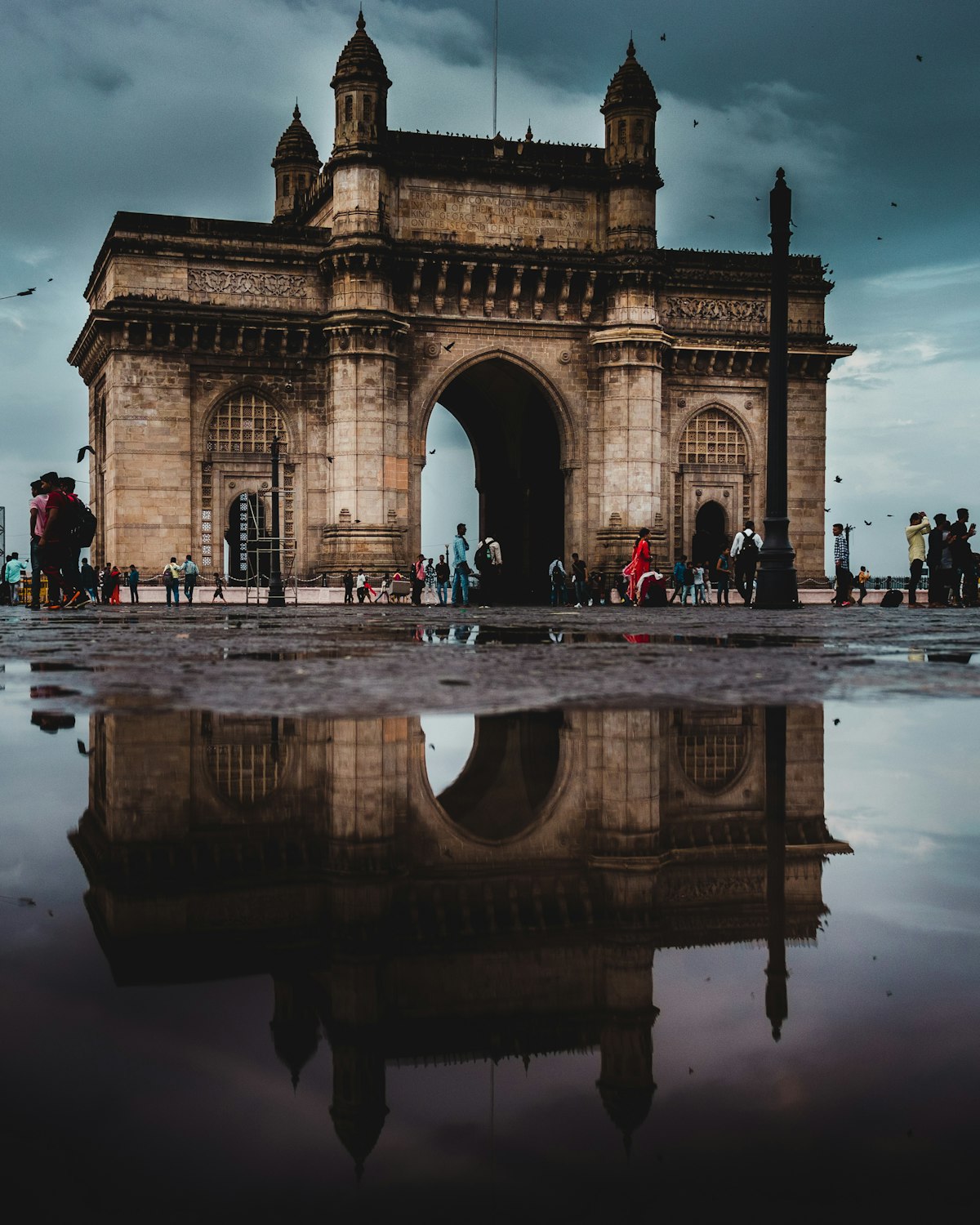
The colonial heart — Gateway of India, the Taj Palace Hotel, and Mumbai's Victorian Gothic architecture.
10/10
Central
9/10
Walk
8/10
Transit
Also exploring
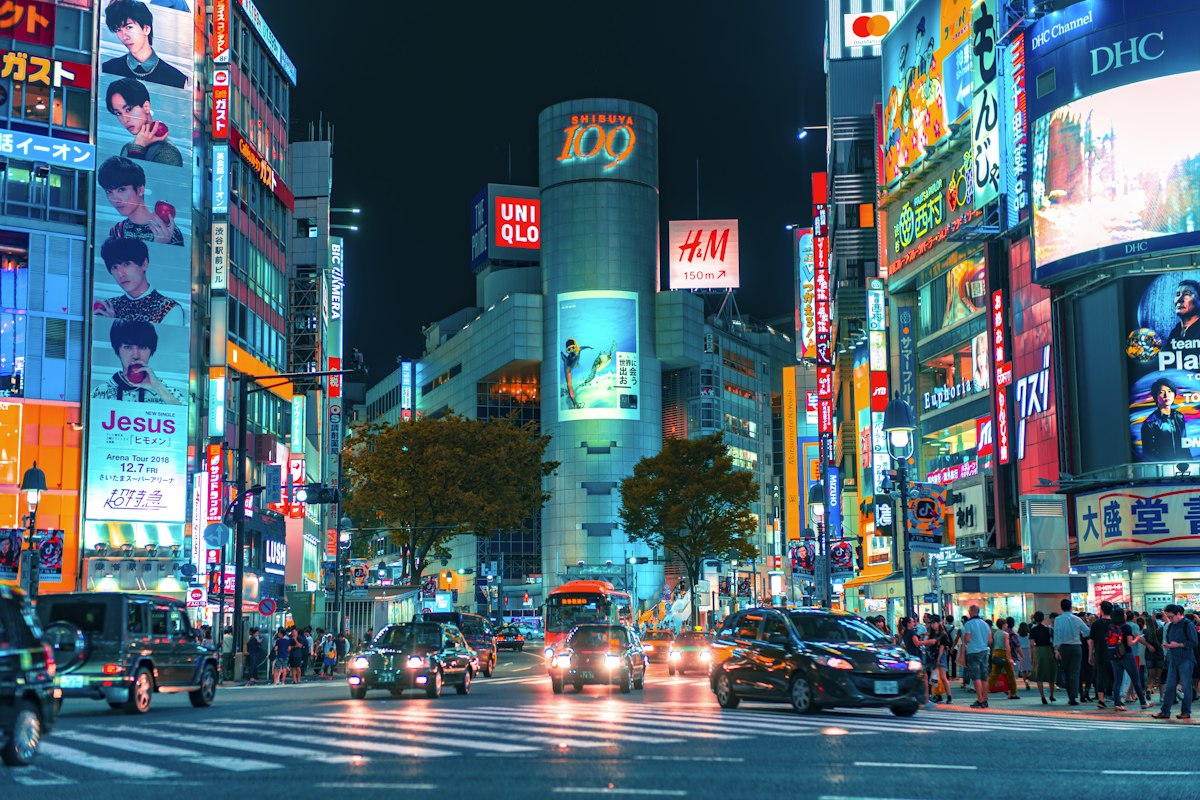
Tokyo
Japan
A city of dramatic seasonal contrasts — cherry blossom crowds, oppressive summer humidity, and golden autumn foliage — where the wrong timing can make or break the trip.
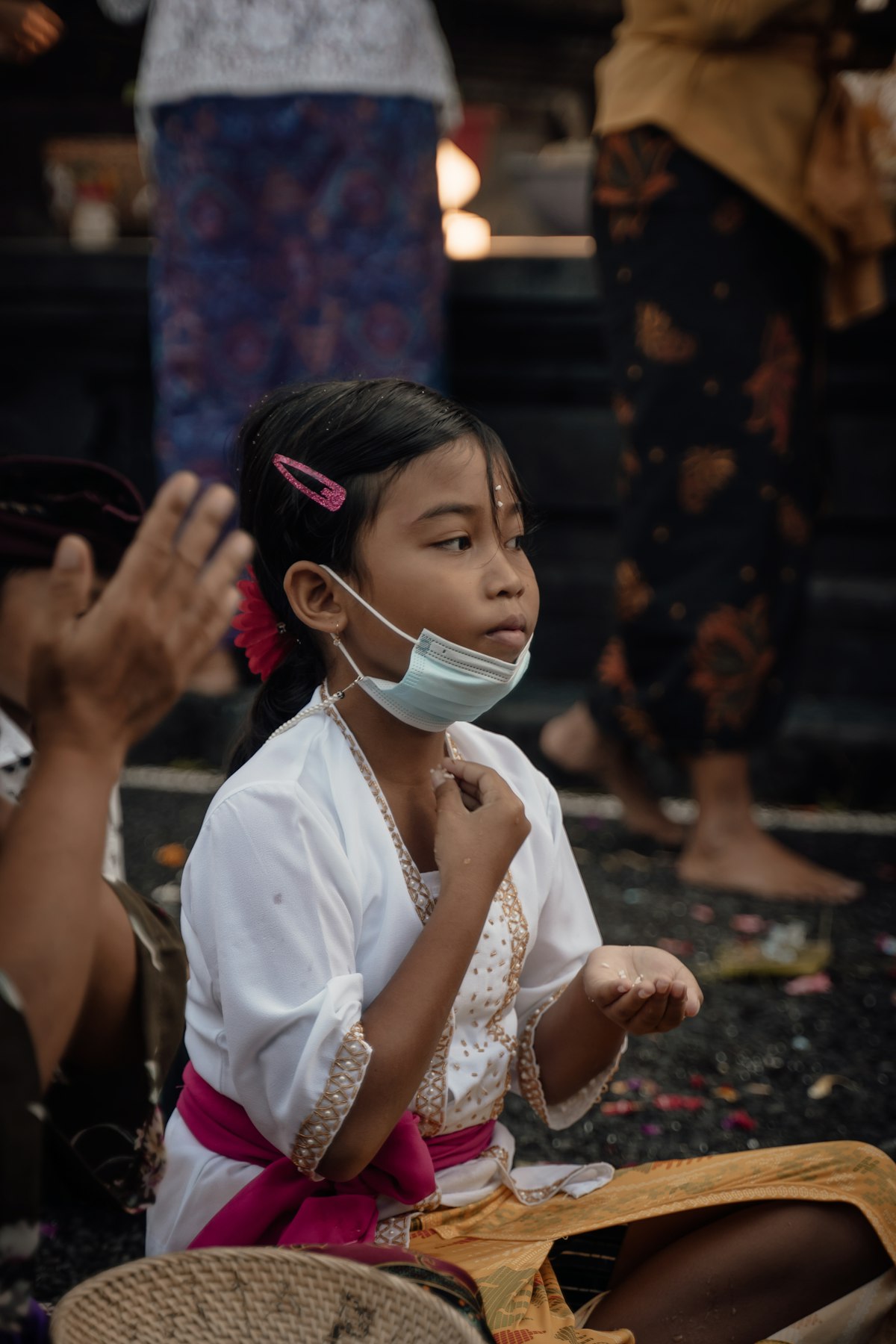
Bali
Indonesia
A Hindu island of rice terraces, temple ceremonies, and surf breaks where the monsoon makes timing genuinely binary — the difference between dry and wet season is not subtle.

Maldives
Maldives
A destination defined almost entirely by its monsoon calendar — the difference between the NE dry season (November–April) and SW wet season (May–October) is not subtle and shapes every aspect of the experience.
Worth knowing
January scores highest overall. June is the most crowded month — avoid if you can. See crowd-free ranking →
Month by month breakdown
January#1▾
Gains
- ↑Ideal 25–30°C with low humidity — outdoor exploration all day is a pleasure
- ↑Marine Drive at sunset and evening sea breezes make January unforgettable
- ↑Kala Ghoda Arts Festival (late Jan/Feb) fills the heritage district with culture
Sacrifices
- ↓Peak hotel prices for this time of year — book well ahead
- ↓Popular restaurants and weekend events fill quickly in January
February#3▾
Gains
- ↑Ideal weather with slightly fewer tourists than January — the sweet spot
- ↑Kala Ghoda Arts Festival runs into February — free outdoor art and performances
- ↑Bandra's cafes and Juhu beach are busy but not overwhelming
Sacrifices
- ↓Humidity starts to build very slightly toward month end
- ↓Some premium events have passed; the social calendar is slightly quieter
March#7▾
Gains
- ↑Holi festival parties in Bandra and Juhu are legendary in Mumbai
- ↑28–32°C — warm but still manageable; long beach evenings are perfect
- ↑Vibrant city life with locals in good spirits ahead of summer
Sacrifices
- ↓Temperatures rising noticeably — midday heat is uncomfortable by late March
- ↓Pre-monsoon humidity begins to build; the air becomes stickier
April#9▾
Gains
- ↑Long beach evenings at Juhu remain beautiful with sea breezes
- ↑Outdoor dining and rooftop bars shift to after-dark as the city adapts to the heat
- ↑Good hotel availability and moderate prices before summer low-season
Sacrifices
- ↓Hot and humid midday (32–36°C) makes afternoon sightseeing draining
- ↓City beaches get crowded on weekends as Mumbaikars seek sea relief
May#10▾
Gains
- ↑Good hotel discounts — some of the year's more affordable rates
- ↑Fewer tourists mean authentic local interactions at markets and eateries
- ↑Pre-monsoon mangoes hit the markets — Alphonso season peaks in May
Sacrifices
- ↓32–38°C with high humidity — outdoor sightseeing is oppressive midday
- ↓Pre-monsoon heat feels claustrophobic in the congested city centre
June#11▾
Gains
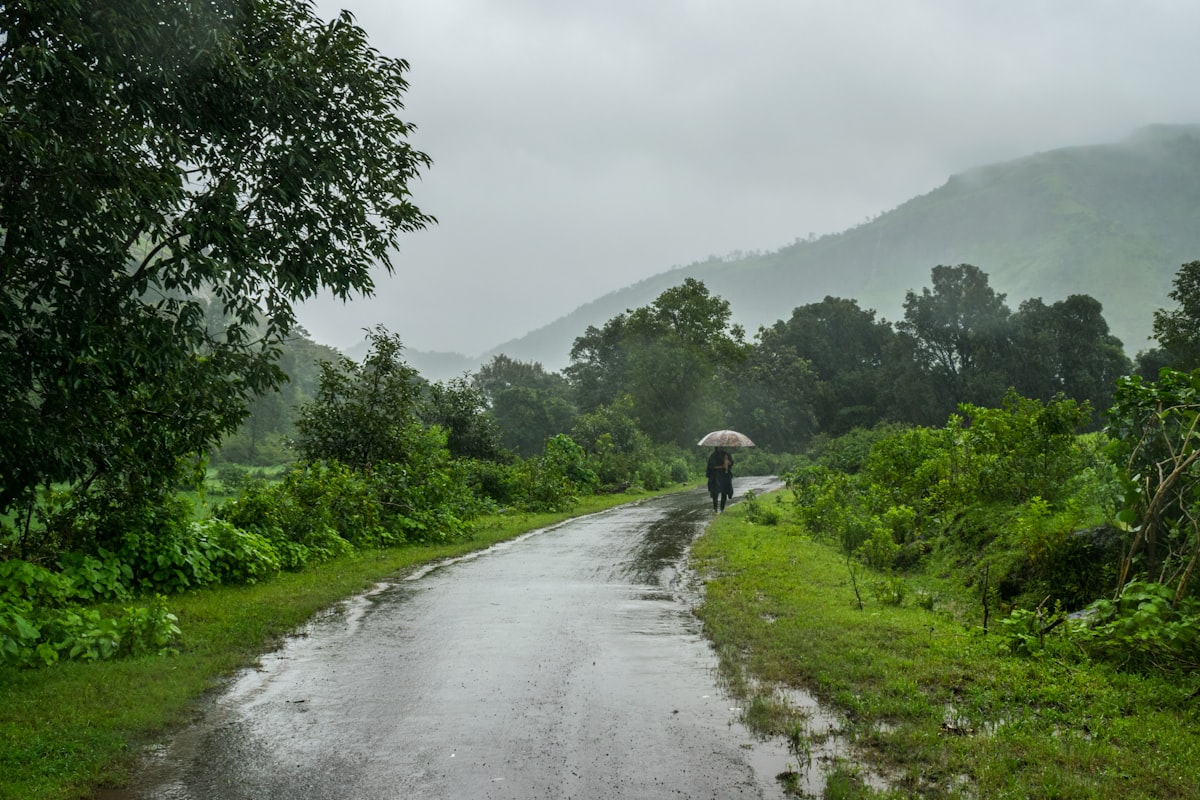
- ↑Dramatic monsoon scenes at Marine Drive — waves crash the seawall in spectacular sheets
- ↑Deeply authentic local experience as the tourist Mumbai all but disappears
- ↑Reasonably priced accommodation for those genuinely willing to deal with the conditions
Sacrifices
- ↓Catastrophic flooding possible (26 July 2005 was 944mm in 24 hours) — transport can fail entirely
- ↓Many outdoor sights and beaches are inaccessible or unpleasant
- ↓Health risks from flooding and waterborne disease require careful precautions
July#12▾
Gains
- ↑Iconic monsoon photography from a hotel window or covered vantage point
- ↑Lowest hotel prices of the year — significant savings for flexible travellers
- ↑The Mumbai spirit of carrying on is on full display — locals remain cheerful
Sacrifices
- ↓Extreme flooding likely — roads impassable, local trains stop, city can shut down for days
- ↓Most tourist sites are inaccessible or closed; caves at Elephanta are off-limits
- ↓Not a recommended time to visit unless you have specific local connections
August#8▾
Gains
- ↑Ganesh Chaturthi (usually late August) is one of Asia's truly unmissable spectacles
- ↑Elaborate Ganesh idols installed in every neighbourhood; processions run day and night
- ↑The city's Bollywood and entertainment industry turns out for the city's biggest celebration
Sacrifices
- ↓Monsoon rains continue heavily — flooding still possible and logistically challenging
- ↓Accommodation at premium during festival dates — book months ahead
September#6▾
Gains
- ↑Anant Chaturdashi (Ganesh immersion) at Girgaon Chowpatty is an extraordinary emotional experience
- ↑Monsoon easing by late September — getting wetter by the day but not the constant deluge of July
- ↑City energy peaks during festival finale — restaurants and events all fired up
Sacrifices
- ↓Still rainy and humid; accommodation expensive around immersion date
- ↓Crowds on immersion day are enormous — get there early or accept the chaos
October#4▾
Gains
- ↑Diwali transforms Bandra and South Mumbai with diya lights and fireworks
- ↑Temperatures dropping to 28–32°C — comfortable for sightseeing all day
- ↑Post-monsoon air is clean and fresh; Elephanta Caves reopen fully
Sacrifices
- ↓Humidity lingers into early October; warm and sticky until the month settles
- ↓Diwali weekend prices spike across accommodation and dining
November#5▾
Gains
- ↑Perfect 25–30°C with low humidity — the most comfortable conditions of the year
- ↑Most affordable rates of the dry season before December/January premium kicks in
- ↑All beaches, heritage sites and outdoor attractions fully accessible and uncrowded
Sacrifices
- ↓Fewer headline events after the festival season — more of an everyday city experience
- ↓Can feel quiet compared to the festival-charged Sep/Oct
December#2▾
Gains
- ↑Best weather of the year with Christmas atmosphere in the city's Catholic neighbourhoods
- ↑New Year's Eve at Marine Drive is one of Asia's great midnight celebrations
- ↑Bollywood awards season brings glamour and events throughout December
Sacrifices
- ↓Prices rise for Christmas and New Year's week — book accommodation early
- ↓Popular restaurants and clubs require reservations weeks ahead for NYE
How this is calculated
Climate data
Open Meteo ERA5
30-year normals (1991–2020). Temperature, rainfall, sunshine, humidity.
Price & crowd
Tourism research
Seasonal pricing from tourism authority data. Directional — compares months within a destination only.
Personalisation
Weighted scoring
Your priorities change the weights. Budget-first users get different results than weather-first users.
Share this result
January is the best time to visit Mumbai
Travel timing updates
New destinations and timing guides, when they land.
No spam. Unsubscribe anytime.