
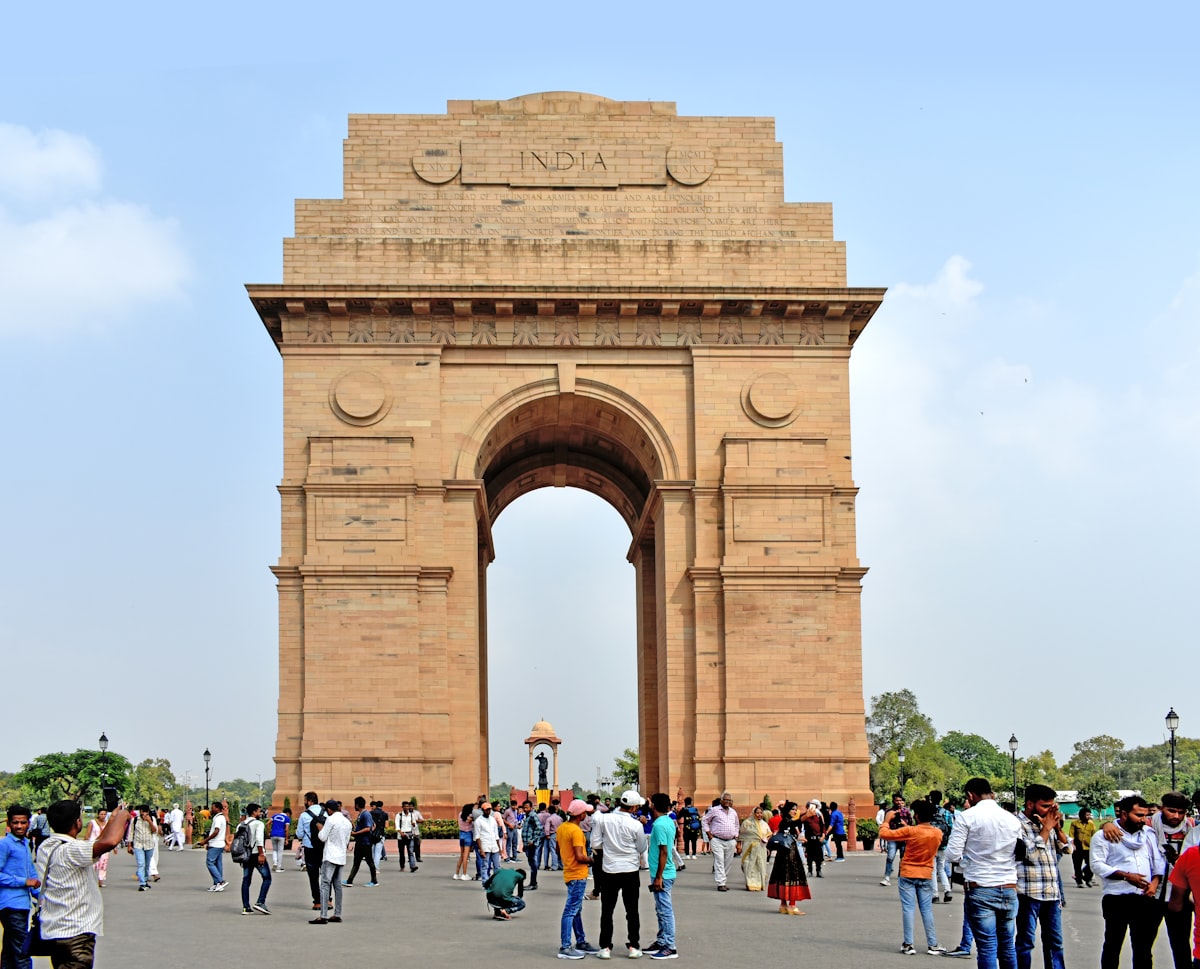
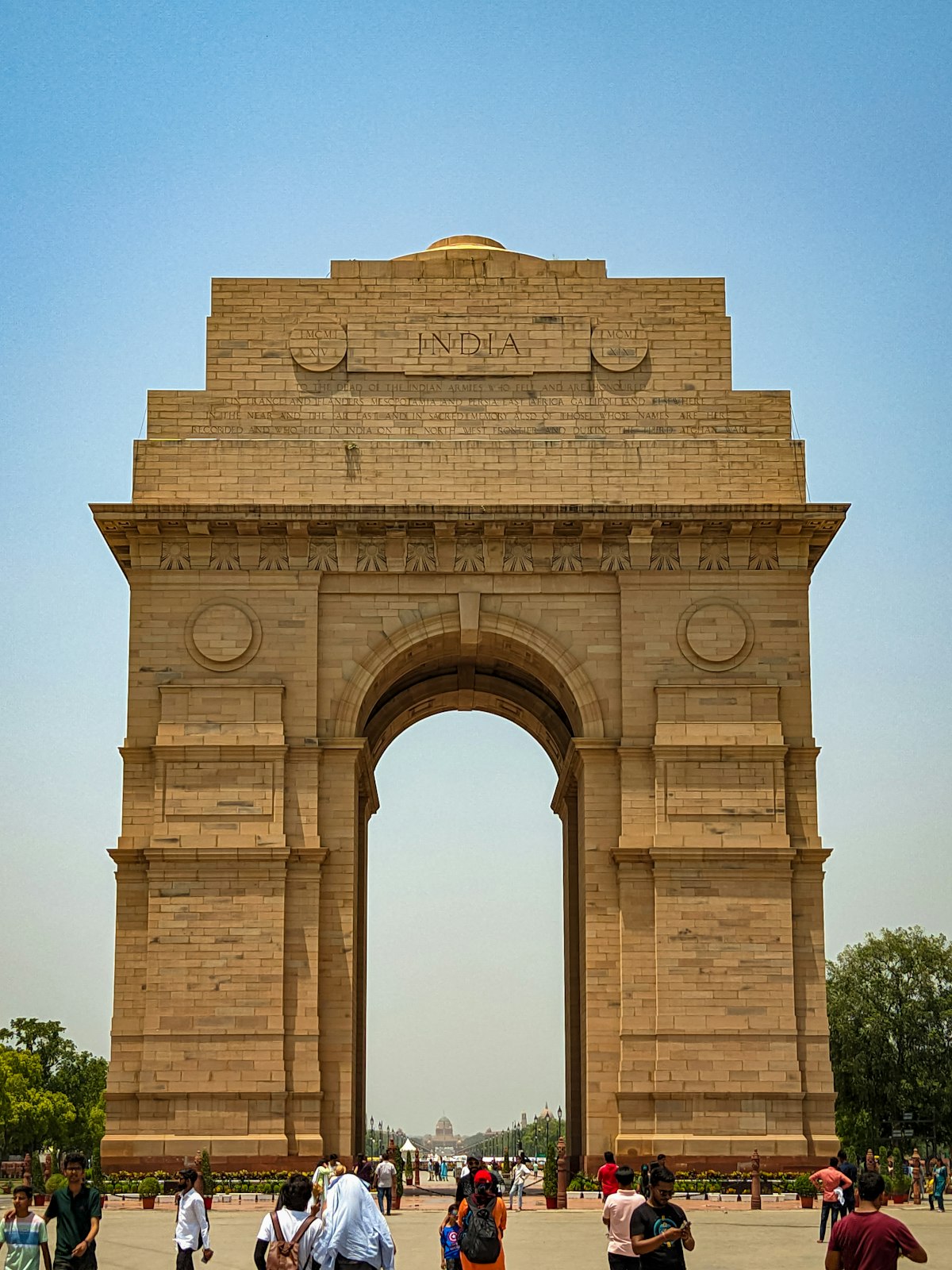
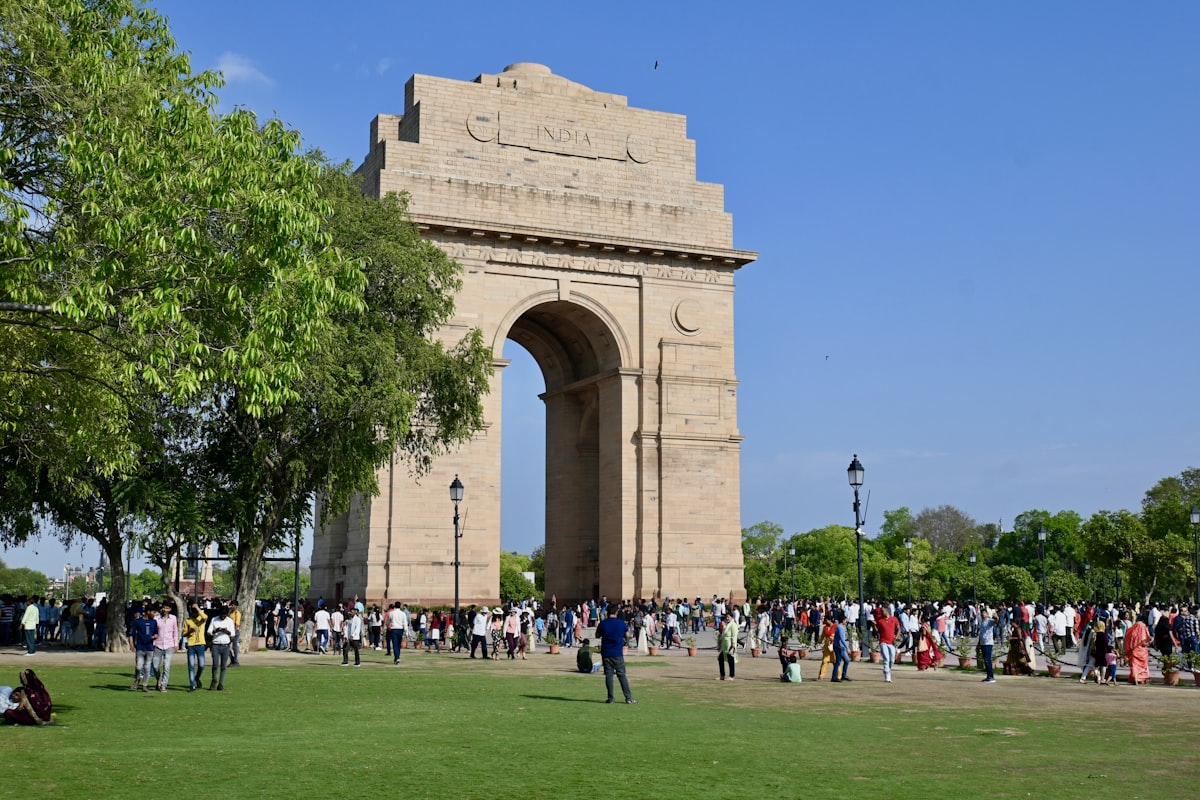
Showing: Oct · Unsplash / Unsplash
India · South Asia
Best time to visit Delhi
October
Oct scores highest overall — reliable weather and manageable crowds. Set your priorities below to personalise this result.
What matters most to you?
All 12 months — click any to expand
Oct
Unsplash / Unsplash
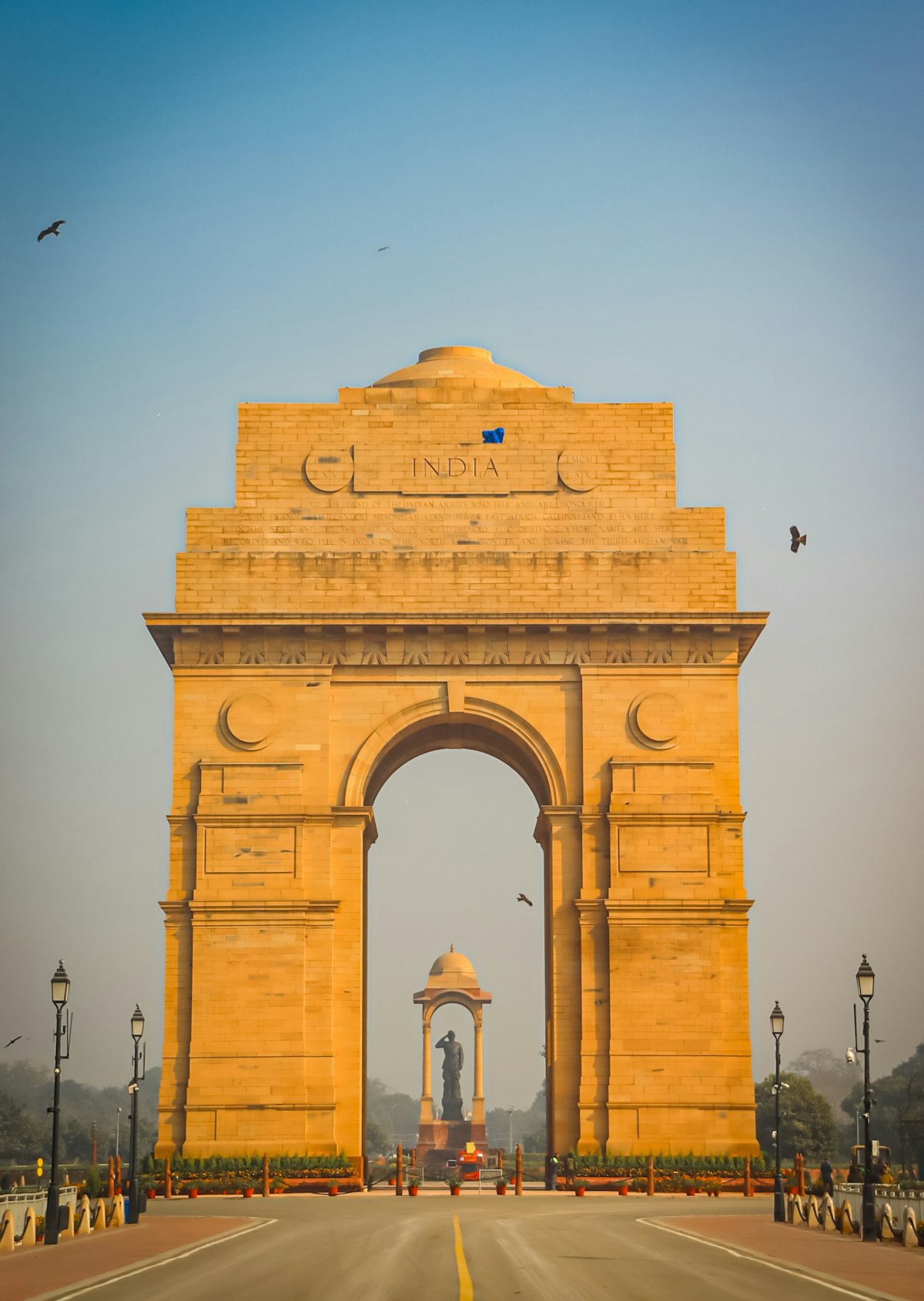
Delhi's golden month — Dussehra and Diwali make October the greatest festival window in the world
32°C
High
18°C
Low
19mm
Rain
9.5h
Sun/day
What you gain
- ↑Dussehra: giant burning Ravana effigies light up the night sky across the city
- ↑Diwali: every rooftop, street and temple blazes with diyas and fireworks
- ↑Perfect 20–30°C weather for outdoor festival gatherings and monument visits
What you sacrifice
- ↓Festival dates drive hotel prices to annual high — book 3–4 months ahead
- ↓Post-Diwali air quality drops sharply as firework smoke combines with stubble burning
Oct scores highest overall — reliable weather and manageable crowds. Set your priorities below to personalise this result.
Oct
Delhi's golden month — Dussehra and Diwali make October the greatest festival window in the world
32°C
High
19mm
Rain
9.5h
Sun
- ↑Dussehra: giant burning Ravana effigies light up the night sky across the city
- ↑Diwali: every rooftop, street and temple blazes with diyas and fireworks
- ↑Perfect 20–30°C weather for outdoor festival gatherings and monument visits
- ↓Festival dates drive hotel prices to annual high — book 3–4 months ahead
- ↓Post-Diwali air quality drops sharply as firework smoke combines with stubble burning
Top travel windows
★ BestOctober
Best overall
Highest combined score
32°C
High
19mm
Rain
9.5h
Sun
June
Best for value
Lowest prices & fees
39°C
High
60mm
Rain
7h
Sun
★ BestOctober
Fewest crowds
Quietest month
32°C
High
19mm
Rain
9.5h
Sun
Breakdown by priority
Best for weather
October
32°C high · 19mm rain · 9.5hrs sun/day
Best for budget
June
Absolute floor prices on accommodation and flights into Delhi
Fewest crowds
October
Dussehra: giant burning Ravana effigies light up the night sky across the city
Worst time to visit
June, May
42–46°C heat with violent andhi dust storms that can arrive suddenly
Where to stay in Delhi
All neighbourhoods →Paharganj & New Delhi Station
The original backpacker hub — dense, cheap, and directly behind New Delhi Railway Station.
8/10
Central
8/10
Walk
10/10
Transit
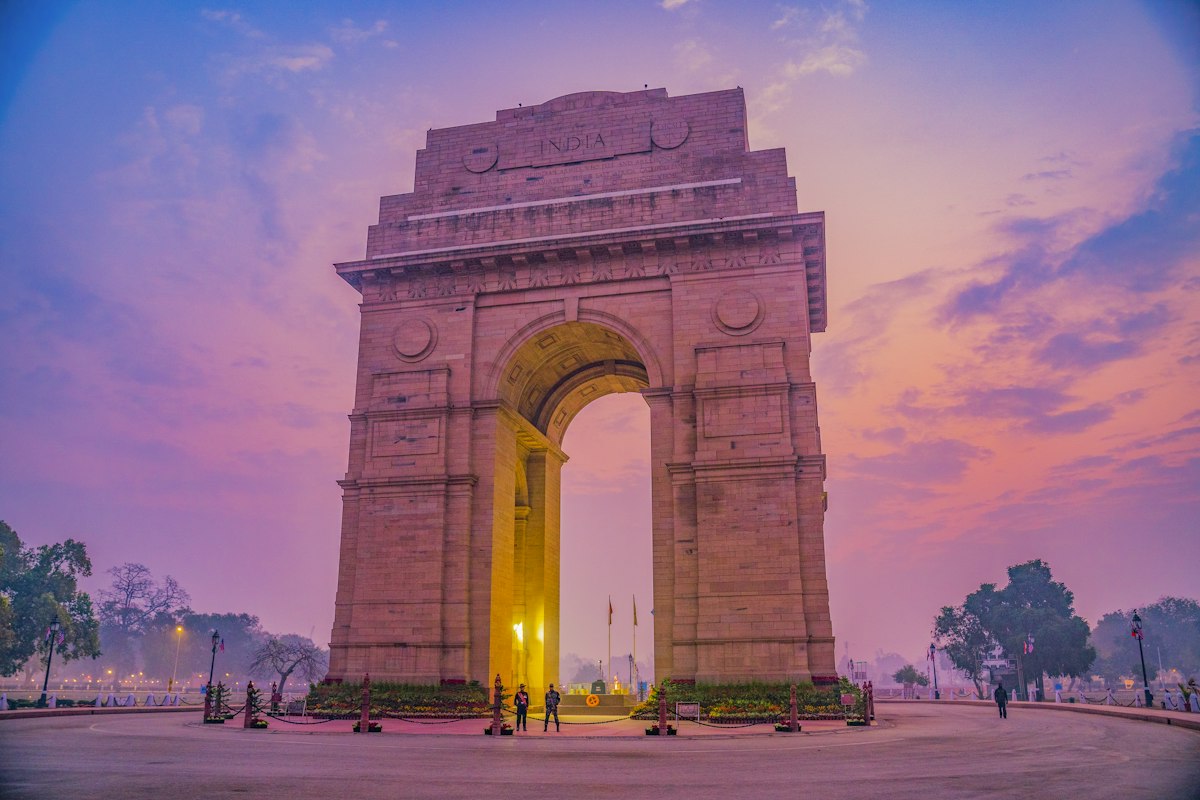
Connaught Place & New Delhi
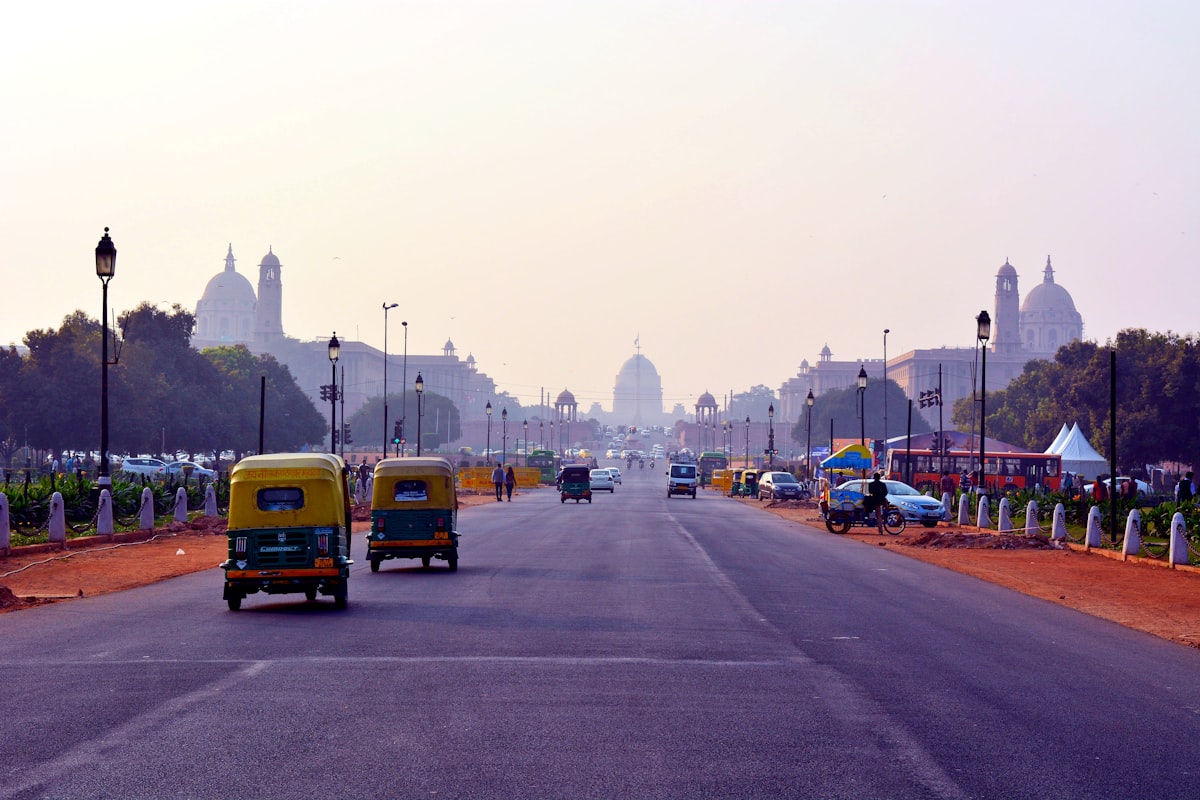
The colonial heart — India Gate, Lutyens' grand boulevards, and the circular Georgian arcade of Connaught Place.
10/10
Central
7/10
Walk
10/10
Transit
Also exploring
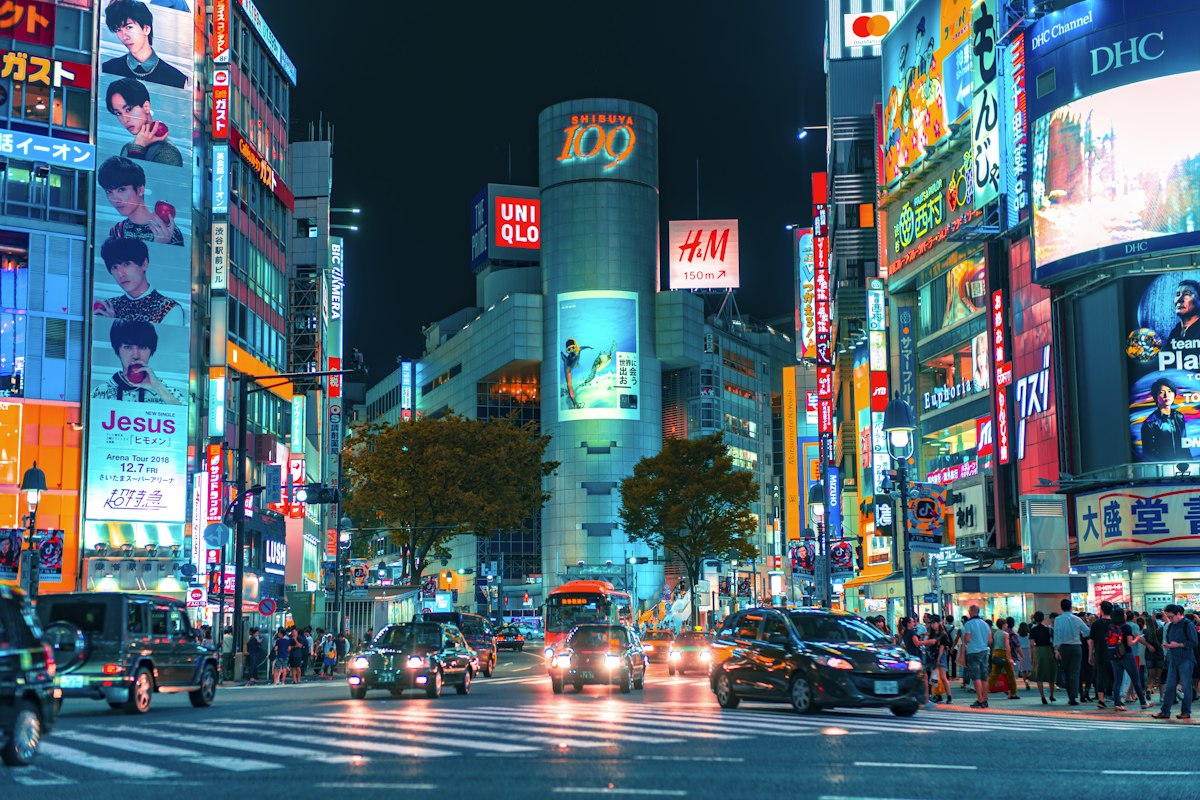
Tokyo
Japan
A city of dramatic seasonal contrasts — cherry blossom crowds, oppressive summer humidity, and golden autumn foliage — where the wrong timing can make or break the trip.

Bali
Indonesia
A Hindu island of rice terraces, temple ceremonies, and surf breaks where the monsoon makes timing genuinely binary — the difference between dry and wet season is not subtle.

Maldives
Maldives
A destination defined almost entirely by its monsoon calendar — the difference between the NE dry season (November–April) and SW wet season (May–October) is not subtle and shapes every aspect of the experience.
Worth knowing
October scores highest overall. June is the most crowded month — avoid if you can. See crowd-free ranking →
Month by month breakdown
January#6▾
Gains
- ↑Pleasant 5–20°C days perfect for walking Mughal monuments without sweating
- ↑Lower tourist numbers mean easy access to Qutub Minar and Humayun's Tomb
- ↑Street food season peaks — chaat, parathas and hot chai at their most satisfying
Sacrifices
- ↓Dense morning fog frequently delays flights and trains — build buffer into plans
- ↓Air quality can be poor on still days with winter temperature inversions
February#3▾
Gains
- ↑Ideal 10–25°C weather — the last truly comfortable month before the heat builds
- ↑Lodhi Garden and Mughal Gardens at Rashtrapati Bhavan open for garden festival
- ↑Holi preparations fill markets with coloured powders and festive energy
Sacrifices
- ↓Morning fog events still possible in early February delaying transport
- ↓Some accommodation fills for Holi weekend — book ahead if dates coincide
March#2▾
Gains
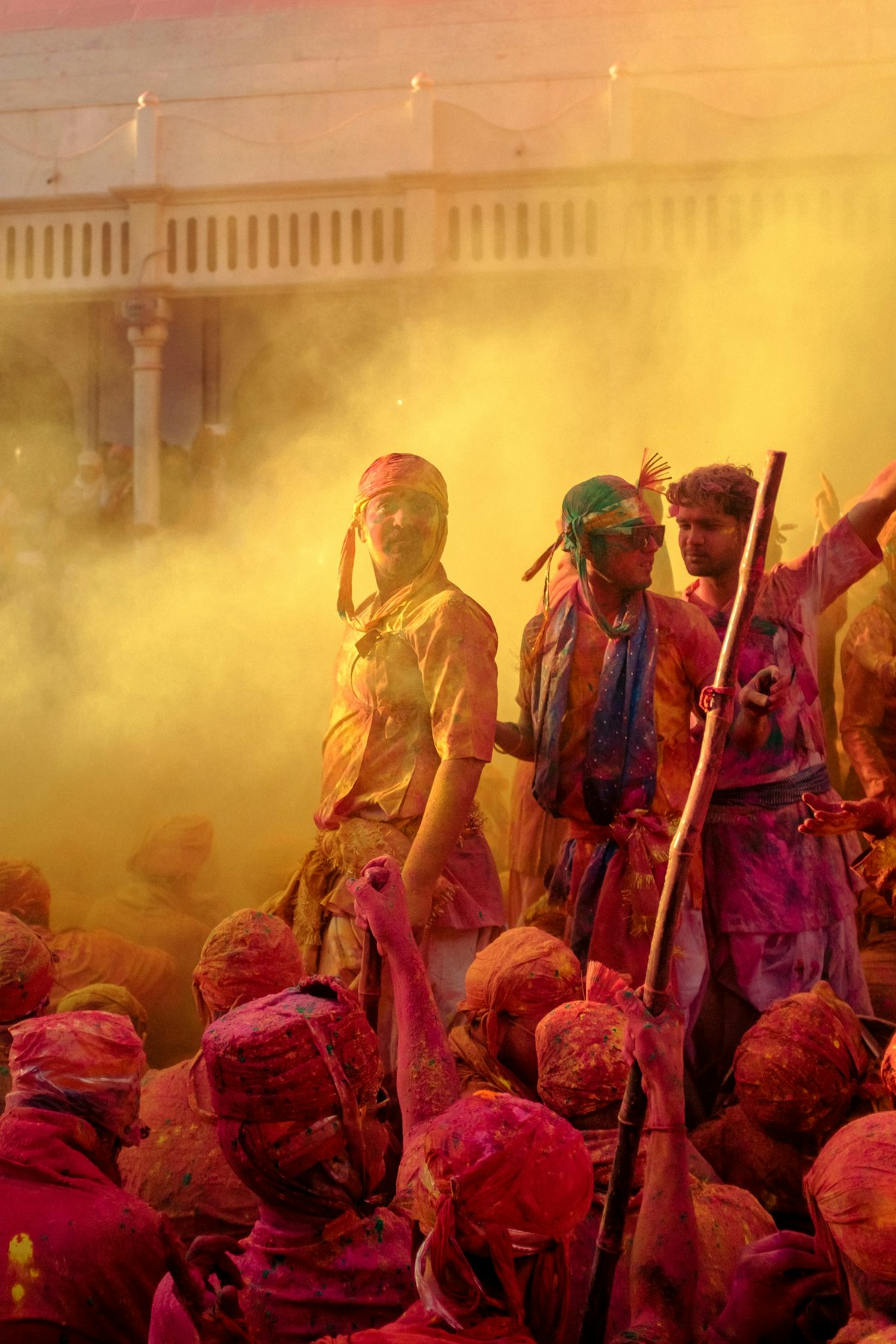
- ↑Holi festival (usually mid-March) is one of humanity's great celebrations — colours, music, bhang lassi
- ↑Lovely 15–30°C temperatures still comfortable for all-day sightseeing
- ↑Festival energy spreads city-wide for the full week around Holi
Sacrifices
- ↓Holi weekend itself is chaotic — protect camera gear and wear clothes you can ruin
- ↓Accommodation around Holi dates fills months ahead
April#8▾
Gains
- ↑Low crowds at major monuments — Qutub Minar and Red Fort are relatively quiet
- ↑Good hotel deals before the absolute summer low-season pricing kicks in
- ↑Early mornings (7–10am) remain pleasant for outdoor exploration
Sacrifices
- ↓Temperatures reach 38–42°C by late April — afternoon outdoor sightseeing becomes punishing
- ↓Dust in the air increases, affecting visibility and air quality
May#12▾
Gains
- ↑Rock-bottom hotel prices — some of the cheapest rates in any major global city
- ↑Air-conditioned museums (National Museum, National Gallery) are excellent value
- ↑Almost no tourists — a surreal and authentic off-season experience
Sacrifices
- ↓Dangerous heat (45–48°C) — any outdoor activity between 10am–6pm poses real health risk
- ↓Dust storms (andhi) can arrive with zero warning, reducing visibility to metres
June#11▾
Gains
- ↑Absolute floor prices on accommodation and flights into Delhi
- ↑Completely uncrowded — the city belongs to locals and budget travellers with heat tolerance
- ↑Pre-monsoon skies produce dramatic storm photography opportunities
Sacrifices
- ↓42–46°C heat with violent andhi dust storms that can arrive suddenly
- ↓Flash flooding when the monsoon finally breaks disrupts transport severely
July#10▾
Gains
- ↑Dramatic temperature relief from June's extreme heat — rains bring 30–35°C and lush green
- ↑Humayun's Tomb and Lodhi Garden are beautifully green in the monsoon light
- ↑Low crowds and authentic local life at its most unfiltered
Sacrifices
- ↓Heavy rain and flooding make waterlogged streets and transport delays a daily reality
- ↓Humidity is intense — outdoor sightseeing leaves you drenched
August#7▾
Gains
- ↑Independence Day (Aug 15) at Red Fort — the Prime Minister's address is a national moment
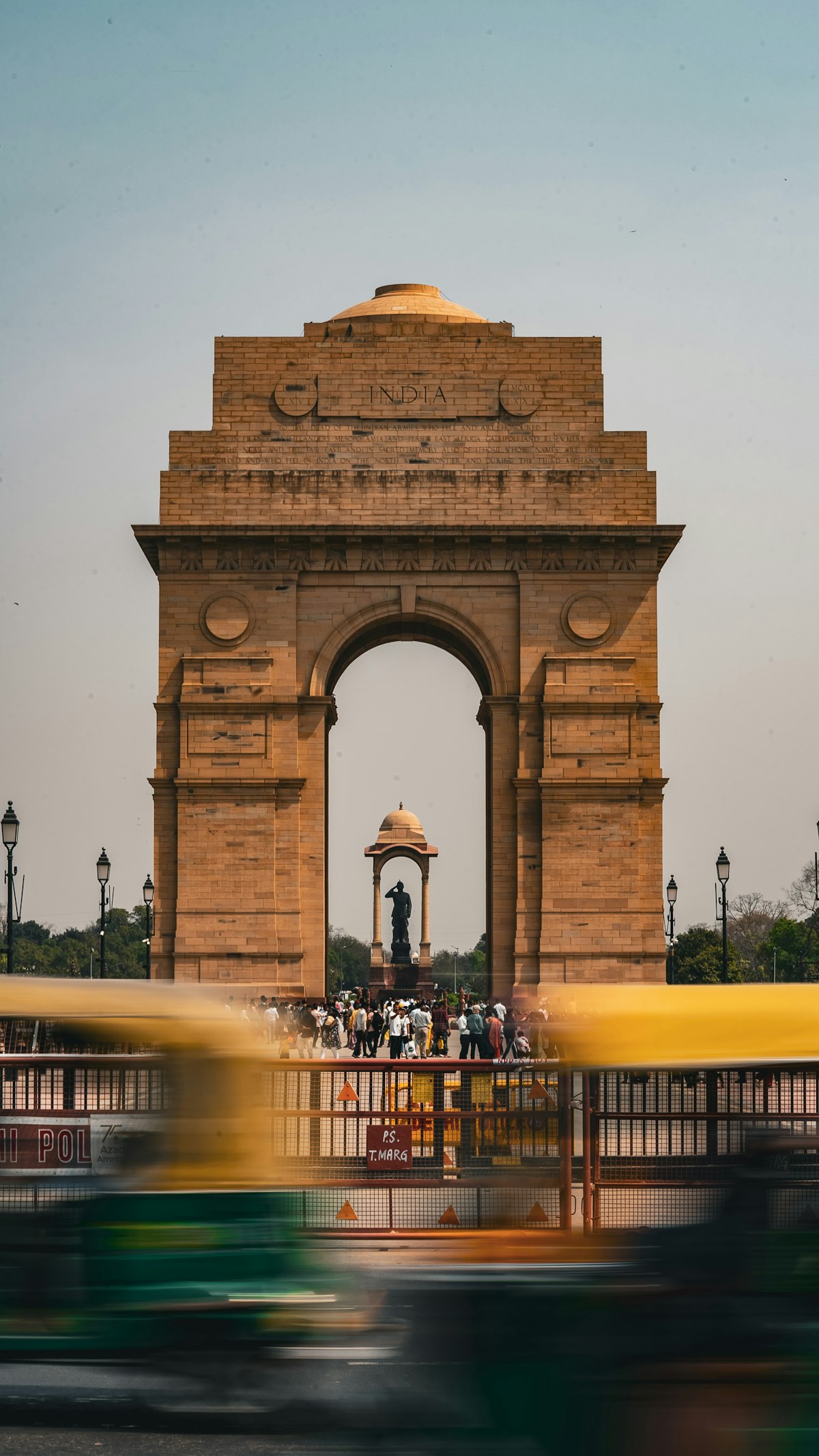
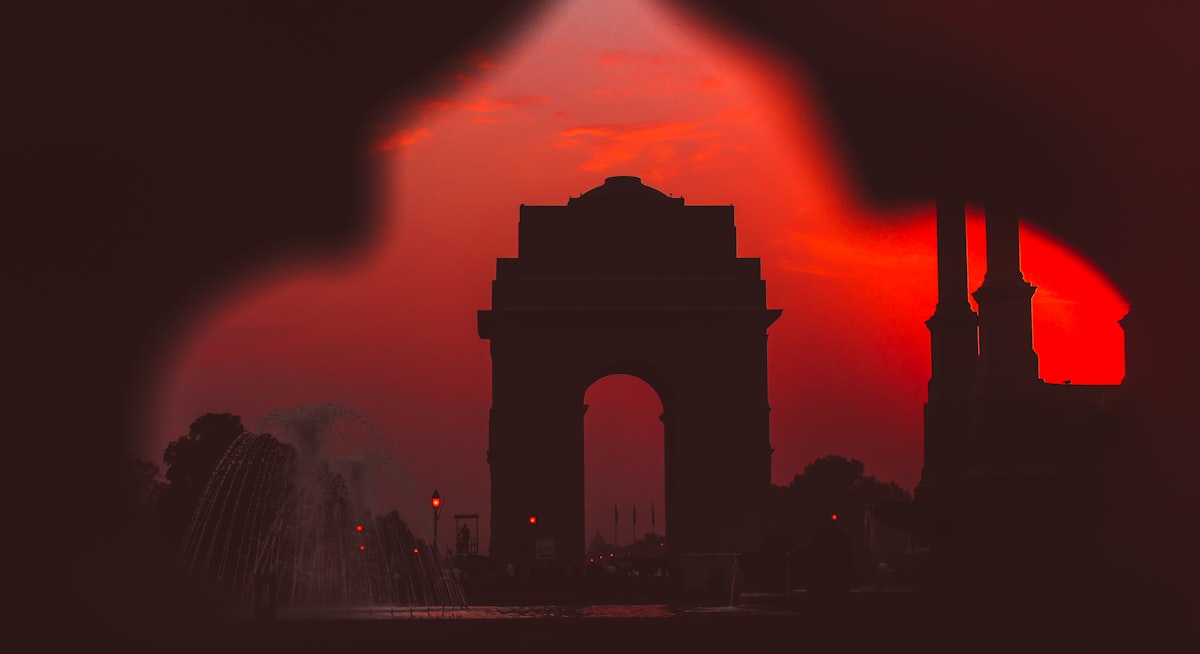
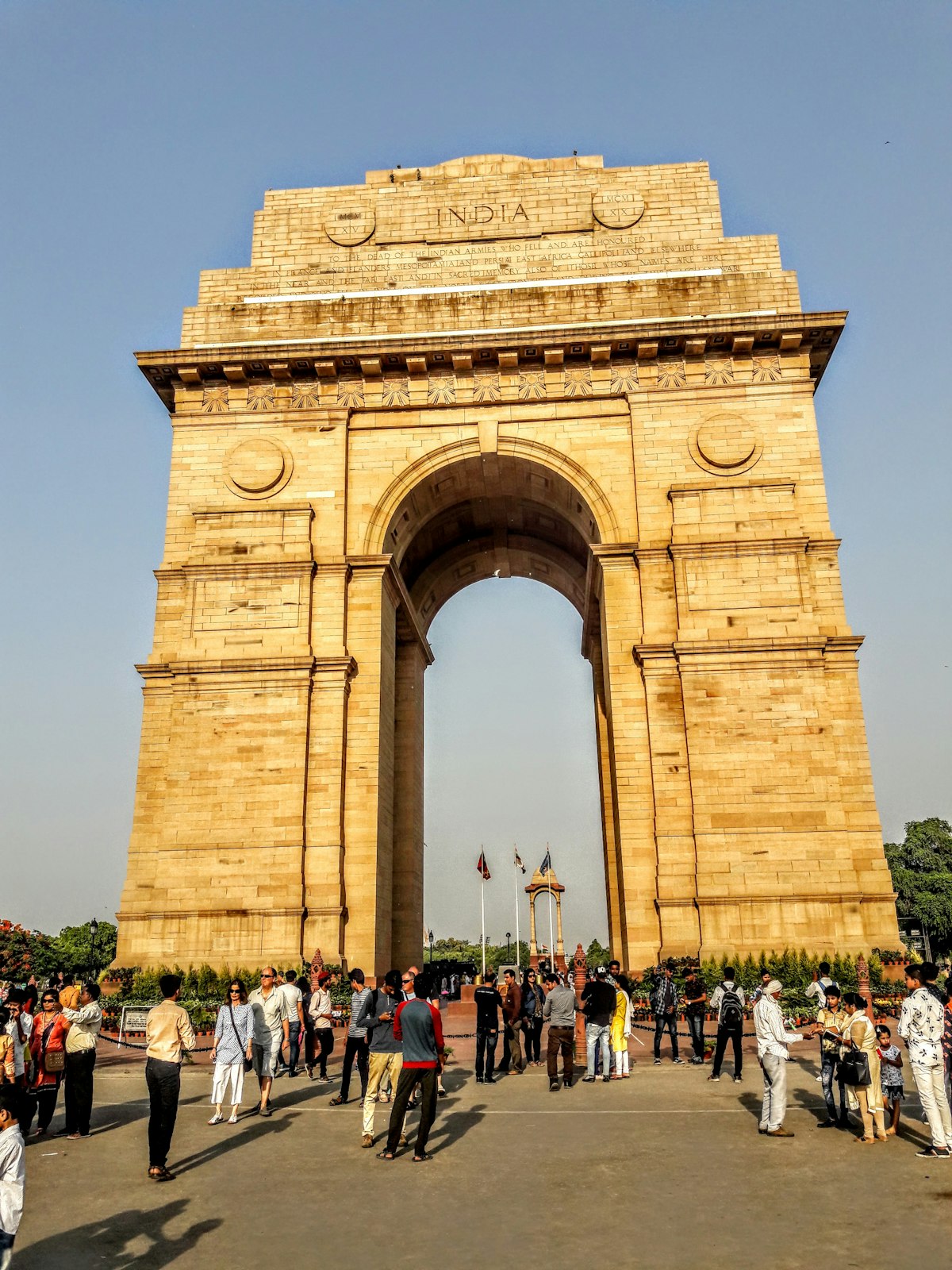
- ↑India Gate lit in tricolour at night is spectacular and uncrowded
- ↑August monsoon keeps temperatures manageable at 28–33°C
Sacrifices
- ↓Heavy monsoon rains continue — flooding and transport disruption are constant
- ↓Humidity makes the city feel sticky; some historical sites have monsoon access issues
September#9▾
Gains
- ↑Green and lush post-monsoon landscapes make gardens and parks unusually beautiful
- ↑Temperatures dropping to 25–33°C; mornings and evenings become pleasant again
- ↑Low tourist numbers and competitive hotel pricing carry over from summer
Sacrifices
- ↓Early September still rainy with lingering humidity — pack accordingly
- ↓Some post-flood road damage and construction disrupts movement around the city
October#1▾
Gains
- ↑Dussehra: giant burning Ravana effigies light up the night sky across the city
- ↑Diwali: every rooftop, street and temple blazes with diyas and fireworks
- ↑Perfect 20–30°C weather for outdoor festival gatherings and monument visits
Sacrifices
- ↓Festival dates drive hotel prices to annual high — book 3–4 months ahead
- ↓Post-Diwali air quality drops sharply as firework smoke combines with stubble burning
November#5▾
Gains
- ↑Ideal 10–25°C weather with clear skies and exceptional light for photography
- ↑Crowds ease after festival peak — monuments accessible without long waits
- ↑Rose garden and seasonal markets bloom around Connaught Place
Sacrifices
- ↓Smog season begins building from late November — check AQI before outdoor plans
- ↓Winter fog starts toward month end, occasionally disrupting early morning flights
December#4▾
Gains
- ↑Pleasant 5–20°C days comfortable for all-day exploration with layers
- ↑Christmas and New Year atmosphere around Khan Market and Connaught Place
- ↑International tourist season — all heritage sites well-staffed and accessible
Sacrifices
- ↓Morning fog and smog events possible — particularly in the last week of December
- ↓Cold nights (4–7°C) require proper winter clothing, especially outside the city centre
How this is calculated
Climate data
Open Meteo ERA5
30-year normals (1991–2020). Temperature, rainfall, sunshine, humidity.
Price & crowd
Tourism research
Seasonal pricing from tourism authority data. Directional — compares months within a destination only.
Personalisation
Weighted scoring
Your priorities change the weights. Budget-first users get different results than weather-first users.
Share this result
October is the best time to visit Delhi
Travel timing updates
New destinations and timing guides, when they land.
No spam. Unsubscribe anytime.