Delhi
Connaught Place & New Delhi
Unsplash / Unsplash
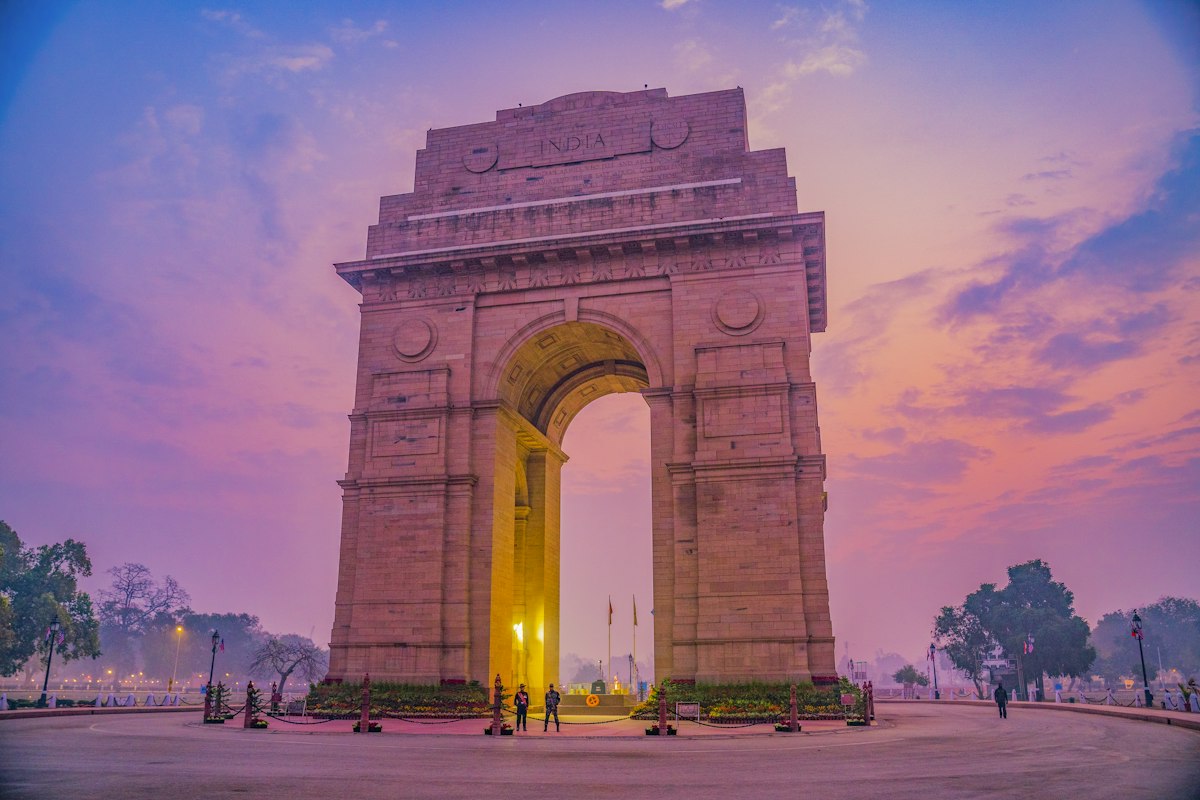
The colonial heart — India Gate, Lutyens' grand boulevards, and the circular Georgian arcade of Connaught Place.
The colonial heart of New Delhi — Lutyens' grand boulevards, India Gate, Rajpath and the circular Georgian arcade of Connaught Place at the city's epicentre. Built by the British between 1911 and 1931, this is the most walkable and logistically straightforward part of Delhi.
Scores
Walkability
Transit
Price
Local feel
Nightlife
Family-friendly
Centrality
What you gain
- ↑India Gate and the Kartavya Path ceremonial boulevard are among the most impressive pieces of colonial urban planning in Asia — the view from Connaught Place across the boulevard to the Presidential Palace is genuinely grand
- ↑Maximum transport connectivity for exploring the rest of Delhi: Rajiv Chowk metro station connects to all major lines, autorickshaws and Ola/Uber are always available, and distances to both Old Delhi and South Delhi are manageable
- ↑The National Museum on Janpath (just south of Connaught Place) holds 200,000 objects spanning 5,000 years — the finest collection in India and genuinely world-class for Hindu, Buddhist, and Mughal art
What you sacrifice
- ↓Connaught Place's inner circle has been heavily commercialised — the arcade that was once the social heart of colonial Delhi is now occupied primarily by mid-market restaurants and chain retailers
- ↓The area is not "local Delhi" in any genuine sense — it's administrative and commercial Delhi, with the authentic residential character of the city located in South Delhi or the older districts
Best for
Avoid if
Other Delhi neighbourhoods
The original backpacker hub — dense, cheap, and directly behind New Delhi Railway Station.
The Mughal city within the city — Red Fort, Jama Masjid, and 500 years of layered bazaar history.
A medieval reservoir now ringed with rooftop restaurants and boutique design stores — Delhi's creative district.
Know where to stay — now find when to go.
Best time to visit Delhi →