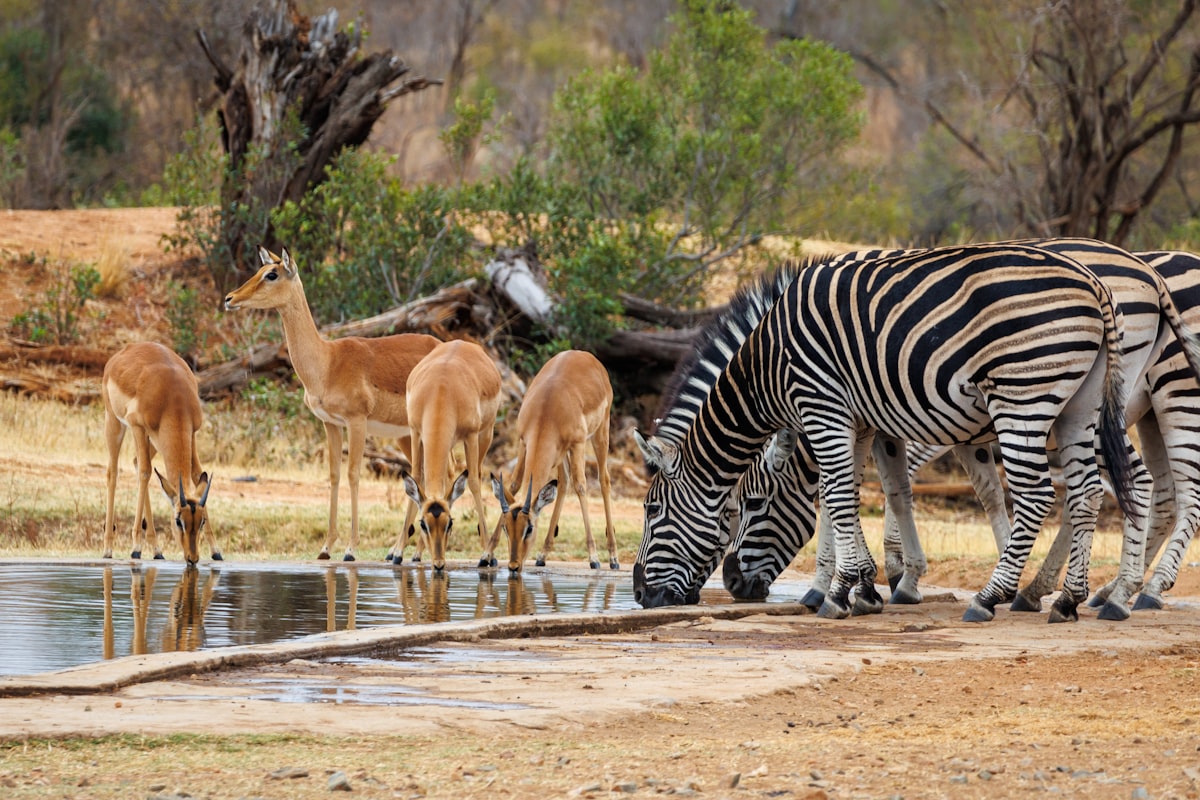
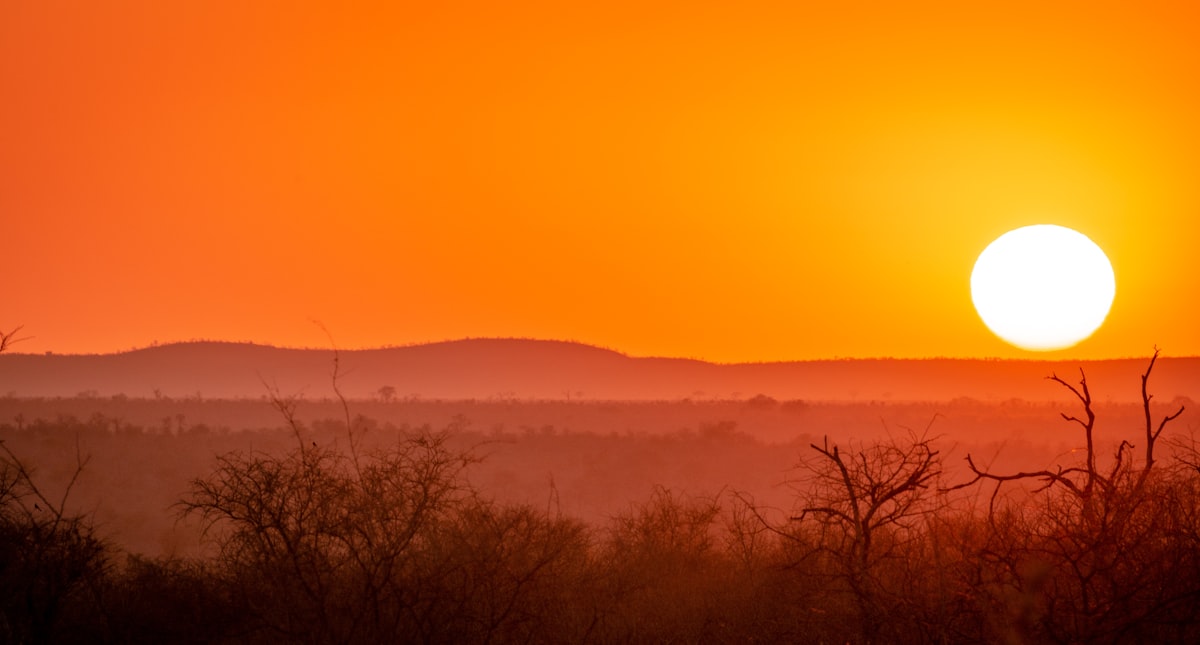
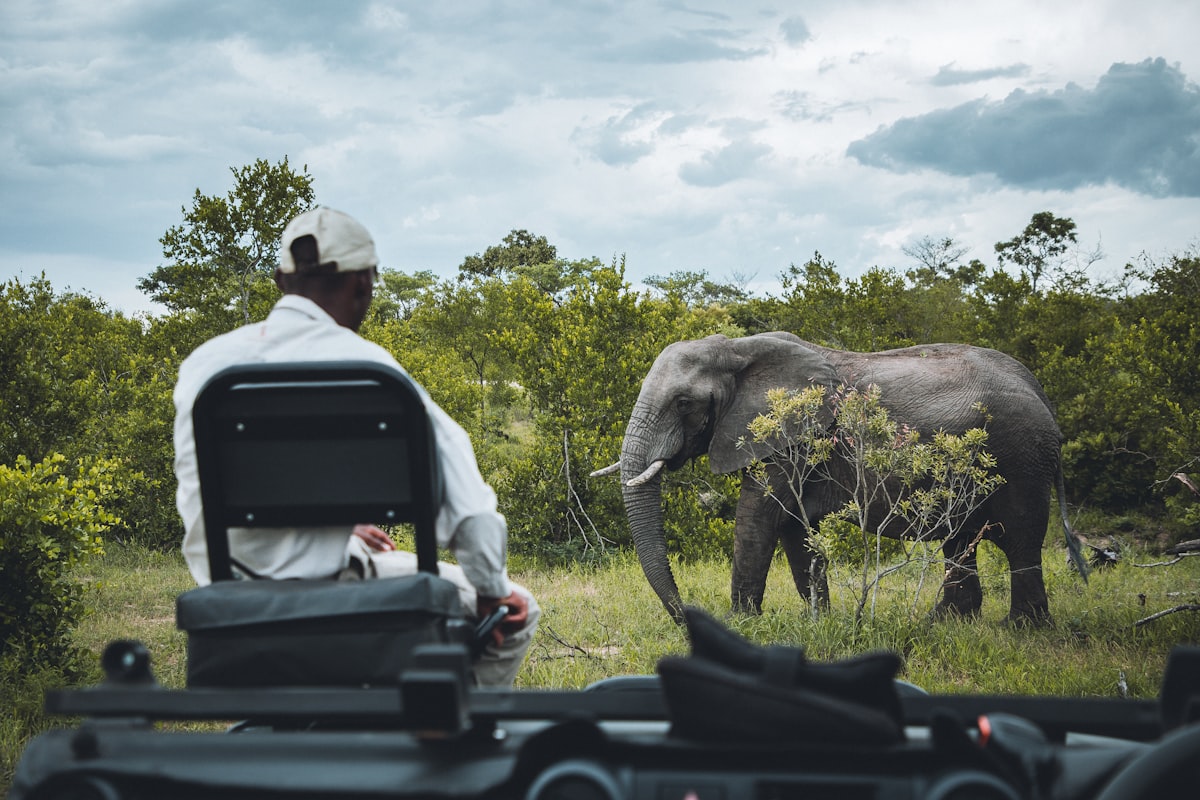
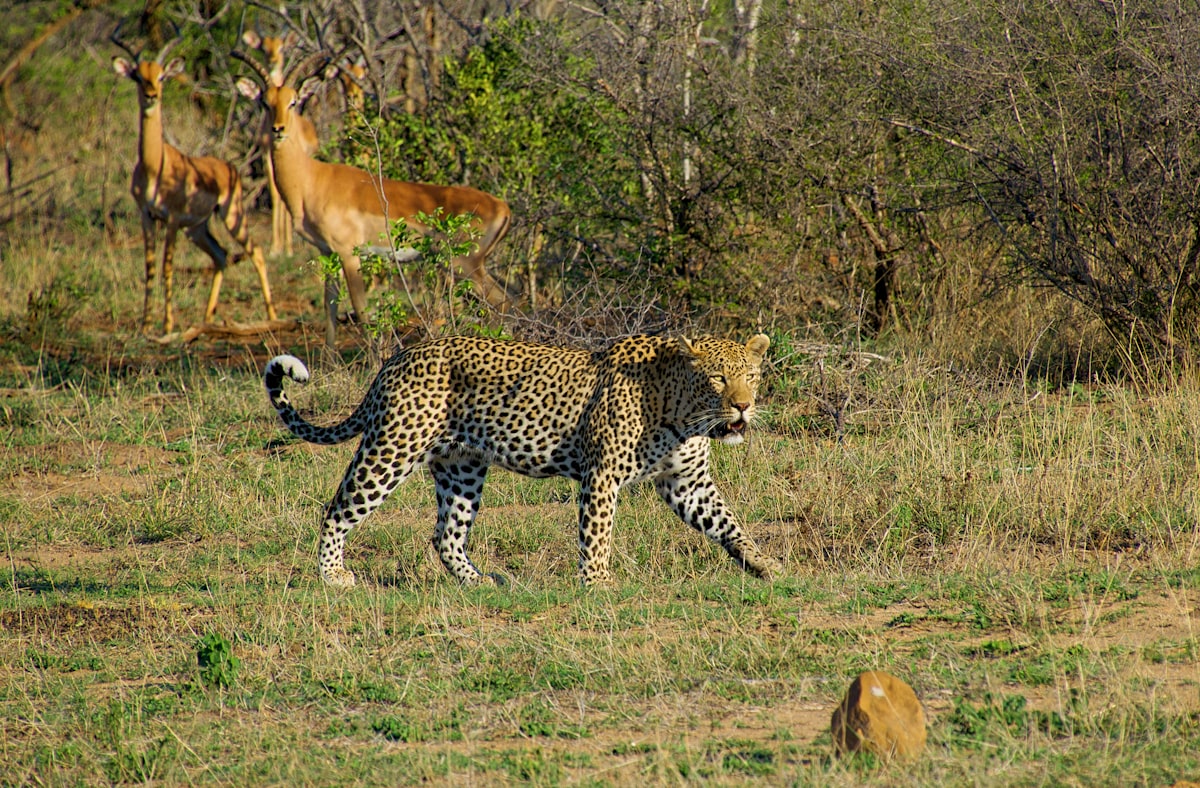
Kruger National Park · Unsplash / Unsplash
South Africa · Africa & MENA
Best time to visit Kruger National Park
May
May scores highest overall — reliable weather and strong local atmosphere. Set your priorities below to personalise this result.
What matters most to you?
All 12 months — click any to expand
May
Unsplash / Unsplash
Dry season begins — clear skies, vegetation thinning fast, mornings cool 11C, perfect game viewing window opens.
26°C
High
11°C
Low
12mm
Rain
9h
Sun/day
What you gain
- ↑Vegetation thin enough for excellent visibility — game congregating at remaining water
- ↑Crisp dry air, 9 hours sunshine, golden-hour light photography ideal
- ↑Malaria risk down 70% vs March — many travellers skip prophylaxis here
What you sacrifice
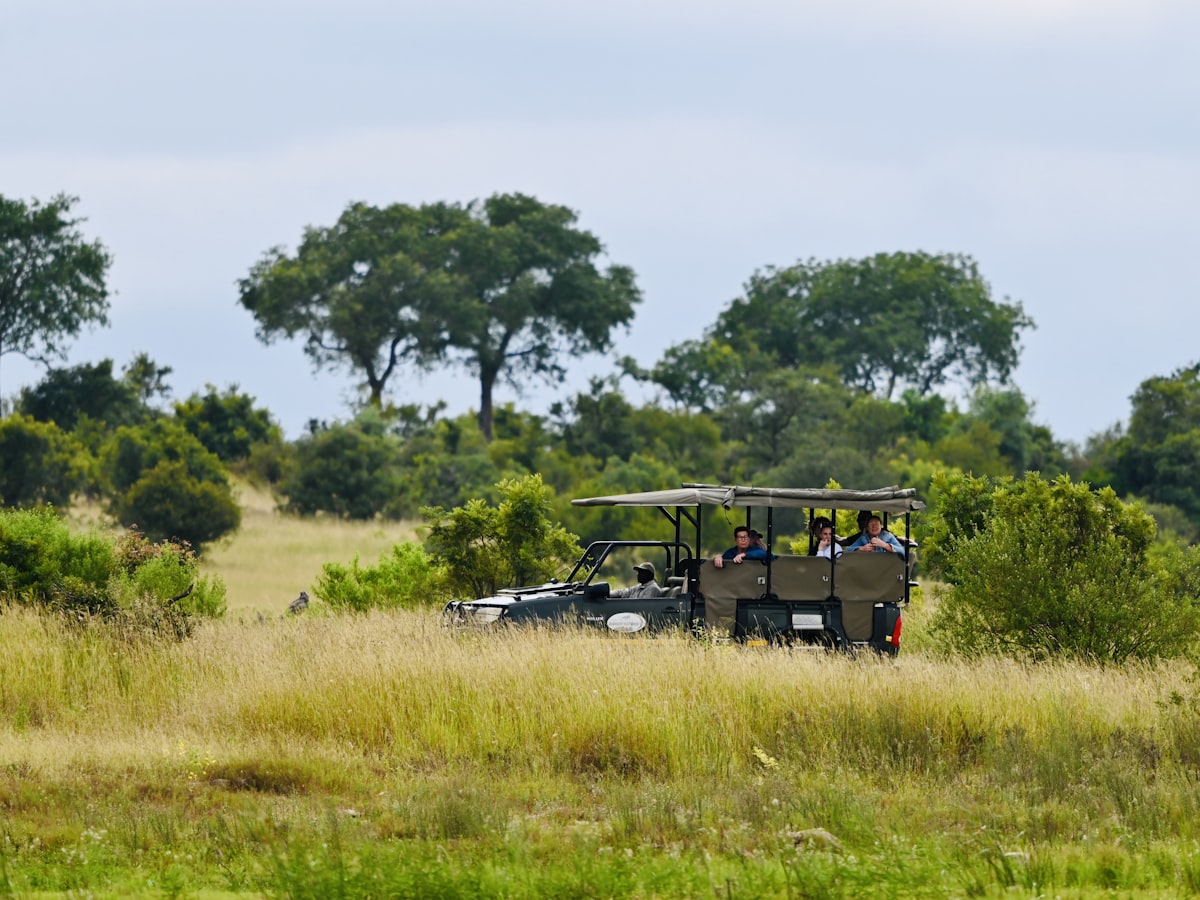
- ↓Early dawn drives at 6C — fleece and gloves needed in open vehicles
- ↓School holiday week (early May) brings short bump
- ↓Lodge rates starting to climb week by week
May scores highest overall — reliable weather and strong local atmosphere. Set your priorities below to personalise this result.
May
Dry season begins — clear skies, vegetation thinning fast, mornings cool 11C, perfect game viewing window opens.
26°C
High
12mm
Rain
9h
Sun
- ↑Vegetation thin enough for excellent visibility — game congregating at remaining water
- ↑Crisp dry air, 9 hours sunshine, golden-hour light photography ideal
- ↑Malaria risk down 70% vs March — many travellers skip prophylaxis here
- ↓Early dawn drives at 6C — fleece and gloves needed in open vehicles
- ↓School holiday week (early May) brings short bump
- ↓Lodge rates starting to climb week by week
Top travel windows
★ BestMay
Best overall
Highest combined score
26°C
High
12mm
Rain
9h
Sun
February
Best for value
Lowest prices & fees
31°C
High
80mm
Rain
8h
Sun
November
Fewest crowds
Quietest month
31°C
High
70mm
Rain
9h
Sun
Breakdown by priority
Best for weather
September
29°C high · 20mm rain · 9hrs sun/day
Best for budget
February
SANParks rest camps (Skukuza, Lower Sabie) easy walk-in bookings
Fewest crowds
November
Impala lambing peaks Nov 15-Dec 1 — predator activity intense
Where to base yourself in Kruger National Park
All regions →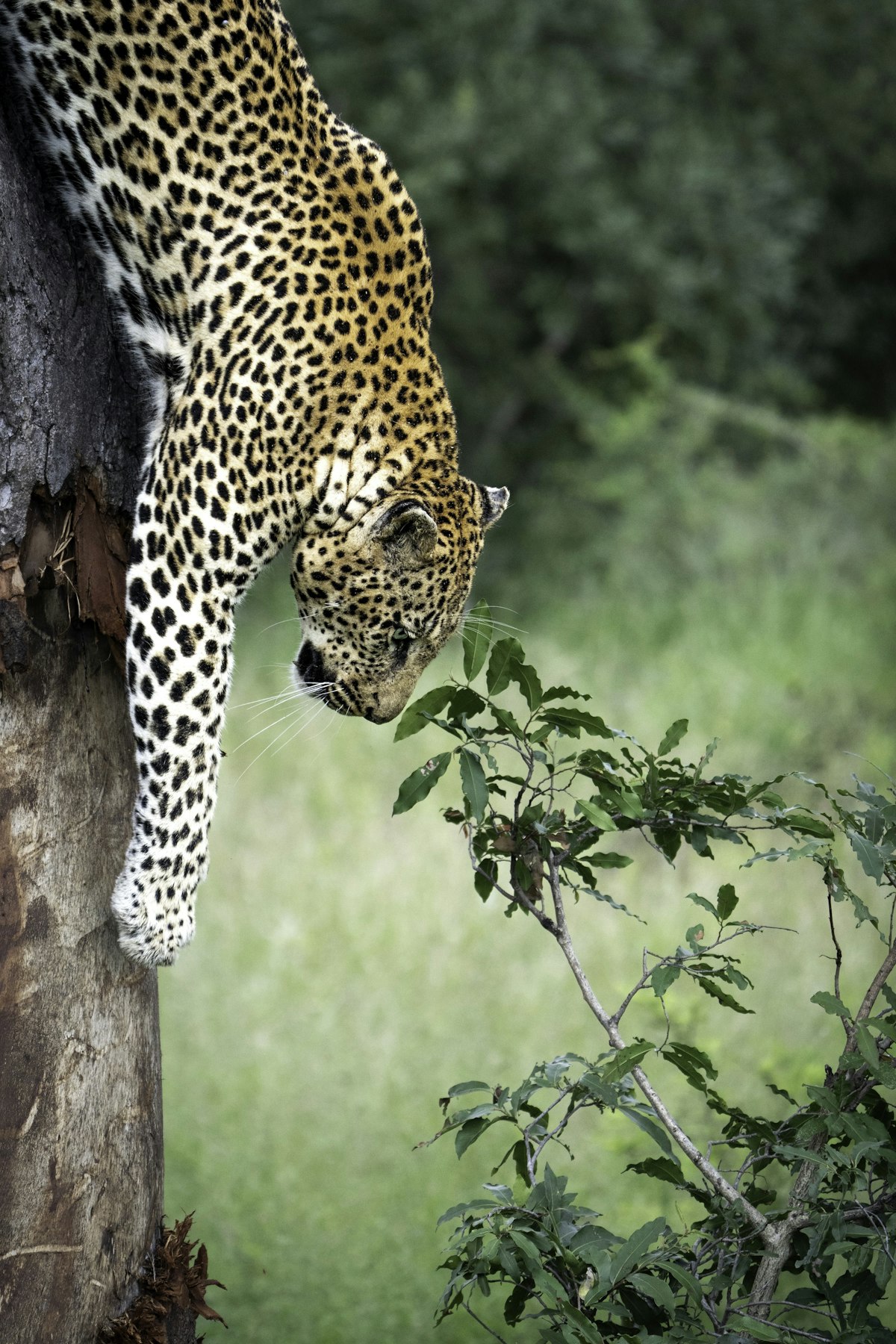
Skukuza & Southern Kruger
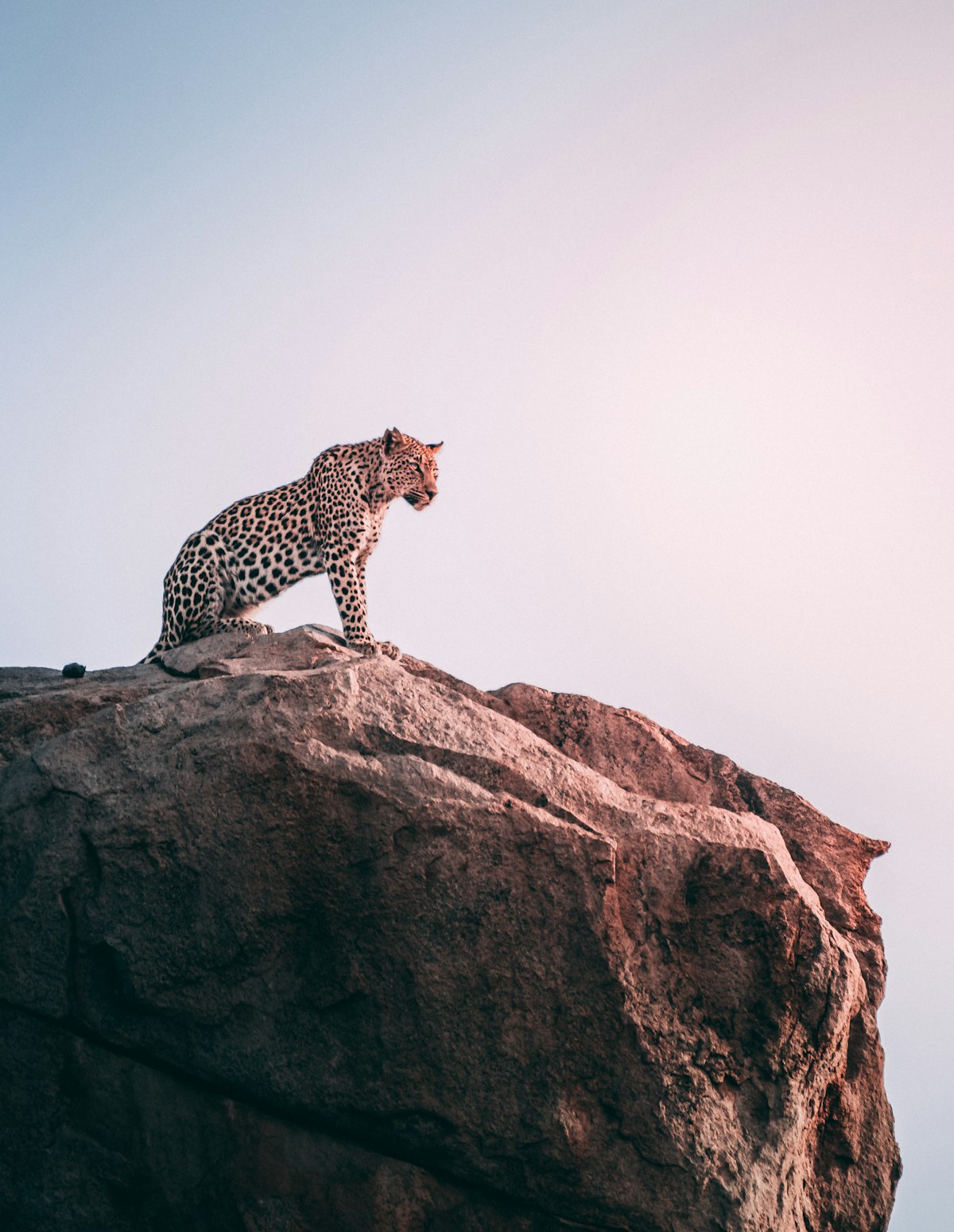
The park's main camp and highest-density wildlife zone — granite kopjes, Sabie River, the densest leopard population in Africa.
10/10
Central
5/10
Walk
8/10
Transit
Lower Sabie
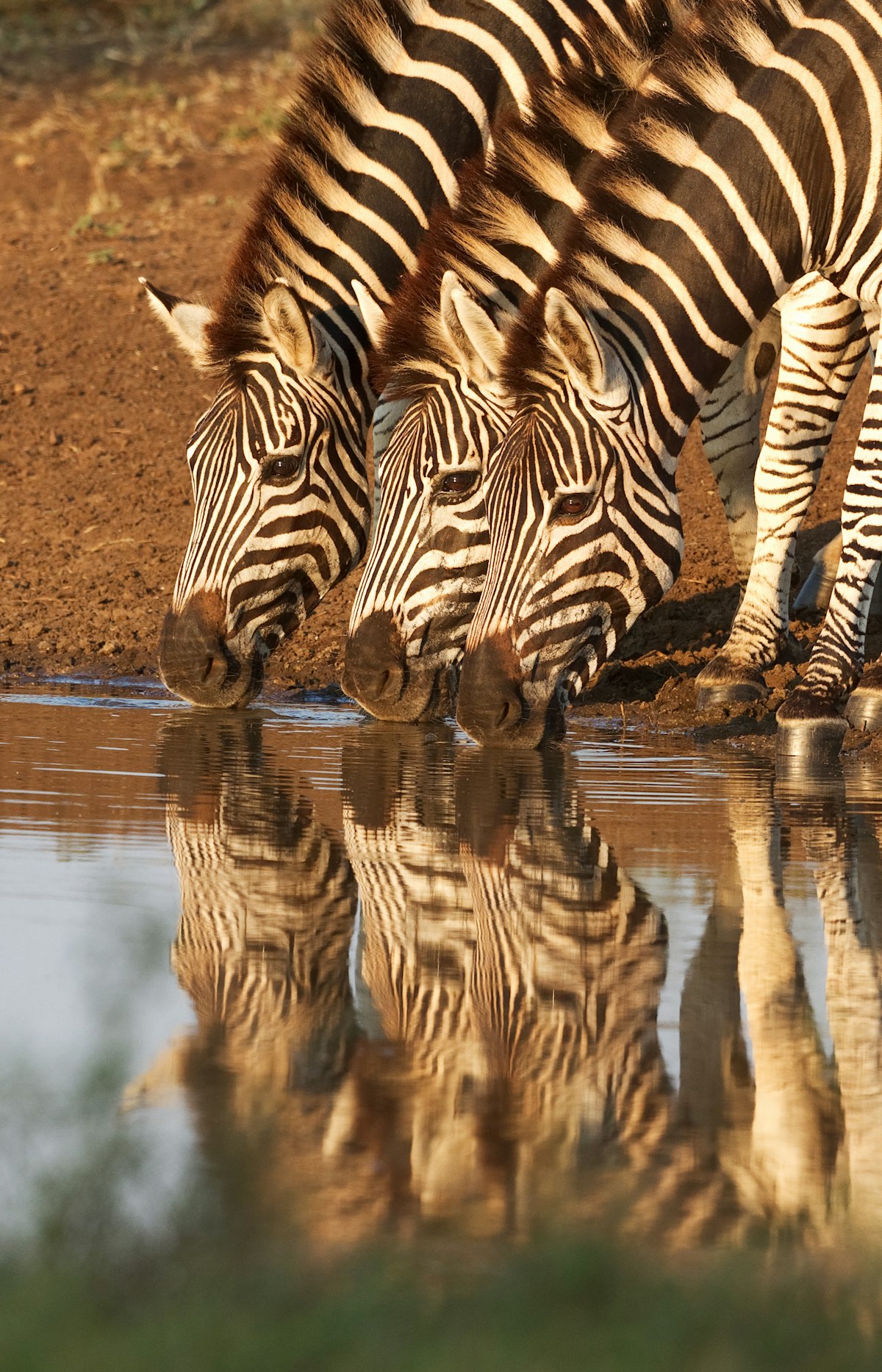
Riverfront rest camp east of Skukuza — the most-photographed Kruger lodge, with the deck over Sabie River and the iconic Sunset Dam.
9/10
Central
4/10
Walk
6/10
Transit
Also exploring
Marrakech
Morocco
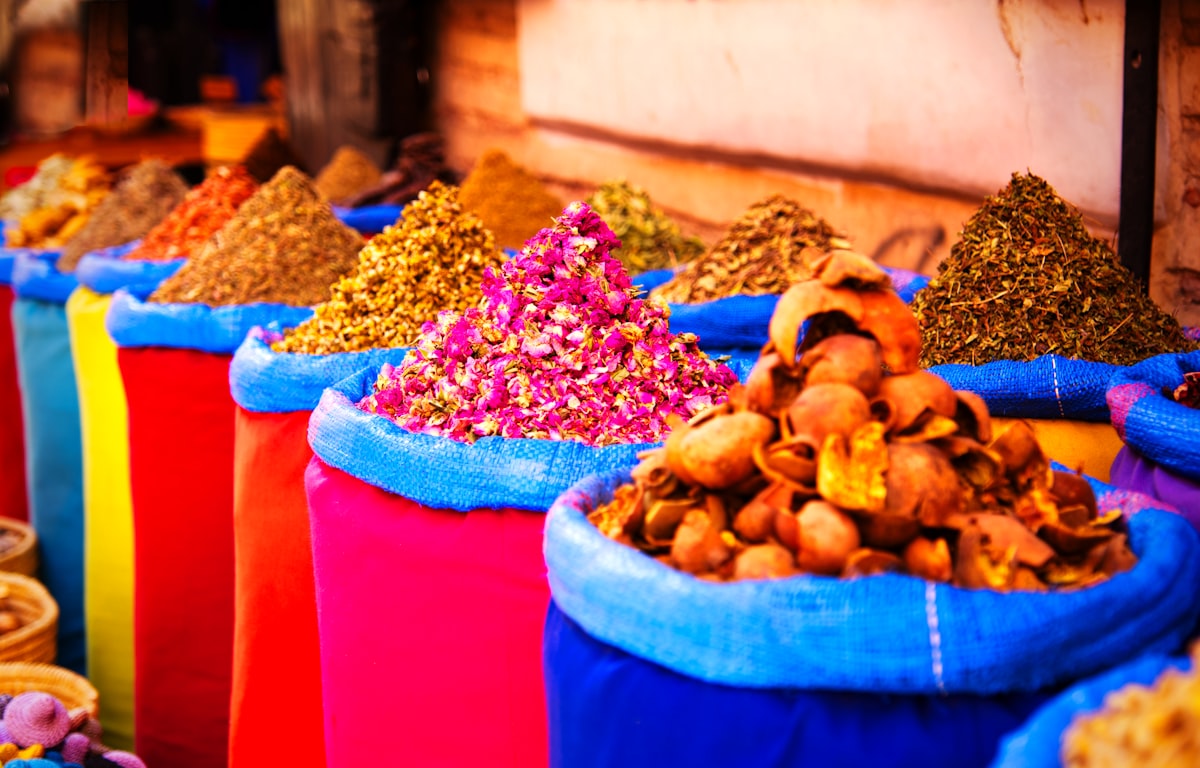
A city of medieval medina markets, orange groves, and Atlas Mountain views where summer heat is genuinely dangerous and spring timing is everything.
Cape Town
South Africa
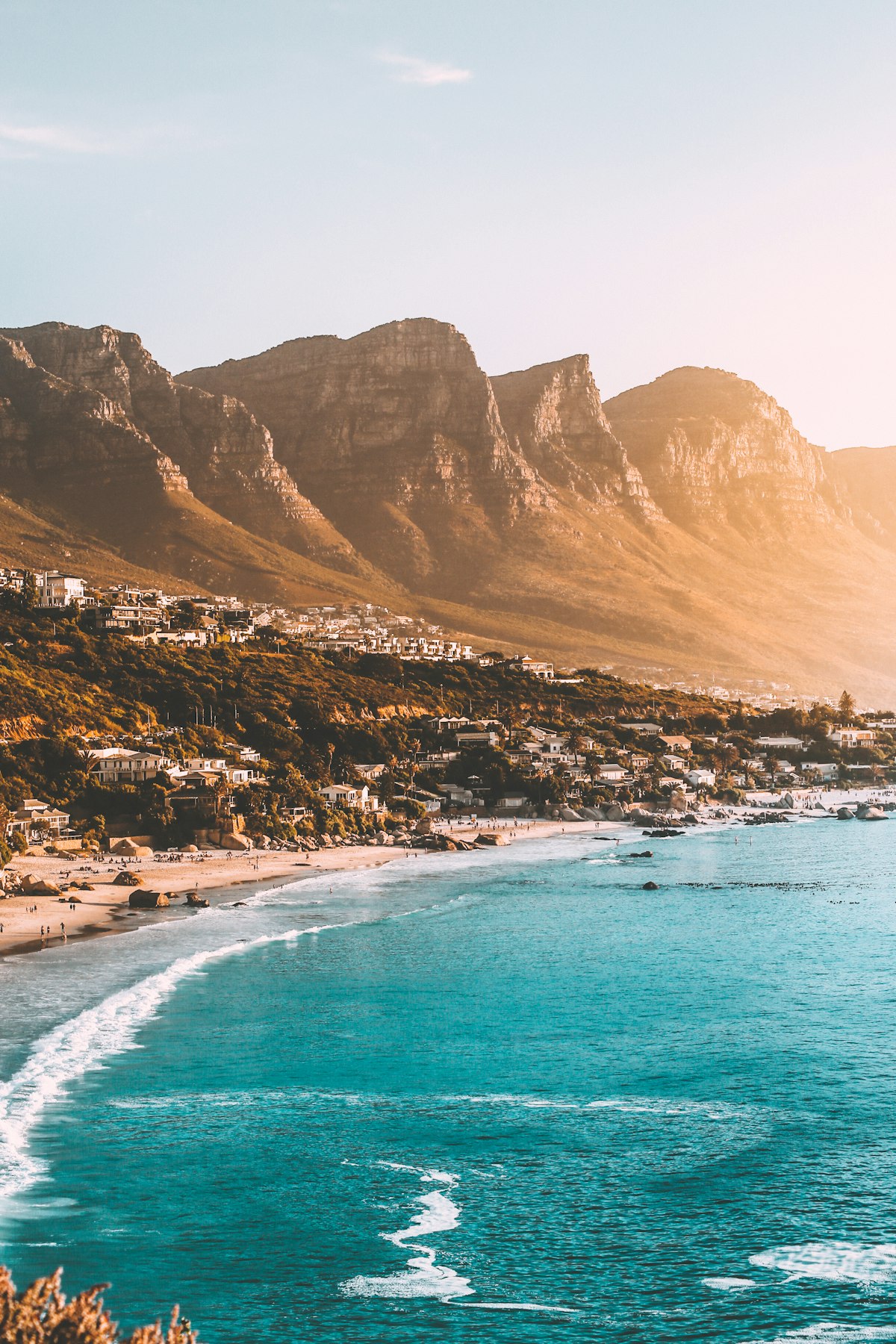
Africa's most dramatic city — where timing means choosing between the dry, sunny austral summer (November–March) for beaches and hiking, and the cooler winter months when southern right whales arrive in False Bay and the wildflowers transform the West Coast.
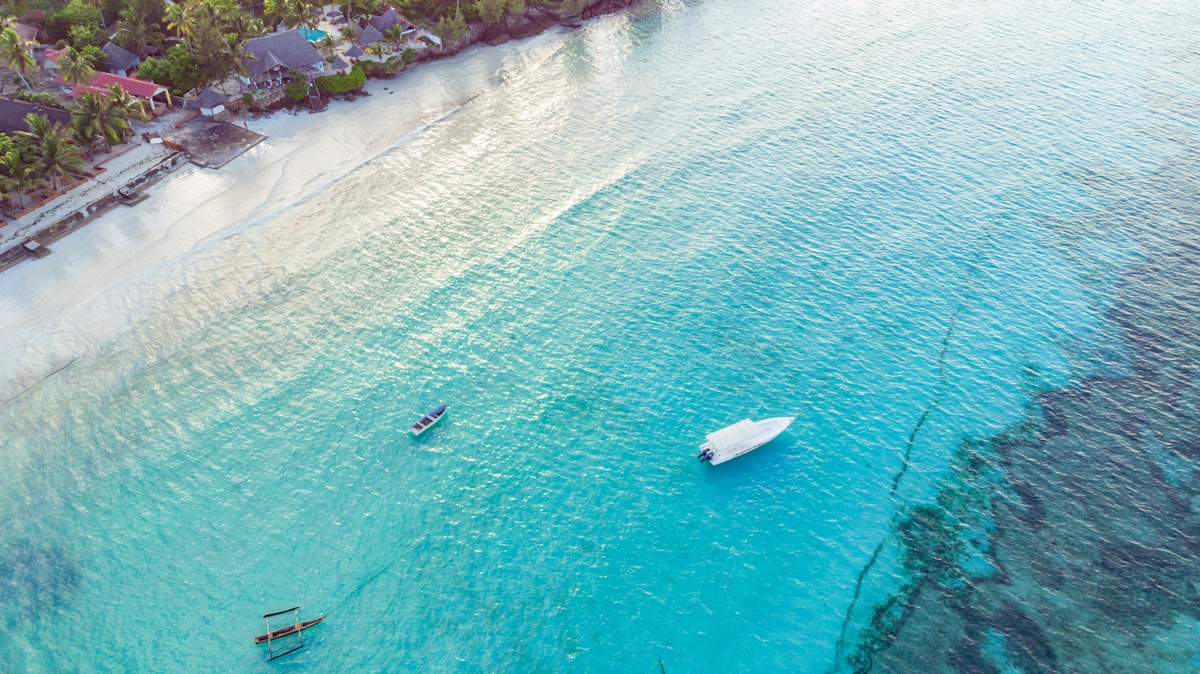
Zanzibar
Tanzania
A UNESCO-listed Swahili trading city, world-class kite surfing, whale shark encounters, and Indian Ocean beaches — Tanzania's island extension is one of Africa's most compelling destinations, shaped by two distinct rainy seasons that divide the year sharply into when to go and when not to.
Worth knowing
May scores highest overall. August is the most crowded month — avoid if you can. See crowd-free ranking →
Month by month breakdown
January#11▾
Gains
- ↑Newborn impala and other antelope: high prey density brings cheetah and wild dog hunts
- ↑Migratory birds in full breeding plumage — 500+ species in park
- ↑School holidays end mid-month — public rest camps quieter from Jan 15
Sacrifices
- ↓Dense green vegetation hides cats and other game — sightings 30-40% down vs winter
- ↓Daily 16:00 thunderstorms cut afternoon drives short
- ↓Highest malaria risk of the year — prophylaxis essential
February#10▾
Gains
- ↑SANParks rest camps (Skukuza, Lower Sabie) easy walk-in bookings
- ↑Singita and Royal Malewane private lodges at ZAR 18,000-22,000/night (vs 35,000 in winter)
- ↑Birdlife at year peak — eagles, rollers, kingfishers, bee-eaters
Sacrifices
- ↓Dense vegetation — wildlife spotting requires patience
- ↓Mosquito and tsetse-fly load peaks
- ↓Some unpaved gravel roads close during heavy rain
March#9▾
Gains
- ↑Vegetation starts drying back — game spotting improving week by week
- ↑Easter holiday weekend brings short crowd spike, otherwise quiet
- ↑Migratory birds still present, full breeding behaviour
Sacrifices
- ↓Still warm and humid — midday game inactive
- ↓Malaria risk still elevated
- ↓Some thunderstorm activity continues into early April
April#5▾
Gains
- ↑Vegetation falling back fast — first 5km waterhole sightings of dry season
- ↑Cooler 28C days, comfortable 16C nights for camping at Lower Sabie or Olifants
- ↑Pre-winter lodge pricing 25% below July peak
Sacrifices
- ↓Easter and school-break weeks (early April) packed in public camps
- ↓Some malaria risk lingering
- ↓Last of summer thunderstorms in first half of month
May#1▾
Gains
- ↑Vegetation thin enough for excellent visibility — game congregating at remaining water
- ↑Crisp dry air, 9 hours sunshine, golden-hour light photography ideal
- ↑Malaria risk down 70% vs March — many travellers skip prophylaxis here
Sacrifices
- ↓Early dawn drives at 6C — fleece and gloves needed in open vehicles
- ↓School holiday week (early May) brings short bump
- ↓Lodge rates starting to climb week by week
June#3▾
Gains
- ↑Animals concentrate at remaining waterholes — Sunset, Pioneer, Mlondozi sightings reliable
- ↑Mid-month before school holidays start — public camps still bookable 4-6 weeks out
- ↑Cool 23C days perfect for full-day drives without overheating
Sacrifices
- ↓Dawn at 6C — open Land Rover drives genuinely cold
- ↓Last 10 days of June overlap with start of school holidays — bookings tighten
- ↓Lodge prices climbing toward July peak
July#8▾
Gains
- ↑Peak dry-season game viewing — Big Five sightings highly probable on 3-day stays
- ↑Cool, dry, malaria-risk minimal — most family-friendly month
- ↑School-holiday energy at Skukuza Bush Walks and night drives
Sacrifices
- ↓SANParks rest camps booked out 11 months ahead
- ↓Private lodges (Singita, MalaMala, Sabi Sabi) at ZAR 30,000-45,000/night peak
- ↓Self-drive gate queues at 06:00 opening can be 30 min
August#6▾
Gains
- ↑Probability of Big Five in 3 days at Skukuza/Lower Sabie above 90%
- ↑Mid-day warm 26C — drives comfortable in light clothing
- ↑Northern circuit (Punda Maria, Pafuri) coming into its prime as winter dries far north
Sacrifices
- ↓Public camp accommodation requires 11-month advance booking
- ↓Singita Lebombo and Royal Malewane at ZAR 35,000-50,000/night
- ↓Self-drive sighting bottlenecks — leopard or lion sighting can mean 20 cars in a row
September#2▾
Gains
- ↑Driest the bush ever gets — animals at near-zero remaining water sources
- ↑School holidays over — public camps slightly easier to book
- ↑Wild dog pups out of dens, leopard activity highly visible
Sacrifices
- ↓Midday hitting 29C — afternoon drives need water and shade breaks
- ↓Private lodges still at near-peak rates till end of month
- ↓Last of dust haze before spring rains can dull photography slightly
October#4▾
Gains
- ↑Vegetation still sparse for excellent visibility, but green flush starting in first week of rains
- ↑Mopane and marula trees in flower — elephant activity high
- ↑Lodge prices 30% below July-Sep peak
Sacrifices
- ↓Temperature climbing — afternoons 31C, midday game inactive
- ↓First afternoon thunderstorms cutting drives short
- ↓Malaria risk starting to rise again
November#7▾
Gains
- ↑Impala lambing peaks Nov 15-Dec 1 — predator activity intense
- ↑Dramatic thunderstorm skies for photography
- ↑Singita Sweni and Lebombo at ZAR 22,000-25,000 vs 40,000+ July
Sacrifices
- ↓Vegetation greening fast — visibility starting to drop
- ↓Malaria risk rising — prophylaxis recommended
- ↓Afternoon storms cutting last 60-90 min of game drives
December#12▾
Gains
- ↑Christmas/NYE atmosphere at Skukuza Camp — fairy lights, braai dinners
- ↑Newborn antelope everywhere — predator-prey theatre constant
- ↑Full birdlife — over 200 species visible in any given day
Sacrifices
- ↓SANParks public camps booked 11 months out for Dec 15-Jan 5
- ↓Daily 16:00-19:00 thunderstorms — afternoon drives often shortened
- ↓Highest malaria risk — prophylaxis essential, especially in southern camps
How this is calculated
Climate data
Open Meteo ERA5
30-year normals (1991–2020). Temperature, rainfall, sunshine, humidity.
Price & crowd
Tourism research
Seasonal pricing from tourism authority data. Directional — compares months within a destination only.
Personalisation
Weighted scoring
Your priorities change the weights. Budget-first users get different results than weather-first users.
Share this result
May is the best time to visit Kruger National Park
Travel timing updates
New destinations and timing guides, when they land.
No spam. Unsubscribe anytime.