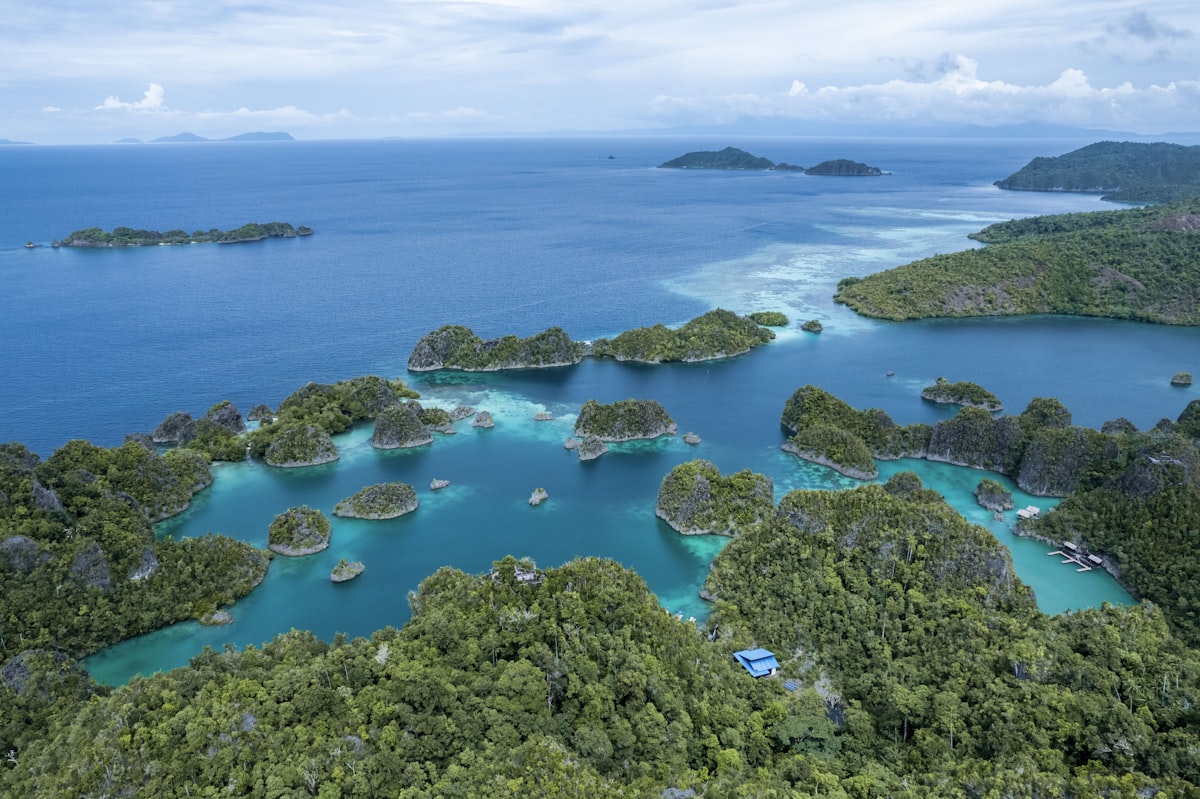
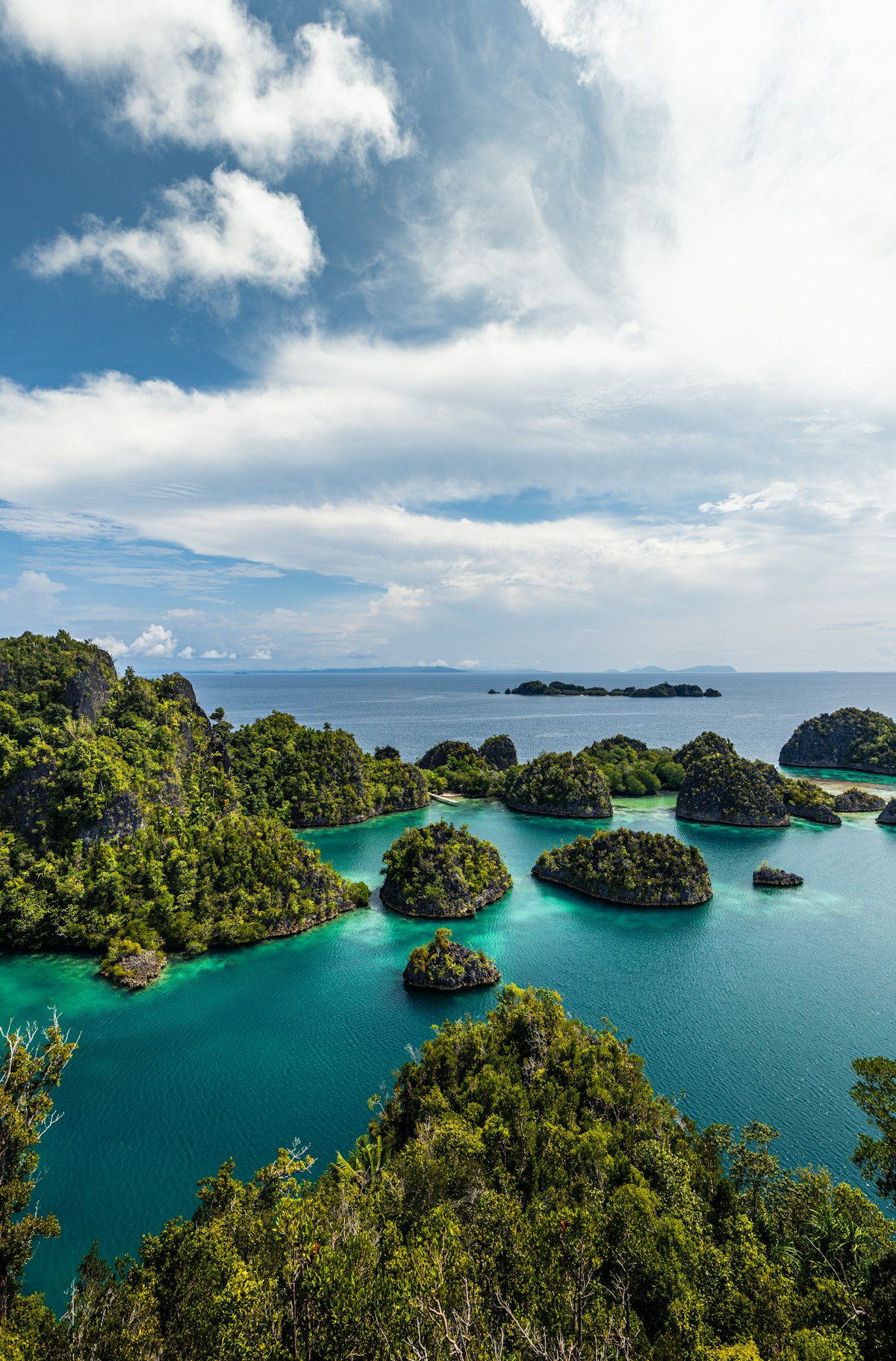
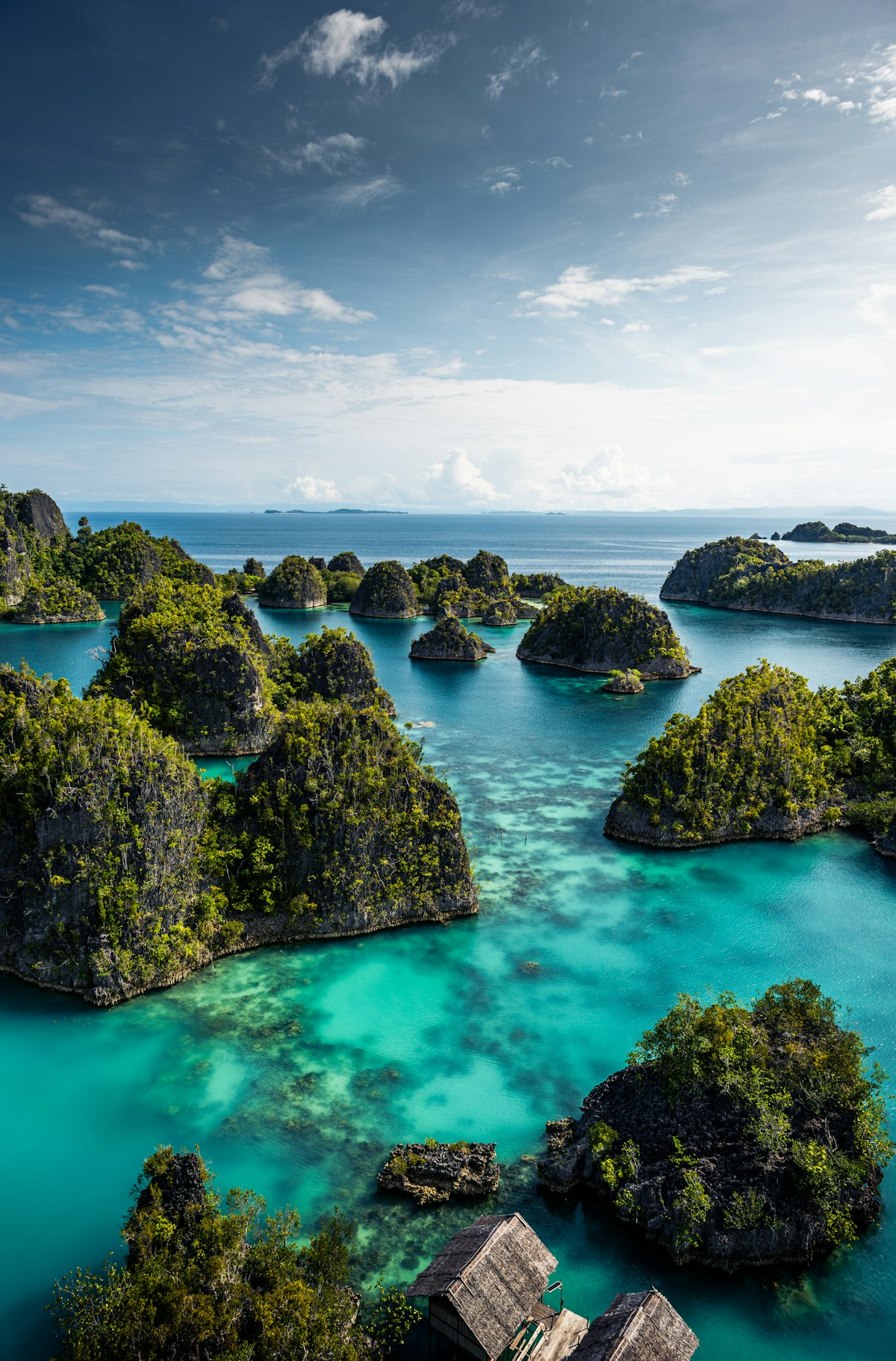

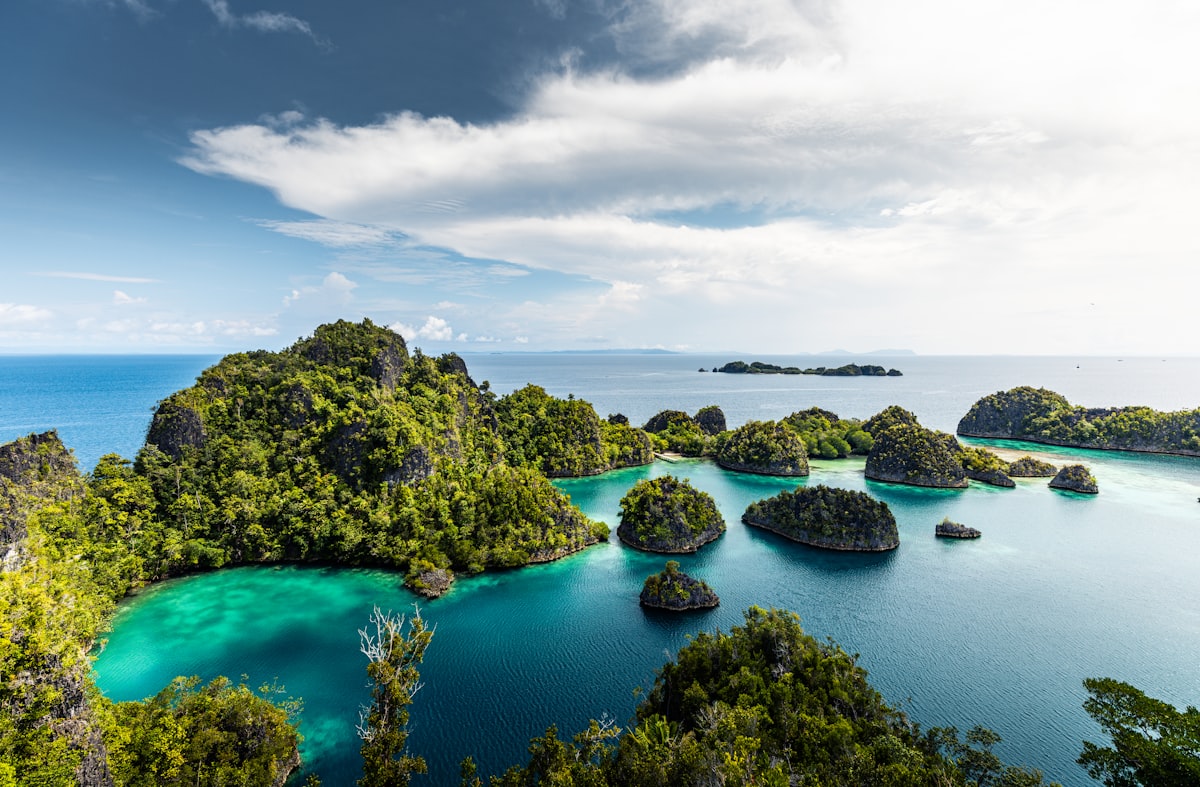
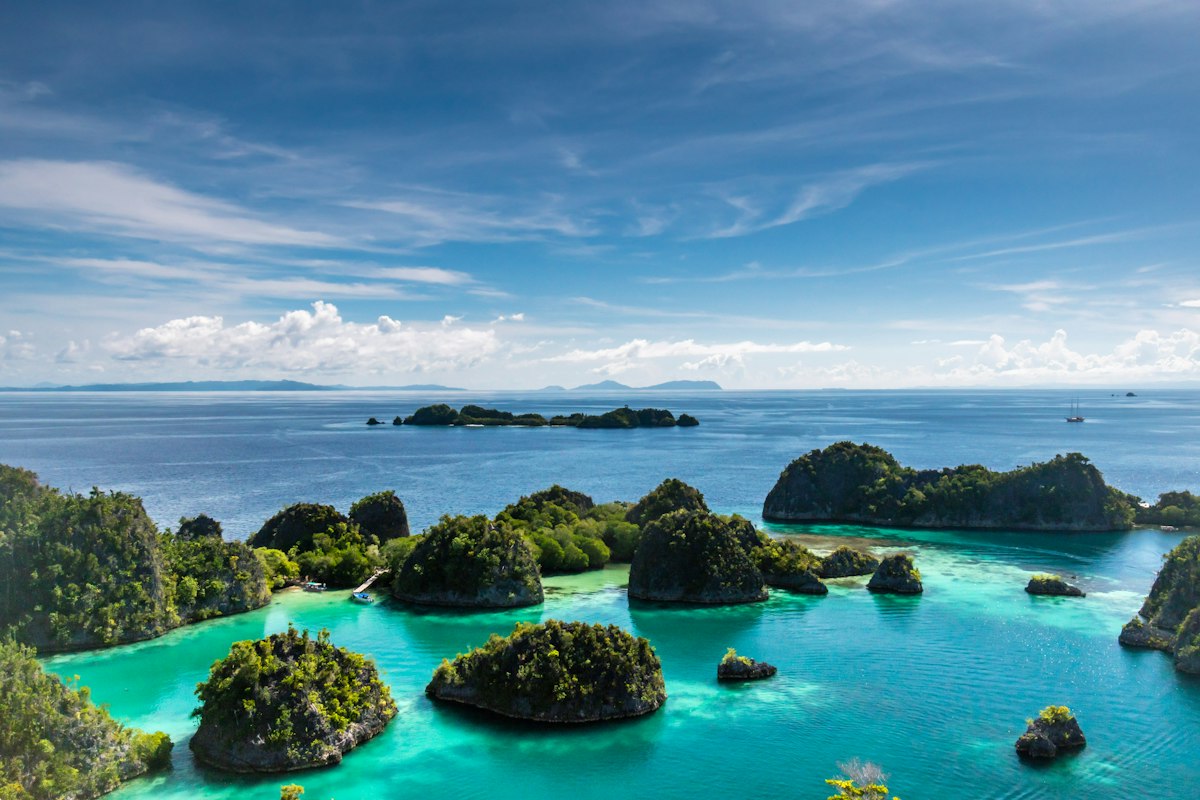
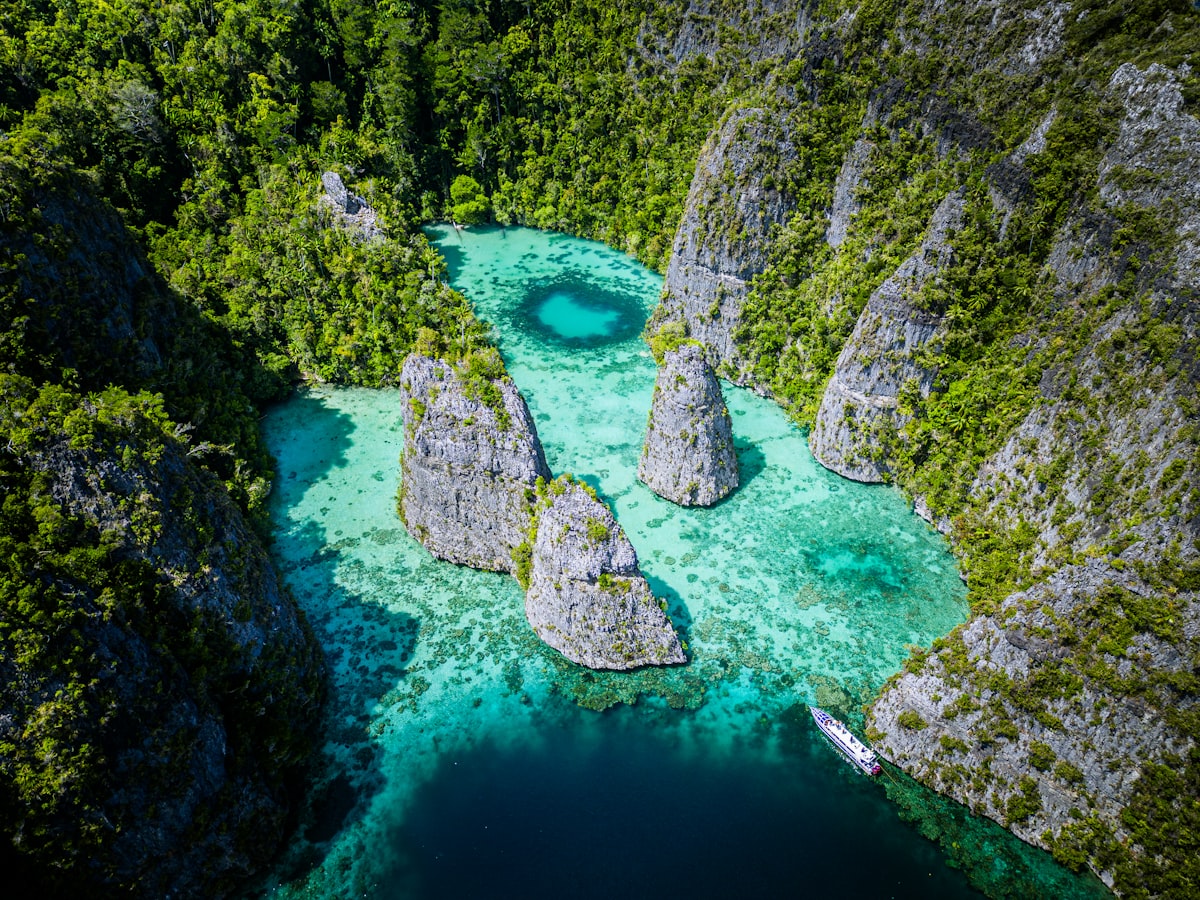
Raja Ampat · Unsplash / Unsplash
Indonesia · Southeast Asia
Best time to visit Raja Ampat
May
May scores highest overall — reliable weather and good value. Set your priorities below to personalise this result.
What matters most to you?
All 12 months — click any to expand
May
Unsplash / Unsplash
Pre-peak sweet spot — dry season has arrived, visibility at 25–30m, and the crowds haven't caught up with the conditions yet.
31°C
High
23°C
Low
95mm
Rain
7h
Sun/day
What you gain
- ↑25–30m visibility in dive sites including the famous Cape Kri fish count spot
- ↑Liveaboard prices still 15–20% below July–August peak
- ↑Pristine mushroom coral reefs accessible in calm sea conditions on all coasts
What you sacrifice
- ↓Some liveaboard routes still avoiding southern passages until June
- ↓Fewer dive operators running than July–August — less schedule flexibility
May scores highest overall — reliable weather and good value. Set your priorities below to personalise this result.
May
Pre-peak sweet spot — dry season has arrived, visibility at 25–30m, and the crowds haven't caught up with the conditions yet.
31°C
High
95mm
Rain
7h
Sun
- ↑25–30m visibility in dive sites including the famous Cape Kri fish count spot
- ↑Liveaboard prices still 15–20% below July–August peak
- ↑Pristine mushroom coral reefs accessible in calm sea conditions on all coasts
- ↓Some liveaboard routes still avoiding southern passages until June
- ↓Fewer dive operators running than July–August — less schedule flexibility
Top travel windows
★ BestMay
Best overall
Highest combined score
31°C
High
95mm
Rain
7h
Sun
★ BestMay
Best for value
Lowest prices & fees
31°C
High
95mm
Rain
7h
Sun
★ BestMay
Fewest crowds
Quietest month
31°C
High
95mm
Rain
7h
Sun
Breakdown by priority
Best for weather
May
31°C high · 95mm rain · 7hrs sun/day
Best for budget
May
Liveaboard prices still 15–20% below July–August peak
Fewest crowds
May
25–30m visibility in dive sites including the famous Cape Kri fish count spot
Where to base yourself in Raja Ampat
All regions →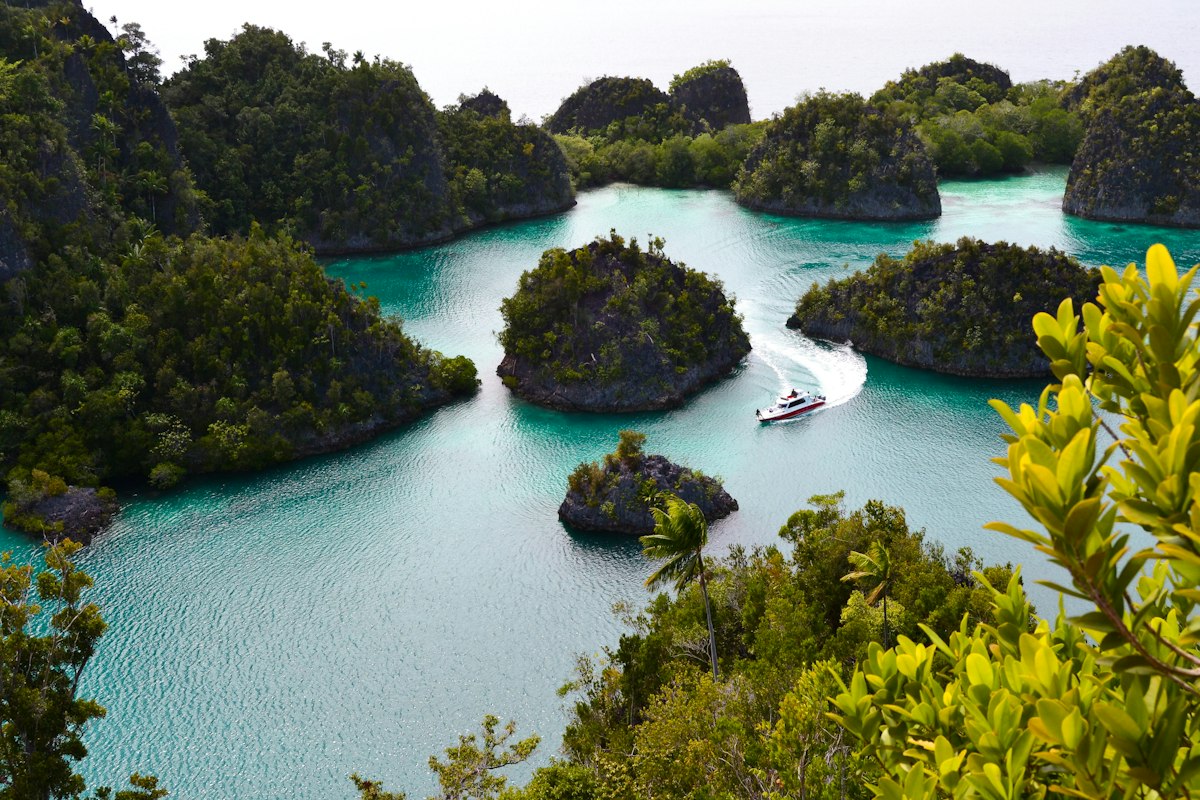
Waisai / Waigeo
Main island capital and gateway hub with a cluster of dive lodges and homestays.
6/10
Central
5/10
Walk
3/10
Transit

Dampier Strait (Mansuar / Arborek)
Biodiversity hotspot and homestay heartland — Manta Sandy and Cape Kri on the doorstep.
7/10
Central
3/10
Walk
2/10
Transit
Also exploring

Tokyo
Japan
A city of dramatic seasonal contrasts — cherry blossom crowds, oppressive summer humidity, and golden autumn foliage — where the wrong timing can make or break the trip.
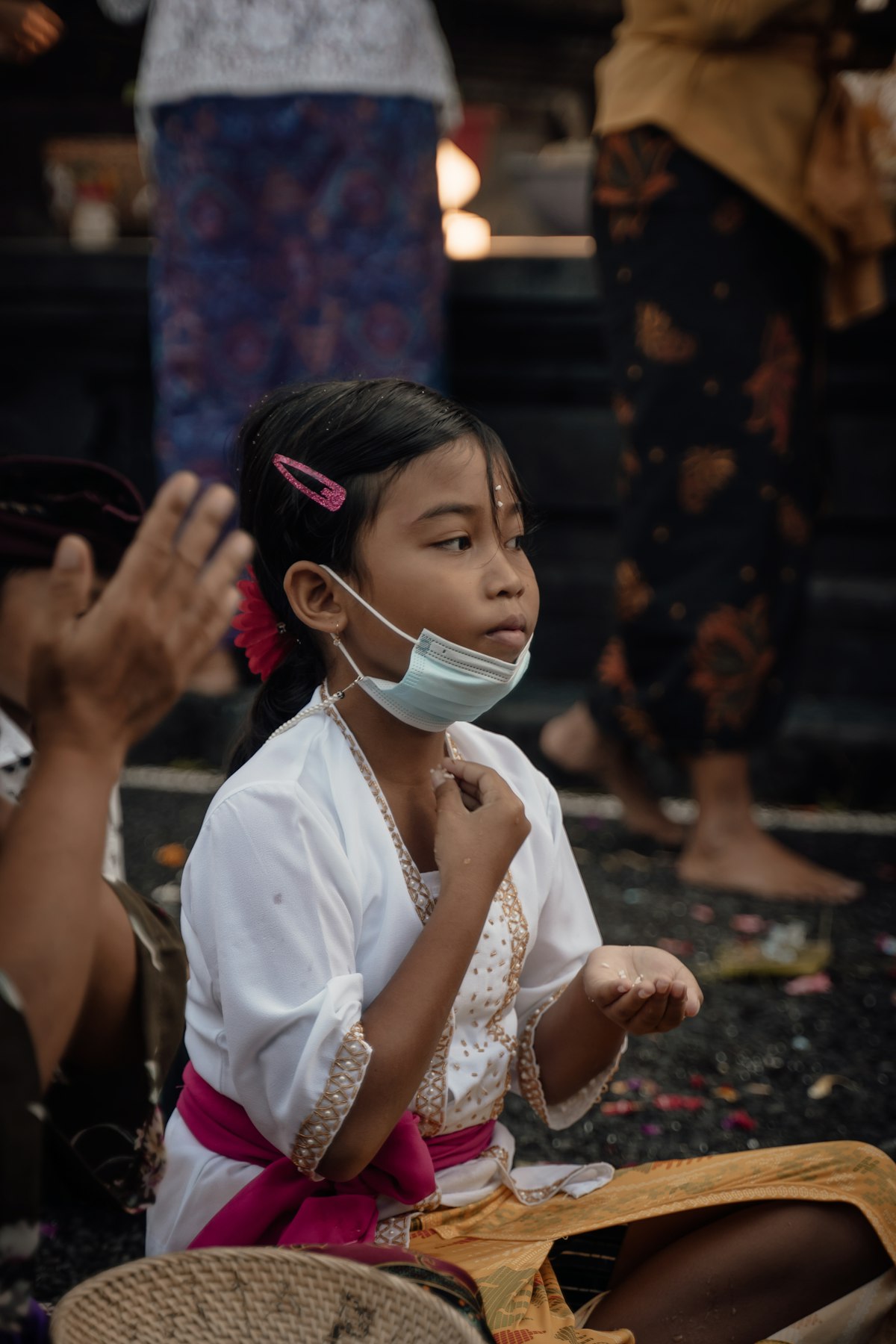
Bali
Indonesia
A Hindu island of rice terraces, temple ceremonies, and surf breaks where the monsoon makes timing genuinely binary — the difference between dry and wet season is not subtle.

Maldives
Maldives
A destination defined almost entirely by its monsoon calendar — the difference between the NE dry season (November–April) and SW wet season (May–October) is not subtle and shapes every aspect of the experience.
Worth knowing
May scores highest overall. July is the most crowded month — avoid if you can. See crowd-free ranking →
Month by month breakdown
January#9▾
Gains
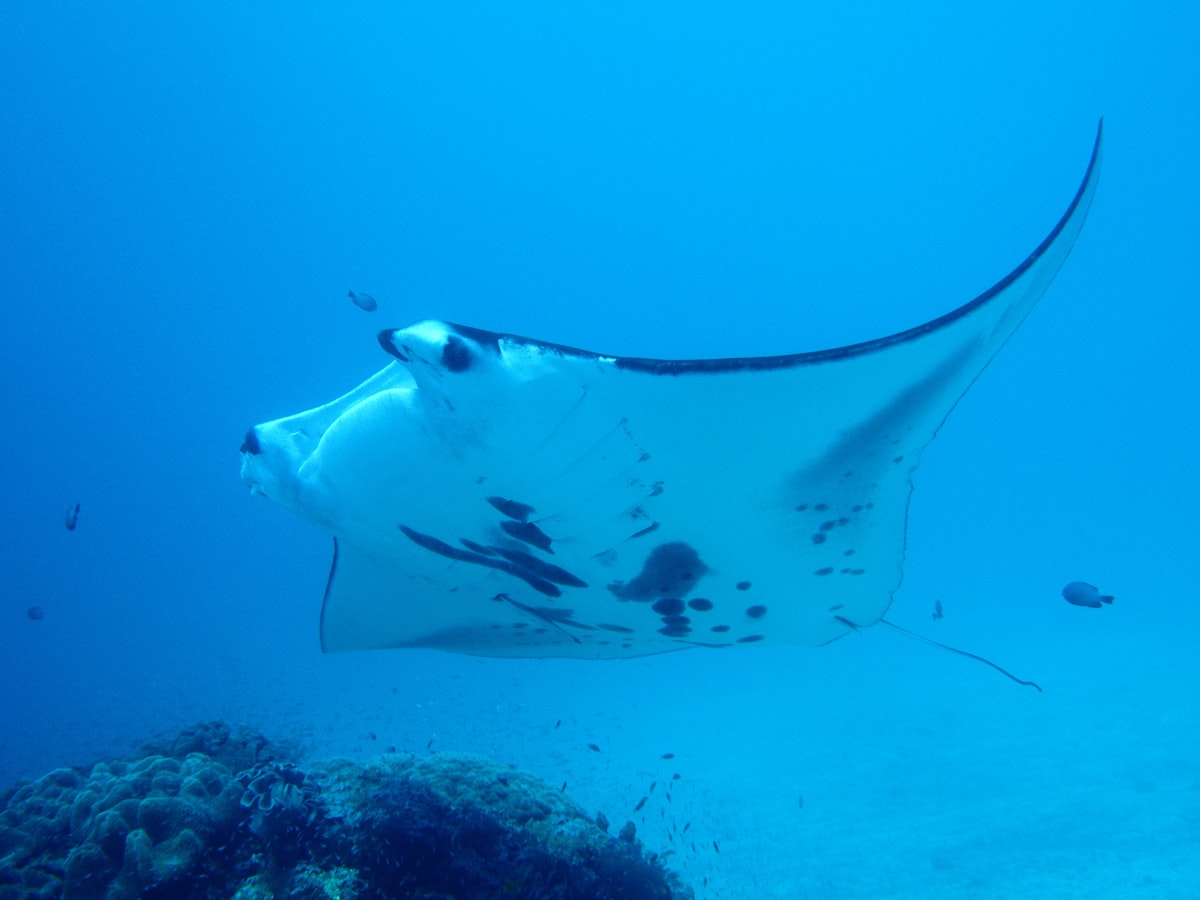
- ↑Manta rays reliably present at Manta Sandy and Manta Ridge cleaning stations
- ↑European peak holiday season drives liveaboard demand — more operators running
- ↑Visibility excellent below surface even when rain falls above
Sacrifices
- ↓195mm rain — above-water photography limited on overcast days
- ↓West-facing sites (Wayag, Piaynemo) can be inaccessible when westerly swell runs
February#10▾
Gains
- ↑Manta ray aggregations peak at Manta Ridge — 15+ individuals on a single dive possible
- ↑Whale shark sightings possible in the northern passages near Waigeo
- ↑Liveaboard itineraries shift to sheltered east-coast dive sites to avoid swell
Sacrifices
- ↓Heavy rain limits above-water kayaking and island-hopping days
- ↓Sorong connecting flights often delayed by weather — build in buffer days
March#6▾
Gains
- ↑Wayag karst lagoon island-hopping becomes more reliable as seas calm
- ↑Manta rays still active at both cleaning stations through March
- ↑Underwater visibility improving as rain-stirred surface runoff settles
Sacrifices
- ↓160mm rain continues — overcast skies limit snorkelling light in shallow reefs
- ↓Homestay operators on remote islands may have boat fuel supply issues
April#3▾
Gains
- ↑Wayag lagoon accessible most days — the aerial view hike above the karst pinnacles is feasible
- ↑Improving visibility: 20–25m in most reef dive sites
- ↑Bird of paradise spotting on Waigeo island becomes viable in drier mornings
Sacrifices
- ↓Liveaboard boats at near-peak prices as peak season approaches
- ↓Some homestays booked 3–4 months ahead for May–October
May#1▾
Gains
- ↑25–30m visibility in dive sites including the famous Cape Kri fish count spot
- ↑Liveaboard prices still 15–20% below July–August peak
- ↑Pristine mushroom coral reefs accessible in calm sea conditions on all coasts
Sacrifices
- ↓Some liveaboard routes still avoiding southern passages until June
- ↓Fewer dive operators running than July–August — less schedule flexibility
June#2▾
Gains
- ↑Full dry season: all dive sites accessible including remote south Misool wall dives
- ↑Least rain of the year — above-water island-hopping perfect all day
- ↑Wobbegong shark encounters on Misool reef floors at their most reliable
Sacrifices
- ↓Liveaboards now filling up — booking last-minute in June difficult
- ↓Piaynemo viewpoint hike can get crowded as tour boats cluster at the same time
July#7▾
Gains
- ↑Peak diving conditions: calmest seas, best visibility of the year at 25–30m
- ↑Full complement of liveaboard operators running all itineraries
- ↑Bird of paradise sightings on Waigeo reliable in the dry-season mornings
Sacrifices
- ↓Peak liveaboard pricing — 10-day trip can exceed $4,000 USD per person
- ↓Popular homestays on Arborek and Sawinggrai fully booked months ahead
August#8▾
Gains
- ↑Consistently calm Banda Sea and Raja Ampat passages — all dive routes open
- ↑Pygmy seahorse sightings in Misool gorgonian fans most reliable in dry season
- ↑Indonesian Independence Day 17 Aug: local village celebrations on the islands
Sacrifices
- ↓All quality liveaboards fully booked — walk-in booking impossible
- ↓Sorong airport busy — plan arrival buffer day in case of Garuda or Wings delays
September#4▾
Gains
- ↑Crowds drop after August European holidays — liveaboards have space
- ↑Dive conditions still at peak: calm, 25–30m visibility, mantas active
- ↑Misool southern circuit accessible before wet season closes it again
Sacrifices
- ↓Prices remain high through September — only easing late in month
- ↓Some operators begin reducing schedules after peak season
October#5▾
Gains
- ↑Liveaboard prices drop 10–15% from peak season as bookings thin
- ↑East-coast dive sites still calm and clear through October
- ↑Fewer tourists — Piaynemo viewpoint sunrise hike possible without queues
Sacrifices
- ↓Rains increasing to 120mm — some days disrupted by squalls
- ↓West-coast sites and Wayag lagoon access becoming weather-dependent
November#12▾
Gains
- ↑Manta season begins again at Manta Sandy — early bookings for December peak
- ↑Some operators offer 20–30% discounts on last remaining wet-season liveaboards
- ↑Underwater world unaffected by surface rain — reefs equally healthy year-round
Sacrifices
- ↓Many smaller liveaboard operators closed for November maintenance period
- ↓165mm rain — above-water activities severely limited
December#11▾
Gains
- ↑Manta rays at Manta Sandy and Manta Ridge at their most concentrated Dec–Feb
- ↑Christmas and New Year liveaboard trips fill with serious divers — good group atmosphere
- ↑Operators fully back from maintenance — full range of itineraries available
Sacrifices
- ↓190mm rain — island-hopping and Wayag lagoon access weather-dependent
- ↓Christmas and New Year week: peak liveaboard pricing returns for 2 weeks
How this is calculated
Climate data
Open Meteo ERA5
30-year normals (1991–2020). Temperature, rainfall, sunshine, humidity.
Price & crowd
Tourism research
Seasonal pricing from tourism authority data. Directional — compares months within a destination only.
Personalisation
Weighted scoring
Your priorities change the weights. Budget-first users get different results than weather-first users.
Share this result
May is the best time to visit Raja Ampat
Travel timing updates
New destinations and timing guides, when they land.
No spam. Unsubscribe anytime.