Showing: Oct · Unsplash / Unsplash
South Korea · Asia & Oceania
Best time to visit Jeju
October
Oct scores highest overall — reliable weather and strong local atmosphere. Set your priorities below to personalise this result.
What matters most to you?
All 12 months — click any to expand
Oct
Unsplash / Unsplash
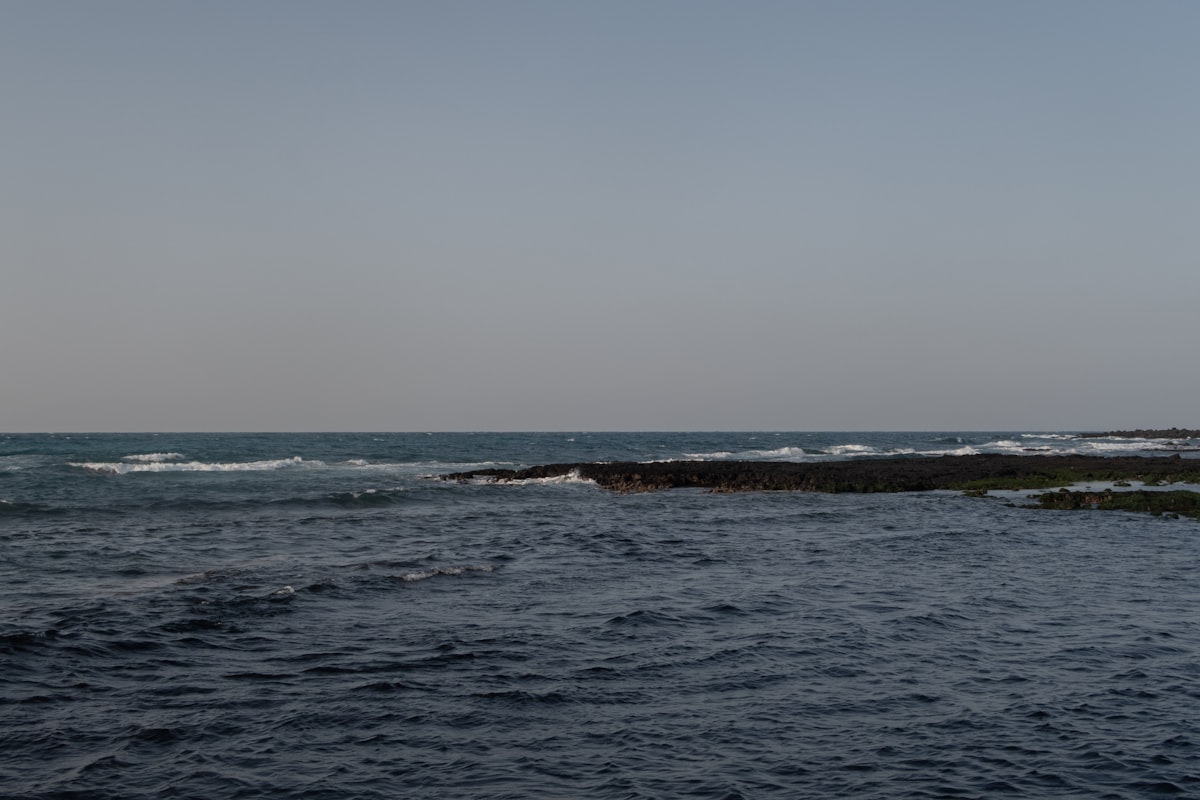
Single best month — autumn foliage on Hallasan, pink muhly fields, tangerine harvest starting, clear 21C skies after typhoon season ends.
21°C
High
14°C
Low
80mm
Rain
6h
Sun/day
What you gain
- ↑Hallasan autumn foliage (danpung) peaks third week — Yeongsil trail spectacular
- ↑Pink muhly grass at Saryeoni and Hwasun in full neon-pink
- ↑First hallabong tangerines coming to market
What you sacrifice
- ↓Hotel rates climbing — Shilla and Lotte at autumn-peak 30% above shoulder
- ↓Hangeul Day and Foundation Day holiday weekends busy
- ↓Hallasan summit weekends require 04:00 trailhead arrival
Oct scores highest overall — reliable weather and strong local atmosphere. Set your priorities below to personalise this result.
Oct
Single best month — autumn foliage on Hallasan, pink muhly fields, tangerine harvest starting, clear 21C skies after typhoon season ends.
21°C
High
80mm
Rain
6h
Sun
- ↑Hallasan autumn foliage (danpung) peaks third week — Yeongsil trail spectacular
- ↑Pink muhly grass at Saryeoni and Hwasun in full neon-pink
- ↑First hallabong tangerines coming to market
- ↓Hotel rates climbing — Shilla and Lotte at autumn-peak 30% above shoulder
- ↓Hangeul Day and Foundation Day holiday weekends busy
- ↓Hallasan summit weekends require 04:00 trailhead arrival
Top travel windows
★ BestOctober
Best overall
Highest combined score
21°C
High
80mm
Rain
6h
Sun
January
Best for value
Lowest prices & fees
8°C
High
60mm
Rain
4h
Sun
January
Fewest crowds
Quietest month
8°C
High
60mm
Rain
4h
Sun
Breakdown by priority
Best for weather
October
21°C high · 80mm rain · 6hrs sun/day
Best for budget
January
Hotel rates 50% below August peak — Hyatt Regency and Shilla from KRW 200,000
Fewest crowds
January
Hallasan winter hiking with snow — Seongpanak and Gwaneumsa trails to 1,950m peak
Where to stay in Jeju
All neighbourhoods →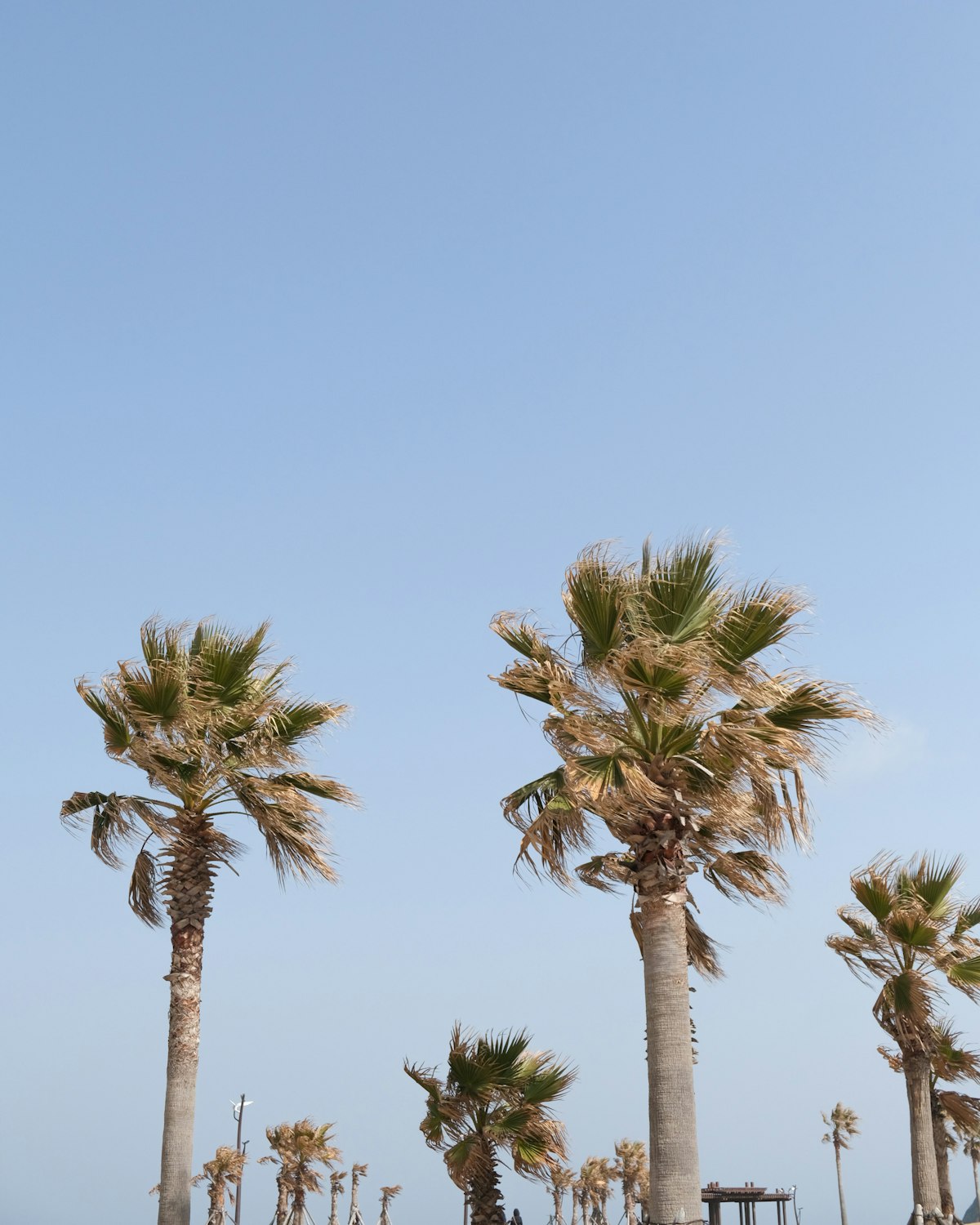
Jeju City & North Coast
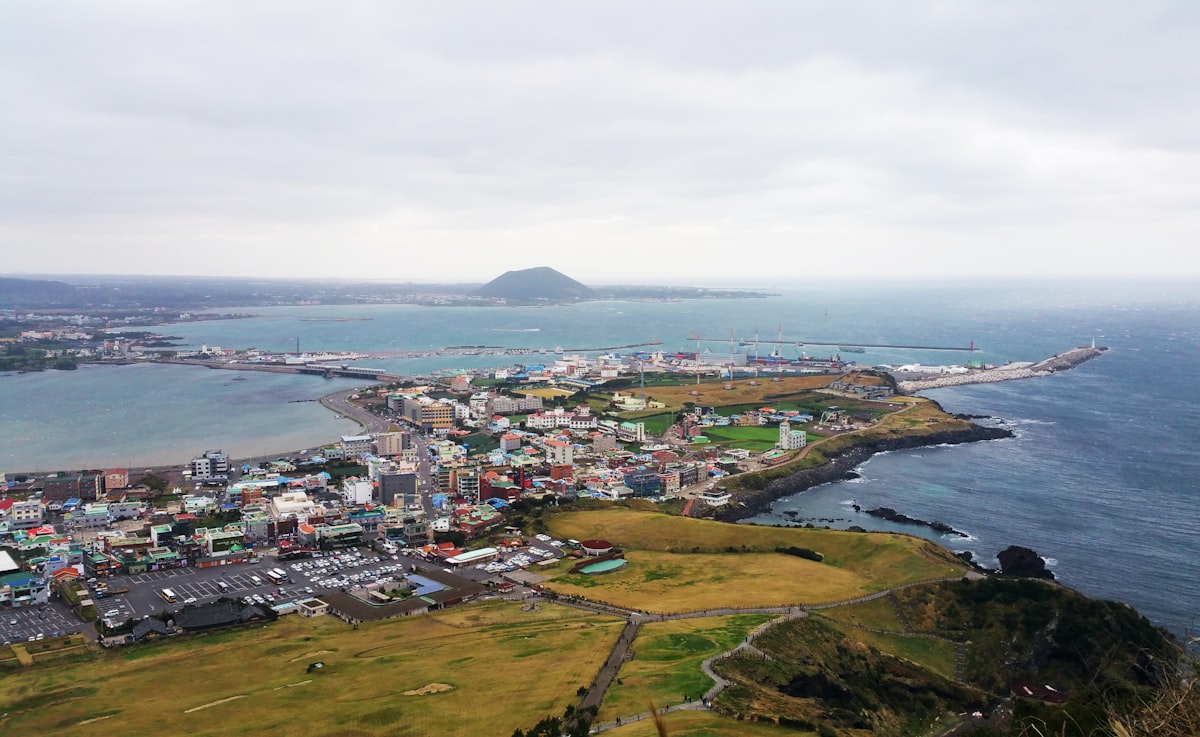
The island's capital and airport gateway — Dongmun Market, budget hotels, ferries to nearby islands, the practical-base north shore.
9/10
Central
8/10
Walk
9/10
Transit
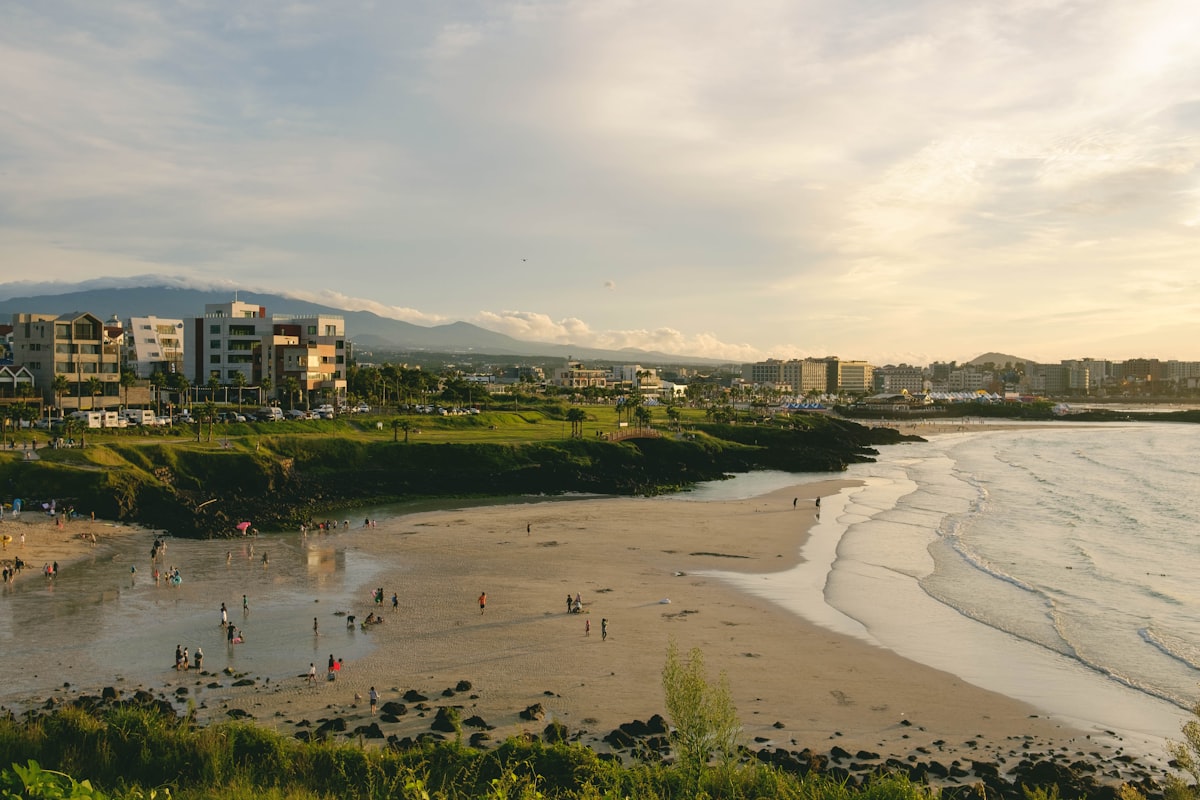
Seogwipo & South Coast
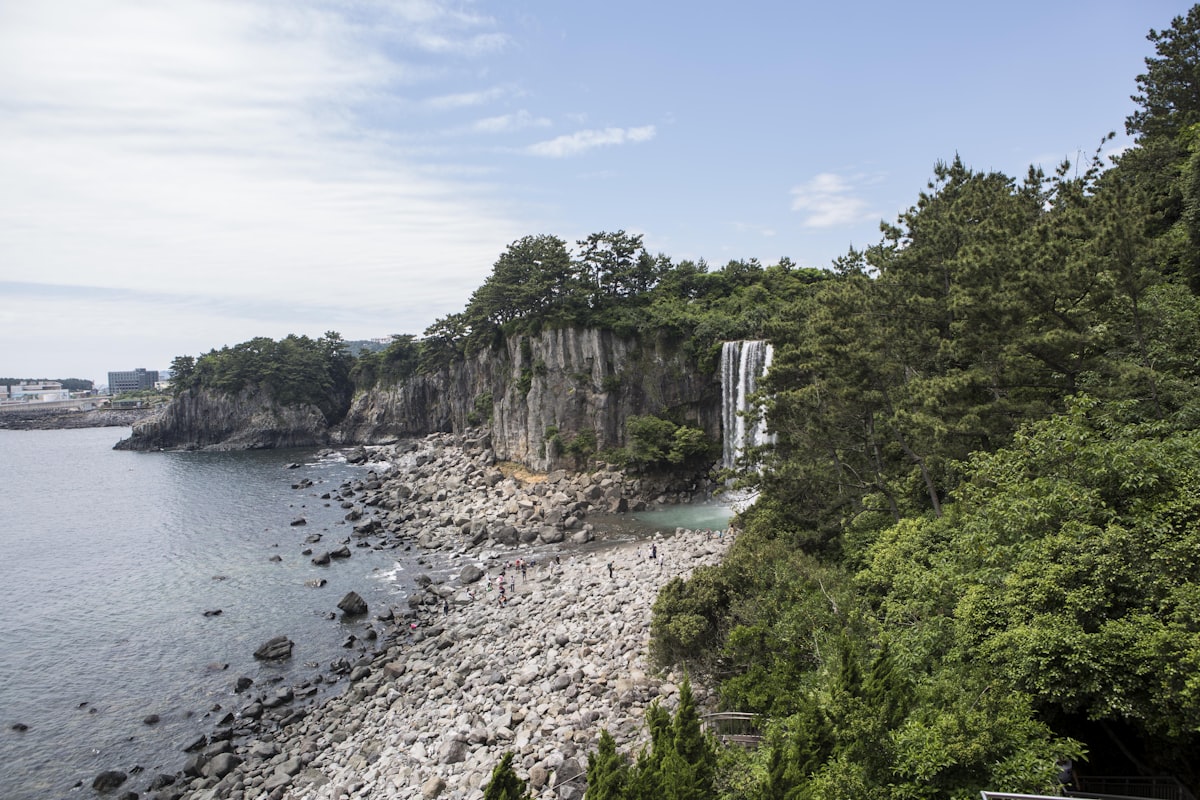
The southern town and most cinematic stretch of Jeju coast — waterfalls cliffing into the sea, Olle trail head, the resort and cafe heartland.
7/10
Central
7/10
Walk
6/10
Transit
Also exploring
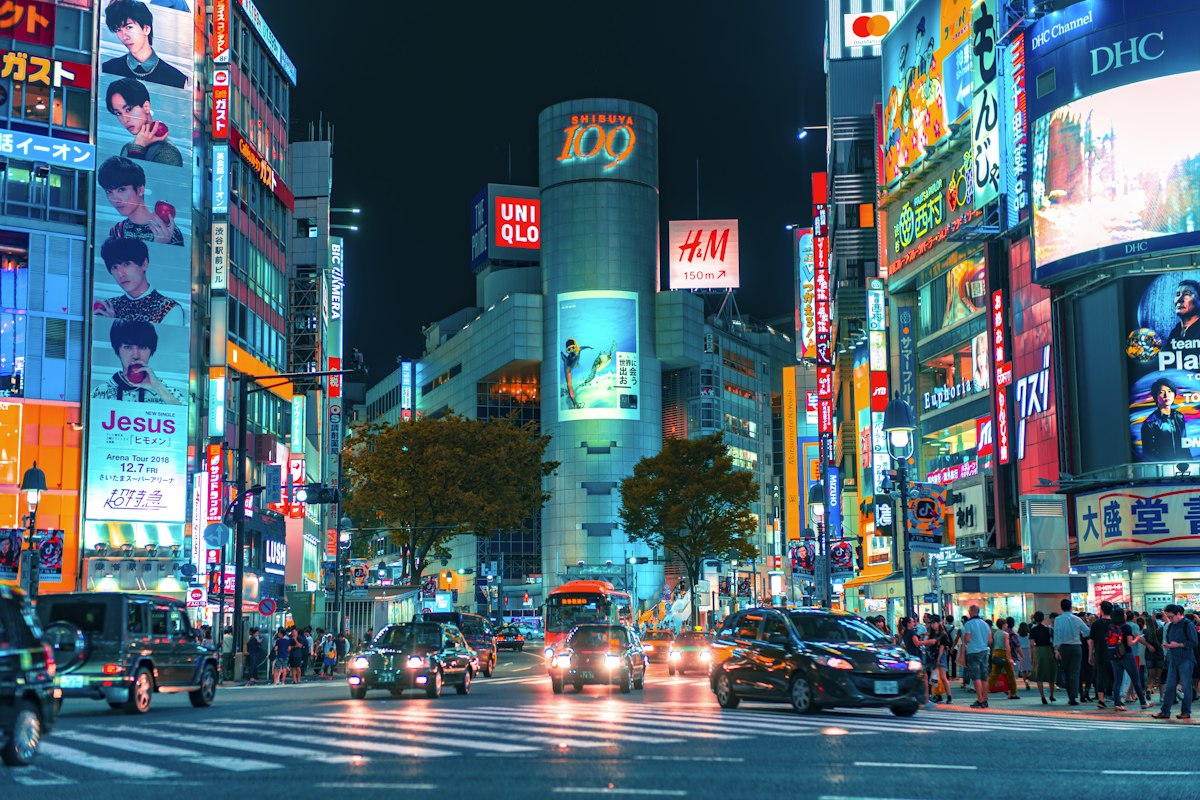
Tokyo
Japan
A city of dramatic seasonal contrasts — cherry blossom crowds, oppressive summer humidity, and golden autumn foliage — where the wrong timing can make or break the trip.
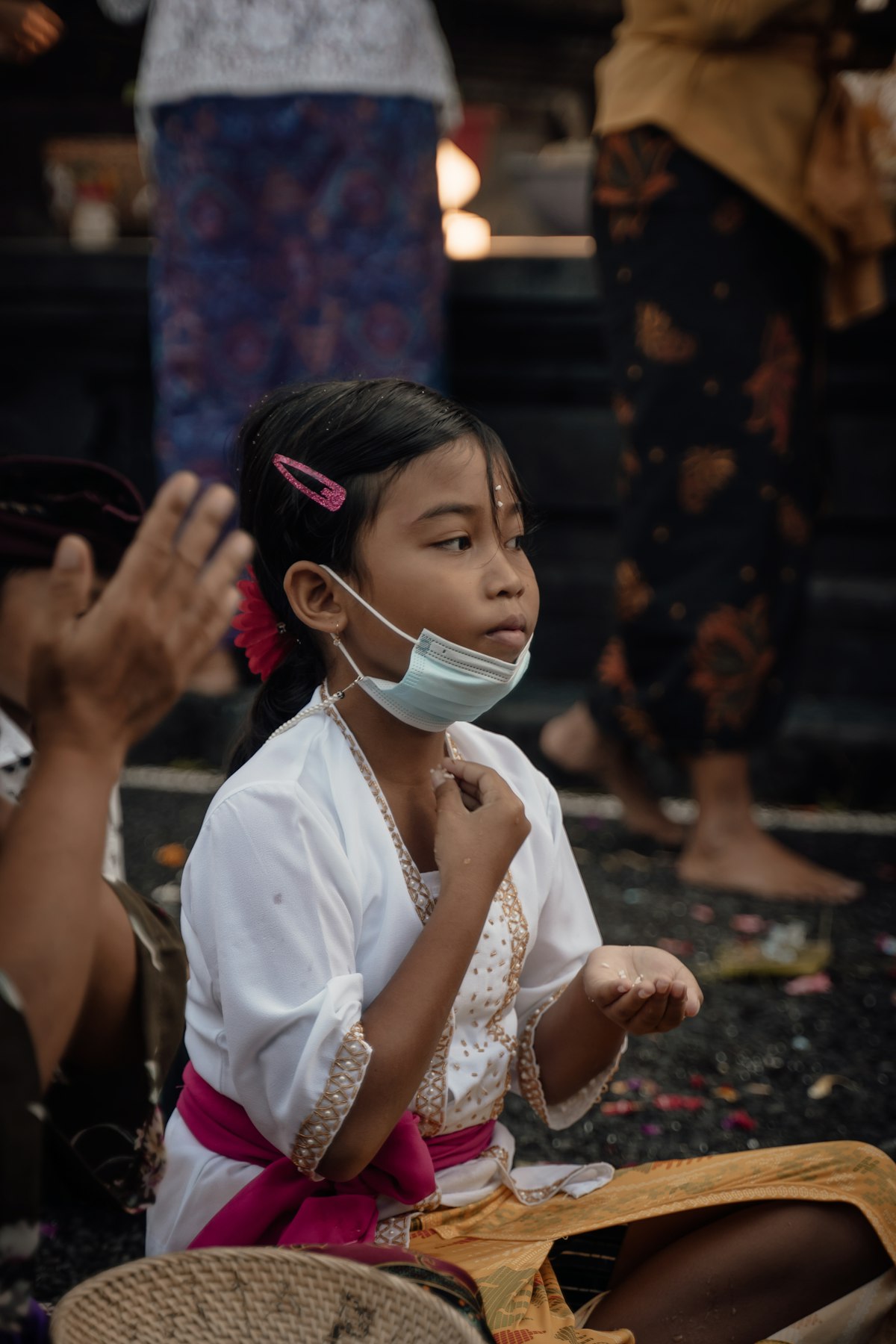
Bali
Indonesia
A Hindu island of rice terraces, temple ceremonies, and surf breaks where the monsoon makes timing genuinely binary — the difference between dry and wet season is not subtle.
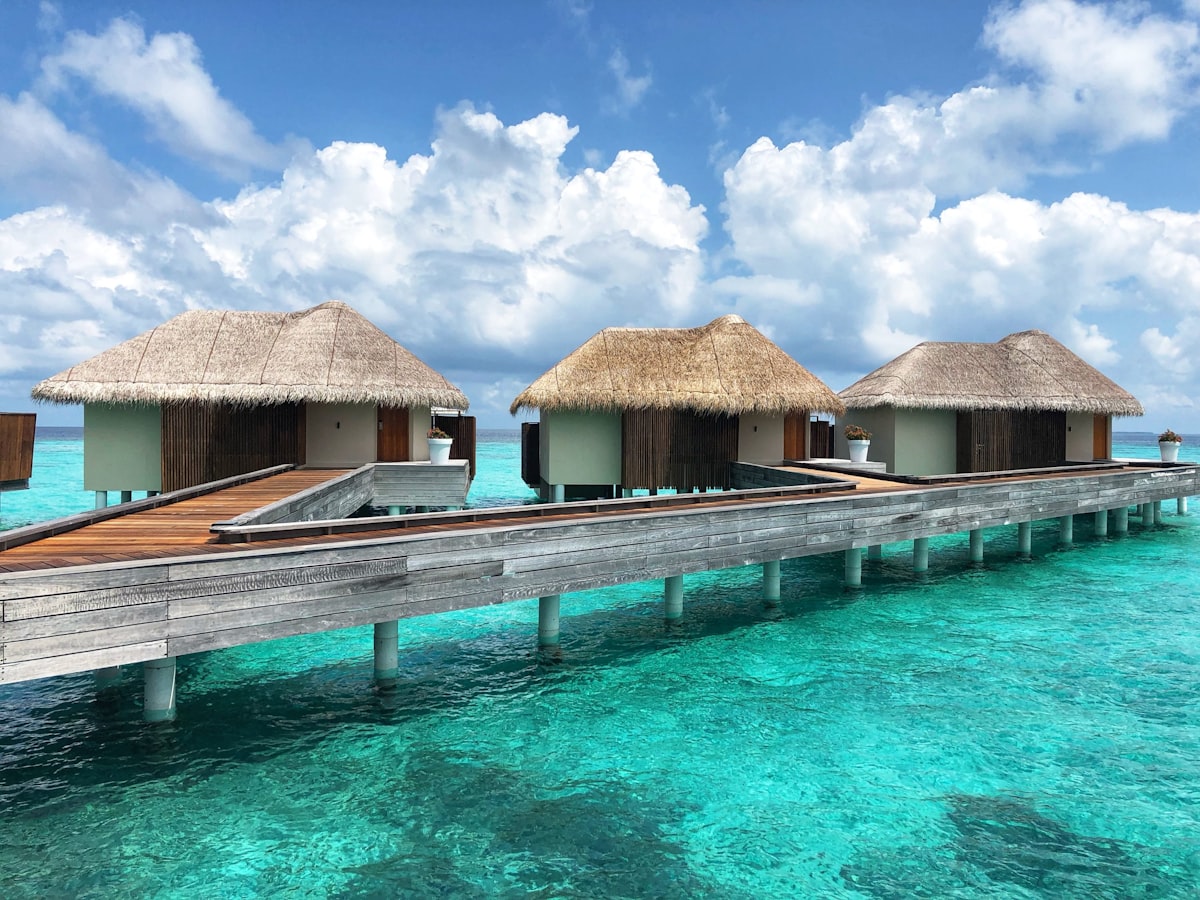
Maldives
Maldives
A destination defined almost entirely by its monsoon calendar — the difference between the NE dry season (November–April) and SW wet season (May–October) is not subtle and shapes every aspect of the experience.
Worth knowing
October scores highest overall. August is the most crowded month — avoid if you can. See crowd-free ranking →
Month by month breakdown
January#7▾
Gains
- ↑Hallasan winter hiking with snow — Seongpanak and Gwaneumsa trails to 1,950m peak
- ↑Hotel rates 50% below August peak — Hyatt Regency and Shilla from KRW 200,000
- ↑Tangerine harvest tail end — orchards still picking sweet hallabong
Sacrifices
- ↓Seollal (Korean Lunar New Year, late Jan/Feb): 3-5 days of family-travel disruption
- ↓Hallasan summit trails: only Seongpanak open, microspikes required Dec-Feb
- ↓Ferries from mainland cancelled 1-2 days/month due to winter storms
February#8▾
Gains
- ↑Plum blossoms (mae-hwa) starting end-February at Hyupjae area orchards
- ↑Hallasan still snow-covered — clear winter peak views possible
- ↑Hotel rates remain at January low
Sacrifices
- ↓Seollal week (often falls in February): all Korea on the move, prices spike
- ↓Cold winds off the East China Sea — coastal walks chilly
- ↓Limited daylight — 4 sun hours/day
March#5▾
Gains
- ↑Rapeseed (yuchae) yellow fields at Sanbangsan and Seongsan — peak photography
- ↑Cherry blossoms start late month (King Cherry, prunus yedoensis) — earliest in Korea
- ↑Hallasan winter trail closures lifting — Yeongsil and Eorimok reopening
Sacrifices
- ↓Late-March cherry weekend (last week) packs Jeju City and Seogwipo
- ↓Plum-rain showers — 80mm with 8 rain days
- ↓Temperature swings — pack layers, 12C/6C
April#3▾
Gains
- ↑Cherry blossoms (Jeolmul, Sarabong, Jeju City roads) peak first week of April
- ↑Jeju Fire Festival (Saebyeol Oreum, March-April): burning of fields, Asia's largest
- ↑Yuchae festival fields at peak — entire valleys neon yellow
Sacrifices
- ↓Cherry-blossom weekend: hotel rates double, traffic on coastal roads heavy
- ↓Plum-rain showers continuing — 8-10 rain days
- ↓Pension and resort bookings need 2-3 month lead time for cherry weeks
May#4▾
Gains
- ↑Hallasan summit trails fully open — Seongpanak and Gwaneumsa to peak crater
- ↑Hydrangeas (suregi) and azaleas across Saryeoni Forest
- ↑Buddha's Birthday lanterns at Sanbangsa and Yakcheonsa Temple
Sacrifices
- ↓Children's Day (May 5) and Buddha's Birthday: 3-day Korean travel surges
- ↓Plum-rain season properly arriving — 110mm rainfall
- ↓Hotel rates climbing toward summer peak
June#9▾
Gains
- ↑Hydrangea peak at Hyupjae and Aewol cafe-belt — pink and blue clouds along coast
- ↑Pre-summer rates remain manageable — pensions from KRW 150,000
- ↑Lush green Hallasan and Saryeoni Forest — the island's prettiest tree cover
Sacrifices
- ↓Jangma (monsoon): 200mm rainfall, 15+ rainy days
- ↓Hallasan summit clouded most days
- ↓Coastal swimming uncomfortable in storm-churn
July#11▾
Gains
- ↑Sea temperature 24C — first reliably swimmable month at Hyupjae and Jungmun beaches
- ↑Korean indie music festivals (Stepping Stone Festival) and food festivals start
- ↑Coastal cafe scene at Aewol full swing
Sacrifices
- ↓Late jangma + early typhoon — 240mm rainfall, ferry cancellations possible
- ↓Pension rates climbing as Korean school break starts
- ↓Tropical 28C/23C with 84% humidity
August#12▾
Gains
- ↑Domestic vacation energy at Hyupjae, Jungmun, Geumneung beaches
- ↑Sea at year-warmest 25C — best swimming and snorkeling at Udo island
- ↑Major food and music festivals across the island
Sacrifices
- ↓Hotel rates at peak — Shilla Jeju and Hyatt Regency from KRW 500,000+
- ↓Typhoon risk highest — 2-3 named storms possible, ferry/flight disruption
- ↓Pensions and resort cottages booked 3-4 months ahead
September#6▾
Gains
- ↑Sea still 24C — warmest swimming after the crowds clear
- ↑Hotel rates 40% below August peak after first week
- ↑Pink muhly grass starting at Saryeoni and Hwasun
Sacrifices
- ↓Chuseok (Korean Thanksgiving, often Sep): 5-day family-travel disruption
- ↓Active typhoon season — 1-2 storms can hit hard
- ↓Plum-rain tail showers continuing
October#1▾
Gains
- ↑Hallasan autumn foliage (danpung) peaks third week — Yeongsil trail spectacular
- ↑Pink muhly grass at Saryeoni and Hwasun in full neon-pink
- ↑First hallabong tangerines coming to market
Sacrifices
- ↓Hotel rates climbing — Shilla and Lotte at autumn-peak 30% above shoulder
- ↓Hangeul Day and Foundation Day holiday weekends busy
- ↓Hallasan summit weekends require 04:00 trailhead arrival
November#2▾
Gains
- ↑Hallabong and Cheonhyehyang tangerine harvest peak — pick-your-own at orchards
- ↑Hotel rates 40% below October — KRW 200,000 boutique pensions
- ↑Late foliage on lower slopes — coastal cafe terraces still warm
Sacrifices
- ↓Hallasan upper trails getting cold — fleece needed
- ↓Some seasonal cafes and beach restaurants closing for winter
- ↓Coastal swimming over for the year
December#10▾
Gains
- ↑Hallasan first snow — Seongpanak trail genuinely white by mid-month
- ↑Sunrise peak Seongsan Ilchulbong for New Year's sunrise tradition
- ↑Hotel rates at year-low — Hyatt and Shilla from KRW 220,000
Sacrifices
- ↓Cold 10C/4C with East China Sea wind — coastal walks chilly
- ↓NYE sunrise crowds at Seongsan Ilchulbong (Dec 31 → Jan 1)
- ↓Many smaller pensions closing for renovation
How this is calculated
Climate data
Open Meteo ERA5
30-year normals (1991–2020). Temperature, rainfall, sunshine, humidity.
Price & crowd
Tourism research
Seasonal pricing from tourism authority data. Directional — compares months within a destination only.
Personalisation
Weighted scoring
Your priorities change the weights. Budget-first users get different results than weather-first users.
Share this result
October is the best time to visit Jeju
Travel timing updates
New destinations and timing guides, when they land.
No spam. Unsubscribe anytime.