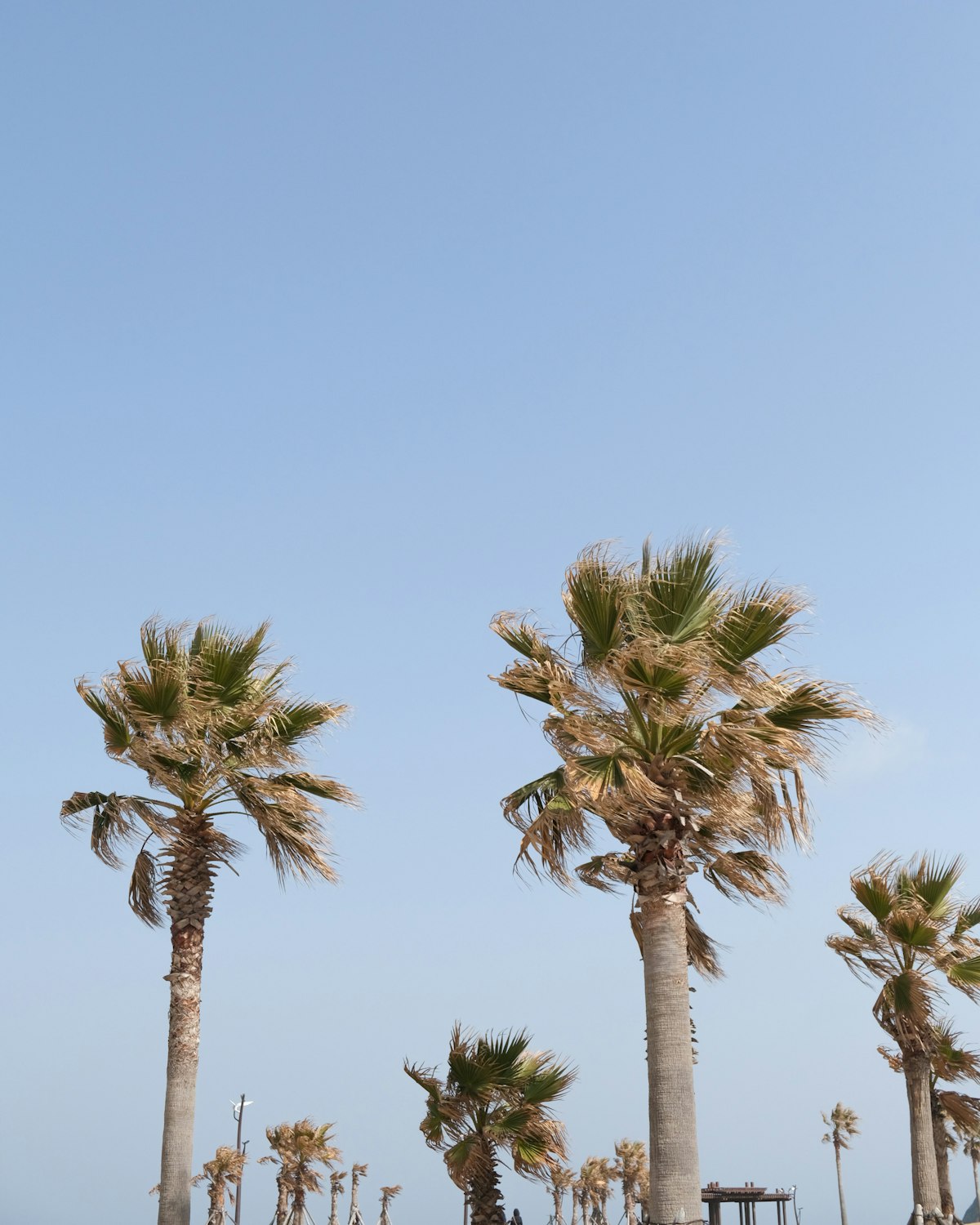
Jeju
Jeju City & North Coast
Unsplash / Unsplash
The island's capital and airport gateway — Dongmun Market, budget hotels, ferries to nearby islands, the practical-base north shore.
Jeju City sits on the north coast hosting Jeju International Airport (35-min flight from Seoul) and the ferry port to Udo and mainland Korea. The city itself is functional rather than scenic — Dongmun Traditional Market (since 1945) for hallabong tangerines, dried fish and street food, the Iho Tewoo Beach with its iconic horse-and-mare lighthouse pair, and Hyatt Regency / Lotte City Hotel for transit-friendly stays. East along the north coast, the Aewol area is the trendy cafe belt — Anthracite, Bono Bono, Cafe Bombom. Most travellers fly in here, base 1 night, then move south or east.
Scores
Walkability
Transit
Price
Local feel
Nightlife
Family-friendly
Centrality
What you gain
- ↑Closest accommodation to Jeju Airport — 10-15 min taxi
- ↑Dongmun Market: fresh hallabong, dried mackerel, octopus, KRW 5,000 street food bowls
- ↑Aewol cafe belt: dozens of design cafes overlooking black-basalt coast
What you sacrifice
- ↓City itself less scenic than south coast Seogwipo
- ↓Less spectacular beaches than west or east coasts
- ↓Hyatt Regency feels dated vs Shilla/Lotte resorts on south coast
Best for
Avoid if
Other Jeju neighbourhoods
The dramatic east coast — the Sunrise Peak crater, haenyeo sea-women, Udo island ferry — Jeju's most photographed sector.
The southern town and most cinematic stretch of Jeju coast — waterfalls cliffing into the sea, Olle trail head, the resort and cafe heartland.
The volcanic core of the island — Hallasan National Park, its 1,950m crater, plus Saryeoni Forest and the highland horse ranches.
Know where to stay — now find when to go.
Best time to visit Jeju →