Jeju
Seongsan Ilchulbong & East Coast
Unsplash / Unsplash
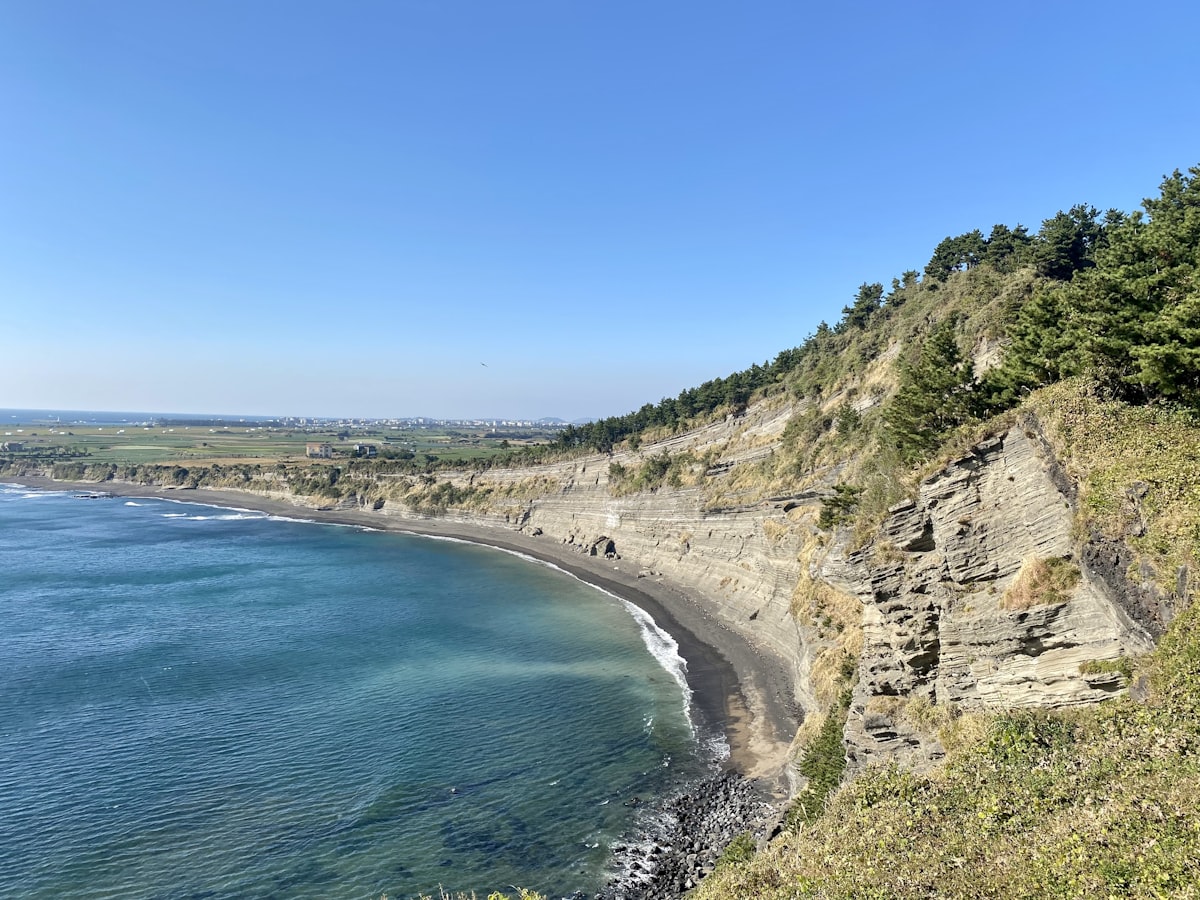
The dramatic east coast — the Sunrise Peak crater, haenyeo sea-women, Udo island ferry — Jeju's most photographed sector.
Seongsan Ilchulbong (Sunrise Peak) is a 182m tuff cone rising directly from the sea, formed by a volcanic eruption 5,000 years ago — UNESCO World Heritage. The 20-min hike to its rim is the island's most iconic walk, especially at sunrise. Below it, the haenyeo (women free-divers, average age 60+) still dive for abalone and conch in cold water — performances daily near the peak. The ferry to Udo (the small farming-and-beaches island 15 min offshore) leaves from nearby Seongsan port. The wider east coast (Gimnyeong, Woljeongri Beach, Hado) has the island's prettiest white-sand beaches and quietest coastal cafes.
Scores
Walkability
Transit
Price
Local feel
Nightlife
Family-friendly
Centrality
What you gain
- ↑Sunrise from Seongsan Ilchulbong (one of South Korea's top NYE sunrise spots)
- ↑Haenyeo performance plus fresh-caught conch lunch at the foot of the peak
- ↑Udo island ferry day-trip: bike around in 3 hours, peanut ice-cream, white beaches
What you sacrifice
- ↓Sunrise hike before 06:00 means dawn drive on rural roads
- ↓Limited hotel scene around Seongsan — mostly pensions
- ↓Udo ferries weather-cancelled 1-2 days/month in winter
Best for
Avoid if
Other Jeju neighbourhoods
The island's capital and airport gateway — Dongmun Market, budget hotels, ferries to nearby islands, the practical-base north shore.
The southern town and most cinematic stretch of Jeju coast — waterfalls cliffing into the sea, Olle trail head, the resort and cafe heartland.
The volcanic core of the island — Hallasan National Park, its 1,950m crater, plus Saryeoni Forest and the highland horse ranches.
Know where to stay — now find when to go.
Best time to visit Jeju →