
Showing: Oct · Unsplash / Unsplash
Japan · Asia Pacific
Best time to visit Okinawa
October
Oct scores highest overall — reliable weather and good value. Set your priorities below to personalise this result.
What matters most to you?
All 12 months — click any to expand
Oct
Unsplash / Unsplash
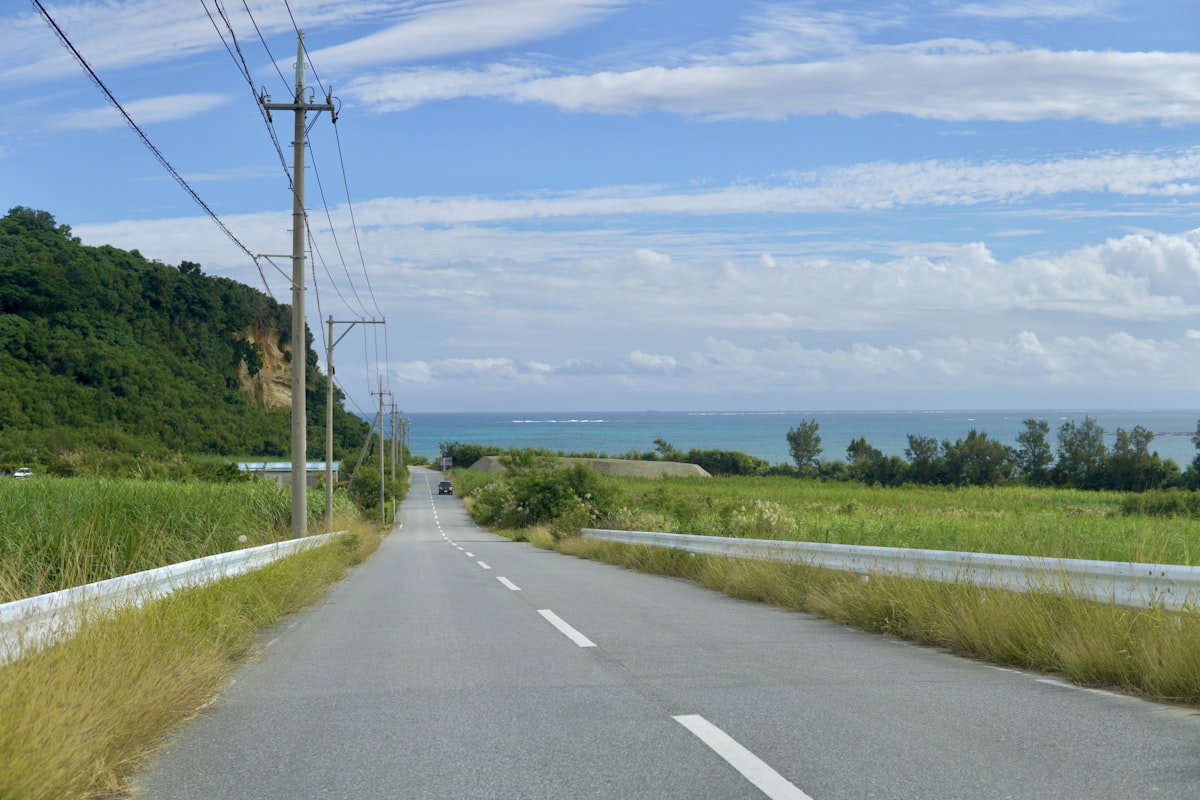
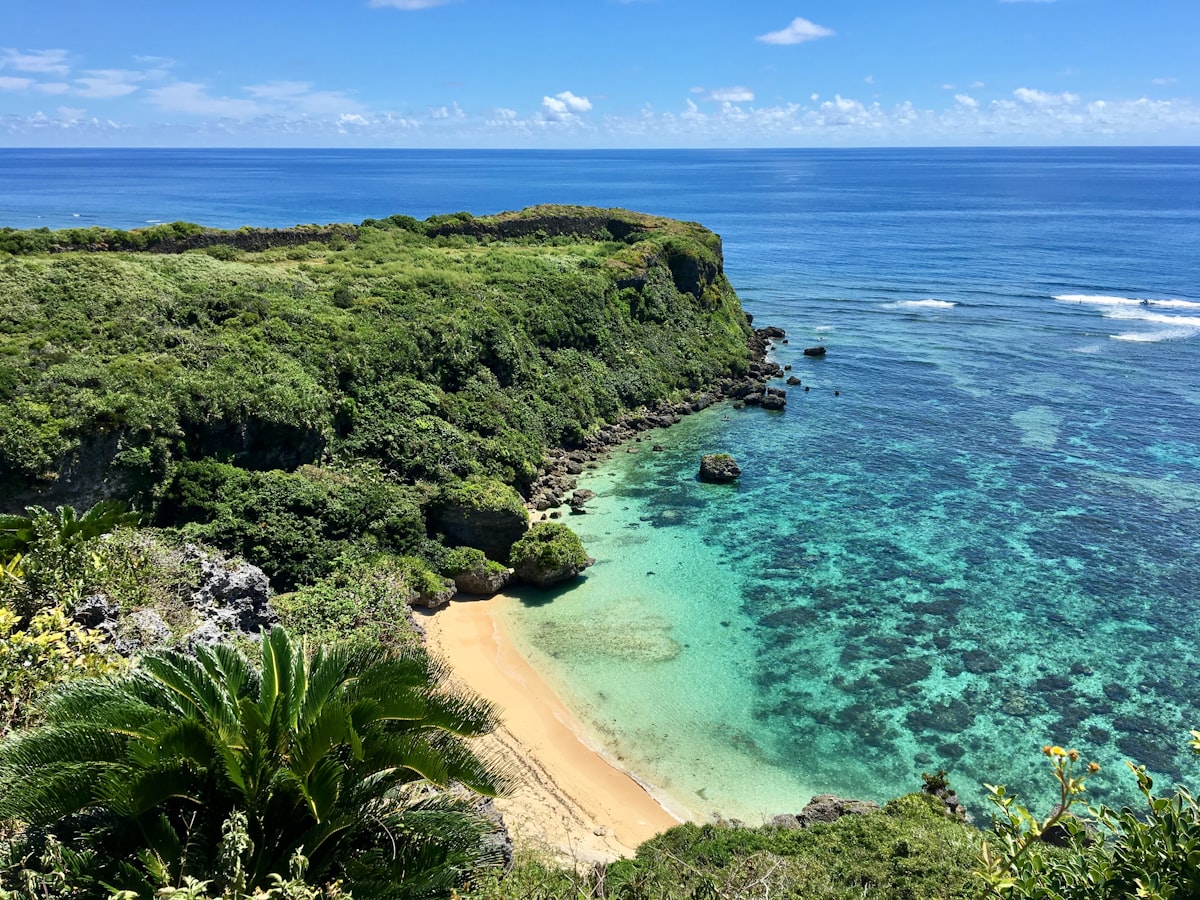
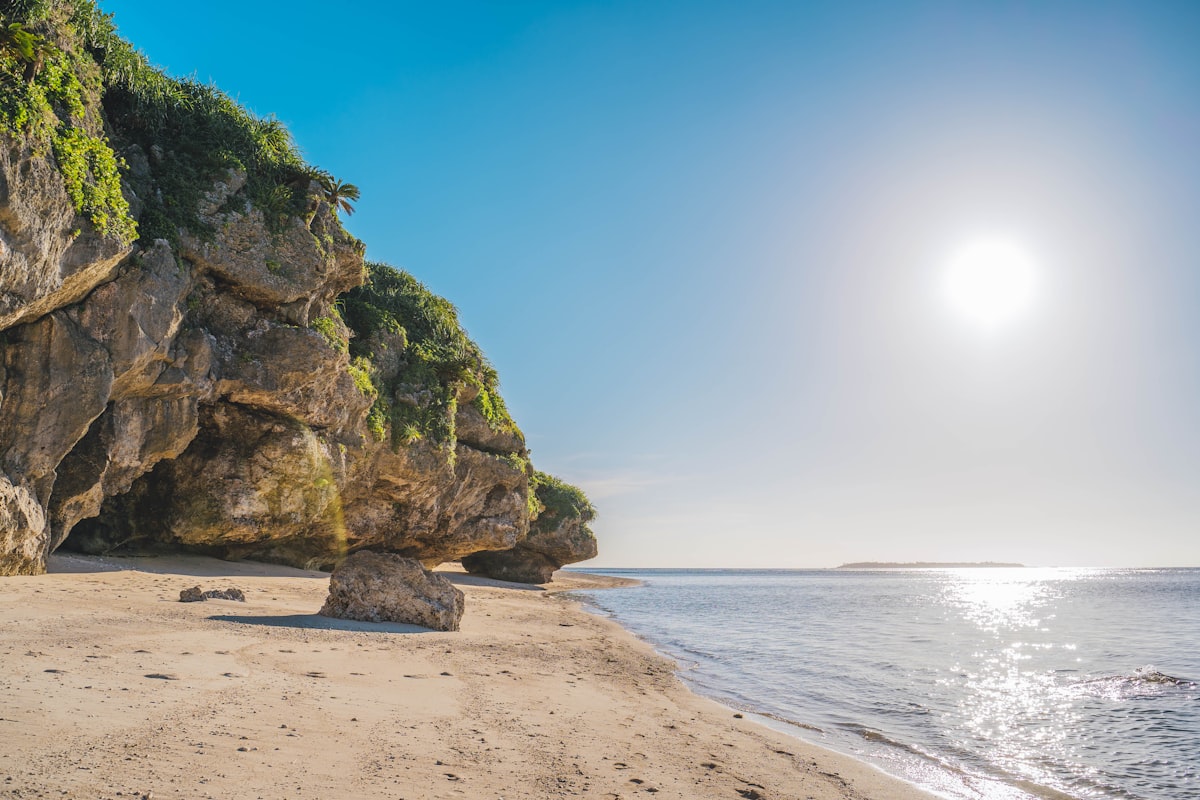
Sweet spot — typhoons fading, 28°C and warm water, Naha Great Tug-of-War spectacle.
28°C
High
23°C
Low
153mm
Rain
6h
Sun/day
What you gain
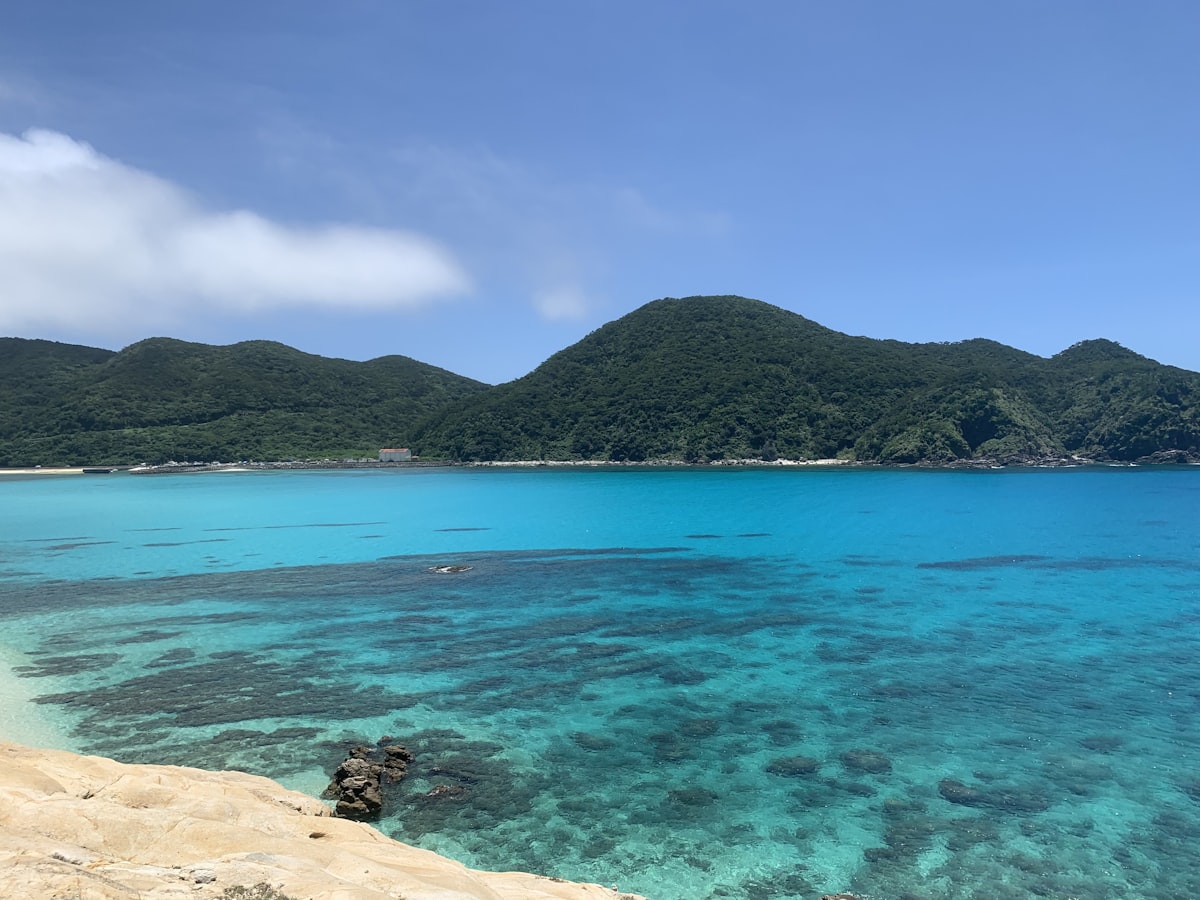
- ↑Sea still 27°C, dive visibility 25-30m
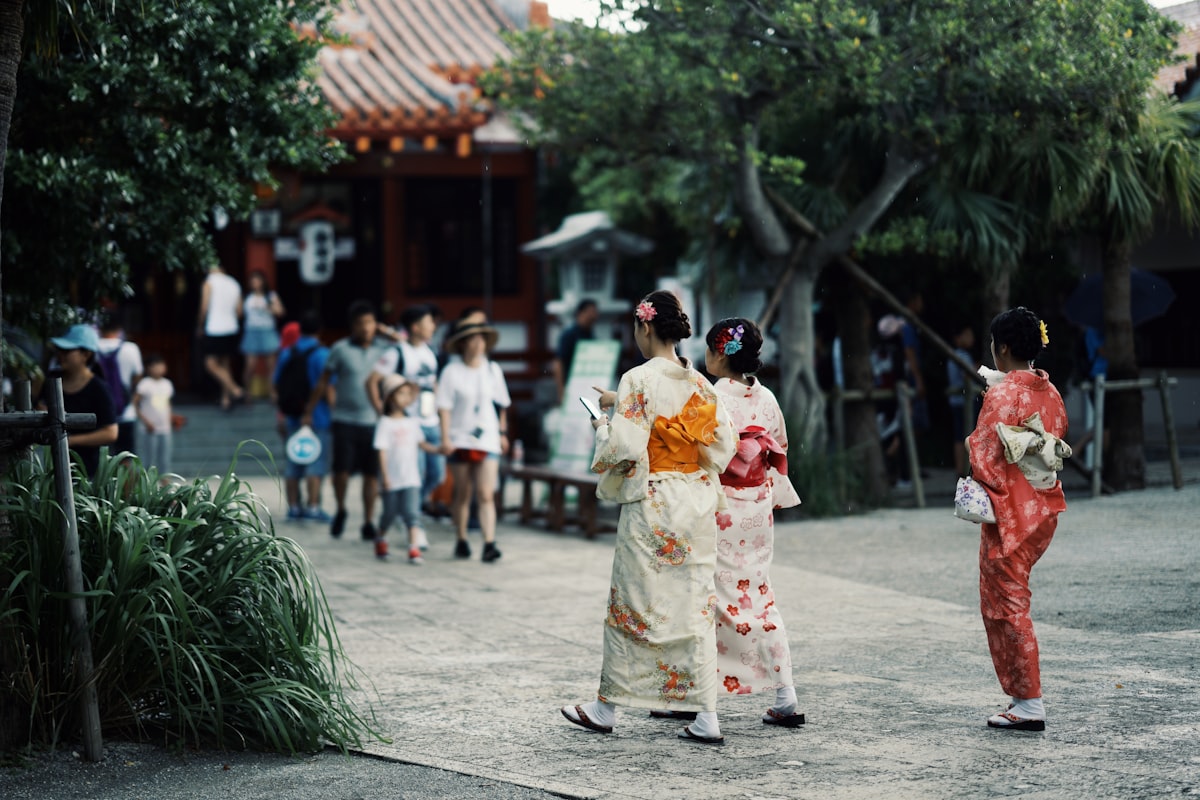
- ↑Naha Matsuri (Great Tug-of-War) early October
- ↑Typhoon risk drops to ~15% by month-end
What you sacrifice
- ↓Last weeks can still see late-season typhoons (rare but devastating)
- ↓Some outer-island ferries reduce schedule mid-month
Oct scores highest overall — reliable weather and good value. Set your priorities below to personalise this result.
Oct
Sweet spot — typhoons fading, 28°C and warm water, Naha Great Tug-of-War spectacle.
28°C
High
153mm
Rain
6h
Sun
- ↑Sea still 27°C, dive visibility 25-30m
- ↑Naha Matsuri (Great Tug-of-War) early October
- ↑Typhoon risk drops to ~15% by month-end
- ↓Last weeks can still see late-season typhoons (rare but devastating)
- ↓Some outer-island ferries reduce schedule mid-month
Top travel windows
★ BestOctober
Best overall
Highest combined score
28°C
High
153mm
Rain
6h
Sun
February
Best for value
Lowest prices & fees
19°C
High
119mm
Rain
4.7h
Sun
January
Fewest crowds
Quietest month
19°C
High
107mm
Rain
4.5h
Sun
Breakdown by priority
Best for weather
October
28°C high · 153mm rain · 6hrs sun/day
Best for budget
February
Humpback whale watching peak — 95% sighting rate from Zamami
Fewest crowds
January
Kanhizakura (Taiwan cherry) blooming at Nago Castle and Mt Yaedake
Where to stay in Okinawa
All neighbourhoods →
Naha (Kokusai Dori)
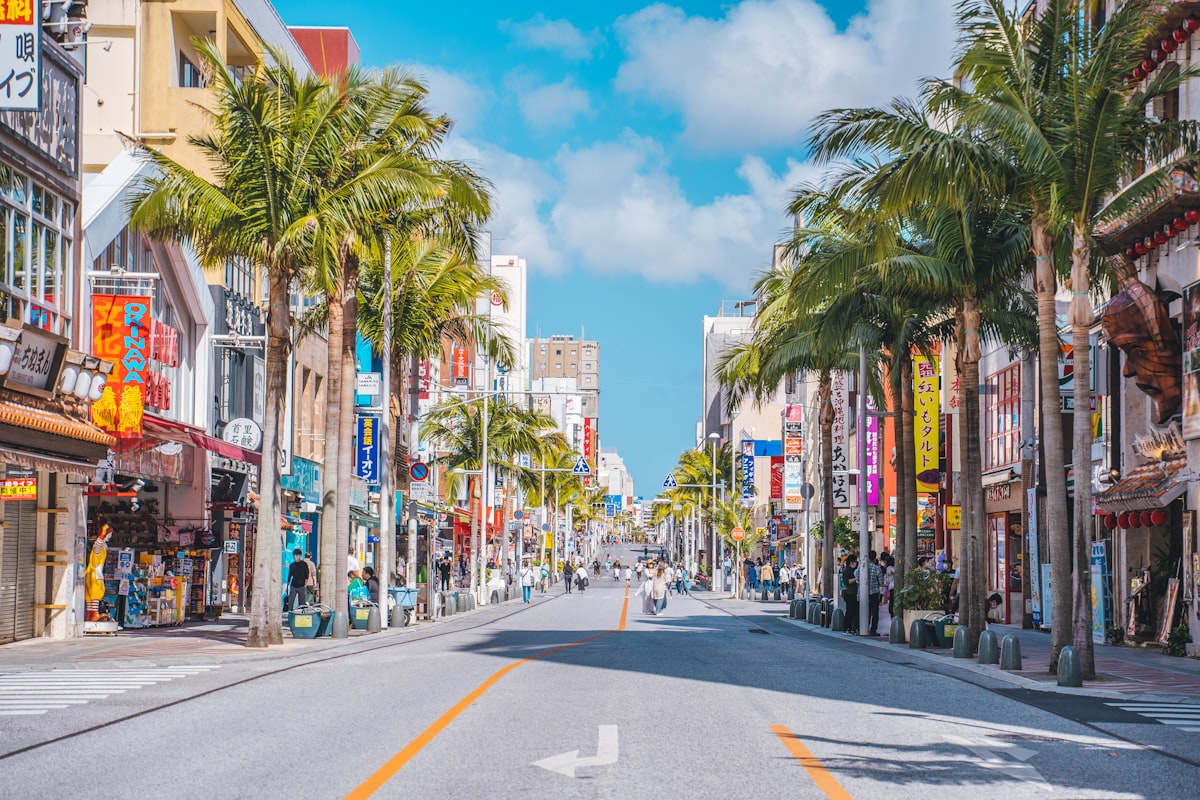
Capital city base around Kokusai Dori's 1.6km shopping strip — monorail access and budget hotels.
10/10
Central
9/10
Walk
9/10
Transit
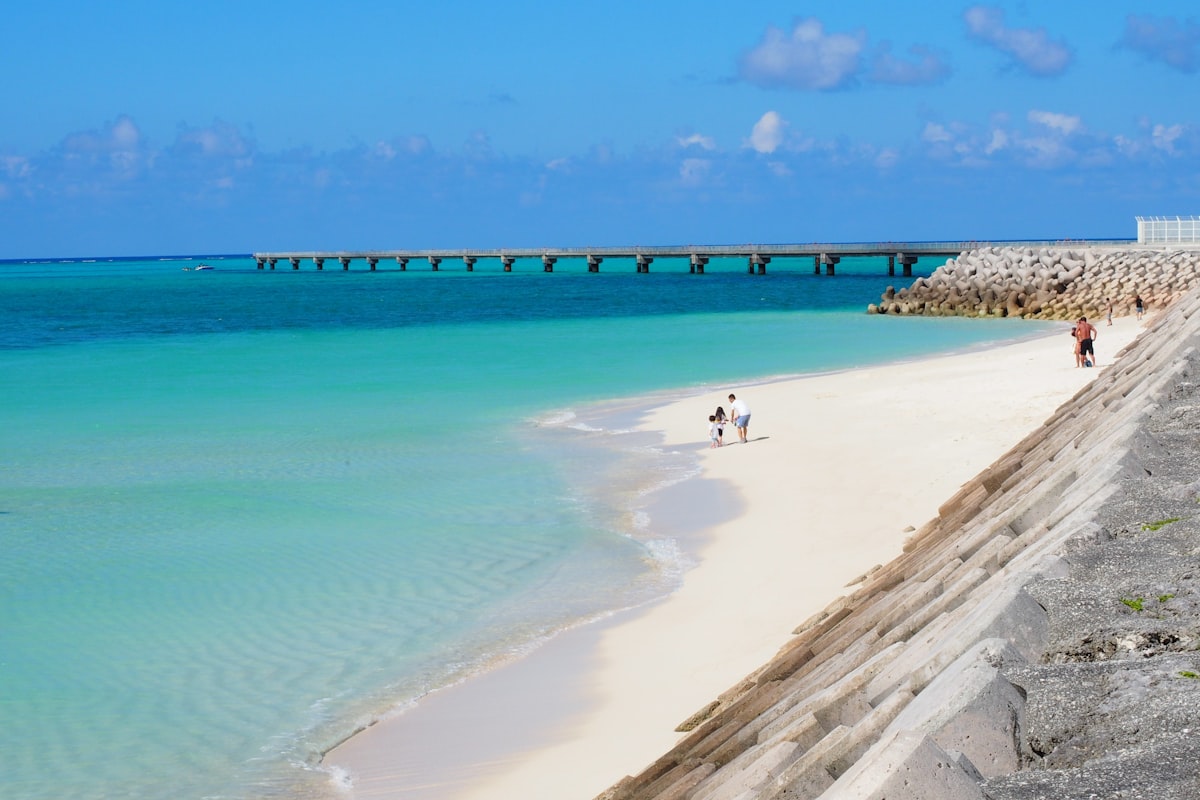
Chatan (American Village)
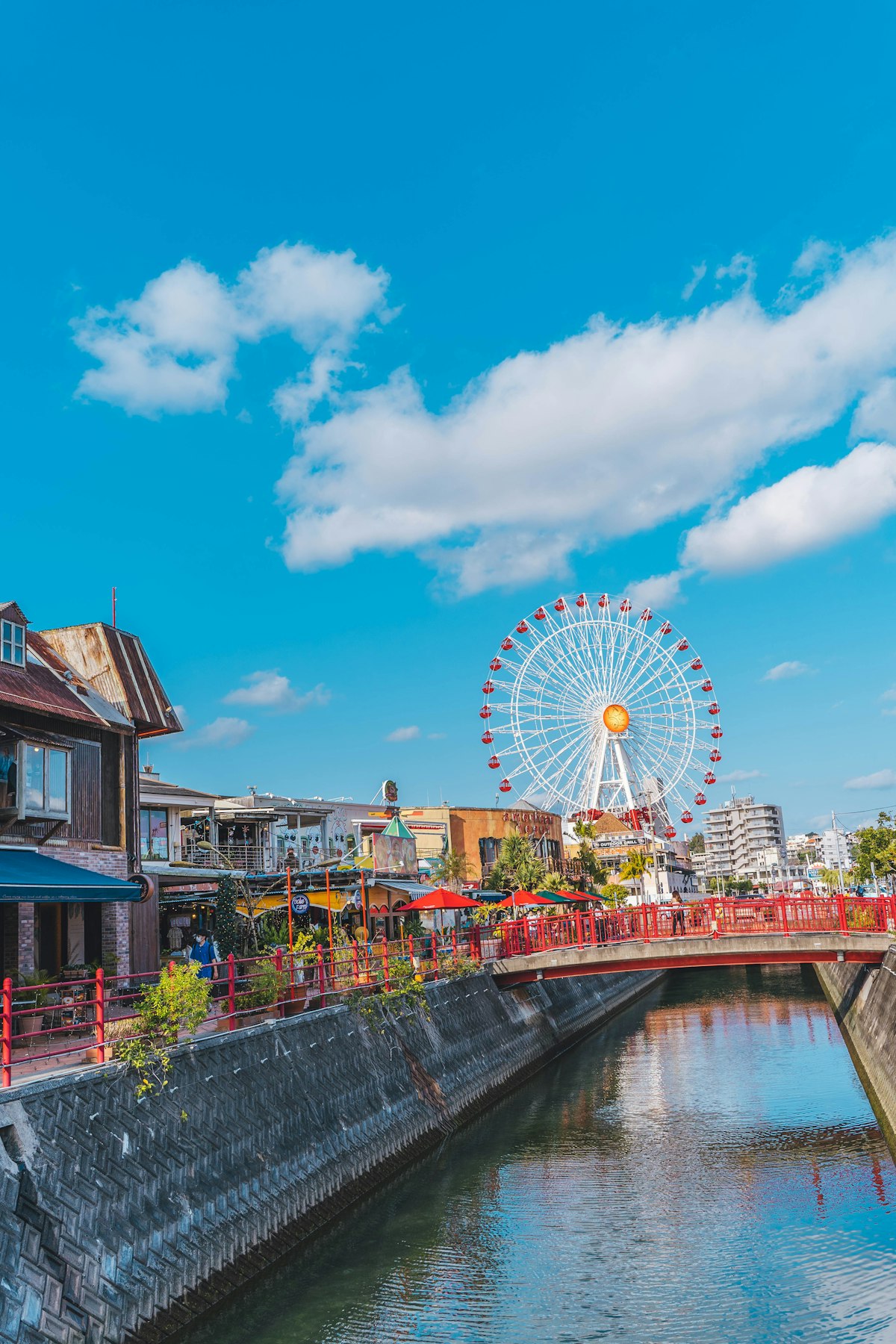
Central-west coast resort strip — Ferris wheel, sunset beach, and US-base-influenced bars and burgers.
8/10
Central
7/10
Walk
4/10
Transit
Also exploring
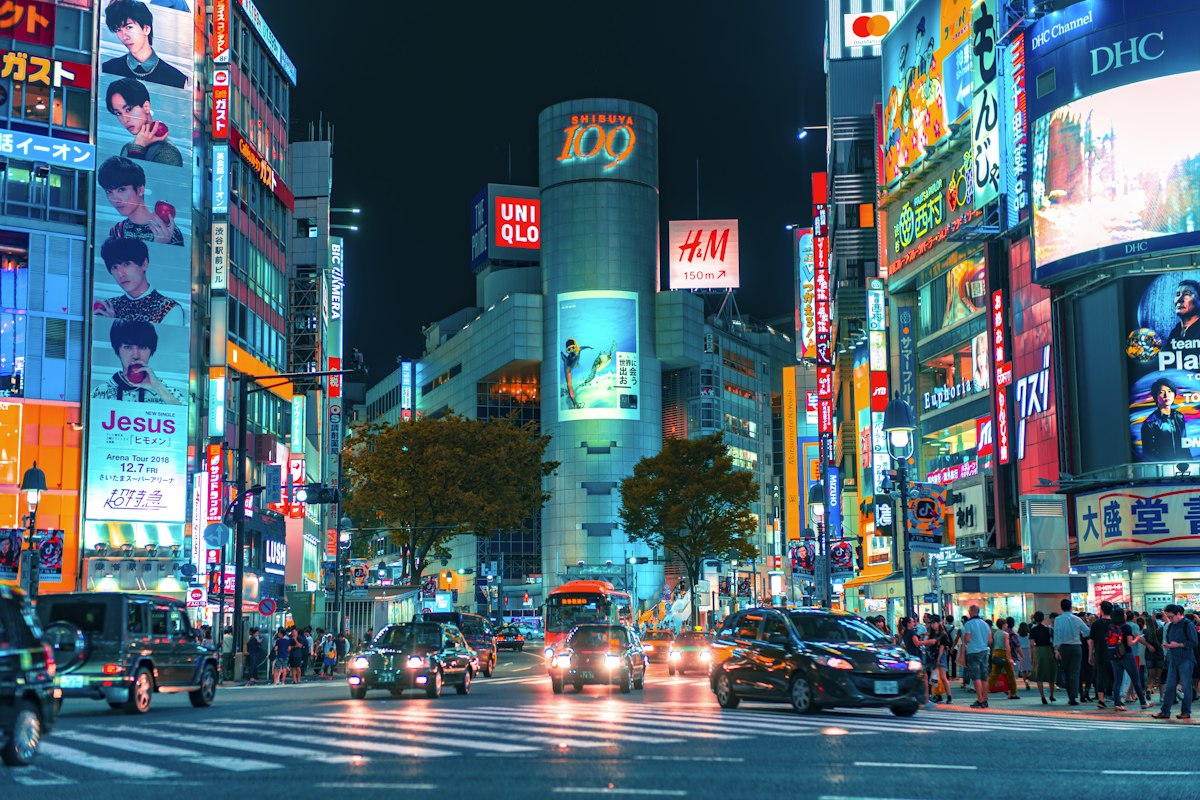
Tokyo
Japan
A city of dramatic seasonal contrasts — cherry blossom crowds, oppressive summer humidity, and golden autumn foliage — where the wrong timing can make or break the trip.
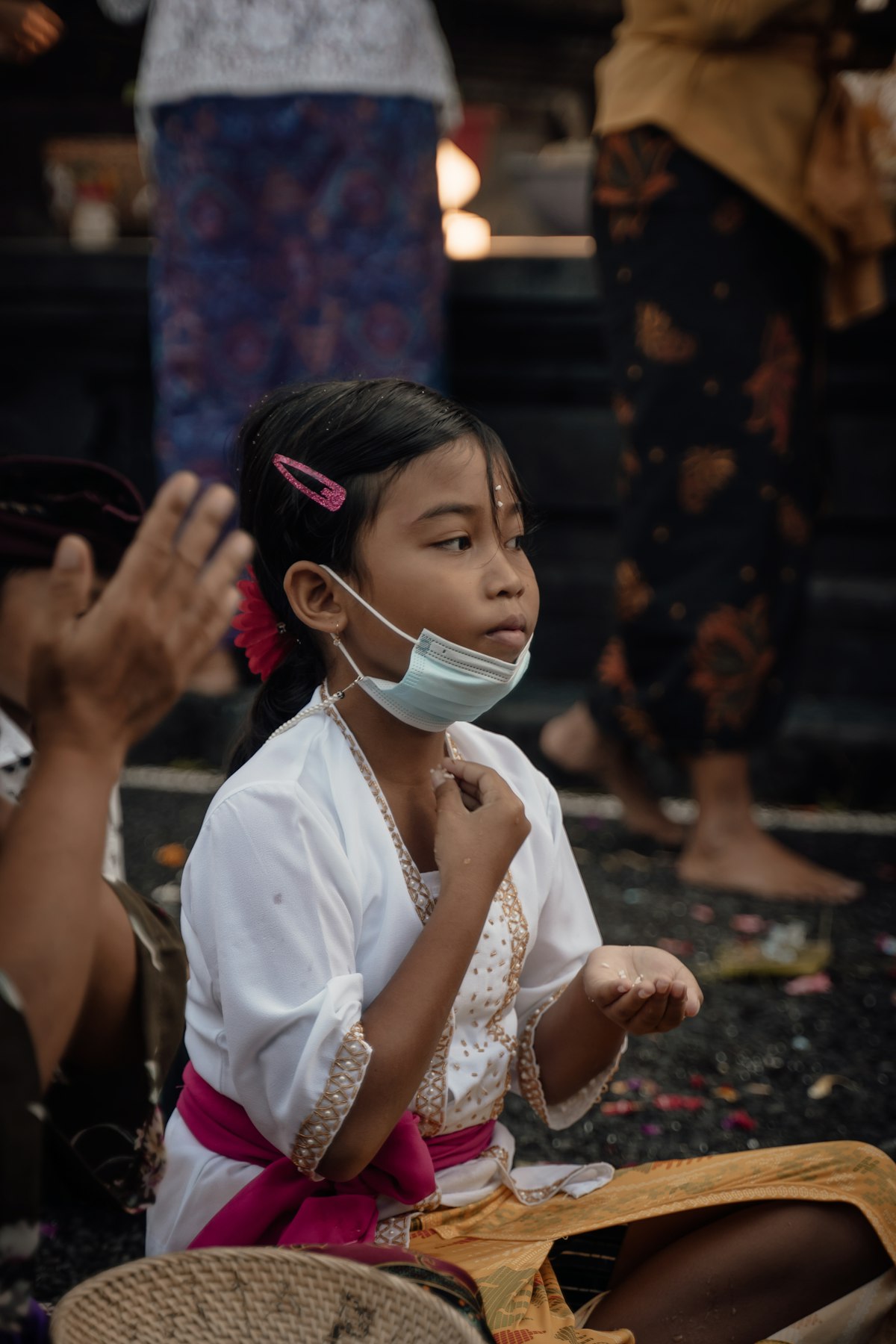
Bali
Indonesia
A Hindu island of rice terraces, temple ceremonies, and surf breaks where the monsoon makes timing genuinely binary — the difference between dry and wet season is not subtle.
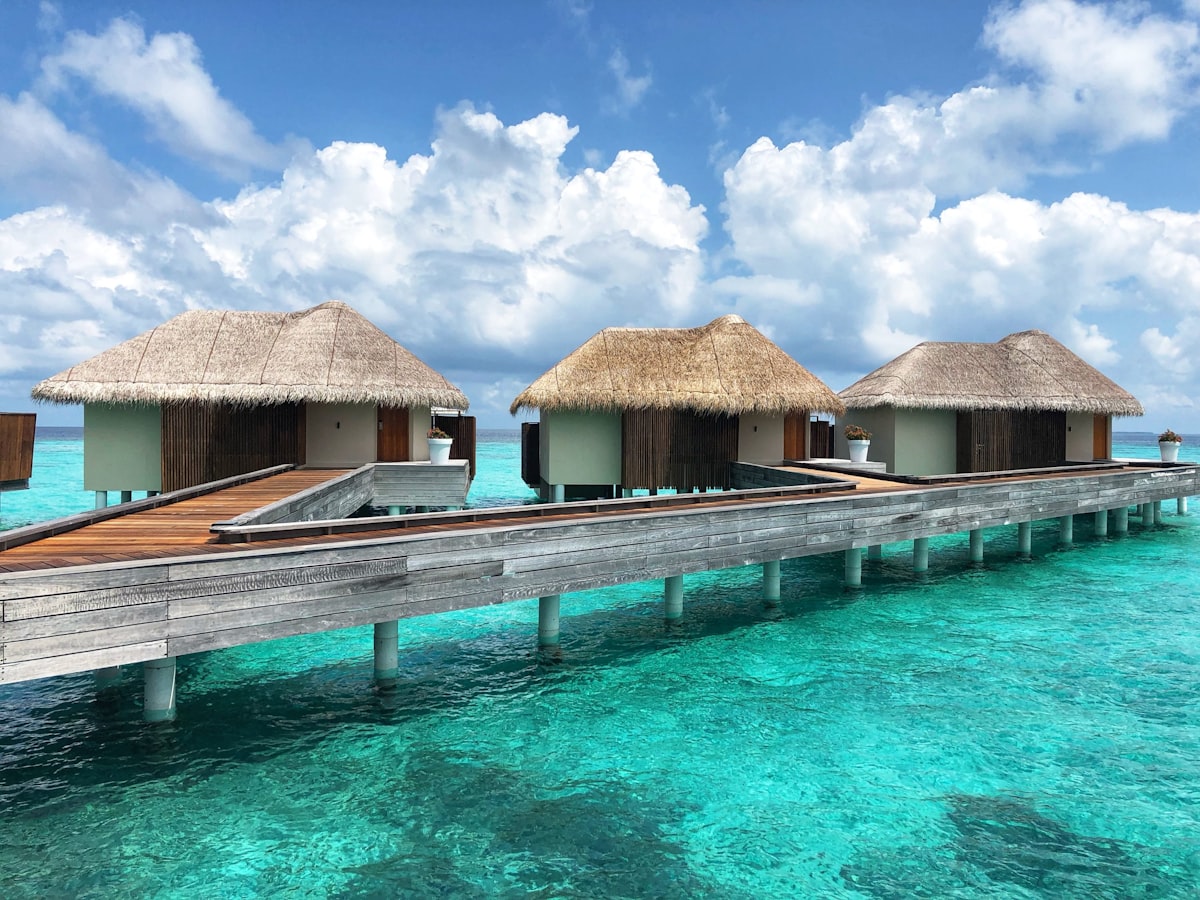
Maldives
Maldives
A destination defined almost entirely by its monsoon calendar — the difference between the NE dry season (November–April) and SW wet season (May–October) is not subtle and shapes every aspect of the experience.
Worth knowing
October scores highest overall. August is the most crowded month — avoid if you can. See crowd-free ranking →
Month by month breakdown
January#4▾
Gains
- ↑Kanhizakura (Taiwan cherry) blooming at Nago Castle and Mt Yaedake
- ↑Hotel rates 35-45% below August on Naha and Onna coast
- ↑Whale watching season opens off Zamami and Kerama Islands
Sacrifices
- ↓Sea too cool for casual swimming (20-21°C)
- ↓Cloudy days frequent, beach photography flat
February#3▾
Gains
- ↑Yaedake Sakura Matsuri (Japan's earliest cherry festival)
- ↑Humpback whale watching peak — 95% sighting rate from Zamami
- ↑Almost no foreign tourists, ferries empty
Sacrifices
- ↓Sea temp 21°C — wetsuits needed for diving
- ↓Persistent cloud cover, fewer postcard-blue water days
March#5▾
Gains
- ↑Official beach opening (umi-biraki) late March
- ↑Visibility for diving climbing past 25m
- ↑Domestic Japanese spring break shorter than Golden Week
Sacrifices
- ↓Water still cool at 22°C for non-divers
- ↓Rainfall climbing — wet days half the month
April#6▾
Gains
- ↑Sea warming to 23-24°C, swimmable without wetsuit
- ↑Pre-Golden Week prices still reasonable until 26 April
- ↑Iriomote and Ishigaki ferries running calm seas
Sacrifices
- ↓Last week books out for Golden Week early
- ↓Humidity climbing past 75%
May#12▾
Gains
- ↑Sea at 25°C, properly warm for snorkelling
- ↑Naha Hari dragon boat races early May
- ↑Festival season starts on outer islands
Sacrifices
- ↓Golden Week (29 Apr–6 May) hotels at 200% rates, fully booked months out
- ↓Tsuyu rainy season starts mid-May — 60% of days wet
- ↓Humidity over 80% with poor visibility for diving
June#10▾
Gains
- ↑Rainy season typically ends 21-23 June, then blue-sky window opens
- ↑Cheaper than July despite warm water (27°C)
- ↑Itoman Hare dragon boat race mid-month
Sacrifices
- ↓First two weeks regularly washed out, sometimes flooding
- ↓First typhoons can form, threatening late June plans
July#9▾
Gains
- ↑Water visibility 30m+, manta rays off Ishigaki
- ↑Bon Odori festivals start mid-month
- ↑7.4 hours daily sunshine, peak beach days
Sacrifices
- ↓Typhoon probability 40% per week — flights cancelled
- ↓Domestic Japanese tourists arriving, weekend resort rates surge
August#11▾
Gains
- ↑Eisa dance festivals across the island during Obon (mid-August)
- ↑Water at 29°C, warmest of the year
- ↑Naha Tug-of-War (longest rope in the world) late August
Sacrifices
- ↓Hotel rates 2-3x January prices, full a month out
- ↓Typhoons cancel flights and ferries on average 1 in 4 weeks
- ↓Heat index regularly over 38°C with humidity
September#8▾
Gains
- ↑Sea still 29°C, snorkelling and diving conditions peak between storms
- ↑Domestic crowds drop sharply after 1 September
- ↑Resort prices fall 30-40% from August
Sacrifices
- ↓Typhoon probability highest of the year (~45% any given week)
- ↓Flooding can close coastal roads on outer islands
October#1▾
Gains
- ↑Sea still 27°C, dive visibility 25-30m
- ↑Naha Matsuri (Great Tug-of-War) early October
- ↑Typhoon risk drops to ~15% by month-end
Sacrifices
- ↓Last weeks can still see late-season typhoons (rare but devastating)
- ↓Some outer-island ferries reduce schedule mid-month
November#2▾
Gains
- ↑Typhoon season effectively over from November 1st
- ↑5+ hours sunshine daily, lowest rainfall
- ↑Shuri Castle Festival recreation of Ryukyu royal procession
Sacrifices
- ↓Sea temp dropping to 25°C, wetsuit advised for long dives
- ↓Outer-island ferry schedules thinned
December#7▾
Gains
- ↑Mildest place in Japan by far (mainland 3°C, Naha 16°C)
- ↑New Year fireworks at Cape Zanpa
- ↑Whale season begins late month off Zamami
Sacrifices
- ↓Sea down to 22°C — diving needs 5mm wetsuit
- ↓New Year week (28 Dec–3 Jan) prices spike for domestic travel
How this is calculated
Climate data
Open Meteo ERA5
30-year normals (1991–2020). Temperature, rainfall, sunshine, humidity.
Price & crowd
Tourism research
Seasonal pricing from tourism authority data. Directional — compares months within a destination only.
Personalisation
Weighted scoring
Your priorities change the weights. Budget-first users get different results than weather-first users.
Share this result
October is the best time to visit Okinawa
Travel timing updates
New destinations and timing guides, when they land.
No spam. Unsubscribe anytime.